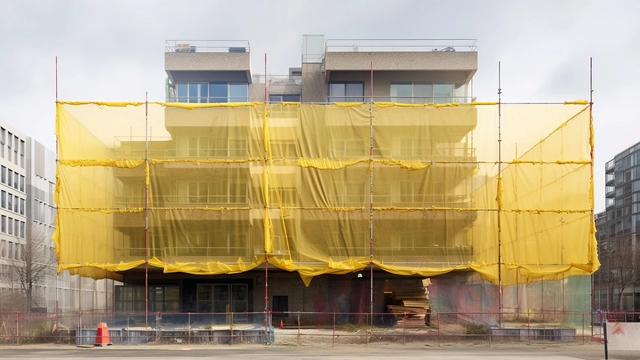
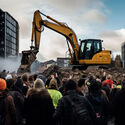
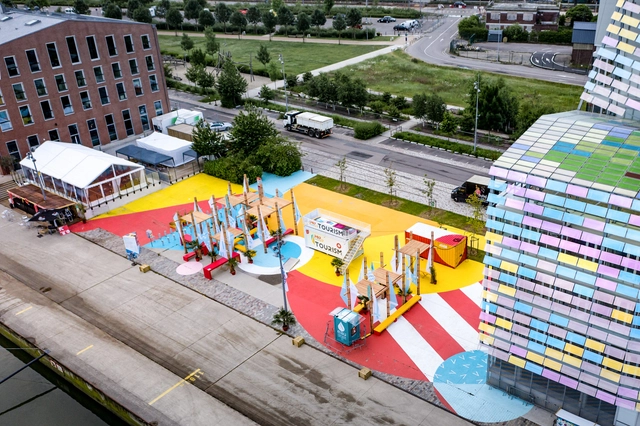
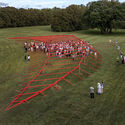
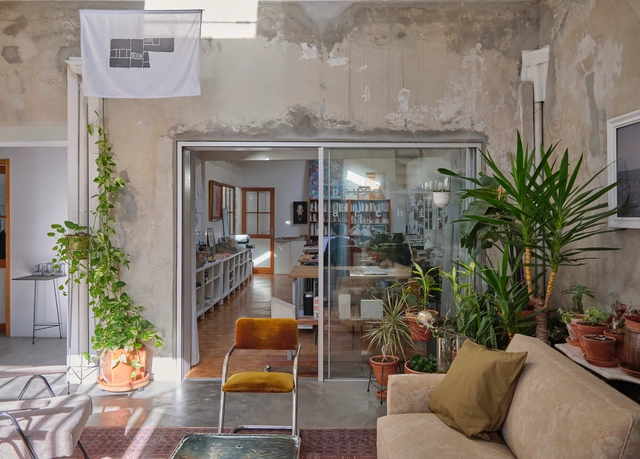
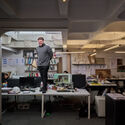
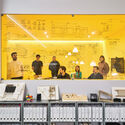
HouseEurope!, a registered non-profit organization focused on promoting the social and ecological transformation of Europe's built environment, has received the 2025 OBEL Award. Presented annually by the Henrik Frode Obel Foundation, the award recognizes architectural contributions with the potential to drive meaningful change. Aligned with this year's theme, "Ready Made," the OBEL Award Jury selected HouseEurope! for its efforts in raising awareness and fostering public engagement around the need for a shift in construction and housing practices across Europe.
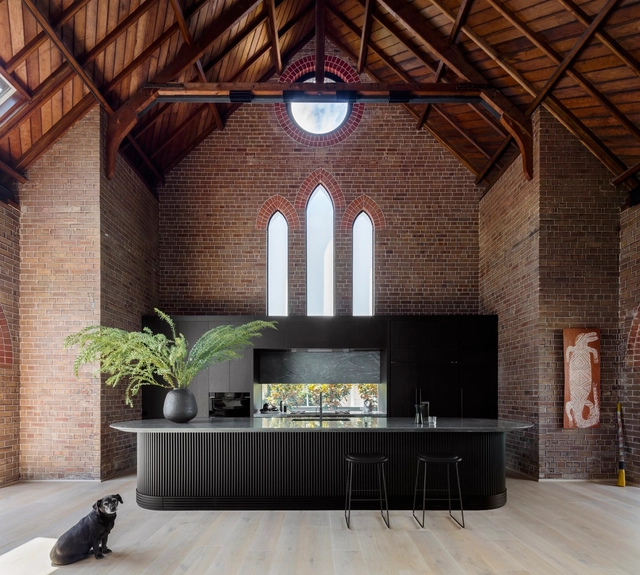
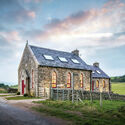
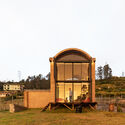
What does a change in use and/or scale in buildings imply? How can a church or chapel be transformed into a home? While the architecture of many contemporary sacred spaces shows a remarkable capacity for adaptation and evolution, the creative boundaries of many professionals extend beyond their conception as structures of spirituality or worship. Globally, the conversion of large churches and small chapels into private residences reveals a wide field for intervention and exploration, one that can preserve, restore, adapt, and/or renew the character of spaces originally conceived for other uses and scales, which for various reasons have been abandoned, become obsolete, or now require transformation.
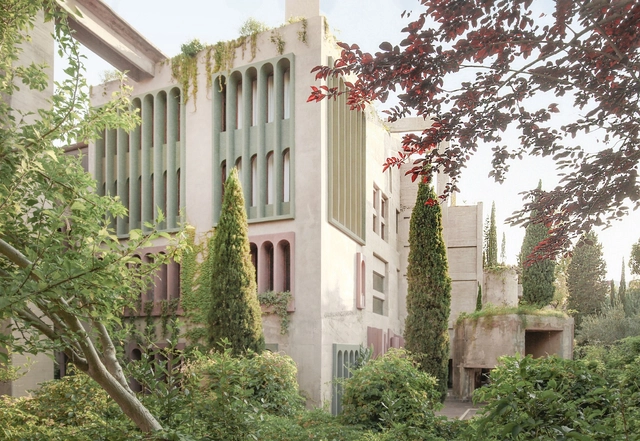
Adaptive reuse has become a buzzword in the architecture industry. Framed as a sustainable and economical solution to urban decay, the practice has been adopted by cities facing pressures of climate change, real estate constraints, and cultural preservation. Architects are increasingly being hired to rehabilitate the old rather than build anew. Within this discourse is a growing sentiment towards who gets to reuse and how.
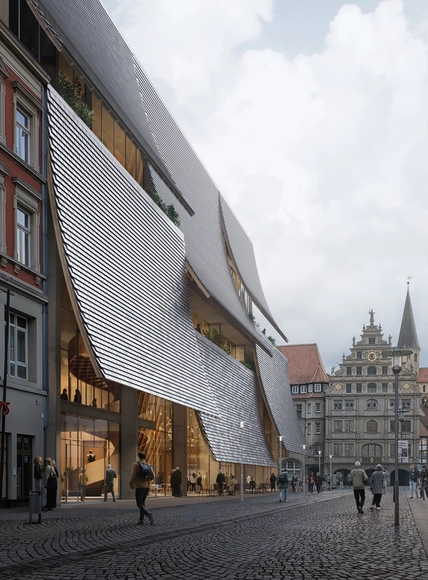
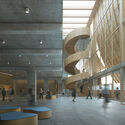
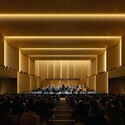
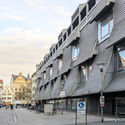
Copenhagen and Hamburg-based architecture office ADEPT has won first prize in the international competition to transform a former Karstadt warehouse in the historic center of Braunschweig, Germany, into the Haus der Musik. The 18,000-square-meter cultural complex will include a new concert hall, a public music school, and community-oriented spaces. Emphasizing adaptive reuse, the project retains the existing load-bearing structure and architectural rhythm, positioning the intervention as a continuation rather than a replacement.
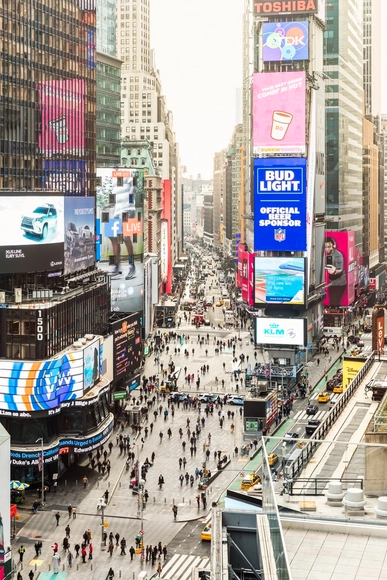
The Empire State Development (ESD) Board of Directors has approved a major office-to-residential conversion project at 5 Times Square, New York City, as announced by the New York state government. Originally built in 2002 as the headquarters for Ernst & Young, with Kohn Pedersen Fox (KPF) as the design architect, the building has been largely vacant since the corporation vacated the premises in 2022, with vacancy rates remaining around 75 percent. Gensler's proposal aims to repurpose this underutilized office space into a mixed-use complex, introducing up to 1,250 new homes, including 313 permanently affordable units.
In partnership with the European Cultural Center (ECC), ArchDaily has launched its inaugural exhibition as part of the seventh iteration of Time Space Existence, an architectural showcase occurring concurrently with the 19th VeniceArchitecture Biennale. Open from May 10 to November 23, 2025, in various locations throughout Venice, this edition centers on the theme of "Repair, Regenerate, and Reuse," promoting innovative and sustainable approaches in architecture. ArchDaily's contribution is located at Palazzo Mora, complementing other venues like Palazzo Bembo, Marinaressa Gardens, and Palazzo Michiel.
On 19 June 2025, the exhibition will expand to include models of the three winning proposals, which will be announced during the EUmies Awards Day 2025 at Palazzo Michiel in Venice. This event will also unveil the winners of the Young Talent Open, which extends the awards' reach beyond the Creative Europe countries to include participants from the Council of Europe member states and the Asia-Pacific region. All selected works will be documented in a publication and incorporated into the EUmies Awards Archive, contributing to a growing repository of architectural experimentation and discourse.
The twentieth century marked a definitive shift in the realm of architecture, as the Modernist movement broke from traditional building styles and encouraged experimentation and innovation. With the help of new materials and technologies, these times represent a crucial moment in the history of architecture as both cities and building styles evolved at an unprecedented rate. The structures that stand testament to this day are, however, nearing the age of a hundred years old. Their stark design features are not always embraced by the public, while the functionalist principles often hinder the adaptability of their interior spaces. Given that they also often occupy central positions within the city, there is increasing pressure to demolish these structures and redevelop the area in its entirety.
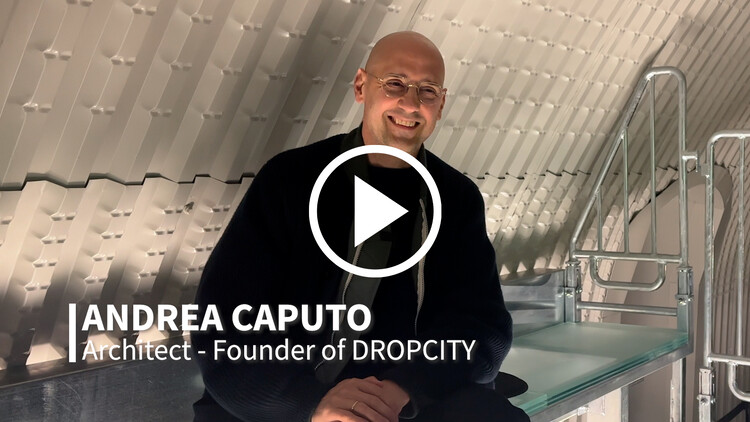
DROPCITY is an ambitious and open platform for architecture and design, located in Milan's formerly abandoned Magazzini Raccordati tunnels behind Central Station. Initiated by Andrea Caputo in 2018 and open permanently since 2024, the project reimagines 40,000 square meters into public galleries, production workshops, prototyping labs, and research spaces. The founder of the platform is Andrea Caputo, an Italian architect and researcher. During Milan Design Week 2025, ArchDaily's managing editor, Maria-Cristina Florian, had the chance to sit down with Andrea Caputo to explore his vision and plans for DROPCITY, the platform's connection to the city of Milan and its active architecture scene.
Porto's architectural legacy has long been shaped by the weight of history and the clarity of form. From the work of Álvaro Siza to the dense network of studios emerging from the city's schools, Porto offers a unique blend of continuity and reinvention. Here, architecture is not only a matter of design but often one of endurance — of working within constraints, of drawing with precision, and of navigating a built environment marked by permanence and resistance to spectacle.
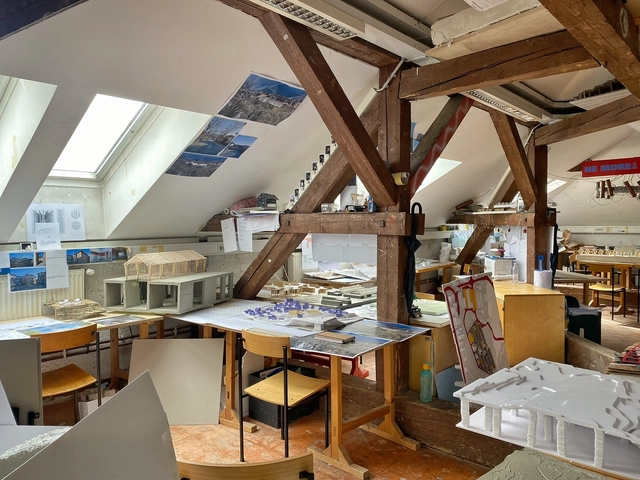
Yet within this persistent context, a new generation of architects has been reshaping the field with quiet determination. Often formed in shared spaces, these practices balance autonomy with collaboration and meticulous detailing with broader urban concerns. Their studios tend to reflect this ethos: modest in scale, defined by adaptive reuse, and rooted in the material reality of the city. In these workspaces, architecture unfolds as a process — sometimes speculative, sometimes grounded — but always reflective of a practice that is deeply local and increasingly global.
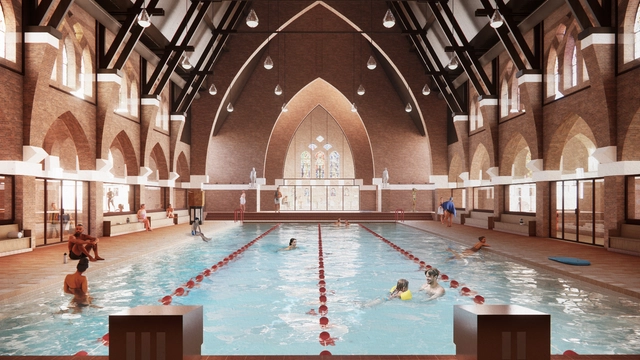
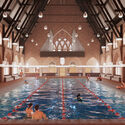
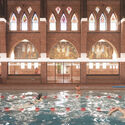
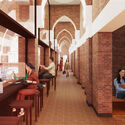
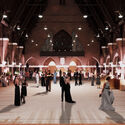
MVRDV and Zecc Architecten have won the competition to transform the St. Francis of Assisi Church in Heerlen into a public swimming pool. Originally built over 100 years ago, the church stopped hosting services in 2023, presenting the municipality with the opportunity to repurpose the building for community use. Nicknamed Holy Water, the adaptive reuse project is meant to give this listed national monument, with its recognizable silhouette, a new social function while preserving its historic elements. The design was created through a collaboration between MVRDV, Zecc Architecten, IMd Raadgevende Ingenieurs, Nelissen Ingenieursbureau, and construction economics consultancy SkaaL, and is expected to be completed at the end of 2027.
Throughout their relatively recent history, museums have evolved to condense particular aspects of a culture and present them in a coherent and unified manner. This makes the connection between the architecture and the exhibit a crucial matter, as the architect is tasked with designing not only the framework and background of the exhibited arts or artifacts but also taking charge of the journey undertaken by the visitor, harmonizing the cultural gain with the lived spatial experience of walking the exhibition halls. However, not all museums have been purposely built for this task.
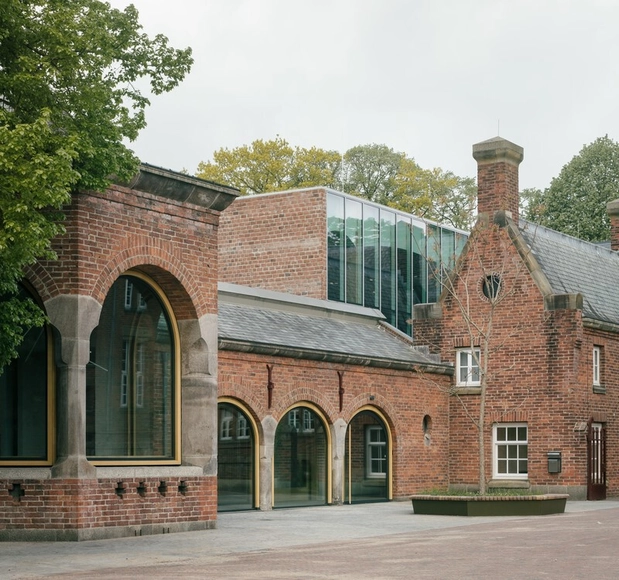
Across Europe, museums are being organized within or expanding upon historical monuments and buildings that have lost their original purpose. Then in a state of decay, this decision to reorganize them as cultural venues stops the decay and preserves the historical material, adding a new layer of complexity to the intended exhibits. The architect's role becomes that of introducing order and a system that can balance the heritage of the place with the needs of modern functionality, ensuring that the essence of the original structure is preserved while meeting the needs of contemporary exhibitions and public engagement.
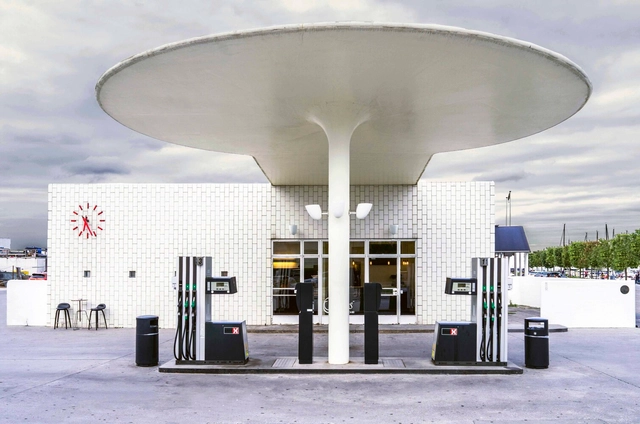
The gas station is an architectural typology that has undergone significant transformations since its inception. Initially, these structures were simple roadside refueling points designed for functionality rather than aesthetics. As automobile culture expanded, gas stations evolved to accommodate new technologies, shifting urban landscapes and changing consumer behaviors. Over time, they became more than just utilitarian stops — they developed into service hubs, integrating restaurants, motels, and leisure spaces, responding to contemporary transportation increasing demands.
By the late 20th century, however, the widespread standardization of gas stations led them to be perceived as "non-places", a concept defined by anthropologist Marc Augé to describe transient spaces that lack social or cultural significance. With uniform designs and a focus on efficiency, gas stations became interchangeable, reinforcing their role as purely functional infrastructure rather than meaningful architectural interventions. This standardization also departed from the era when fuel stations served as recognizable landmarks, contributing to a homogenized landscape devoid of local identity.
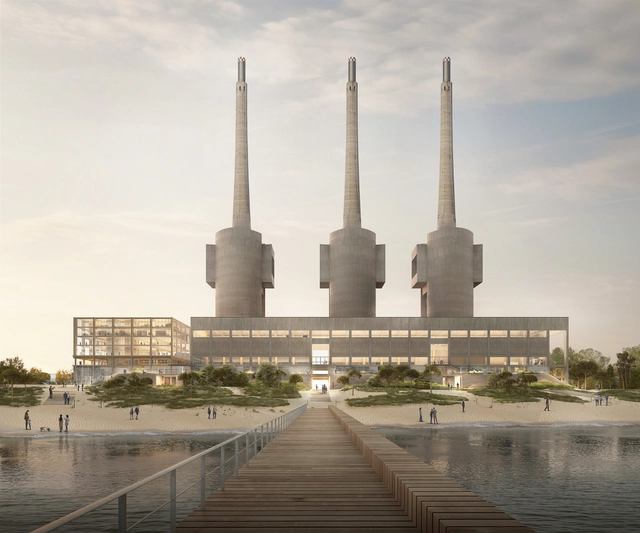
Garcés de Seta Bonet and MARVEL Architects' proposal won the competition to adapt and expand the Tres Xemeneies/Three Chimneys, a former power plant set to become the Catalunya Media City hub in Barcelona, Spain. With their winning design, the two studios sought to preserve the site's historical legacy while creating a space that can evolve and shape future possibilities. Scheduled to begin in the summer of 2025 and expected to be completed by 2027/2028, the project is planning to offer a range of features and services designed to foster innovation, creativity, technology, training, and digital culture exhibitions.
The Los Angeles City Council has approved the revised Citywide Adaptive Reuse Ordinance (Citywide ARO), which is planned to take effect in 2025. Building on the success of the 1999 ordinance, which facilitated the creation of over 12,000 housing units in Downtown LA, the updated policy aims to address the city's ongoing housing crisis and repurpose underutilized buildings.
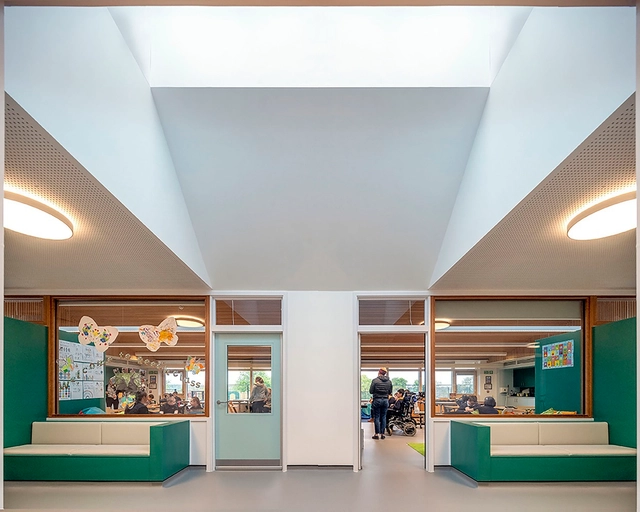
Gallaudet University was established in 1864, becoming the first American educational institution for the deaf and hard of hearing. The university is officially bilingual, with American Sign Language (ASL) and written English used throughout the educational programs. Over the years, the university has grown, adapting both its teaching methods and its spaces to the needs of its students, in turn learning from them how to counter the challenges they face and create a safer and more comfortable environment. These lessons turned into design guidelines, created to educate the architectural community about the strategies they can employ to create more accessible spaces for all.
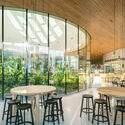
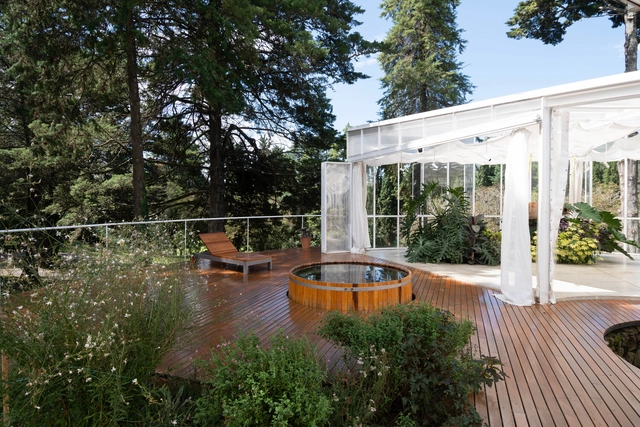
How can architecture professionals transform the atmosphere of a structure? What kinds of interventions can go beyond adaptive reuse to modify spatial perception? As architectural structures are repurposed over time, new uses and needs emerge between spaces and their users. While the structures of old buildings keep the memory of communities alive, the introduction of new life through greenhouses, housing, commerce, offices, or cultural centers brings about new atmospheres where light, ventilation, the integration of nature, and other elements reshape interior experiences.
A previous exploration of cultural landmarks in the Middle East designed by international architects highlighted recurring themes such as architecture as an extension of the landscape, climate-responsive design, and abstraction of traditional forms. These projects often introduced high-tech environmental solutions, used monumental forms to reinterpret local identity, or positioned themselves as landmarks within the broader urban or desert landscape. While these approaches have defined many of the region's most recognizable cultural institutions, they represent just one side of the architectural discourse. An equally significant yet distinct trajectory emerges from local architects, who work within existing structures, historical contexts, and lived environments to create institutions that feel deeply embedded in their surroundings. This approach prioritizes continuity, transformation, and accessibility, ensuring that architecture remains an evolving part of the cultural fabric rather than a self-contained object.