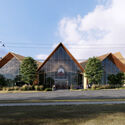
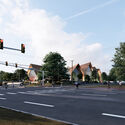
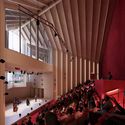
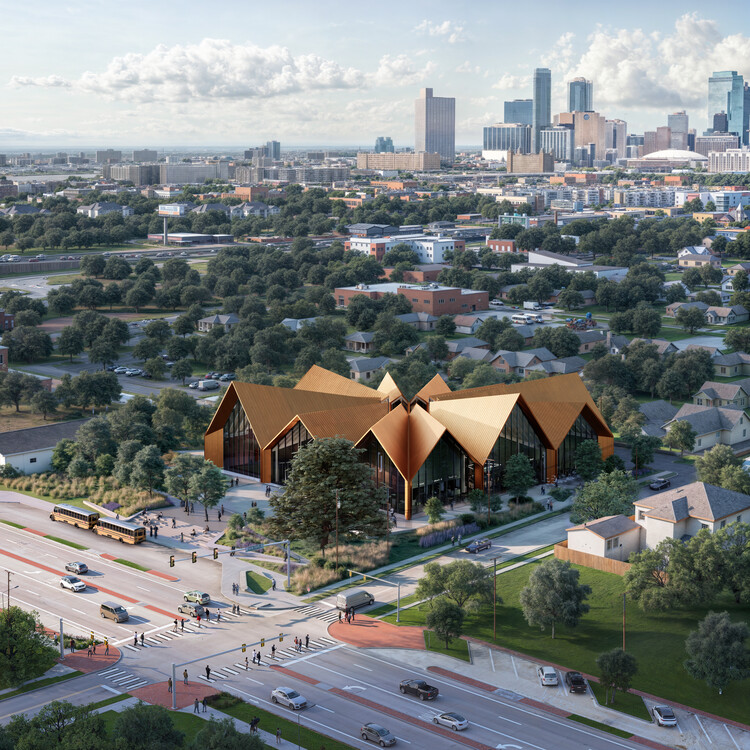
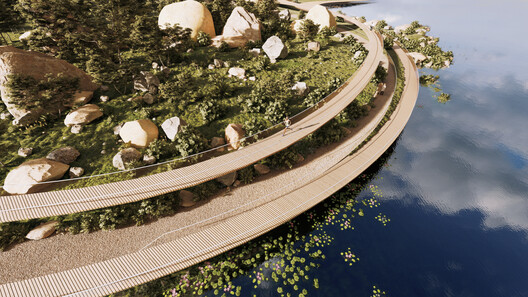
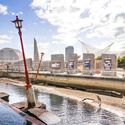
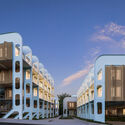
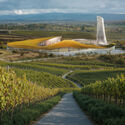
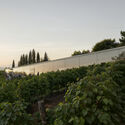
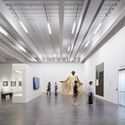
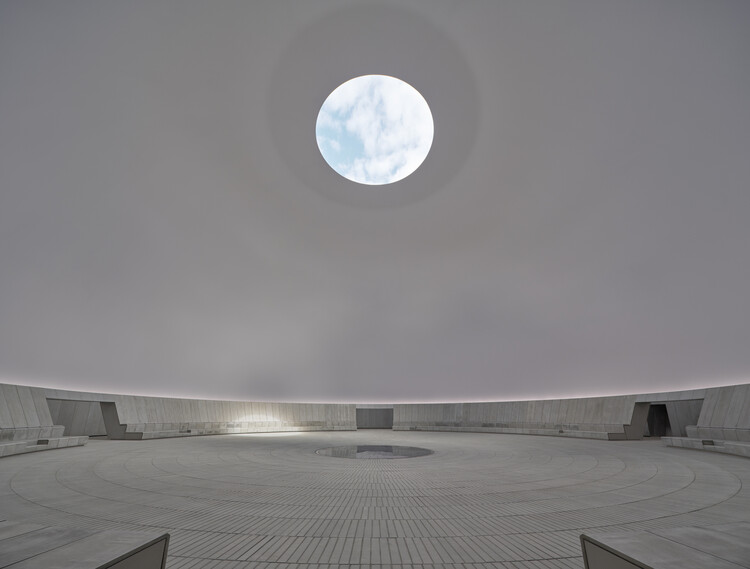
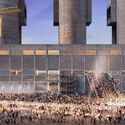
Bjarke Ingels Group (BIG) has unveiled new images of the National Juneteenth Museum, offering a closer look at the design of the 72,000-square-foot institution planned for Fort Worth, Texas. Designed in collaboration with Alligood Song Architecture and architect of record KAI Enterprises, the project is scheduled to begin construction in fall 2026 and will serve as a national center dedicated to preserving the history and legacy of Juneteenth. Led by activist Dr. Opal Lee, widely recognized as the "Grandmother of Juneteenth," the museum combines exhibition spaces with community-oriented programs intended to support both cultural preservation and neighborhood revitalization.
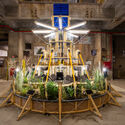
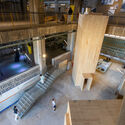
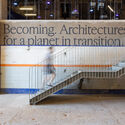
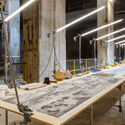
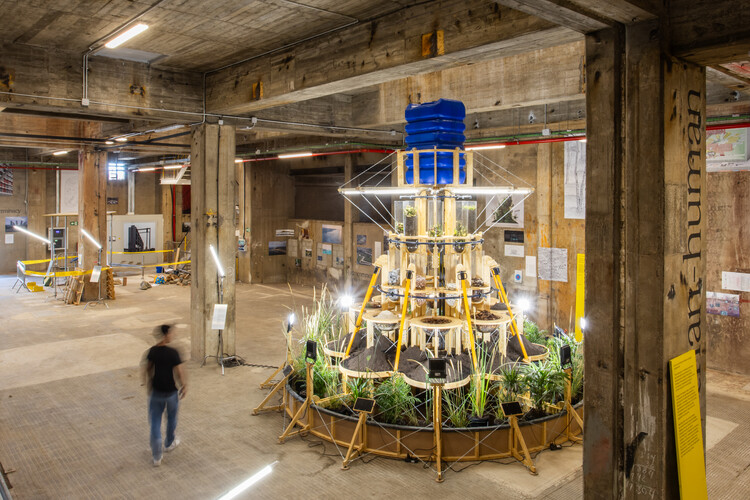
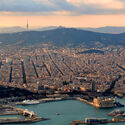
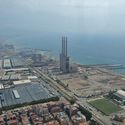
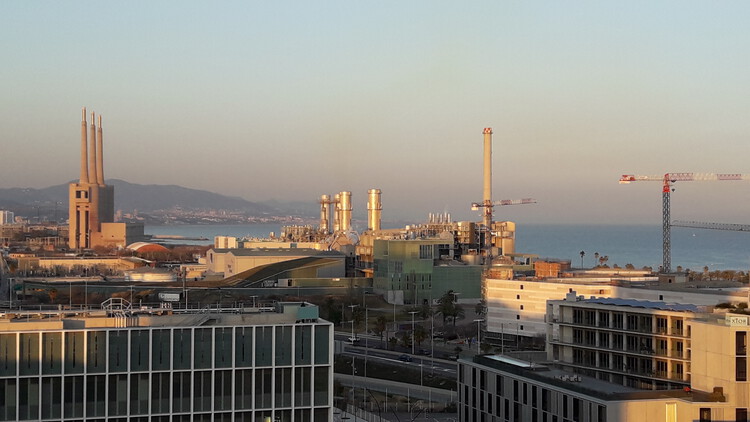
The UIA 2026, the 29th edition of the triennial international event for architectural dialogue organised by the International Union of Architects, has opened its doors on Sunday, June 28th, with an inaugural event held at Three Chimneys, a former power plant in Sant Adrià de Besòs. Each Congress focuses on a pressing topic relevant to the profession, articulated through a central theme. The topic for 2026 is "Becoming. Architectures for a Planet in Transition," calling for a broad and critical overview of the possible futures of architecture. The event runs through July 2, 2026, as a distributed event across multiple venues and urban contexts. With a multidisciplinary approach, Barcelona, the UNESCO World Capital of Architecture 2026, is set to become a global laboratory and hub for debating forthcoming ecological, social, material, and cultural transitions.
Three decades after it first hosted the event, Barcelona once again becomes the host of the global disciplinary debate. The UIA World Congress of Architects 2026 Barcelona aims to bring together 10,000 professionals, students, and institutional representatives from more than 130 countries. Discussions address topics such as the climate emergency, the housing crisis, the circularity and sustainability of materials, and the evolution of public space at large and small scales, as well as more specific topics such as the future role and responsibility of architectural awards or conferences dedicated to the DANA floods in Valencia. The daily program will be marked by two plenary sessions each day, at the start (09:00) and at the end (16:45).
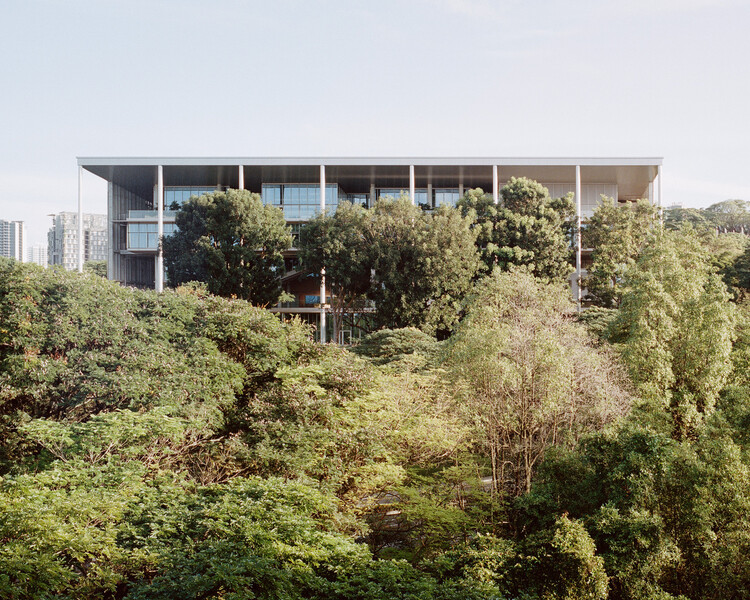
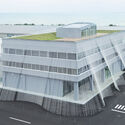
NUS School of Design & Environment / Serie Architects + Multiply Architects + Surbana Jurong. Image Courtesy of Serie Architects + Multiply Architects + Surbana Jurong
This article is part of our new Opinion section, a format for argument-driven essays on critical questions shaping our field.
Before architecture students become authors of space, they are subjected to one. For years, they work inside a building that teaches without announcing itself as a teacher. It organizes their exhaustion, their ambition, their visibility, their solitude, their friendships, their sense of scale, and their relationship to judgment. Long before a student can articulate a position on architecture, the school has already offered one in its implicit built environment.
This is not to suggest that buildings determine architects. The influence is slower and less complete than that. A school building operates more like a hidden curriculum: a spatial discipline that works alongside faculty, syllabi, institutional culture, and student life. It teaches through access and obstruction, program adjacencies, daylight exposures, and scale. It produces habits of attention before it produces explicit beliefs.
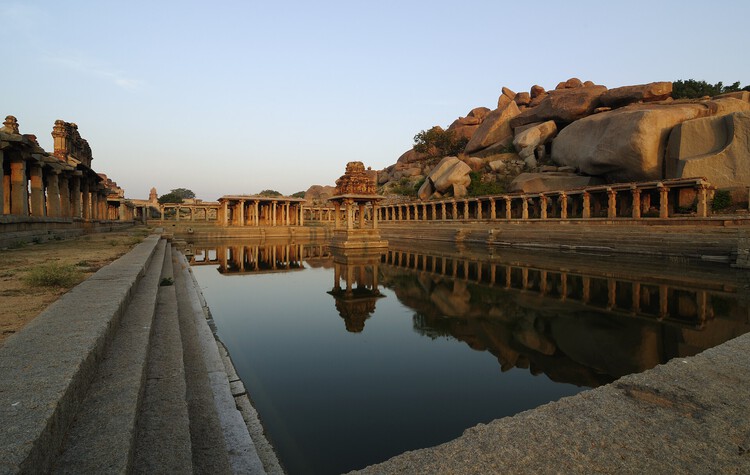
Architecture often speaks about ecological design as though it were a recent discovery. Biodiversity corridors, regenerative landscapes, sponge cities, and more-than-human urbanism are presented as emerging responses to contemporary environmental crises. Across India and the SWANA region, landscapes shaped through religious practice have long organized relationships between people, water, vegetation, and animals. Long before ecological performance became a design metric, temple tanks stored monsoon water, sacred groves protected biodiversity, and oasis settlements sustained life in some of the world's most arid environments. Few of these places emerged from explicit environmental agendas. They emerged through cultural and spiritual practices. Their environmental logic remains highly relevant today. Many of the conditions now discussed through more-than-human design have existed for centuries within landscapes architects rarely study as ecological infrastructure.
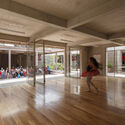
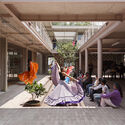
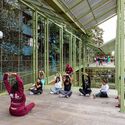
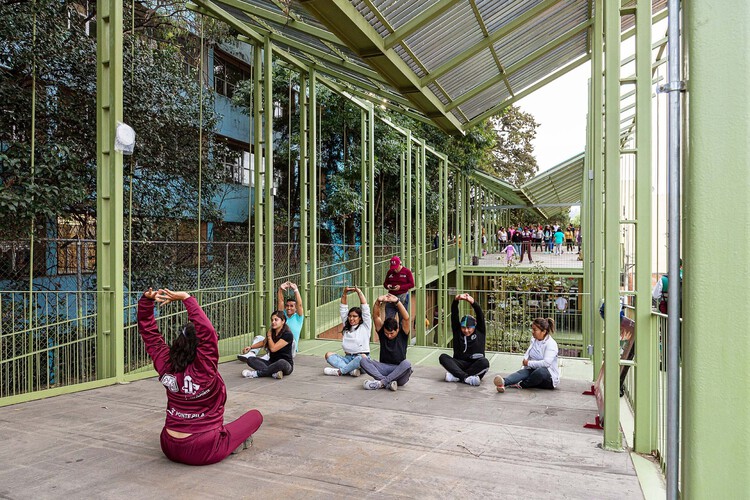
In many Latin American cities, peripheral neighborhoods have historically had less access to the resources that make urban life more than just livable. Housing, transportation, and public services are the usual markers of that gap. But there is another gap that is harder to quantify: the absence of places where people can gather, learn, rest, and participate in collective life. When those spaces do not exist, the city not only fails to provide a service. It fails to acknowledge a presence.
In recent decades, a growing number of projects have tried to address that absence directly. Rather than focusing only on physical infrastructure, they invest in spaces designed to support education, culture, recreation, and community, often merging several of those functions within a single building in neighborhoods where those spaces are otherwise limited.
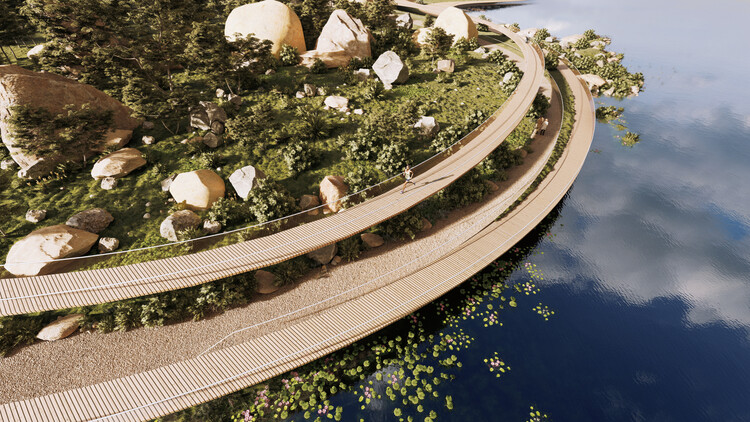
Faced with the reality that climate change is making cities increasingly unlivable, citizens are confronted with the choice of either leaving or transforming their environments. The unbuilt projects compiled in this article offer transformative alternatives for more livable cities, combining construction, architectural, and landscape design strategies across urban parks and suburban interstitial spaces. As ecological laboratories, they incorporate a multispecies perspective into the design process, adopting a concept of time better suited to the development of ecosystems.
Long before it becomes a matter of performance, comfort, or energy efficiency, natural light is a way of giving presence to architecture. It reveals the texture of a wall, the depth of an opening, and the silent passage of time within a space. In works as distinct as those of Tadao Ando and Alvar Aalto, daylight appears as an essential material of design: in some cases, guiding the eye toward contemplation; in others, making spaces feel more human, welcoming, and connected to everyday life.
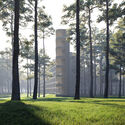
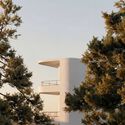
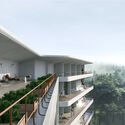
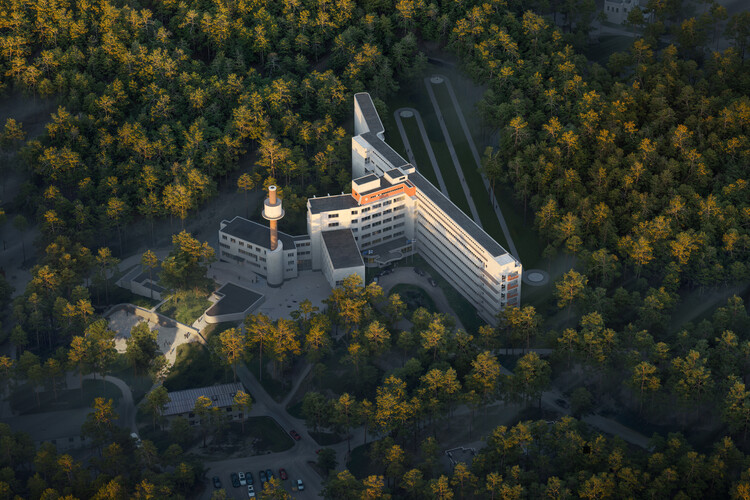
Aino and Alvar Aalto's Paimio Sanatorium is a recognized example of modern architecture for healing, representing a patient-centered approach to hygienism that treated the building itself as a medical instrument. Built between 1929 and 1933, it was designed as a nature-oriented tuberculosis sanatorium, later used as a hospital, and today operates as a tourist attraction. The property comprises the main building together with fourteen additional structures, granted protection in Finland in 1993 under the Finnish Building Protection Act. The complex was included on UNESCO's tentative list in 2004 and is part of the "Aalto Works" nomination, with a decision expected in July 2026. Snøhetta has developed a masterplan representing a new vision for the modernist complex, reimagining it as a destination combining hospitality, wellness, cultural spaces, and arenas for international dialogue.
Best Presentation Award Winner. Image Courtesy of Buildner Unbuilt Award
In an industry defined by building codes, climate urgency, and the pressures of the real estate market, the architectural competition has quietly become one of the discipline's most generative spaces. Unburdened by budgets, clients, or city regulations, competition entries allow architects to think at the edge of what the built environment could be, and increasingly, that speculative work is being taken seriously as a cultural and intellectual contribution in its own right. Buildner's Unbuilt Award, now in its second edition, is one of those efforts, by treating the unbuilt project as a platform for architects and designers to share concepts that challenge boundaries and inspire future possibilities. In this way, competitions like this allow architecture professionals and students to showcase ideas and visions that, even without being constructed, reflect the spirit of exploration and ingenuity in architecture.
The second episode of the Room For Dreams podcast series introduces a compelling dive into how architecture can embrace the future without losing its soul. Recorded live at Milan Design Week 2026 in cooperation with INDX|GLOBAL, this episode features architects Arun Sharma and Jaskaran Singh as they unpack the true meaning of the digital vernacular.
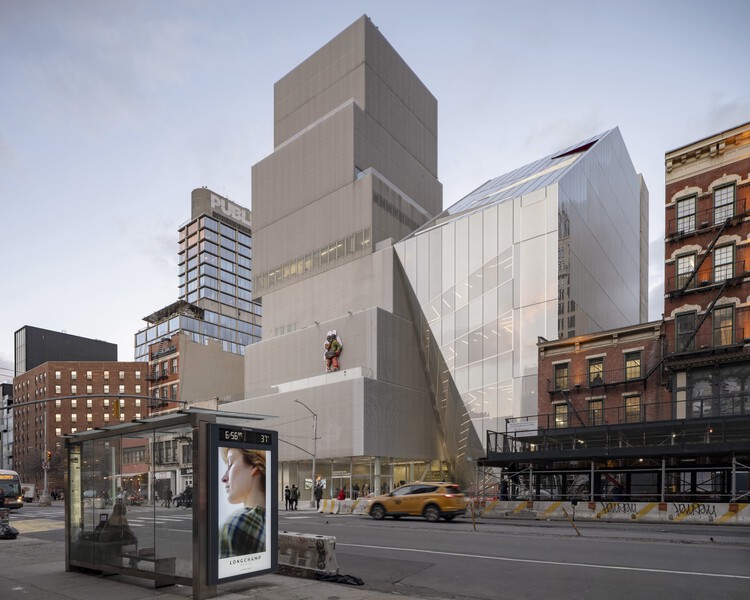
When the New Museum's original SANAA-designed building, a stack of shifted opaque boxes wrapped in a metal mesh skin, opened in 2007, it already seemed destined for some form of expansion to relieve the vertical pressure created by its constrained circulation and limited footprint. In March, the museum unveiled its long-anticipated addition, designed by OMA's Shohei Shigematsu and Rem Koolhaas. The angular and slightly set-back companion building doubles the museum's exhibition capacity while reshaping the institution's relationship to the city and to the original SANAA structure by Kazuyo Sejima and Ryue Nishizawa.
At the building's press opening, Koolhaas described the project "not simply as an extension but as a complement or counterpart." Shigematsu later elaborated: "We thought about designing a pair composed of two distinct and yet highly connected buildings. One is more vertical and introverted. The other is more horizontal and extraverted."
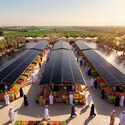
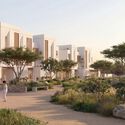
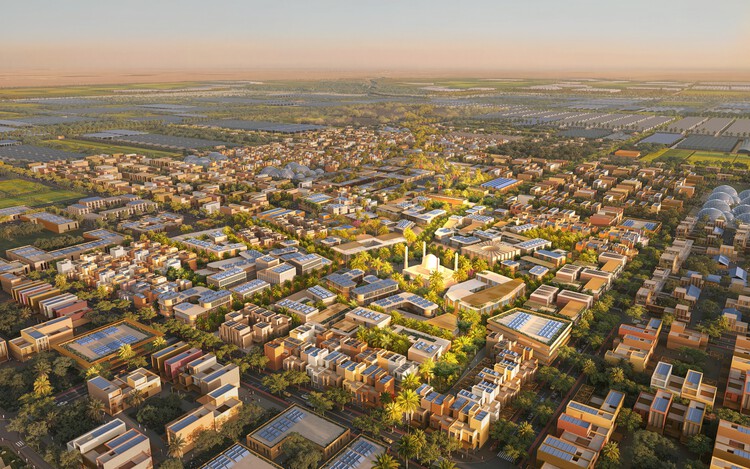
Foster + Partners, in collaboration with Dar Al-Handasah, has revealed the master plan for Al Najd Agricultural City in Dhofar, southern Oman. Covering approximately 54 million square feet, the development is conceived as a self-sustaining agricultural and urban settlement designed to respond to the region's environmental conditions and agricultural landscape. Commissioned by the Ministry of Housing and Urban Planning and the Ministry of Agriculture, Fisheries, and Water Resources, the project forms part of the objectives outlined in Oman Vision 2040, which seeks to strengthen food security, diversify the national economy, and support sustainable development initiatives.
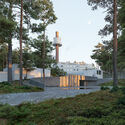
From projects and institutions that reinforce the relationship between art and architecture to initiatives seeking new approaches to persistent urban and ecological challenges, this week's developments reflect a broader effort to reconsider established frameworks and expand the role of design in contemporary society. Whether through adaptive reuse, policy innovation, artistic experimentation, or critical research, architects and cultural organizations are exploring how existing systems can be transformed to address emerging realities. These questions resonate across new architectural projects that translate environmental conditions and civic aspirations into built form. In Chicago, the completion of the Obama Presidential Center positions architecture as a vehicle for public memory, while in Albania, OODA's Lighthouse reinterprets local landscapes and traditions through a tower overlooking the Adriatic coast. Meanwhile, Heatherwick Studio's proposed AlUla Manara visitor centre responds to the conditions of Saudi Arabia's desert landscape, combining scientific research and tourism within a destination dedicated to observing the night sky.
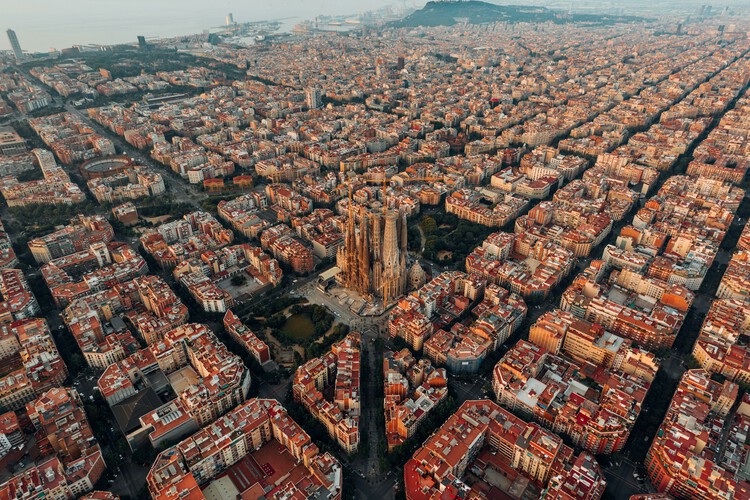
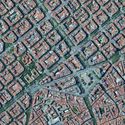
Barcelona is a city where architecture has long served as a laboratory of urban experimentation, each era leaving its mark on the city's fabric. From the dense streets of the Gothic Quarter to the ornate interiors of the Palau de la Música Catalana, the city expanded outward through Ildefons Cerdà's Eixample, a stage where Gaudí and his contemporaries challenged the rules of form, scale, and ornamentation. These experiments defined a local identity and culminated in the Sagrada Família, a vision that continues into the 21st century through the integration of advanced technology.
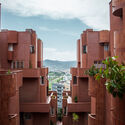
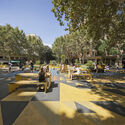
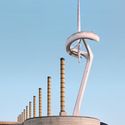
The city's twentieth-century transformation forged an architectural language with global influence. The principles of International Modernism are embodied in Mies van der Rohe's Barcelona Pavilion, while later developments—from Bofill's explorations in collective housing to the urban interventions of the 1992 Olympics—reshaped the skyline and the city's relationship to its waterfront. Subsequent contemporary projects continue to negotiate form, landscape, and urban scale, contributing to a layered and evolving city.
At Salone del Mobile 2026, MARA presented its latest collection within a fair-stand concept designed by Italian architect and designer Ferruccio Laviani. Conceived as a micro-abstraction of an arena, the installation placed visitors at the center of an ascending spatial composition, where the brand's newest products were displayed across stepped tiers.
The setting was inspired by the idea of the Greek theatre as a place of encounter, exchange, and collective observation. The stand proposed a kind of architectural landscape in which visitors could sit, move through the space, observe the objects from different angles, and engage with the brand in a more direct and experiential way.
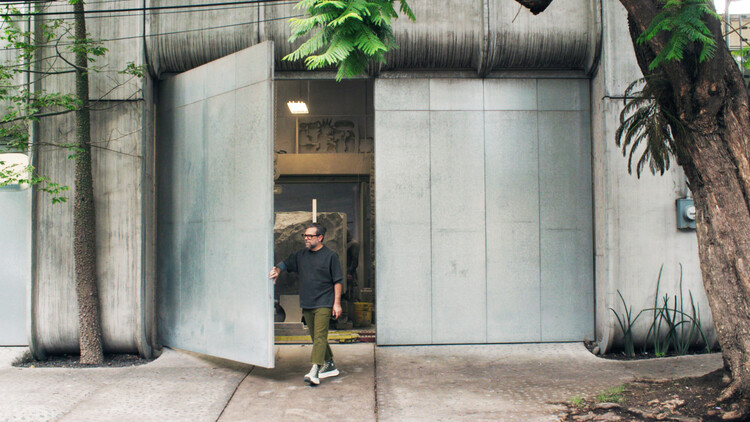
Mexican sculptor Pedro Reyes has developed a multidisciplinary practice that spans sculpture, architecture, social engagement, and activism. Trained as an architect, Reyes approaches sculpture as both a material and a collective process, combining traditional stone carving with participatory projects that address contemporary social issues. His work frequently explores transformation, whether through physical materials or community action, positioning sculpture as a tool for reimagining social realities. In a 2025 interview with Louisiana Channel, Reyes discusses the influence of architecture on his artistic practice, the concept of "social sculpture," and the importance of preserving craft traditions in an increasingly automated world.
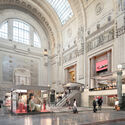
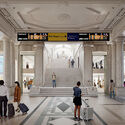
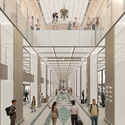
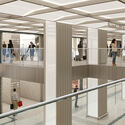
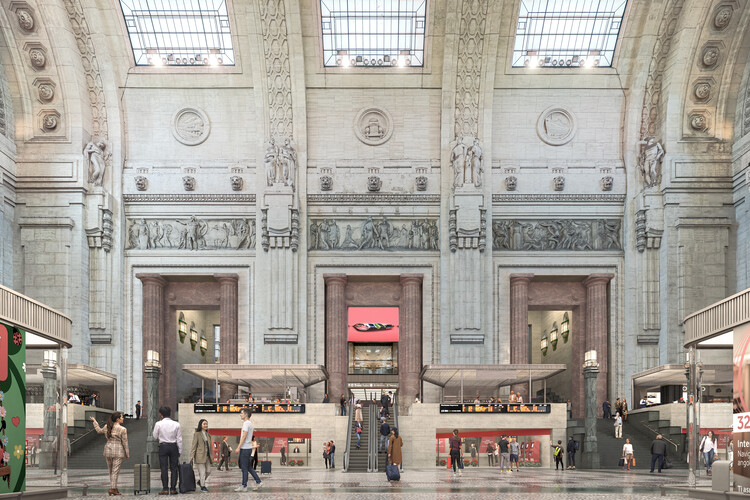
Milano Centrale is the main train station in northern Italy and the second-largest station in Italy behind Roma Termini. The building was officially opened on July 1, 1931, replacing the city's first central station, which opened in 1864. The construction was intended to showcase the power of then-Prime Minister Mussolini's fascist regime, with a notorious scale, massive arches, and an imposing facade. Following a private competition promoted by Grandi Stazioni Retail, Park, an Italian interdisciplinary collective, was selected to redesign the station's ground floor and mezzanine levels, transforming the historic city landmark into a contemporary urban platform.
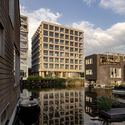
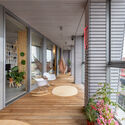
With forty-eight psychogeriatric beds and sixty-eight wheelchair-accessible apartments, accommodation for informal caregivers, and space for bedside care, the De Keyzer building opened in Amsterdam in 2011. Its program had been conceived entirely for elderly people requiring assistance, but shortly after completion, the building was sold to an investment fund, and the apartments began to be rented to young families with children.
For the project's architects, Tom Frantzen and Karel van Eijken, the episode could have been interpreted as a failure of prediction. Instead, it became a confirmation. "It showed, very clearly, that buildings can end up being used in completely different ways than originally intended," Frantzen recalls. The transformation was only possible because the apartments were generous and because the structure allowed for uses more diverse than those anticipated in the original program. Had the building been designed solely for its initial function, the change of use would likely have required a destructive renovation or, in the extreme, demolition.
Interior designers who find themselves facing project parameters, budget constraints, client demands, and the maintenance of a design aesthetic have a lot to juggle. Tight turnaround schedules put pressure on designers when clients request multiple revisions. A mismatch between drawings and renderings undermines the delivery of a cohesive design plan. In today's competitive, digitally driven architectural field, success follows when designers can provide technical details from concept to construction by leveraging advanced technology and strategic tools within a single modeling software.
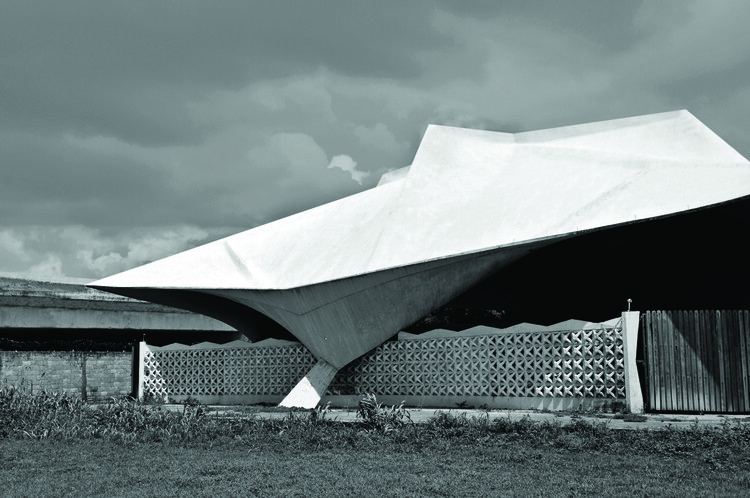
Alex Martínez Suárez, “View of Erwin Cott and Manuel Salvador Gautier, Capilla del Hogar Escuela Salesiana de Haina, Santo Domingo, República Dominicana, built 1965,” 2013. From the 2026 grant to Alex Martínez Suárez for the publication “Concrete under the Sun: Brutalism in the Dominican Republic”. Image Courtesy of Alex Martínez Suárez
The Graham Foundation has announced the recipients of its 2026 Grants to Individuals program, awarding a total of $506,000 to 54 projects that investigate architecture through exhibitions, films, publications, and research initiatives. Selected from more than 600 submissions to the Foundation's September 2025 application cycle, the grants support work by 86 architects, artists, curators, designers, filmmakers, historians, scholars, and writers, reflecting a broad range of interdisciplinary approaches to the built environment and its cultural, social, and political dimensions.
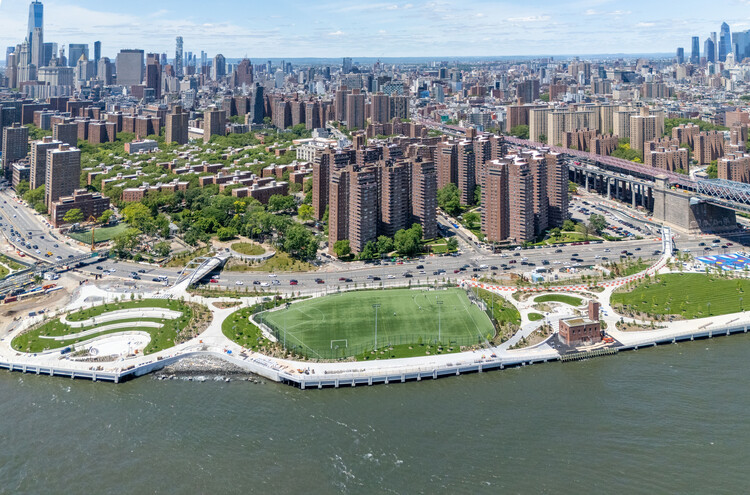
The New York City local government is one of the largest of its kind, with hundreds of city agencies and elected offices. The Mayor, city agencies, the city council, the comptroller, the public advocate, the borough presidents, and community boards organize to provide services and improve the quality of life in the biggest city in the United States and a primary tourist destination. Like other metropolises in the world, urban developers and authorities in New York are facing common challenges: the atmospheric effects and permanent consequences of the climate crisis, the saturation of transport systems, the lack of housing units, and barriers to accessing adequate housing. During June, the New York City mayor's office announcements addressed traffic and mobility, sports events, immigration, and extreme heat. In recent months, a series of policies have been announced to address a larger problem: ensuring access to housing for a greater number of people through government action.
Every three years, the International Union of Architects' (UIA) World Congress lands in a different city, under a different theme set years in advance. A quick mapping of these host cities reveals a deliberate pattern: throughout the decades, the UIA has purposefully chosen a wide range of venues across all continents, rendering each edition a snapshot of what mattered in that specific place, at that exact moment. The result of this geographic rotation has been a diverse kaleidoscope of conversations, analyzing the profession from countless angles and adapting it to changing times. But 2026 is different; this time the UIA is repeating a host city for the first time: Barcelona, under the theme "Becoming. Architectures for a planet in transition".