Subscriber Access

Urban Agoras: How Skateparks Can Give Public Space Back to the City

7:12
7:12

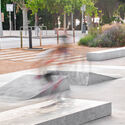
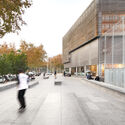
Created by California surfers who wanted to bring the lines of surfing onto asphalt, skateboarding soon outgrew its role as a simple alternative for flat days. It established itself as a practice that reads the city through a different logic, reinterpreting steps, handrails, walls, and interstitial spaces as possible lines, challenges, and opportunities. Over time, it evolved into a global urban culture, a way of inhabiting and transforming public space through movement. What was once marginal has become a catalyst for community building and new uses for overlooked spaces. At its core, skateboarding reveals how many cities coexist within the same city, depending on who moves through them and how each person is able to reinterpret their surroundings.
Urban Agoras: How Skateparks Can Give Public Space Back to the City - Image 2 of 26Urban Agoras: How Skateparks Can Give Public Space Back to the City - Image 3 of 26Urban Agoras: How Skateparks Can Give Public Space Back to the City - Image 4 of 26Urban Agoras: How Skateparks Can Give Public Space Back to the City - Image 5 of 26Urban Agoras: How Skateparks Can Give Public Space Back to the City - More Images+ 21

Content Loader

Image gallery

See allShow less
About this author
Cite: Eduardo Souza. "Urban Agoras: How Skateparks Can Give Public Space Back to the City" 13 Oct 2026. ArchDaily. Accessed . <https://www.archdaily.com/1036121/rethinking-public-space-through-a-skateboarders-eyes> ISSN 0719-8884
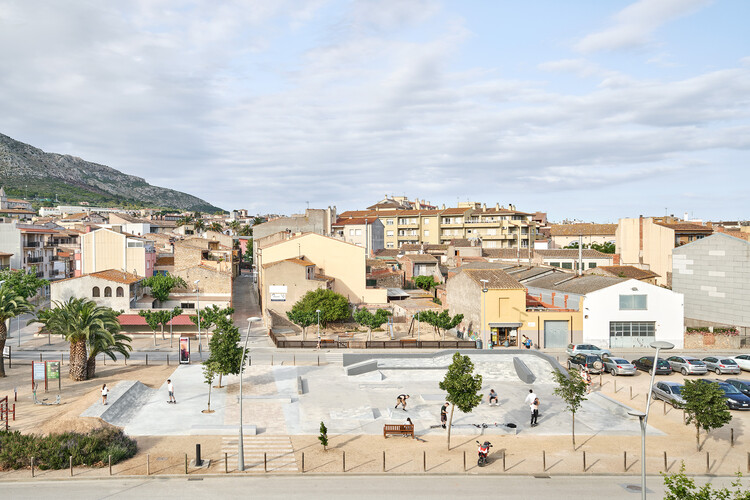
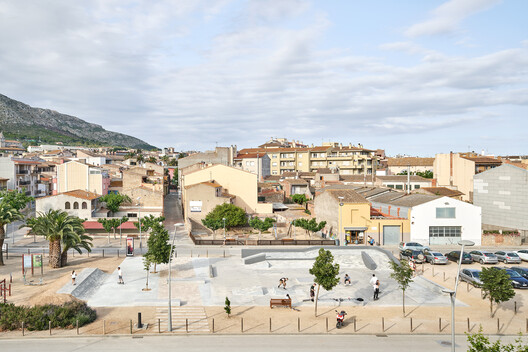
Torroella Skateplaza. Image © José Hevia

城市阿哥拉:滑板公园如何让公共空间重归城市

是否

You've started following your first account!

Did you know?

You'll now receive updates based on what you follow! Personalize your stream and start following your favorite authors, offices and users.