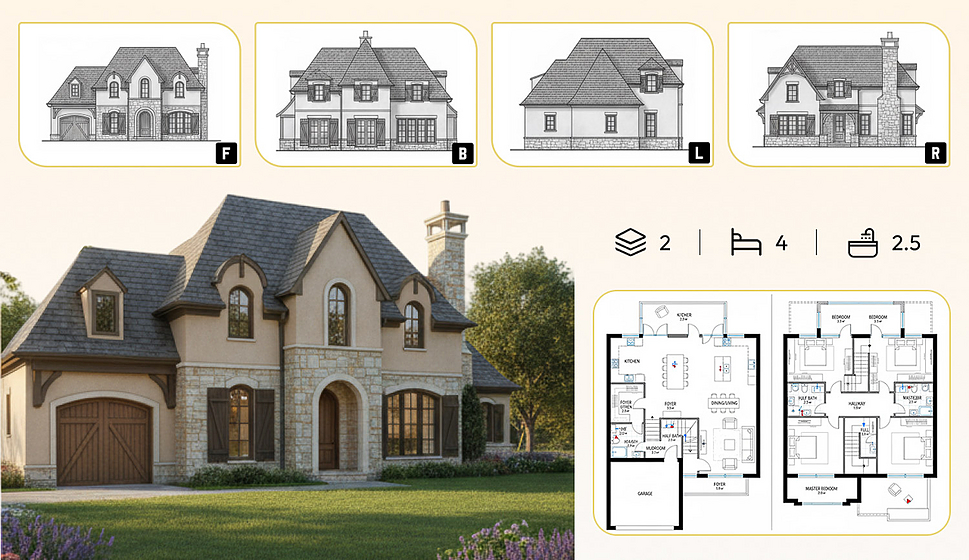
This guide covers a workflow that moves from project parameters to generated floor plans, 3D perspective views, exterior design exploration, and site context visualization, using AI tools in place of preliminary CAD and rendering work.
This guide covers a workflow that moves from project parameters to generated floor plans, 3D perspective views, exterior design exploration, and site context visualization, using AI tools in place of preliminary CAD and rendering work.
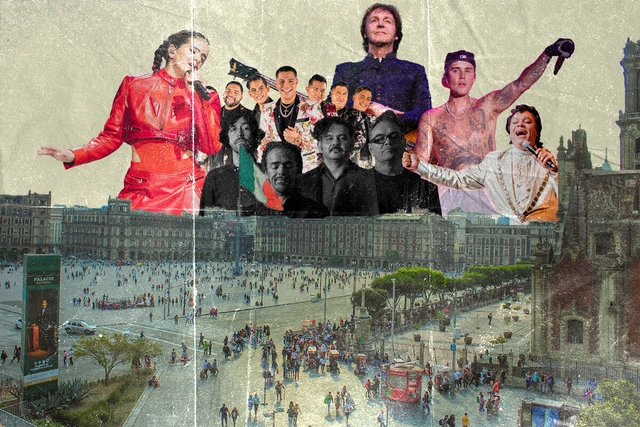
Being present has become the new currency, another way to accumulate symbolic capital, and a new way to validate status. It began with a sudden and rapid surge in museum attendance, alongside the visible crowding of specific areas of Mexico City. This points to an issue currently affecting us: gentrification and forced displacement.
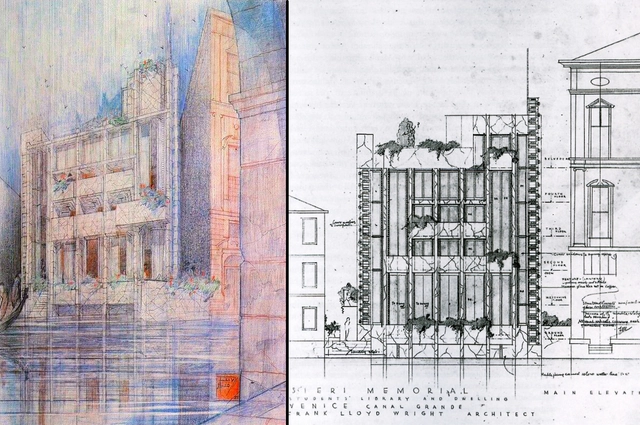
The history of architecture is filled with remarkable unrealized hypotheses, whether due to infeasibility, conceptual radicalism, or other specific factors. Even when conceived by the field's most prestigious minds, these ideas never overcame the inevitable constraints of material reality, nor could they be adapted to make them viable, even partially. Yet, the significance of these projects goes beyond the tangible. Beyond enriching the profession's intellectual heritage, these once-abandoned proposals were—and still are—a catalyst for reflection and a source of inspiration for diverse artistic approaches.
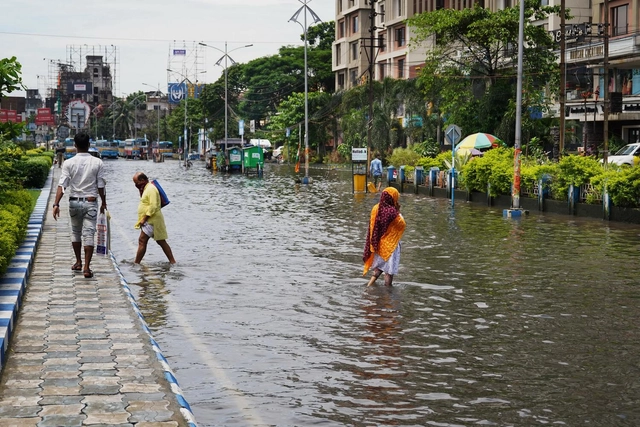
We have less than seven years to halve greenhouse gas emissions if we want to limit global warming to 1.5°C, the threshold scientists consider necessary to avoid some of the most dangerous impacts of climate change. In 2022, floods, droughts, and severe heatwaves claimed thousands of lives and affected millions worldwide, offering a glimpse of what to expect if we fail to take climate action. Since cities account for more than 60% of global emissions and are home to more than half of the world's population, changing how we manage the urban environment must be at the center of our efforts to curb the climate crisis.
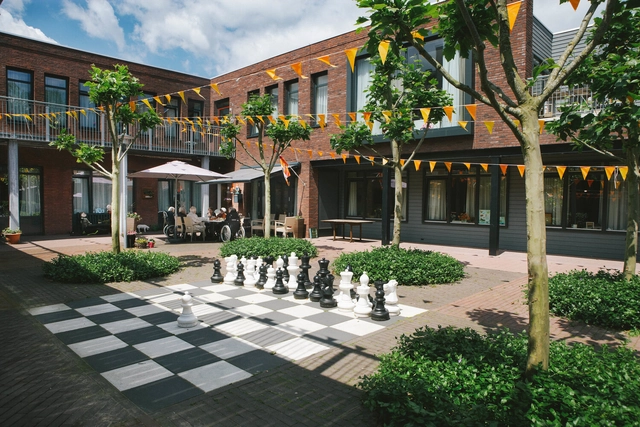
Dementia villages, or communities designed for people living with dementia, represent an innovative model of care for individuals experiencing cognitive decline, such as Alzheimer's disease. These environments are adapted and welcoming, fostering a sense of community while promoting resident autonomy and well-being.
Neuroarchitecture and dementia villages are closely linked, as both seek to create spaces that enhance the well-being and quality of life of those with dementia. Combining neuroscience with design, neuroarchitecture explores how the physical environment impacts the human brain and behavior.
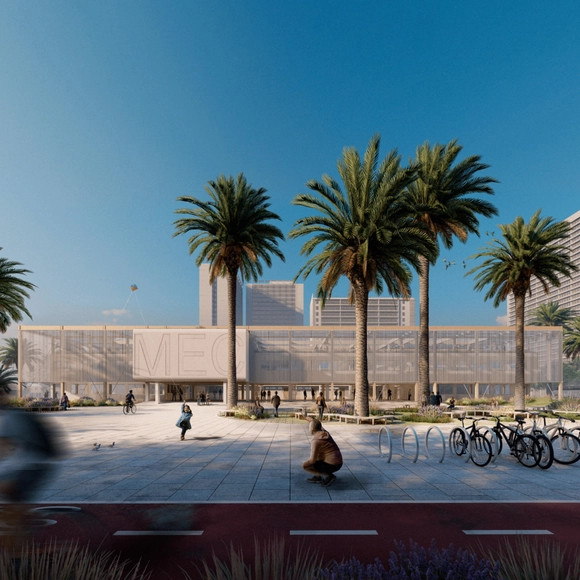
Greenhouse gas emissions from the operation of existing buildings are significantly higher than those generated by new construction—that is, from materials and their use during construction, which account for 25%, while building operations represent 75% of emissions. And this is without accounting for the vast number of buildings falling under the concept of energy poverty.
Against this backdrop, the 'Proyectar a Conciencia' (PAC) competition continues to advance the debate surrounding "building better versus improving what is already built" in its fifth edition. As always, the competition invited students and architects to present a vision of a better society through the energy retrofitting and partial physical transformation of institutional, private, or public infrastructure.
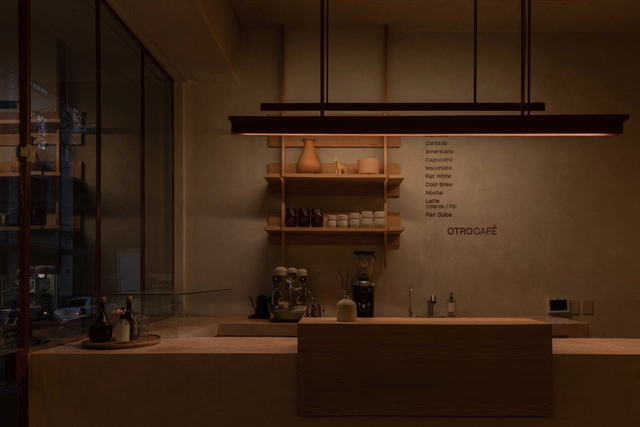
OTROCAFÉ is located on the ground floor of the iconic YWCA building, in the heart of Mexico City's Historic Center—a space steeped in over a century of history. The project was conceived as an integrated architecture and design proposal, a vision reflected in its creative framework. The cafe's design combines several key elements: subtle red accents, wood featured in both the custom furniture and as a continuous envelope wrapping the space, raw walls pigmented with a lime-based plaster, and soft, warm lighting that completes the atmosphere.
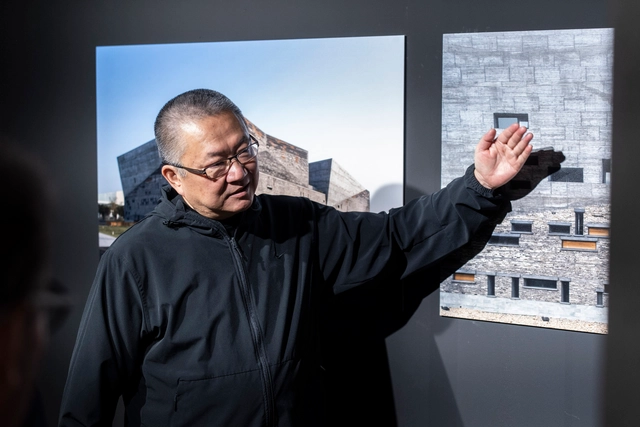
In October 2023, the Mugak International Architecture Biennial of the Basque Country opened its fourth central exhibition in the city of San Sebastián, Spain, the result of a collective dialogue between key figures from the architectural and artistic worlds. Positioned as one of the leading architectural events of the Atlantic Arc, this public meeting point engages with the trends and concerns of our time.
Running through February 2024 with free admission at the Basque Country Architecture Institute, the reflective exhibition "Habitar el Cambio" (Inhabiting Change) is structured around the concepts of "rebuilding, rehabilitating, and rethinking," responding to the current climate of complexity and crisis across economic, health, ecological, and social spheres.
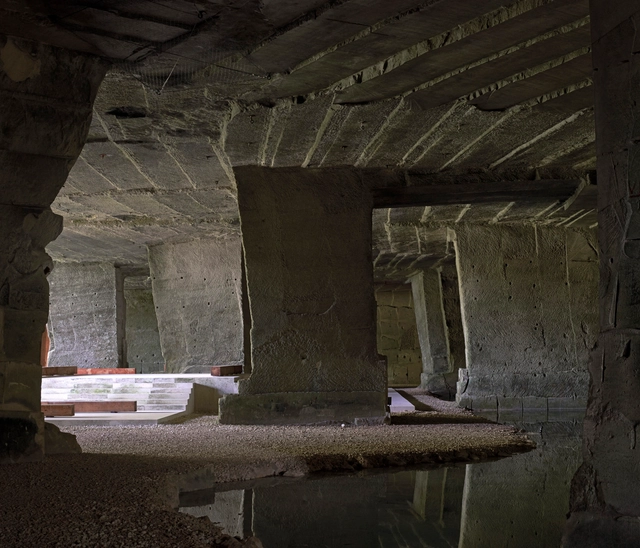
Can we construct buildings using less water? Throughout June, ArchDaily opened the debate on water resources in architecture, inviting our readers to join the discussion.
Global water use data is discouraging, and the construction process accounts for a significant portion of this consumption. It was time to think about how to reduce this impact. The need to design buildings that do not require water offered a unique opportunity to explore innovative and sustainable alternatives to minimize or even completely eliminate water use in construction.
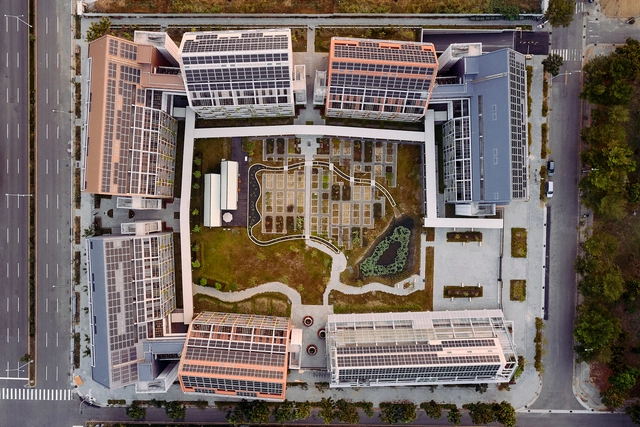
With 55% of the world's population living in cities, the concept of circular economy is increasingly prominent in discussions on architecture and urbanism. The goal of circularity is to reduce the environmental impact of the current production and consumption model through the efficient use of material resources and waste reduction. But how can this idea actually be applied to cities?
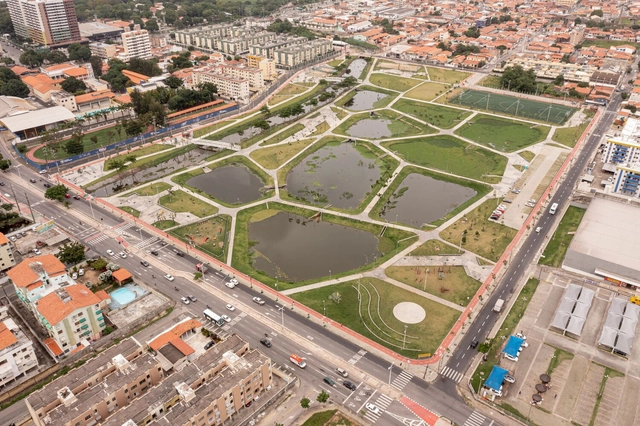
This February 2 marks another World Wetlands Day, held under the theme revitalize and restore degraded wetlands. The 2023 theme highlights that "if done correctly, these sites can offer the same benefits as the original natural wetland."
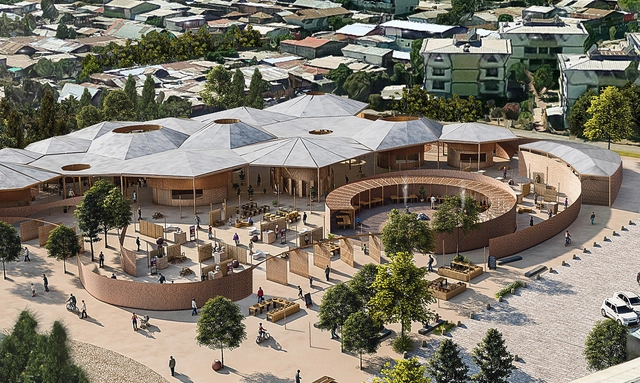
As part of the XXVI Arquisur Congress “Turns of Architecture,” held from October 11 to 13 at the Faculty of Architecture, Design and Urbanism of the University of the Republic of Uruguay, the winners of the 2023 edition of the Arq. José Miguel Aroztegui Award for Architecture Students, the Arquisur Research Award, and the Arquisur Outreach Award were announced.
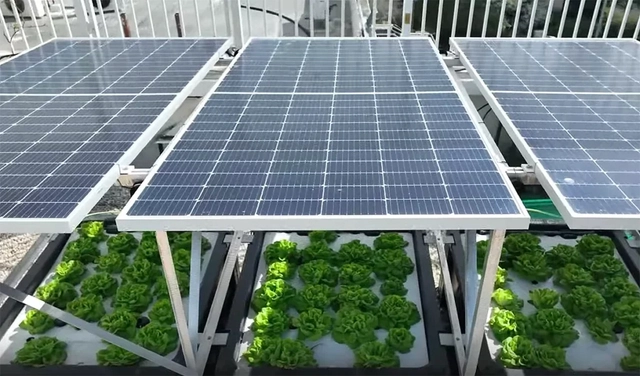
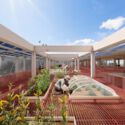
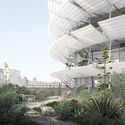
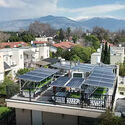
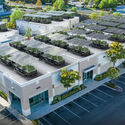
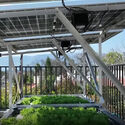
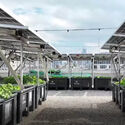
Bringing greenery and, in many cases, vegetable cultivation into urban areas yields countless benefits for city dwellers. Green roofs offer a solution for transforming underutilized areas into true natural oases, helping to mitigate urban heat islands, absorb rainwater, improve air quality, control noise levels, and attract biodiversity.

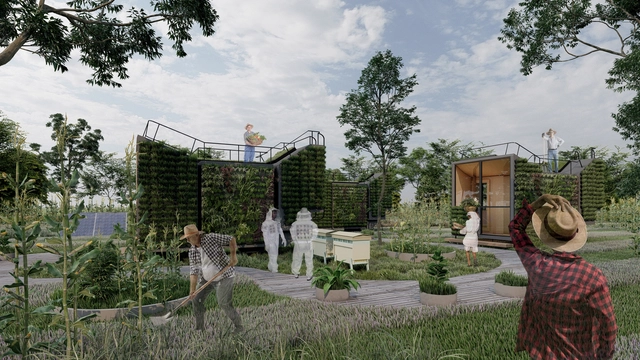
Habitat X is part of an ongoing research initiative developed over more than 12 years, led by Argentine architect Alejandro Borrachia, involving over 100 professors, students, and graduates from the University of Morón – School of Architecture and Design (UM-ESAD) alongside multidisciplinary actors and strategic partners from both the private and public sectors. Focusing on theoretical inquiry and the physical realization of a series of prototypes, the project engages with a specific program based on contemporary societal concerns and needs, connecting with processes, hypotheses, and case studies that spark unprecedented disciplinary shifts.
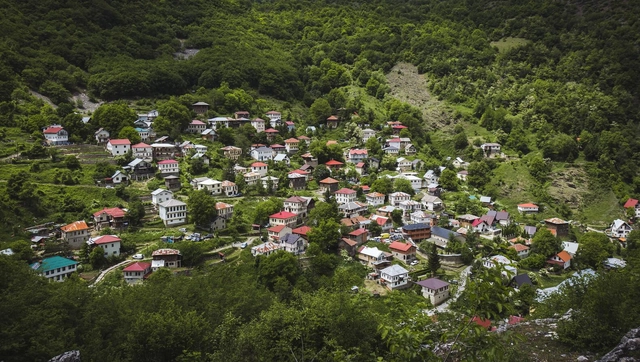
A resident of Vitória might not think of the Jucu River Basin forests when pouring a glass of water. Uruguayans likely do not think of the Amazon Rainforest when they watch rain fall on city parks. And residents of Addis Ababa are probably not thinking of the Congo Basin when they eat injera, a traditional Ethiopian staple made from teff grain.
Yet, forests near and far affect the daily lives of these people more than they realize.
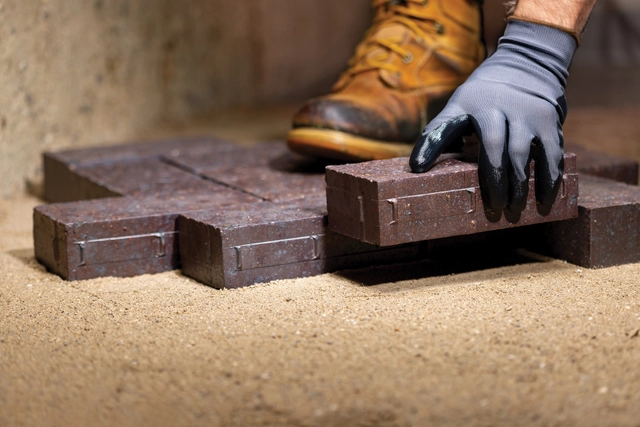
Composed of extremely fine mineral particles and formed through the long-term weathering and erosion of rock, clay possesses unique properties that make it highly versatile. When wet, it becomes highly plastic and malleable, allowing it to be molded into virtually any shape. Once dried and fired, it becomes hard and durable, leading to its widespread use in construction and ceramics. In outdoor applications, clay pavers are particularly common, favored for their durability, resistance to weathering and traffic, natural earthy tones, and ease of installation.
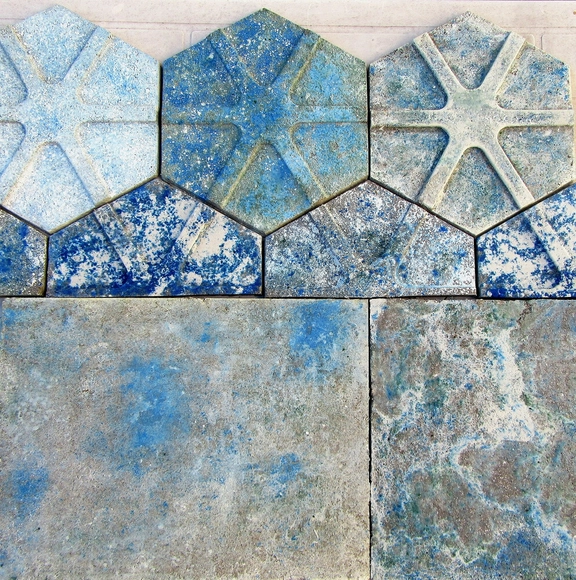
This research on cultivable components as a replacement for petroleum derivatives in products used to manufacture materials from waste is carried out within a UBACyT Project directed by architect Marta Yajnes, within the framework of the Centro Experimental de la Producción (CEP) of the School of Architecture, Design, and Urbanism at the University of Buenos Aires.
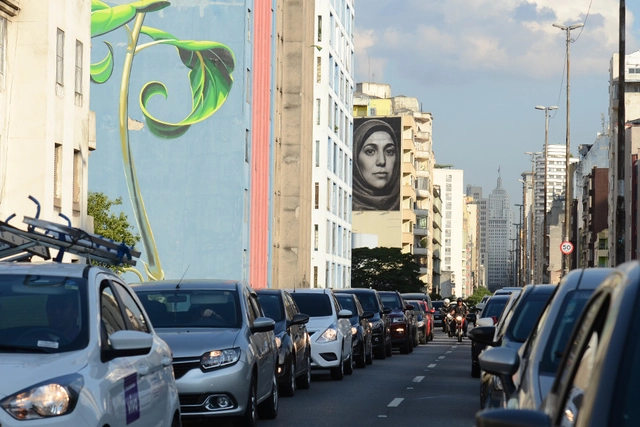
Over the last two decades, the reach of public transit and ridership in one of the world's largest cities, São Paulo, have grown, reducing the share of trips made by car. Yet, despite exceptionally strict restrictions on certain cars and trucks during business hours, congestion—as conventionally understood—remains virtually unabated.
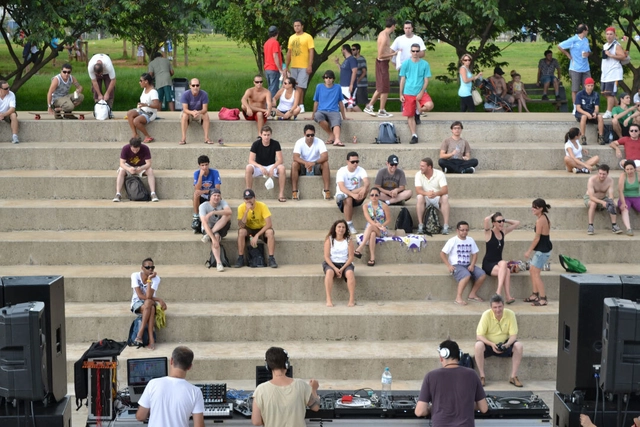
A few days ago, on a beautiful, sunny Sunday in the middle of winter, my wife and I decided to take our two young children to visit Villa-Lobos Park, in the far west of the city of São Paulo, nearly on the border with Osasco.
It is not a park we visit often nowadays, but it undoubtedly holds a special place in our personal history. She grew up in Cotia; I, in Osasco. Both cities lie in the western part of the São Paulo Metropolitan Area, and the park was perhaps the main public space relatively close to our homes during our childhood and youth. We even have photos from when we first started dating in 2013, capturing idle moments—sometimes stretched out on a broad green lawn, other times embracing under a blossoming tree.
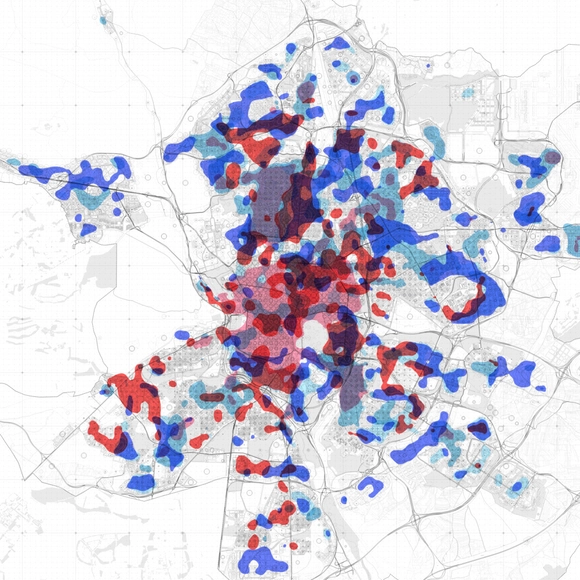
As if dealing with a culinary recipe, Cedric Price compared the evolution of cities to the multiple ways of cooking an egg, showing how the relationship between the yolk and the white (inherent to each preparation) resembled the configuration of different urban models that have emerged over the last couple of millennia. This evolutionary description moves from the almost perfect hard-boiled egg embodied by ancient cities (the result of walled settlements) to scrambled eggs, comparable to modern cities (sprawling shapelessly across the vast territory). It is a metaphor that exemplifies how, so often, the elements that make up the city resemble one another (like the yolk and the white) and yet, the way these ingredients intermingle is key to the final recipe—that which characterizes and explains them.
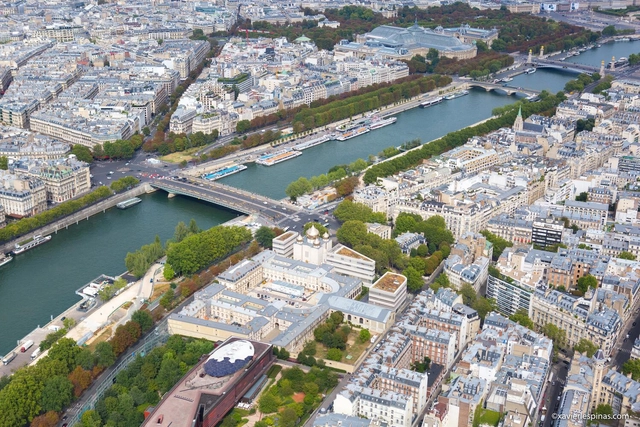
Until a few years ago, the right bank of the Seine River in Paris was a high-speed thoroughfare carrying more than 40,000 vehicles every day. Despite being designated a UNESCO World Heritage Site, the roadway was routinely gridlocked during rush hours or used as a speedway for cars. Consequently, it contributed to the city's air pollution levels—which frequently exceeded European Union limits—and to thousands of premature deaths in the French capital each year.
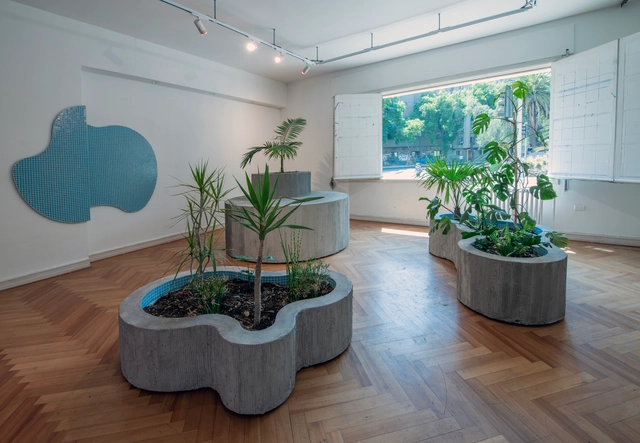
Barco gallery is located in downtown Santiago, right next to Santa Lucía Hill. It occupies an apartment in the homonymous building designed by Sergio Larraín, celebrating a pioneering work of Chilean modern architecture. It is a curatorial practice dedicated to the debate, research, and development of critical and innovative ideas concerning the discipline through exhibition cycles. Its most recent exhibitions include 1972: Cities for Downtown Santiago, You Will Only Have Stones and Additive Manufacturing Shelf.
In partnership with the Embassy of Brazil in Chile, they organized a tribute to the leading figure of Brazilian modern architecture: Lina Bo Bardi. The exhibition "Sirena" by artist Jessica Briceño, curated by Matías Allende Contador and Anton zu Knyphausen, places Bo Bardi's disciplinary work at the center of reflection through an immersive installation that brings together five pieces abstracting her most recurring motifs.
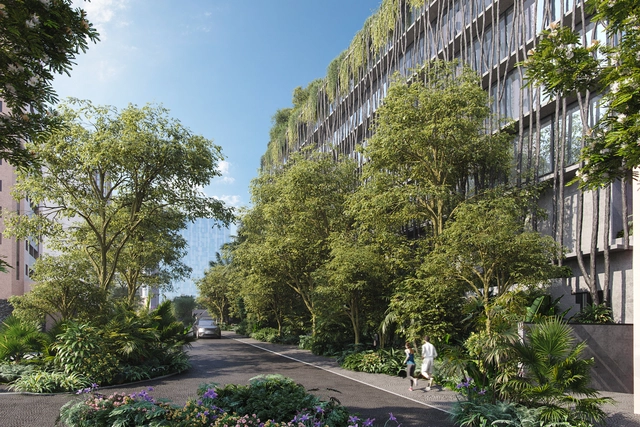
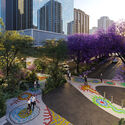
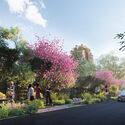
To mark its 470th anniversary in 2024, São Paulo will receive a green area of approximately 10,000 square meters featuring over 400 trees and urban furniture designed by the award-winning Estudio Campana, founded by brothers Humberto and Fernando Campana. The gathering space will be built in the Paulista Avenue area, along a stretch of Alameda Rio Claro, Alameda das Flores, and Rua São Carlos do Pinhal. Construction is scheduled to begin in the first half of 2023.

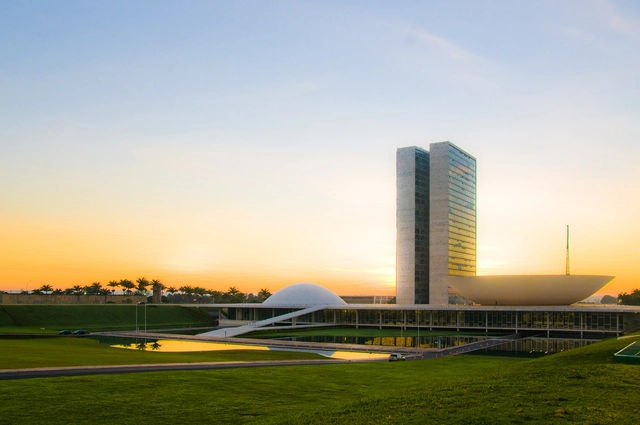
The National Institute of Historic and Artistic Heritage (Iphan), along with representatives from the institutions involved and affected by the January 8 attacks, began coordinating efforts last week to restore Brazilian Cultural Heritage in Brasília (DF).
During the meeting, representatives from the technical departments of infrastructure, restoration, and architecture outlined the damage, ongoing actions, and immediate needs—specifically regarding funding and specialized restorers—as well as proposals for joint initiatives. Discussions also covered potential funding sources for emergency actions and medium- to long-term restoration projects, including private donations and resources from UNESCO.
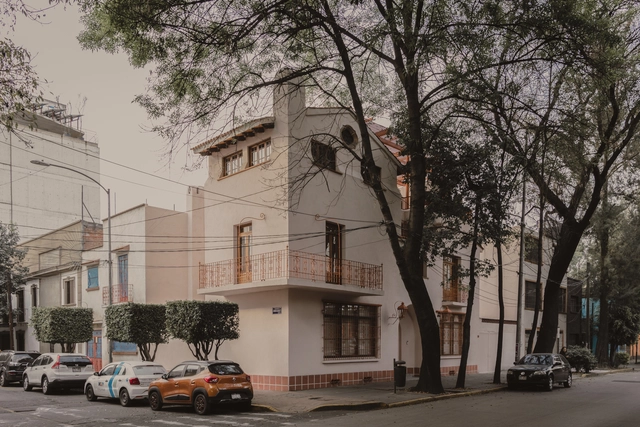
A new space has opened its doors in a 1930s house in the San Miguel Chapultepec neighborhood of Mexico City. This cultural enterprise, named ARCO, merges art, design, and architecture to create a collaborative venue housing the architecture firm WORC and the furniture-focused design studio VETA.