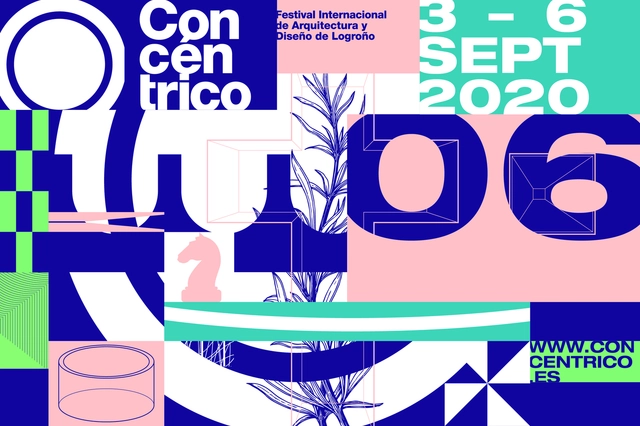
The renowned International Architecture and Design Festival of Logroño, Concéntrico, will hold its sixth edition—rescheduled due to the COVID-19 pandemic—from September 3 to 6, 2020. The festival invites reflection on 'the urban' and the contemporary city.
The Inter-American Development Bank (IDB) recently published a practical guide for sustainable buildings, public spaces, and construction sites in Brazil. Authored by Esperanza González-Mahecha, Livia Minoja, Lucas Rosse Caldas, and Clémentine Tribouillard, the publication aims to simplify access for public and private managers to practical information on how to incorporate sustainability elements into projects, whether buildings (such as housing or public facilities) or public spaces.
During October of this year, the Photography and Architectural Image Workshop took place, aiming to introduce students from the University Center of Art, Architecture, and Design (CUAAD) of the University of Guadalajara to photography. This approach ranged from the retrospective analysis of the image and shooting with digital or analog tools to an introduction to the basics of post-production. Through the perspectives of various guest speakers and practical exercises, students had the opportunity to develop the sensitivity to enter the world of photography. The workshop instructors were César Béjar, Misael Covarrubias, Rafael Palacios, Carlos Irigoyen, AVEH Estudio, Ernesto Gutiérrez, Joel Alavez, and Daniel Mendoza. Read on to see the results.
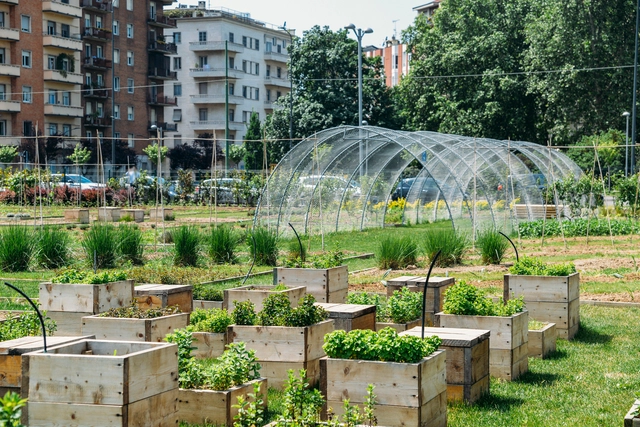
Lockdown and preventive isolation have exposed the obsolescence of models that fail to meet contemporary needs, whether in housing, public space, or rural areas. The Colombian Society of Architects took action, bringing together its regional representatives and professionals from other related fields to rethink social behavior within territories, cities, and housing.
As part of the 2020 program, and inspired by MUTEK Montreal’s Edition 21—which aligned two network cities in a simultaneous edition and used virtual convergence to expand activities and connect global digital art communities—comes the joint MUTEK MX & MUTEK JP Edition 17+5, featuring a series of hybrid events.
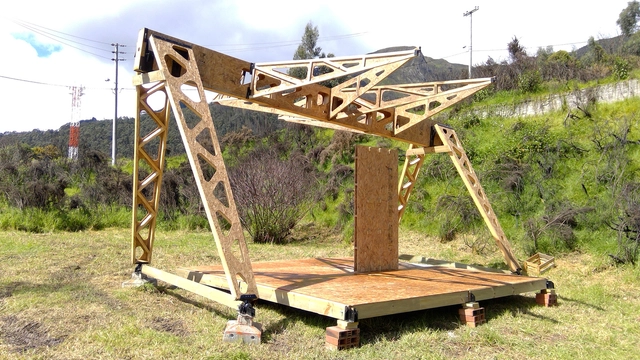
The Superintendency of Industry and Commerce has granted a utility patent for the invention "Multifunctional Self-Supporting Modular Roof System" to professors Camilo Ayala García and Christiaan Job Nieman Janssen, from the design department, and Diego Alejandro Velándia Rayo, from the architecture department, at the Faculty of Architecture and Design of the Universidad de los Andes.
The winners of the "Sustainable Urban Housing" National Ideas and Master Plan Competition have been announced. Promoted by the Municipality of Mendoza (Argentina) and organized by the provincial Association of Architects (CAMZA), the call invited professionals from across the country to reflect on **ways of inhabiting the contemporary city** through the development of ideas for a Master Plan and a preliminary architectural design for housing units. The sites considered in the competition—an urban sector of more than 13,000 square meters—are remnants of railroad lands that, over time, have transformed into urban voids, remaining as vacant areas within the consolidated fabric of the city.
Porto, Portugal. Photo by Tj Holowaychuk via Unsplash
In its 6th edition, Open House Porto (OHP) welcomes the city of Maia, which joins Matosinhos, Porto, and Vila Nova de Gaia for the major annual architecture festival organized by Casa da Arquitectura – Portuguese Centre for Architecture. To inform and guide visitors, applications to recruit 400 volunteers are open until April 20.
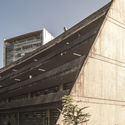
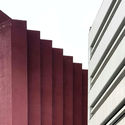
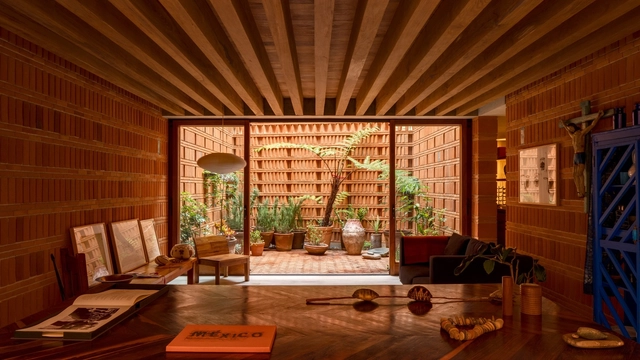
Iturbide Studio / Taller de Arquitectura Mauricio Rocha + Gabriela Carrillo. Image
For nearly two decades, Wienerberger AG has hosted the biennial international Brick Award, providing a stage for outstanding brick architecture and its designers. Architects from around the world showcase their innovative concepts using ceramic materials: 644 projects from 55 countries were submitted for this year's award. The winners of the Brick Award 20 impressed the jury with bold, creative architectural concepts for sustainable, forward-looking spaces.
https://www.archdaily.com/1123594/taller-mauricio-rocha-plus-gabriela-carrillo-triumph-at-the-brick-award-20-with-estudio-iturbideArchDaily Team
As part of the annual CEMEX Awards, the recipient of the Arq. Marcelo Zambrano Scholarship has been announced, reaffirming the commitment to the development of architecture in Mexico. CEMEX awards the Arq. Marcelo Zambrano Scholarship in honor of the exemplary professional dedication and leadership of Architect Marcelo Zambrano, aiming to support young Mexicans in pursuing postgraduate studies at prestigious international universities.
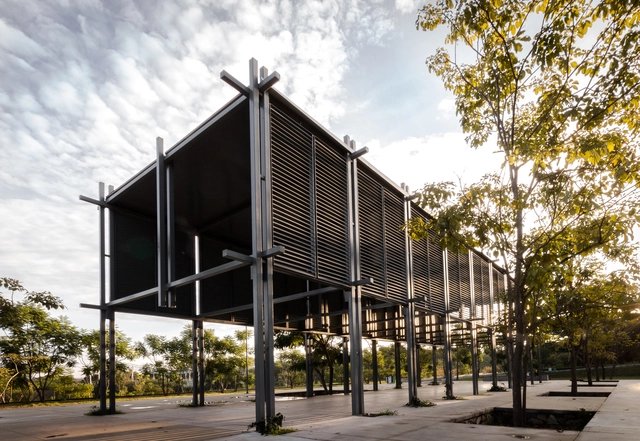
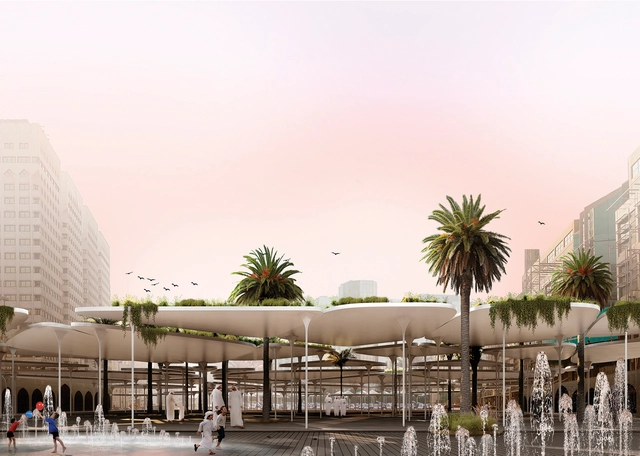
Brazilian architecture firm Estúdio Leonardo Zanatta has received an honorable mention in the international competition "Cool Abu Dhabi," which challenged participants to design creative solutions to tackle climate change and mitigate the urban heat island effect in Abu Dhabi. Titled Abu Dhabi Skins - (Bio)Reactive Urbanscape, the proposal is the only selection from the Americas.
Proyectos ganadores del concurso de ideas RuTA Vietnam. Image Cortesía de Arquideas
After receiving 105 proposals from 32 different countries, the Rural Tourism Accommodation (RuTA) international ideas competition in Vietnam, organized by arquideas, has announced its winning projects.
https://www.archdaily.com/1123572/spanish-students-win-ideas-competition-for-a-rest-space-in-vietnamArchDaily Team
Cortesía de Consejo Superior de los Colegios de Arquitectos de España
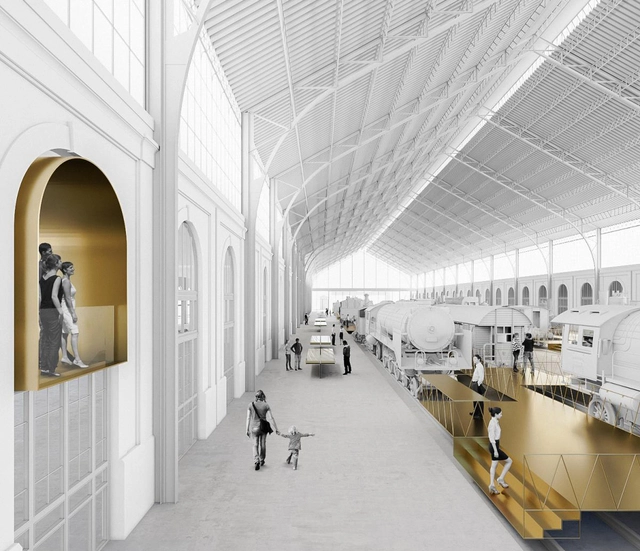
With their proposal “1878-1880”, Spanish architecture firm GVG, a multidisciplinary team led by Daniel Galar Irurre, Josecho Vélaz Ballesteros, and Javier Gil Ayesa, has won the design competition for the renovation of the historic Madrid-Delicias Station, home of the Madrid Railway Museum since 1983.
The Santiago Metropolitan Park is currently conducting a survey on user mobility. If you visited Parquemet before the quarantine, you can help by responding here: https://www.parquemet.cl/ayudanos-a-mejorar-parquemet/.
We invite you to participate in the 2020 Building of the Year award. In its twelfth edition, we ask you to recognize the projects making the greatest impact on the built environment. By nominating and voting, you are part of an independent and unbiased network that has consistently helped us celebrate architecture of all scales, purposes, and conditions, from countries large and small. There are only a few days left to nominate your favorite project, filtering 1,000 projects down to just 15.
Remember, registered users can nominate their favorite project once a day. Nominations close on Monday, March 23, 2020, at 11:59 PM (GMT-3). Thank you once again for helping us continue to democratize architecture.
Isaac Michan Daniel of Michan Architecture, as well asLuis Beltrán del Río García and Andrew Sosa Martínez of the Mexican firm VRTICAL, have been recognized with the 2020 Architectural League Prize. Established in 1981 to recognize exemplary and provocative work by young practitioners, the Architectural League Prize is an annual competition organized by The Architectural League and its Young Architects + Designers Committee. This year's jury was comprised of the Young Architects + Designers Committee—Kutan Ayata, Mira Henry, and Kevin Hirth—alongside Lucia Allais, Paul Lewis, Anna Puigjaner, and Nanako Umemoto.
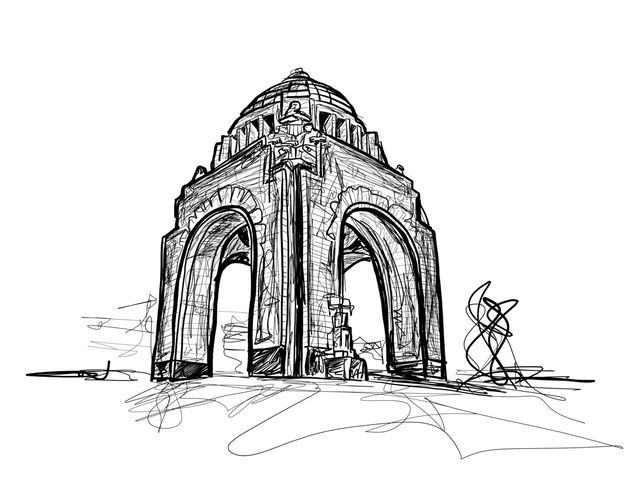
"Traveling Without Leaving Home" is a project by artist and designer Jorge Cejudo, also known as “Cejas.” Over the course of seven months, he shared a pandemic-born series of over 200 drawings on his Instagram account @soyelcejas, reconnecting with his followers after the emergency lockdown by inviting them to join him in imagining journeys through various cities around the world.
Earlier this month, the Observatory of Innovations for Sustainable Cities was launched. The project aims to gather information, proposals, and concrete examples of municipal initiatives and public policies that help improve people's quality of life and strengthen the environment. The initiative is a partnership between the Ministry of Science, Technology, and Innovations (MCTI), the United Nations Environment Programme (UNEP), and the Center for Strategic Studies and Management (CGEE).






.jpg?1603823358 "Cortesia de Leonardo Zanatta")
.jpg?1603823343 "Cortesia de Leonardo Zanatta")



.jpg?1594827787&format=webp&width=640&height=580)