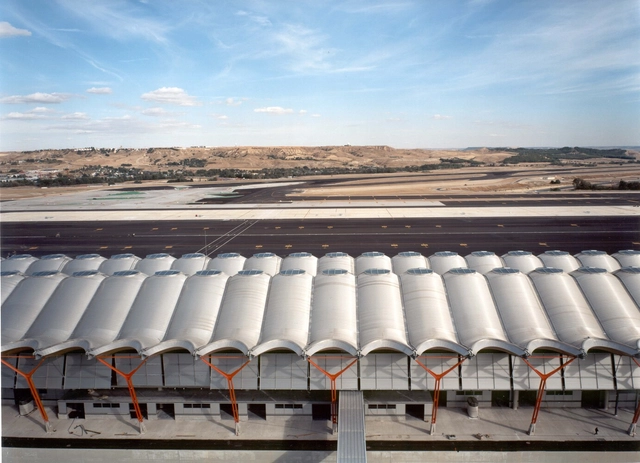
Estudio Lamela and Rogers Stirk Harbour + Partners (RSHP), alongside AYESA Ingeniería, will design the expansion project for terminals T4 and T4S at Adolfo Suárez Madrid-Barajas Airport. In addition to the terminal expansions, the project includes commercial areas, related equipment and furniture, as well as aircraft parking aprons.
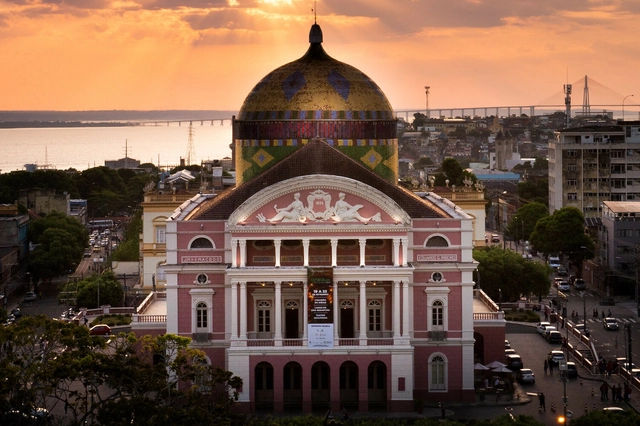
Amazonas Theatre. Photo by Rafael Zart, via Wikipedia. Licensed under CC BY 2.0
Teatro Amazonas in Manaus and Theatro da Paz in Belém could soon achieve recognition as UNESCO World Heritage Sites. The first step toward this distinction for the Amazon theaters will be taken between December 13 and 15, during the first mobilization workshop in Manaus. This event will gather representatives from the governments of Amazonas and Pará, the city halls of Manaus and Belém, civil society, researchers, and the National Institute of Historic and Artistic Heritage (IPHAN).
https://www.archdaily.com/1135873/theatro-da-paz-and-teatro-amazonas-could-become-world-heritage-sites-in-the-coming-yearsArchDaily Team
In a year marked by physical distancing, social media became even more crucial for connecting with others and staying informed. @archdailybr's Instagram expanded its reach, and in 2020, brought our audience not only Brazilian and Portuguese projects, but also the top articles and news from the architectural world.
When designing a building, one of the greatest challenges lies in integrating its base with the street level. To foster a more beneficial relationship with the city, bring "eyes on the street"—as Jane Jacobs put it—or even establish an active facade, architectural professionals employ various solutions.
The Virtual Museum of Art building, the world's first fully digital museum. Photo: Courtesy of VOMA
In a year deeply marked by virtual interactions, a temporary suppression of urban public spaces, and a profusion of digital exhibitions, the Virtual Online Museum of Art (Voma)—the world's first fully virtual art museum—has opened. Set in a context as intangible as its concept–perhaps on the shores of a lake or an inlet, one cannot be sure–the virtual building features a unique architecture, composed of complex, somewhat ambiguous volumes and a simulated materiality reminiscent of pigmented concrete.
The future has always been impossible to predict with absolute certainty. While various films, books, and theories have attempted to decipher it—and many have come close—we continue to be surprised by what actually emerges. Take, for instance, artificial intelligence tools. As we wrap up 2023 and head into 2024, does this dynamic remain the same? Can these tools also drive social change?
During the week celebrating Architects and Urbanists Day, TV Cultura will broadcast the documentary Social Housing: A Matter of Public Health. Premiering on national television, the production shows how the COVID-19 pandemic laid bare the country's chronic social housing crisis to all of society. Directed by Paulo Markun and Marcelo Amiky and hosted by Adriana Couto, the mid-length film will air this Wednesday (12/16) at 10:45 PM.
Today is National Architect and Urban Planner Day in Brazil. Since 2018, Law 13,627/2018 has officially established this date on the Brazilian calendar. The day was chosen to honor architect Oscar Niemeyer on his birthday, and also commemorates the founding of the Council of Architecture and Urbanism (CAU).
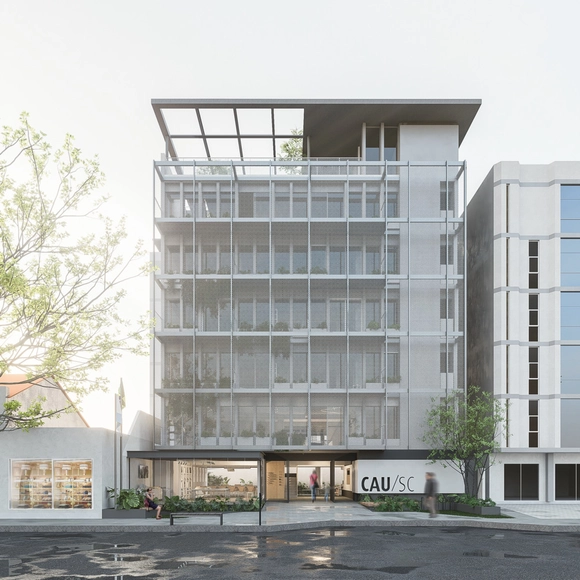
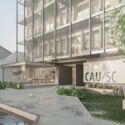
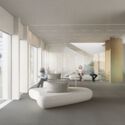
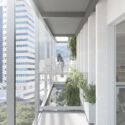
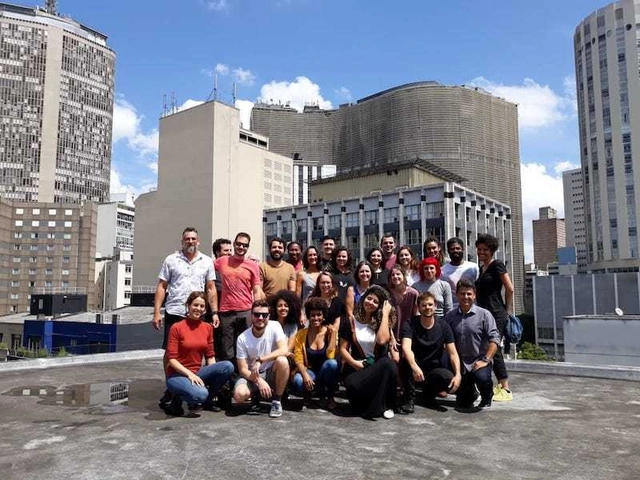
The firm Bloco B arquitetura, led by architects Júlia De Fáveri, Camilla Ghisleni, and Gabriela Fávero, was awarded second place in the competition for the renovation of the CAU/SC headquarters building. The competition sought solutions for the building's primary areas, such as the atrium, reception, and facade, in an effort by the Council to "welcome all architects and urban planners, connect with society, engage with the street, and practice the commitment to making the city more human."
https://www.archdaily.com/1135912/bloco-b-arquitetura-takes-second-place-in-the-competition-for-the-renovation-of-the-cau-sc-headquartersArchDaily Team
The IABsp has just registered its new Bylaws, approved by the Superior Council of the IAB (Cosu) in September of this year, enacting the first major statutory restructuring since 1957. The newly effective bylaws were approved during a general assembly of the IABsp in August, with unanimous support from the 80 members in attendance. The changes aim to increase transparency and representation, while streamlining management and governance within the São Paulo department, strengthening its institutional role.
https://www.archdaily.com/1124301/gender-race-transparency-and-governance-in-the-new-bylaws-of-iab-sao-pauloFernando Túlio, Gabriela de Matos, Hannah Machado e Rafael Mielnik
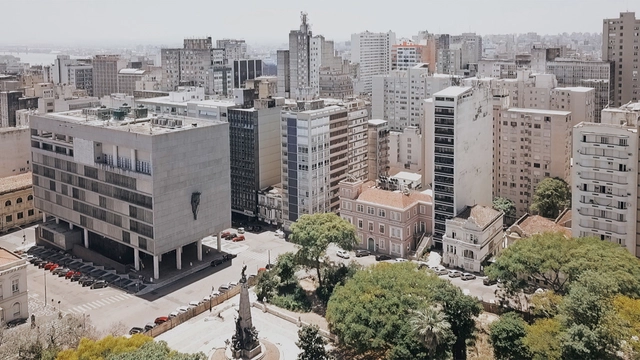
Honoring and reaffirming the importance of Porto Alegre's modernist icons, a new series launched by AsBEA-RS on its YouTube channel invites the public to visit, alongside architects, market experts, and users, six of the most important buildings constructed between the 1950s and 1960s in the state capital.
Faial, Santa Tecla, Santa Cruz, Palácio da Justiça, Centro Administrativo Fernando Ferrari, and Grêmio Náutico União: six projects that shape the skyline and reaffirm the construction quality of fifty-year-old structures, revisiting the legacy and lessons of prominent architects from Rio Grande do Sul for contemporary urban development.
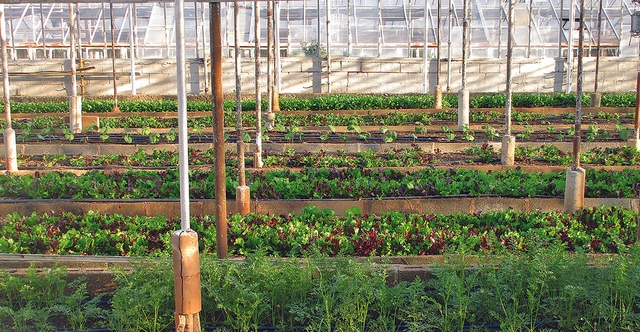
Having a backyard and the willingness to learn how to grow their own food are what unite low-income families participating in an innovative project in Roraima. This is "Sustainable Backyards" (Quintais Sustentáveis), an initiative by Embrapa in partnership with Lar Fabiano de Cristo (Casa de Timóteo unit) and funded by CNPq, which seeks to stimulate the production and consumption of vegetables, fruits, and medicinal plants in backyards across Boa Vista.
Launched in 2018, the project's pillars include sustainable agroecological production, food and nutritional security, income generation, and the social and productive inclusion of vulnerable populations.
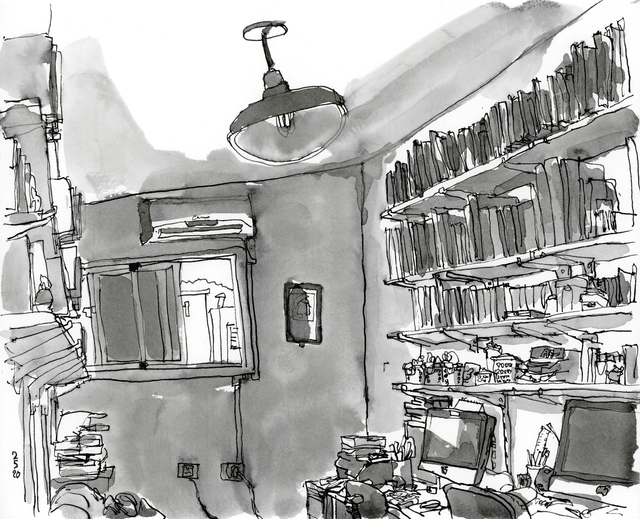
During the first two months of isolation due to Covid-19, designer Ivan Jerônimo accumulated more than forty drawings depicting objects and rooms in his apartment. These are ordinary scenes that were suddenly brought to the forefront during the pandemic.
Urban Design and Road Works Manual. Image: Courtesy of courtesy
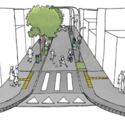
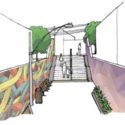
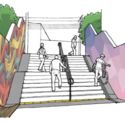
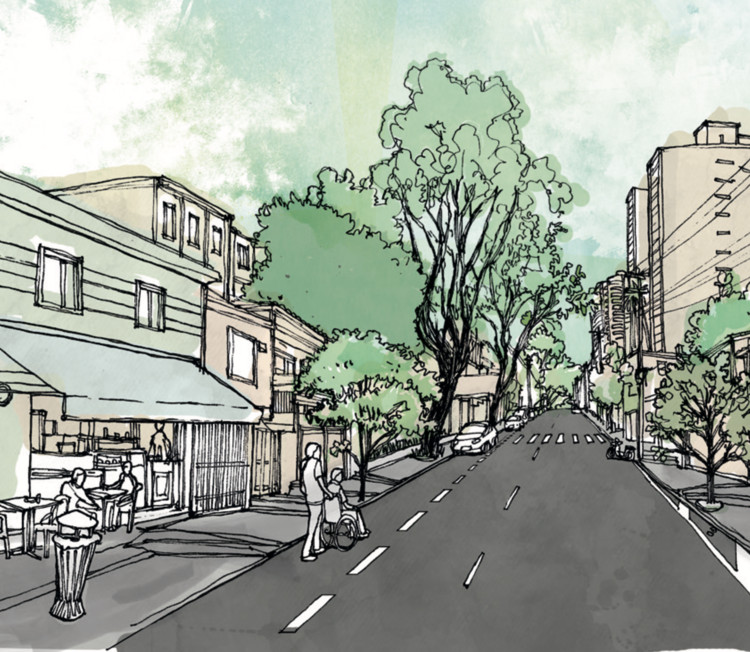
The City of São Paulo launched the digital platform for the Urban Design and Road Works Manual in December last year. This document compiles guidelines for urban projects aligned with the principles of accessibility, social equity, road safety, and environmental sustainability. Coordinated by Elisabete França, José Renato S. Malhem, and Maria Teresa Diniz, the manual aims to guide the design of projects in the road space to meet citizens' well-being needs.
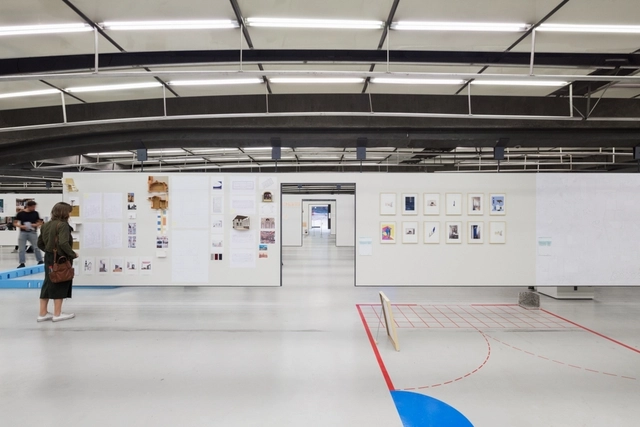
Exhibition at the Centro Cultural São Paulo, part of the previous edition of the International Architecture Biennale of São Paulo
In November 2020, IABsp, the organizer of the International Architecture Biennale of São Paulo, launched a Co-Curatorship Competition for the Biennale's 13th edition, scheduled for 2022. Proposals, which can be submitted through the website until January 24, 2021, will be evaluated by a jury representing diverse fields of knowledge, composed mostly of women and Brazilians.
The 13th Biennale presents RECONSTRUCTION as its initial central provocation, starting from the idea of rebuilding, reshaping, and renewing the relationships of social groups with their domestic spaces, citizens with public spaces, and the personal and professional dynamics unfolding in spaces of confinement and collective use, during and after the pandemic. The Competition also proposes that this reflection involve one or more guiding themes: democracy, bodies, memory, information, and technology.
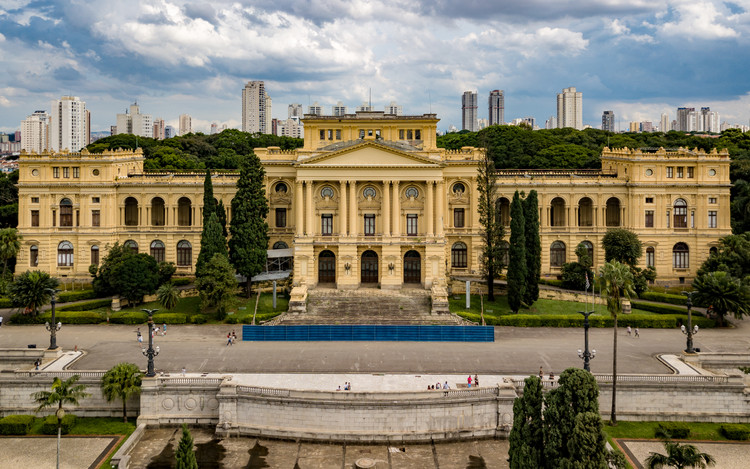
Ipiranga Museum. Photo by Webysther, via Wikipedia. License CC BY-SA 4.0
To celebrate the 467th anniversary of the city of São Paulo, the Museu do Ipiranga is launching the digital campaign São Paulo – Território em Construção on January 25. Through the collection's rich iconography, along with testimonies from historians, architects, and urban planners, the public is invited to reflect on the city's transformations, from its founding in the colonial period to the grand metropolis we know today. The content, formatted as web stories, will be available on a website featuring a timeline, photos, paintings, and maps from the collection, as well as explanatory audio and videos about the evolution of São Paulo's urban space. Visitors can also learn more about the city's main landmarks, such as Pátio do Colégio, Paulista Avenue, and Nove de Julho Avenue.
Jesuit-Guarani Missions Trail in Rio Grande do Sul. Photo by Halley Pacheco de Oliveira, via Wikipedia. License CC BY-SA 3.0
Iphan has announced the winners of the 33rd edition of the Rodrigo Melo Franco de Andrade Award (2020 Rodrigo Award). The 12 selected initiatives will each receive R$ 20,000 in funding from the National Institute of Historic and Artistic Heritage, while five others were recognized with honorable mentions. Organized by the institute, the awards program has been held since 1987 and is the largest in the field of Cultural Heritage in the country, recognizing exemplary initiatives of excellence.
In celebration of São Paulo's 467th anniversary, street artist Criola gifted the Liberdade neighborhood with a massive mural. Produced in partnership with Instagrafite, the work was funded by a special edition of the Street Art Museum (MAR) and prompts a deep reflection and reclaiming of a long history as a stronghold of Black resistance in the city, starting with the neighborhood's very name.
















.jpg?1611255930&format=webp&width=640&height=580)