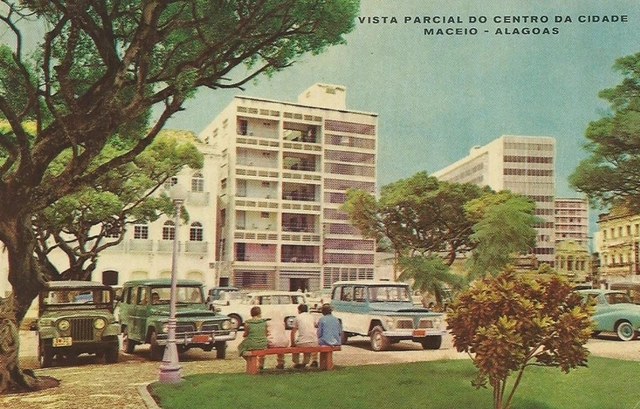
Students, faculty, and staff of the Faculty of Architecture & Urbanism & Design of Alagoas, led by professors Adriana Capretz Borges da Silva Manhas and Josemary Omena Passos Ferrare, alongside student Cecília Oliveira do Nascimento Rossé, have organized an online petition to award professor Zélia de Melo Maia Nobre the title of Doctor Honoris Causa from UFAL (Federal University of Alagoas).
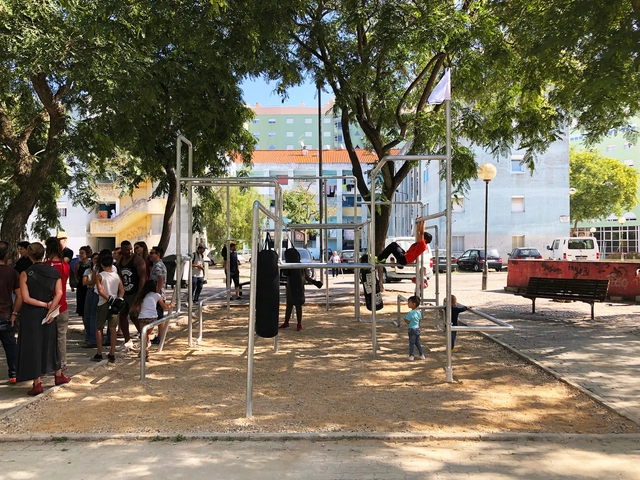
Boxing Boxes is a project resulting from two years of architectural research by Carlos Ortega Arámburo and Daniel de León Languré that combines boxing, as a tool for self-discipline and violence control, with a structure that activates civic space in marginalized areas. For this year's Lisbon Architecture Triennale, the Mexican architect, along with a local interdisciplinary team, installed the equipment in the Portugal Novo neighborhood, in Olaias, Lisbon.
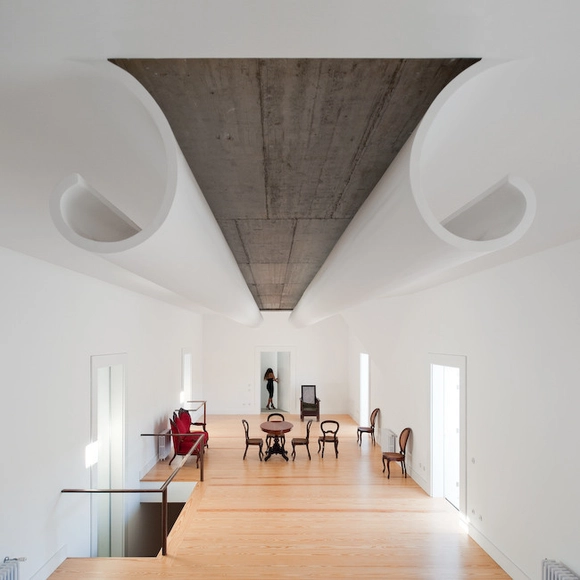
Many buildings pique the curiosity of passersby about what lies behind their doors. Instead of merely imagining the uses and privacy of these typically inaccessible spaces, next weekend—June 29 and 30—visitors will be able to explore the interiors of various architectural works in the cities of Porto, Matosinhos, and Gaia during the Open House Porto festival.
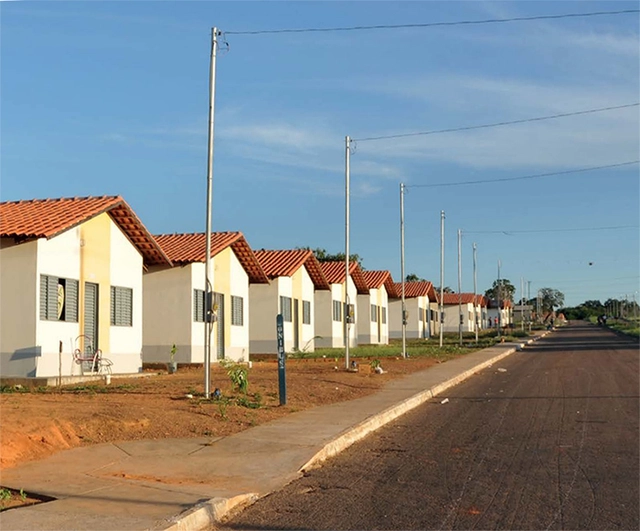
WRI Brasil has launched a free online publication detailing the benefits, costs, and barriers of adopting sustainability measures in social housing developments. Jointly produced by Lara Caccia, Henrique Evers, Luana Betti, and Camila Schlatter, the study examines simple, low-cost actions and technologies aimed at reducing water and electricity consumption in buildings.
Videos
Goetheanum im Winter von Osten. Image Cortesia de Trienal de Arquitectura de Lisboa
Within the scope of The Poetics of Reason, this year's Lisbon Architecture Triennale explores the nexus between Agriculture and Architecture, two complementary fields that emerged around 10,000 years ago during the Neolithic Revolution and, later, in the Anthropocene. Given the current environmental crisis, the core hypothesis of the exhibition Taking the Country's Side: Agriculture and Architecture, curated by Sébastien Marot, is that no consistent thinking can develop in the future of either discipline unless they are once again allied and fundamentally reconsidered together.
Applications are now open for the 6th Instituto Tomie Ohtake AkzoNobel Architecture Prize. The initiative continues to map contemporary architectural production by highlighting, for the sixth consecutive year, significant projects built in the current Brazilian landscape that demonstrate a commitment to their site and sustainability, as well as design and constructive inventiveness.
On October 19, a workshop on implementing an ecological sanitation system will be held. The event will take place in São Paulo's South Zone and is open to anyone interested. The workshop is organized by the social-environmental project cooperative Sapiência Ambiental in partnership with the UFABC Agroecology Center.
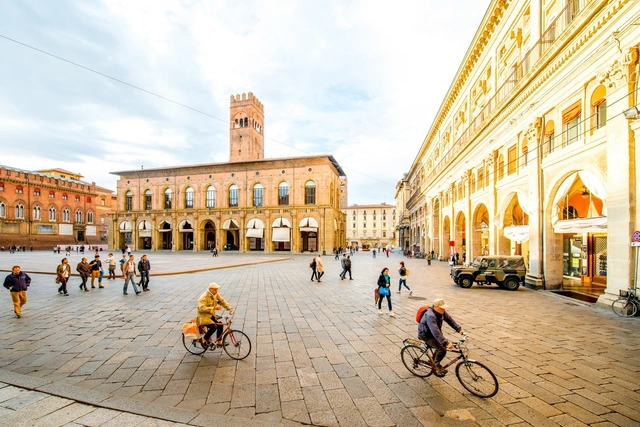
One of Italy's most important culinary hubs, Bologna is aiming to encourage its residents to adopt cycling, public transit, or simply walking as their primary means of transportation—leaving their cars at home. To achieve this, the city has launched an incentive program.
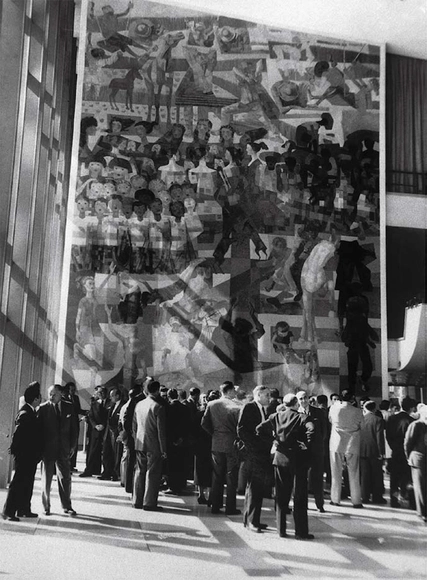
Painel "Guerra e Paz" de Candido Portinari na ONU, Nova Iorque. Image Cortesia de Oficina de Mosaicos
Led by the Portuguese duo Isabel Ruas and Gonçalo Ruas, the studio Oficina de Mosaicos will create a mosaic reinterpretation of the work War and Peace, the monumental panel painted by Candido Portinari and donated to the UN in 1956. The piece will be permanently displayed at the USP campus in Butantã. The project has the support of the artist's son, João Portinari, and is currently in its fundraising phase.
Discovering the stories behind architectural projects and urban interventions is the premise of ARQ.DOC, a new series set to premiere in January 2019 on YouTube. Produced in a documentary format, the episodes explore the creative diversity of Brazilian architecture.
Conceived by architects Vinicius Andrade and Beatriz Vanzolini, along with the team from the Arq.Futuro platform, the course “Aprendendo a viver na cidade” aims to awaken young people to the importance of understanding the city, while also discovering how to influence it. The course is delivered in a book format—which is already available in bookstores—and will be officially launched at Escola da Cidade on February 27. The course features videos and audio from the “Cidade Cidadão” series, accessible via QR Code or on the Arq.Futuro website. Teachers who wish to implement it in the classroom will have access to a digital Teacher's Guide (Caderno dos Professores) with pedagogical suggestions and activities.
https://www.archdaily.com/1122433/aruturo-and-bei-editora-launch-star-aprendendo-a-viver-na-cidade-star-at-escola-da-cidadePedro Vada
Aerial view of Paulista Avenue. Illustrative image. Photo by Gabriel Ramos via Unsplash
The city of São Paulo is the first in South America to freely release laser-scanned data covering its entire territory. The files are available for download on the GeoSampa Portal. The technology, known as LiDAR (Light Detection and Ranging), goes beyond standard satellite imagery or aerial photography to provide a high-resolution geometric representation of a city. Consequently, it offers a much more accurate and detailed model of the mapped area.
Courtesy of United Nations Development Programme (UNDP)
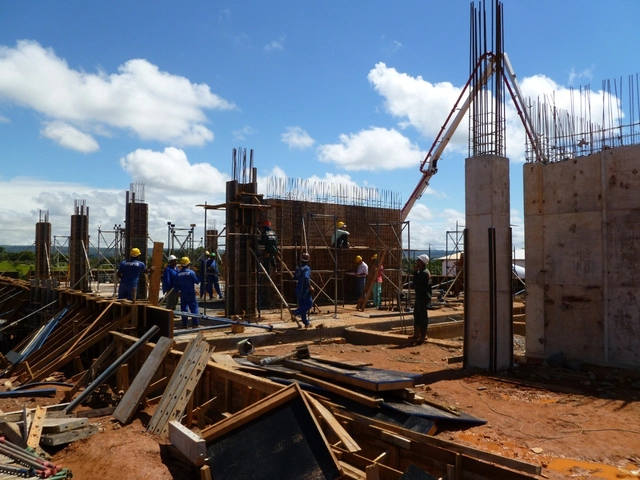
Growing concern over the use of natural resources in architecture has drawn increasing attention from professionals and researchers, pointing toward a future where architects must not only design but also facilitate the decommissioning and recycling of buildings. Against this backdrop, raising awareness about water waste on construction sites has become a major priority—an issue addressed in a recently launched guide by the São Paulo State Construction Industry Association (SindusCon-SP), Caixa Econômica Federal, and the United Nations Development Programme (UNDP).
Since the 2013 protests, there has been a clear resurgence of the concept of the public sphere in Brazil, particularly in metropolises like São Paulo. Within a context of speculation and a commodified city—where both spaces and public services are driven by capital accumulation, and where public authority operates merely as power rather than in the public interest—a growing movement to reclaim urban spaces by previously marginalized actors has emerged.
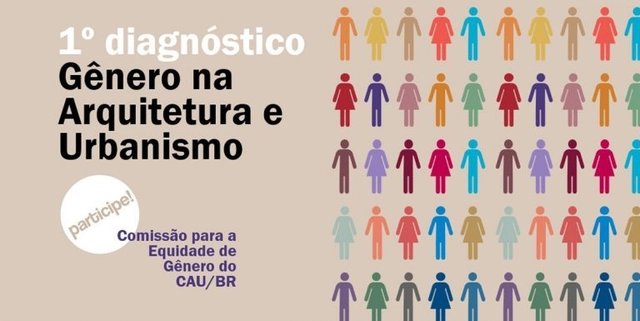
The Council of Architecture and Urbanism of Brazil, through its Commission for Gender Equity (CTEG), has launched a public survey to collectively build a women's agenda aimed at overcoming challenges in the practice of architecture and urbanism.
The CAU/BR is studying new rules for issuing Technical Responsibility Records (RRT) and Technical Collection Certificates (CAT) by architects and urban planners. The Professional Practice Commission, which is presenting the proposal to the public, aims to improve the registration system to protect both architects and their clients regarding the technical responsibility of architecture and urbanism services.
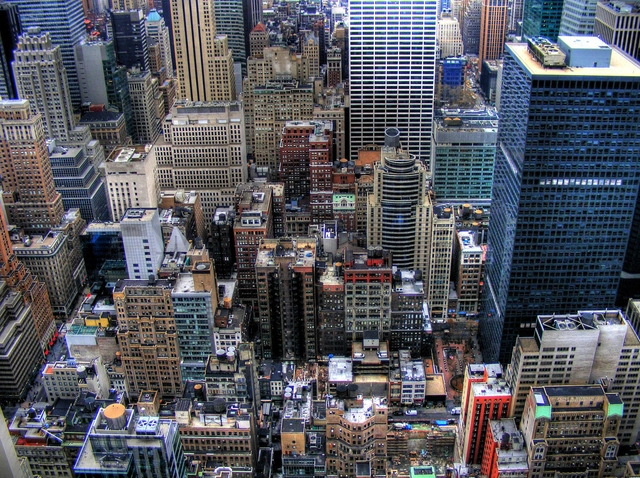
New York. Photo: CJ Isherwood, via Flickr, license CC BY-SA 2.0
The Swiss Federal Institute of Technology in Zurich (ETH Zurich) is offering free online courses on smart cities and future cities. Available through the edX platform, which is shared by institutions worldwide, the courses last ten weeks and are conducted via video.
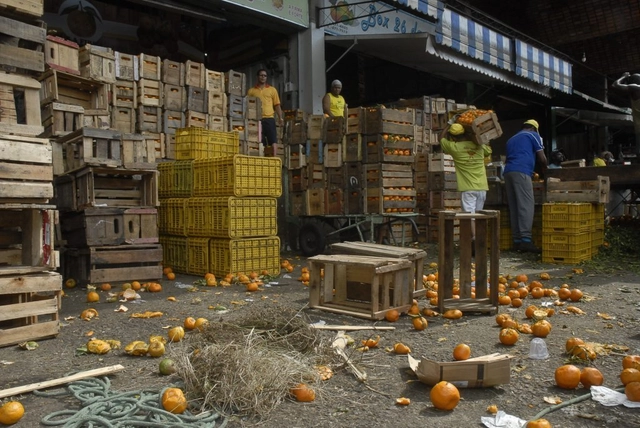
Food waste is a concern for the FAO. Image: EBC, via UN/FAO
The United Nations, through its Food and Agriculture Organization (FAO), launched a publication this month focusing on strategies to integrate nutrition policies into urban planning. The document highlights best practices in reducing food waste, promoting healthy diets, and strengthening local production chains.
.jpg?1569333854&format=webp&width=640&height=580)