Architect, urbanist, and Content Editor at ArchDaily, covering news and developments in architecture and the built environment. Editorial work focuses on the Gulf region and the Middle East, exploring contemporary regional architectural languages and their relationship to local contexts.
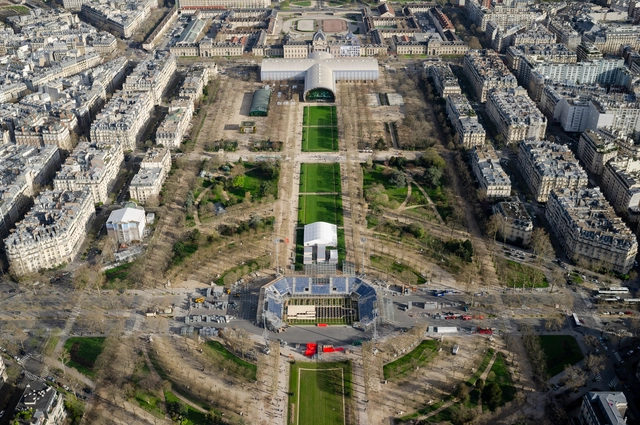
With just one month to go until the XXXIII Olympic Games in Paris, the city is in a final push to ensure that the landscape and infrastructure are ready for the world’s largest sporting event. Set to start on July 26 and continue until August 11, 2024, the Paris City Council has approved numerous initiatives to transform the city. Aiming for a greener, healthier, and more mobile Paris, the city has undergone massive changes to showcase its modern advancements and rethink the structure of the Olympic Games.
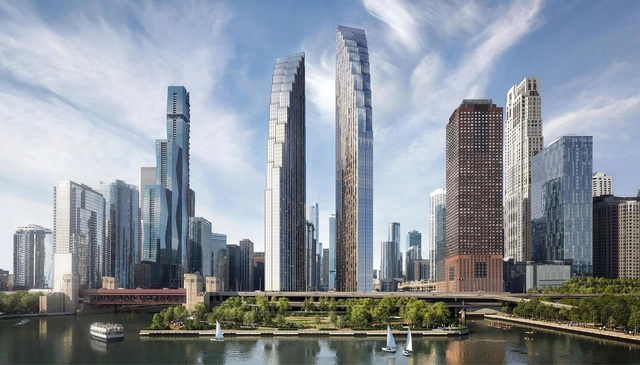
The Skidmore Owings & Merril (SOM) two-tower development in Downtown Chicago has just started construction. Situated at the intersection of Lake Michigan and the Chicago River, the new residential development seeks to redefine Chicago’s skyline. Composed of 635 residential units in its first phase, 20% of which are designated as affordable housing, the scheme also outlines the design of DuSable Park. Phase one of the project has officially commenced, occupying the last undeveloped waterfront parcel in the Streeterville neighborhood.
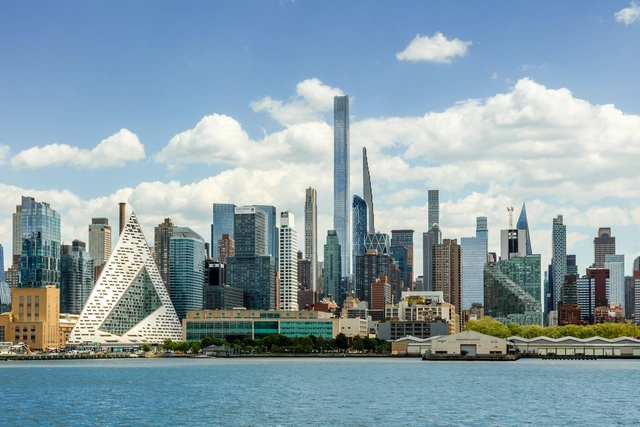
Skyscrapers are iconic symbols of modern urbanization and technological advancements all over North America. These structures are a sign of economic prosperity, urban density, and the capabilities of humanity’s ambition. In major cities across the continent, they shape the skyline and give identity to these metropolises. Cities like New York City, Toronto, and Florida utilize these cutting-edge designs to showcase power beyond their physical stature.
In general, skyscrapers are characterized by their remarkable height and pioneering engineering capabilities. They use advanced materials such as steel, glass, and concrete and serve as multifunctional spaces, ranging from housing to hotels and offices. Architects all around the world continually push the boundaries of architectural creativity, design, sustainability, and functionality while crafting these buildings. The structures allow architects to maximize land use in new ways, tackling densely populated urban areas.
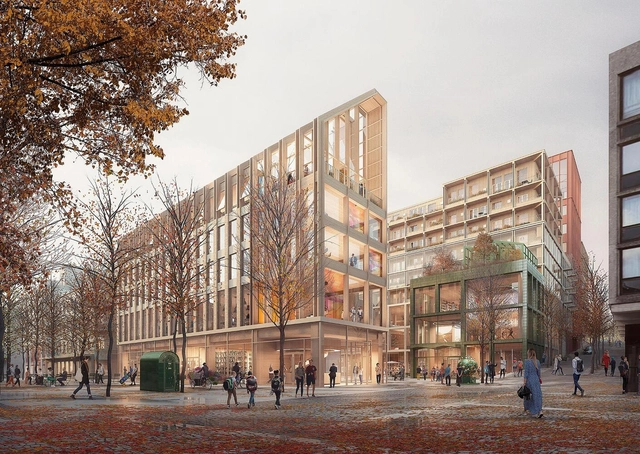
C.F. Møller Architects has just been declared the winner of the urban competition to develop the Luna District in Södertälje, Sweden. Their proposal, “The Sky is Our Roof” outlines the transformation of the Luna District, known as Lunagallerian, representing one of the most extensive urban development projects in Södertälje’s history. Set to be reimagined into several open urban districts, the project was selected out of 35 architectural firms.
In the evolving landscape of architecture and urban design, bioclimatic and biogenic envelopes present a compelling vision for future cities. Dr. Arta Yazdanseta, a Doctor of Design focused on energy and environments, dives into the intersection of design, building performance, and plant biophysical ecology. With a focus on bioclimatic and biogenic envelopes, Dr. Yazdanseta examines how these typologies can enhance socio-natural systems by leveraging their self-organizing potential. Dr. Yazdanseta’s academic journey includes earning a Doctor of Design and a Master of Design in Energy and Environments from the Harvard Graduate School of Design.
Her contributions as a researcher at the Harvard Center for Green Buildings and Cities include developing environmental design strategies and performance analyses for the HouseZero carbon retrofit project. In this interview, Dr. Yazdanseta explores the concept of bioclimatic envelopes and their interaction with passive architectural design principles. With a potential to revolutionize urban environments, the interview reveals insights into her research, the benefits of plant-based materials, and the future of sustainable architecture, emphasizing the critical connection between human and environmental health.
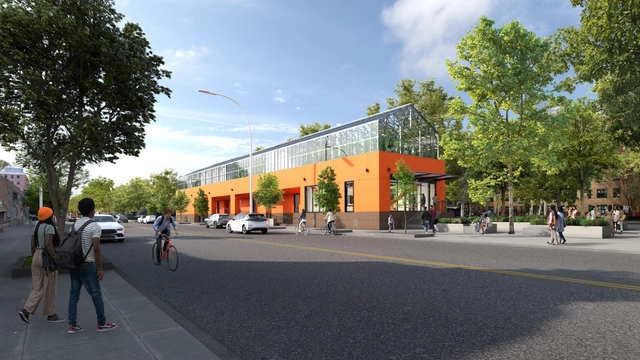
Courtesy of Studio Gang | Marlboro Agricultural Education Center in Gravesend, Brooklyn
Studio Gang has just released the design for the new Marlboro Agricultural Education Center in Brooklyn, New York. Reimagining a more equitable and inclusive food system, the design transforms a New York City Housing Authority (NYCHA) campus into a hub for multigenerational education, job training, and community leadership in urban agriculture. Operated by the nonprofit organization The Campaign Against Hunger (TCAH), the Center seeks to leverage longstanding efforts across the city to enhance food autonomy and security in underserved neighborhoods.
The 7th Tallinn Architecture Biennale (TAB 2024) will commence on October 9th, 2024, at various venues around the city. Organized by the Estonian Centre for Architecture, this edition of the global architecture exhibition explores “Resources For a Future,” hoping to encourage dialogue, interdisciplinary work, and innovation within architecture. The event targets both architects and the general public and includes a comprehensive program featuring workshops, panels, seminars, and Open House Tallinn.
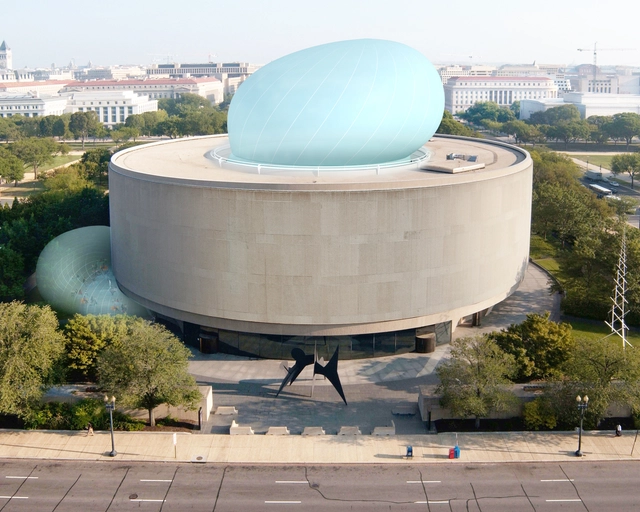
Brutalist buildings are a significant component of Washington, D.C.’s architectural identity. In the National Building Museum’s new exhibition, Capital Brutalism, this identity is explored further. Co-organized with the Southern Utah Museum of Art (SUMA), Capital Brutalism is a comprehensive exhibition of Brutalist architecture in Washington, D.C., to date, running until February 17th, 2025.
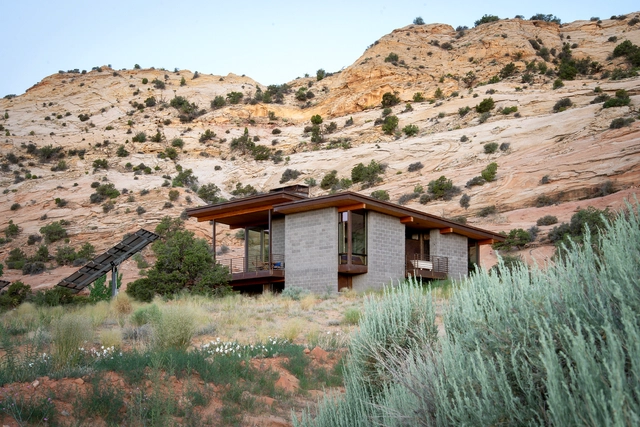
Thermal mass is the ability of a material to absorb, store, and release heat. Used to moderate building temperatures by reducing fluctuations, the concept is crucial in improving energy efficiency. Materials with relatively high thermal mass, such as stone, concrete, rammed earth, and brick, can absorb significant heat during the day and release it slowly when temperatures drop at night, reducing the need for heating and cooling systems. Properties like heat capacity, thermal conductivity, and density are all considered when assessing the thermal mass property of a material.
Located in the heart of Beijing’s Central Business District, the Z6 tower, designed by Foster + Partners, has become China's first high-rise office building to achieve “Net Zero Carbon Outstanding” certification. The project received this recognition by passing the “Net Zero Carbon Building Evaluation System,” which was developed by the British Research Establishment (BRE) and TÜV Rheinland Greater China, based on BREEAM standards.
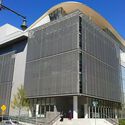
via Flickr user jeanbaptisteparis licensed under CC BY-SA 2.0 | Fumihiko Maki at MIT Media Lab, 2010.
Esteemed Japanese architect and Pritzker Prize laureateFumihiko Maki passed away at his Tokyo home last Thursday at the age of 95. Celebrated for his modernist approach, Maki was responsible for significant works, including the 4 World Trade Center, a skyscraper at the site of the former World Trade Center in New York. Maki was recognized in the architecture industry various times, including receiving the Pritzker Prize and becoming the 67th AIA Gold Medalist. His influence in inventing a unique modernist style of Japanese origin cannot be underscored.
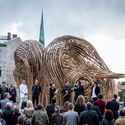
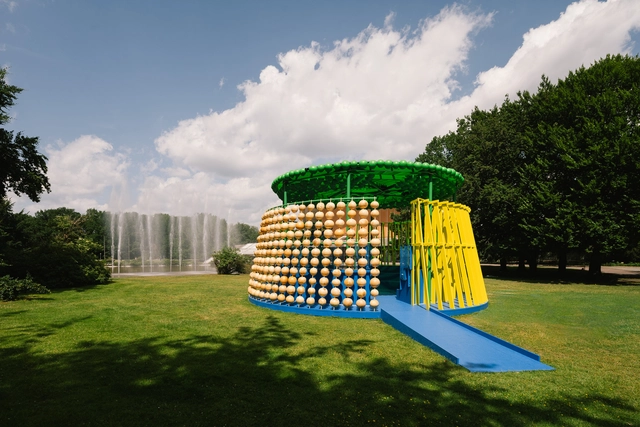
British-Nigerian multi-disciplinary artist and designer Yinka Ilori MBE has designed a pavilion as part of Haus der Kulturen der Welt’s (HKW) festival in Berlin. The festival, titled Ballet of the Masses - On Football and Catharsis, initiated an annual pavilion in 2023, and this year’s pavilion dresses intricate questions of coexistence through its materiality and form. Part of the Shaped to the Measure of the People’s Songs architectural series, Yinka Illori’s pavilion crafts a spatial proposition that explores complex themes of racism in sports and personal accountability.
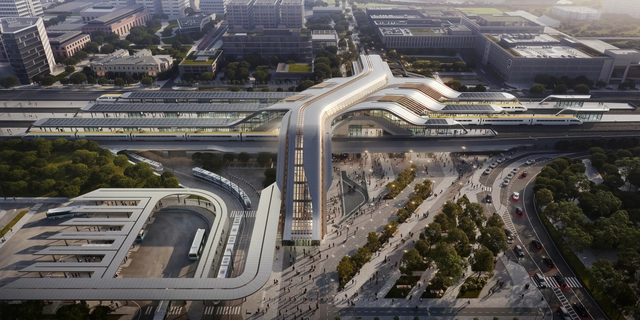
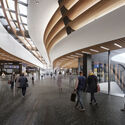
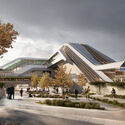
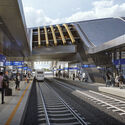
Today, the first cornerstone has been laid at Zaha Hadid Architects' new terminal, marking the start of construction works for the Ülemiste Passenger Terminal in Tallinn, Estonia. Zaha Hadid Architects won the competition in 2019 to design this transport hub, serving as a multi-modal transport hub for city commuters, international rail passengers, and air travelers using the adjacent Tallinn Airport. Set to open in 2028, the hub has been designed to unite various districts of the city, currently divided by railway tracks, and will act as a connecting bridge for the city.
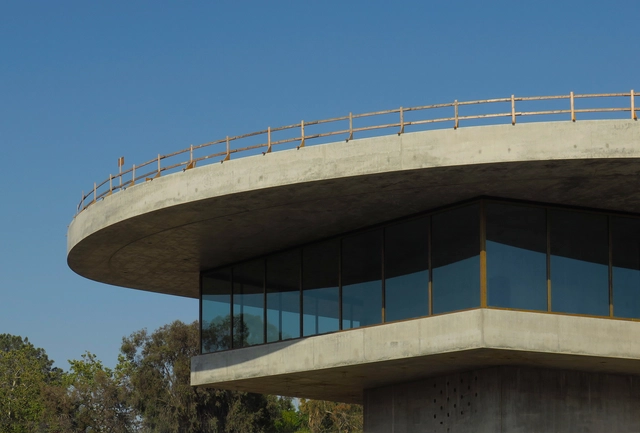
Paul Clemence has released a new series of images showcasing the ongoing construction works in The Los Angeles County Museum of Art (LACMA). Undergoing massive transformations, including a new building by Swiss architect Peter Zumthor, the LACMA is the largest art museum in the western United States. Approved in 2019, Zumthor’s design, known as the David Geffen Galleries, aims to modernize the museum’s campus.
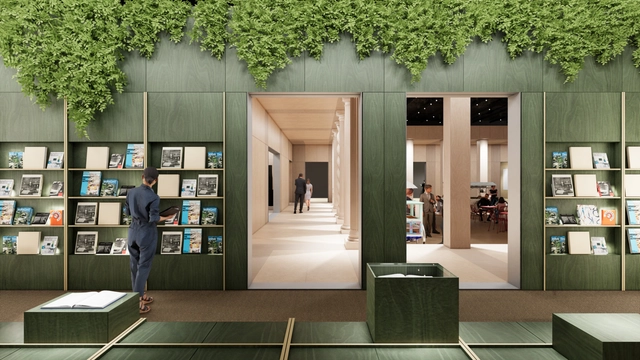
Stefano Boeri has designed a cultural square at the heart of the Italian pavilion for the 76th edition of the Frankfurt Book Fair. With Italy returning as Guest of Honor after 36 years, the book fair is the largest and most significant event in the publishing world and will be held from October 16-20, 2024. The Italian pavilion, designed by Stefano Boeri, seeks to celebrate Italian cultural heritage and publishing, aligning with the theme “Roots in the Future.”
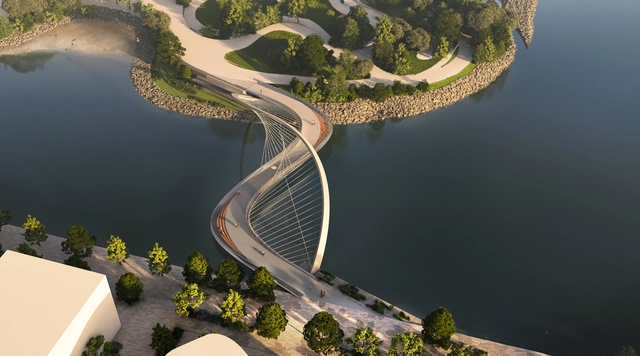
WilkinsonEyre has just been selected to design the new Equinox Bridge in Toronto, Canada. Designed in collaboration with Zeidler Architecture, Two Row Architect, and Arup, this bridge will connect the central waterfront to Villiers Island and the expanded park system along the new mouth of the Don River. Selected through a competition commissioned by Waterfront Toronto and the City of Toronto, the bridge seeks to foster a connection between people and water.