

This guide explains how to structure multi-image prompts in the RunDifussion platform. Explore RunDifussion's product catalog.
Articles
How to Prompt and Annotate Multiple Images with AI
| Sponsored Content
https://www.archdaily.comhttps://www.archdaily.com/catalog/us/products/38860/how-to-prompt-and-annotate-multiple-images-with-ai-rundiffusion
Black Mirror: What Can it Teach us About the Future of Architecture?

Unlike its TV and film counterparts, which imagine the future as an over-populated dystopian nightmare overrun with violence and chaos, Black Mirror paints a picture of a near future that aligns far more with our current reality--and nowhere is this more apparent than in the architecture shown in the series.
https://www.archdaily.com/919504/black-mirror-what-can-it-teach-us-about-the-future-of-architectureFabian Dejtiar
A Photographic Essay on the Reification of Bodies in Neufert's Ergonomics

The relationship between the human body and architecture has always been a key element in architectural design and practice, however, the connection between the two wasn't documented or even accepted until the rise of ergonomics some years ago. Nowadays, the question is how is the body perceived in modern times? How does this perception influence the way we design the buildings and spaces that we inhabit? Too often, ergonomics is seen as a discipline that emphasizes the separation between body and object; however, not only is it the connection between them, it is also the pre-established blueprint that maximizes and synchronizes their productivity. At its most basic level, it's a technical discourse on the increasingly mechanized human dwelling.
https://www.archdaily.com/920097/a-photographic-essay-on-the-reification-of-bodies-in-neuferts-ergonomicsMónica Arellano
An Architecture of Turbulence
.jpg?1562598592&format=webp&width=640&height=580)
A single family house may often have been considered as a very small pixel within any urban context, but the fact is, on average more than fifty percent of the urban fabric is being shaped by these tiny small pixels. It is well said by Tadao Ando: “The house is the building type that can change society.” Thus, this is how a client, a developer, a builder, an architect, or a designer could or should be responsible and willingly participate in a collective effort to shape a better urban context.
https://www.archdaily.com/920620/an-architecture-of-turbulenceRZLBD - Reza Aliabadi
Types of White: the Work of Fran Silvestre
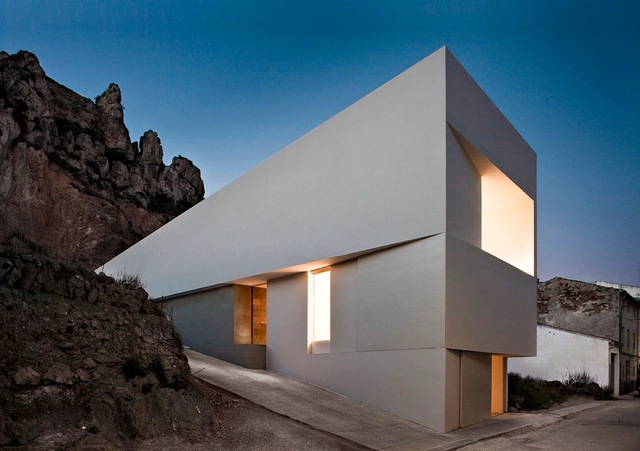

There are many kinds of white, all have no color but they are very different from each other: some silent, others deafening; there is the white of absence and also the one of eloquent presence; neutral white is very common, which one day may be painted with other tones; but there are also things born to be white, which could not be of any another color. Fran Silvestre’s architecture is composed of few essential signs, lines, planes and volumes thought and built with great geometric control.
https://www.archdaily.com/920230/types-of-white-the-work-of-fran-silvestrePaolo De Marco
Boost Your Project Using Assets In 3D Scenes
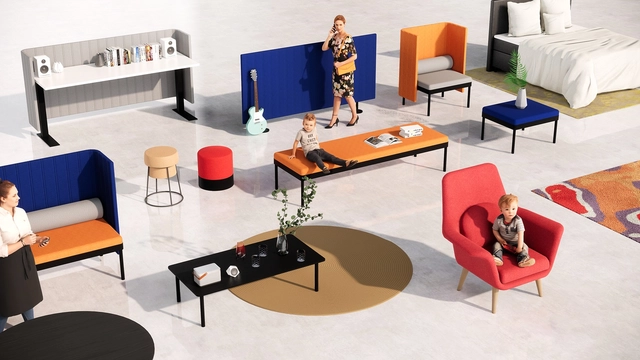
Presenting your model containing various assets can give your client a better understanding and vision of how everything would look in real life. There is no need for building 3D scene objects by yourself or pay a lot of money for them. For example, if you own an Enscape license you have access to many kinds of 3D models, such as people, furniture, vegetation, street items, vehicles and other accessories. Just by using drag and drop, you can put the assets into your model and scale them to the size you need.
In some cases, an experienced user would be able to create similar content using your CAD software or import it from other sources – but even then, those assets would demand a lot more resources. But if you would use unnecessarily complex and/or foreign geometry in your CAD, those assets would take a lot more resources and the 3D views would be much slower. Enscape content, instead, is represented by a simple placeholder in your CAD program (Revit, SketchUp, Rhino or ArchiCAD) and replaced with these high-quality components in Enscape’s real-time rendering environment. The web-based library is being updated regularly.


https://www.archdaily.com/919681/boost-your-project-using-assets-in-3d-scenesAD Editorial Team
12 Steps to a Successful Critique
Juries, assessments, 15 minutes of hell... no matter what you call it, a critique is always agonizing. Regardless of how confident you are with your proposal and how much thought and effort you have put into every detail, at least one of the jury members will make sure to find something to complain about.
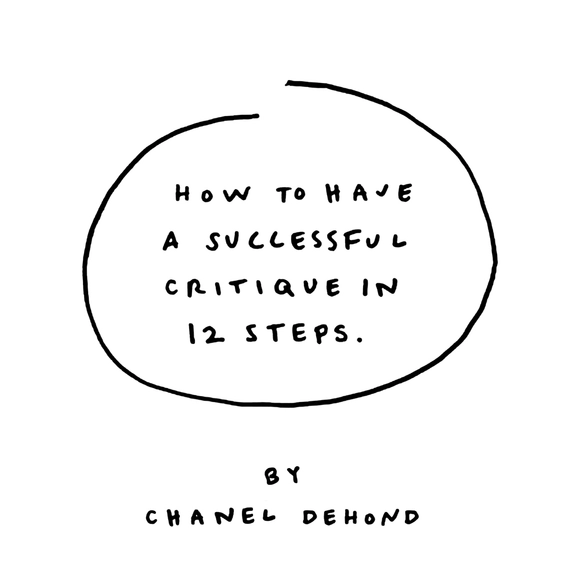
To prepare you for upcoming juries, artist Chanel Dehond has illustrated 12 steps to having a successful critique (or surviving one, at least).
https://www.archdaily.com/920014/12-steps-to-a-successful-critiqueDima Stouhi
Tokyo Travel Diary: Architecture and Manga
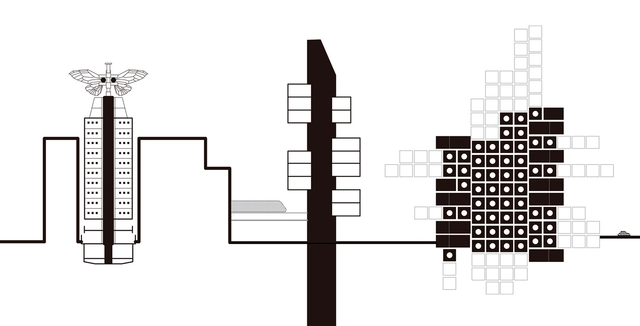
Traveling around Japan can be an impressive experience for a Western tourist - especially if they have some connection with architecture. In addition to the huge cultural differences, the country is known for its rich architectural production - eight of the 42 Pritzker Prize laureates are Japanese - which has maintained its consistency since the 1960s.
https://www.archdaily.com/920096/tokyo-travel-diary-architecture-and-mangaRomullo Baratto
SKNYPL Explores the Role of Urbanism in Creating and Overcoming Fear
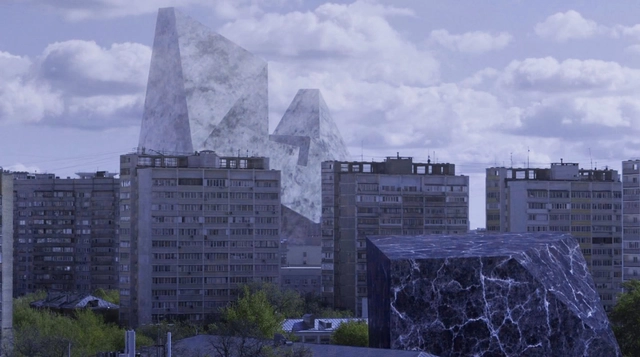
The London Festival of Architecture, the world’s largest annual festival of its kind, took place across the city this June. The month-long festival welcomed thousands of people to explore architecture installations and creations, and take part in the activities and discussions, which included an event put together by SKNYPL.
The theme for the year 2019 was ‘Boundaries’ in all its forms: zones, walls, city limits… And for their first international show, SKNYPL presented “PHOBOS”, a film-installation about Moscow and the fearful impact of having physical and metaphysical boundaries. The studio created a special online version of the film especially for ArchDaily readers.
https://www.archdaily.com/920288/sknypl-explores-the-role-of-urbanism-in-creating-and-overcoming-fearDima Stouhi
Vincent Van Duysen: The Way to a Modest Architecture
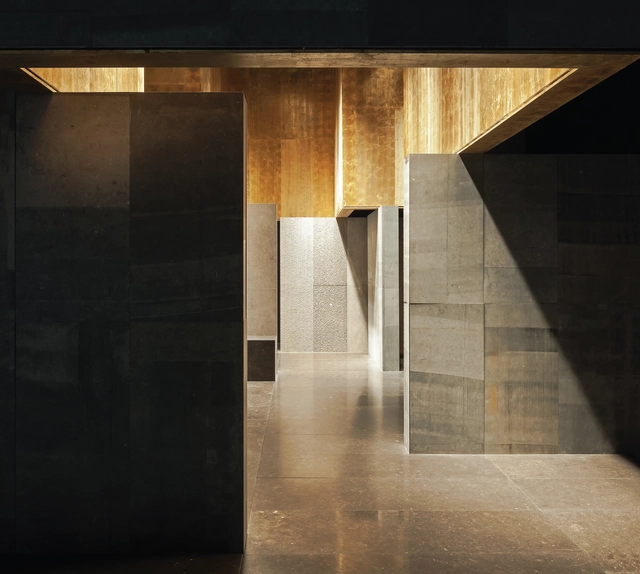
The course that Vincent Van Duysen has covered since 1990 shows a great consistency and a coherent design vision. From the start, he has focused on making a profile for himself with the design of a number of retail projects. This focus was no coincidence. Van Duysen has said on many occasions that if he had not had the opportunity to study architecture he would undoubtedly have pursued a career in fashion. It is therefore unsurprising that after his studies in Sint Lucas Gent he moved to Milan, a city renowned as one of the world capitals of design and fashion. In Milan he became convinced that a designer should not only express a concept as clearly as possible, he should also pay attention to every significant detail.

https://www.archdaily.com/911731/vincent-van-duysen-the-way-to-a-modest-architectureMarc Dubois
RPBW on the Roles of Architects and What Makes their Office Unique
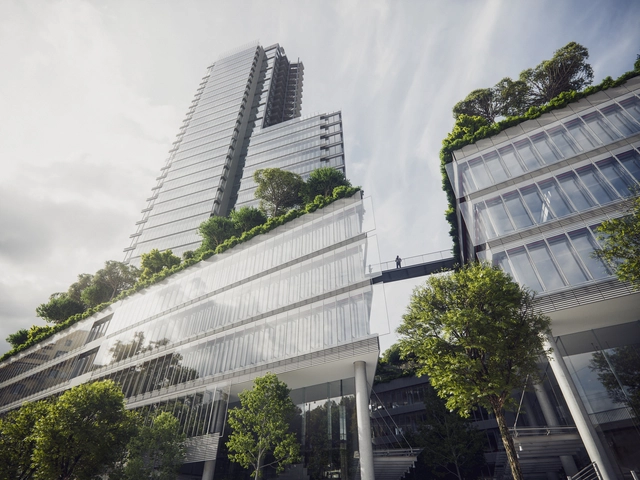
Past, Present, Future is an interview project by Itinerant Office, asking acclaimed architects to share their perspectives on the constantly evolving world of architecture. Each interview is split into three video segments: Past, Present, and Future, in which interviewees discuss their thoughts and experiences of architecture through each of those lenses. The first episode of the project featured 11 architects from Italy and the Netherlands and Episode II is comprised of interviews with 13 architects from Spain, Portugal, France, and Belgium.
The goal of the series is to research these successful firms and attempt to understand their methods and approaches. By hopefully gaining a clearer picture of what it means to be an architect in the 21st century, the videos can also serve as inspiration for the next generation of up-and-coming architects and students as they enter the field.
https://www.archdaily.com/920373/rpbw-on-the-roles-of-architects-and-what-makes-their-office-uniqueDima Stouhi
George Orwell x Leonardo da Vinci / Daan Roosegaarde for the Shenzhen Biennale (UABB) 2019
.jpg?1562247588&format=webp&width=640&height=580)
What happens when the sensor-imbued city acquires the ability to see – almost as if it had eyes? Ahead of the 2019 Shenzhen Biennale of Urbanism\Architecture (UABB), titled "Urban Interactions," ArchDaily is working with the curators of the "Eyes of the City" section at the Biennial to stimulate a discussion on how new technologies – and Artificial Intelligence in particular – might impact architecture and urban life. Here you can read the “Eyes of the City” curatorial statement by Carlo Ratti, the Politecnico di Torino and SCUT.
https://www.archdaily.com/920406/george-orwell-x-leonardo-da-vinci-daan-roosegaarde-for-the-shenzhen-biennale-uabb-2019Daan Roosegaarde
It’s Time to End the Reign of Single-Family House Zoning

This article was originally published on Common Edge.
Practicing architects live and die by zoning regulations. We begin routine projects by reading ordinances and calling local officials to reassure clients that their desired outcomes will be possible under current land-use laws. If we’re lucky, the project will be built without troublesome variances and hearings before stony-faced zoning boards. Increasingly, however, what seemed straightforward and responsible 15 years ago is today considered controversial enough to merit a public hearing, and perhaps the assistance of high-priced attorneys. Often, the issue is protecting the “rights” of nearby homeowners, who see their property values threatened by any new development.

https://www.archdaily.com/920231/its-time-to-end-the-reign-of-single-family-house-zoningMark Alan Hewitt
School and Daycare Projects for Different Climates
.jpg?1560778703&format=webp&width=640&height=580)
European children spend approximately 200 days a year at primary school. Even though the academic year in most parts of the world is not as long as in Europe, the place where children and adolescents spend the most time, following their own homes, is usually in educational institutions. These can be places for learning, playing and socializing, and as sad as it may be, they can also be safer places for children living in environments of abandonment, hunger, and violence, providing them with opportunities and even meals. A United Kingdom-wide survey found that the differences in physical characteristics of classrooms accounted for 16% of the variations in learning progress over the course of a year. In other words, the better a classroom is designed, the better children perform academically. According to the study, the factors that most affect children are sunlight, indoor air quality, acoustic environment, temperature, the design of the classroom itself and the stimulation within it.
https://www.archdaily.com/919686/school-and-daycare-projects-for-different-climatesEduardo Souza
Patrik Schumacher on Parametric Design and the Early Days of Zaha Hadid Architects
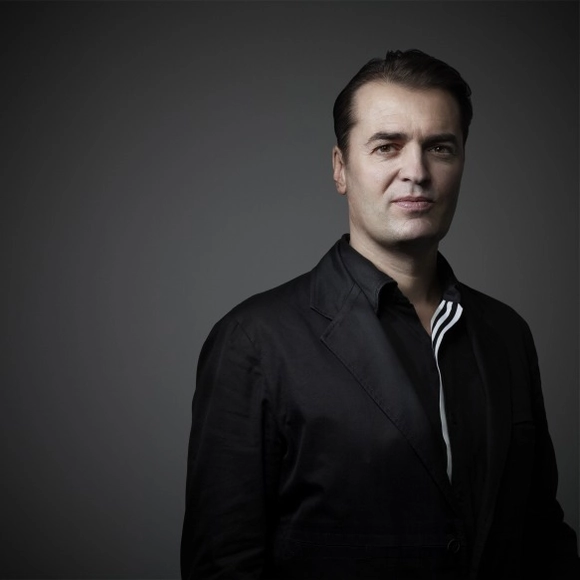
Design:ED Podcast is an inside look into the field of architecture told from the perspective of individuals that are leading the industry. This motivational series grants unique insight into the making of a successful design career, from humble beginnings to worldwide recognition. Every week, featured guests share their personal highs and lows on their journey to success, that is sure to inspire audiences at all levels of the industry. Listening to their stories will provide a rare blueprint for anyone seeking to advance their career, and elevate their work to the next level.
In this episode of Design:ED Podcast, Patrik Schumacher — the company director and Senior Designer for the esteemed Zaha Hadid Architects — sits down to discuss the future of parametric design, the early days of Zaha Hadid Architects, and how the firm is continuing the legacy of Zaha Hadid after her passing in 2016.
https://www.archdaily.com/920240/patrik-schumacher-on-parametric-design-and-the-early-days-of-zaha-hadid-architectsDesign:ED
Train Stations: Examples of Floor Plans and Sections
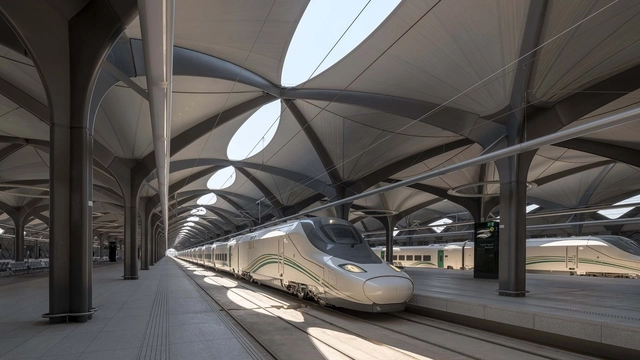

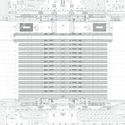

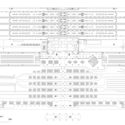

Train stations are usually complex programs since they must not only solve the departure and arrival of trains but also respond to the circulation of its users, provide certain services and be a connecting space between the transport systems of a city. Architects from different parts of the world have developed different solutions to this program. Below you can find 10 examples of train stations, their floor plans and sections.
https://www.archdaily.com/920173/train-station-examples-of-floor-plans-and-sectionsMaría Francisca González
Photographer Captures Shanghai's Disappearing Streets

Between Shanghai’s crowded meat markets, bundles of wires, vivid neon lights, and dense smogs, lie the historic ‘Shikumen’ lane houses. Built between the end of the 19th century and World War II, these houses were inspired by French and British Colonial and Art Deco styles and the Chinese ‘Hutong’ housing style. But time for these aged ornate structures is running out, as all the Shikumen lane houses across Shanghai are being torn down.
As part of his Shanghai Streets series, photographer Cody Ellingham has set out on a mission to freeze time and capture these historic streets before they are completely demolished and forgotten.





https://www.archdaily.com/920208/photographer-captures-shanghais-disappearing-streetsDima Stouhi
3 Trends Inspiring New Architectural Surfaces
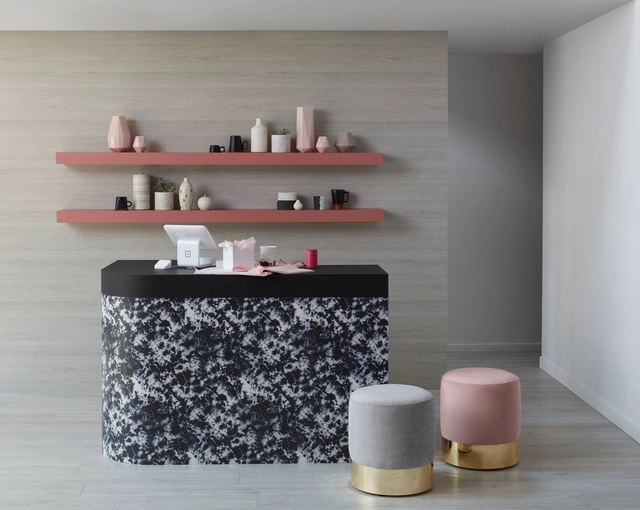
World leading engineered surfaces manufacturer shares three trends influencing next-generation decorative surfaces
For years, interior surface designers have drawn inspiration from their environments in order to create delightful and innovative engineered surfacing materials specified in architectural spaces. From familiar and traditional to futuristic and contemporary, design inspiration can be found all around structures, elements, and styles that surround us every day.
https://www.archdaily.com/920052/3-trends-inspiring-new-architectural-surfacesRene Submissions
Urban Refuges and Interspecies Seeing / Sarah Mineko Ichioka for the Shenzhen Biennale (UABB) 2019
What happens when the sensor-imbued city acquires the ability to see – almost as if it had eyes? Ahead of the 2019 Shenzhen Biennale of Urbanism\Architecture (UABB), titled "Urban Interactions," ArchDaily is working with the curators of the "Eyes of the City" section at the Biennial to stimulate a discussion on how new technologies – and Artificial Intelligence in particular – might impact architecture and urban life. Here you can read the “Eyes of the City” curatorial statement by Carlo Ratti, the Politecnico di Torino and SCUT.
First, let me declare my unambiguous aversion to the envisioned future in which “any room, street or shop in our city can recognize you, and autonomously respond to your presence.” Despite this, can I see any positive potentials in pervasive systems of urban surveillance and response?
https://www.archdaily.com/920122/urban-refuges-and-interspecies-seeing-sarah-mineko-ichioka-for-the-shenzhen-biennale-uabb-2019Sarah Mineko Ichioka
Why a Career in UX Design is Perfect for Dissatisfied Architects

This article by Gavin Johns was originally published on Medium as "Architects, stop everything and pursue a career in UX."
As an architect turned user experience (UX) designer I have many strong opinions about both my former and my current profession. But in short, I am now enjoying greener pastures, getting the fulfillment I expected while studying architecture but the profession didn’t provide.
Many like-minded architects ask me when and why I decided to transition into software. This puts me in the unusual position of praising the initial skill-set achieved by studying architecture, while promoting departure from it. That said, I have a very abstract definition of architecture, and believe if you have the interest to pursue any other design discipline, you’ll be successful. This guide is intended for those driven and curious architects who are looking for a change.
https://www.archdaily.com/784294/why-a-career-in-ux-design-is-perfect-for-dissatisfied-architectsGavin Johns
NextOffice Blur the Boundaries of Chartaqi-Inspired Project
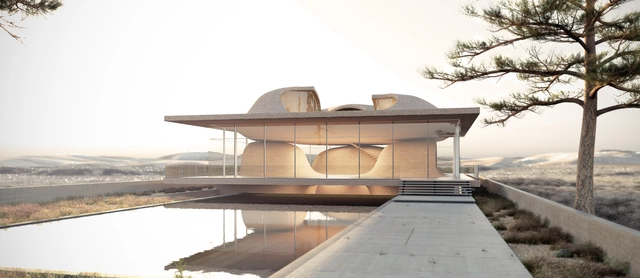
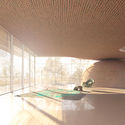
Many references to historic architecture are still being used in contemporary projects. Whether it is ancient building techniques, use of material, or the relationship between architecture and nature, the past remains prominent.
Iranian architecture firm NextOffice blurred the boundaries between indoors and outdoors, and used historic Iranian architecture elements to create the contemporary Guyim Vault House.


https://www.archdaily.com/919904/nextoffice-blur-the-boundaries-of-chartaqi-inspired-projectDima Stouhi
UK Artist Designs Sculptural Building From Shipping Containers
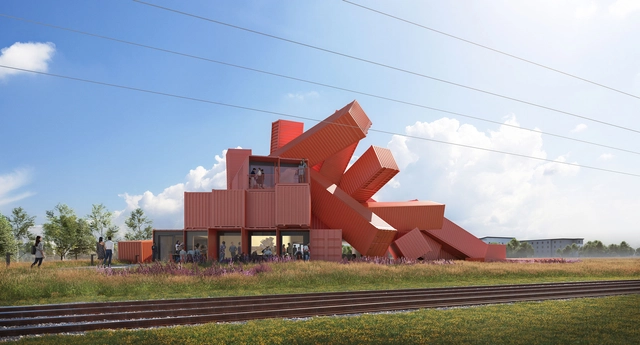
The showpiece of a planned new development at Edinburgh Park will be UK-artist David Mach’s first-ever building, named “Mach 1” by the project’s developers and investors, Parabola. Working with Stirling Prize-nominated architects Dixon Jones, Mach’s building will be created from over 30 shipping containers - but not in the modular, linear method to which shipping container buildings typically lend themselves. Instead its sculptural shape is meant to draw attention to the new quarter and catch the public’s eye, especially those traveling by on the nearby tram.
https://www.archdaily.com/919593/uk-artist-david-mach-designs-sculptural-building-from-shipping-containersMegan Schires
SAGA Space Architects Design Simulated Mars Habitat in Israeli Desert
In the Negev Desert of Israel, SAGA Space Architects are collaborating with D-MARS to build a Mars Lab Habitat that will simulate the conditions of living in a confined space on the hazardous surface of the red planet. The laboratory structure they’ve designed is an addition to D-MARS' existing Mars simulation habitat and will be part of a larger experiment. This habitat will serve as a prototype for a longer mission scheduled for 2020.




https://www.archdaily.com/919709/saga-space-architects-design-simulated-mars-habitat-in-israeli-desertMegan Schires
Ian McHarg's Legacy Spurs "Design With Nature Now" Initiative 50 Years Later
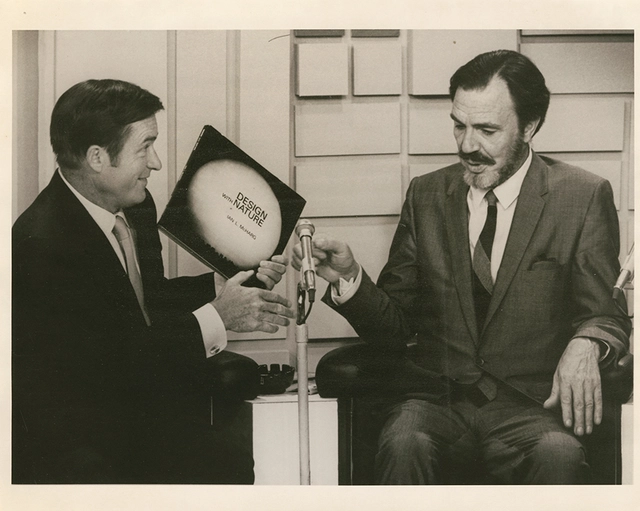
Fifty years have passed since the publication of influential landscape architect Ian McHarg’s book, Design With Nature in 1969. Throughout the United States, an environmental movement was taking place, into the center of which McHarg’s book was thrust. The 1970s and ‘80s were a time of much landmark legislation surrounding ecological concerns, and McHarg argued that landscape architecture alone was able to integrate all the disparate fields involved.

https://www.archdaily.com/919892/ian-mchargs-legacy-spurs-design-with-nature-now-initiative-50-years-laterMegan Schires
A Pop of Color on Public Spaces
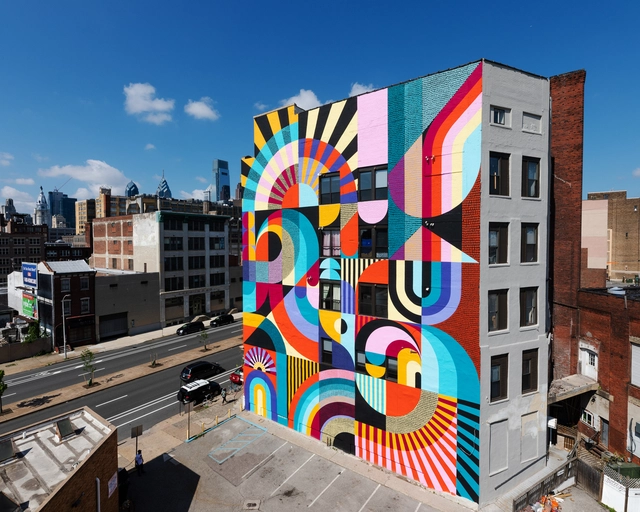
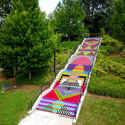


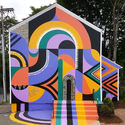

If a painting can trigger its viewers' emotions with just one observation, imagine the impact of a building-sized mural on an entire city.
Baltimore-based artists Jessie Unterhalter and Katey Truhn found a way to enhance people’s lives through art by adding visual playfulness to public spaces. Since 2012, they have been working on sculptures and large-scale murals, curving around building corners and spilling them onto the ground. The artistic duo explored themes of movement and symmetry by experimenting with bold color combinations, patterns in nature, and woven textiles.
Take a look at some of the lively murals created by Jessie and Katey that transform public spaces into colorful experiences.
https://www.archdaily.com/919801/a-pop-of-color-on-public-spacesDima Stouhi