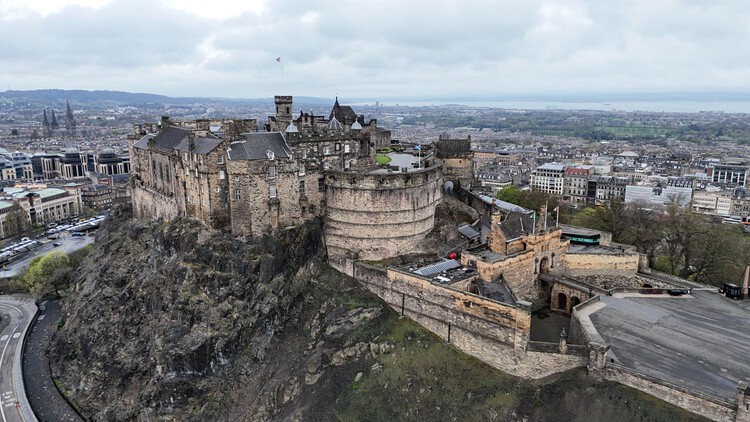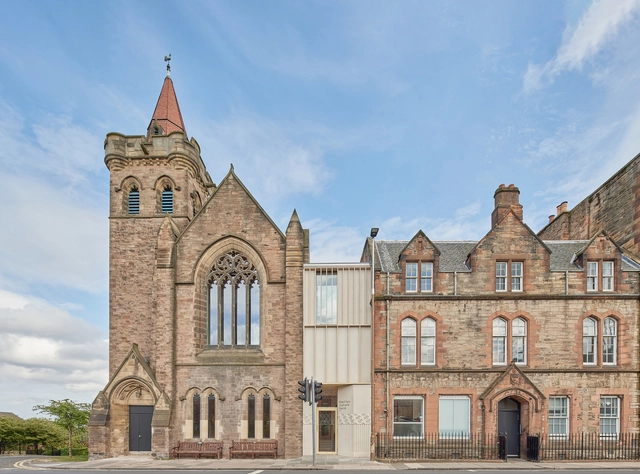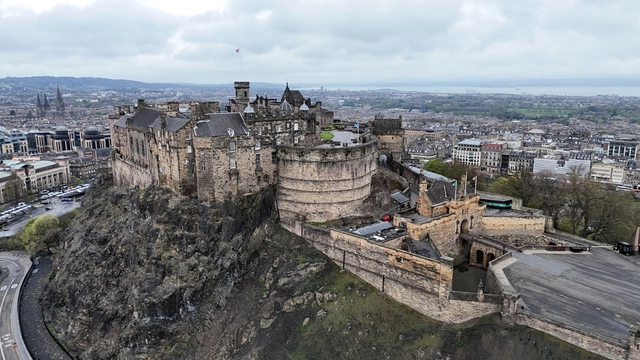
Edinburgh Castle in Scotland’s Capital. Image by 瑞丽江的河水, via Wikimedia Commons (CC BY-SA 4.0)
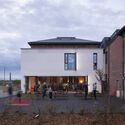
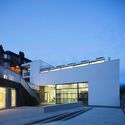
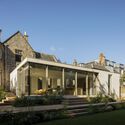
Edinburgh, Scotland's capital, has long been recognized for its rich cultural history and intricate urban fabric. The city thrives within its museums, tenement housing, and shops nestled in Georgian buildings. In 2022, Time Out ranked Edinburgh as the world's best city, citing its efficiency across community building and urban systems such as public transport. However, as climate change makes its effects progressively visible at an urban level, the city inevitably runs into a pressing dilemma: how to sustain this quality of life in increasingly difficult conditions.
The journey toward this balance unfolds through several interconnected strategies, such as retrofitting, adaptive reuse, circular design, and community collaboration, each contributing to Edinburgh's evolving vision of a sustainable urban future.
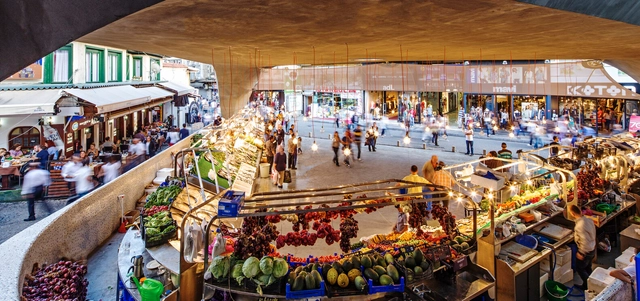
Every city is a complex environment, bringing together people, cultures, architecture, commerce, and even nature. While experiencing a city, a lot of attention is given to its appearance, but appearance is not everything. The theory of sensory design aims to go beyond vision and explore the richness of the built environment through textures, smells, and sounds. For city officials and planners, a lot of attention generally goes towards how a city looks and sounds, but in terms of smell, the focus is mainly on managing waste or cleaning unsanitary areas. Yet the sense of smell, so often overlooked, is strongly linked to the creation of emotional memories. It contributes to our understanding of the world; it reveals otherwise hidden cultural practices, and it rounds up the experience of an environment.
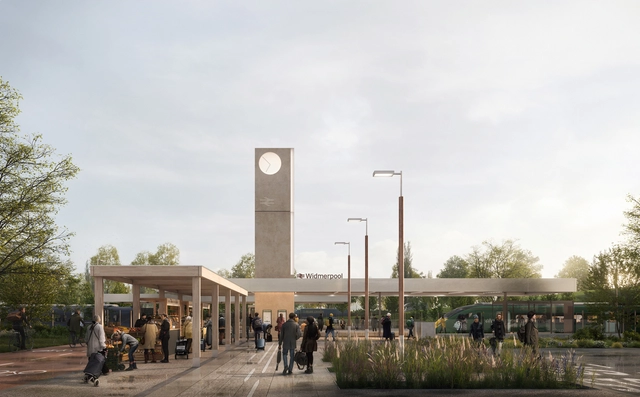
RIBA and Network Rail recently announced the winner of the Re-imagining Railways design competition, which invited architects, engineers and designers to rethink small and medium-sized train stations to improve the travel experience. The winning design, signed by Edinburgh-based architectural practice 7N Architects, features a reinterpreted clock tower serving as a local landmark and a modular station layout that can be adapted to a variety of sites.
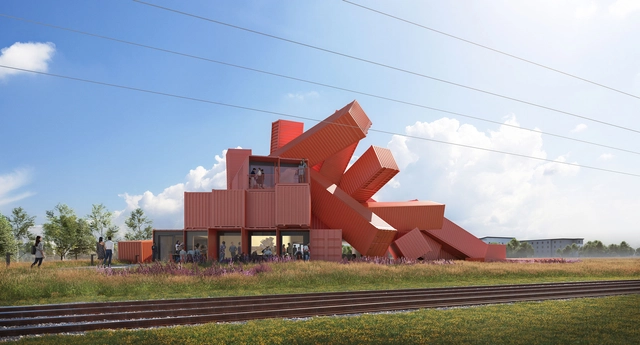
The showpiece of a planned new development at Edinburgh Park will be UK-artist David Mach’s first-ever building, named “Mach 1” by the project’s developers and investors, Parabola. Working with Stirling Prize-nominated architects Dixon Jones, Mach’s building will be created from over 30 shipping containers - but not in the modular, linear method to which shipping container buildings typically lend themselves. Instead its sculptural shape is meant to draw attention to the new quarter and catch the public’s eye, especially those traveling by on the nearby tram.
High-rise tower blocks, prefab panel housing estates, streets in the sky, new towns; some of the concrete constructions that once shaped the cityscapes of post-war Britain have stood the test of time, while others are long gone.
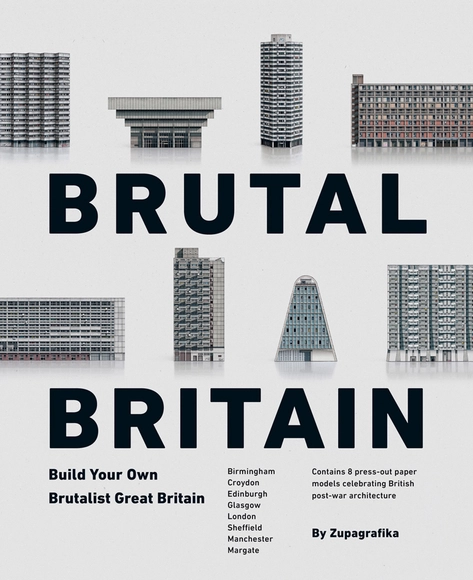
‘Brutal Britain’ by Zupagrafika (also author of ‘Brutal London’) celebrates the brutalist architecture of the British Isles, inviting readers to explore the Modern past of Great Britain and rebuild some of its most intriguing post-war edifices, from the iconic slabs of Sheffield`s Park Hill and experimental tower blocks at Cotton Gardens in London, to the demolished Birmingham Central Library.
A historic hotbed of architectural styles and a current architectural capital of the world, cities in the United Kingdom are awash with iconic buildings from the Georgian, Neoclassical, and contemporary era. Such buildings, from the Clifton Suspension Bridge in Bristol to the Southbank in London, have come to define the cities in which they stand, drawing the eyes of tourists and designers alike from around the world.
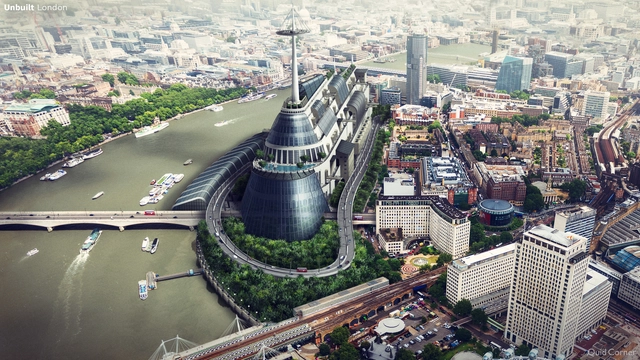
It is therefore an interesting exercise to examine what these cities would look like if such structures didn’t exist. To this end, Neomam Studios has partnered with QuickQuid to produce a series of images demonstrating what six British cities could have looked like, resurrecting some of Britain’s most surprising unbuilt structures.
https://www.archdaily.com/907301/what-6-british-cities-could-have-looked-likeNiall Patrick Walsh
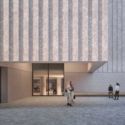
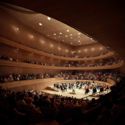
David Chipperfield Architects have released new details of their proposed IMPACT Centre in Edinburgh, Scotland. Addressing the need for a purpose-built, medium-sized performance venue in a city of profound cultural heritage, the scheme will serve as a base for the Scottish Chamber Orchestra with a main, 1000-seat auditorium.
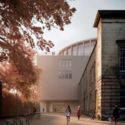
Situated in Edinburgh’s UNESCO World Heritage Site, the scheme will replace an existing office building to become the first dedicated new space for music and performing arts in the city in 100 years. The scheme seeks to “form an urban composition centered around Dundas House,” a 1771 Grade-A listed civic building whose rear façade abuts the proposed scheme.
https://www.archdaily.com/900936/david-chipperfields-impact-centre-offers-a-contemporary-interpretation-of-edinburghs-georgian-fabricNiall Patrick Walsh
The team led by US-based architects wHY has been selected as the winner of the Ross Pavilion International Design Competition, beating out proposals from Adjaye Associates, BIG, Flanagan Lawrence, Page\Park Architects, Reiulf Ramstad Arkitekter and William Matthews Associates + Sou Fujimoto Architects.
Featuring an international collaboration of architects, engineers and creative agencies – including Edinburgh-based design studio GRAS, Groves-Raines Architects, Arup, Studio Yann Kersalé, O Street, Stuco, Creative Concern, Noel Kingsbury, Atelier Ten and Lawrence Barth – the team envisioned a rolling terrain for the West Princes Street Gardens site that the jury lauded as both exciting and respectful of its historic setting.
Sam Jacob, Beatrice Galilee and Cath Slessor explore and discuss the infrastructural state of architecture in a world context.
Architecture occurs within a multiplicity of varying contexts, arrangements and expressions. It can be deployed for the greater good and harnessed for singular enrichment. It can be activated to induce joy and utilised to encourage fear. It can be programmed to provide the infrastructural genesis of further activity and applied as final conclusive decoration.
Detailed visions of the concept designs from the seven shortlisted teams in the running for the new Ross Pavilion (named for William Henry Ross, the former chairman of the Distillers Company) have been released. Following the announcement of the competition earlier this year—in which the likes of Adjaye Associates, Bjarke Ingels Group, Sou Fujimoto Architects and Reiulf Ramstad Arkitekter were placed in the running alongside local practices, such as Page\Park—the sensitivity and level of restraint behind the majority of the proposals demonstrates the public and national significance of the site, which sits at the heart of the Scottish capital of Edinburgh.