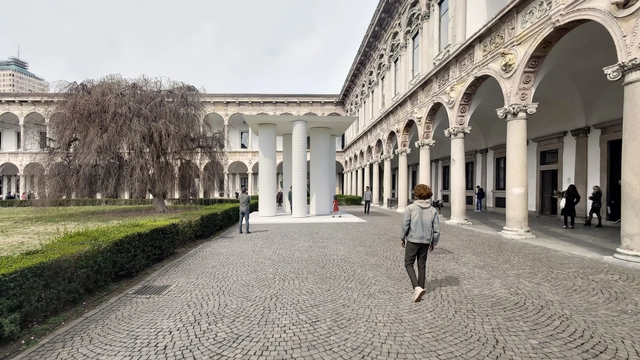
Milan Design Week 2025 is one of the most significant events in the design world, taking place from April 8 to April 13. Following in the previous years' tradition, the city of Milano will host a variety of exhibitions, installations, and discussions throughout its diverse districts, each offering a unique atmosphere and thematic focus. Alongside the renowned Salone del Mobile 2025 at the expansive Rho Fiera exhibition grounds, numerous activities and initiatives will be featured, all coordinated under the Fuorisalone agenda. This article will help navigate the many events by highlighting key venues and installations, ranging from the major fair to vibrant design districts and distinctive locations, such as historic courtyards and revitalized industrial spaces.
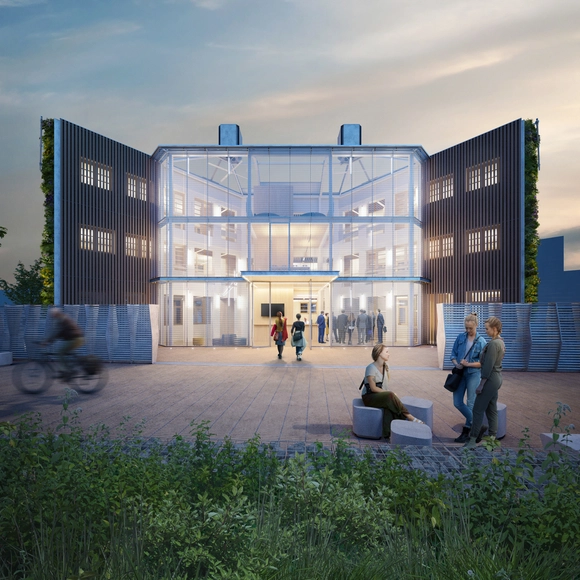
Gallaudet University was established in 1864, becoming the first American educational institution for the deaf and hard of hearing. The university is officially bilingual, with American Sign Language (ASL) and written English used throughout the educational programs. Over the years, the university has grown, adapting both its teaching methods and its spaces to the needs of its students, in turn learning from them how to counter the challenges they face and create a safer and more comfortable environment. These lessons turned into design guidelines, created to educate the architectural community about the strategies they can employ to create more accessible spaces for all.
Videos
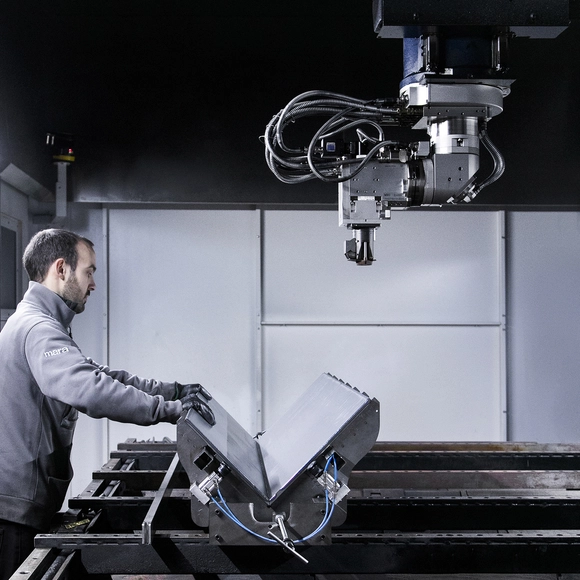
Italian manufacturer Mara collaborates closely with designers, leveraging full control of their on-site industrial process to foster creativity and experimentation in their factory in Brescia. Image Courtesy of Mara
The weather gods haven't been kind as I arrive at the Mara factory on the outskirts of Brescia. If you think Italy, certainly in the design industry, it's usually all sun-bleached locations, where an Aperol Spritz is only ever seconds away.
But climatic conditions are, quite frankly, the only thing the Italian furniture manufacturer doesn't have control over. Founded in 1960 by the current managing director Laura Marchina's grandfather, Camillo – who was an experienced metal-worker in the production of, of all things, gun barrels – the company, like the family itself, keeps everything close to home. Very close, in fact. The Mara story is not just 100% Made in Italy, it's 100% Brescia. (Fun fact: the company name is a contraction of 'Marchina Arredamenti' or 'Marchina Furniture'.)
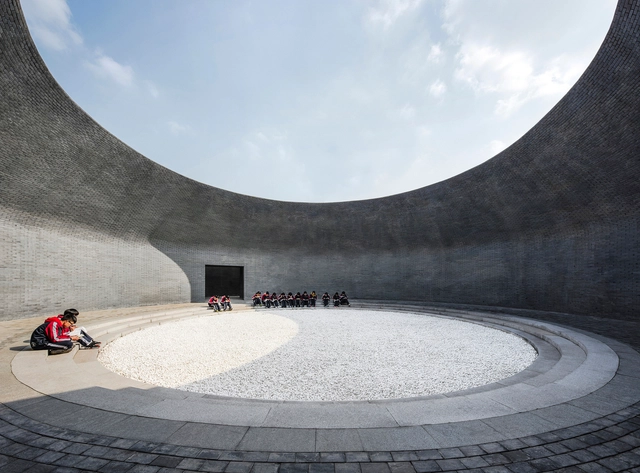
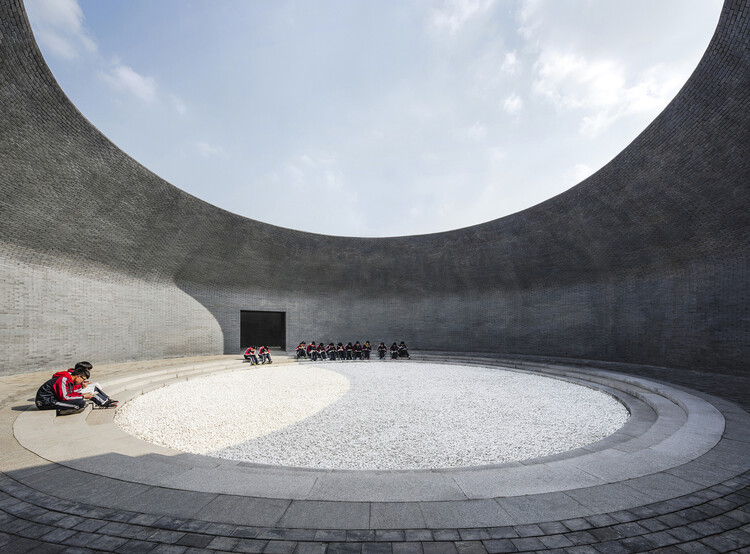
Following two exciting weeks of nominations, ArchDaily's readers have evaluated over 500 projects and selected 15 finalists for the Building of the Year Award China. Architects and enthusiasts participated in the nomination process, choosing projects that exemplify what it means to push architecture forward. These finalists are the buildings that have inspired ArchDaily readers the most, which also reveal the growing trend of Chinese architecture.
Among the 15 finalists of the 2025 China Building of the Year Award, we can see a gradual shift in focus from large-scale public buildings to rural revitalization, community public spaces, exploration of new typology of school and small-scale interior spaces. People are paying more attention to their personal needs and living experiences as well as the surrounding spaces. We can also observe how different firms are responding to the needs of cities and users during the period of transformation in the real estate.
Before we get to shortlisted nominees, we want to highlight the values of this awards process — as the world's largest platform for architecture we are acutely aware of our responsibility to the profession, and to the advancement of architecture as a discipline. Since our mission is directly related to the architecture of the future—inspiring and educating the people who will design the urban fabric of the future—the trust placed in us by our readers to reflect architectural trends from regions around the whole world creates challenges that we are eager to rise to. The democratically-voted, user-centered Building of the YearAwards is one of the key pillars of our response to these challenges, aiming to tear down established hierarchies and geographical barriers. Here are the 15 finalists of the 2025 China Building of the Year Award, and the voting period will run from April 2nd to April 9th, 11:59 PM (Beijing Time), 2025. The final winners will be announced onApril 10th, 2025. Click here to see the details and how to vote.
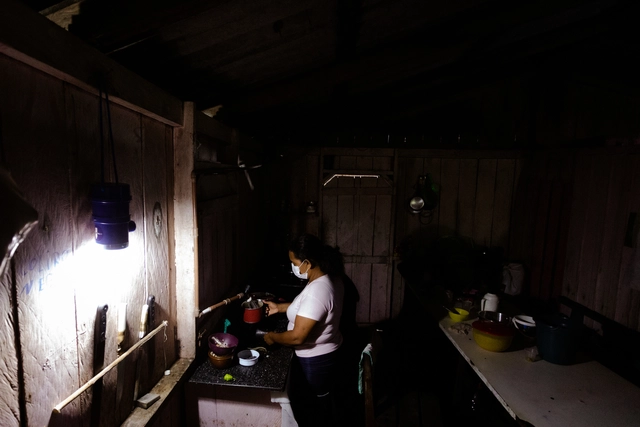
Sometimes, the simplest solutions are the most revolutionary and impactful. During Brazil's energy crisis in 2002, mechanic Alfredo Moser developed an accessible and effective way to illuminate indoor spaces during the day. Using only a PET bottle installed on the roof, filled with water and bleach, he harnessed the refraction of sunlight to bring brightness to spaces previously immersed in darkness. In self-built homes, where successive extensions often compromise natural light and ventilation, this solution makes a significant difference. Named the "Moser lamp," the invention produces illumination equivalent to a 60W bulb and gained worldwide recognition through various reports. Since then, the project has continued to evolve and adapt to the needs of modern communities, transforming lives through a solution that is as simple as it is highly intelligent.
Videos
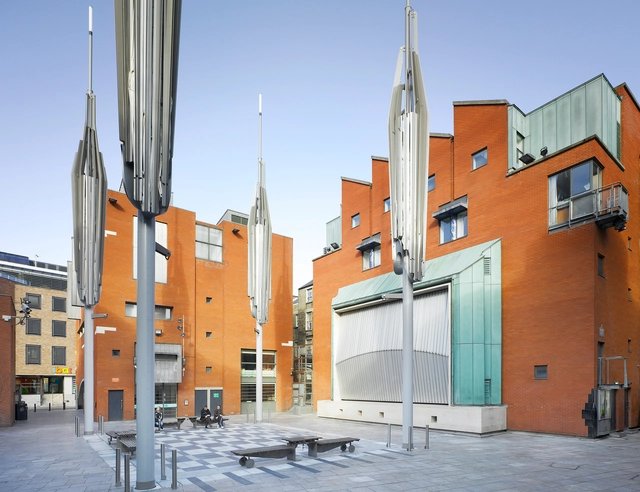
Meeting House Square, Temple Bar. Image Courtesy of Sean Harrington Architects
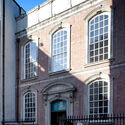
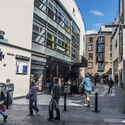
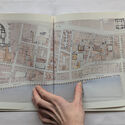
The veteran Irish architecture critic Shane O'Toole once remarked that when traveling in Europe in the 1970s, "The universal comment was is there modern architecture in Ireland? Now, in less than 50 years, we've gone to a Pritzker Prize and two RIBA Royal Gold Medallists in five years." He attributes this change in perception to a design competition that launched the careers of several of Ireland's award-winning architects of today. This was the Temple Bar Framework Plan competition of 1991 in the center of Dublin, the capital of Ireland, which was won by a group of architects still in their 30s, running under the name of Group 91.
The modern world is disconnected. Online interactions dominate the daily lives of people across the world. This shift is not just a result of the rise of the internet, but also a stark reflection of the decline of public spaces, particularly third places. Third places, once essential for promoting community and social cohesion, have evolved drastically over the past few decades. In today's commercialized landscape, third places face plenty of demands from users and designers alike, calling for a need to reconsider their accessibility and purpose.
When we think about cities, we often assume the orthogonal grid is the norm: neat, predictable, and rational. However, many urban areas around the world, notably those shaped by hills and uneven terrain, defy this convention. In cities like Lisbon, in Portugal orthogonal grids appear only in flatter zones such as Baixa, while surrounding areas like Alfama adapt organically to topography. These areas create more layered, irregular, and visually dynamic urban forms. Yerevan in Armenia, offers another urban example of this adaptation: the Cascade Complex transforms a steep hill into a terraced public space that connects different city levels while framing panoramic views. For other countries, this response to topography becomes even more critical. Cities like Tegucigalpa in Honduras or Valparaiso in Chile are defined by steep, irregular terrain that requires architects to engage deeply with the land. Designing in these contexts, especially for residential projects, demands technical adaptation and a contextual understanding that allows the slope to become a generative element in the design process.
How can architecture professionals transform the atmosphere of a structure? What kinds of interventions can go beyond adaptive reuse to modify spatial perception? As architectural structures are repurposed over time, new uses and needs emerge between spaces and their users. While the structures of old buildings keep the memory of communities alive, the introduction of new life through greenhouses, housing, commerce, offices, or cultural centers brings about new atmospheres where light, ventilation, the integration of nature, and other elements reshape interior experiences.
A change in the way architecture was practiced in Colombia was necessary, and Taller Síntesis emerged to materialize this transformation. The studio combines a deep understanding of the territory and its context with architectural solutions that translate into materiality and built spaces. Their works stand out for their strong local cultural identity, achieving a precise balance between the preexisting, the new, and harmony with the landscape.
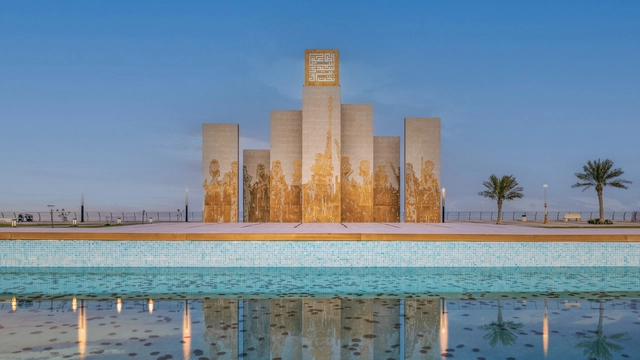
Saudi Arabia is undergoing a remarkable transformation, guided by Vision 2030, with investments in tourism, culture, technology, and sustainability reshaping the Kingdom's identity. As part of this cultural evolution, the Mujassam Watan Urban Sculpture Challenge, organized by Buildner in partnership with the Mujassam Watan Initiative (an initiative by Al Fozan Social Foundation), invites architects and artists to shape Saudi Arabia's evolving public spaces through contemporary sculptural design.
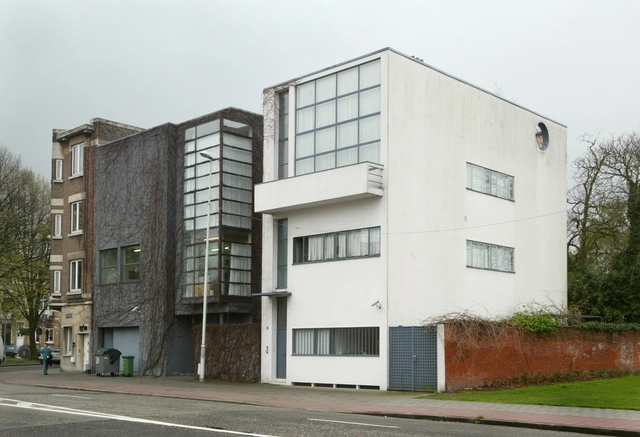
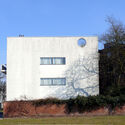
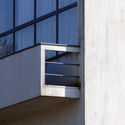
Amidst the traditional streets of Antwerp, where centuries-old townhouses stand as remnants of a historic European city, a stark white volume quietly asserts its presence. Maison Guiette, designed by Le Corbusier in 1926, is an anomaly in its surroundings — a bold statement of modernity in a context that had not yet embraced it.
While today it is overshadowed by the architect's more famous works, this house holds a unique place in history: it was Le Corbusier's first built project outside France, a precursor to his later architectural experiments, and a manifestation of his emerging Modernist principles. Despite its modest scale, it was a manifesto in built form — a house that encapsulated the essence of an architectural revolution.
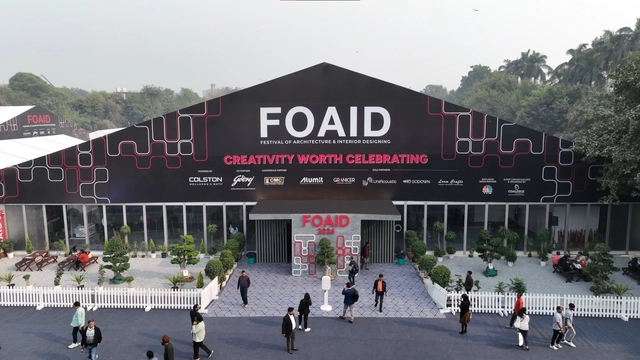
Architecture and design today are not just about constructing an urban sprawl or focusing solely on spatial design, rather they involve the integration of diverse elements and ideologies that enrich one's work and environment. This is where 'FOAID- Festival of Architecture and Interior Designing' comes in, celebrating a legacy of 11 years. This event has it all, be it architects, designers, brands, artists, or innovators from across the nation and around the globe, all united in one single platform. With over 10,000 visitors, the event aimed to exhilarate the connected yet fragmented design world, showcasing Avant-garde design techniques and celebrating the legacy of established patrons and emerging talents in the design fraternity. Additionally, they promoted interdisciplinary networking opportunities strengthening the architectural community's impact on society. In collaboration with CNBC TV18, the event marked its marvelous presence in New Delhi on November 22nd -23rd at NSIC Ground and December 20th -21st at the Jio Conventional Center in Mumbai.
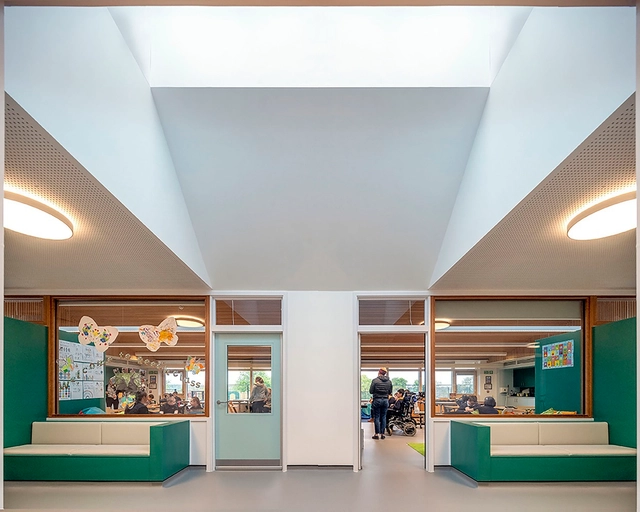
As educational institutions around the world adapt to shifting societal needs, the architecture of learning is also evolving. This curated selection brings together projects submitted by the global ArchDaily community, highlighting how architects are rethinking the future of schools and universities through design. These proposals reflect pressing global concerns: the importance of community-centerededucation, the revitalization of historical buildings and neighborhoods, the integration of natural systems, and the search for spatial expressions that accommodate both formal instruction and informal exchange. Whether situated in dense urban centers, rural villages, or coastal landscapes, these projects respond to specific cultural and environmental contexts while engaging with broader architectural questions about sustainability, access, and identity.
"Steven Holl – Drawing as Thought," an extensive exhibition of the American architect's original watercolors, is now on view at the Tchoban Foundation Museum for Architectural Drawing in Berlin. It reveals insights behind some of Holl's key projects and design methodology. The selected drawings range from early unbuilt winning competition entries to some of the latest visions now under construction in Europe and the United States. Occupying the museum's two levels, the show opened on February 6 with a conversation between Holl and the museum's founder and architect Sergei Tchoban, as well as addresses by Kristin Feireiss, the exhibition's curator and founding director of the next-door Aedes Architecture Forum, and Diana Carta, an architect and scholar from Rome. The show, which can be visited until May 4th, is accompanied by a catalog that states, "The work of internationally renowned US architect Steven Holl is distinguished not only by his extraordinary buildings, with a focus on cultural and public structures such as museums, art centers, concert halls, libraries and universities worldwide, but also by his artistic oeuvre, which today comprises more than 50,000 sketches, black-and-white drawings, and watercolors. […] While exhibition visitors will only encounter a small portion of his extensive body of work, each drawing should be explored and studied individually, in keeping with Holl's intent."
The way we perceive and experience spaces extends beyond aesthetics—they directly influence our emotions, thoughts, and even creativity. Spacious environments with high ceilings often evoke a sense of freedom and inspiration, while smaller, enclosed spaces encourage focus and introspection. This is not merely a subjective impression but a scientifically studied phenomenon. In the 1960s, anthropologist Edward T. Hall introduced the term "Cathedral Effect" to describe how ceiling height impacts cognition and behavior. More recent research has expanded on this idea, demonstrating how architecture shapes decision-making and emotional states in various contexts.
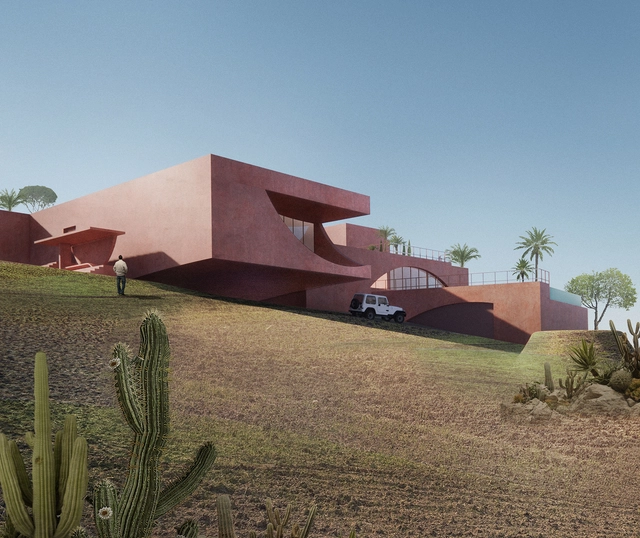
Buildner has released the results of the Morocco Oasis Retreat Competition, an international design challenge inviting architects, designers, and urbanists to envision a self-sustaining oasis in the Moroccan desert. Participants were tasked with designing an architectural intervention that responds to the region's extreme climate, integrating shelter, water conservation strategies, and energy-efficient design.
The competition encouraged exploration of how architecture can support resilience in remote environments while drawing from both traditional building techniques and modern sustainability principles. Entrants had the flexibility to determine the scale and purpose of their projects. Key considerations included passive cooling strategies, resource management, and integration with the desert landscape. The competition highlights the role of architecture in creating functional and sustainable spaces in challenging environments. Full details on the winning projects are available on the Morocco Oasis Retreat Competition website.
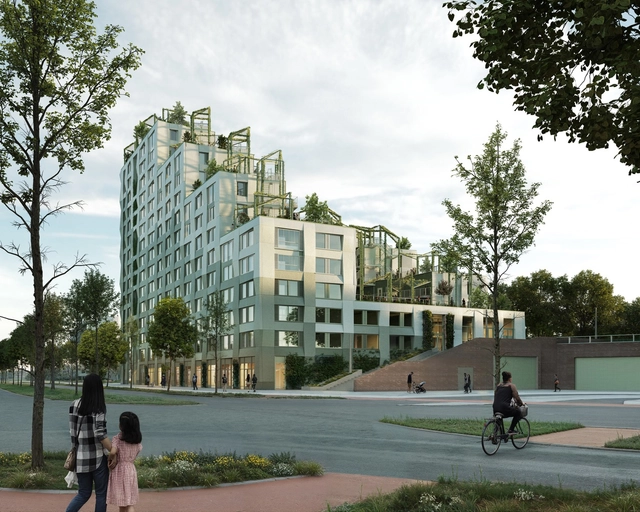
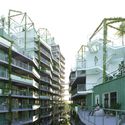
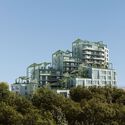
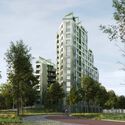
Located at the edge of Rotterdam's iconic Dakpark, the new Kop Dakpark project, designed by the architectural firms INBO and h3o, stands as an innovative model of sustainable and inclusive housing. Developed by Woonstad Rotterdam, this residential complex includes 153 affordable homes —63 social and 90 middle-income— that not only address the need for housing but also integrate nature and community to enhance both the urban and ecological landscape.