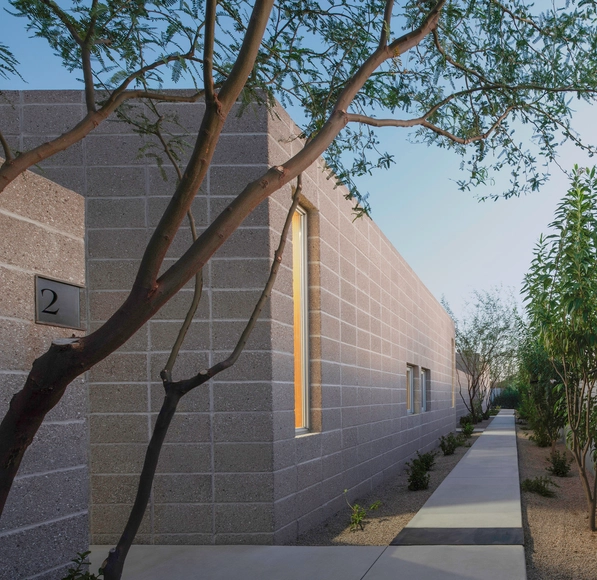
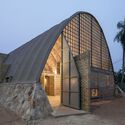
Once seen as purely utilitarian, bare concrete blocks have increasingly become part of an architectural transformation. In regions where warm climates make insulation unnecessary, this material can be left exposed, free of cladding, finishes, or embellishment. In doing so, texture, bond, and form can define the building's character and simplify construction while creating new opportunities for expression and identity. This also creates a platform to explore the concept of material honesty. Beyond its aesthetic value, using a material "as is" can significantly reduce construction costs and minimize maintenance during the building's lifespan.
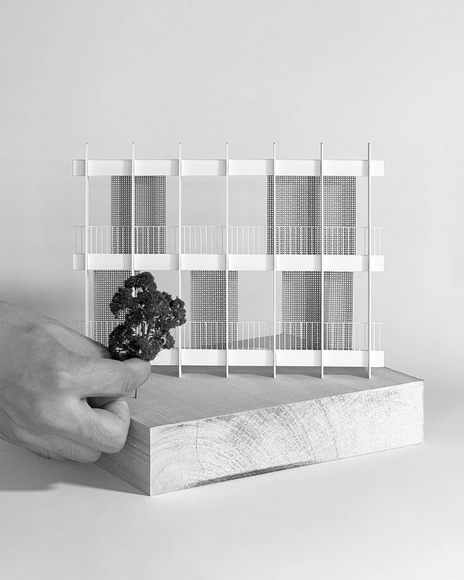
Buildner has released the results of its Denver Single Stair Housing Challenge, an international design challenge inviting architects, designers, and urban planners to explore innovative solutions for high-density residential living. Participants were tasked with reimagining a common point access block typology—often characterized by vertical circulation concentrated in a compact core—and transforming it into a more sustainable, community-oriented, and adaptable living environment. The competition was focused on sites in Denver, Colorado, though its issues are relevant to urban situations throughout the United States and around the globe.
Throughout their relatively recent history, museums have evolved to condense particular aspects of a culture and present them in a coherent and unified manner. This makes the connection between the architecture and the exhibit a crucial matter, as the architect is tasked with designing not only the framework and background of the exhibited arts or artifacts but also taking charge of the journey undertaken by the visitor, harmonizing the cultural gain with the lived spatial experience of walking the exhibition halls. However, not all museums have been purposely built for this task.
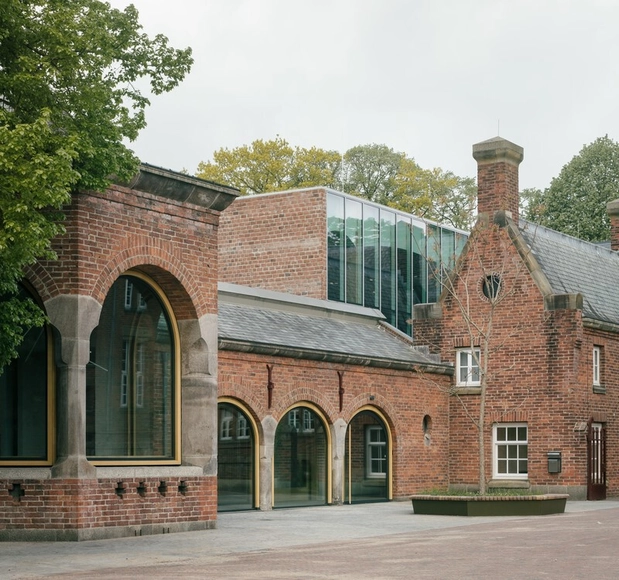
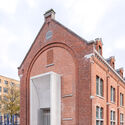
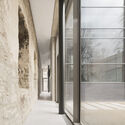
Across Europe, museums are being organized within or expanding upon historical monuments and buildings that have lost their original purpose. Then in a state of decay, this decision to reorganize them as cultural venues stops the decay and preserves the historical material, adding a new layer of complexity to the intended exhibits. The architect's role becomes that of introducing order and a system that can balance the heritage of the place with the needs of modern functionality, ensuring that the essence of the original structure is preserved while meeting the needs of contemporary exhibitions and public engagement.
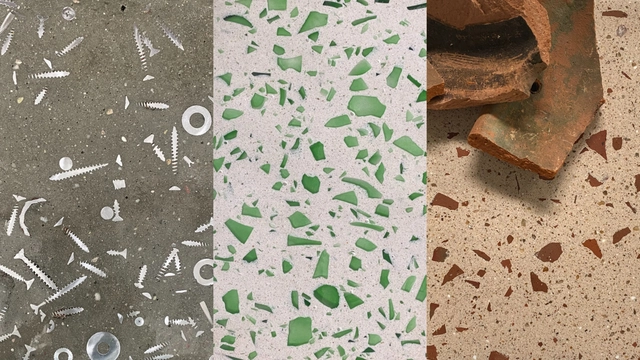
In a context where sustainability and material identity are becoming priorities in architecture, some ancient materials are finding new life. Terrazzo, with origins dating back to the 15th century, stands out as an example of how tradition can fuel innovation. The modern form, as we know it today, emerged in 15th-century Venice, Italy, when Venetian mosaic workers, seeking to make use of marble scraps, began incorporating these irregular fragments into mortar to create durable and visually appealing surfaces for terraces around their homes. This approach not only minimized raw material waste but also led to the development of new surface-finishing techniques, evolving from manual stone rubbing to the use of a heavy, long-handled grinding stone known as a galera.
According to several recent studies, noise in cities has become an increasing hazard to health. Environmental noise, that is, noise from traffic, industrial activities, or amplified music, which reaches internal spaces, is not merely an annoyance. It has been linked to cardiovascular disease, diabetes, dementia, and mental health. As the world urbanizes, more people are exposed to excessive levels of noise. How can urban design and architectural strategies help to prevent this?
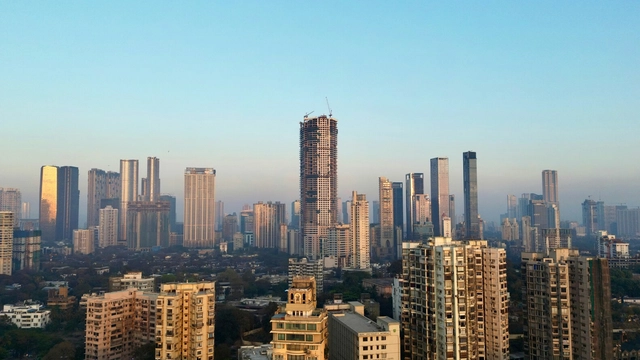
India finds itself a watershed moment with its urban evolution. With the United Nations projecting urbanization to reach 68% by 2050, the country's metropolitan regions needs to adapt to increasing populations while maintaining equity and quality of life. India's urban population is expected to exceed 600 million by 2030, drawing attention to both urban density and sprawl. As an emerging player in the domain of high-rise development, India is restructuring how it engages with urban growth by shifting from horizontal sprawl to vertical expansion.
Real-time rendering technology is evolving at an unprecedented pace, and D5 Render 2.10 sets a new benchmark with the introduction of real-time path tracing. In addition to this cutting-edge advancement, the update brings significant improvements to AI-driven post-processing, procedural city generation, weather effects, animation controls, and team collaboration features, elevating both rendering quality and workflow efficiency.
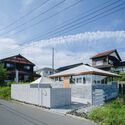
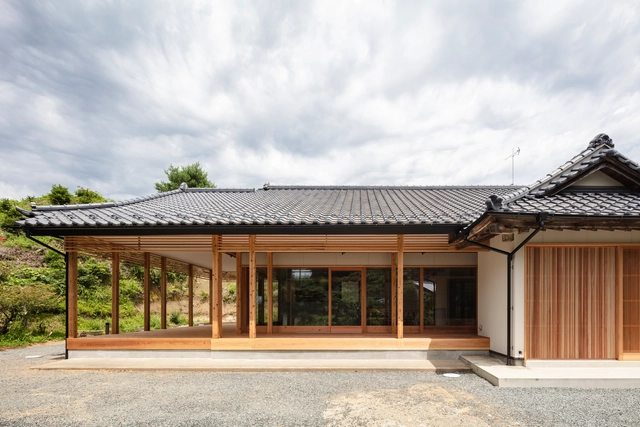
When thinking about Japan, the first thing that comes to mind is the bustling streets of Tokyo, old fortified castles, and the cherry blossom-lined rivers in the urban areas. However, little is discussed regarding a real estate market problem currently ongoing in the country: Akiya, a Japanese term that translates to an empty house. In 2024, the number of Akiya in Japan went up to a record high of nine million units. Some believe that at the root of the issue is depopulation. When homes are passed down through family inheritance, they frequently become burdens rather than assets. As younger generations increasingly move to cities or live in apartments, they usually have no interest in living in or maintaining the old family home, especially if it's located in a less convenient or rural area. Cities like Tokyo see a smaller number of Akiya due to the elevated price of the land. Nonetheless, issues such as elevated costs of adapting the house to the new earthquake regulations and higher taxation on vacant land, still cause people to abandon them even in urban areas.
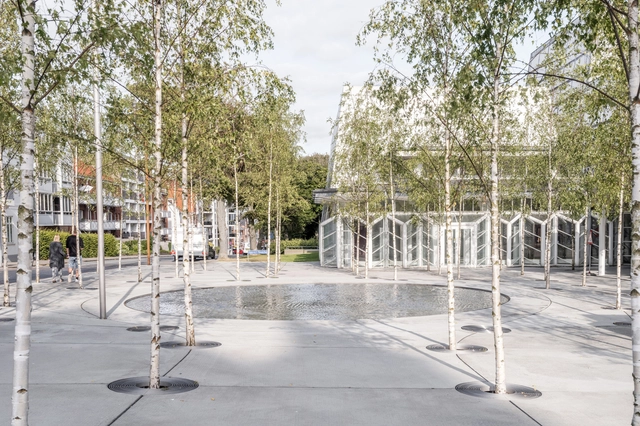
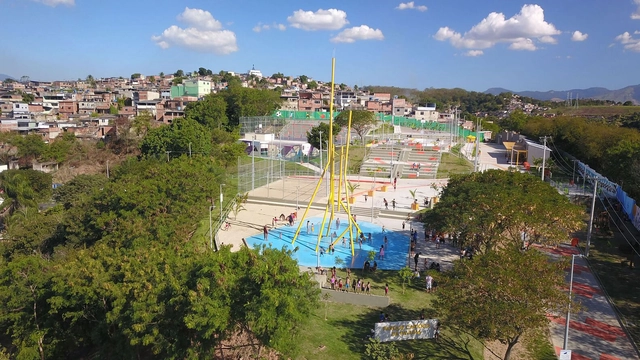
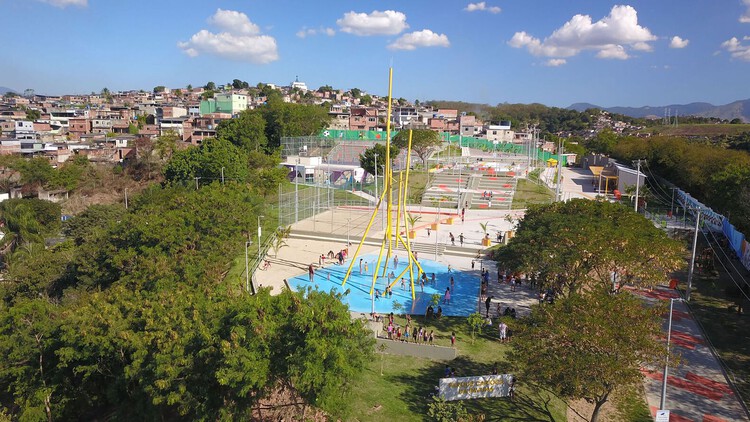
Public spaces are more than just physical voids in the urban fabric—they are stages for social interaction, cultural expression, and collective memory. In times of social fragmentation and environmental stress, these spaces can serve as catalysts for healing, offering safe environments where communities can reconnect. Through thoughtful design and participatory processes, public space interventions can rebuild trust, promote mental well-being, and foster a renewed sense of belonging among community members.
On April 10th, 2025, Saint-Gobain revealed the winners of the 14th edition of its International Gypsum Trophy during a ceremony held in Paris, France. 85 projects from 29 countries participated in this unique international competition organized by Saint-Gobain.
From the Americas to Asia, from Europe to Africa, the most talented and skilled gypsum installers competed in six categories: Ceilings; Innovation; Residential; Culture, Education and Leisure; Business and Institutional; and Façades, for the chance to win one of the 14 prizes. The 1st and the 2nd prize were awarded in each category, as well as the President's Prize (the "coup de coeur" of the jury) and the Grand Prix (rewarding the most outstanding project across all categories).
Symbiosis, a Prototype for Living and Working. Image Courtesy of contexo
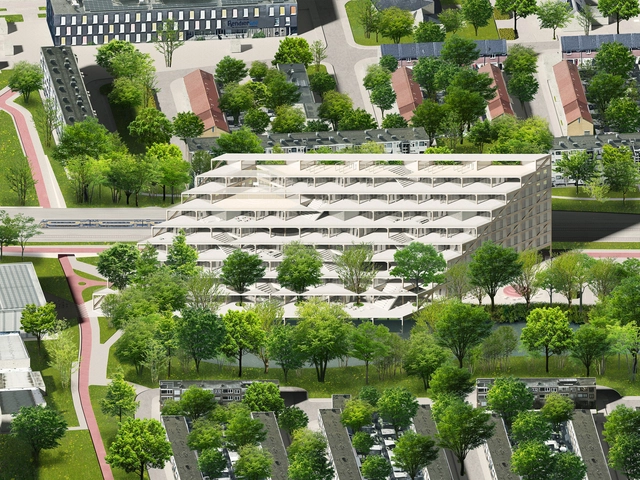
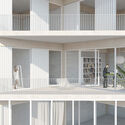
The future of urban life is increasingly being imagined as collective, layered, and adaptable. As cities grow denser and the boundaries between work, home, and leisure blur, architects are rethinking the traditional notion of residential living, shifting from isolated units to integrated, community-driven environments. This collection of unbuilt projects, submitted by the ArchDaily community, reflects this shift: a global exploration into how design can shape more resilient, inclusive, and connected ways of living.
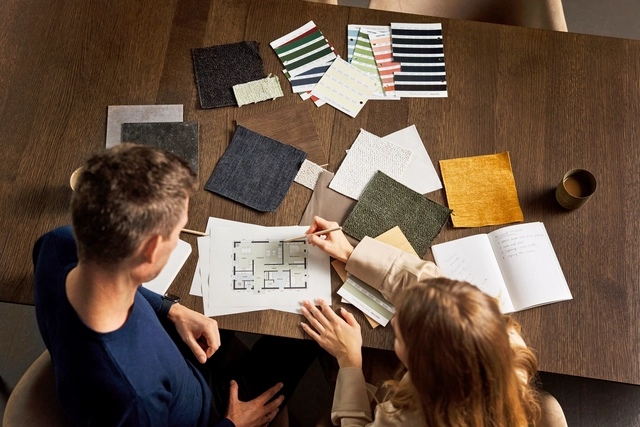
BoConcept combines heritage, simplicity, craftsmanship, functionality, and quality at the heart of their design philosophy
The modest origins of BoConcept – the furniture company founded in 1947 by young cabinetmakers Jens Ærthøj and Tage Mølholm, in the sleepy Jutland town of Herning – belie its standing as a beacon of Danish design. By harnessing and refining the key tenets of heritage, simplicity, craftsmanship, functionality and quality over 70 years, the brand has become Denmark's most globally recognizable name in furniture. It's a fact exemplified in timeless pieces such as its midcentury-style Imola armchair (inspired by the form of a deconstructed tennis ball) and the marshmallow minimalism of its Bellagio sofa – not to mention a proliferation of more than 300 stores in over 65 countries.
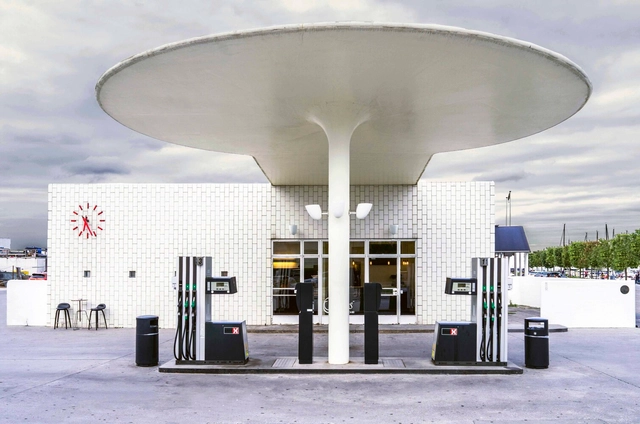
The gas station is an architectural typology that has undergone significant transformations since its inception. Initially, these structures were simple roadside refueling points designed for functionality rather than aesthetics. As automobile culture expanded, gas stations evolved to accommodate new technologies, shifting urban landscapes and changing consumer behaviors. Over time, they became more than just utilitarian stops — they developed into service hubs, integrating restaurants, motels, and leisure spaces, responding to contemporary transportation increasing demands.
By the late 20th century, however, the widespread standardization of gas stations led them to be perceived as "non-places", a concept defined by anthropologist Marc Augé to describe transient spaces that lack social or cultural significance. With uniform designs and a focus on efficiency, gas stations became interchangeable, reinforcing their role as purely functional infrastructure rather than meaningful architectural interventions. This standardization also departed from the era when fuel stations served as recognizable landmarks, contributing to a homogenized landscape devoid of local identity.
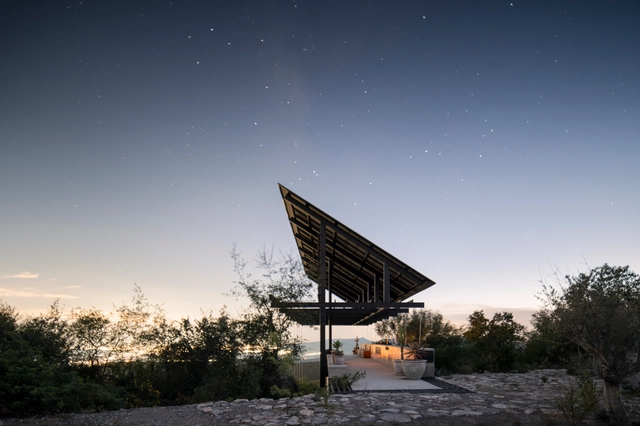
When designing spaces for viewing, architecture enters into a dialogue with the territory in an effort to understand the landscape and the enjoyment of reality, whether natural or built. Through an invitation to contemplate our surroundings, several architecture professionals in Latin America embark on the challenge of constructing structures that interact with nature, reinterpret certain building typologies, or become part of the learning and teaching of architecture for future generations. The wide variety of landscapes and cultures present in the Latin American context reflects the endless opportunities where architecture holds the potential to foster dialogue between the observer and the observed while drawing from the region’s deep connection with local flora, fauna, and other species.
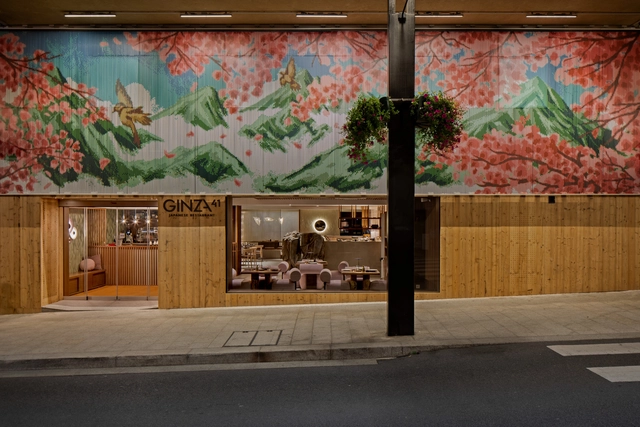
Through the creative manipulation of common construction materials and the exploration of elements such as form, light, texture, and space, architecture transcends mere functionality to become an artistic expression. Whether through the boldness of an innovative design, the harmony of balanced proportions, or the evocative use of materials, a building can transform into a work of art that inspires, intrigues, and evokes emotion. The design of the Ginza 41 sushi restaurant, conceived by architect Àfrica Sabé, exemplifies this approach. Its facade stands out in its surroundings thanks to solutions provided by Kriskadecor, a company specializing in customized metallic cladding. By utilizing a tensioned chain facade system that showcases a unique design, the project redefines the integration between architecture and visual branding.
Another year, another successful ArchDaily China Building of the Year Awards! Once more, the award has proved to be the largest architecture prize centered around people's opinion. Crowdsourced, the most relevant projects of the year were nominated and selected by our readers.
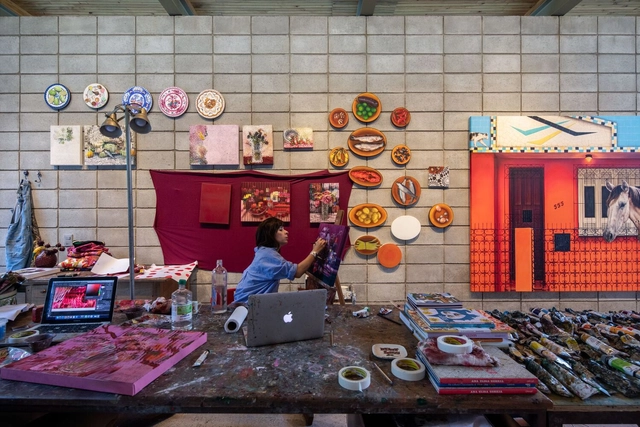
The spaces where artists create their work reveal a great deal about their creative journey—their techniques, themes, and inspirations. These places hold memories, intimacy, and emotional connections. For some artists, the studio is a secluded space, free from distractions. For others, it is a place for openness and freedom. Often, the studio becomes the home—or the home becomes the studio—blending function, desire, and necessity. Positioned at the crossroads of living and creating, leisure and work, these spaces fascinate art lovers. Many are later recreated in galleries or transformed into museums. Regardless of the artist’s fame, these spaces offer a unique look into the creative process, the artwork, and the artist's identity.