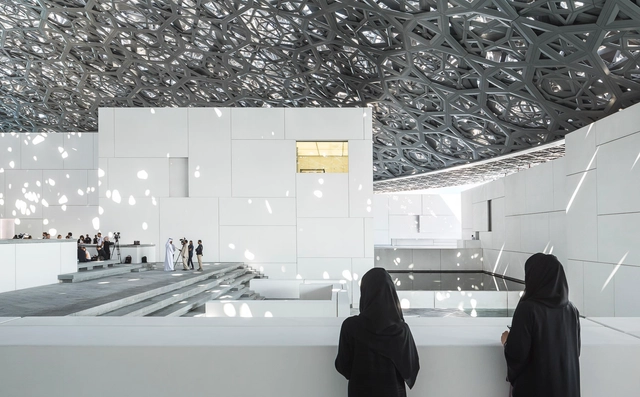
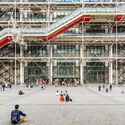
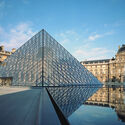
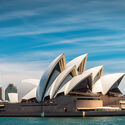
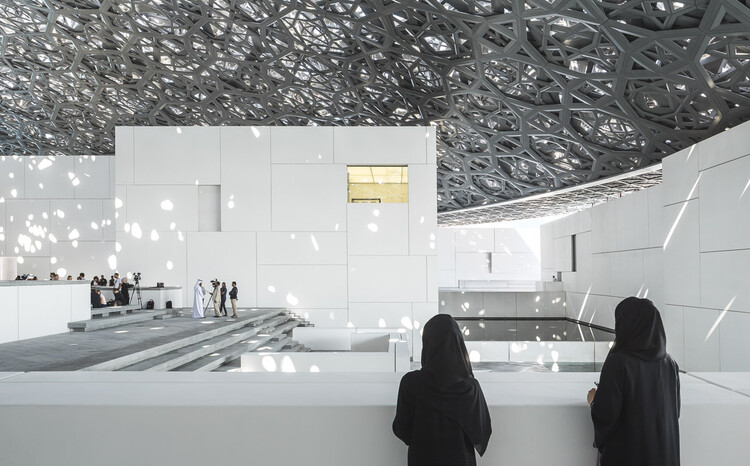
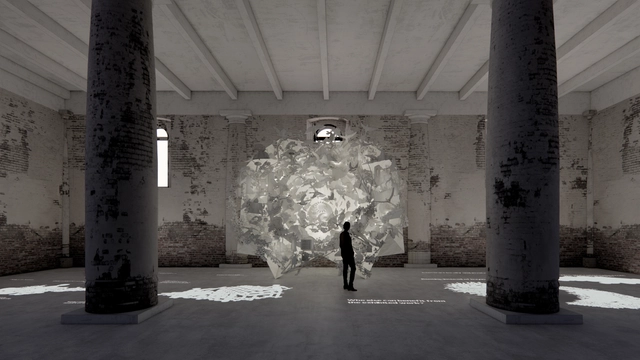
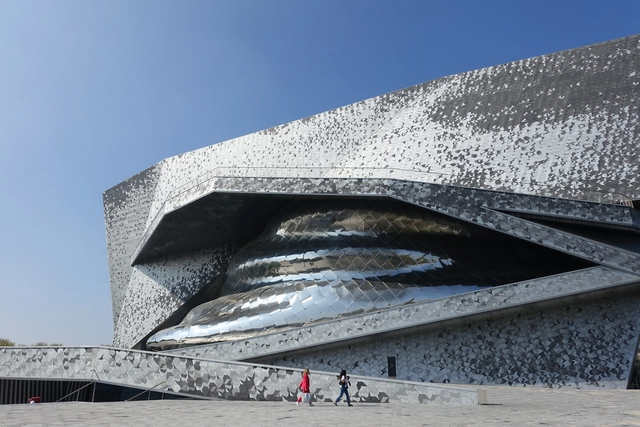
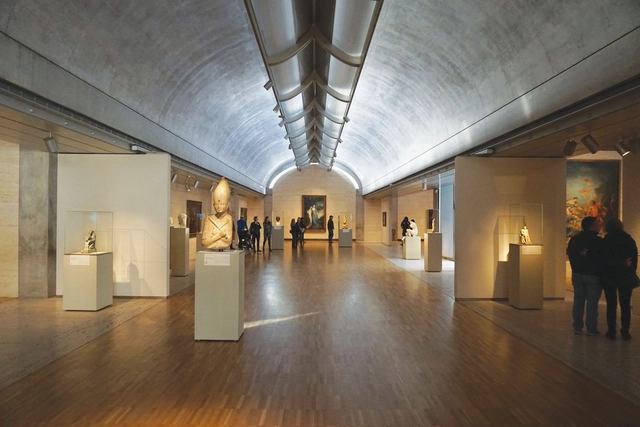
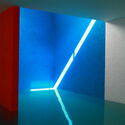
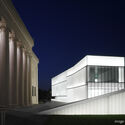
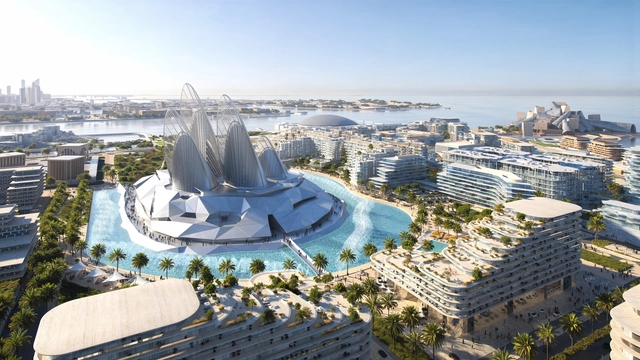
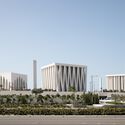
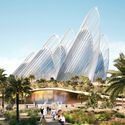
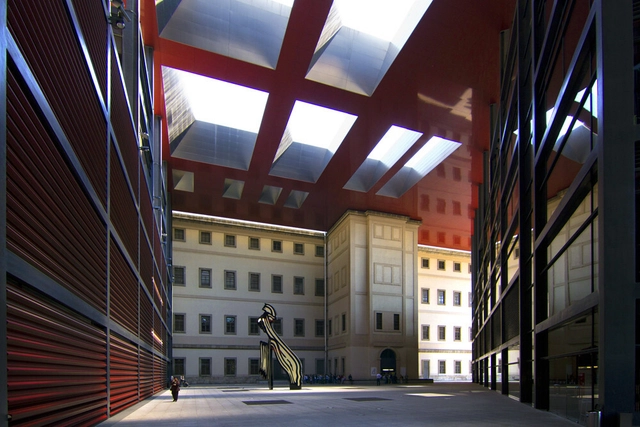
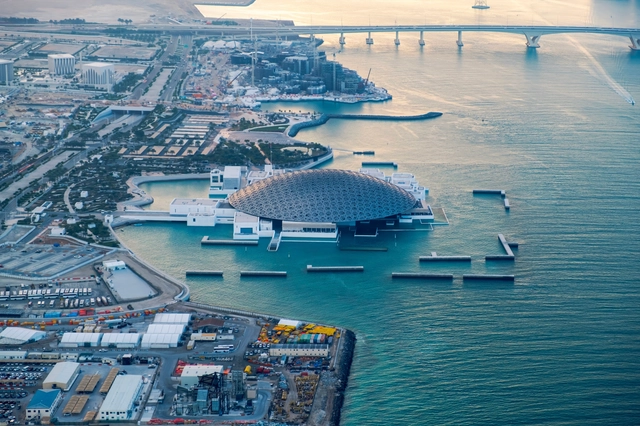
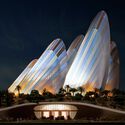
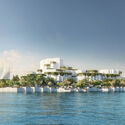
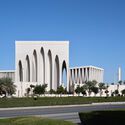
It is undeniable that, at first glance, the idea of a Louvre in Abu Dhabi or a Centre Pompidou in Brazil may seem somewhat disconcerting. The image of these museums, internationally renowned, appears in many ways inseparable from their original cultural contexts. And to some extent, it truly is. The Louvre, deeply rooted in the history of France as a former fortress and later royal residence, embodies a set of invaluable heritage values, further amplified by I. M. Pei’s iconic glass pyramid intervention in 1989. The Pompidou, meanwhile, is remembered as a historic turning point: by redefining the concept of public infrastructure through radically unconventional architecture, it marked the first time culture drew in mass audiences.
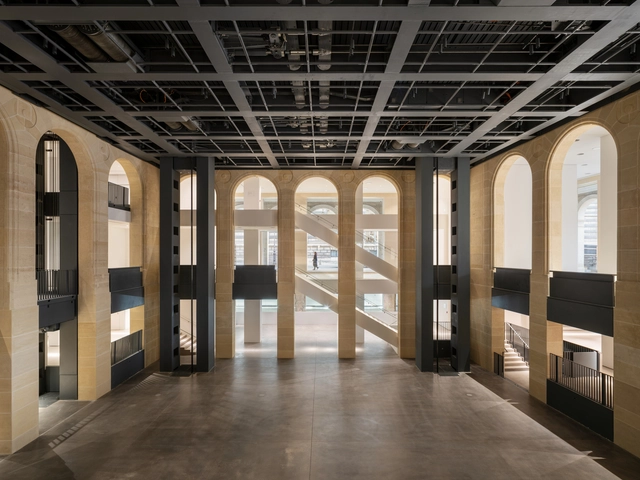
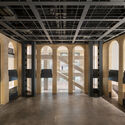
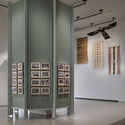
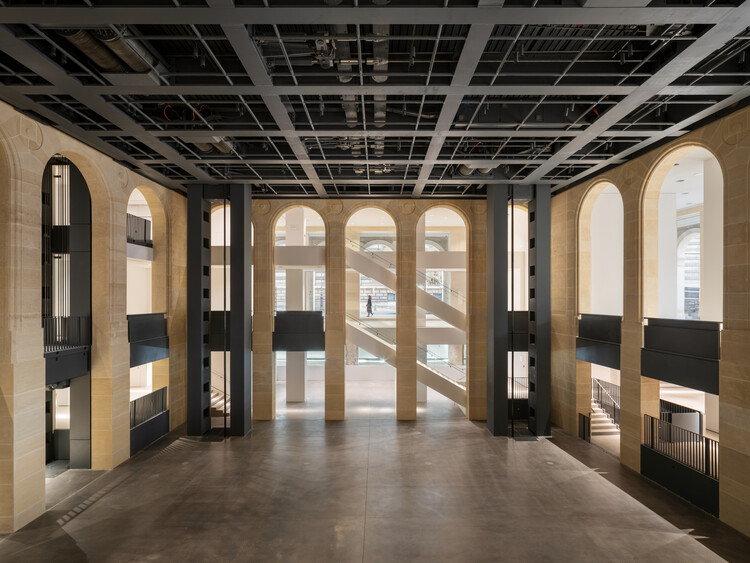
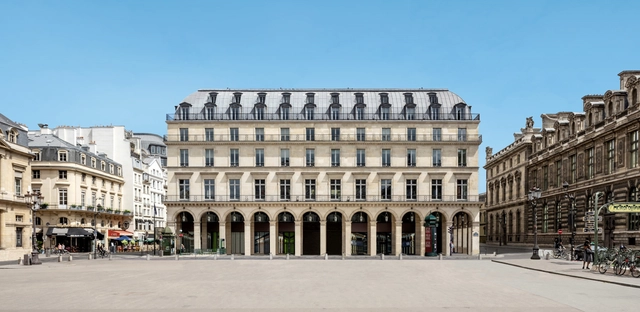
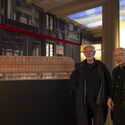
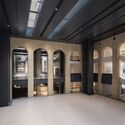
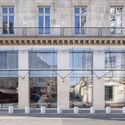
On October 25, 2025, the Fondation Cartier Pour l'Art Contemporain will open its new premises to the public with an inaugural exhibition drawn from its own Collection, entitled Exposition Générale. Located in the heart of Paris, the new space occupies a Haussmannian building that once housed the Grands Magasins du Louvre, recently reimagined by Jean Nouvel. Conceived as a dynamic architecture with five mobile platforms, the building was designed to expand the possibilities of a traditional exhibition venue. These mechanisms aim to accommodate all forms of visual expression, including photography, cinema, the performing arts, science, and craft, within a space that resonates with the urban life of Paris and engages with questions of urban planning and ecology. Within these parameters, the inaugural exhibition brings together more than 600 works by over 100 artists in a contemporary scenography designed by Formafantasma.
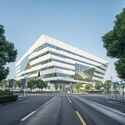
Toronto Paramedic Services Multi-function Station 02. Image Courtesy of Diamond Schmitt Architects
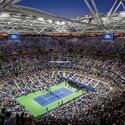
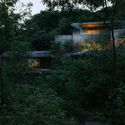
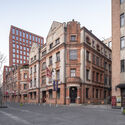
As cities and infrastructures evolve to meet shifting cultural, environmental, and social demands, new architectural projects are redefining how public spaces and civic institutions operate. This edition of Architecture Nowbrings together proposals spanning different contexts and scales: on Yakushima Island, Jean Nouvel embeds a boutique retreat for NOT A HOTEL into a UNESCO-listed forest landscape; in New York City, Rossetti and WSP are preparing a major renovation of Arthur Ashe Stadium to expand capacity and enhance the visitor experience; in Toronto, Diamond Schmitt and gh3* have broken ground on a mass-timber, net-zero paramedic station; and across the English Channel, Hollaway Studio is leading a transformation of LeShuttle's UK and French terminals into more seamless and sustainable gateways. Together, these projects reflect how design is being used to adapt existing systems and landscapes to new forms of public life.
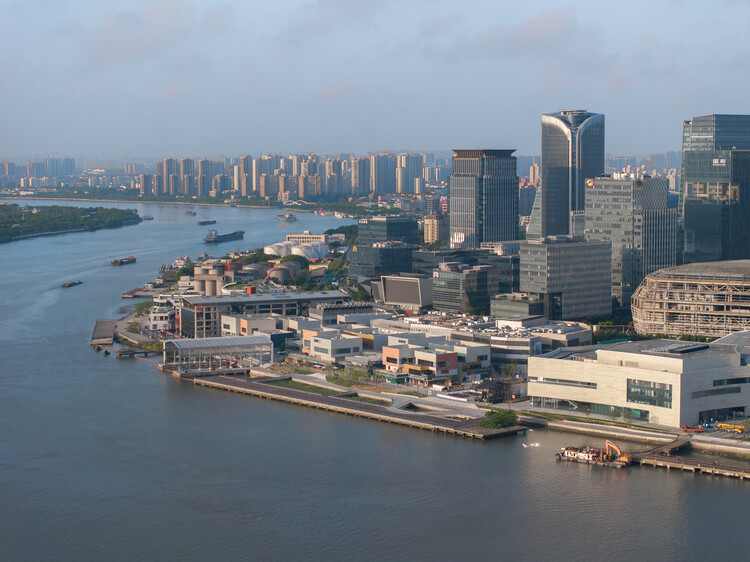
Amidst global economic adjustments and a domestic focus on high-quality development, Shanghai has implemented a strategic shift in its urban development approach—moving from 'incremental expansion' to 'connotative enhancement.' Guided by the concept of a "people-oriented city", Shanghai has elevated urban construction from mere physical space aggregation to a comprehensive endeavor aimed at optimizing functional quality, revitalizing spatial vitality, and boosting residential resilience through urban renewal initiatives. This transformation is framed not merely as a response to resource constraints but also as an intentional approach to urban development principles. Its core proposition lies in: under the policy framework of strictly controlling incremental land use, how to unleash development potential through the "reproduction" of existing spaces.
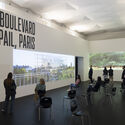
Fondation Cartier pour l'art contemporain announced plans to move into a historic building in Place du Palais-Royal in Paris. Originally built in 1855, the Haussmannian building is reimagined by architect Jean Nouvel and scheduled to open on October 25, 2025. The collaboration between Fondation Cartier and Jean Nouvel dates back to 1994 when the architect designed the "Parisian Monument," a glass and steel building on Boulevard Raspail that serves as the institution's current headquarters.
The Biennale promises to be a dynamic platform uniting over 750 participants from diverse backgrounds, including architects, engineers, mathematicians, climate scientists, and artists. Such a broad coalition of over 280 projects underlines the Exhibition's focus on inclusivity and interdisciplinary collaboration, an essential aspect for adaptation. The selection process proposed a bottom-up, open call approach through the Space for Ideas initiative, which ran between May and June 2024. It encouraged participation from global teams, from Pritzker Prize winners and Nobel laureates to emerging architects and scientists.
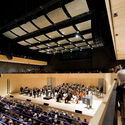
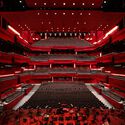
Theaters, concert halls, and opera houses are more than just venues — they are meticulously orchestrated environments where architecture, technology, and human emotion converge. Unlike conventional buildings, these spaces must accommodate a dynamic interplay between acoustics, sightlines, stage mechanics, and audience engagement, all while maintaining an architectural identity that resonates with performers and spectators alike. Whether it is the immersive embrace of a vineyard-style concert hall or the grandeur of a proscenium theater, every design decision shapes how performances are experienced and remembered.
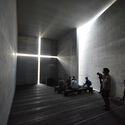
Architecture is often defined by its physical form, materials, and structural elements, but light and shadow truly shape the experience of space. These elements influence perception, guide movement, and evoke emotional responses, transforming static structures into dynamic environments. Throughout history, architects have harnessed the interplay of light and shadow, using it as a fundamental design tool to create atmosphere and meaning.
Architectural grafting, a concept recently popularized by Jeanne Gang inThe Art of Architectural Grafting, presents a transformative approach to urban regeneration and sustainability. Drawing inspiration from botanical and horticultural practices — where new growth is added to existing plants for enhanced resilience — this architectural method integrates new structures with existing ones, allowing them to coexist and adapt. Rather than pursuing demolition, grafting prioritizes adaptation, extending the life of buildings while safeguarding their cultural and historical significance.
While Studio Gang has played a pivotal role in advancing this method, architectural grafting embodies a broader principle that architects have long used to enhance sustainability, conserve resources, and honor heritage. Across scales — from individual buildings to urban landscapes —grafting reshapes the relationship between past and present, adapting existing structures for contemporary needs while addressing environmental demands. By reimagining historic buildings for modern use, this approach fosters a sustainable evolution of cityscapes.
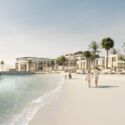
Chapman Taylor's Saadiyat Beach District Residences project has moved to the construction phase, marking a new development within Saadiyat Island's expanding cultural and residential landscape. This waterfront project, part of the broader Saadiyat Island masterplan for Nael & Bin Harmel, situated near Abu Dhabi's urban center, will introduce a range of residential options, including apartments, townhouses, and villas.
Our contemporary society has been witnessing a surge in skyscraper construction in urban centers worldwide for various reasons—including engineering advancements, increased urban density, space constraints, and, arguably, a competitive drive for building the tallest structures. The allure of all-glass facades and the pursuit of curtain walls with larger panes of continuous glass have often come at the cost of functionality.
In these towers, operable windows are sacrificed for aesthetics and expansive views, with a central core layout that maximizes 360-degree views while creating architectural "solar heat-gain monsters." Without natural or cross ventilation, these glass skyscrapers trap significant heat from solar radiation within habitable spaces, relying almost exclusively on mechanical HVAC systems to cool these spaces. This raises the question: is passive ventilation strategy becoming obsolete in high-rise design, or can operable systems be integrated effectively into our high-tech towers?
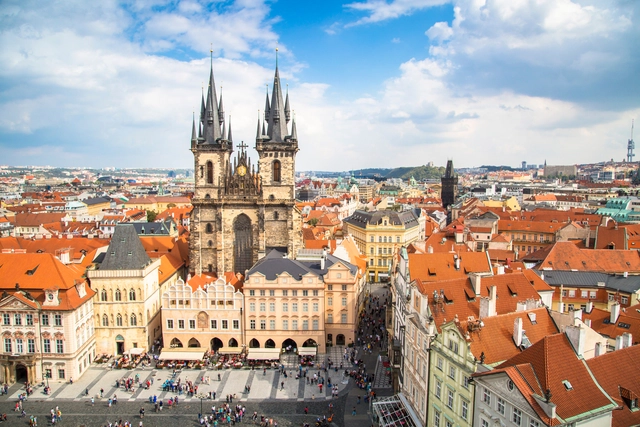
Prague, the capital of the Czech Republic, is one of Europe's best-preserved cities, having miraculously survived the widespread bombings of World War II. As the capital of the Czech Republic, Prague is home to over 1.3 million people and features an architectural heritage spanning centuries, covering a variety of architectural styles from Romanesque, Gothic, Renaissance, Baroque, and Rococo, to Modernist, Deconstructivism, and contemporary tendencies. The Old Town Square, where various architectural styles coexist, is a testament to this diversity. Known as the "Mother of all Cities," “the Golden City and “The City of a Hundred Spires,” Prague blends history and contemporary culture seamlessly. Its origins, steeped in legend, add to the city's charm.
Deutsches Architekturmuseum (DAM) has announced the International High-Rise Award 2024/25. Selected from more than 1,000 new high-rises worldwide dating from the past two years, the nominated projects are located in 13 counties from 5 continents. In autumn, the five finalists will be announced, followed by the winner announcement scheduled for November 12, 2024. The main objective of the award is to highlight good practices in the ongoing trend of mixed-use high-rises.
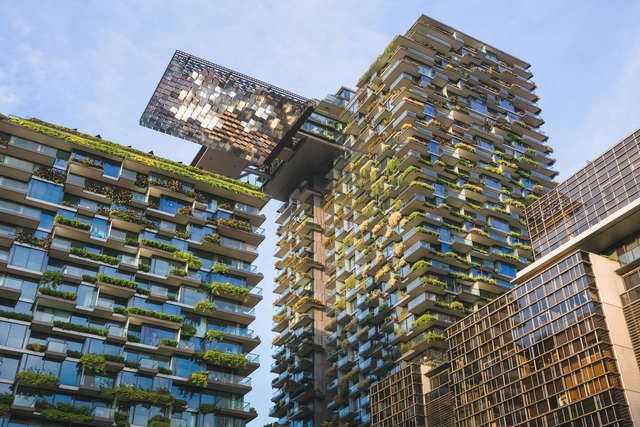
With the increase in the construction of high-rises, special features such as the introduction of greenery in the design, unusual shapes, or the construction of clusters of towers, have become the new normal. DAM’s research this year also shows a growing eco-awareness, as the focus in high-rise construction is increasingly on the use of existing buildings. While the majority of tall buildings continue to be erected in China, followed by the USA, Australia, and Singapore have emerged as new hubs of high-rise architecture.
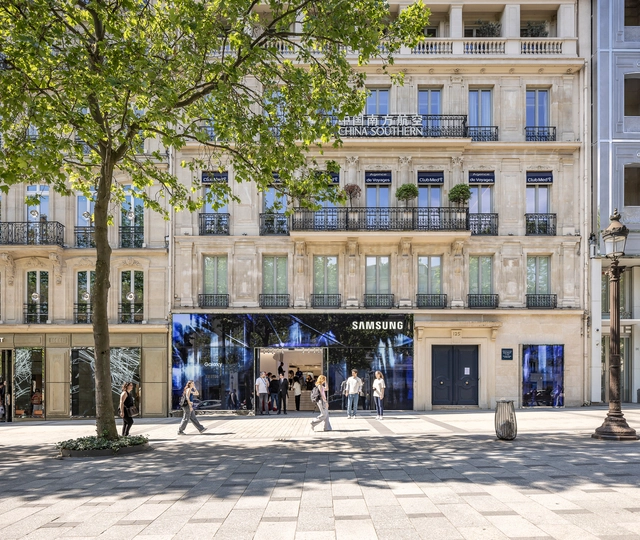
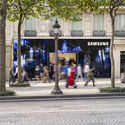
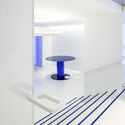
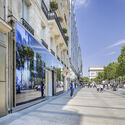
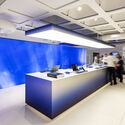
Renowned French architect Jean Nouvel has unveiled his design for Samsung’s pop-up store on the iconic Avenue des Champs-Élysées in Paris, France. The store aims to represent the company’s role as a Worldwide Olympic Partner, offering visitors a space where they can engage with the newest mobile technologies and Olympic-related activities. The first images by architectural photographer Jad Sylla highlight Jean Nouvel’s design of the immersive retail space.
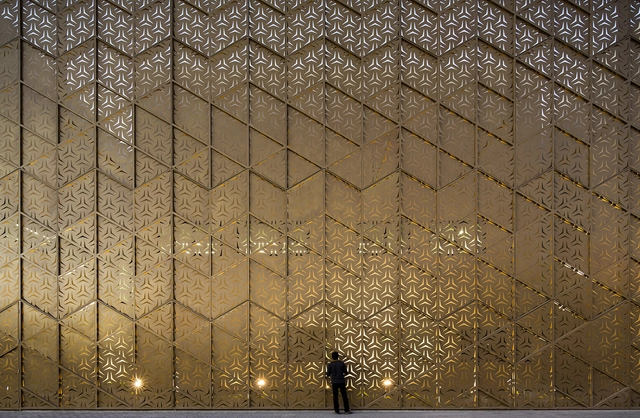
For centuries, arid environments have solved the problem of light, privacy, and heat through a statement architectural feature of Islamic and Arab architecture, the mashrabiya. Crafted from geometric patterns traditionally made from short lengths of turned wood, the mashrabiya features lattice-like patterns that form large areas. Traditionally, it was used to catch wind and offer passive cooling in the dry Middle Eastern desert heat. Frequently used on the side street of a built structure, water jars, and basins were placed inside it to activate evaporative cooling. The cool air from the street would pass through the wooden screen, providing air movement for the occupants.
Similar to the Indian jali, the vernacular language also offers a playful experience with daylight while still maintaining a certain degree of privacy. Traced back to Ottoman origins, the perforated screens protected occupants’ from the sun while simultaneously letting daylight through in calculated doses. Although the mashrabiya was a statement in arab and Islamic architecture languages, it wasn’t until 1987 that the archetypal element began appearing with a revised contemporary application.
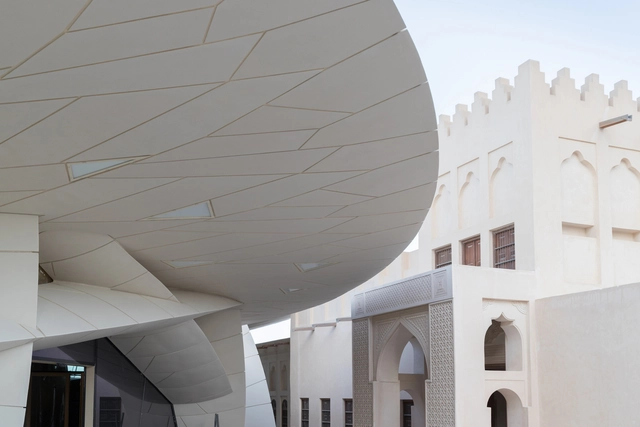
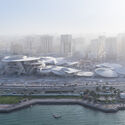
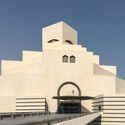
Doha is the capital of Qatar and the county’s most populated area, accommodating more people than the rest of Qatar combined. Located on the coast of the Persian Gulf, Doha is a relatively young city, founded in the vicinity of another settlement, Al Bidda, sometime during the 1820s. In recent years, the city has seen rapid population growth, an image reflected in the architectural landscape. During the 1960s and 1970s, many of the old districts in Doha were demolished to make space for new developments, while several schemes have been deployed to advocate for the preservation of the city’s cultural and architectural heritage.
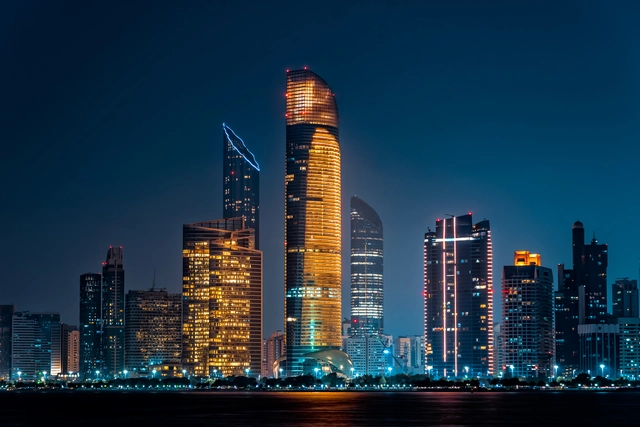
City night view of Abu Dhabi business district, United Arab Emirates. Image via Shutterstock | MDXB
Capital city of the United Arab Emirates, the city of Abu Dhabi is located on an island in the Persian Gulf, connected to the mainland by a short bridge. Home to the local and federal government offices, as well as to the President of the UAE, Abu Dhabi was formerly an undeveloped town with only local significance that transformed into a large metropolis, at a record speed of development and urbanization.
Japanese architect Katsuhiko Takahashi created the master plan of the city in 1967, with a target population of 40,000. Encouraged in the Abu Dhabi Plan 2030, tall skyscrapers symbolize nowadays its iconic architecture, as well as new developments of Al Maryah Island, and the Sheikh Zayed mosque initiated and constructed under the administration of the late President Sheikh Zayed, a pivotal figure in the development of the contemporary UAE.