1. ArchDaily
  2. Sustainable Design

Sustainable Design: The Latest Architecture and News

Lina Ghotmeh’s Bahrain Pavilion Wins Gold Award for Best Architecture and Landscape at Expo 2025 Osaka

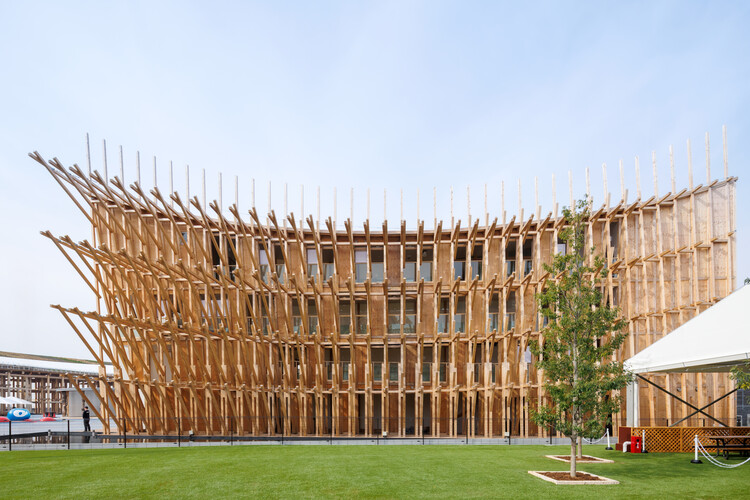
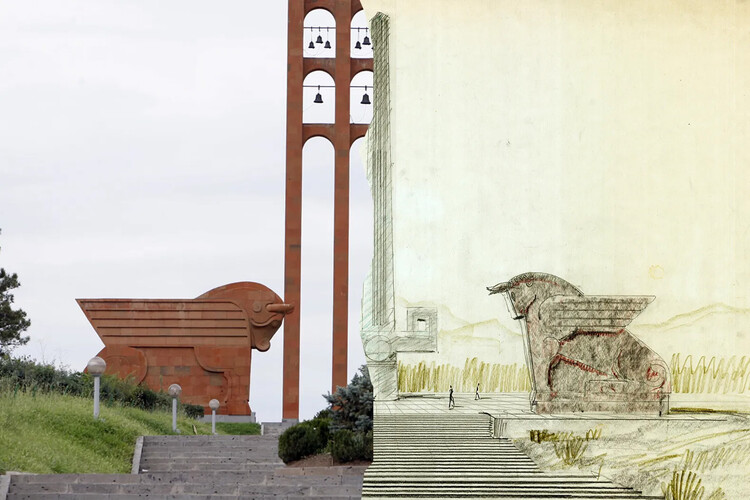
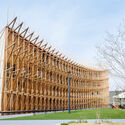
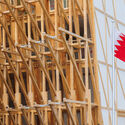
The Kingdom of Bahrain's Pavilion at Expo 2025 Osaka, designed by Lina Ghotmeh – Architecture, titled "Connecting Seas," has been awarded the Gold Award for Best Architecture and Landscape in the self-built pavilions under 1,500 square meters category. Presented by the Bureau International des Expositions (BIE), the award recognizes architectural excellence in spatial design, creativity, and sustainability. The announcement was made at an official award ceremony in Osaka, Japan, attended by commissioners general and representatives from participating nations. Commissioned by the Bahrain Authority for Culture and Antiquities (BACA), this marks the country's fourth participation in a World Expo and reflects an ongoing commitment to expressing national identity through architecture and cultural dialogue.
Lina Ghotmeh’s Bahrain Pavilion Wins Gold Award for Best Architecture and Landscape at Expo 2025 Osaka - Image 1 of 4Lina Ghotmeh’s Bahrain Pavilion Wins Gold Award for Best Architecture and Landscape at Expo 2025 Osaka - Image 2 of 4Lina Ghotmeh’s Bahrain Pavilion Wins Gold Award for Best Architecture and Landscape at Expo 2025 Osaka - Image 3 of 4Lina Ghotmeh’s Bahrain Pavilion Wins Gold Award for Best Architecture and Landscape at Expo 2025 Osaka - Image 4 of 4Lina Ghotmeh’s Bahrain Pavilion Wins Gold Award for Best Architecture and Landscape at Expo 2025 Osaka - More Images+ 4

The 10th VELUX Daylight Symposium: Live from Copenhagen

 | Sponsored Content

This year marks 20 years since the first VELUX Daylight Symposium—two decades of shared insights, ideas, and exploration into the role of daylight in our built environment. Since its humble beginnings in 2005, the symposium has grown into a leading international forum for cross-disciplinary dialogue on daylight.

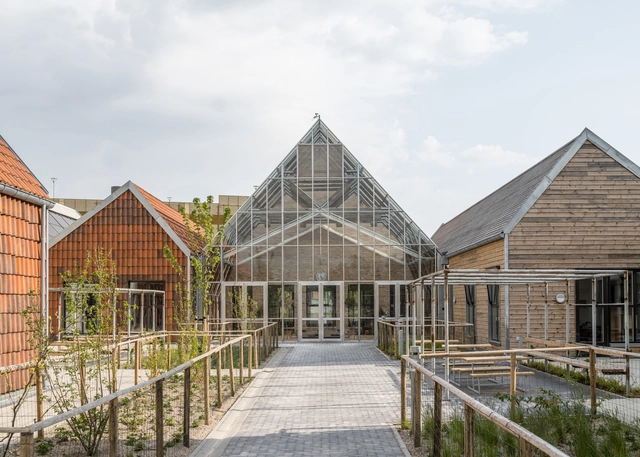
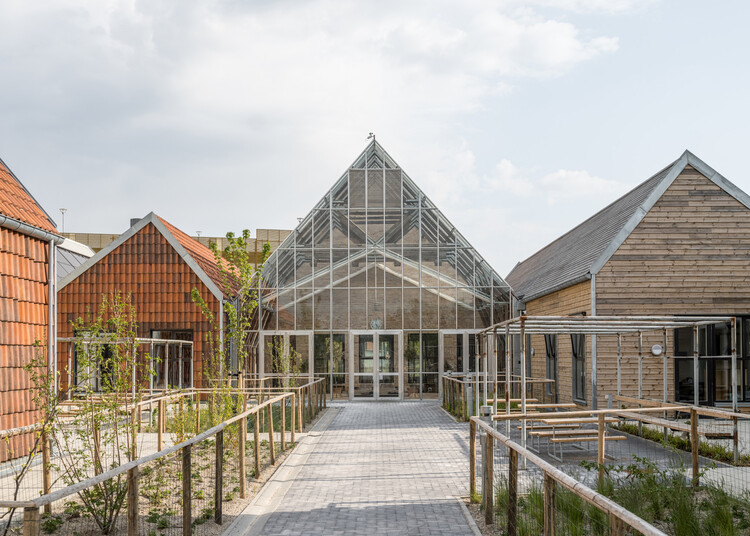
The 10th edition, taking place in the heart of Copenhagen, will once again bring together researchers, architects, engineers, and policymakers to examine the evolving role of daylight in architecture and design. It's a space where science and practice meet to reflect on past learnings and look ahead to the future of daylight in our cities and spaces. Join the livestream on September 18th, 2025, from 09:00 to 17:30 (CEST).

“Architecture and Energy” at DAM Explores the Climate Impact of the Built Environment

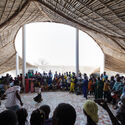
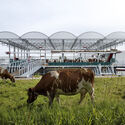
The Deutsches Architekturmuseum (DAM) in Frankfurt has launched its new exhibition Architecture and Energy: Building in the Age of Climate Change on June 14, which will be open to visitors until October 5, 2025. Developed in collaboration with engineer and sustainability advocate Werner Sobek, the exhibition explores the intersections of architecture, energy, and climate, focusing on the environmental impact of the built environment and the role of architecture in mitigating climate change. By framing architecture as both a challenge and an opportunity in the context of the climate crisis, the exhibition seeks to contribute to a broader shift in thinking, one that positions design as a vital component of a sustainable future.
“Architecture and Energy” at DAM Explores the Climate Impact of the Built Environment - Image 1 of 4“Architecture and Energy” at DAM Explores the Climate Impact of the Built Environment - Image 2 of 4“Architecture and Energy” at DAM Explores the Climate Impact of the Built Environment - Image 3 of 4“Architecture and Energy” at DAM Explores the Climate Impact of the Built Environment - Image 4 of 4“Architecture and Energy” at DAM Explores the Climate Impact of the Built Environment - More Images+ 8

MVRDV Transforms Former Cement Factory on Shanghai’s West Bund

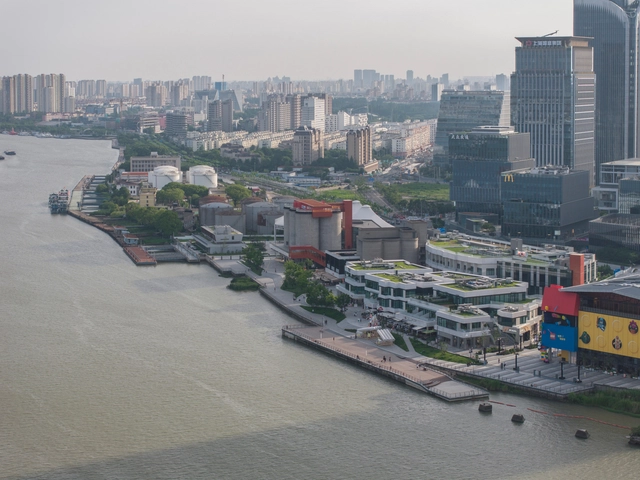
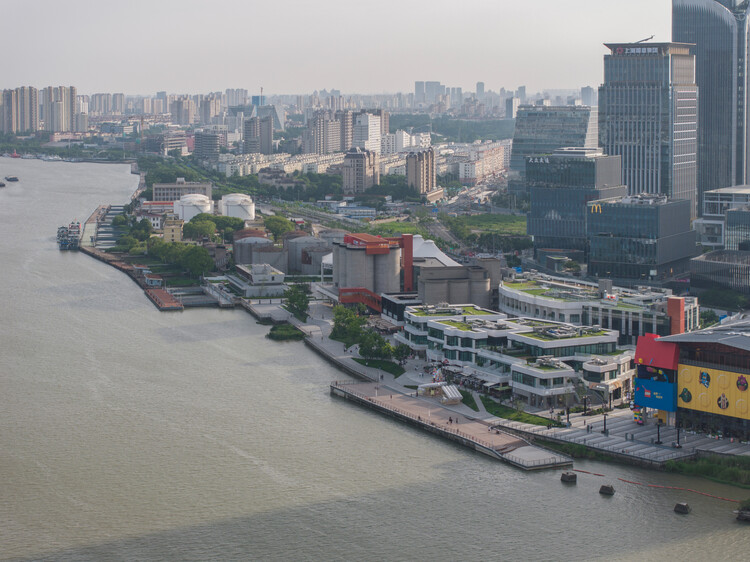
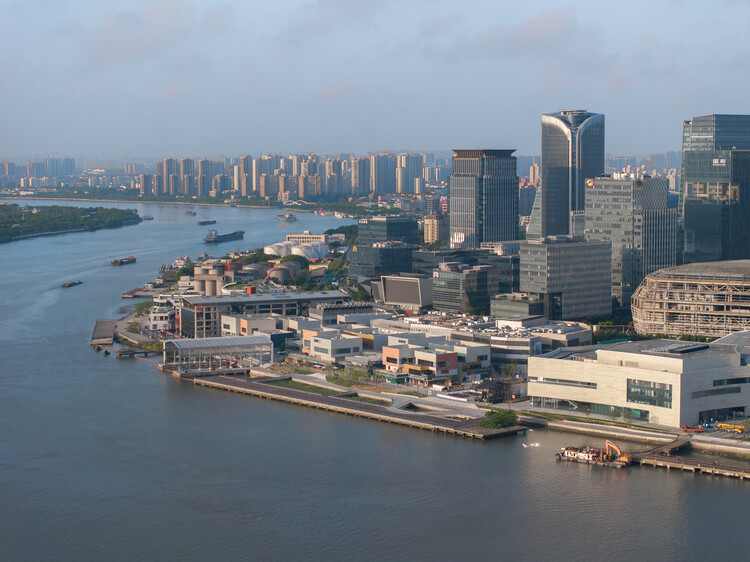
MVRDV has completed the GATE M West Bund Dream Center, a major adaptive reuse project that transforms a former cement factory into a dynamic cultural and leisure district in Shanghai. Located along the city's Huangpu River, the development contributes to the growing series of West Bund cultural initiatives and offers a wide array of public amenities, from food and retail spaces to climbing facilities, event venues, and riverside relaxation areas. Once the site of Asia's largest cement factory, the area underwent a significant shift following the 2010 Shanghai Expo, which prompted the relocation of industrial activities and the revitalization of the riverbanks.

MVRDV Transforms Former Cement Factory on Shanghai’s West Bund - Imagen 1 de 4MVRDV Transforms Former Cement Factory on Shanghai’s West Bund - Imagen 2 de 4MVRDV Transforms Former Cement Factory on Shanghai’s West Bund - Imagen 3 de 4MVRDV Transforms Former Cement Factory on Shanghai’s West Bund - Imagen 4 de 4MVRDV Transforms Former Cement Factory on Shanghai’s West Bund - More Images+ 37

Shaping Spaces: The History and Impact of Fireplaces in Architecture

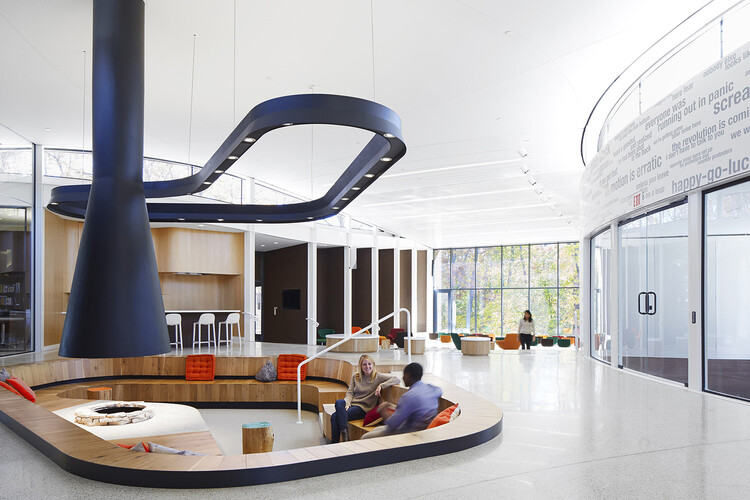
Fireplaces have profoundly shaped architectural design, influencing how spaces are organized, experienced, and perceived. More than merely functional elements, they represent symbols of power, community, comfort, and culture, tracing humanity's evolving relationship with the built environment. From the primitive hearths that characterized early human settlements to the sophisticated ecological designs of contemporary architecture, fireplaces have reflected broader cultural, social, and technological changes, serving as enduring focal points in the spatial narrative of architecture. Scholars have frequently explored the intimate relationship between architecture and fire. Luis Fernández-Galiano, in his seminal work "Fire and Memory: On Architecture and Energy" argues that architecture fundamentally mediates the relationship between humanity and energy. By understanding how these structures have shaped spaces, symbolized cultural values, and driven technological innovation, we gain deeper insight into architecture's complex interplay between form, function, and meaning.

Shaping Spaces: The History and Impact of Fireplaces in Architecture - Imagen 1 de 4Shaping Spaces: The History and Impact of Fireplaces in Architecture - Imagen 2 de 4Shaping Spaces: The History and Impact of Fireplaces in Architecture - Imagen 3 de 4Shaping Spaces: The History and Impact of Fireplaces in Architecture - Imagen 4 de 4Shaping Spaces: The History and Impact of Fireplaces in Architecture - More Images+ 21

Understanding Eco Brutalism: The Paradox of Structure, Sustainability, and Style

Subscriber Access | 

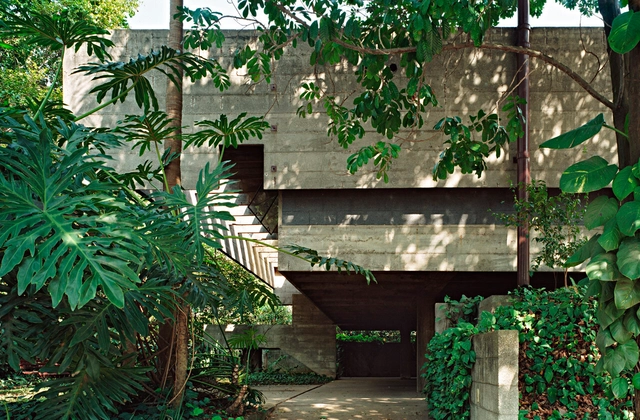
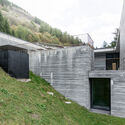
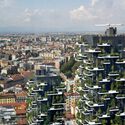
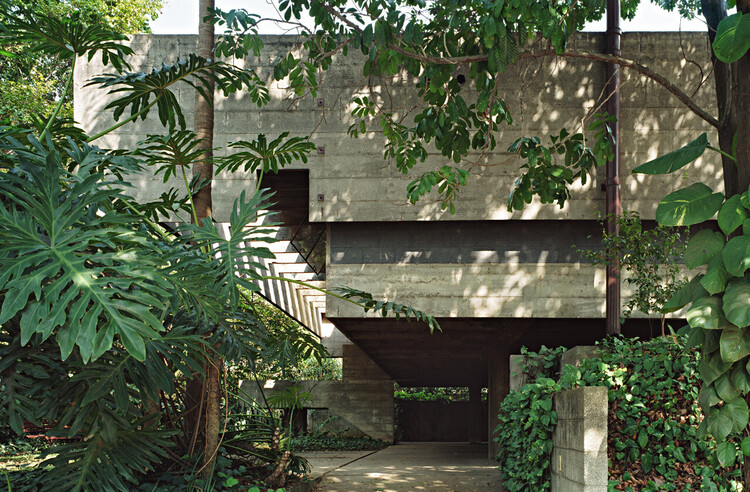
The built environment is expected to reduce carbon emissions, support biodiversity, and respond to changing ecological conditions, all while providing housing for communities and reflecting their cultural values. In this shifting landscape, a once-maligned architectural style emerges in a surprising new form. Brutalism, long associated with institutional gravitas and material austerity, is now being reframed through an ecological lens. This hybrid movement, known as eco-brutalism, combines the power of concrete with greenery and climate-sensitive design strategies. The result is a set of spaces that are visually arresting, conceptually complex, and increasingly popular among designers, urban planners, and the general public. This movement includes not only the direct lineage of 1960s Brutalism but also contemporary projects that, while not strictly Brutalist, share its material honesty, monumental scale, and use of expressive concrete forms.

Understanding Eco Brutalism:  The Paradox of Structure, Sustainability, and Style - Image 1 of 4Understanding Eco Brutalism:  The Paradox of Structure, Sustainability, and Style - Image 2 of 4Understanding Eco Brutalism:  The Paradox of Structure, Sustainability, and Style - Image 3 of 4Understanding Eco Brutalism:  The Paradox of Structure, Sustainability, and Style - Image 4 of 4Understanding Eco Brutalism:  The Paradox of Structure, Sustainability, and Style - More Images+ 39

Human-Centered Design at the 2025 International Contemporary Furniture Fair

 | Sponsored Content

With a balance of emerging talent and established brands, this year's edition of the International Contemporary Furniture Fair fostered meaningful connections, commercial momentum and critical dialogue across the global design community.

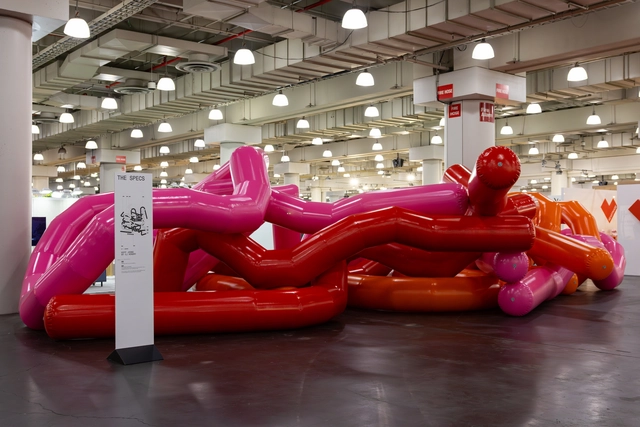
Returning to the Javits Center this May, the 2025 edition of the International Contemporary Furniture Fair (ICFF) brought together over 400 design brands from 35 countries, reinforcing its role as a central meeting point for contemporary design in North America. Spanning residential, commercial and hospitality sectors, the fair attracted more than 13,000 attendees and maintained strong engagement across the board — despite ongoing market volatility and tariff pressures.