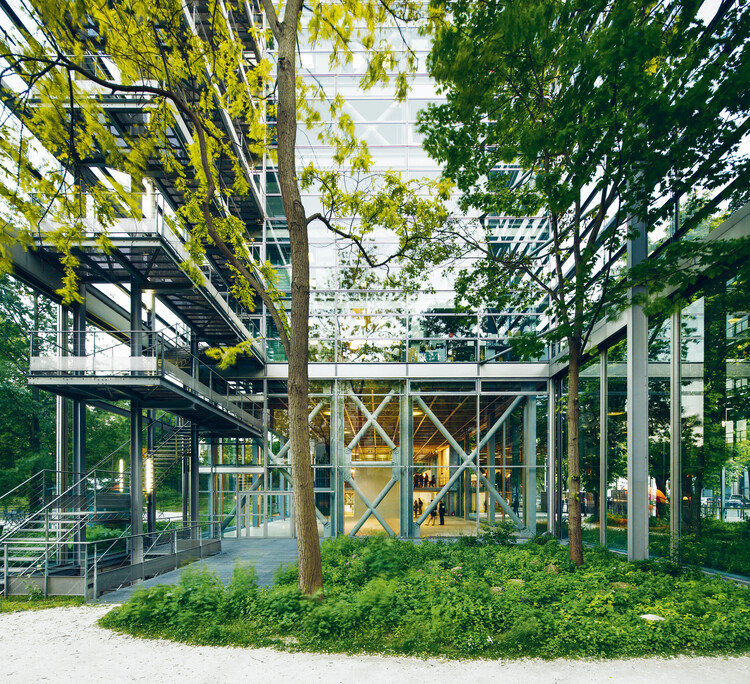
The opening of the new Fondation Cartier pour l'Art Contemporain in Paris last October sparked renewed questions around the role, form, and future of museums. As cultural institutions continue to proliferate worldwide in this digital era, the museum itself appears increasingly in need of redefinition. Rather than offering a single model or solution, Architecture for Culture: Rethinking Museums, written by architectural historian and curator Béatrice Grenier, argues for a more contextual and plural understanding of what a museum can be: an institution shaped by its environment, its public, and the specific cultural questions it seeks to address.
ArchDaily had the opportunity to discuss these ideas with the author against the backdrop of the Fondation Cartier's newly inaugurated home on Rue de Rivoli. Housed within a restored Haussmannian building that once accommodated the Grands Magasins du Louvre, the space has been radically reimagined by Jean Nouvel as a dynamic, transformable architecture.
The past year marked a defining moment in ArchDaily's evolution: a year of recalibration, intention, and renewed editorial purpose.
In an increasingly fast-moving and saturated media landscape, we took the opportunity to ask the fundamental questions: What does architectural media need to be today? What responsibilities do we carry as a global platform? And how can we contribute meaningfully to a profession navigating social, environmental, and cultural transformation?
And by engaging deeply with these reflections, we stepped fully into our role, bringing greater definition to who ArchDaily is and how it operates.
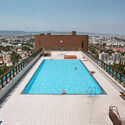
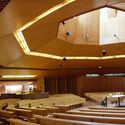
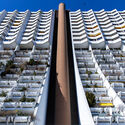
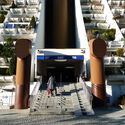
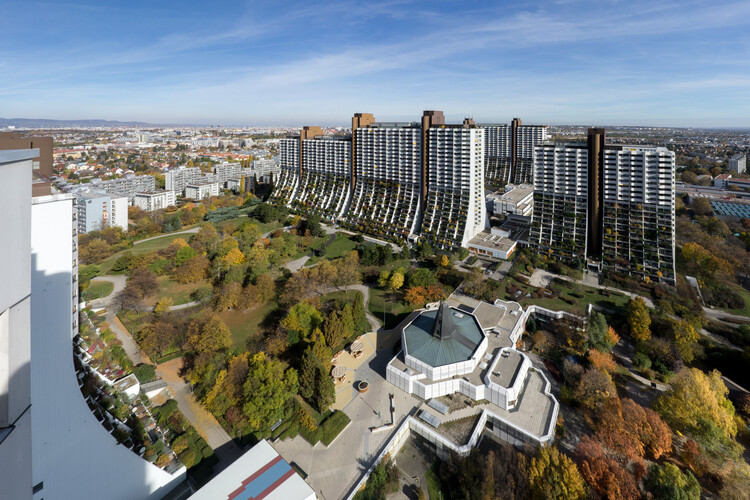
On the southern edge of Vienna, a cluster of monumental terraces rises above the cityscape, their stepped balconies cascading with greenery and their rooftops crowned with swimming pools. This is the Wohnpark Alterlaa, one of the most ambitious social housing projects in postwar Europe. Designed by Austrian architect Harry Glück and built between 1973 and 1985, the complex was founded on a provocative principle: municipal housing should not only provide affordable shelter but also offer the pleasures and amenities usually reserved for the wealthy.
With more than 3,000 apartments housing nearly 9,000 residents, Alterlaa was conceived as a city within the city. Alongside its residential towers, it incorporates shops, schools, medical services, and cultural facilities, ensuring that daily life can unfold entirely within its boundaries. The project reflects a moment of optimism in Vienna's urban policy, when housing was understood as infrastructure for collective well-being rather than as a commodity.
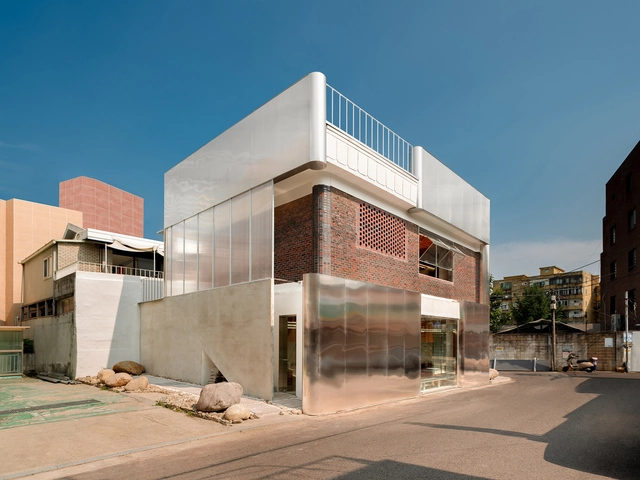
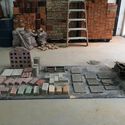
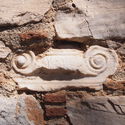
The circular economy, including the reuse of building materials, is fast becoming a key component in the fight against carbon emissions. This involves designing to minimize waste and utilize materials that can be reused at the end of the building's life. On the opposing side, the reuse of materials from partially or wholly demolished buildings can also reduce waste and carbon emissions that would have resulted from using virgin materials. Sustainability purposes aside, the reuse of building materials has a centuries-old history, both for symbolic reasons and simply out of necessity.
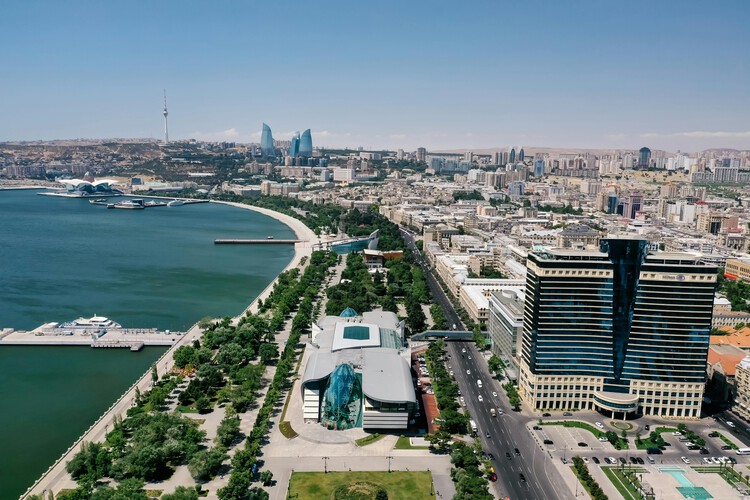
President Ilham Aliyev has signed an order declaring 2026 the "Year of Urban Planning and Architecture" in the Republic of Azerbaijan. The decision establishes a national framework focused on urban planningpolicy, architectural culture, and sustainable development, aligning with Azerbaijan's preparations to host the 13th World Urban Forum (WUF13) in Baku in May 2026. According to the order, the designation aims to preserve Azerbaijan's centuries-old traditions while integrating contemporary approaches that respond to current social, environmental, and spatial challenges. The President's Administration will now prepare and submit a comprehensive action plan for the year within one month.
Across different geographies and scales, this week's architecture news reflects a sustained focus on how cities and buildings are being recalibrated in response to evolving patterns of movement, work, and collective life. Across multiple contexts, public space and mobility remain central concerns, with streets, downtowns, and large-scale developments serving as testing grounds for new approaches to accessibility, resilience, and everyday use. Pedestrianisation initiatives and community-led visions point to evolving governance models and long-term urban strategies, while cultural and research-driven platforms continue to frame these changes within broader public discourse. In parallel, progress on major mixed-use and corporate projects underscores the growing integration of digitalinfrastructure, environmental performance, and flexible spatial frameworks within contemporary architecture.
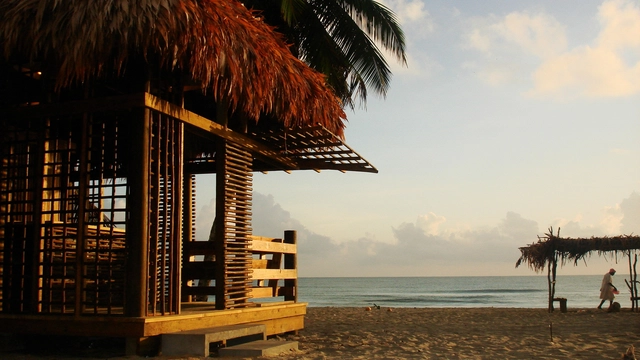
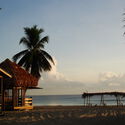
Detail of the Garifuna Kiosk Network. Image Courtesy of 24 Grados Arquitectura
How can architecture restore relevance to forgotten places? What dialogues can emerge when buildings and landscapes are treated not as blank slates, but as layers of memory, identity, and potential? For the Honduran architecture firm 24 Grados, these questions shape an approach rooted in adaptation, reuse, and contextual design. Their projects range from the restoration of old Spanish plazas and cultural centers to interventions in natural parks and coastal villages in Honduras. Each one is grounded in the belief that design can reweave relationships between people, place, and heritage.
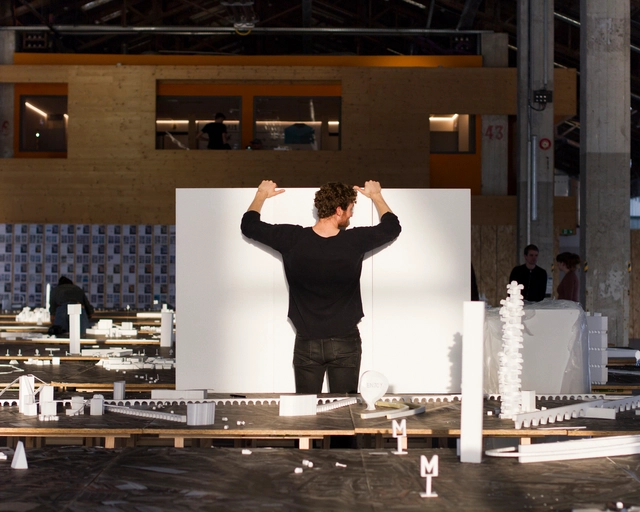
MVRDV and Delft University of Technology Release _Le Grand Puzzle_, an Urban Study of Marseille in the South of France. Image Courtesy of HÇläne Bossy, Manifesta
In architecture, most practices revolve around delivering projects to clients. Offices are shaped by deadlines, budgets, and clear briefs. While this structure produces buildings, it rarely leaves space for architects to question broader issues — about how we live, how cities are changing, or what the future demands of design. But alongside this production-focused system, a quieter movement has emerged: studios, collectives, and foundations that prioritize research, experimentation, and reflection. These are the architecture think tanks — spaces designed not to build immediately, but to think first.
The idea of a think tank is not new. Traditionally found in politics, economics, or science, think tanks bring together experts to study complex problems and propose solutions. In architecture, their rise reveals a tension at the heart of the discipline. If architecture is to remain socially and environmentally relevant, can it continue to rely only on client-driven practice? Or must it carve out space for slower, deeper inquiry?
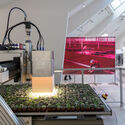
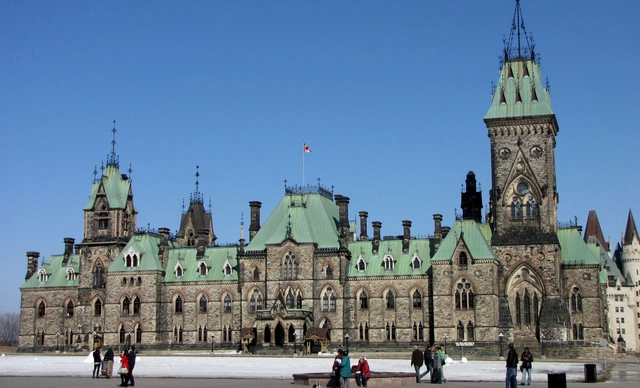
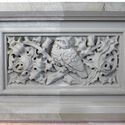
Heritage restoration has always been an intricate process that requires delicate balancing between preserving the integrity of historic materials while integrating contemporary techniques that can enhance accuracy, efficiency, and resilience. With the restoration process of Parliament Hill in Ottawa, Canada's capital city, this intersection of tradition and technology is now on full display. The East Block, built in 1865, offers a compelling example of how digital tools can support the efforts of heritage restoration and contribute to a centuries-old craft such as stone carving.
India's built environment has, in recent years, gained visibility through a growing number of transformative architectural and infrastructure projects. Cities and towns scale faster each year, despite looming concerns around climate and economic volatility. The nation has shown resilience in balancing rapid urbanization with resource constraints; this is no small feat. India's architectural practices rarely rely on novelty alone; they are built on systems that have existed for centuries. Through ArchDaily's Building for Billions, recurring stories have highlighted the social intelligence and adaptive capacity embedded in these practices, revealing an architecture that operates less as isolated form and more as infrastructure.
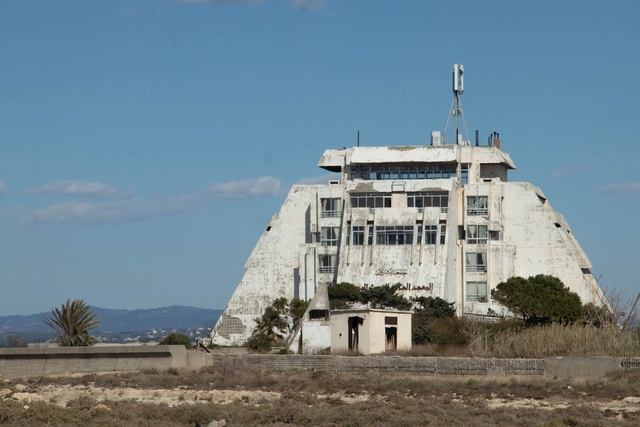
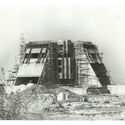
As Syria is emerging from over a decade of conflict at the time of writing, it is an opportunity to rediscover its architectural gems. Just to the north of the country's principal port city of Latakia is a Modernist creation that is the Center for Marine Research. Its pyramidal structure is situated on a prominent headland surrounded by sea on three sides. To the east is a bay with hotels and beaches while to the north and west is the open Mediterranean Sea reaching Turkey and Cyprus beyond. Despite its importance both as a research institution and as a piece of architecture, it lies abandoned and isolated today.
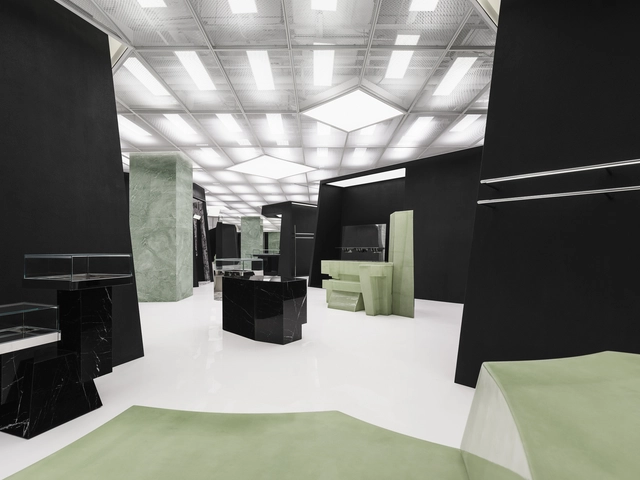
In contemporary architecture, commercial spaces have become more than points of sale; they are stages where identity, image, and experience converge. Stores, showrooms, and branded interiors often operate as laboratories where architects experiment with form, material, and light, translating corporate narratives into spatial experiences. In this context, the architect emerges as a mediator of desire, shaping atmospheres that guide perception, evoke emotion, and subtly influence behavior. This role reveals a complex intersection between design and capitalism: the creation of spaces that sell not only products, but also aspirations, lifestyles, and cultural meaning. By transforming commerce into an architectural performance, these projects invite reflection on how the discipline negotiates its agency in a world where visibility and image have become as essential as function.
This article is part of our new Opinion section, a format for argument-driven essays on critical questions shaping our field.
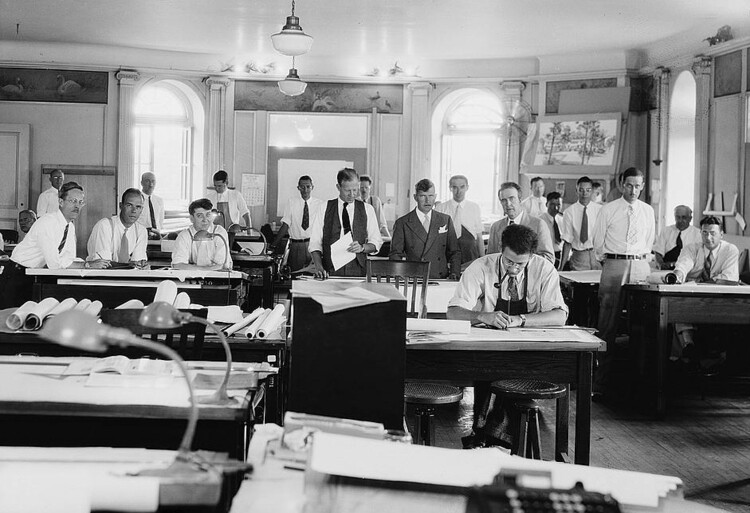
Who designs architecture today? In a professional landscape increasingly defined by collaborative workflows, generative software, and distributed teams, the figure of the architect as a singular creative author feels both anachronistic and inadequate. This article argues that architectural authorship is no longer an individual act, but a collective and distributed condition shaped by institutions, technologies, and shared forms of labor. The transition from individual to collective authorship is not simply a consequence of larger offices or digital tools; it signals a deeper structural shift in how architecture is produced, communicated, and validated.
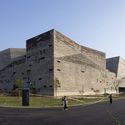
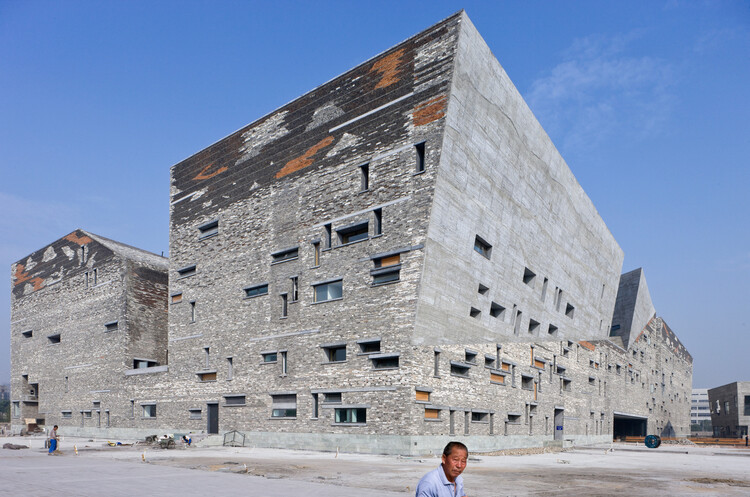
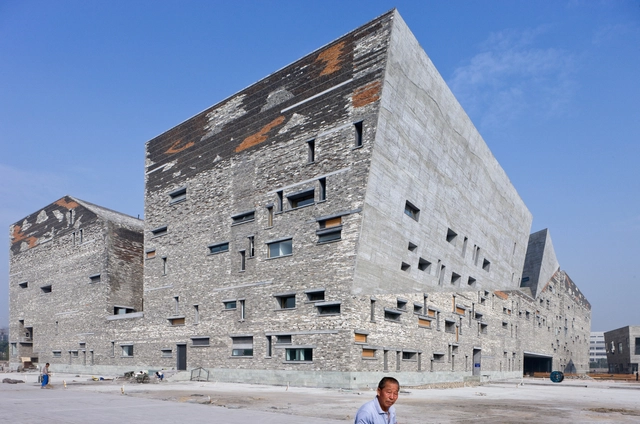
Amateur Architecture Studio, Ningbo History Museum, 2008. Image Courtesy of Louisiana
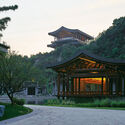
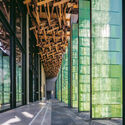
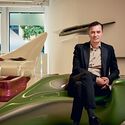
Born in 1963 in Urumqi, Xinjiang, China, architect Wang Shu has dedicated his career to defining a contemporary approach to building that is deeply rooted in China's cultural and material history. In 2012, he was recognized with the Pritzker Prize, becoming the first Chinese citizen to receive the distinction. The award jury acknowledged his body of work "for the exceptional nature and quality of his executed work, and also for his ongoing commitment to pursuing an uncompromising, responsible architecture arising from a sense of specific culture and place." In 2027, along with his wife Lu Wenyu, Wang Shu will be a curator for the Venice Architecture Biennale.
Where cities were once shaped by simple structures that could adapt to new uses, they are now packed with rigid dwellings—often designed with a single use in mind and fixed in both layout and lifespan. As climate deadlines tighten, communities demand more resilient, resource-conscious spaces, and work and living patterns continue to shift, this rigidity is becoming a liability. When buildings refuse to bend, they are often treated as disposable, triggering cycles of demolition, downtime, and loss. Adaptability, once considered an added convenience, is becoming an imperative—something the inaugural Adaptable Building Conference (ABC) in Rotterdam aims to put front and center.
Every year brings new ideas, projects, and shifts in architectural culture, but it also marks the loss of voices that have shaped the discipline across decades. Architecture moves forward, but it also advances through absence. When figures who helped articulate its language and its ambitions disappear, they leave behind more than completed works or influential texts. Their absence becomes a threshold, a moment in which the discipline pauses to understand what remains, what evolves, and what continues to guide us. These moments of loss remind us that architecture is a long, collective construction, carried not only by those shaping the present but also by those whose visions continue to orient how we think about cities and landscapes.
The architects and thinkers we lost in 2025 came from remarkably different worlds, yet the questions that shaped their work often intersected. Some approached the city through identity, symbolism, and historical continuity, seeking to ground the built environment in cultural memory. Others interpreted it through engineering precision, ecological systems, or radical experimentation, expanding what architecture could be and how it could be experienced. Their work spans contexts as diverse as postwar Britain, rapidly urbanizing China, Central European avant-gardes, and the evolving cultural institutions of Berlin and New York. Together, they form a spectrum of responses that defined, and continue to define, architectural culture over the last half-century, revealing the multiplicity of ways in which architecture can engage with society, technology, and the environment.
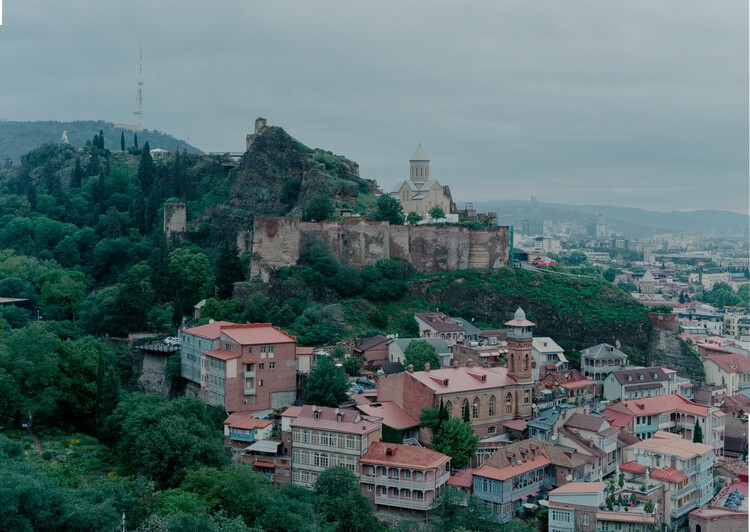
Narikala Fortress (Earliest parts dates back from 4th century), Tbilisi, Georgia. Image Courtesy of National Archives of Georgia
Ubani — Tbilisi Cityscape Research Center has released "Kala," the first publication in its new Guide to Tbilisi Districts series, offering an in-depth look at one of the Georgian capital's oldest urban areas. As a non-profit organization dedicated to researching and promoting Tbilisi's architectural heritage and landscape, Ubani develops public programs, exhibitions, workshops, and events aimed at making the city's built environment more widely understood. This inaugural guidebook continues that broader mission, situating Kala within the long-term evolution of Tbilisi's urban fabric.


















.jpg?1478078308 "Hangzhou Xiangshan Campus. Image © Iwan Baan")