A week of architecture news has highlighted the growing connections between environmental change, public systems, and the evolving role of architectural practice. Extreme weather events in different regions have drawn attention to the vulnerability of settlements, infrastructure, and territorial networks, while new approaches to housing demonstrate how changes in procurement, construction, and governance can influence architectural outcomes. At the same time, the recognition of established practitioners points to the lasting impact of architectural ideas across generations, as the profession continues to engage with questions of resilience, systemic change, and the broader conditions shaping the built environment.
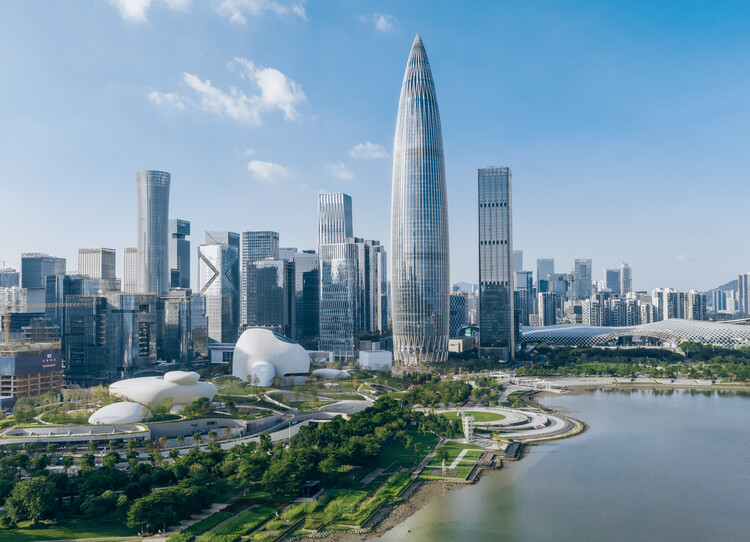
This week, architecture's relationship with culture took center stage through exhibitions, public projects, and new cultural infrastructure that extend architectural discourse beyond the building itself. While major exhibitions from Australia, Shanghai, Barcelona, and Copenhagen examined themes of housing, landscape, and place through research and design, newly unveiled projects in China and Italy demonstrate how museums, performance venues, and mixed-use projects are increasingly conceived as open public landscapes rather than isolated institutions, while new exhibitions and construction milestones reflect ongoing experimentation in adaptive reuse, context-responsive design, and flexible urban environments.
This week in architecture, discussions around the lifespan of buildings, the evolution of cultural institutions, and climate-responsive design highlighted how contemporary practice increasingly extends beyond the moment of construction. From debates over demolition and adaptive reuse to new museums that integrate landscape and environmental performance, the week's developments reflect shifting priorities around permanence, transformation, and public value. Alongside these projects, major institutional announcements, from the RIBA Stirling Prize shortlist to the election of a new UIA leadership, offer insight into the architectural agendas shaping the profession across different scales and geographies.
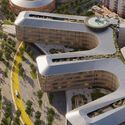
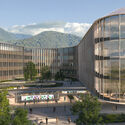
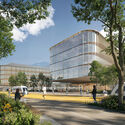
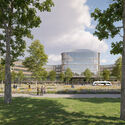
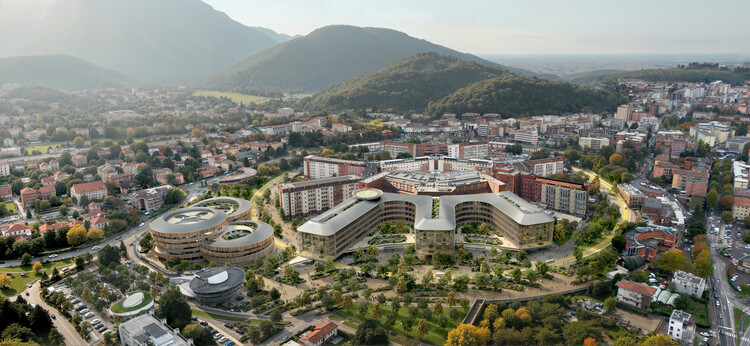
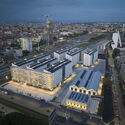
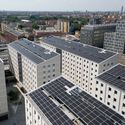
The project developed by CRA-Carlo Ratti Associati, Park Associati, Politecnica Building for Humans, Openfabric, DOTDOTDOT, Studio Mattioli, and Eckersley O'Callaghan has been selected to design the new Main Hospital and Children's Hospital in Brescia, Italy. The international competition mandate was to redevelop an existing hospital, preserving and extending a radial plan conceived by engineer Angelo Bordoni in the early twentieth century. The existing healthcare complex, Spedali Civili di Brescia, follows a hexagonal masterplan and radial layout that informs the new design for the premises. The geometry is reinterpreted to update the campus for future models of care, drawing a new CareRing around it that connects people, nature, and healthcare through the principles of One Health, the idea that human health, environmental health, and social wellbeing are inseparable.
Each spring, Milan Design Week 2026 transforms the city into a distributed platform for design culture, where prototypes, product launches, and research-driven explorations coexist across multiple scales, including a growing presence of architect-designed objects. Held from April 20 to 26, the 2026 edition once again centered around the 64th Salone del Mobile.Milano at Fiera Milano, complemented by a network of independent venues and exhibitions throughout the city, an expanded landscape that is further reflected in ArchDaily's accompanying selection of installations and exhibitions from this year's program.
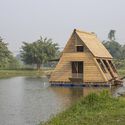
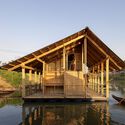
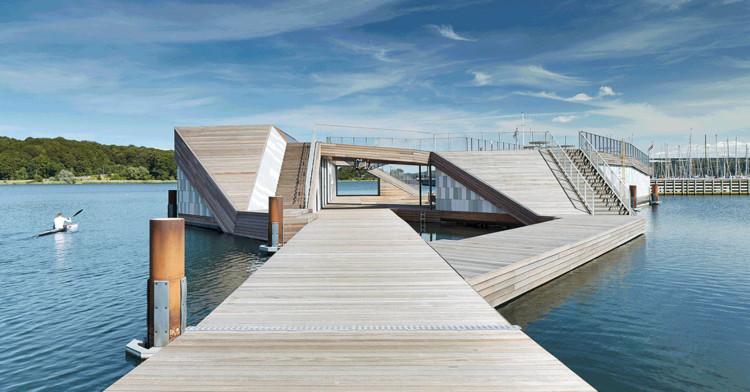
Building above water means doing away with a part of construction that is quite literally the basis of most of our built environment: the foundation. In a world dominated by water, currents, and shifting levels are variables that simply cannot be ignored, which is why the most emblematic feature these projects share is their adaptability.
Instead of robust, deep bases – such as piles or caissons – designed to anchor architecture into the earth, floating structures frequently employ solutions like concrete pontoons or plastic drums to prevent the building from sinking. These are typically paired with anchoring systems to "fix" the structures, even if only temporarily, to a specific location.
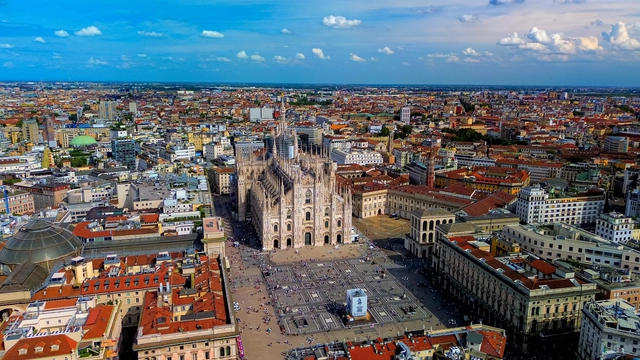
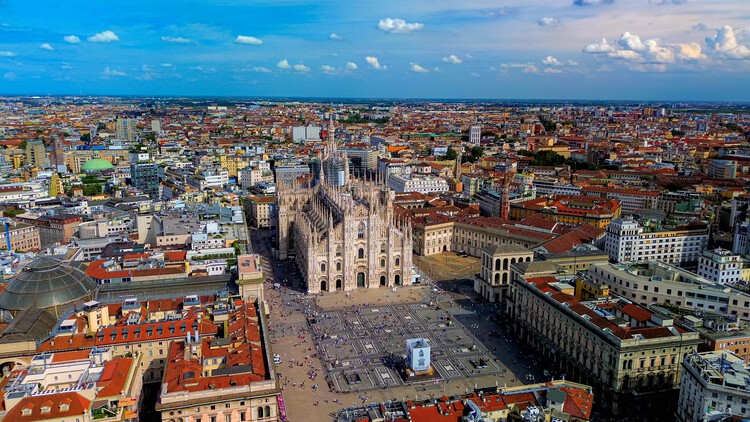
Milan, a global hub of fashion and finance, increasingly asserts itself as a leading center for architecture and design. Its status as Italy's second-largest city underpins its vibrant cultural scene, attracting both established and emerging creative talent. Additionally, Milan is home to esteemed educational institutions recognized for their focus on heritage preservation and conservation. Its cultural and design significance is increasingly pronounced, as a growing number of creators are relocating to establish their presence in this vibrant creative hub.
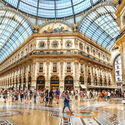
Among Milan's most iconic landmarks are the flamboyant Gothic Duomo di Milano, the historically and artistically significant Santa Maria delle Grazie, and the ornate Galleria Vittorio Emanuele II, along with numerous Renaissance and Baroque sites. The city also boasts some of the most innovative modern and contemporary architecture, showcasing a unique dialogue between tradition and modernity. This synergy is exemplified by the contributions of architects like Aldo Rossi,Gio Ponti,Stefano Boeri, Mario Cucinella, Zaha Hadid, Grafton Architects, Herzog & de Meuron, and Foster and Partners.
The following guide highlights key historical landmarks alongside exemplary contemporary architecture curated by ArchDaily. This guide serves as an indispensable resource for those planning to explore Milan during the 2026 Design Week, presenting a blend of essential sites designed by renowned local and international architects.
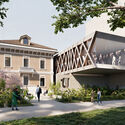
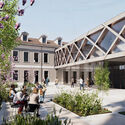
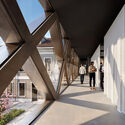
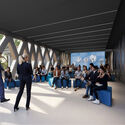
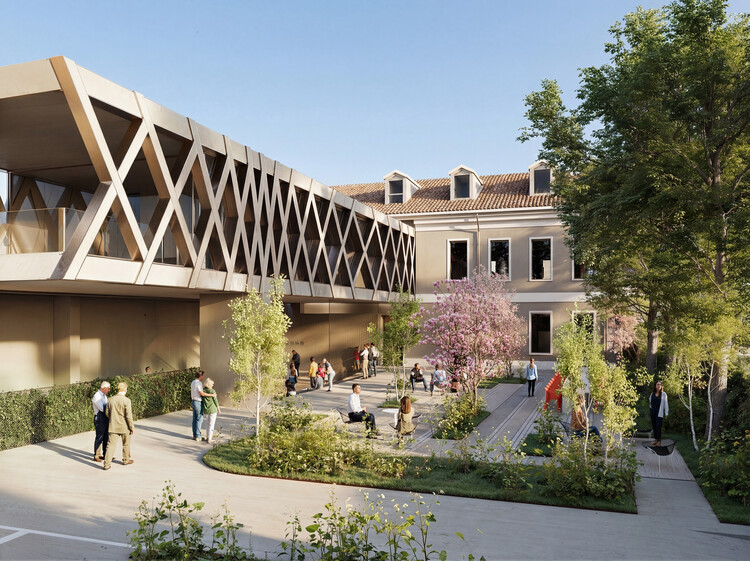
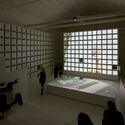
CRA–Carlo Ratti Associati has been selected to design the Buzzi Heritage cultural center in Casale Monferrato, Italy. The proposal introduces a 100-meter-long suspended truss that links two former educational buildings, consolidating archival, research, and cultural functions within a single structure. The project also marks the first real-world application of a patented structural system developed through research by Carlo Ratti Associati in partnership with Maestro Technologies. Positioned above a system of open spaces, the intervention reconfigures the site as a publicly accessible cultural complex while maintaining a clear distinction between built and landscaped areas.
A new museum dedicated to the science of carbon fiber opened in Fiorenzuola d'Arda, Italy, on December 17, 2025. The project dates back to 2021 and was designed by CRA–Carlo Ratti Associati in collaboration with the late Italian architect Italo Rota. Commissioned by MAE, a manufacturer of equipment for carbon fiber production, the project transforms one of the world's largest archives on carbon fiber into a dynamic museum, uniting research with archival preservation and turning the archive into a space for interactive exploration. The project is described by its designers as a "living museum," a place to read, inquire, and connect ideas.
One month remains until the Opening Ceremony of the Olympic Winter Games Milano Cortina 2026, with competitions set to run from February 4 to 22, 2026. The Opening Ceremony will take place on February 6 at the Milano San Siro Olympic Stadium and will bring together approximately 2,900 athletes from around the world competing across 16 sports, with 116 gold medals to be awarded. The Olympic Winter Games return to Italy twenty years after Torino 2006 and seventy years after Cortina 1956. This edition, however, adopts a markedly different approach, proposing a shift away from the traditional high-cost, high-waste model toward adaptive reuse, renewable energy, and long-term regional development. The most geographically dispersed Winter Games in history plan to rely on 92% existing or temporary venues, build on regions with established tourism industries, avoid major environmental disruption, and implement circular design and recycling strategies, the results of which will become evident in the coming months. The Milano Cortina 2026 Winter Paralympics will follow, taking place from March 6 to 15, 2026.
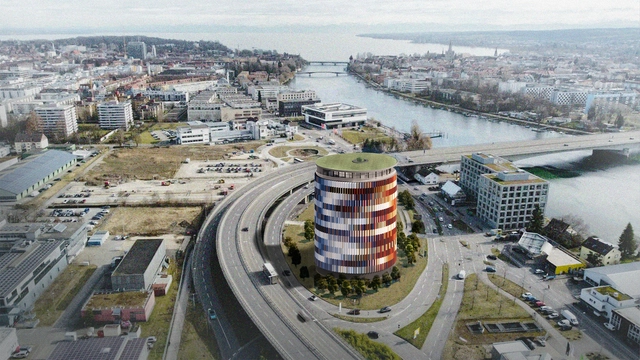
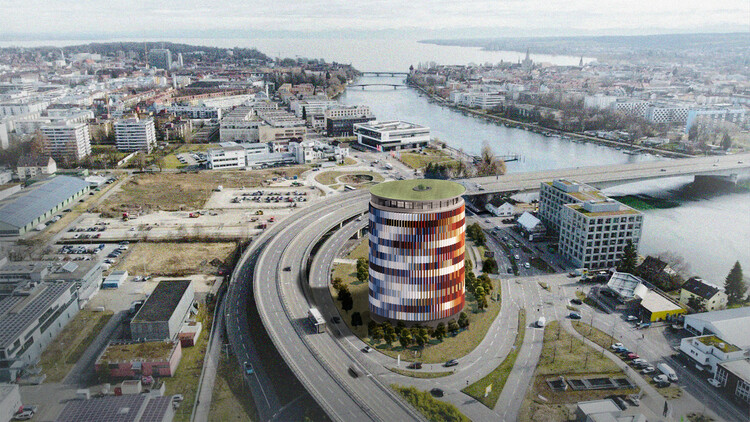
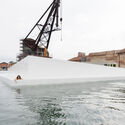
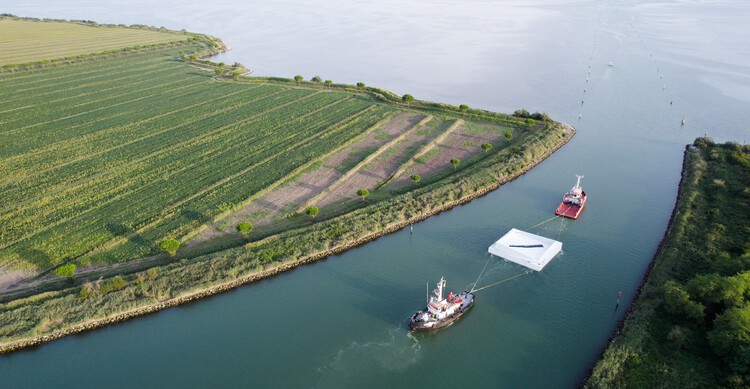
As the 19th Venice Architecture Biennale enters its concluding weeks, the global architecture scene continues to unveil significant projects and recognitions. This week's highlights include Studio Libeskind's residential complex in Prague; sauerbruch hutton's Panorama Constance exhibition building in Germany, and CRA–Carlo Ratti Associati's digitally fabricated bivouac for the upcoming Milano Cortina 2026 Winter Olympics. In New York, Venezuelan artist Miguel Braceli designed a major public artwork for the city's waterfront, addressing themes of migration, diversity, and the complexities of geopolitical identity. The week also brought recognition to sustainable and creative achievements, from the Holcim Foundation's regional awards for sustainable construction to the publication of Tadao Ando. Sketches, Drawings, and Architecture by Taschen, celebrating nearly five decades of the architect's design process.
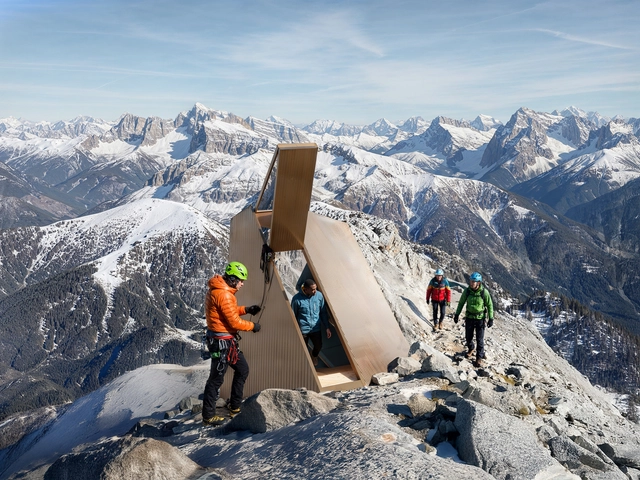
CRA–Carlo Ratti Associati, in collaboration with Salone del Mobile.Milano, recently unveiled the design of a digitally fabricated bivouac set to debut as an urban pavilion during the 2026 Winter Olympics in Milan. The digitally fabricated wooden structure is designed to be self-sufficient, incorporating systems for energy production and storage, as well as water harvesting through air condensation. After its debut at Milano Cortina 2026, the structure is planned to be airlifted by helicopter to its permanent high-altitude location in the Italian Alps, where it will serve as a refuge for mountaineers.
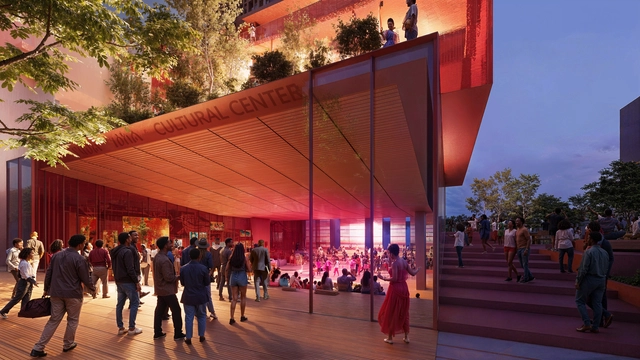
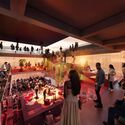
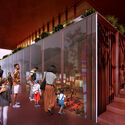
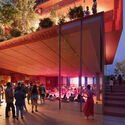
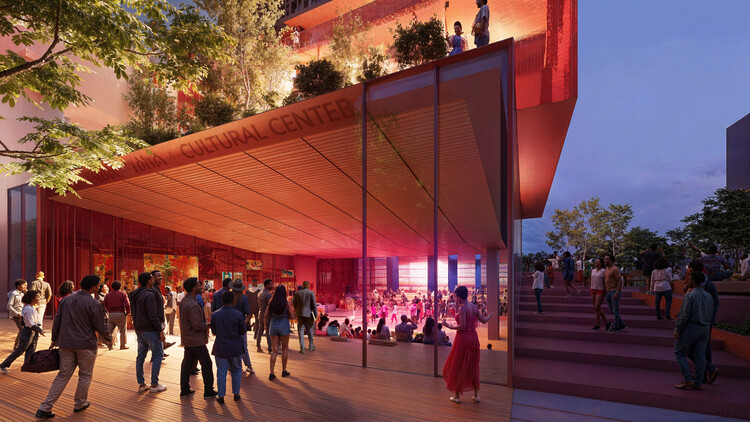
CRA-Carlo Ratti Associati has unveiled images of its design for a new cultural center in Addis Ababa, the capital of Ethiopia. The project is located in Kazanchis, a cultural, musical, and historic neighborhood currently undergoing transformation as part of a government-led urban renewal program focused on corridor development. This neighborhood was home to the traditional compound of the Fendika Cultural Center, a hub for Ethiopia's traditional and experimental arts, which was demolished on October 23, 2024, after the site was designated for redevelopment as part of the systematic clearing of the area. In recognition of Fendika's cultural significance, the Addis Ababa Municipality offered the institution the opportunity to remain on-site and rebuild in a way that aligned with the city's plans for the neighborhood. CRA's project responds to this context with an open stage and a four-story civic space.
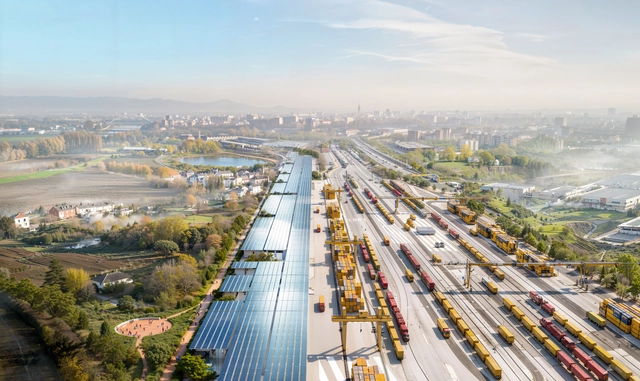
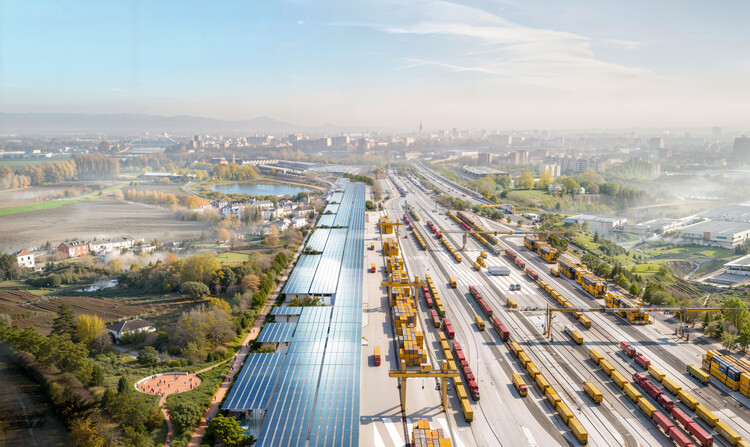
Alessandria Hub Aerial View. Image Courtesy of Carlo Ratti Associati
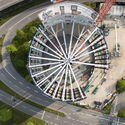
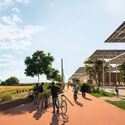
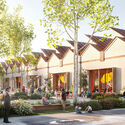
CRA-Carlo Ratti Associati, in collaboration with The Blossom Avenue Partners, has been announced as the winner of the international competition for the urban and architectural design of X-Change, a major multimodal logistics hub located on the site of a former railway yard in Alessandria, Italy. The project reimagines a traditionally introverted typology, rail distribution infrastructure by integrating logistics with energy production, ecological regeneration, and public life. Conceived as one of Southern Europe's largest intermodal hubs, X-Change is set to support Alessandria's evolving role as a backport to Genoa, leveraging future fast rail freight connections.
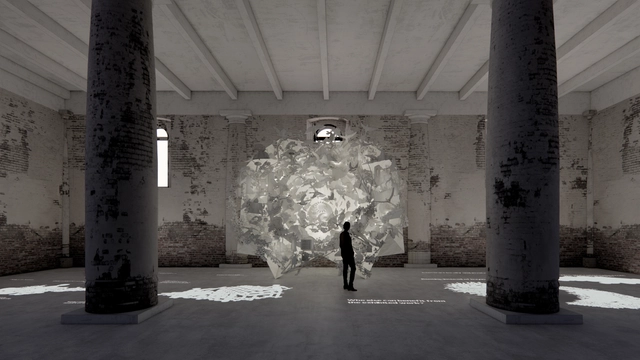
The Biennale promises to be a dynamic platform uniting over 750 participants from diverse backgrounds, including architects, engineers, mathematicians, climate scientists, and artists. Such a broad coalition of over 280 projects underlines the Exhibition's focus on inclusivity and interdisciplinary collaboration, an essential aspect for adaptation. The selection process proposed a bottom-up, open call approach through the Space for Ideas initiative, which ran between May and June 2024. It encouraged participation from global teams, from Pritzker Prize winners and Nobel laureates to emerging architects and scientists.
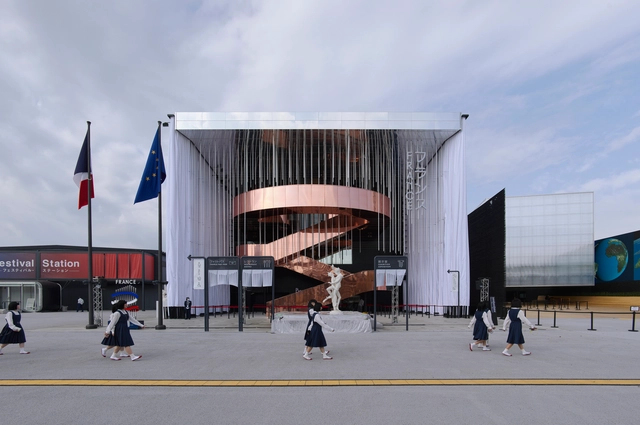
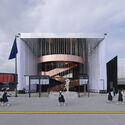
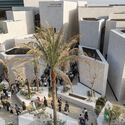
French architecture studio Coldefy and Italian architecture practice CRA-Carlo Ratti Associati have completed the 'Theatre of Life,' the project selected as France's national pavilion at Expo Osaka 2025, and welcomes visitors until 13 October. The pavilion welcomes both natural and artificial habitats, aiming to illustrate how design can connect human and non-human worlds while showcasing France's contribution to culture and the natural environment. In the exhibition, the visitors are invited to explore France's multiple ecosystems and rediscover a connection to nature.
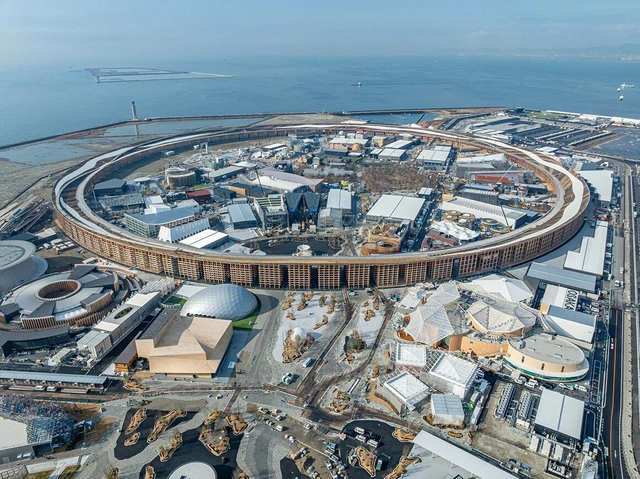
Expo 2025 Osaka has officially opened on April 13, 2025, at Yumeshima, Osaka. Under the overarching theme "Designing Future Society for Our Lives," the Expo set out to explore three pivotal subthemes: Saving Lives, Empowering Lives, and Connecting Lives. These themes aim to unite architectural and design enthusiasts by demonstrating how cutting-edge technology and innovative solutions can address global challenges, foster dialogue inspire collective action.