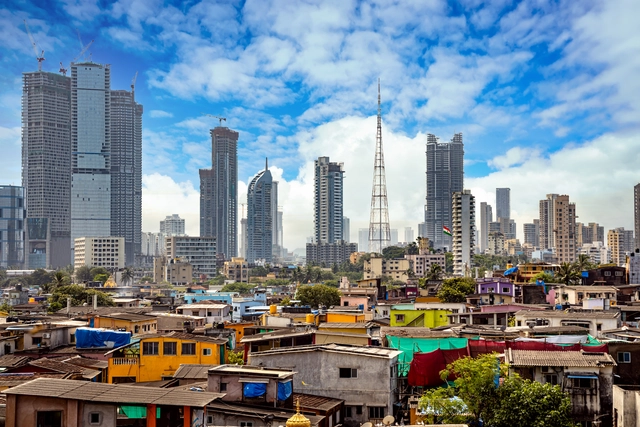
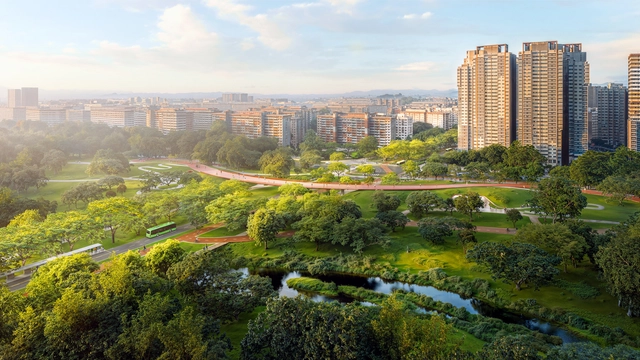
As a result of the nation’s ardent aspirations for growth and development, the social, economic, and physical landscape of India has transformed. A significant portion of the region’s population is of working age and comprises a massive market size, making India a land of opportunity especially in the eyes of foreign investors.
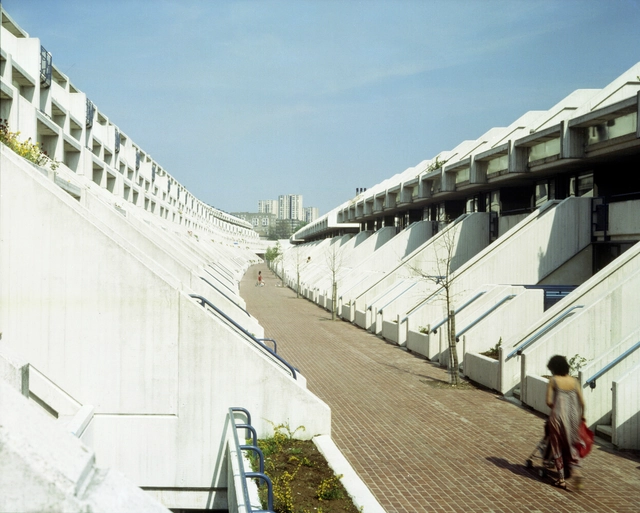
Reflecting this context, multiple mega-cities and mega-projects characterize the built environment and push the nation toward superpower status. On the flip side of the coin, these visionary projects along with the trend of rapid urbanization also bring in a range of side effects - the spread of informal settlements and in turn, the challenges to equitable development.
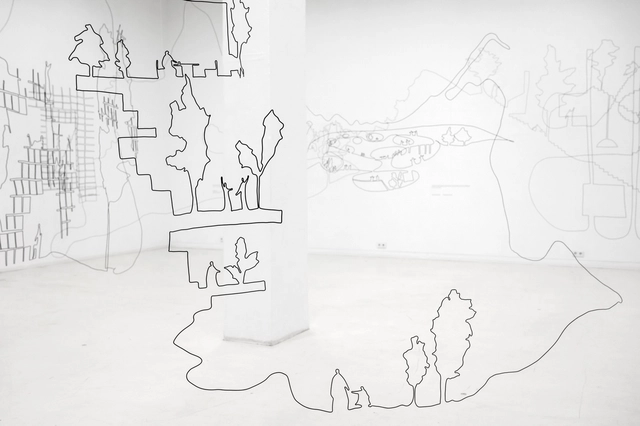
The Utzon Center in Denmark has announced the opening of “Primitive Future: Everything Is Circulating,” a solo exhibition dedicated to exploring the work of renowned Japanese architect Sou Fujimoto. Marking the first time his work is presented in Denmark, this exhibition offers a glimpse into Fujimoto’s vision, waving together the themes of nature and architecture. The exhibition's centerpiece is an expansive 500-meter-long steel wire installation that serves as a three-dimensional sketch, framing 12 of Fujimoto’s architectural projects.
The Design Educates Awards 2024 has just announced the winners of this year’s winners, celebrating projects that excel in addressing complex social and environmental challenges while carrying significant educational value. Held annually, the awards recognize projects that respond to social and environmental issues and promote sustainability, even if the educational impact is gradual. In fact, it aims to highlight projects that offer long-term value and address the complexities of modern life.
Over-providing traditionally implies offering more than is necessary, often carrying a negative connotation due to the potential for excess and waste. However, could there be scenarios within the built environment where over-providing proves advantageous? The question critically examines how overprovisioning might enhance a building's flexibility and adaptability to diverse and evolving conditions.
The underlying assumption of accurately providing what is needed for a building is that stakeholders—including owners, architects, and designers—can accurately predict and cater to a structure's current and future needs. This assumption, however, is challenging to realize, as societal, economic, and cultural shifts frequently occur in unpredictable ways. In this context, over-providing emerges as a counterintuitive yet potentially beneficial strategy. As buildings and structures inevitably transform, those designed with inherent adaptability reduce the need for costly renovations or complete rebuilds.
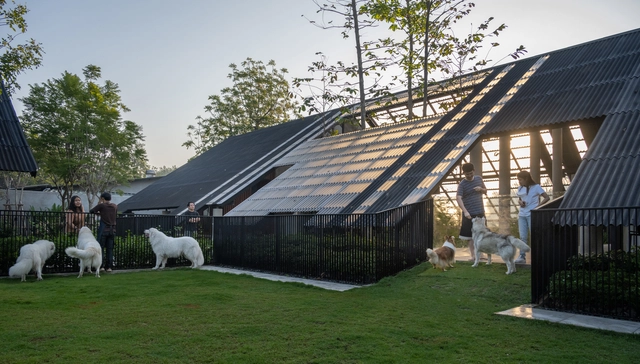
Are humans the only stewards of the built environment? For many architects and planners, spaces are designed with a focus on the needs, comfort, and health of humans. A spatial ordering, in constructed spaces and the urban fabric, designates humans as the default, singular user in this scenario. However, as much as humans have influenced the trajectory of the world, other species play a crucial role in designing, forming, and maintaining the urban landscapes of the twenty-first century.
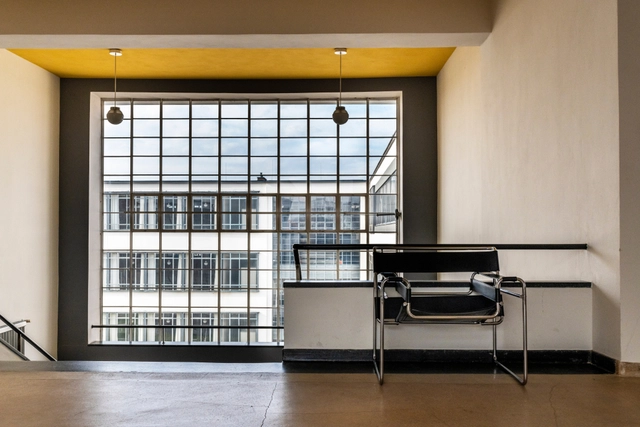
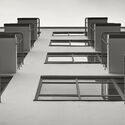
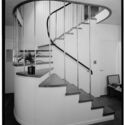
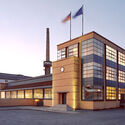
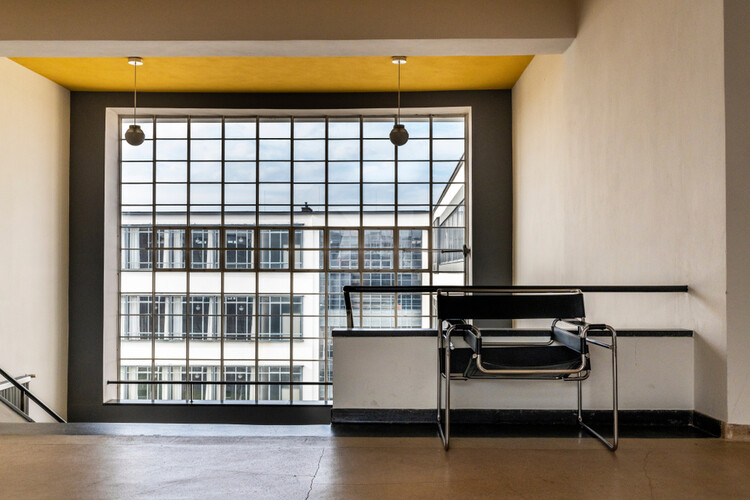
Bauhaus's designs have influenced our contemporary society in obvious and subtle ways. Iconic examples include Marcel Breuer’s Wassily Chair, the B55 Chair, the Bauhaus typeface, and the graphic design principles emphasizing clean lines, primary colors, and geometric shapes. However, the architectural construction details of the Bauhaus movement are much less discussed. While most can readily identify modern or Bauhaus buildings by their geometric forms, functionality, and industrial materials, their architectural details are often overlooked. They not only echo the design language of Breuer’s renowned furniture pieces but also have influenced the much-celebrated architectural glass details of Mies van der Rohe. How were Bauhaus's details executed, and how might they be translated into contemporary details today?
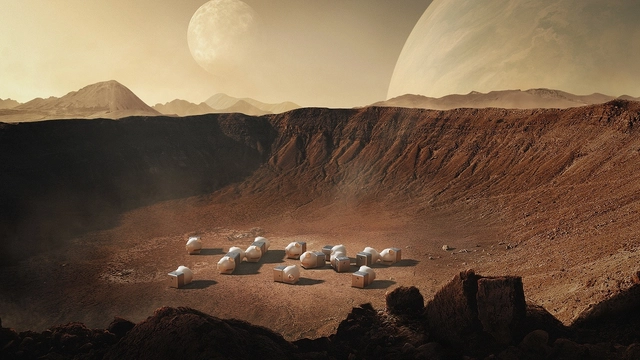
Space exploration isn’t merely a testament to human ambition or a quest for new territories and resources. Our ventures beyond Earth’s atmosphere are driven by a deeper purpose: to understand better our place in the cosmos and to pioneer innovations that can transform life on our home planet.
In Beirut, the Interdesign Building stands as a striking yet enigmatic structure. Never used since its conception in 1973, the building was designed by Lebanese architect Khalil Khouri and, in some ways, it represents a physical testament to the region’s hopes and struggles. During the inaugural edition of We Design Beirut, the exhibition “All Things Must(n't) Pass: A Subjective Recount Of Khalil Khouri’s Life And Career As A Designer” opened the building to the public, aiming to tell the story of its architect, Khalil Khouri, through the lens of his son and grandson, Bernard and Teymour Khoury. On this occasion, ArchDaily’s Editor in Chief, Christele Harrouk sat down with Bernard Khoury at his DW5 office to discuss the life of his father and a little-known chapter of Lebanese architectural history.
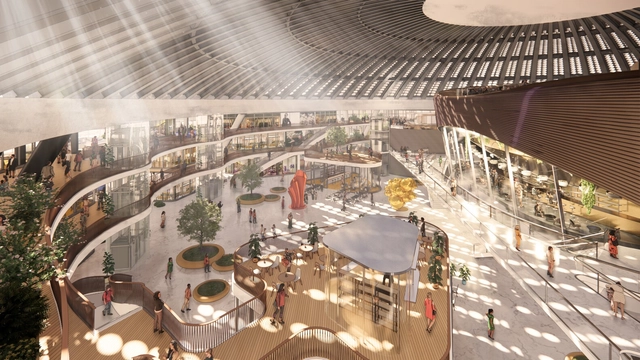
WilkinsonEyre has unveiled their proposal to revitalize the 1950s constructivist Belgrade Fair Hall 1, a landmark location overlooking the river Sava. The project is set to transform the exhibition hall into a mixed-use destination comprising three cultural venues and retail spaces, in addition to redesigning the waterfront park. WilkinsonEyre’s design incorporates light-touch interventions to the existing building, as it strives to respect and highlight the architectural qualities of the existing structure, such as the exposed concrete soffit or the unique shape of the building.
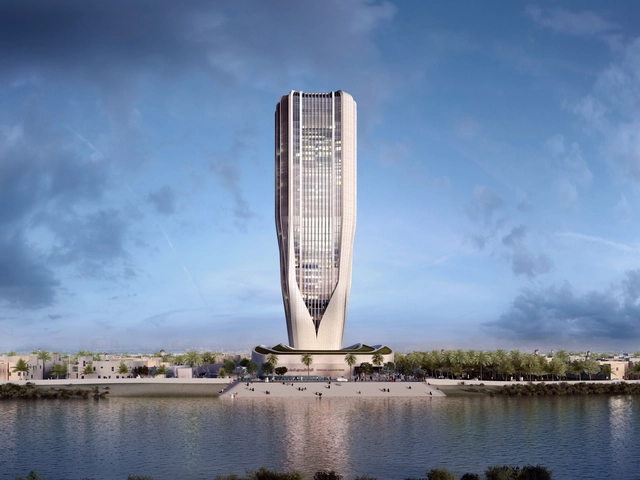
The Central Bank of Iraq (CBI) headquarters, designed by the UK-based Zaha Hadid Architects, is a new landmark on the banks of the Tigris River in Baghdad. Now the tallest building in the city, the 170-meter-tall skyscraper aims to echo the values of the institution: solidity, stability, and sustainability. Blending innovation with the rich heritage of Baghdad, her birthplace, Zaha Hadid’s vision for the Central Bank of Iraq headquarters stands as a tribute to the city's enduring legacy.
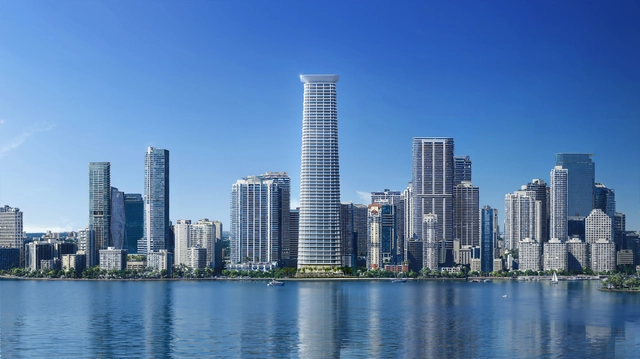
Foster + Partners has revealed the design of a new 54-story mixed-use tower to take shape in Miami. Set to become the new headquarters for the hedge fund Citadel, the tower is expected to feature 34 floors of office space and 212 hotel rooms on its upper levels, in addition to supporting retail spaces. In addition to Foster + Partners listed as the design architect, AAI Architects is the architect of record, and Field Operations is the landscape architect. The tower is expected to break ground in 2025, according to Citadel.
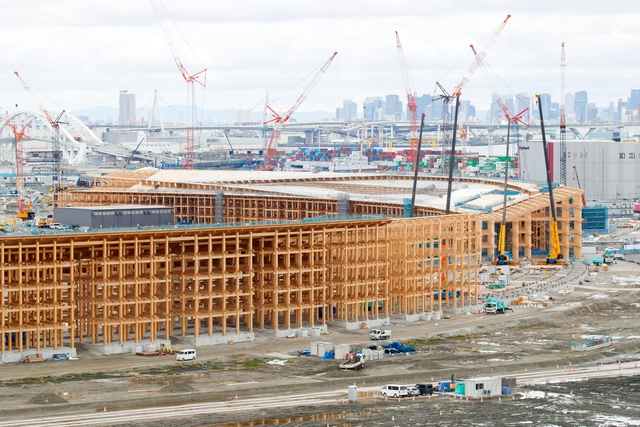
In preparation for Expo 2025 Osaka, Kansai, Japan, The "Grand Ring," designed by renowned architect Sou Fujimoto, has reached a significant milestone. As of August 2024, the wooden construction of this structure is now complete, fully connecting the 2-kilometer ring into a continuous loop. This achievement is a crucial step in the development of the Expo site on Yumeshima, an artificial island on Osaka's waterfront, where the Expo will take place from April 13 to October 13, 2025.
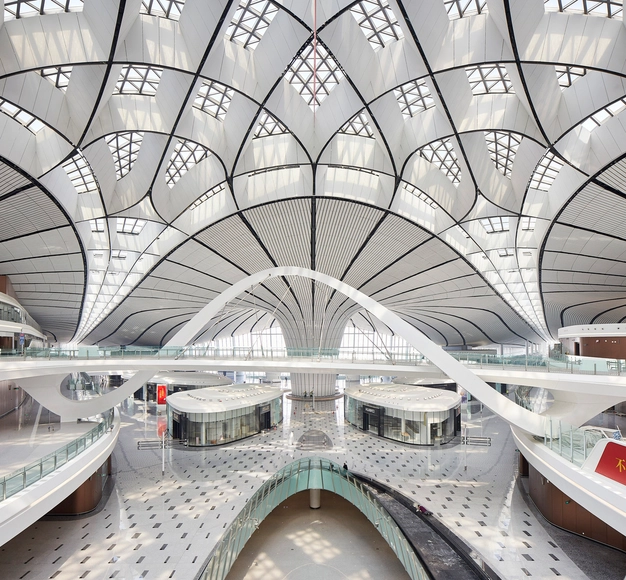
Modern airports have increasingly become symbols of architectural innovation, moving beyond their primary function as transportation hubs to become significant landmarks. A prominent trend in contemporary airport design is the use of curved forms to create fluid, dynamic spaces that enhance both functionality and visual impact. These curves, made possible by advancements in construction technology, allow for more flexible and expansive interiors, as well as designs that can better integrate with natural landscapes and improve passenger circulation and experience.
The team led by Henning Larsen, in collaboration with Ramboll, Cistri, Gehl, Participate in Design, and Camphora has won the commission for the master plan consultancy to design Singapore’s North-South Corridor’s surface streets. The project proposes an expansive urban transformation, aiming to integrate public transport, active mobility, community-focused spaces, and greenery along the 21.5km corridor. Local communities and stakeholders are also actively engaged in the design process through public engagement sessions. The initial master plan design is set to continue into 2026, over the next 18 months.
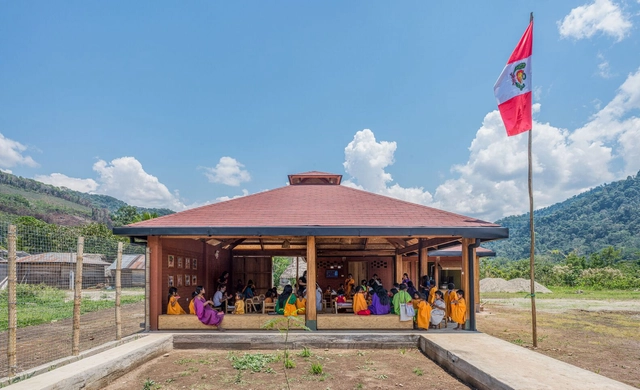
How is it possible to open educational spaces to the outdoors, and what are the appropriate conditions for their development? What bioclimatic strategies can be implemented to contribute to environmental comfort and the cultural preservation of communities? By conceiving outdoor learning spaces and blurring the boundaries between indoors and outdoors, the educational infrastructures projected by the Semillas association in the Peruvian jungle invite reflection on the opportunities for gathering, meeting, and community participation among students, families, and local residents. Linked to the site's uses and customs, this conception of space represents a way of living where the implementation of bioclimatic strategies, along with the use of local materials and construction techniques, come together to create an architecture connected to its environment and history.
Anyone who walks during the summer in a city like Boston knows that a significant amount of time is spent charting routes with shade. But I can’t use that as my only excuse for being off-task. Honestly, I’m distracted. The swirling headlines of the U.S. presidential election, an unprecedented UN climate conference looming, and the phrase “decade of decisive action” weighs heavy on my shoulders. While it’s easy to get caught up in current events, those of us with solutions must stay focused.
A perhaps helpful Japanese phrase to call upon is “kotsu kotsu,” essentially meaning to slow down and focus on the task at hand, and do it well. Temperatures are soaring, people are suffering. As a recent UN COP letter stated, “time lost is lives, livelihoods, and the planet lost.” Cooling our cities and communities is more important than ever.