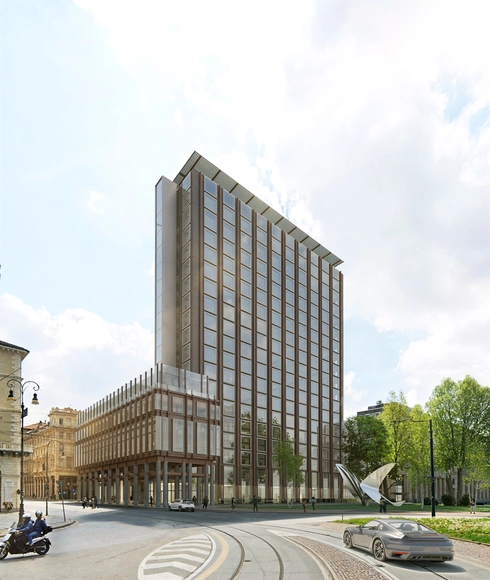
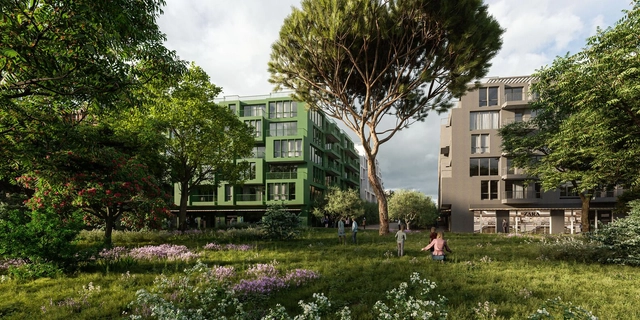
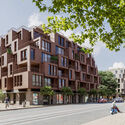
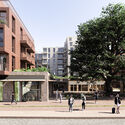
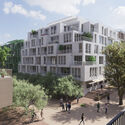
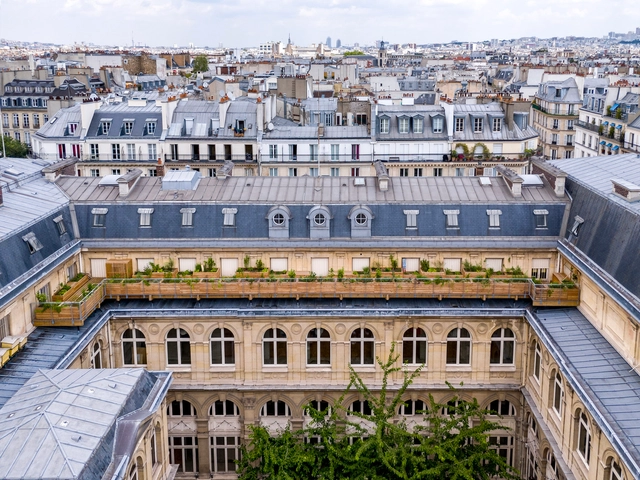
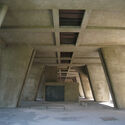
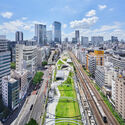
CRA-Carlo Ratti Associati, in partnership with real estate group IPI, has revealed plans to transform the iconic modernist Palazzo Micca in Turin, Italy. Originally the headquarters of RAI, Italy's national broadcaster, the 19-story building will undergo a comprehensive adaptive reuse project. A significant feature of the redesign is the creation of an elevated public plaza at 26.5 meters, offering views of Turin's Baroque rooftops, the surrounding hills, and the Alps. The project also integrates sustainable design principles by converting parts of the office spaces into residential units and reusing existing materials.
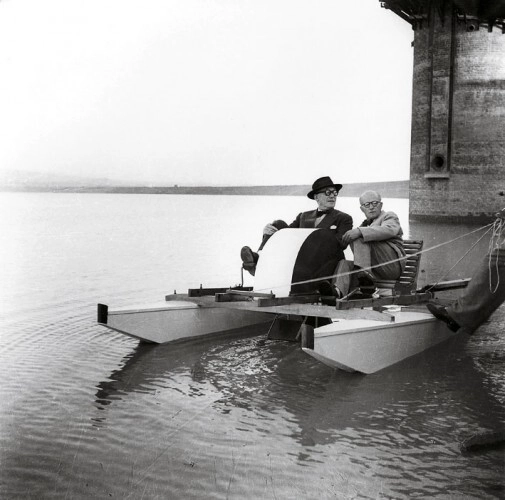
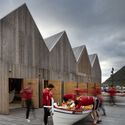
The relationship between architecture and naval design has been a fascinating interplay of form and function that has evolved significantly. Both disciplines have a shared history of innovation, aesthetics, and functionality that have informed and inspired each other. This "love affair" has seen architects drawing inspiration from boats, particularly in the modernist era when ships' streamlined, efficient designs influenced the aesthetic of buildings. Conversely, architectural principles have also been adapted to enhance the functionality and form of boats, demonstrating a reciprocal exchange that continues to shape both disciplines.
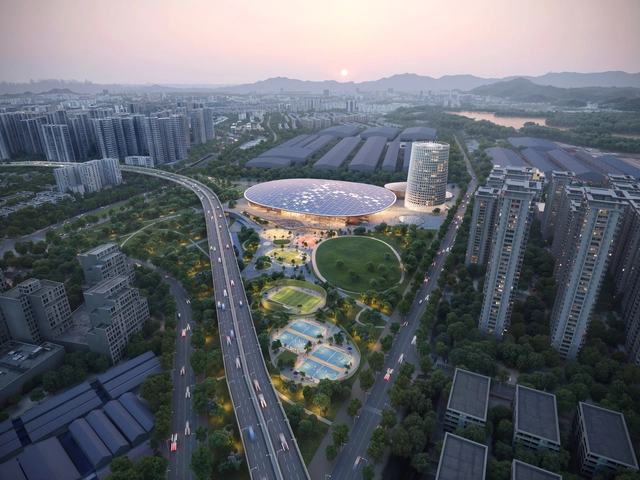
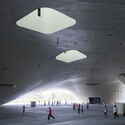
MVRDV, in collaboration with Huayi Design, has been awarded the design contract for the Shenzhen Pingshan Sports Park in eastern Shenzhen, China. The sports park will feature a wide range of facilities, including an arena for badminton and other competitive sports, the new Chinese National Badminton Training Centre, and a National Fitness Centre, alongside various amenities for public use. Central to the project is the inclusion of 100 badminton courts, which also inspired the architectural design, particularly exemplified by the 240-meter-long roof shaped like a badminton racket head.
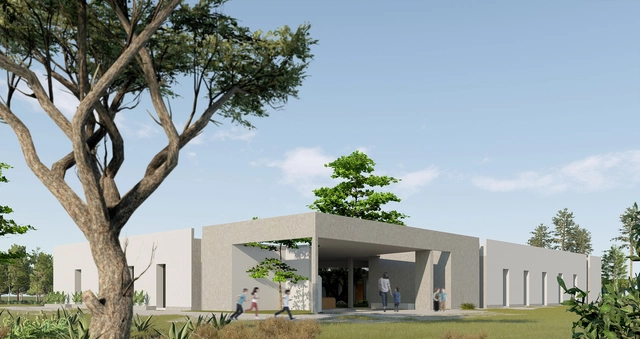
The India Autism Center (IAC), situated in Sirakole, West Bengal, represents a new perspective in accessible design and inclusivity. Designed to meet the specific needs of individuals with autism spectrum disorder (ASD) and related conditions, the center embodies a comprehensive approach to neurodiverse living. Developed by Practice Design, an architectural firm based in Mumbai and Kolkata, the 52-acre project is expected to be completed by 2030. It aims to create a supportive community where individuals with autism can realize their full potential through a variety of tailored services.
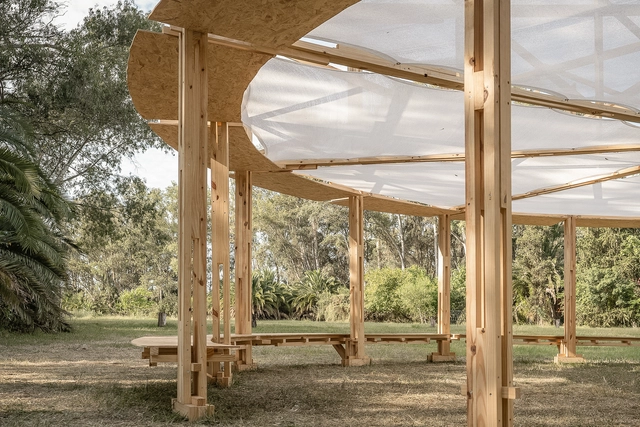
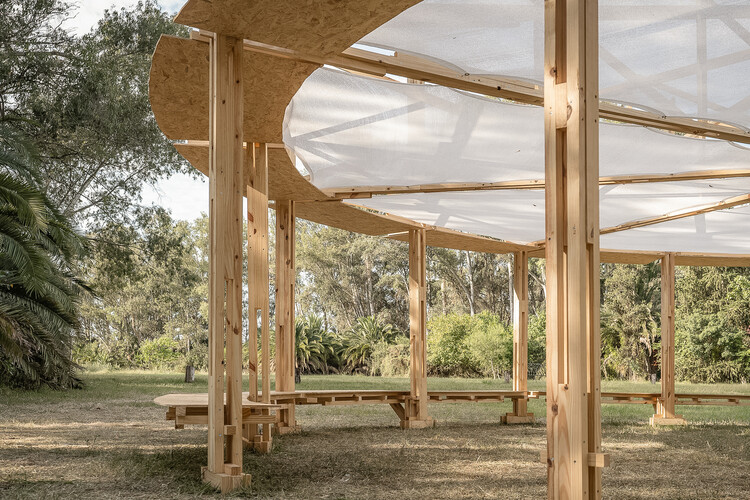
Carpa Itinerante / Fabrizio Pugliese + Gabriel Huarte. Image Cortesía de Fabrizio Pugliese + Gabriel Huarte
Spanning over 20 million square kilometers and featuring nearly all the climates of the world, the Latin American region is home to endemic biological wealth and geographical diversity that ranges from some of the most significant rivers in the world to the mountain range of the Andes, the Amazon rainforests, the plains of Patagonia, the coasts of the Caribbean Sea, and more. In light of a collective effort involving local communities and new generations, the construction of installations and structures in these natural environments is aimed not only at meeting functional needs but also at educational, research, and environmental conservation purposes.
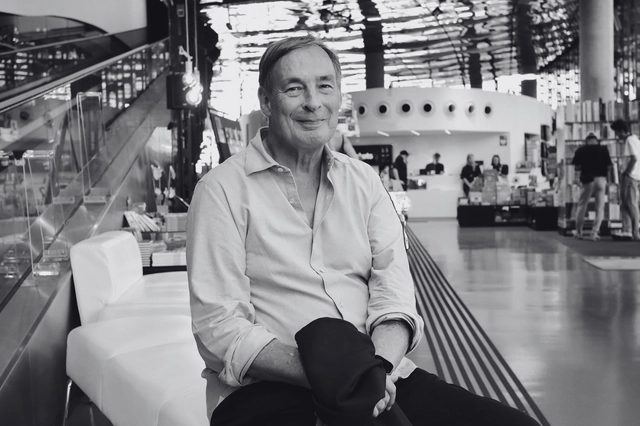
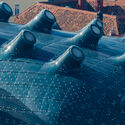
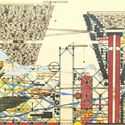
British architect and planner Colin Fournier, co-founder of conceptual architecture studio Archigram and Professor of Architecture and Urbanism at the Bartlett School of Architecture, has passed away at the age of 79. Fournier was best known for his co-design of the Kunsthaus Graz in Austria, also known as the "Friendly Alien." This project, completed together with Sir Peter Cook, is celebrated as one of the most distinctive cultural landmarks of its time. For his contributions to this work, Fournier was awarded Austria's Goldener Ehrenzeichen medal in 2005, a recognition of his impact on the architectural landscape.
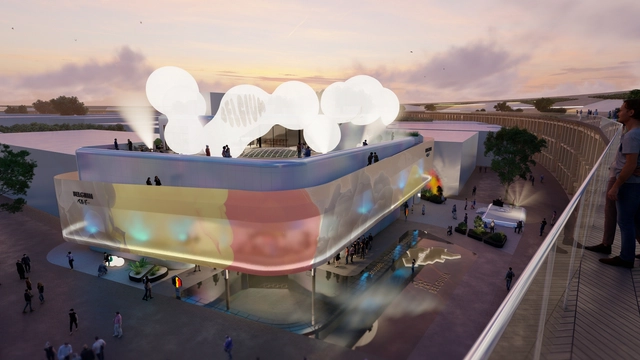
The Belgian Pavilion for Expo 2025 Osaka, designed by the winning consortium of Carré 7, Beyond Limits, One Designs, Pirnay, and Poly-Tech, embraces the Expo's overarching theme, "Designing the Society of the Future, Imagining Our Life of Tomorrow." With a focus on "Saving Lives," the pavilion' explores the universal significance of water and its vital role in creating and sustaining life. By highlighting water's interconnectedness with all living beings through the metaphor of cells, the pavilion aims to reflect humanity's relationship with the environment and the importance of preserving it for future generations.
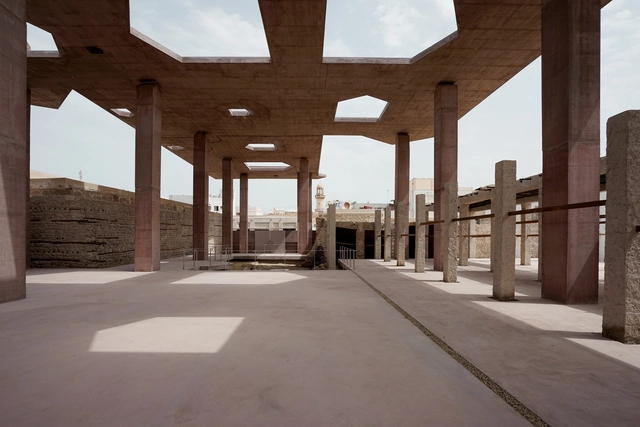
Contemporary architecture in UNESCO World Heritage contexts presents a unique challenge: revitalizing historically significant sites while adhering to strict preservation guidelines. From urban centers to natural landscapes and intangible cultural traditions, these projects demonstrate the delicate balance between innovation and heritage conservation. Whether working in a mega city, a protected landscape, or a culturally rich rural area, architects are tasked with reimagining these spaces without compromising their historical value. Each project offers a fresh perspective on how heritage sites can evolve and remain relevant in modern times.
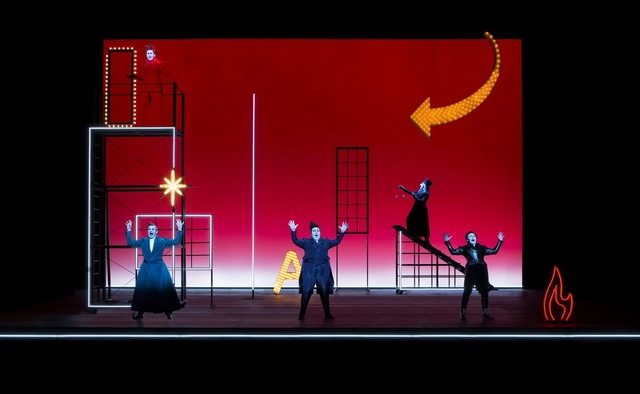
Robert Wilson embodies the roles of director, set designer, scenographer, lighting designer, and architect in a single figure. Internationally celebrated as a pioneer of stage lighting and honored with numerous prestigious awards, including the Golden Lion of the Venice Biennale and the Praemium Imperiale, Wilson, now in his eighties, continues to travel the world, staging remarkable productions. His use of light and color is marked by precision and minimalism, creating scenes that skillfully oscillate between stillness and drama. During rehearsals at the Düsseldorf Schauspielhaus, he elaborates on the interplay between stage and architecture, his creative process, and the profound impact of light on darkness.
Vernacular construction technologies are based on centuries of practical wisdom, refined through countless trials and errors. This process eliminates all irrelevant aspects, creating highly efficient and simple systems that are intrinsically adapted to the local climate and resources. These methods demonstrate how to conserve heat with minimal energy, offering valuable insights for modern buildings, promoting energy efficiency, and environmental harmony. In this article, we have already covered traditional passive cooling techniques, such as Persian wind towers and Arab mashrabiya. Now, we turn our focus to strategies applicable to cold climates, exploring effective solutions for heat retention and space heating.
Following the devastating earthquake that hit central Turkiye and northwest Syria in February 2023, the province of Hatay, Türkiye, was left with large sections of its urban fabric destroyed and thousands of residents displaced. Türkiye Design Council has commissioned design studio SOUR to contribute to the regeneration initiative as part of a wider design-led revitalization process.
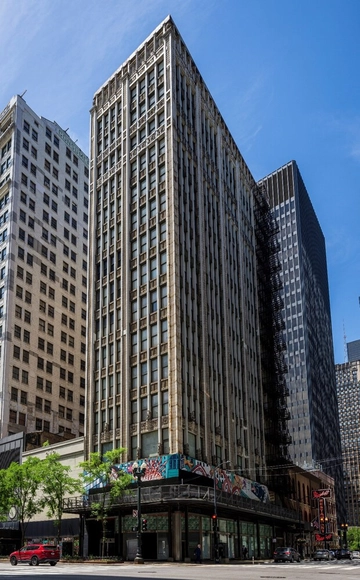
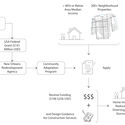
In a significant win for historic preservation, two landmark Chicagoskyscrapers, the Century and Consumers Buildings, have been saved from demolition. These iconic structures, located on State Street, were initially set for destruction due to security concerns, given their proximity to the Dirksen U.S. Courthouse. However, after extensive advocacy and public pressure, the U.S. General Services Administration (GSA) has shifted toward an adaptive reuse plan, ensuring the preservation of these architectural landmarks.
It's that time of year again: students and their families are busy preparing for the start of school, while some of us are gearing up to step in front of the classroom. While preparing to teach an intro course on climate, I'm reminded of why we use the term climate change and not global warming.
Yes, the Earth is warming from a thickening layer of greenhouse gases in the atmosphere caused by us. But climate changes range from sea level rise to increasing storms, floods, fires, and drought, which are all negatively impacting biodiversity as well. So, not just warming. Recent storms that battered the eastern U.S. coast and Bermuda remind us of this difference. While some communities face extreme heat, others brace for storms and rising waters, and many face multiple impacts.
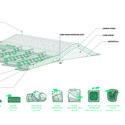
As record-breaking temperatures sweep across European cities, practitioners have recognized that existing infrastructure is poorly equipped to address the impacts of climate change. In response to this concern Roofscapes, a startup emerging from the MIT School of Architecture and Planning, has developed innovative solutions to amplify urban climate resilience. Their approach focuses on the strategic adaptation of underutilized spaces such as rooftops. By tackling the immediate challenges posed by extreme heat, the startup's work epitomizes how architectural innovation can directly contribute to addressing climate adaptation needs in cities. The company was recognized as one of ArchDaily's 2024 Best New Practices for their innovative approach to tackling urban issues such as affordability, lack of biodiversity, rising urban temperatures and repurposing.
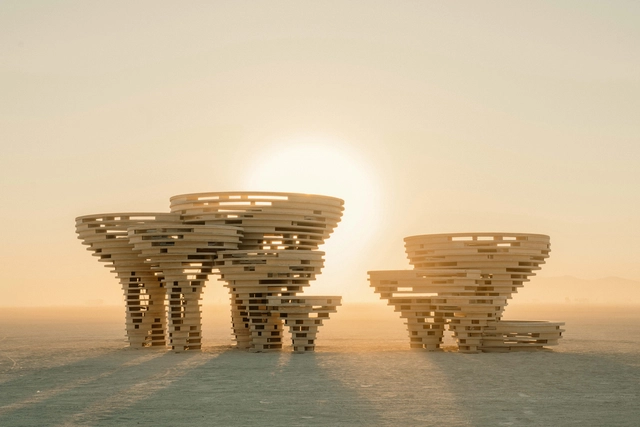
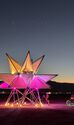
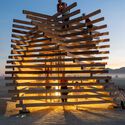
Known for its unconventional art installations and striking desert setting, the Burning Man festival has concluded this year with an array of temporary installations spread across the Black RockDesert in Nevada. The festival's 2024 theme, "Curiouser & Curiouser," inspired by Lewis Carroll's Alice in Wonderland, encouraged participants to embrace wonder and whimsy.
At Burning Man, a tapestry of themes emerges through diverse installations, from reflections on connectivity and isolation to explorations of time and space. Installations like Nebula Shroom Grove and the Temple of Together emphasize community and unity, inviting interaction and participation. Pieces like "I'm Fine" and Tree Circle delve into universal emotions and humanity's connection to the infinite, while works like Matter Out of Time and The End of Time play with perceptions of time and reality.
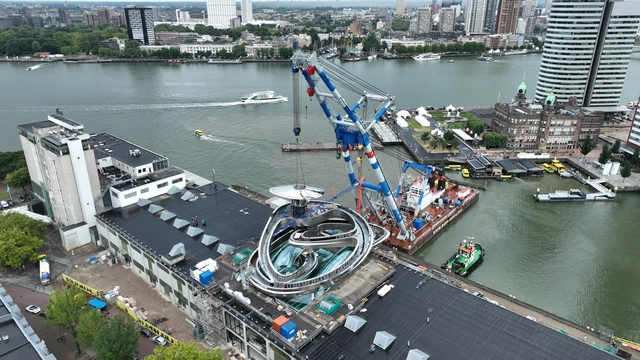
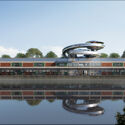
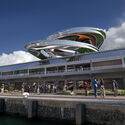
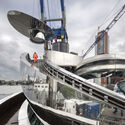
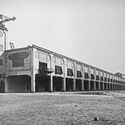
Designed by MAD Architects, the FENIX Museum of Migration is scheduled to open in Rotterdam's City Harbor in 2025. Currently under construction, the museum is set to explore the global narrative of migration through art, architecture, photography, and history. Situated in a 16,000-square-meter warehouse built in 1923, once part of the world's largest warehouse, the building has historical significance as a key storage and shipping hub for the Holland America Line. New construction photographs showcase the assembly of the metallic helix, named The Tornado, taking shape above the historical warehouse.
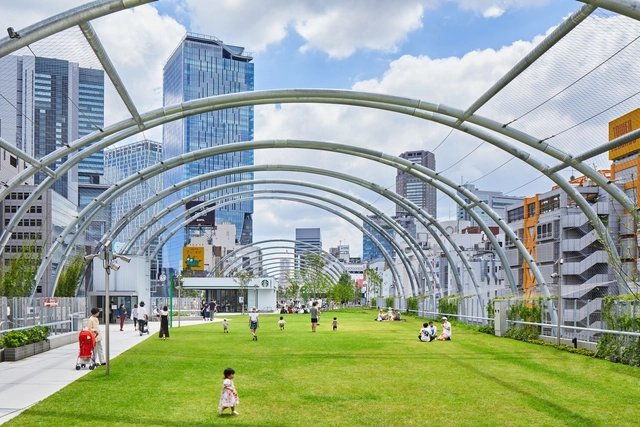
With escalating land values in urban centers, there has been a growing trend to float public spaces from ground level to elevated locations, such as rooftops or podiums between buildings. From a development perspective, maximizing floor area has become crucial as urban environments expand. Ground-level spaces are highly sought after for retail use due to their strategic location, which attracts foot traffic and potential customers and drives city development and economics.
This financial consideration, which often guides building activities and directions in urban centers, contradicts design principles advocated during the modernist era for the benefits of better outdoor space for the public, such as the concept of 'Freeing the Ground'. Architects like Le Corbusier championed this concept through projects like Villa Savoye and Unite d' Habitation. These modernist designs envisioned a future where buildings were elevated to restore open, accessible outdoor ground-level spaces for its users. However, for the reasons above, many contemporary projects instead seek to replicate the function of public grounds within the building's structure.
Large-scale infrastructure projects often aim to connect distant locations within urban areas, facilitating quicker transportation, logistics, and commercial activities along their routes. However, while these projects link distant destinations, their substantial physical presence can significantly affect local communities. This may result in the disconnection and disengagement of previously connected neighborhoods, the disruption of public spaces, and generally negative outdoor experiences caused by noise, pollution, and lack of attention and maintenance to these infrastructures.
Nevertheless, several successful built environment projects have re-integrated contentious infrastructure into the community through thoughtful design of outdoor spaces, with Paris' Coulée verte René-Dumont being one of the first examples and New York's High Line being one of the most prominent examples. The High Line demonstrates how well-conceived outdoor projects can address the alienation caused by extensive infrastructure, foster community reconnection, serve as cultural and economic hubs, and even spur further economic redevelopment, as in Hudson Yards.