Videos
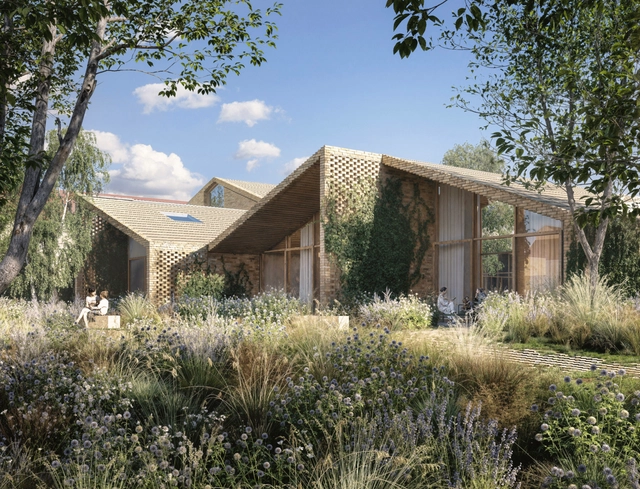
1st Prize Winner: Our Light. Image Courtesy of Buildner
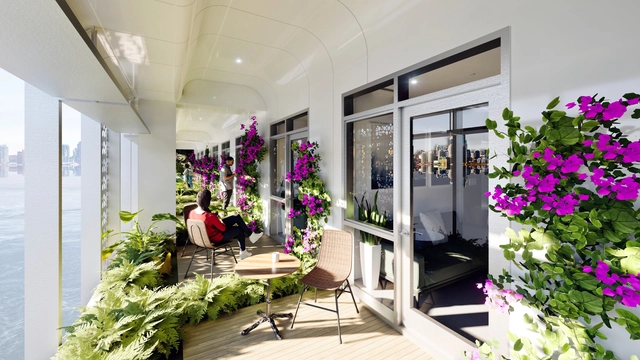
Buildner has announced the results of its fourth annual Hospice - Home for the Terminally Ill international architecture ideas competition. This global call for ideas continues to explore how architecture can support end-of-life care with empathy, dignity, and contextual sensitivity. The competition invited architects and designers to move beyond clinical requirements and envision spaces that offer emotional warmth, social connection, and a profound sense of place.
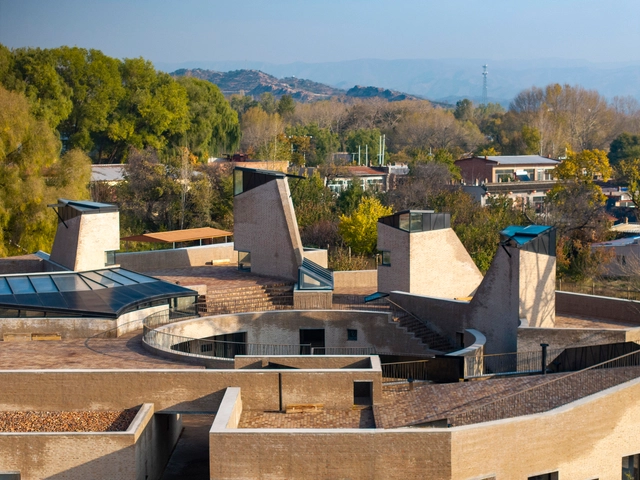
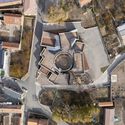
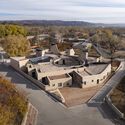
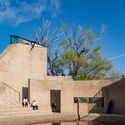
In recognizing this project, the award jury praised its ability to intervene in a sensitive yet rational manner, using design to foster inclusivity, resilience, sustainability, and overall well-being. The design achieves these goals by rejecting rigid functional zoning. Instead, a permeable circular courtyard integrates diverse community activities, organizing circulation and connecting multiple open rooms into a cohesive whole.
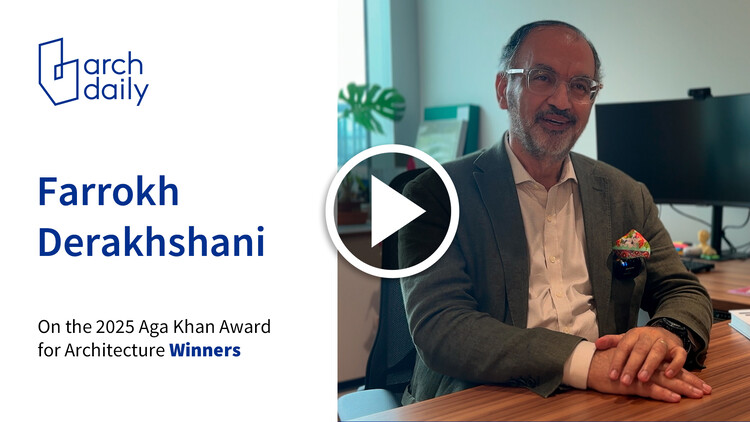
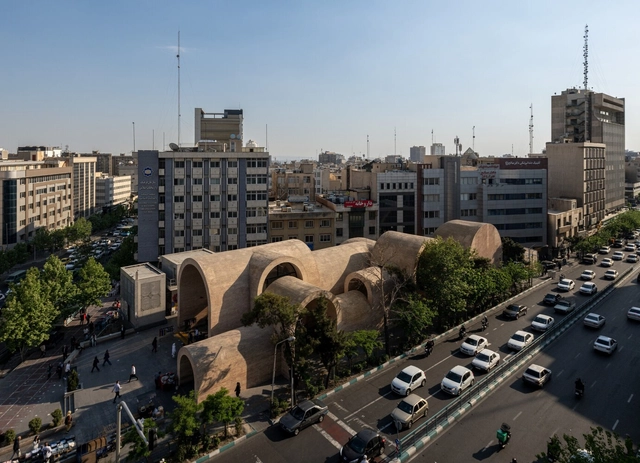
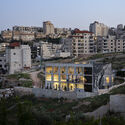
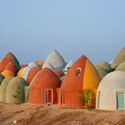
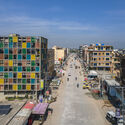
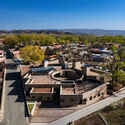
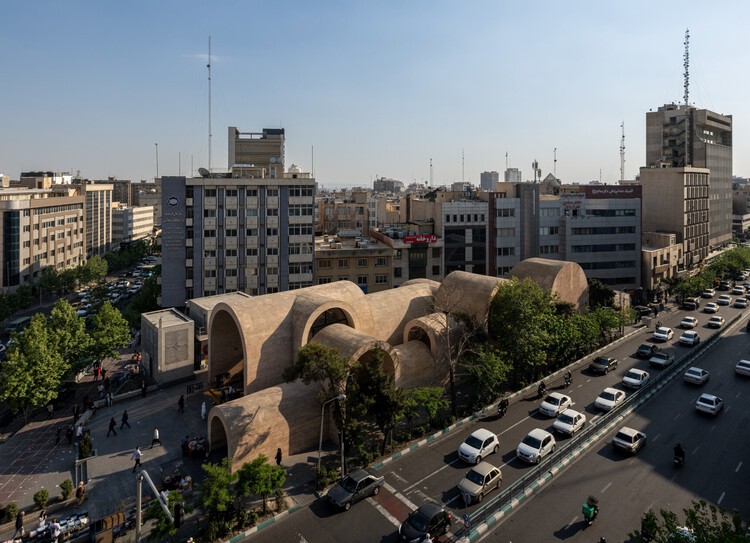
Today, September 2, the seven winners of the 16th Cycle (2023–2025) of the Aga Khan Award for Architecture were announced, following on-site reviews of the 19 shortlisted projects revealed in June. Established in 1977, the Award seeks to identify and encourage building concepts that respond to the physical, social, and economic needs of communities with a significant Muslim presence, while also addressing their cultural aspirations. To understand the vision behind this cycle's winners, ArchDaily's Editor-in-Chief, Christele Harrouk, spoke with Farrokh Derakhshani, who has been with the award for over four decades. He described the initiative as "a curated message to the world," a message that evolves with the times.
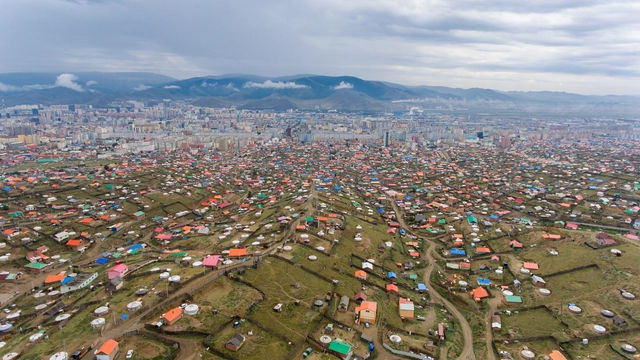
Mongolia, the world's second-largest landlocked country, spans 1.5 million square kilometers. Yet, over 50% of its population—approximately 1.7 million people—reside in Ulaanbaatar, a city that occupies just 0.3% of the nation's total land area. This disproportionate population concentration has led to significant regional development imbalances and mounting urban challenges in the capital.
In response to these issues, Ulaanbaatar has undergone a series of comprehensive urban development initiatives. Since the first master plan was introduced in 1954, six such plans have been created. The latest, the Ulaanbaatar 2040 Master Plan, includes a strategic vision to decentralize urban growth through the development of two new satellite cities—one of which is the Hunnu City project.
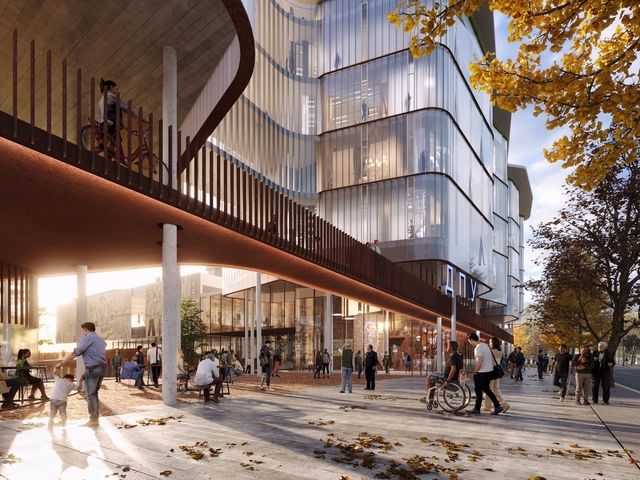
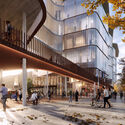
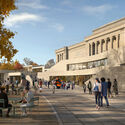
Campus sidewalk. Render. Image Courtesy of stantec
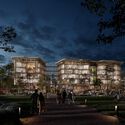
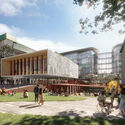
Stantec, an architecture, engineering, and environmental consulting firm, has been selected as the winner of an international competition organized by the State Tax University (STU) to redesign its Main Campus building. The building was partially destroyed in 2022 during the early stages of the war. The international call for redesign proposals was launched in November 2024, free of charge and "open to all design bureaus, architectural firms, and individual architects from every corner of the globe." The goal of the competition was to develop a 21st-century educational building described as a "progressive and comfortable place for learning, research, and student leisure based on innovative educational standards," as stated in the competition announcement.
ArchDaily is seeking a freelance copywriter with expertise in architecture and a sharp marketing instinct to help us tell our story—clearly, confidently, and creatively. This role offers an exciting opportunity for someone to contribute strategically to our brand's voice and messaging, shaping how we connect with architects and the wider audience. This is not a full-time editorial role with high volume demands but an on-demand collaboration, ideal for someone with strong writing skills who comprehends architecture yet thinks like a brand strategist, storyteller, and marketer.
https://www.archdaily.com/1030491/call-for-freelance-architecture-copywriterArchDaily Team
Videos
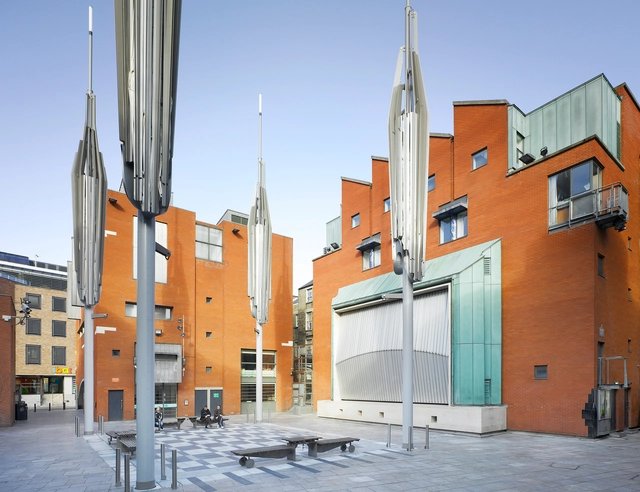
Meeting House Square, Temple Bar. Image Courtesy of Sean Harrington Architects
The veteran Irish architecture critic Shane O'Toole once remarked that when traveling in Europe in the 1970s, "The universal comment was is there modern architecture in Ireland? Now, in less than 50 years, we've gone to a Pritzker Prize and two RIBA Royal Gold Medallists in five years." He attributes this change in perception to a design competition that launched the careers of several of Ireland's award-winning architects of today. This was the Temple Bar Framework Plan competition of 1991 in the center of Dublin, the capital of Ireland, which was won by a group of architects still in their 30s, running under the name of Group 91.
In a world flooded with millions of new products and designs each year, identifying and sharing those that truly stand out isn't just important—it's essential. That's the motivation behind the A' Design Awards, a platform dedicated to recognizing and celebrating outstanding designs and meticulously crafted products. The outcome? Shining a global spotlight on their work, boosting international visibility, and inspiring the next wave of design innovation that not only pushes the boundaries of creativity but also benefits and advances society. Amidst this vast sea of talent, the award elevates extraordinary designs to the surface.
https://www.archdaily.com/1026319/the-countdown-is-on-a-design-awards-and-competition-last-call-for-entriesEnrique Tovar
Sankt Lukas Hospice & Lukashuset. Image Courtesy of BIG
Bjarke Ingels Group has just won the competition to design the new Sankt Lukas Hospice and Lukashuset, an 8,500 m² palliative care center envisioned as a village surrounded by nature. Rooted in the history of the Sankt Lukas Foundation, which dates back to the 1930s, the project will expand Denmark's palliative care facilities, tripling current capacity to accommodate around 2,100 patients annually.
Architecture competitions have long been a means for nations to shape their identity, cultural landscapes, and built environment. They provide a platform for international architects to contribute to national projects, often reflecting broader ambitions of modernization and global recognition. In 1976, Bahrain launched potentially the first major architectural competition—a call for designs for a National Cultural Centre, bringing some of the world's leading architects into the Gulf's emerging architectural discourse. Though the winning design by Timo Penttilä was never built, the competition remains a key moment in Bahrain's history, illustrating the challenges of translating external visions into local realities.
In the world of architecture, competitions often serve as platforms for creativity, experimentation, and problem-solving. For Daniel Rojas, Founding Partner of Wandrian Studios, winning the 2023-2024 MICROHOME competition, sponsored by Buildner and Kingspan, was a transformative moment. His project, Urban Residential Pods, addresses the global housing crisis by reimagining vacant office spaces as compact, sustainable homes.
Rojas' design strikes a balance between innovation, functionality, and sustainability, offering a glimpse into how architecture can address some of today's most pressing challenges. As the next edition of the competition approaches, Rojas shares insights into his winning project and offers advice to future participants.
Visit the MICROHOME competition site for details in the open 2025 edition and to register before the deadline on February 13.
486 Moby. Image Courtesy of Finland’s New Museum of Architecture and Design
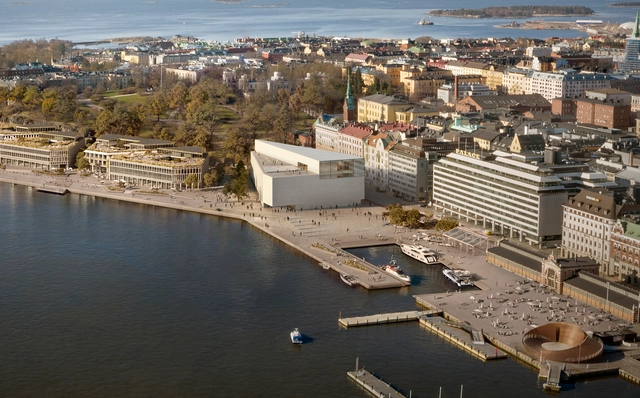
The Finnish Museum of Architecture and Design Foundation, in partnership with the Real Estate Company ADM, has unveiled the five designs shortlisted for the international competition aimed at offering Helsinki a new venue highlighting architecture history and design. This new museum, to be located in the historic South Harbour, has received global interest, with 624 anonymized submissions reviewed since September 2024. This announcement marks the completion of the competition's first phase, as all successful entries will advance to a second stage, receiving a financial award to refine their concepts.
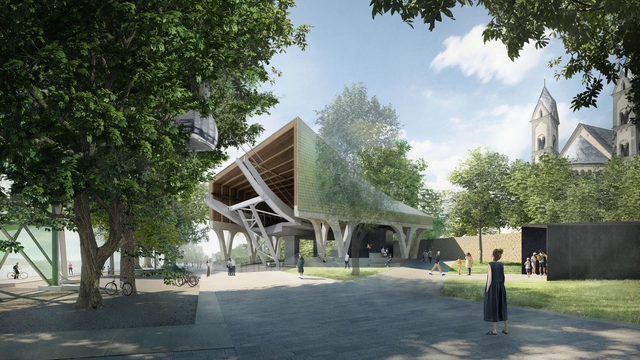
Snøhetta has won an international competition for the design of the new stations for the city cable car in Koblenz, Germany. Given that the location is within the UNESCO World Heritage Site of the Upper Middle Rhine Valley, the project necessitates a sensitive and respectful approach to the historical context. The proposed stations are designed as contemporary architectural statements that harmonize with the existing heritage, blending into their surroundings.
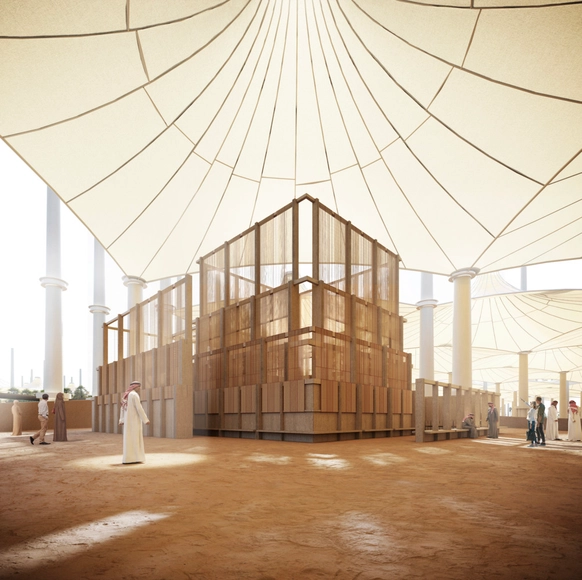
The Diriyah Biennale Foundation has announced Lebanon-based EAST Architecture Studio, in collaboration with artist Rayyane Tabet and engineering firm AKT II, as the winners of the inaugural AlMusalla Prize, a significant new architectural competition launched as part of the Islamic Arts Biennale. Their winning design, a modular structure inspired by regional weaving traditions, uses sustainable materials derived from local date palm waste, including palm fronds and fibers. After the four-month Biennale, the Musalla will be dismantled and reassembled at a new location.
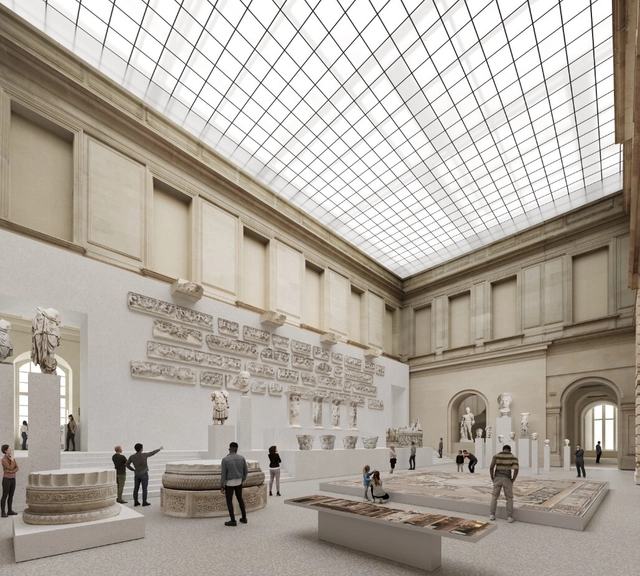
The Louvre Museum in Paris has announced the American-French consortium WHY Architecture -BGC as the winner of an international competition for the exhibition design of the museum's ninth department, dedicated to Byzantine and Eastern Christian Art. The 5,500-square-meter project aims to offer a more balanced and connected narrative of the Roman, Byzantine, and Islamic civilizations, fostering a greater understanding of the influences and relationships between artistic expressions of these historical regions. The spaces are expected to open to the public in 2027.