Produce personalized presentation boards that distill complex concepts into simple visual representations with a few helpful tools and effects.


Produce personalized presentation boards that distill complex concepts into simple visual representations with a few helpful tools and effects.

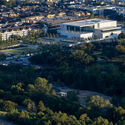
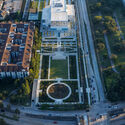
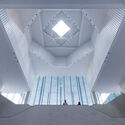
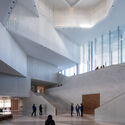
The history of the Olympic Games, while marked by athletic achievement, is consistently contrasted by infrastructure challenges. Across host cities, from Athens to Rio and Beijing, similar issues arise: significant cost overruns and the complex issue of legacy. The big question is: What is the best viable long-term use for purpose-built sport venues? Montreal's 1976 Games shared this fate after building an Olympic Park that faced heavy criticism for cost overruns and debt from specialized construction. Post-Games, venues like the Montreal Velodrome risked becoming a financial burden. However, the city demonstrated a proactive response by proposing the transformation of the building into a thriving civic asset that now stands as an internationally recognized example of successful Olympic venue repurposing.

Architecture is being reshaped by artificial intelligence, climate change, and shifting social structures. At SCI-Arc, students learn to face these challenges head-on, using design to shape a rapidly changing world.
This fall, SCI-Arc's upper-level Vertical Studios bring the world into the studio. Each is led by a practicing architect working at the forefront of the field—from experimental fabrication to urban and environmental design. Drawing on real projects and professional experience, faculty challenge students to engage with the realities of the present and to design with precision, empathy, and imagination.
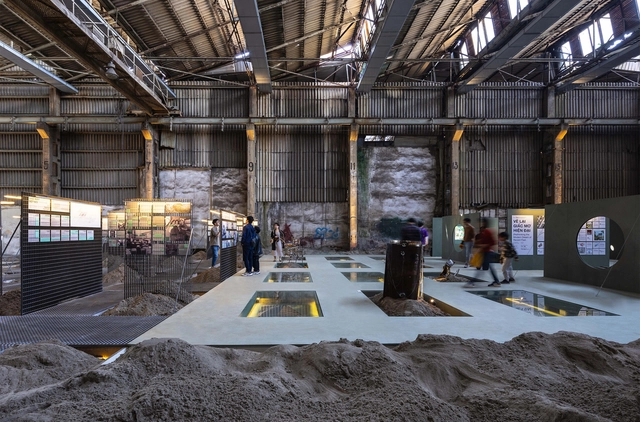
Behind layers of plaster, paint, and finishes lies an intricate network of pipes, electrical conduits, beams, and other structural elements that make a building function and stand, yet remain invisible to the everyday eye. Within these layers, traces of different periods accumulate: replaced systems, improvised adaptations, and technical solutions that once responded to specific contexts and urgencies. In adaptive reuse, the greatest challenge often begins before construction even starts, which is understanding what lies within when little or no reliable documentation exists. During a renovation, pleasant or unpleasant surprises are inevitable. The unexpected is part of the process, but it also represents cost, delay, and risk factors that often discourage investors and professionals from engaging in this type of project.

Buildner has announced the results of its Portugal Vez River SPA international competition.
This international competition invited architects to design a boutique wellness retreat along the serene banks of the Vez River in northern Portugal. The project challenged participants to propose a space of tranquility and renewal that would harmonize with its extraordinary natural setting and complement a restored historic watermill already on site. The project partner, the site landowner, plans to construct one of the winning entries.

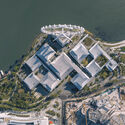
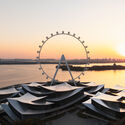
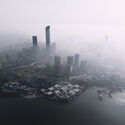
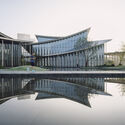
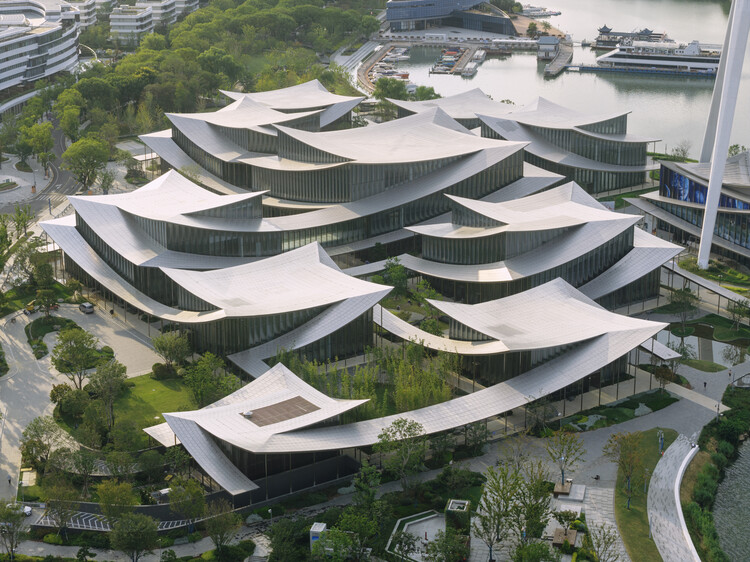
The Suzhou Museum of Contemporary Art (Suzhou MoCA), designed by BIG – Bjarke Ingels Group, is nearing completion along the Jinji Lake waterfront in Suzhou, China. Conceived as a cluster of twelve pavilions beneath a continuous, ribbon-like roof, the 60,000-square-meter complex reinterprets the traditional garden architecture that has long defined Suzhou's urban and cultural identity. Commissioned by the Suzhou Harmony Development Group and developed in collaboration with ARTS Group and Front Inc., the project is expected to open officially in 2026. The museum will debut with "Materialism," an exhibition curated by BIG that traces a material journey from stone to recyclate.
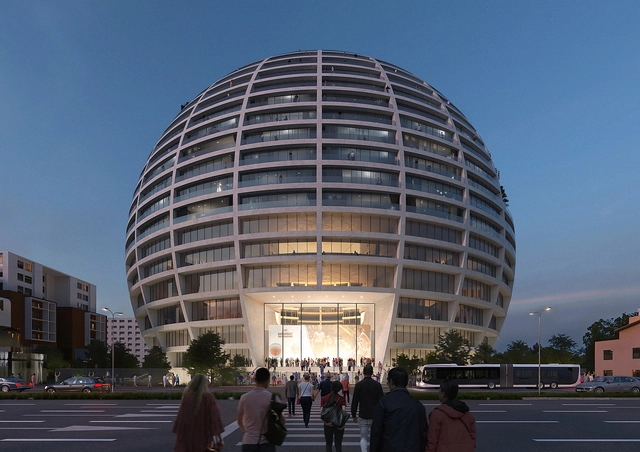
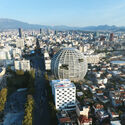
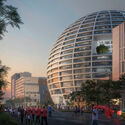
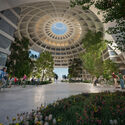
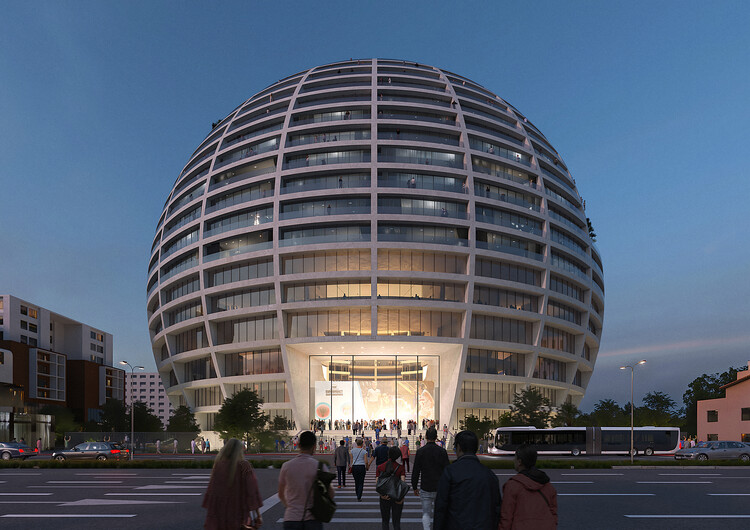
Tirana, the capital of Albania, is experiencing a rapid transformation driven by the long-term urban strategy outlined in the Tirana 2030 (TR030) Master Plan. Developed in 2017 by Stefano Boeri Architetti, UNLAB, and IND [Inter.National.Design] through a competition organized by the Ministry of Urban Development, the plan's objectives include increasing urban density, improving public infrastructure, and integrating green spaces and open areas into the urban fabric. It is in this dynamic setting that MVRDV has won the international competition for Tirana's new Asllan Rusi Sports Palace. Conceived as a mixed-use development, the project, named The Grand Ballroom, combines a 6,000-seat arena for basketball and volleyball with residential apartments, a hotel, and ground-level retail. With its spherical form exceeding 100 metres in diameter, the design adds a distinctive landmark to Tirana's growing collection of ambitious architectural projects.
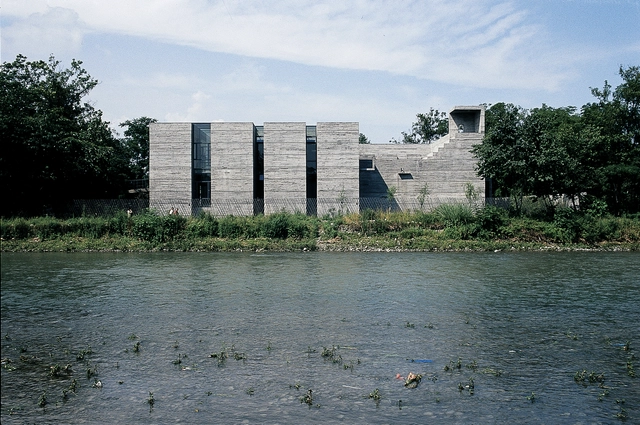
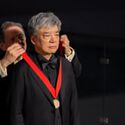
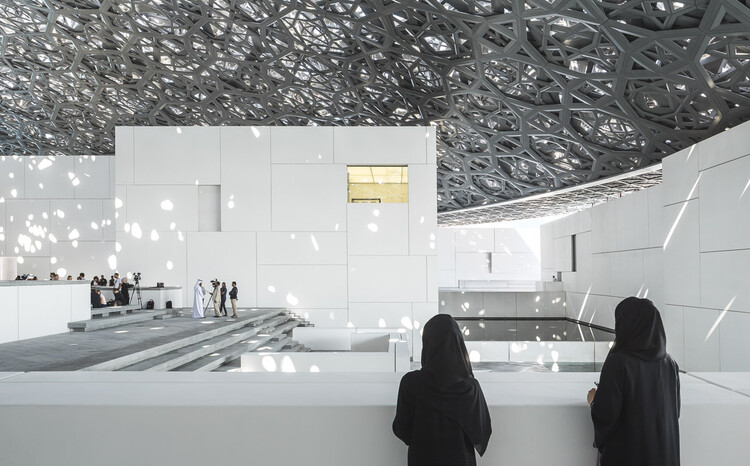
The Pritzker Architecture Prize has released a special video honoring Liu Jiakun, the 54th Laureate of the award. Filmed at the Louvre Abu Dhabi, the ceremony celebrates Liu's architectural vision, characterized by a deep engagement with civic life, cultural continuity, and the human condition. The film captures moments from the event and offers insight into Liu's broader practice, emphasizing architecture's capacity to reconcile tradition and modernity while addressing social and environmental challenges. The release of the ceremony video marks the culmination of the 47th edition of the Pritzker Architecture Prize. The 2026 Laureate will be announced in March, continuing the award's legacy of recognizing architects whose work advances the discipline and its role in shaping human experience.

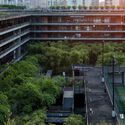
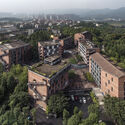
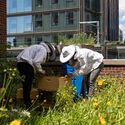
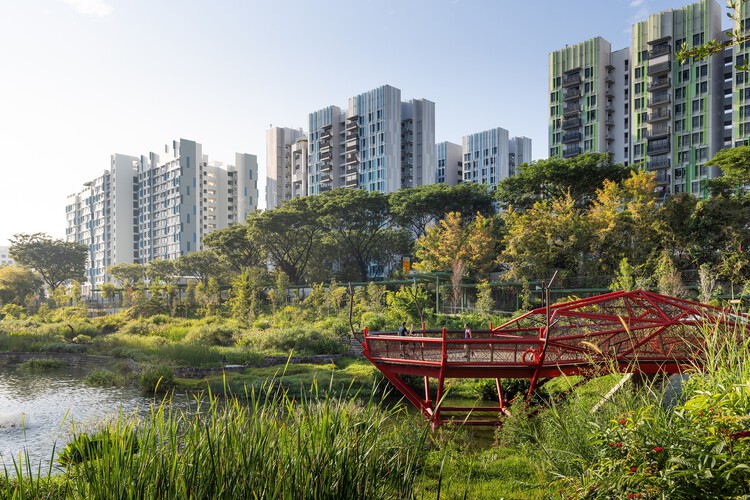
Biodiversity, defined by the World Wide Fund for Nature (WWF) as the different kinds of life found in an area, is in a state of crisis all across the world, with declines in the numbers of organisms and many species declared as at risk of extinction. All types are affected, from plants and fungi to large mammals, and there is a clear link to human activity being the cause. Although farming methods and climate change due to greenhouse gases play a major role, cities and buildings can play a small but important role in countering this decline.

Water is the foundation of life. It shapes landscapes, regulates climates, and sustains every living organism. Yet on the only known inhabited planet, this essential resource faces a growing crisis: although 70% of Earth's surface is covered by water, less than 1% is actually available for human use. Most of it is consumed by agriculture and industry, while in households, activities like bathing and flushing use vast amounts of drinking water for non-essential purposes. The bathroom, therefore, has become a key space for innovation, where technology and design can help redefine how we use and reuse this vital element.

What happens when a city’s industrial past becomes the raw material for its future? In Copenhagen, Nordhavn transforms the old harbor into a living laboratory of sustainable urbanism, where warehouses and docks give way to independent districts, small islands, and canals that redefine what it means to inhabit the city.

The practice of combining materials to achieve better performance has accompanied humanity since the earliest constructions. One of the first known examples emerged over five thousand years ago, when civilizations in Mesopotamia and Egypt mixed mud and straw to mold sun-dried adobe bricks. Light and fibrous, straw prevented cracking and increased strength, while mud acted as a binder and protection. This simple yet ingenious invention can be considered the first composite in history, illustrating the ancestral intuition that distinct materials, when combined, can become something stronger and better.

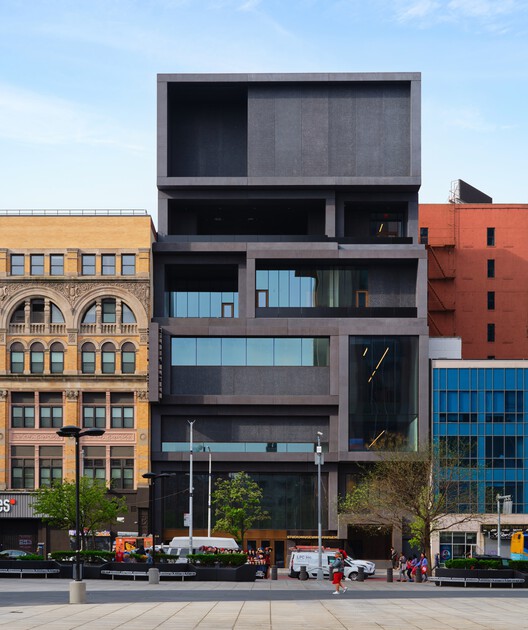
The Studio Museum in Harlem is preparing to open its new purpose-built home to the public on November 15 with a Community Day celebration. Designed by Adjaye Associates in collaboration with Cooper Robertson, the seven-story, 82,000-square-foot building is located on West 125th Street in Harlem, New York City. Serving as a major institution dedicated to artists of African descent, the museum's new facility marks the first structure in its fifty-seven-year history conceived specifically for its mission. The opening signals a new chapter for the museum's engagement with art, education, and the local community through expanded spatial and programmatic capacities.

About a month after the closing of Expo 2025 Osaka, the designs and constructions presented at the world's fair remain as a legacy. While the Bahrain Pavilion, designed by Lina Ghotmeh Architecture, drew particular attention this year for receiving double recognition, it was one among many awarded projects. During the awards ceremony held on the penultimate night of the event, a total of 45 awards were presented among 165 participating countries. The Official Participant Awards are granted according to pavilion size and type, recognizing excellence in Architecture and Landscape (for self-built pavilions only), External Design (for module pavilions only), Exhibition Design, Theme Development, and Sustainability. The recipients were selected by an international jury of nine experts who visited all national and thematic pavilions during two evaluation sessions in May and October 2025. The following overview presents all 45 pavilions distinguished in the five categories of the Official Participant Awards.
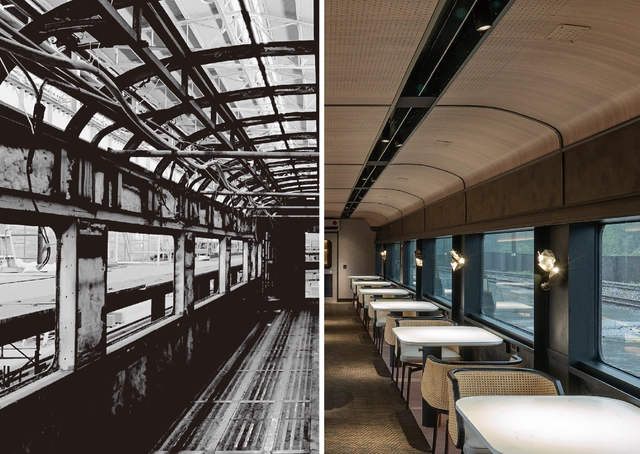
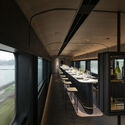
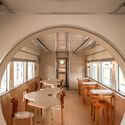
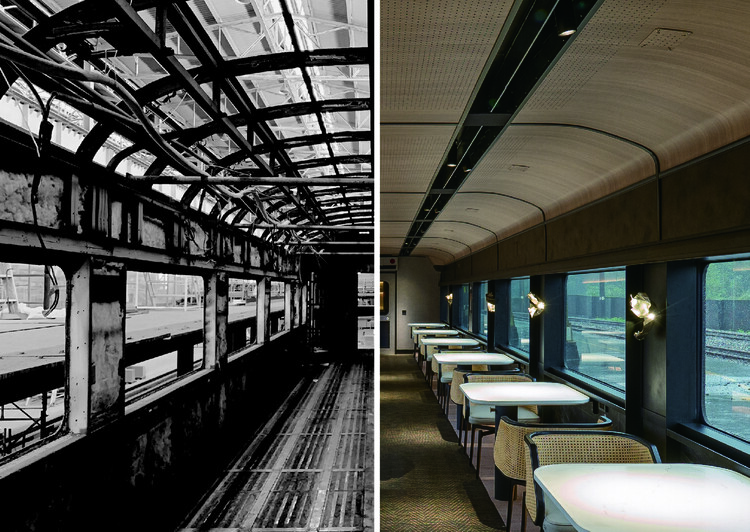
Faced with the combined forces of population growth, economic prosperity, and urban expansion, cities are witnessing a significant rise in the movement of people and goods—mirroring the evolution of diverse mobility systems within urban environments. As technologies advance and modes of transport evolve, the adaptive reuse of train carriages, airplane cabins, and other service infrastructures reveals opportunities to explore their creative potential. Materials, technologies, and design tools converge around a shared goal: refurbishing and repurposing disused structures to give them new life.

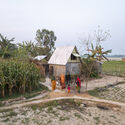
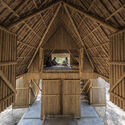
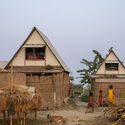
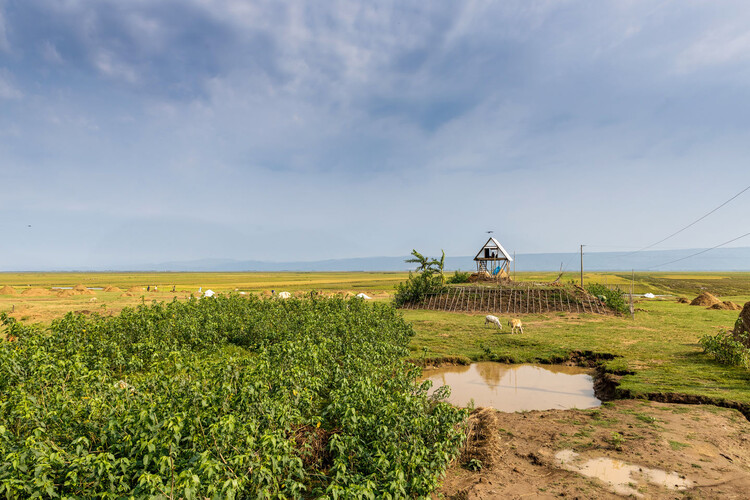
In the low-lying deltas of Bangladesh, water defines both life and loss. Every year, millions are forced to rebuild after floods wash away their homes, crops, and livelihoods. In these precarious territories, the act of building has become an act of resilience. It is here that Khudi Bari emerges as a modest yet radical proposal. Designed by Marina Tabassum Architects, the project provides a lightweight, modular, and affordable dwelling for communities displaced by climate change. Recognized as one of the winners of the 2025 Aga Khan Award for Architecture, it represents a form of architecture that empowers rather than imposes.
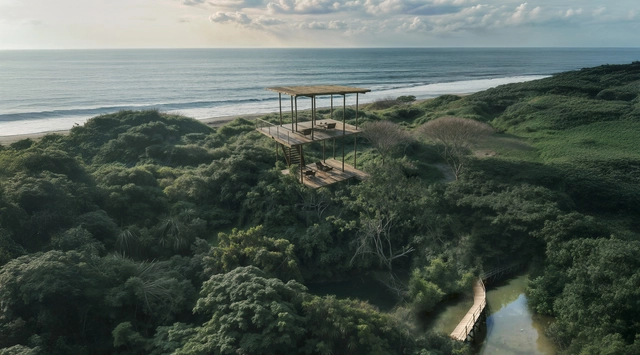
The conversation with VOID emerges within the framework of the 2025 Latin American Architecture Biennial, offering an opportunity to explore a practice that listens, cares, and accompanies. Their work unfolds as an act of mediation: through interdisciplinary research and attention to the plurality of natural and social factors, they seek to understand the many natures of a place. Since its beginning in 2012, this process has evolved, consolidating a stance that seeks to design architecture from and for the place—caring for it, healing it, and regenerating it—opening spaces where territories sustain and unfold their own adaptive processes.
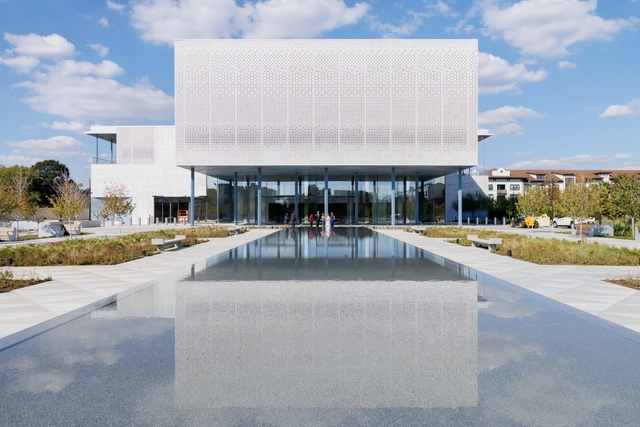
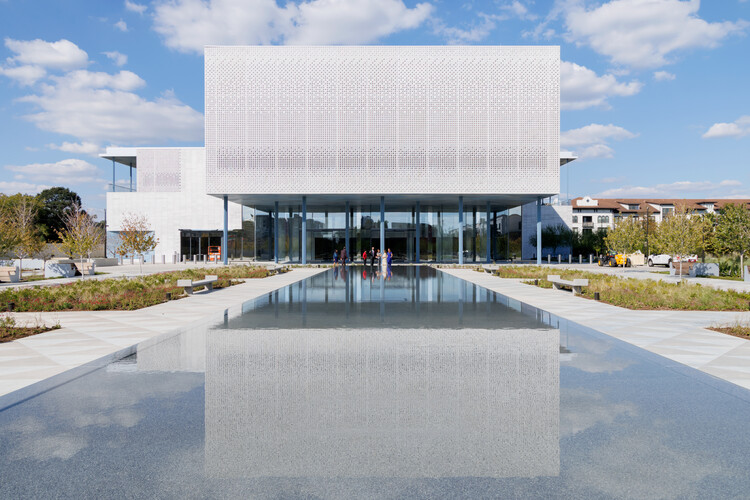
The Ismaili Center in Houston, the first of its kind in the United States, was inaugurated on November 6, 2025, by Mayor John Whitmire. Designed by Farshid Moussavi Architecture and Nelson Byrd Woltz Landscape Architects, the 11-acre site overlooking Buffalo Bayou Park establishes a new architectural and cultural landmark within Houston's urban and social landscape. Located at the intersection of Allen Parkway and Montrose Boulevard, the Center builds upon a vision first outlined by His Highness Prince Karim Aga Khan IV in 2006 and later developed under the direction of his successor. Joining six existing Ismaili Centers worldwide, in London, Vancouver, Lisbon, Dubai, Dushanbe, and Toronto, the Houston Center aims to continue a global tradition of fostering intercultural dialogue and civic engagement.
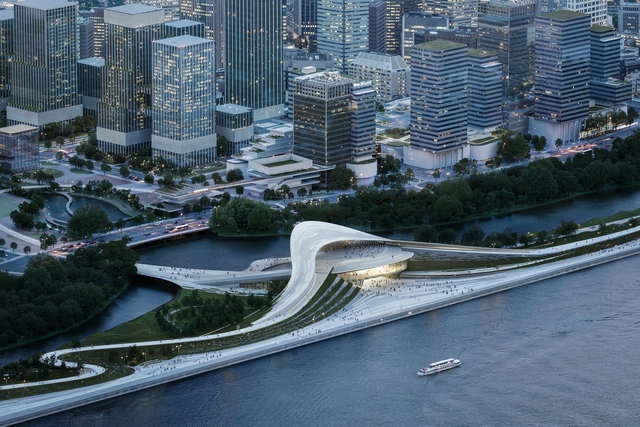
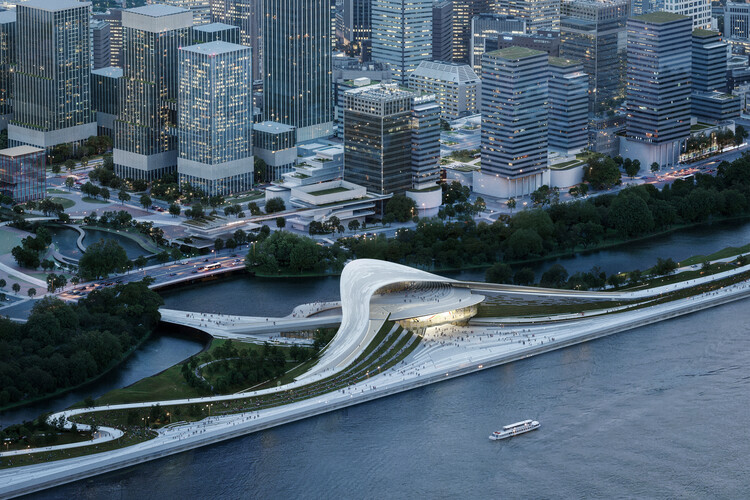
Snøhetta has been selected to design the Qiantang Bay Art Museum, a new cultural landmark within the Qiantang Bay Future Headquarters development in Xiaoshan District, Hangzhou, China. Conceived in collaboration with the Architectural Design & Research Institute of Zhejiang University Co., Ltd. and Buro Happold, the project encompasses architecture, landscape architecture, and interior design over 18,000 square meters. The museum will form part of Hangzhou's expanding downtown area along the Qiantang River, serving as an important destination for art, culture, and public life.
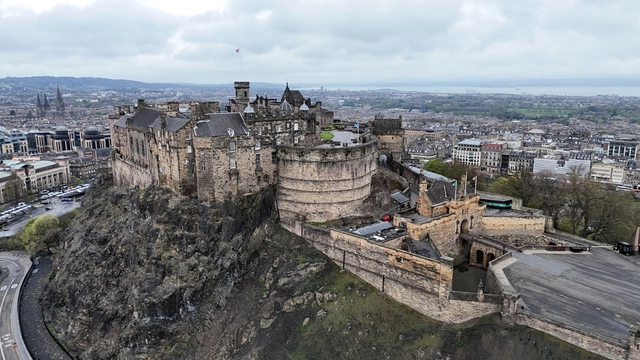
Edinburgh, Scotland's capital, has long been recognized for its rich cultural history and intricate urban fabric. The city thrives within its museums, tenement housing, and shops nestled in Georgian buildings. In 2022, Time Out ranked Edinburgh as the world's best city, citing its efficiency across community building and urban systems such as public transport. However, as climate change makes its effects progressively visible at an urban level, the city inevitably runs into a pressing dilemma: how to sustain this quality of life in increasingly difficult conditions.
The journey toward this balance unfolds through several interconnected strategies, such as retrofitting, adaptive reuse, circular design, and community collaboration, each contributing to Edinburgh's evolving vision of a sustainable urban future.

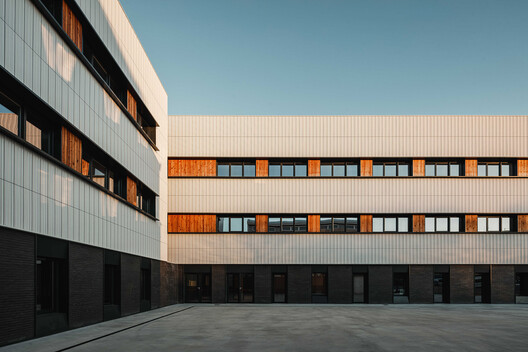
The new Muskiz Secondary School building (Vizcaya), designed by BAT Architecture studio, has become a leading symbol of sustainable architecture for educational centers. Designed in accordance with Passivhaus criteria and built using cross-laminated timber (CLT), the project combines innovation and comfort with environmental care.
In this equation, Faveker's tiled ventilated facade, tailor-designed using its GA16 system as a basis, plays a key role. This precise, luminous tiled skin enhances the building's energy efficiency and infuses it with a unique architectural personality that harmonizes with the surrounding natural setting.
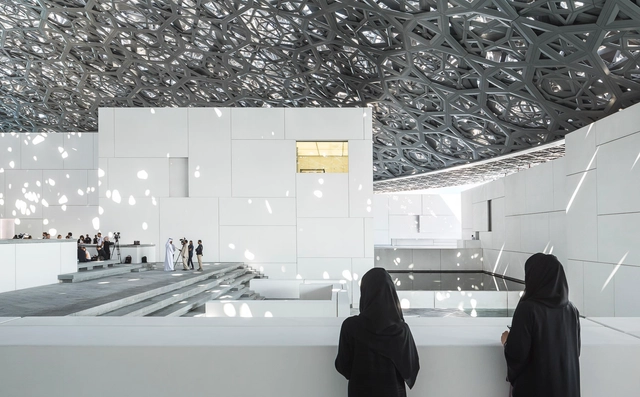
It is undeniable that, at first glance, the idea of a Louvre in Abu Dhabi or a Centre Pompidou in Brazil may seem somewhat disconcerting. The image of these museums, internationally renowned, appears in many ways inseparable from their original cultural contexts. And to some extent, it truly is. The Louvre, deeply rooted in the history of France as a former fortress and later royal residence, embodies a set of invaluable heritage values, further amplified by I. M. Pei’s iconic glass pyramid intervention in 1989. The Pompidou, meanwhile, is remembered as a historic turning point: by redefining the concept of public infrastructure through radically unconventional architecture, it marked the first time culture drew in mass audiences.

Nearly three years after artificial intelligence captured the world's attention, architecture is still searching for stable ground in the conversation. Between confident claims and cautious trials, many professionals still question whether—and how—AI is truly changing everyday practice.
A new white paper from Chaos addresses this through practitioner interviews and in-depth internal research, revealing how the technology is beginning to reshape productivity, authorship, and creative identity across the industry.
The white paper offers a closer look at where AI creates value, where it falls short, and how architects can navigate what comes next.
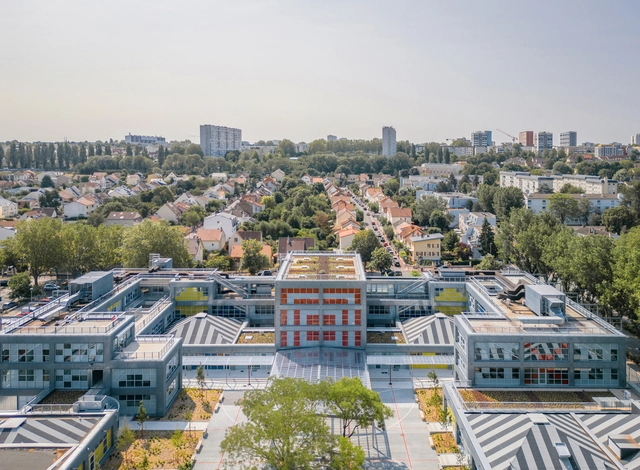
The EUmies Awards are organized annually by the Fundació Mies van der Rohe and the European Commission, with the support of the European Union's Creative Europe Programme. Based on the principle that "architecture is not merely a technical or aesthetic matter, but a cultural, environmental, and democratic issue," this 19th cycle of the Prize brings together 410 works from 40 countries and 143 regions across Europe. Beyond recognizing contemporary architecture projects, the Awards also aim to reflect European values such as cultural diversity, sustainability, democracy, and solidarity. This year, most nominated works (23%) are residential projects, including both collective and single-family housing, followed by cultural (13%) and educational (12%) programs. The selection shows a balance between transformations of existing buildings (44%) and new construction (56%), while 12% of the nominees are transnational works and 33% of the studios are 10 years old or younger, underscoring the growing visibility of emerging practices.