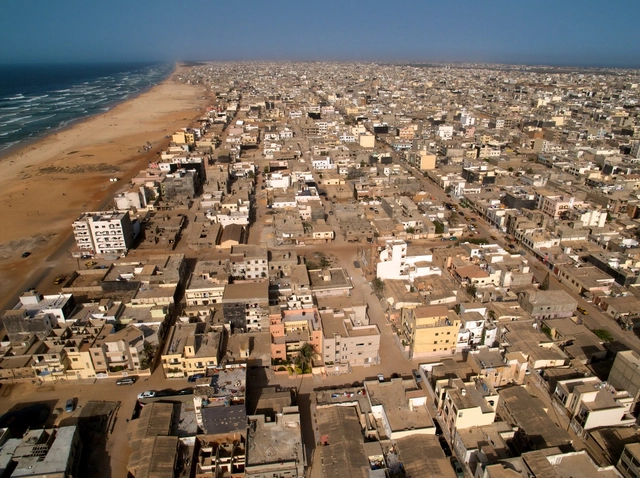
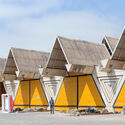
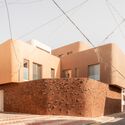
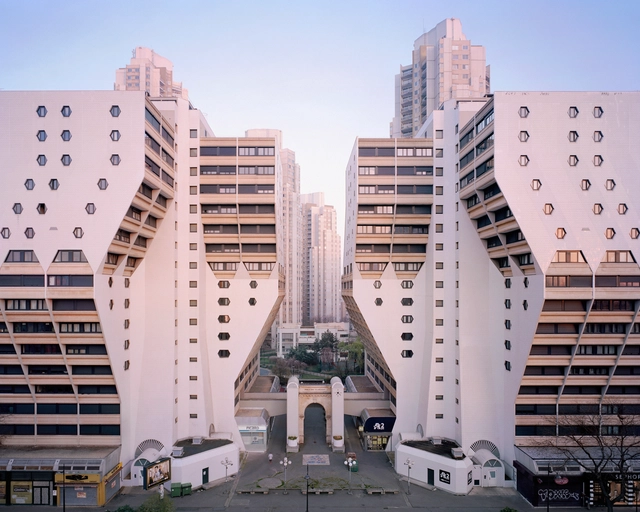
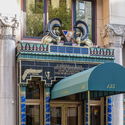
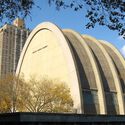
A city that defies expectations, this is what many visitors often express about the Senegalese capital, Dakar. As Africa's most western port city, which gained independence from the French in 1960, Dakar is a regional hub for diversity and culture. While it's often described as an unexpectedly sleek and "modern" city, with its characteristic and sometimes colorful monolithic buildings, Dakar is in fact in constant development and each of its districts tends to reflect a different style and focus, depending on its inhabitants and the dominating functions.
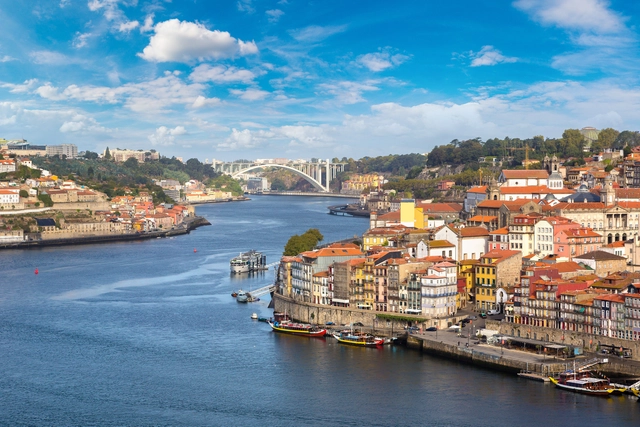
Porto, Portugal's second-largest city, is a captivating blend of historical charm and contemporary innovation. Perched along the Douro River, this UNESCO World Heritage site boasts a rich architectural tapestry that spans centuries. Porto's urban landscape is a testament to its evolving identity from its medieval Ribeira district with narrow cobblestone streets to the iconic Luís I Bridge. The city's skyline is punctuated by Baroque churches, neoclassical palaces, and modernist structures, creating a visually striking contrast that reflects its dynamic history.
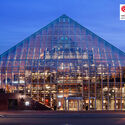
Porto has undergone a remarkable architectural renaissance in recent years, becoming a magnet for local and international talent. The city has evolved into a dynamic canvas where bold contemporary designs seamlessly integrate with its rich historical fabric. The influence of renowned architects like Álvaro Siza Vieira and Eduardo Souto de Moura, both Pritzker Prize laureates and native to Porto, has solidified the city's status as a key player on the global architectural stage. Among the city's most striking contemporary landmarks is the Casa da Música, a futuristic, diamond-shaped cultural center designed by Dutch architect Rem Koolhaas, which stands as a testament to Porto's forward-thinking spirit. This sophisticated blend of tradition and modernity, coupled with a strong commitment to urban regeneration, has transformed Porto into a vibrant hub of architectural innovation, making it a must-visit destination for architecture enthusiasts and cultural explorers
Montreal, located along the Saint Laurent River in Southern Quebec, is Canada’s second-largest city. Often renowned for its architectural diversity, its built environment reflects both its colonial past and modern evolution. As a former territory of "Nouvelle France," French language and culture remain dominant, which has in turn influenced the city's architectural character. Notably, Old Montreal features well-preserved buildings from the 18th and 19th centuries, most of which are a testament to the city’s industrial growth after the construction of the Lachine Canal. The area's heritage has been protected and restored through efforts by figures like Phyllis Lambert and organizations such as Heritage Montreal, allowing the city’s rich architectural history to coexist with its modern developments.
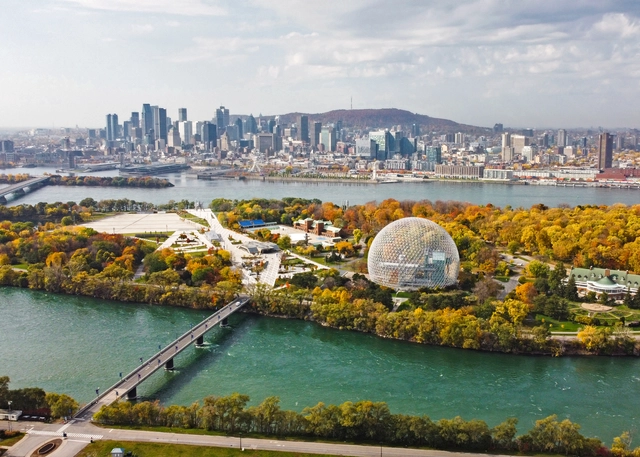
Montreal's multiculturalism is evident in neighborhoods like Little Italy and Little Portugal, with its diversity fueling a vibrant cultural scene. The city hosts a multitude of festivals every year, many held in open-air venues like Place des Festivals. Parc Jean-Drapeau, built for the 1967 World Expo, is another popular spot for large events while offering stunning views of the city skyline. Another relevant site is Mont Royal Hill, a park offering panoramic views of downtown and access to hiking trails, Saint Joseph’s Oratory, Beaver’s Lake, and other areas of architectural interest such as the Plateau.
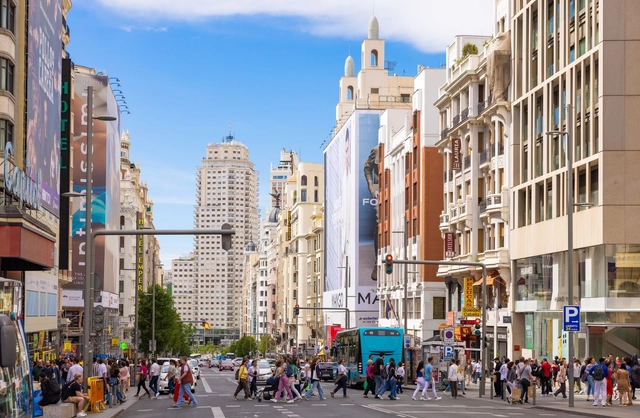
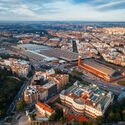
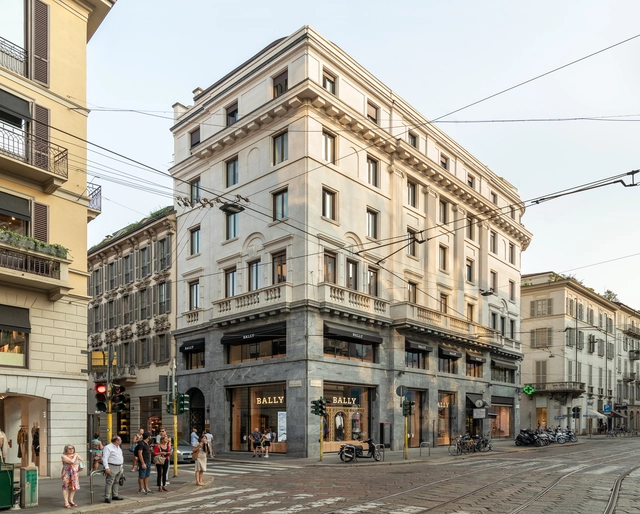
Madrid, the vibrant capital of Spain, offers a blend of tradition and modernity, reflected in its diverse architectural heritage. This rich past is etched into the old façades, expansive public spaces, and historic religious institutions that define much of Madrid’s character today. The city’s continuous architectural renewal, reflected in both respectful restorations and innovative new constructions, highlights Madrid’s commitment to preserving its heritage while embracing modernity.
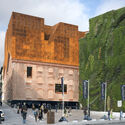
In the 20th century, Madrid embraced modernity, influenced by movements such as Rationalism, the International Style, and Brutalism. Today, Madrid is a showcase for contemporary design, where contemporary projects by renowned architects coexist with its historical legacy. Structures like the CaixaForum by Herzog & de Meuron and Jean Nouvel’s Reina Sofía Museum exemplify the city’s interest in architectural explorations
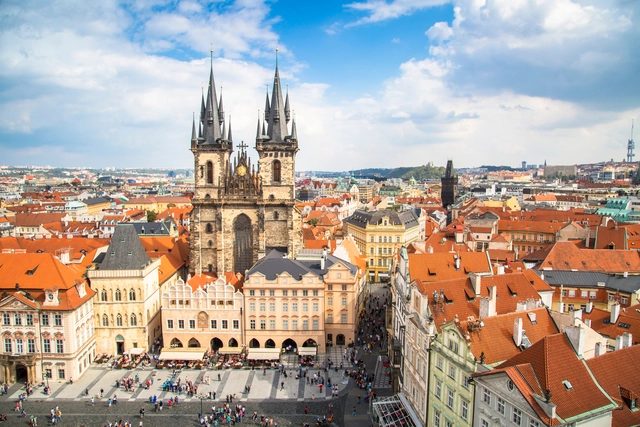
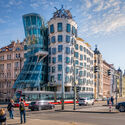
Prague, the capital of the Czech Republic, is one of Europe's best-preserved cities, having miraculously survived the widespread bombings of World War II. As the capital of the Czech Republic, Prague is home to over 1.3 million people and features an architectural heritage spanning centuries, covering a variety of architectural styles from Romanesque, Gothic, Renaissance, Baroque, and Rococo, to Modernist, Deconstructivism, and contemporary tendencies. The Old Town Square, where various architectural styles coexist, is a testament to this diversity. Known as the "Mother of all Cities," “the Golden City and “The City of a Hundred Spires,” Prague blends history and contemporary culture seamlessly. Its origins, steeped in legend, add to the city's charm.
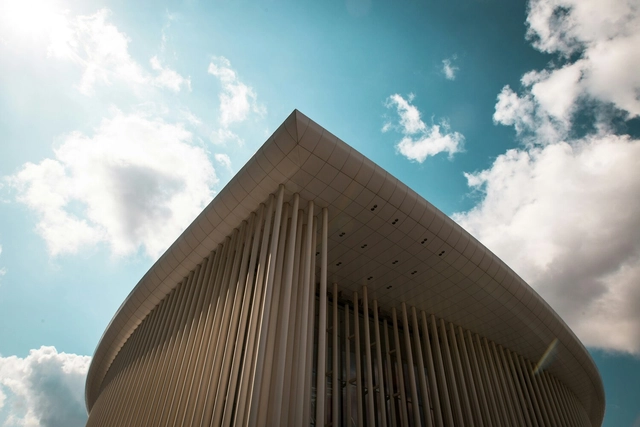
For those seeking remarkable architecture in Europe, Luxembourg stands as a special destination not to be missed. Nestled between Belgium, France, and Germany, this pint-sized country packs a punch with its rich history, stunning landscapes, and vibrant architecture. Small, yet culturally rich, Luxembourg offers a delightful array of architectural wonders waiting to be explored. From ancient castles to modern marvels, Luxembourg’s diverse architectural landscape promises a journey through time and style.
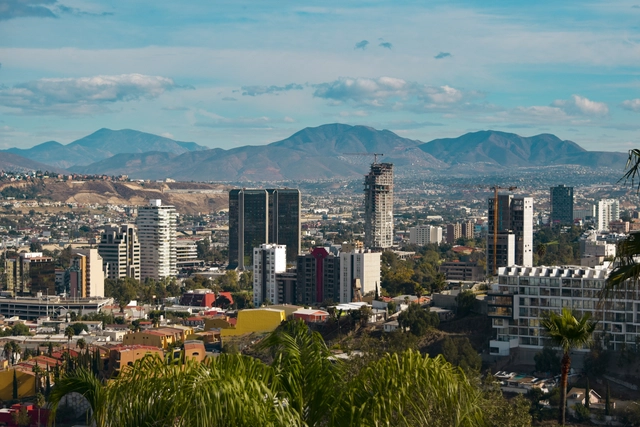
The U.S.-Mexico border is a region of vast historical, cultural, and economic significance, where cities of fundamental importance to North America have emerged. Tijuana—located in northeastern Mexico—, is one of these cities. Since its earliest beginnings in the 18th century, it has experienced exponential urban growth, closely linked to its northern neighbor, San Diego. Understanding Tijuana in its entirety is only possible by mentioning this connection. For this reason, along with San Diego, it was selected as the World Design Capital 2024, celebrating the interaction and cultural exchange between the two cities.
Historically, the city has been a melting pot of nuances reflected in its urban landscape. Examples such as the Tijuana Cultural Center, designed by Pedro Ramírez Vázquez and Manuel Rosen, show the city's search for a modern style. In parallel, the OTAY Cross Border Xpress Building illustrates the relationship between countries in a complex whose architectural program spans both sides of the border. Additionally, contemporary projects contribute to developing a new stage in the city's life by creating public spaces.
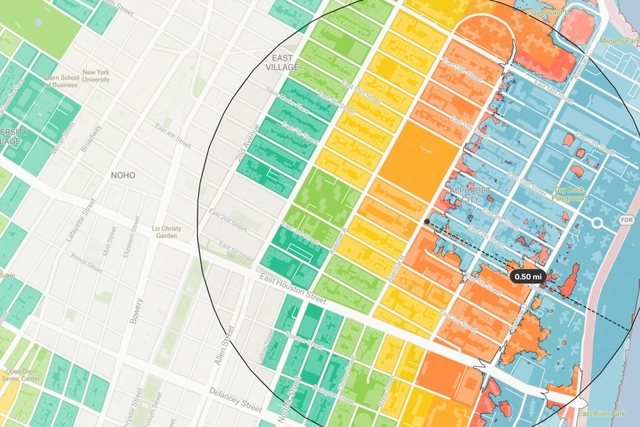
Map of Hurricane Sandy Impact Analysis. Courtesy of Felt
Sightseeing is an activity closely intertwined with architecture and cities. So much is that Guiliana Bruno adapts the term to site-seeing in her comprehensive book Atlas of Emotions: Journeys in Art, Architecture and Film, emphasizing the link between tourism and the urban landscape. Traveling and exploring new places is not something only architects like, it's among the most enjoyable activities for anyone. It's no coincidence that city guides are consistently among the most visited articles on ArchDaily, offering curated collections of iconic buildings for people to explore.
Now, some of our most popular city guides will not only provide a list of buildings, but also feature interactive maps that position each of the architectural masterpieces within the territory. Powered by Felt, these maps cater to the needs of the architects and curious travelers alike.
https://www.archdaily.com/1014699/felt-a-tool-that-will-revolutionize-mapping-for-architects-and-urban-practitionersArchDaily Team
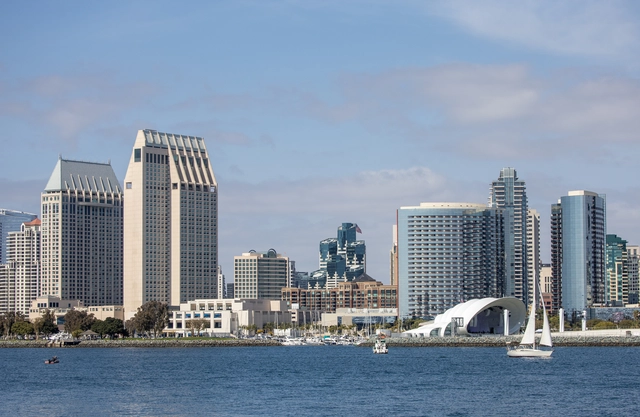
Throughout history, San Diego has been a canvas for visionary architects who have left enduring legacies on its built environment. From iconic landmarks like the Geisel Library and the Salk Institute to the dynamic spaces of the San Diego Central Library and the Rady Shell at Jacobs Park, each piece of architecture reveals hidden aspects of the layered history and the spirit of exploration of San Diego.
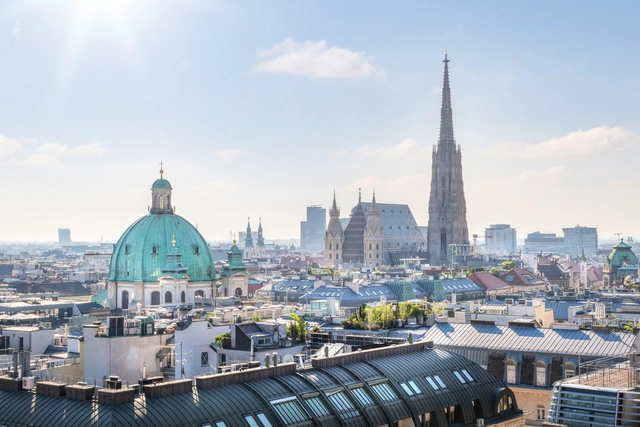
Often referred to as the “City of Music,” Vienna stands as a living testament to architectural evolution across centuries. Bring together an array of styles, ranging from the grandeur of Baroque palaces to the innovative Art Nouveau designs and the Vienna Secession movement, visitors are drawn to the city for its architectural marvels. Vienna's eventful past is reflected in its architectural landscape, which has withstood wars, imperial expansions, and the changes of numerous artistic trends while managing to maintain its unique identity as a symbol of resilience and reinvention.
From Adolf Loos, whose radical ideas challenged the trends of his time, to Otto Wagner, a pioneer of Viennese Modernism, Vienna's architectural legacy continued to evolve. Fast-forwarding to contemporary times, Vienna's skyline bears the mark of internationally renowned architects like Zaha Hadid, whose fluid and futuristic designs push the boundaries of architecture. Hadid's work, including the Library and Learning Center at the University of Economics and Business, offers a dynamic contrast to the city's historic landscape. Moreover, firms like CRAB Studio, founded by Sir Peter Cook and Gavin Robotham, bring experimentalism to Vienna's architecture, infusing contemporary concepts into the urban fabric. These architects and firms contribute to Vienna's architectural richness, adding new chapters to its storied history while honoring its innovation and artistic legacy.
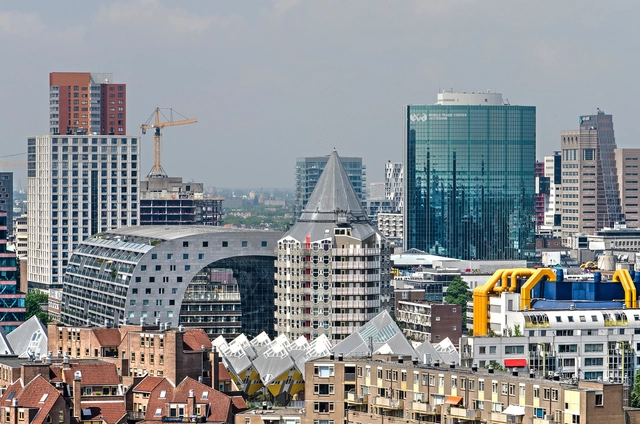
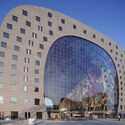
Often referred to as the “Manhattan on the Maas,” Rotterdam is a city unlike any other in the Netherlands. The Dutch metropolis with its striking skyline, tells a unique architectural narrative with chapters filled with the rubble of the devastating bombings of World War II, followed by a story of reconstruction that transformed the city into a hub for experimental architecture and urban planning. Today a mosaic of architectural styles, Rotterdam has embraced innovation, becoming a global showcase for cutting-edge design and sustainable urban development.
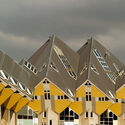
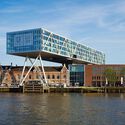
In 1940, almost the entire city center was wiped out by German bombs. Instead of following other European cities’ examples of reconstruction, Rotterdam decided to reinvent itself. Today, the city hosts some of the most well-known Dutch pieces of architecture, such as the Kubuswoningen or the Het Nieuwe Instituut. Its open attitude toward innovation and experimentation continues to attract talent from around the world, as its distinctive skyline continues to change and adapt to contemporary conditions.
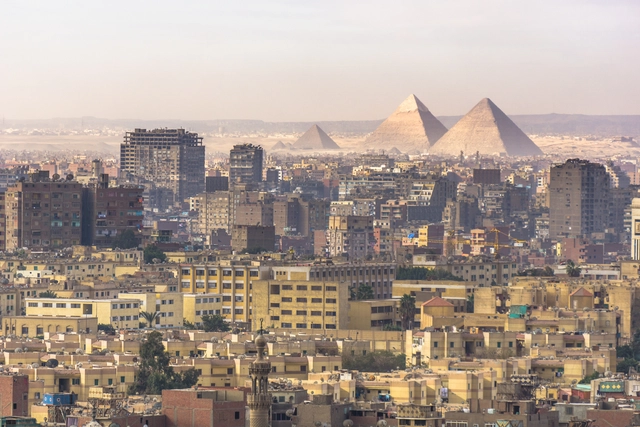
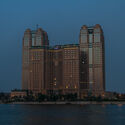
Cairo,Egypt's vibrant capital, is a unique synthesis of both historical and contemporary architecture. One of the most populated cities in Africa, this busy urban agglomeration has a long, rich history and is home to nearly 20 million people. Apart from the infamous Great Pyramids of Giza and the Sphinx, which have attracted tourists for ages, the city has been a melting pot of cultures, histories, and built environments alike.
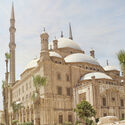
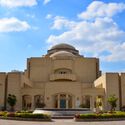
The city of Cairo has witnessed many different eras, each characterized by unique architectural styles. After the Ancient Egyptians, the Islamic Period saw the birth of iconic buildings like the Mosque of Ibn Tulun and the Mosque of Sultan Hassan. These were followed by the Mamluk Period, during which structures such as the Al Rifai Mosque and the Mosque Madrassa of Sultan Barquq were constructed, boasting exquisite stone carvings, towering minarets, and intricate decorative motifs. The Ottoman era brought its own landmarks, including the Mosque of Muhammad Ali and the Citadel of AlQalaa. In the late 19th and 20th centuries, Cairo experienced an influx of European architectural styles due to colonial influences. This resulted in the construction of notable structures such as the Cairo Opera House and the Cairo Tower.
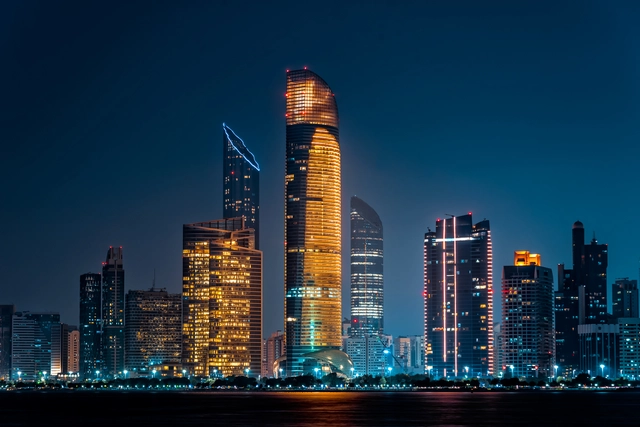
City night view of Abu Dhabi business district, United Arab Emirates. Image via Shutterstock | MDXB
Capital city of the United Arab Emirates, the city of Abu Dhabi is located on an island in the Persian Gulf, connected to the mainland by a short bridge. Home to the local and federal government offices, as well as to the President of the UAE, Abu Dhabi was formerly an undeveloped town with only local significance that transformed into a large metropolis, at a record speed of development and urbanization.
Japanese architect Katsuhiko Takahashi created the master plan of the city in 1967, with a target population of 40,000. Encouraged in the Abu Dhabi Plan 2030, tall skyscrapers symbolize nowadays its iconic architecture, as well as new developments of Al Maryah Island, and the Sheikh Zayed mosque initiated and constructed under the administration of the late President Sheikh Zayed, a pivotal figure in the development of the contemporary UAE.
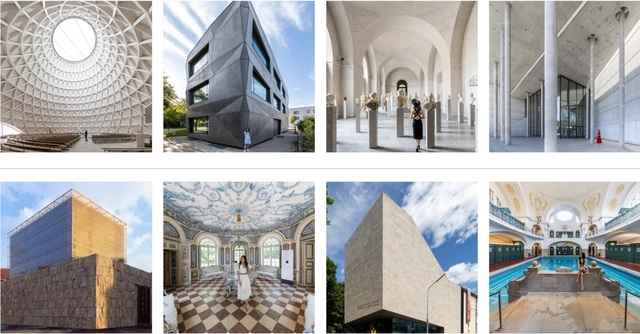
Munich – Bavaria’s capital since 1506 – is a city with layers and layers of history. Its many years as a rising architectural epicenter have left an interesting and unique mix of buildings. From Middle Age churches and cathedrals to contemporary synagogues. From skyscrapers to small pavilions. Brutalism to Art Nouveau. Munich’s architecture is truly extensive and marvelous.
Though not acknowledging Munich’s beer wonders would be wrong, the only mention of this substance would be in the stunning buildings (like the new Paulaner HQ by Hierl Architekten) that contain them. Yes, other aspects of the city are grandiose, but let’s focus on Munich’s top attraction: its architecture.
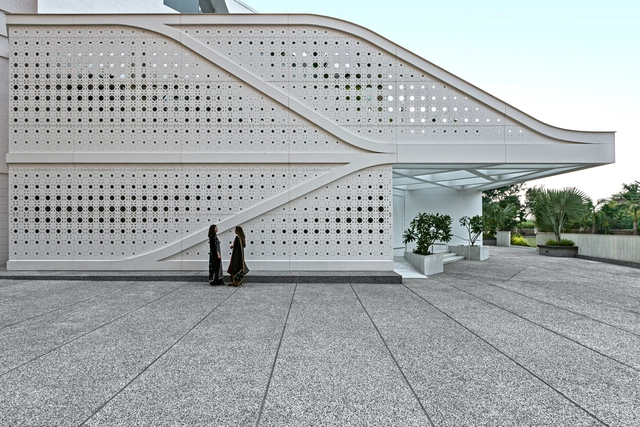
Walking through the streets of Mumbai, India, is an experience unmatched anywhere else. The energy of India’s largest and most populous city is palpable through the people, their activities, and most importantly, the built environment. The city’s dynamic culture is evidently expressed through the structures that dot its landscape.
Mumbai is an eclectic mix of buildings large and small, old and new, and traditional and modern. The city of contrasts boasts an architectural legacy that goes back over 2000 years. Located in the state of Maharashtra along the west coast of India, Mumbai hosts a variety of architectural styles such as Victorian, Gothic, Art Deco, Indo-Saracenic, Modern and Post-modern. The city is characterized by its old charm and liveliness, a diverse stage for people to pursue their dreams.
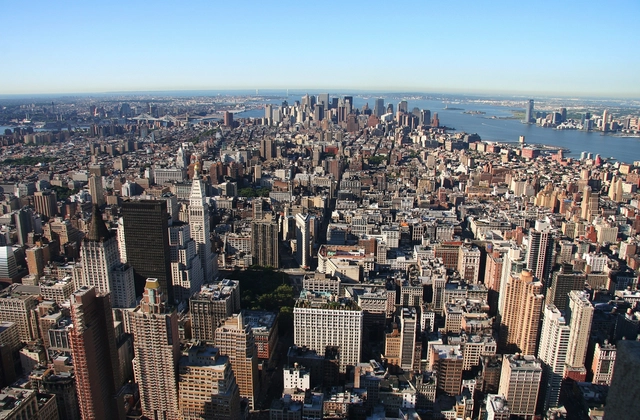
New York City is one of the most exciting places in the world. As an epicenter for the arts, media, and culture, New York has a rich history and a promising future, told mainly through its architecture. Perhaps more known for iconic buildings like the Empire State Building and the Chrysler Building, or even mega-tall residential towers like 432 Park Avenue that have been on the rise, New York also has an abundance of buildings that tell a different story about the history of the Big Apple.