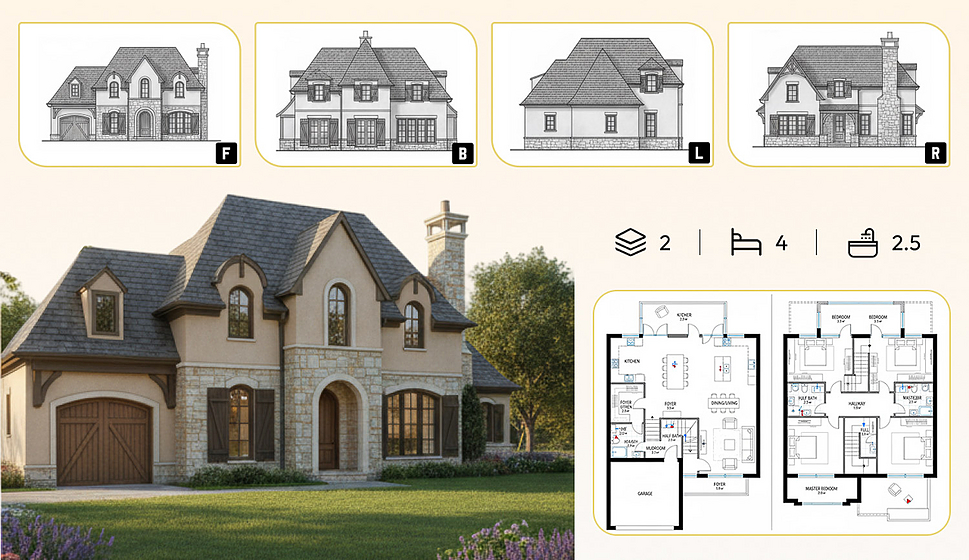
This guide covers a workflow that moves from project parameters to generated floor plans, 3D perspective views, exterior design exploration, and site context visualization, using AI tools in place of preliminary CAD and rendering work.
This guide covers a workflow that moves from project parameters to generated floor plans, 3D perspective views, exterior design exploration, and site context visualization, using AI tools in place of preliminary CAD and rendering work.
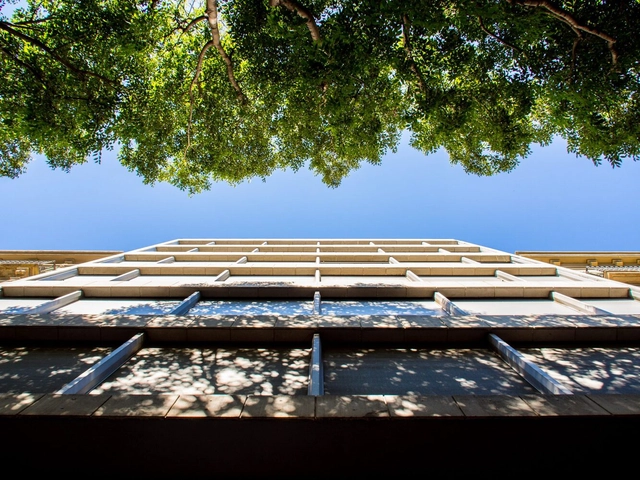
Over 4% of deaths in European cities during the summer months are due to urban heat islands, and one-third of these deaths could be prevented if tree canopy cover reached 30%. These are the main findings of a study recently published in the journal The Lancet and conducted by the Barcelona Institute for Global Health (ISGlobal).
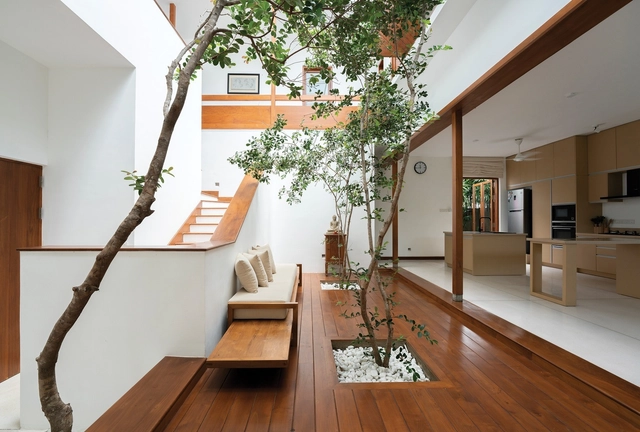
Residential architecture plays a vital role in people's lives, influencing their quality of life and well-being. To design environments that are truly tailored to the biopsychosocial needs of each user, it is essential to incorporate the principles of neuroscience applied to architecture. In this regard, Rudolf Steiner's Seven-Year Cycles theory offers a valuable conceptual framework for understanding the different phases of life and their implications for home design. This article addresses the stages of the architectural project, from briefing to execution, highlighting the relevance of cognitive and behavioral neuroscience concepts—such as priming, framing, nudging, wayfinding, salutogenic design, and biophilic design—in light of the Seven-Year Cycles theory.
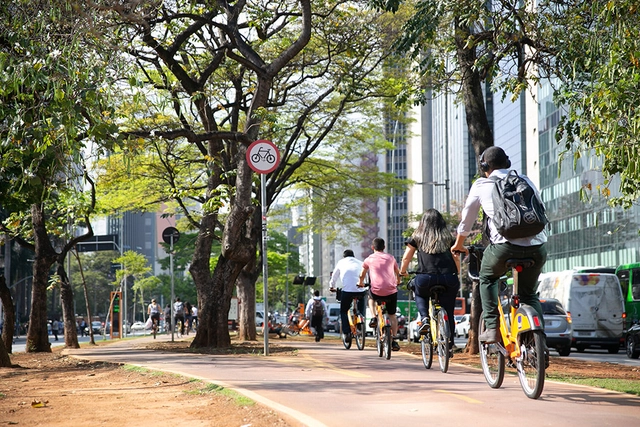
From the mid-20th century to the present day, time lost in traffic has become one of the primary sources of frustration in urban life. Historically, the classic formula for combating this problem has been to add more and more car lanes and build overpasses, based on the unfulfilled promise of improving traffic flow.
This consequence is well documented: every new car lane added represents a barrier to other modes of transportation and means longer travel distances for everyone. The result is induced demand—an invitation for more and more people to travel by car.
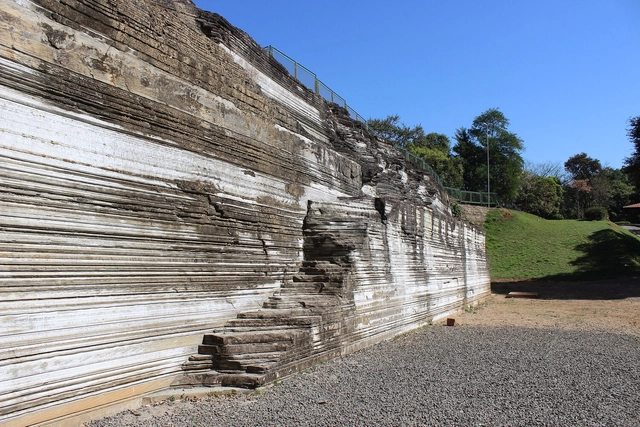
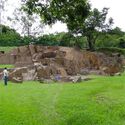
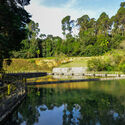
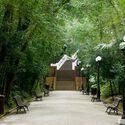
Studies link green areas to a reduction in anxiety and depression, boosted immunity in children, relief from loneliness in cities for adults, and even increased intelligence. Seeking outdoor leisure activities in contact with nature offers numerous benefits. To help you choose interesting places to visit in the state of São Paulo, we present a list of ten protected environmental heritage sites, compiled by the São Paulo State Secretariat of Culture and Creative Economy.
According to the Secretariat of Infrastructure and Environment, the State of São Paulo has 5,670,532 hectares of native vegetation in various stages of recovery. This area is equivalent to 22.9% of the state's territory. Below, check out some of the spaces that preserve this greenery. In addition to urban parks, trails, and campsites, the list even includes the headwaters of the Tietê River.
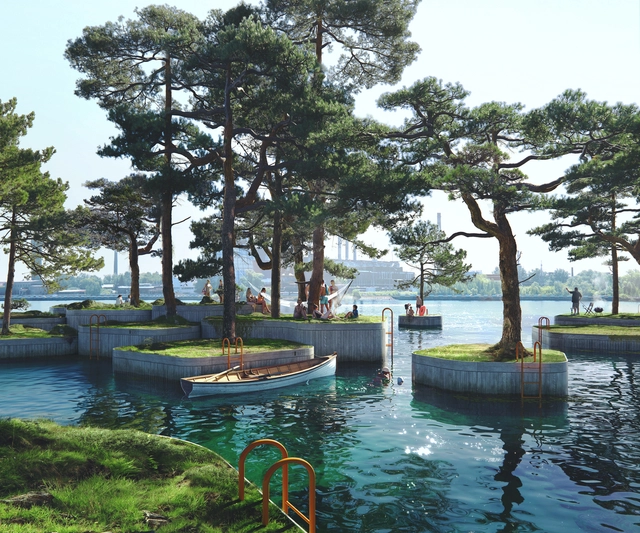
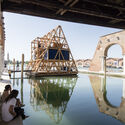
You are likely familiar with the story of a man who received a divine command to build an ark to shelter his family and animals of every species, saving them from a great deluge. This flood narrative, known as the story of "Noah's Ark," is found not only in the Bible but also in the Quran and many other cultures—with the Sumerian "Epic of Ziusudra" being the oldest known flood myth, dating back to 2000 BCE. These examples show that the forces of nature, by taking center stage in religious teachings, were already recurring concerns that inspired both fear and respect in early civilizations.
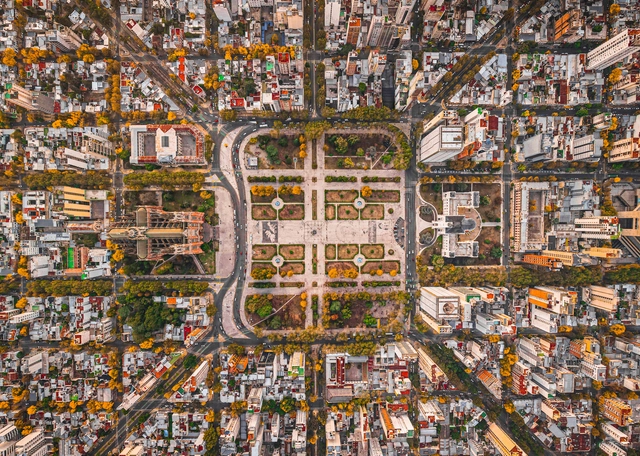
Located in Argentina, approximately 56 km (35 miles) southeast of the Autonomous City of Buenos Aires, stands the city of La Plata, founded on November 19, 1882, as the capital of the Province of Buenos Aires. As the product of the country's most ambitious urban and architectural undertaking, La Plata was conceived as a forward-looking city—one of the first in the world designed in accordance with the new principles of urban hygiene and rational construction generated by 19th-century scientific advancements. Furthermore, the city was showcased at the 1889 Paris Exposition Universelle, the grand exhibition celebrating the centennial of the French Revolution.
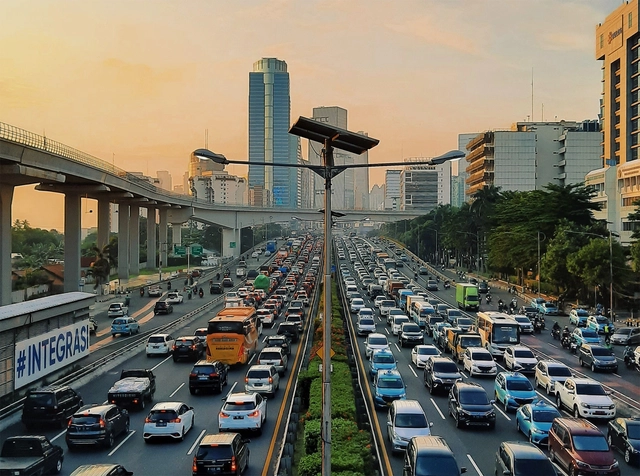
There is a stereotype that in poor countries, where few people own cars, alternatives to the automobile are flourishing. I saw a Mastodon post making this claim, and I pointed out in the comments that this is not quite true. This is a more detailed version of what I said in 500 characters. In short, across most of the Third World, public transit is poor, and almost all passengers who use vans and buses do so out of poverty, as do most people who walk.
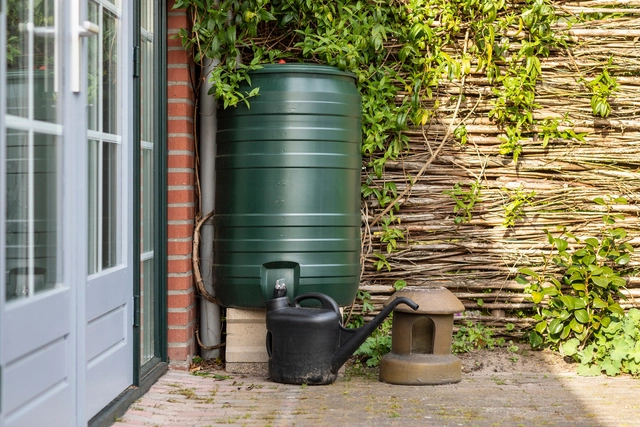
Each person needs about 110 liters of water to meet their daily consumption and hygiene needs. However, in Brazil, daily consumption can exceed 200 liters per person, according to Sabesp. Due to high water pressure in apartment buildings, this consumption can be even higher. Furthermore, the country loses about 40% of all treated water captured, according to 2022 data from Instituto Trata Brasil. Nonetheless, at least within the home, this waste of clean water can be mitigated through a few simple changes.
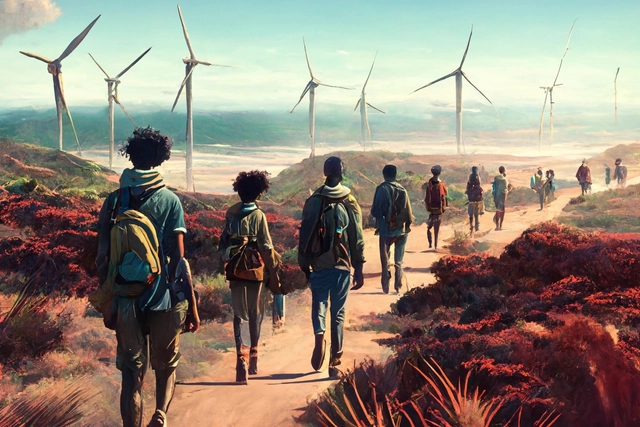
What does 2023 hold for development and the environment?
The end of 2022 certainly left us in an interesting—yet troubling—position. A three-year-old pandemic proved far from over, sickening millions and straining economies. Global inflation reached 9%, its highest level since 2008. Russia's invasion of Ukraine forced millions of people to flee their homes, triggering cascading effects in food and energy systems worldwide. Meanwhile, the impacts of climate change—from catastrophic flooding in Pakistan to scorching heatwaves in India and severe droughts in Africa—compounded these threats.
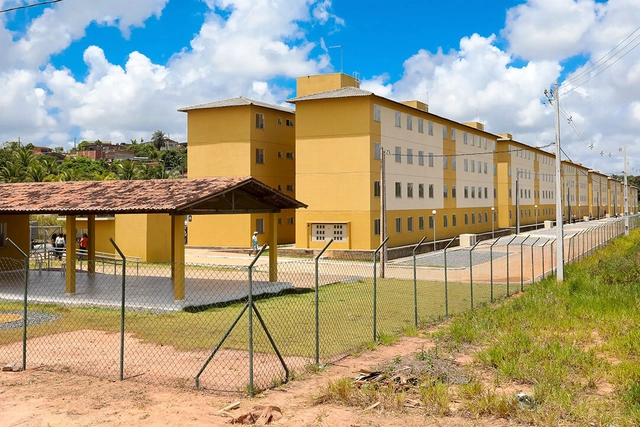
I suspect many readers here experience the same, shall we say, “predicament” as I do: as soon as we step outside our “bubble,” advocating for urban design principles that seem obvious to us — such as eliminating fences and walls, and promoting public access, visual permeability, mixed-use zoning, and active frontages — inevitably runs into the same obstacle: the lack of public safety.
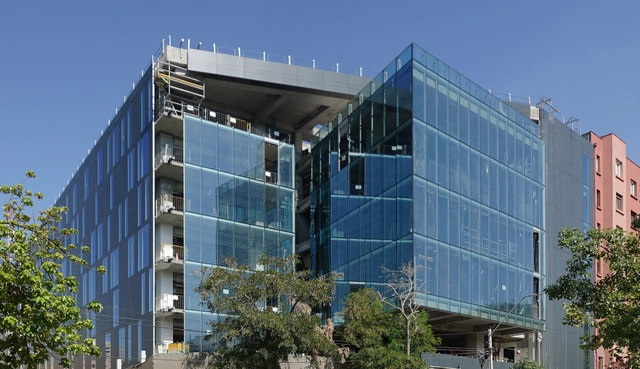
Vicuña Mackenna 20 (VM20), located steps from the Baquedano Metro station in the heart of Santiago, is a new project by the University of Chile. It aims both to become a hub for artistic and cultural outreach and to impact the public space recovery plan in the capital's central area.

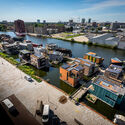
During the summer months, very hot days followed by intense, high-precipitation rainfall are common. As a result, urban flooding is a frequent occurrence in large cities. However, certain architectural and urban planning solutions can help improve people's quality of life, particularly through green infrastructure interventions and the application of biophilia.
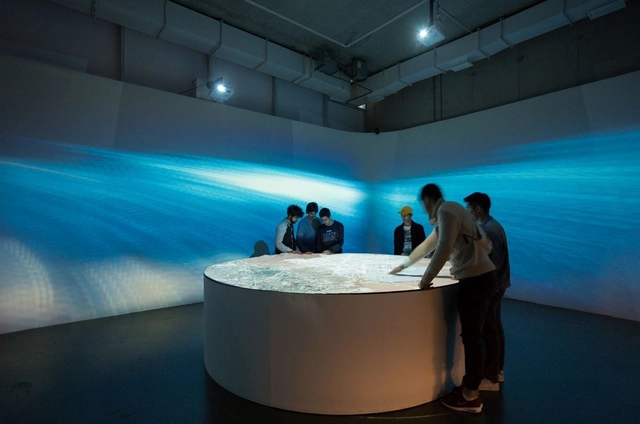
In a context where cultural expressions are increasingly valued, and their presentation and representation are vital to conveying diverse content, the design of exhibition spaces becomes particularly relevant when projecting and establishing different perceptions and narratives, both in daily life and during specific events.
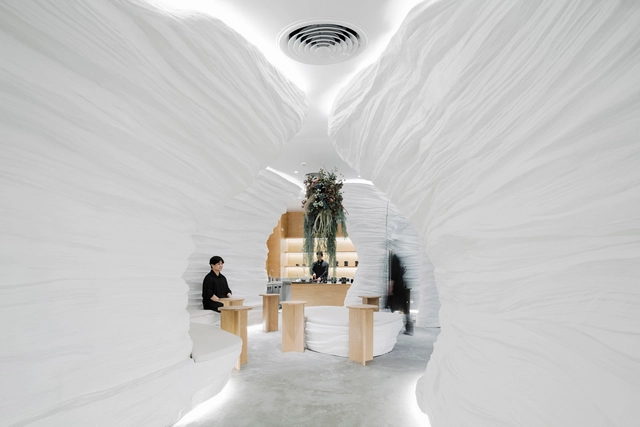
From Le Corbusier's polychromy to the aesthetic concepts of the Bauhaus, color has played an essential role throughout architectural history. Yet, we stand on the threshold of a new era of innovation where the meaning, application, and impact of color in architecture are constantly evolving. This evolution brings new questions to the fore: Could new materials and finishes revolutionize the color palette? What possibilities does color application hold in virtual spaces? What will be the upcoming color trends in the world of interior design?
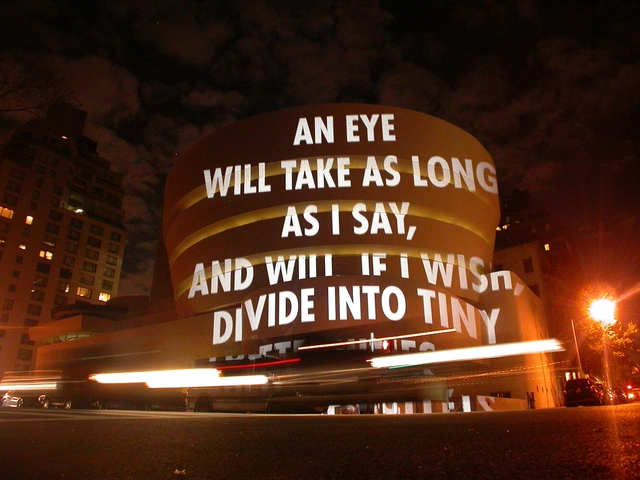
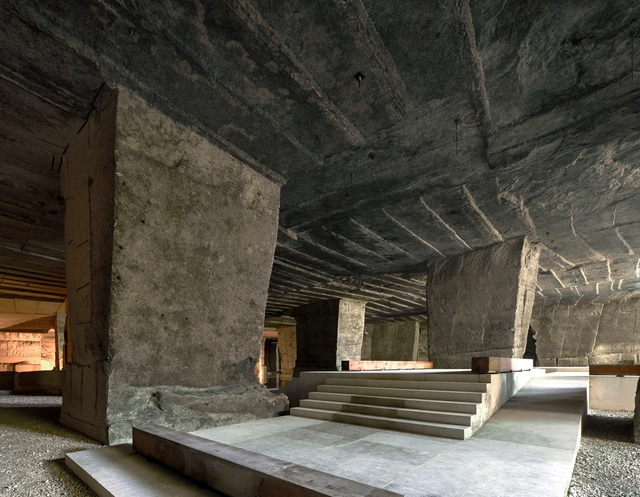
How can we construct buildings using less water? The construction process consumes a vast amount of water resources, and it is time to consider how to reduce this environmental impact.
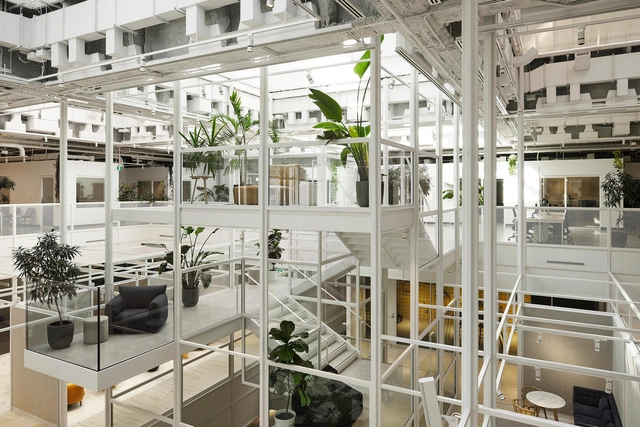
Indeed, an architect's primary responsibility is to protect the health, safety, and welfare of the public, which includes a diverse population with varying degrees of physical and intellectual abilities.
Neurodiversity refers to this intellectual and cognitive variability, encompassing a mix of neurotypical and neurodivergent individuals. Those who are "divergent" are typically recognized as having differences in communication, learning, or behavior. Consequently, an architect's goal is not to design a building exclusively for either neurotypical or neurodivergent populations, but rather to create spaces where all users feel welcome and comfortable.


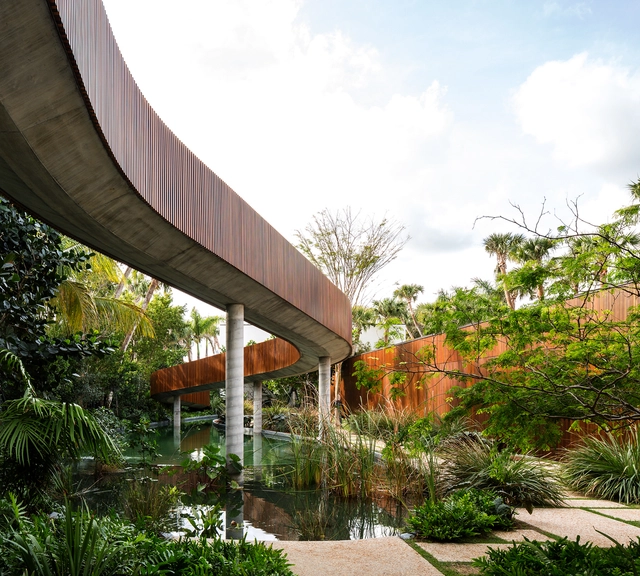
Whether establishing greater fluidity between spaces, integrating distinct elements of an architectural design, or creating a more playful atmosphere, suspended structures in residential projects yield a wide range of spatial experiences.
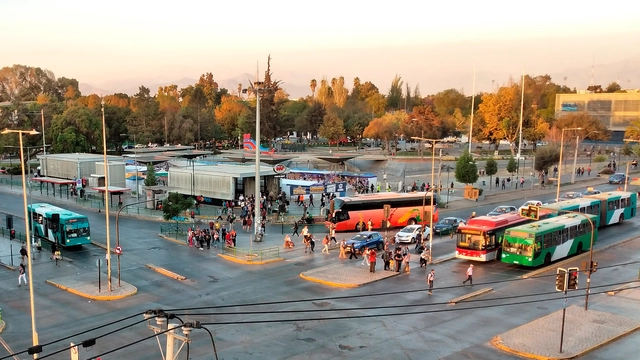
Tomás Vodanovic, mayor of the municipality of Maipú in Santiago, Chile, announced a new measure prohibiting high-rise construction along major thoroughfares, such as Pajaritos, Américo Vespucio, and 5 de Abril, in an effort to foster the aesthetic and sustainable development of the district.
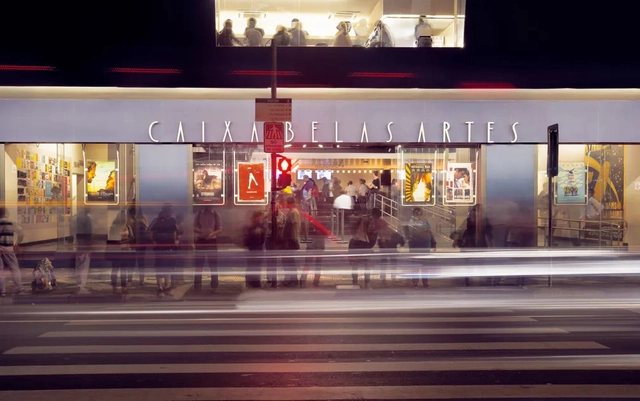
In the 1940s, as director of the Division of Studies and Heritage Listing at IPHAN, Lucio Costa sent his staff into the field to identify the cultural heritage scattered across Brazil, waiting to be discovered.
“Who,” “when,” and “how” were the questions his assistants had up their sleeves. Supposedly, they were meant to reveal the characteristics of the analyzed assets, in order to then categorize them as worthy or unworthy of heritage listing.
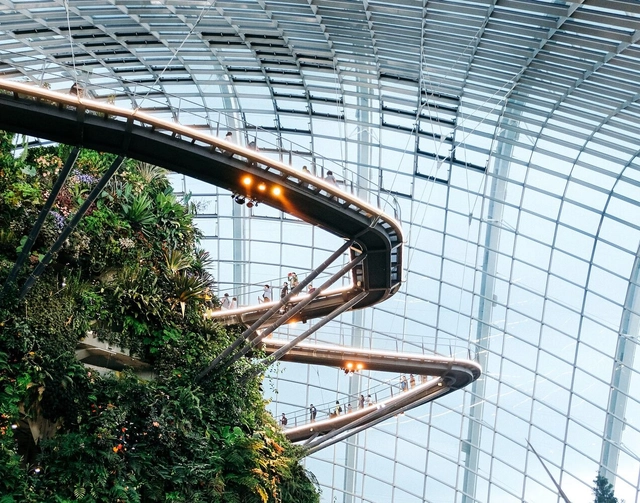
We can define green technology as a set of instruments that enable sustainable production. This means managing product lifecycles more responsibly, always striving for minimal environmental impact.
The production stages span from raw material extraction, manufacturing, and distribution, to end-use and disposal. Consequently, the entire lifecycle can benefit from the application of green technologies, which help reduce environmental impact by using natural resources in a sustainable and conscious manner.
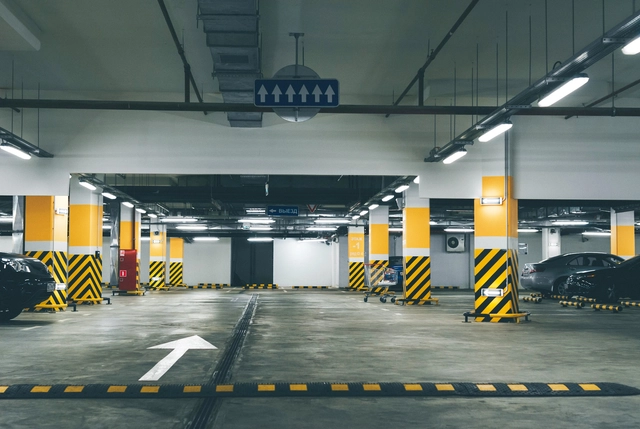
On January 13, the City of São Paulo, through the Municipal Secretariat of Urban Development and Licensing, published the draft bill for the mid-term review of the Strategic Master Plan (PDE)—the city's primary urban planning and development tool. In the draft, which is open for online public consultation and civil society feedback until February 17, the most controversial aspect involves changes to the parameters determining the number of parking spaces allowed in new residential developments near public transit infrastructure, such as subway and train stations, and bus corridors.
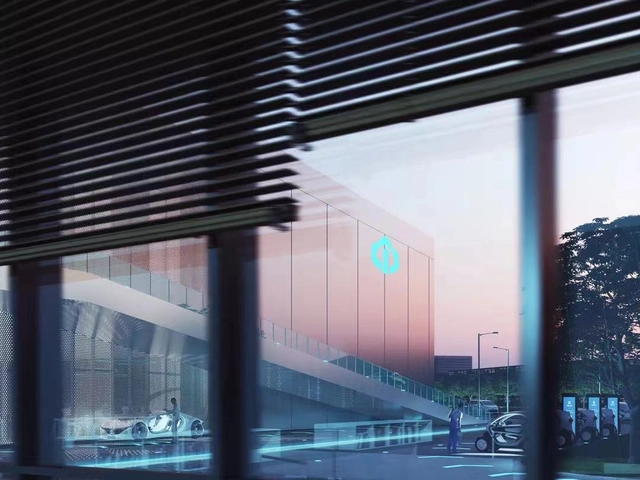
weico is a newly established architecture firm founded by a group of highly experienced industry professionals. Located in a small courtyard near the East Gate of the Temple of Heaven in Beijing, the studio currently comprises about 20 team members. Beyond building design, weico’s practice spans interior design, urban design, architectural programming, and large-scale project management. The firm places a strong emphasis on the cross-disciplinary integration of design with technology, industry, economics, and the humanities, and has recently begun incorporating graphic design into its project workflows. Led by Principal Architect and Partner Sun Wei, weico—established just over a year ago—has already won bids for and taken on major projects, including the T3 Headquarters, Hengli International Headquarters, the Hongqi High-End Customization Center, and consulting for the Hong Kong University of Science and Technology (Guangzhou) Phase II. The firm was also shortlisted for the CGN Scientific Research Base and the Bay Area University, drawing significant attention within the domestic industry.
Although we are an architecture firm, we do not view design as the end of our work, but rather as the starting point. We hope that all our work can serve as a medium to express our understanding of the world, and even as a tool to drive change.
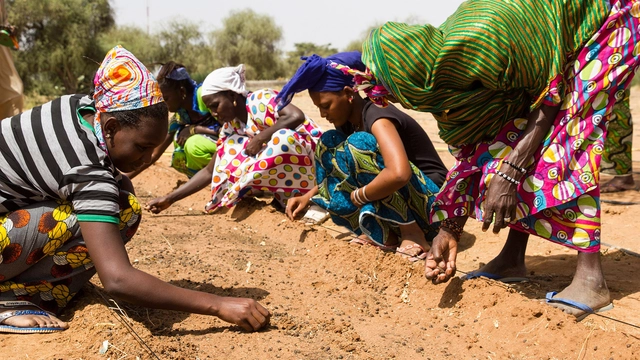
Designated by the United Nations (UN), June 17 was established as the World Day to Combat Desertification and Drought, a date that serves to raise awareness about these phenomena while promoting initiatives to address them. Broadly speaking, desertification refers to the process of land degradation in arid regions, caused primarily by human activities and climatic variations. This phenomenon leads to the loss of vegetation cover, soil erosion, and reduced agricultural productivity, among other negative consequences. Drought, on the other hand, is a prolonged period of abnormally low rainfall resulting in water scarcity, which can have severe impacts on ecosystems, agriculture, and human livelihoods.