A profound generational evolution is rewriting the rules of the contemporary landscape, bringing an end to the era where architects and designers merely mimicked the tenets of Western modernism. Recorded live at Milan Design Week 2026 in cooperation with INDX|GLOBAL, the seventh episode of the Room for Dreams podcast leads an insightful session on how a new generation of Indian practitioners is stepping onto the global stage with a confident, self-aware perspective.
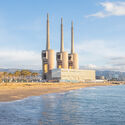
Barcelona has just become the first city in the history of the UIA World Congress of Architects to host the event twice. Thirty years separate the two editions, and the distance between them says as much about architecture's changing self-understanding as anything spoken from a stage. In 1996, the congress placed the city at the center of the debate, consolidating a post-Olympic urban model that would go on to be studied and contested for decades.
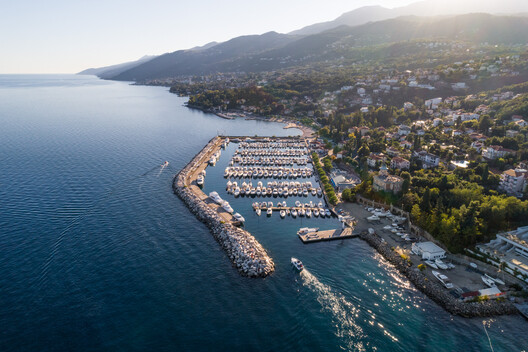
Marina Opatija and the Kvarner Bay shoreline from above. Image Courtesy of Smart & Sustainable Marina Rendezvous
M3 Monaco's Smart & Sustainable Marina Rendezvouscompetition returns for its sixth edition with an open-architecture Call for Ideas centered on Marina Opatija, on Croatia's Kvarner Bay. This article sets out what the competition asks of designers: a focused, high-impact intervention built around three required buildings, the pillars and sustainability criteria behind the brief, the key dates leading to the August 2026 deadline, and how to enter, free of charge, for professionals and students alike, with the top finalists pitching their work at the Yacht Club de Monaco.
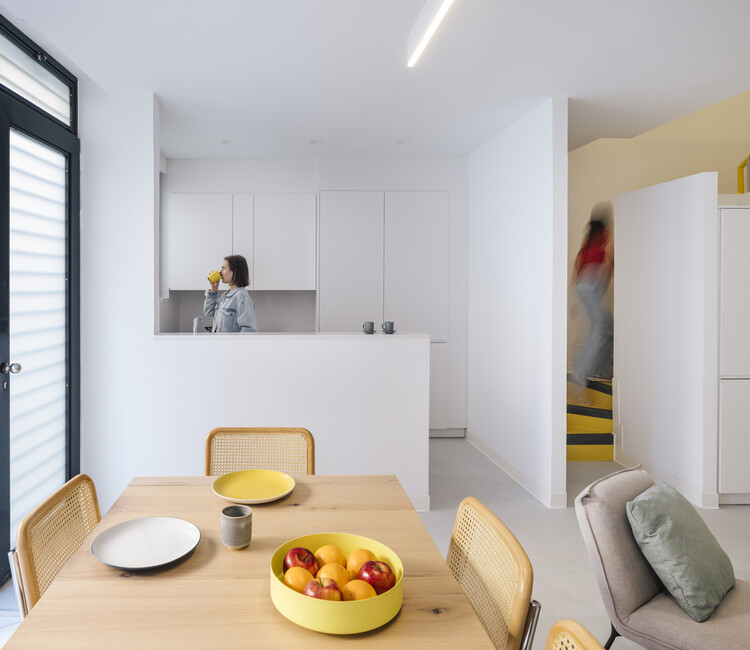
As co-living becomes increasingly associated with students, young professionals, and other mobile residents, it raises a broader architectural question: if home is no longer tied to long-term residence, what should architecture expect the private dwelling to provide?
People move for school, for a temporary job, or for a career that keeps taking them somewhere new. Many now expect to spend a defined period in a place before leaving it. Housing built for them has to do more than provide shelter. It has to support the routines through which someone adapts to an unfamiliar place, in the short time they know they have there. A year in a city asks something different of an apartment than a lifetime does, even if the square meters look the same on paper.
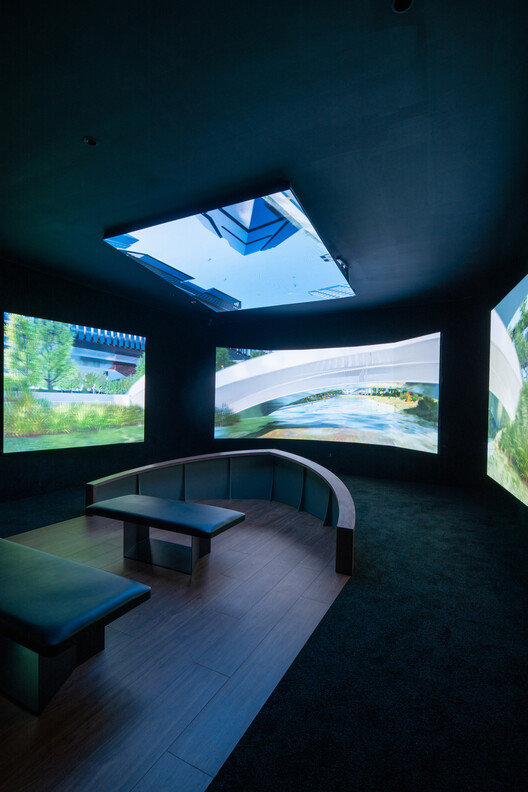
There is a big difference between looking at an image of a building and experiencing the space it represents. The atmosphere of a place, shaped by its light, sounds, materiality, and relationship with the surrounding landscape, has long belonged to the realm of physical experience. Today, real-time rendering technologies are beginning to narrow that gap, allowing projects to be explored and experienced before they are ever built.
Long before a building is constructed, it exists as drawings, physical models, perspectives, photographs, and, more recently, photorealistic renderings. Each new representational tool in history has sought to communicate not only the appearance of a project, but also the experience of inhabiting it.
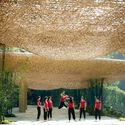
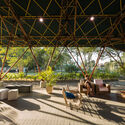
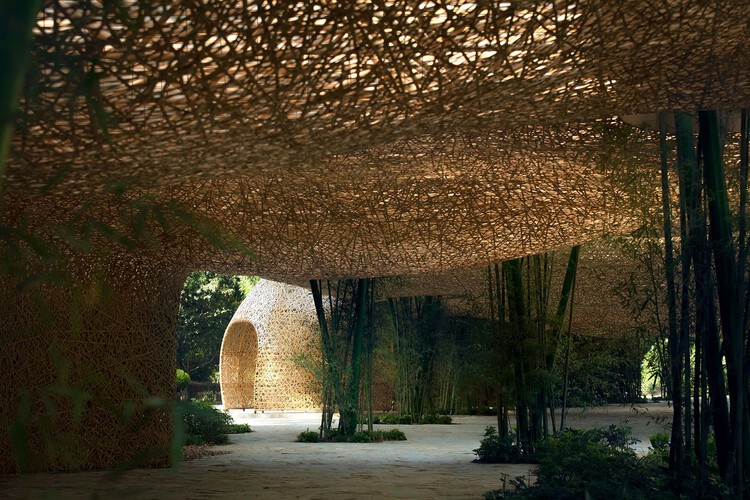
Bamboo is often praised before it is understood. It grows quickly, carries a long history of building cultures, and appears to offer architecture an immediate ecological language. In photographs, it can seem almost self-explanatory: light, natural, renewable, and already aligned with a more sustainable future. Yet this apparent clarity is also what makes bamboo difficult to discuss with precision. Once it becomes a symbol of environmental responsibility, the material itself can disappear behind the image it produces.
This is the risk of bamboo's contemporary revival. It can be imagined too easily as a green substitute for industrial materials, a regional atmosphere, or a softer alternative to the harder languages of steel and concrete. In each case, bamboo is admired before its conditions are understood. The more important question is not whether bamboo is sustainable in a general sense, but what kind of architectural culture it requires: what forms of knowledge, maintenance, regulation, labor, and time are needed for its sustainability to become real.
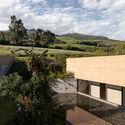
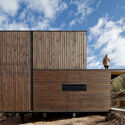
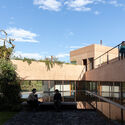
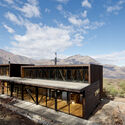
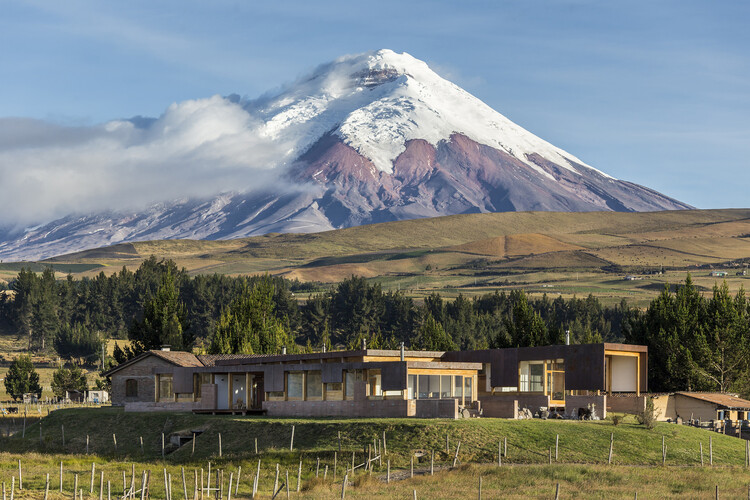
The Andes are often understood as a continuous mountain range, yet they encompass a wide range of climates and ecosystems. In Ecuador, Peru, Bolivia, Colombia, and Chile, páramos, dry highlands, temperate valleys, and snow-covered landscapes can exist within relatively short distances of one another. As elevation changes, so do temperature, solar radiation, humidity, wind, vegetation, and topography, producing environments that require different ways of building.
Unlike many mountain regions where cold is the defining environmental condition, high-altitude environments in the Andes combine several climatic conditions at once. As elevation increases, solar radiation becomes more intense. Some regions remain humid throughout the year, while others experience prolonged dry seasons. In many places, steep terrain, snow, and changing weather patterns become additional factors that influence how buildings are designed.
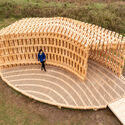
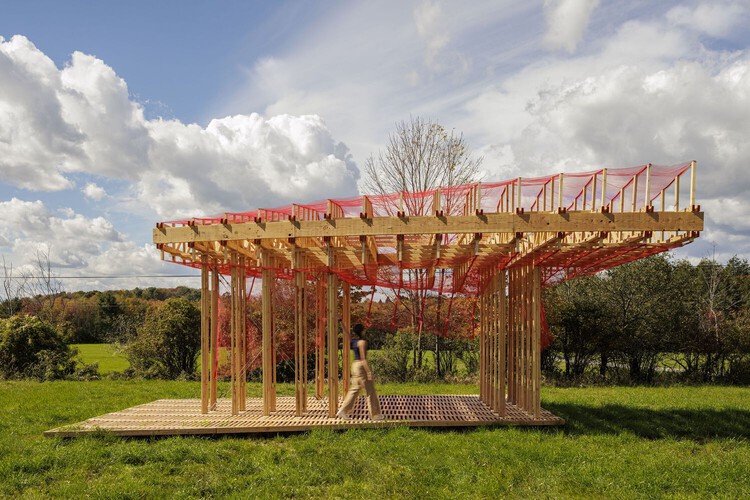
Wood is among architecture's oldest and most familiar materials, yet its contemporary use raises complex questions about environmental impact, resource availability, material provenance, and circularity in relation to local economies. At the same time, advances in computational design, CNC machining, and robotic fabrication are also reshaping how timber is designed and assembled, opening new possibilities for structural innovation and formal expression while redefining the balance between automation, labor, and efficiency.
Architecture project information does not live only in CAD or BIM software. Design briefs, drawing PDFs, contracts, quotations, site reports, approval files, and project specifications are often the documents that teams open, revise, send, and confirm every day.
When these files are scattered across emails, chat tools, scanned copies, and different devices, version mistakes, approval delays, and missing information can easily happen. For architects and small studios, this not only slows down communication. It can also affect project accuracy, client trust, and delivery timelines.
The concept of the museum has historically prompted reflections on identity, representation, and institutional frameworks. At present, museums are conceived as increasingly complex spaces, combining exhibition areas with other cultural and educational functions, prompting civic engagement, artistic experimentation, and archival responsibility. Throughout this year, numerous museum projects have been announced and advanced across multiple regions, with completion timelines largely extending from 2026 to 2030. Added to this variety is the wide range of concepts developed within the realm of ideas, proposals, and speculations. It is within this realm that this selection of projects submitted by ArchDaily readers finds its place: projects whose designs can expand the boundaries of our imagination.
Some of the world's most innovative regional architecture never makes the headlines simply because no one is telling its story. For the sixth episode of the Room For Dreams podcast, recorded live at Milan Design Week 2026 in cooperation with INDX|GLOBAL, host Claire Brodka of designboom dissects this exact bottleneck with architects Niroop Reddy, Sujit Nair, and Aman Aggarwal, tracing how a historic lack of architectural storytelling has obscured a massive design revolution taking place across the Indian subcontinent.
In 2026, Barcelona will become the global epicenter of architecture as it is named the World Capital of Architecture by UNESCO and the UIA. This recognition reinforces the city's role as an urban laboratory for innovation, sustainability, and contemporary design. Against this backdrop, pursuing a master's degree in architecture in Barcelona offers an opportunity for architects and industry professionals looking to specialize and connect with the trends transforming the discipline.
In the twenty-first century agenda, adaptive reuse is understood as a creative and meaningful approach to the development of the built environment. In the face of an era marked by adaptation and transformation, the shaping of human experiences aligns with the principle of "reuse, reduce, recycle." From the authenticity of place to the inherent value of materials, working in dialogue with the past makes it possible to envision new futures that engage with the uses, traditions, and beliefs of earlier eras. By considering each building as a collection of tangible and intangible elements that shape its identity, adaptive reuse interventions require a deep understanding not only of construction methods, structural systems, and spatial rhythms, but also of the cultures that built, inhabited, and will one day occupy these places.
Soporte oculto para vigas - CBH. Image Cortesía de Simpson Strong Tie
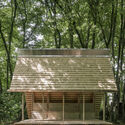
In the field of architecture, wood was one of the first materials used by humans for construction, evolving and facing various challenges over the years. From the integration of new technologies into industrial production processes to ancestral techniques and materials reinterpreted for contemporary times, timber construction continues to garner significant interest among architects and designers. Beyond its versatility, strength, appearance, and sustainability, cross-laminated timber, commonly known as CLT, presents a highly promising future for the industry.
Videos
Render aéreo con IA de paisajismo detallado: vegetación y equipamiento con complejidad geométrica, visual y material. Diseño por Fundación Kennedy | RenderAI.app. Image Cortesía de Render AI
Artificial intelligence has evolved from an emerging technology into an everyday tool. Architects and interior designers are integrating it into their workflows, shortening the time between an initial idea and its realization. In the field of visualization, AI has naturally integrated into existing tools and processes, working alongside software such as Revit, AutoCAD, SketchUp, Lumion, Enscape, or Twinmotion.
Against this backdrop, Render AI was launched over three years ago with a clear goal: to integrate into the creative process quickly and intuitively. It is an AI-powered rendering tool designed for architecture, design, and interior design firms, capable of transforming sketches, 3D models, Revit screenshots, drawings, or photographs into client-ready presentation images.
Due to high demand, we are temporarily reopening applications for the ArchDaily Student Ambassador Program 2026/2027.
ArchDaily was born within a university, founded by two architecture students who believed that architectural knowledge should circulate more freely. Eighteen years later, this conviction remains unchanged—but our insights, tools, and opportunities have grown. We launched the Student Ambassador Program to give the next generation of architects a direct role in connecting their universities to the global architectural conversation.
By popular demand, we are briefly reopening applications for the ArchDaily Student Ambassador Program 2026/2027.
ArchDaily began on campus, founded by two architecture students who believed that architectural and design ideas should be accessible to everyone, spreading further and wider. Eighteen years later, while our tools have advanced, our horizons broadened, and our opportunities expanded, our core mission remains unchanged. ArchDaily is now officially launching the Student Ambassador Program, empowering the next generation of architects to play a direct role in connecting their campuses with the global architectural dialogue.
Due to high demand, we are briefly reopening applications for the ArchDaily Student Ambassador Program 2026/2027.
ArchDaily was founded within a university, started by two architecture students who believed that architectural knowledge should reach further than it did at the time. Eighteen years later, that conviction remains unchanged—but the perspectives, tools, and opportunities have grown. We launched the Student Ambassador Programto give the next generation of architects a direct role in connecting their universities with the global architectural conversation.
Architecture often draws on the history of a place, translating local narratives into contemporary forms, materials, and spatial experiences. Located in the spa town of Bad Orb near Frankfurt, ALEA RESORT HIDEAWAY follows this approach, taking inspiration from the site's history of salt extraction.
Designed by PLAJER + FRANZ studio, the 5,200 m² hospitality project references the geometry of salt crystals through its architectural language while using lighting solutions from OLEV to shape the atmosphere of its interior spaces. In this interview, architect Alexander Plajer discusses the project's relationship to its context, the design process, and the role of lighting.
Kiaura Collection™ designed by Aaron DeJule for KI. Image Courtesy of KI Furniture
For decades, professionals have accepted an uncomfortable reality: hours spent at a desk often result in stiff backs, constant shifting, and creeping mental fatigue. While conventional ergonomic seating has sought to improve comfort through adjustable mechanisms, it has largely continued to assume that effective sitting depends on maintaining a stable posture. Growing understanding of the relationship between movement, physical well-being, and cognitive performance suggests a different approach, one in which motion becomes an integral part of the seating experience rather than something to be minimized.
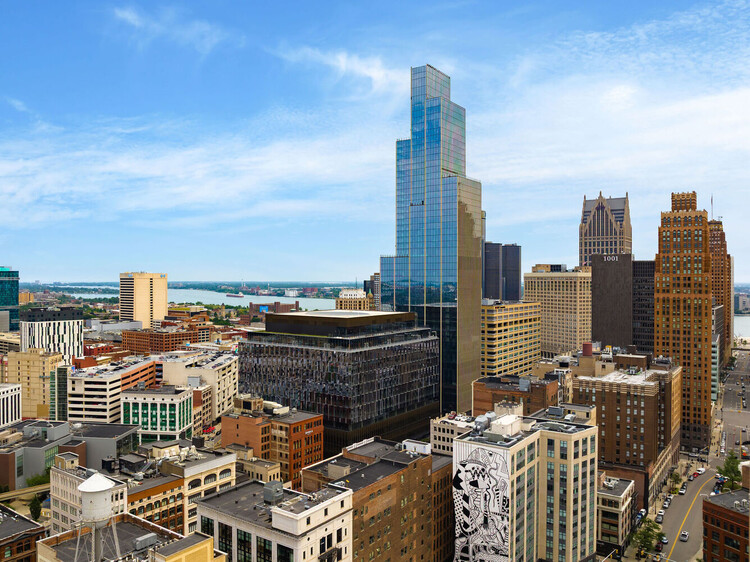
Hudson's Detroit mixed-used development. Aerial view.. Image Courtesy of Bedrock
Urban planning is often confused with adjacent disciplines: urban design, environmental policy, civic strategy, local politics, or data analytics. Moreover, the overlap in training and responsibilities between planning and urban practices makes the field difficult to define clearly. In practice, it is often easier to recognize the consequences of bad planning than to articulate the outcomes of good planning. When planning is working well for residents, it should disappear altogether. It should remove friction from daily life so that people would not think to credit a discipline at all. At its core, urban planning is the relationship people have with their environments, and when that relationship is functioning, the mechanics of housing, transportation, affordability, access, and inclusion should feel ordinary and expected.
https://www.archdaily.com/1054644/working-in-shanghai-yeas-design-hiring-product-specialist-exhibition-planner-spatial-designer-administrator-interns韩爽 - HAN Shuang
Nicolás Valencia talks with Honduran architect Ángela Stassano, designer of the Copán Sculpture Museum and one of Central America's leading architects. Recorded in the Honduran city of San Pedro Sula, Stassano discusses her bioclimatic architecture publications, scooter anecdotes, and the history of Honduras.
https://www.archdaily.com/1054646/angela-stassano-i-grew-up-in-a-house-that-already-had-climate-responses-without-being-called-bioclimatic-architectureArchDaily Team