
The construction sector, particularly the building industry, is one of the largest consumers of natural resources and is responsible for significant environmental impacts and CO2 emissions, according to data from the United Nations Environment Programme. According to data from the organization C40 Cities, buildings are one of the primary sources of greenhouse gas (GHG) emissions in cities, meaning there is substantial room to reduce these emissions—with CO2 being the primary GHG. Data from the National Energy Balance (MME, 2019) indicates that residential, public, and commercial buildings in Brazil consumed over 40% of all electricity produced in the country in 2018.
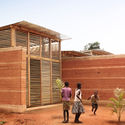




It is well known that many countries, especially developing and emerging nations in Africa, Asia, and Latin America, still face a major housing deficit that is expected to grow in the coming years. Consequently, there is an urgent need to rethink building design and construction to achieve a lower carbon footprint across the entire project life cycle.


