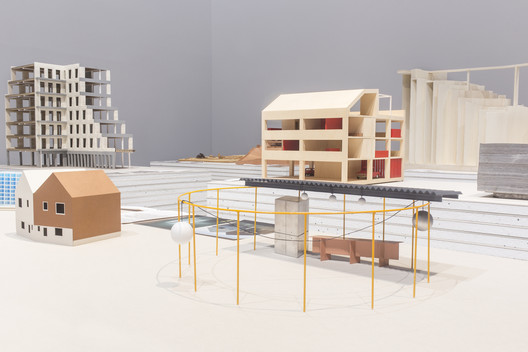
An architect colleague of mine once mentioned that her firm had hired a new intern. He was a competent, dedicated student in the middle semesters of his architecture program. His hiring was primarily due to his strong skills in BIM (Building Information Modeling) software, with a portfolio filled with well-resolved, medium-scale projects.
However, the interesting part of the conversation was when she mentioned that one day, in the middle of some design studies, she asked him to hand-draw a wall section. It was meant to show plaster, paint, and masonry—nothing more detailed than that. At that moment, the newly hired intern stared at her thoughtfully, showing a mix of "should I make something up right now, or admit I don't know?"
At the time, I remember that this episode sparked a deep reflection—not on the skills of the new intern, but on the growing dependence on digital tools, in this case, specifically on software using BIM technology. This dependence seems to take root primarily among the newer generations who, from the very beginning of their training, are educated based on digital models.


