This guide covers a workflow that moves from project parameters to generated floor plans, 3D perspective views, exterior design exploration, and site context visualization, using AI tools in place of preliminary CAD and rendering work.
This guide covers a workflow that moves from project parameters to generated floor plans, 3D perspective views, exterior design exploration, and site context visualization, using AI tools in place of preliminary CAD and rendering work.
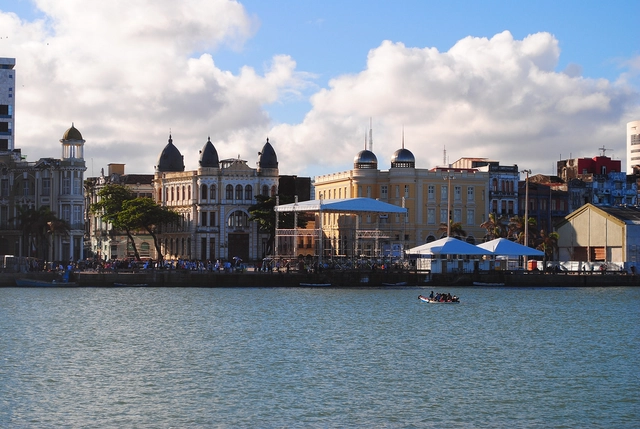
Navigating streets and avenues to get from one place to another is part of the daily routine for anyone living in a major city. Most of the time, it is something done almost automatically, without realizing that behind every street, square, and corner, there is a story.
Recife, the capital of Pernambuco, is one of these places, rich in historic buildings and locations celebrated by great poets and writers.
As is tradition, digital travel platform TripAdvisor has released the results of the 2018 Travelers' Choice awards. These accolades are determined by millions of reviews posted on the website, measuring "the year-over-year increase in positive traveler review ratings," the company explains. Additionally, these cities "have also experienced an increase in search traffic and booking interest" for accommodations.
According to Brooke Ferencsik, communications director at TripAdvisor, the selected cities share the fact that "they all have excellent accommodations, wonderful restaurants, and exceptional attractions for every travel budget."
In South America, six countries are represented on this year's list. Below, discover the ten cities chosen by TripAdvisor users:
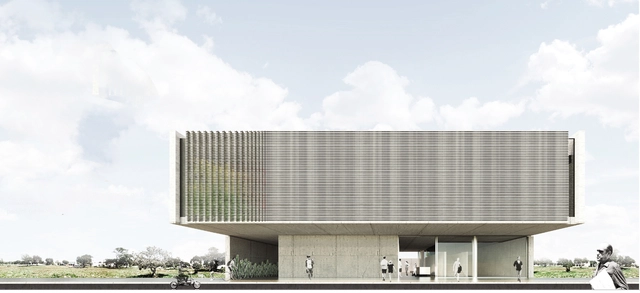
Launched on October 16, 2018, by the Council of Architecture and Urbanism of Tocantins (CAU/TO), the National Public Architecture Competition No. 001/2018 aimed to select the best Preliminary Architectural Study proposal for its new headquarters. The building will be constructed in block ACNO 11(103N), Conjunto 02, on Pedestrian Street NO-09, Lot 37, in Palmas, Tocantins.
The Municipal Government of São Bernardo do Campo has opened applications for a public selection process with ten vacancies for architects and urban planners. Organized by the Fundação VUNESP, the exam requires candidates to hold a degree in architecture and urban planning and an active professional registration with CAU/SP.
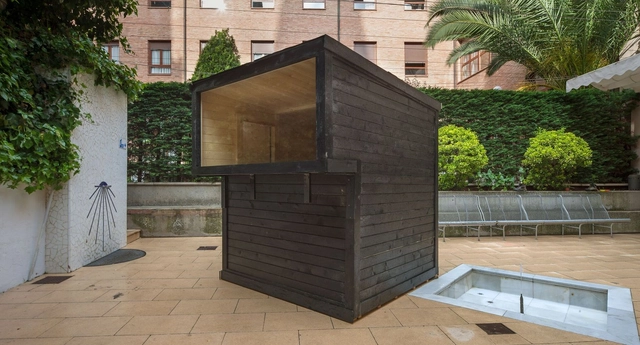
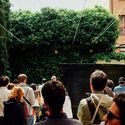
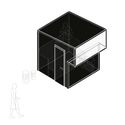
Conéntrico is an International Architecture and Design Festival that proposes to reflect on the city of Logroño (Spain) through the revitalization of undervalued public spaces. Its latest edition, Conéntrico 04, takes place between April 27 and May 1, 2018, in the Historic Center of Logroño. The festival invites visitors to explore the city through installations, exhibitions, meetings, activities, and performances that connect venues, plazas, streets, courtyards, and hidden spaces that usually go unnoticed in daily life. Jairo Rodríguez integrates the greatest number of senses in a sauna in the middle of the courtyard of the Municipal Pilgrims' Hostel.
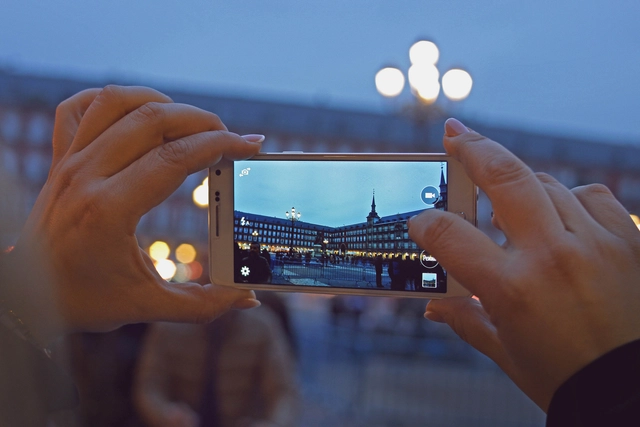
Yesterday, the Official Association of Architects of Madrid and the COAM Architecture Foundation presented the "Arquitectura de Madrid" mobile app, developed with the support of the Madrid City Council and the Foro de Empresas por Madrid.
This is arguably one of the most important and ambitious initiatives undertaken by COAM in recent years in a clear effort to connect architecture with society. In today's fully digitalized context, this app serves as a useful and powerful tool to promote Madrid's architecture, easily accessible to any citizen, student, professional, or visitor to the Spanish capital.
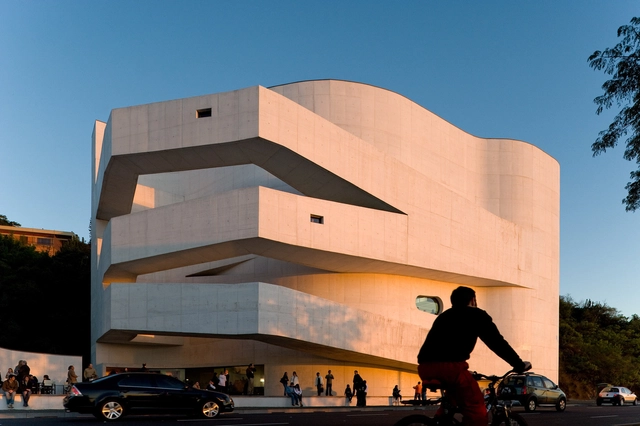
Porto Alegre will host the 21st Brazilian Congress of Architects in October 2019. Organized by the Institute of Architects of Brazil, the event will serve as a preparatory meeting for the 27th World Congress of Architects (UIA2020RIO), which will take place in Rio de Janeiro in 2020. The theme of this edition is Space and Democracy.
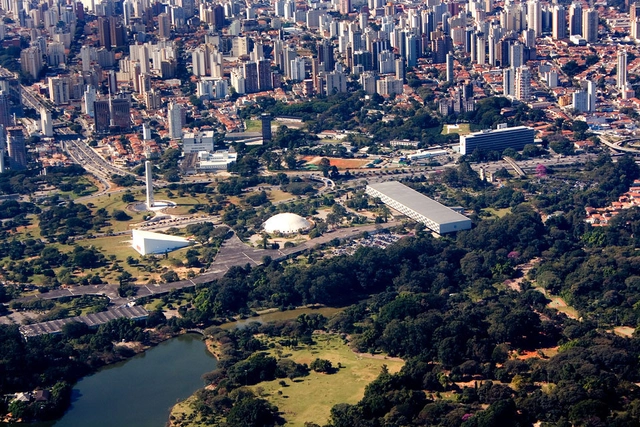
Paulo Mendes da Rocha is currently the most admired and respected figure in Brazilian architecture. However, his extensive list of works narrowly missed including an intervention project for the work of another master, Oscar Niemeyer. Commissioned in 2015 by São Paulo's previous municipal administration to develop a redesign project for Ibirapuera Park, the proposal by the 2006 Pritzker Prize laureate was shelved in December of last year.
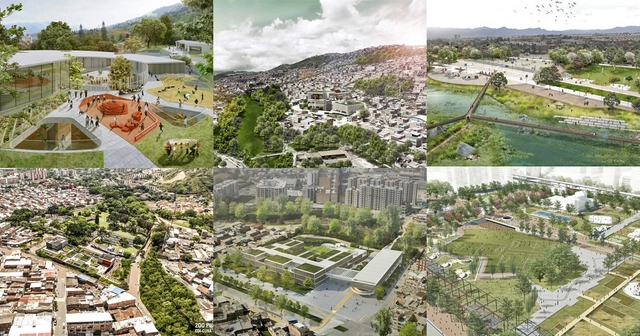

"Architectural competitions represent the combination of the art of choosing and the craft of being chosen," says Roberto Fernández about an area of our discipline that is widely recognized as an excellent platform for firms and independent professionals to present their ideas as true manifestos. Meanwhile, in academic circles, competitions often serve as tools for formal, conceptual, and graphic experimentation.
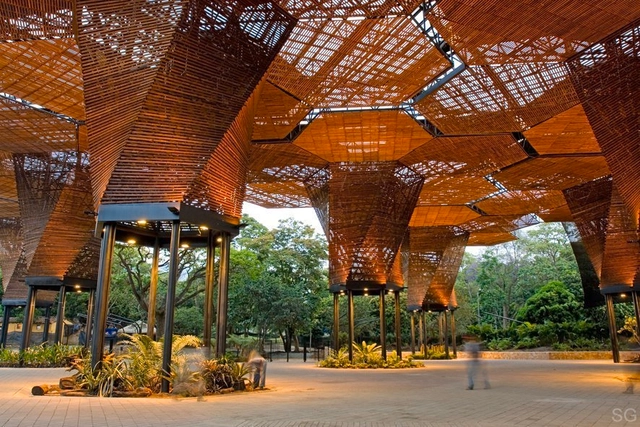
These types of commissions undoubtedly inspire not only architecture and urban planning professionals but also the public as a key player in their evaluation. Whether or not these proposals are built, they demonstrate that we must constantly champion innovation, recognizing the immense effort behind these results. With this in mind, we have selected six award-winning projects that reflect the value of architectural competitions in Colombia.
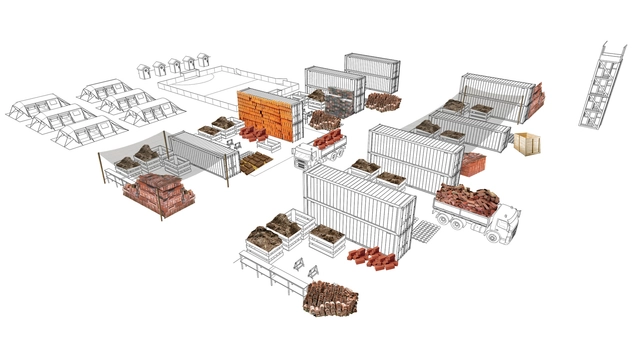
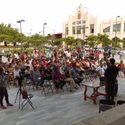


To mark the commemoration of the February 27 earthquake and tsunami, the creation of “Rubble Hospitals” is being promoted, drawing on recent earthquake experiences in Chile and Mexico.
A new guide for creating these spaces was announced in Concepción by Chile's Proyecta Memoria Foundation, coinciding with the anniversary of the February 27 earthquake and tsunami. The guide compiles experiences from earthquakes in Chile and Mexico, while promoting Rubble Hospitals as spaces to safeguard and reuse debris from large-scale seismic events.
The document is the result of three years of work and details memory rescue initiatives during the 2010 and 2015 earthquakes in Chile and the earthquakes in Mexico.
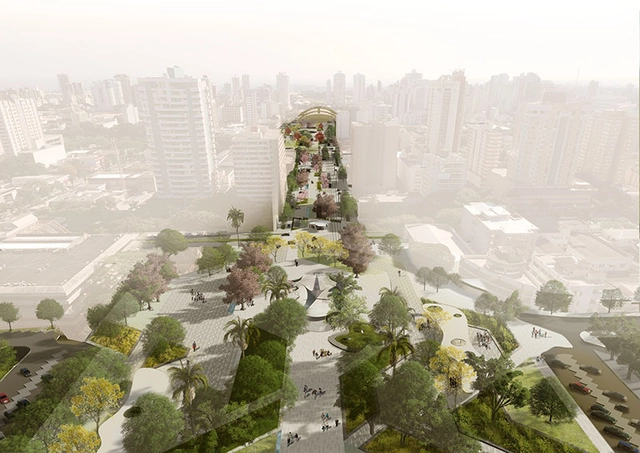
The official results for the National Competition for the Requalification of the Public Space of the Monumental Axis of Maringá have been released. This central urban area lies between Cathedral Square (Praça da Catedral) and the Vila Olímpica sports complex. Totaling approximately 169,000 square meters, the Monumental Axis includes gardens, public spaces, parking areas, and perimeter paving along the building facades. Due to the site's vast scale, proposals had to be presented in seven sectors to facilitate phased bidding and construction. The winning project was designed by a team comprising Pedro Paes Lira, Manoela Muniz Machado, Julia Marini, Laura Figueiredo, and Juliette Tellier from the firm Natureza Urbana, with landscape consulting by Bianca Vasone, Gabriella Ornaghi, and Lilian Dazzi, and engineering consulting by Alexandre Horiye Ferreira and Felipe Macedo Barbosa.
The jury, composed of architects and urban planners Haroldo Pinheiro, José Gilberto Purpur, Mario Figueroa, Orlando Busarello, and Renato Leão Rego, selected the following winners:
_20Wikimedia_Commons.jpg?1528296272&format=webp&width=640&height=580)
The “Welcome Mother Nature” project, winner of the June 2016 international competition to redesign Madrid's Plaza España, will ultimately not be allowed to alter the position of the Cervantes monument as initially planned.
The Community of Madrid announced at the Local Heritage Commission its intention to fast-track the declaration of the complex as an Asset of Heritage Interest (BIP). Consequently, the project designed by architects Fernando Porras Isla-Fernández, Aranzazu La Casta Muñoa, and Lorenzo Fernández-Ordóñez Hernández will not be allowed to rotate the statue of the Spanish writer to face the Edificio España, as reported by the Spanish newspaper El País.
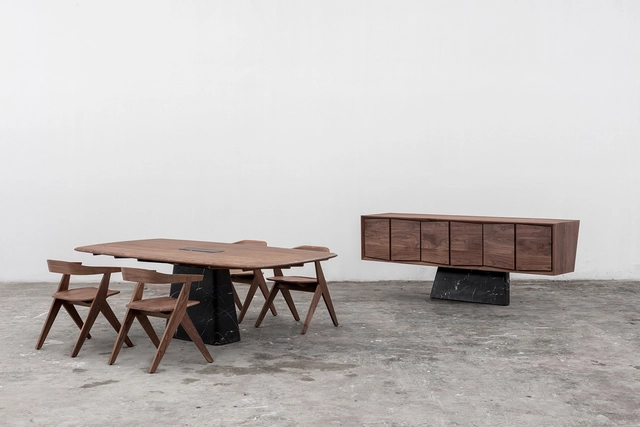
The Dolmen Collection is based on an exploration of balance between elements of different materialities. This exercise highlights the physical properties of stone and wood, creating tension between the suspended and supporting elements. Designed by Héctor Esrawe, Manuel Bañó, Federico Stefanovich, and Alejandro Ramírez, it comprises a dining table with chairs and a cabinet.
Dampness from water ingress, condensation, or leaking and burst pipes; cracks and fissures in partition walls, facades, columns, or beams; corrosion, deformation, and spalling are some of the most common building pathologies that can affect a structure throughout its lifespan. Detecting these issues is essential to address them, keep the building in good condition, and prevent accidents or structural failures.
To address this, the Official Association of Architects of Madrid (COAM) has launched its first public awareness campaign, titled ‘Arquitecto de la Casa’ (House Architect). The initiative aims to raise awareness about the necessity and benefits of ongoing building maintenance, highlighting specialized architects as the most qualified professionals for the job.
.jpg?1540313339&format=webp&width=640&height=580)
An inseparable figure from Brasília, Athos Bulcão is responsible for works that bring color and geometric patterns to the purity of the federal capital's architecture. To promote the artist's work, the National Institute of Historic and Artistic Heritage (Iphan) launched the book Athos, Colorindo Brasília, the first volume of the Patrimônio para Jovens collection, an initiative by Iphan's Federal District office and the Federal District Department of Education (SEDF).
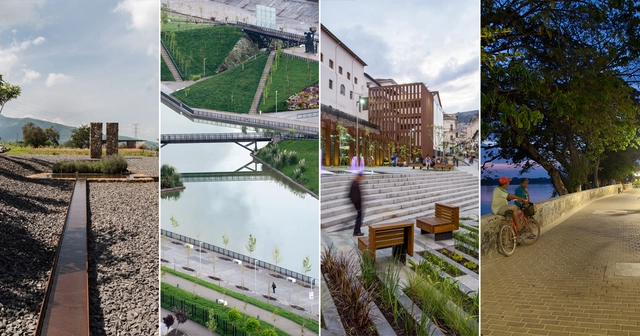
Yesterday, Monday (September 10), the 3rd Latin American Landscape Architecture Biennial announced the finalists for the competition, which will take place in Mexico City on September 26 and 27. Organized since 2014 by the Mexican Society of Landscape Architects (SAPM), the biennial seeks to highlight the role of landscape architecture in shaping the habitat in Latin America, with a particular emphasis on the environmental and social challenges facing the region.
"We seek to encourage participation in landscape construction to showcase the broad and diverse panorama of local interventions that ultimately help define a region sharing common challenges and solutions," the organizers state in the biennial's guidelines.
The 19 built works, unbuilt projects, and research papers meet the biennial's criteria, focusing on projects that respect the landscape and its values, demonstrate a commitment to sustainability, and integrate and address social issues, among other criteria.
Discover the finalists below:

Registration is now open for the 1st National Public Photography Contest organized by the Council of Architecture and Urbanism of Goiás (CAU/GO), under the theme “Historic Heritage in Architecture and Urbanism.” Submissions will be accepted until 4:00 PM on September 24 at the CAU/GO headquarters.
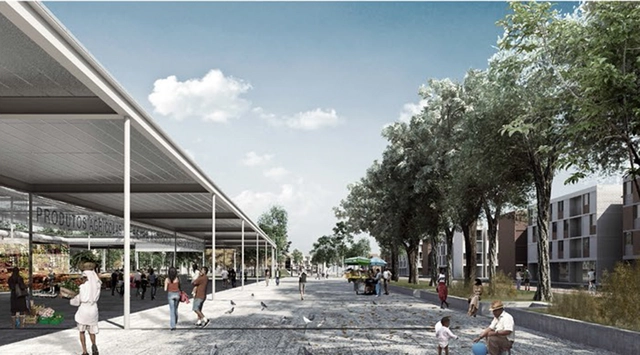
The Housing Development Company of the Federal District (CODHAB/DF) continues to release the results of design competitions, establishing itself as a benchmark for institutions across the country by holding competitions to ensure high-quality construction through a clear and democratic selection process for the most qualified technical, scientific, or artistic proposals. This latest edition features the National Public Urban Planning and Architecture Design Competition for the QNR 06 Housing Sector, in the Administrative Region of Ceilândia.

A new interactive museum is opening its doors at the Mexican Stock Exchange. The Mexican Stock Exchange Museum, “MUBO”—inaugurated in May 2018—is a space dedicated to a historical narrative focused on the country's financial market culture, utilizing interactive modules to enhance the understanding of the curatorial script. Through this new space, the Bolsa Mexicana de Valores Group brings together efforts initiated just over a year ago alongside the "Escuela de la Bolsa" to disseminate financial topics and foster an understanding of the country's history and development.
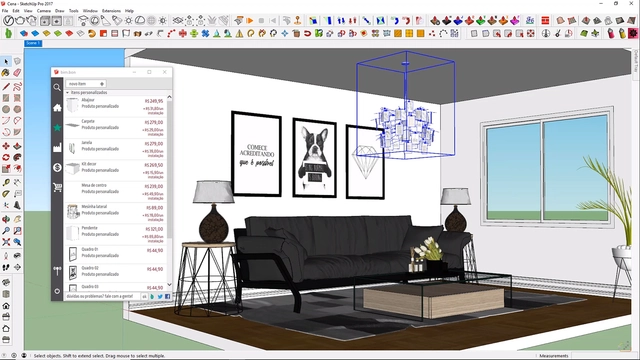
SketchUp is one of the most widely used digital modeling software programs in both professional practice and academia—and undoubtedly the most intuitive. However, the ease of creating orthogonal geometries can quickly turn into a nightmare when the goal is to design curved and organic shapes and objects.
With this in mind, Gabriel Chahoud of Chahoud Cursos released 30 video tutorials for what he called "SketchUp Month," sharing tips on how to model objects that, at first glance, seem complex to create in this software.
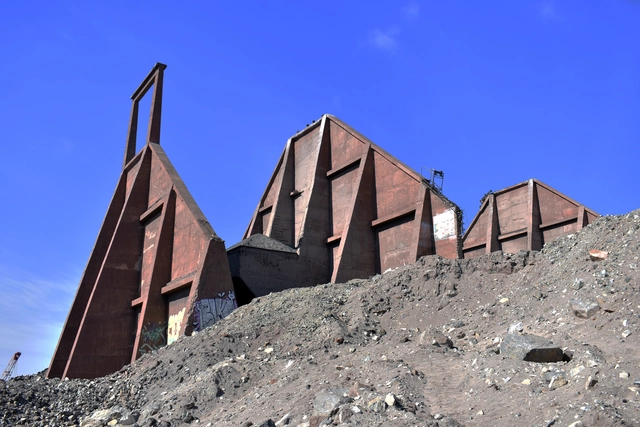
Alongside an archaeologist and a visual artist, the team led by architect and University of Chile academic Claudia Torres has documented a series of industrial ruins in rural areas throughout Chile. These are structures where geography and nature have played a fundamental role, both as a productive resource and as witnesses to their progressive deterioration after being abandoned decades ago.
Titled “From Noise to Silence: Valuing Industrial Ruins in Rural Areas,” this research, funded by Fondart 2017, selected nine cases across Chile: from the historic use of the coastline associated with mining in the northern desert (Caldera) to logging in the Patagonian forests of the far south (Contao). Each site features unprecedented photographic and audiovisual documentation that showcases the rich natural environment where they were built to spark or secure productive processes that have shaped the socioeconomic and cultural history of each region.
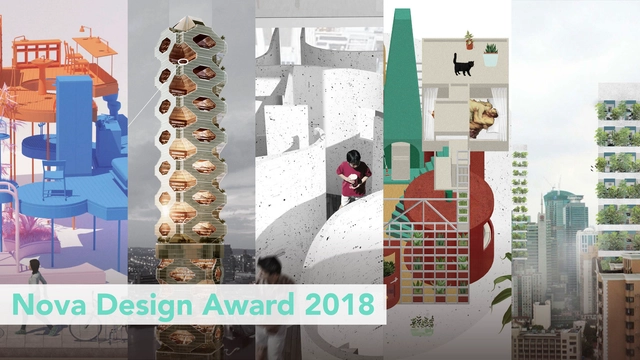
On August 6, the NOVA Design Award 2018 announced its competition finalists. The NOVA Design Award 2018 is the inaugural edition of the NOVA Design Award (NDA). Under the theme of "Future Living Space," the competition explores the possibilities of residential living over the next decade within a residential space of under 50 square meters with a ceiling height of no more than 6 meters in a first-tier Chinese city, aiming to build a physical prototype of "future living."
The competition selected five finalists from 131 submissions across more than 20 countries to enter the final round of judging.
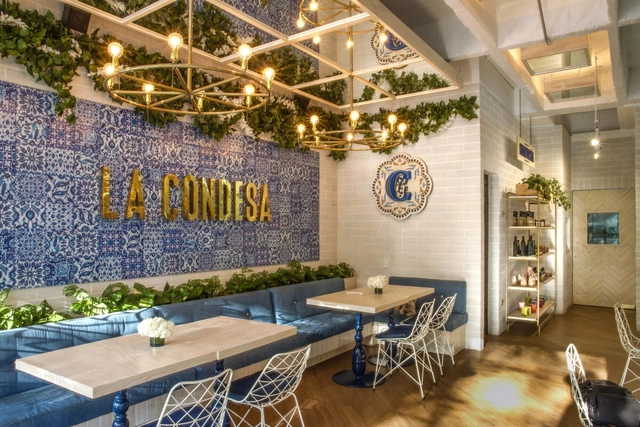
In interior design, striking a balance between aesthetic style and the functional needs of a project is essential. In this regard, it is fascinating to see the diverse solutions that Colombian architects and designers have recently proposed. We have selected eight local projects that demonstrate a compelling balance between functionality and aesthetics in interior design.
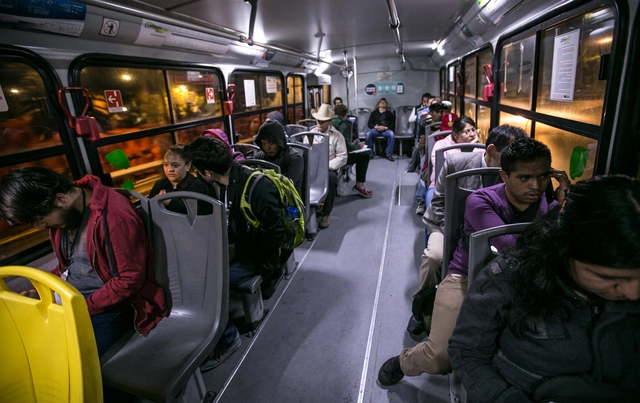
Can you imagine arriving at a bus stop in the early hours of the morning—after a party, work, or school—and knowing the exact minute your public transit will arrive? Cities like London, New York, Madrid, and Melbourne have successfully implemented night transit systems with fixed schedules, yielding various financial and safety benefits for residents while boosting tourism and encouraging sustainable mobility. What would happen if this system were applied to the second-largest avenue in the Americas, after Buenos Aires' Avenida 9 de Julio?
Mexico City already has a night transit service: the Nochebús. With 11 routes operating between midnight and 5:00 a.m., it serves late-shift workers, night-lifers, and others needing late-night transportation. However, the service faces several challenges, many of which stem from uncertainty around arrival times—largely due to a much lower frequency than daytime public transit.