Architect, urbanist, and Content Editor at ArchDaily, covering news and developments in architecture and the built environment. Editorial work focuses on the Gulf region and the Middle East, exploring contemporary regional architectural languages and their relationship to local contexts.
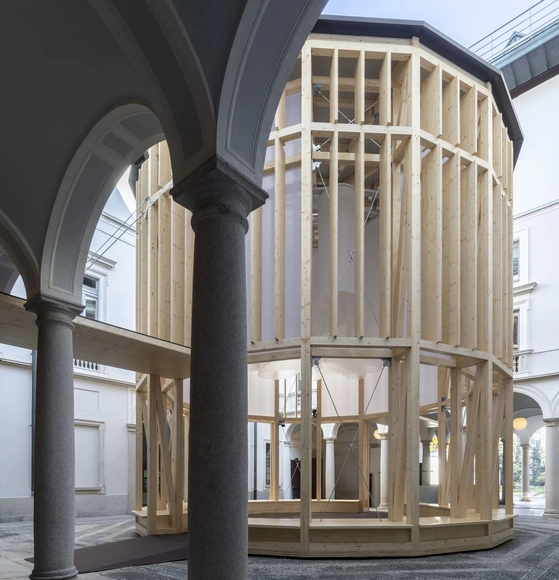
Mario Cucinella Architects (MCA) has reimagined the architectural design of Palazzo Citterio in Milan, Italy, integrating historical and contemporary elements to create a dynamic cultural space. As part of the Grande Brera initiative, which seeks to unify key cultural institutions such as the Pinacoteca di Brera and the Braidense National Library, the palazzo now stands as a hub for modern and contemporary art. Ultimately, the project aims to reestablish Palazzo Citterio as a significant cultural and social landmark, fostering community engagement and interaction.
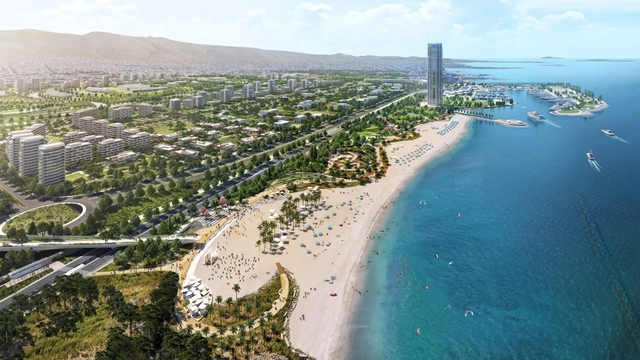
As Athens hosts The Architect Show (TAS) 2024, the event brings together global and local voices to highlight the latest innovations in architecture and design. Against this backdrop, the city's evolving urban narrative is exemplified by The Ellinikon, Europe's largest urban regeneration project. Encompassing 6.2 million square meters, this €8 billion development has already attracted globally renowned architects such as Bjarke Ingels Group (BIG), Kengo Kuma, Foster + Partners, and Aedas. Together, they are shaping the smart city that integrates sustainability, connectivity, and community-focused design into the heart of Athens.
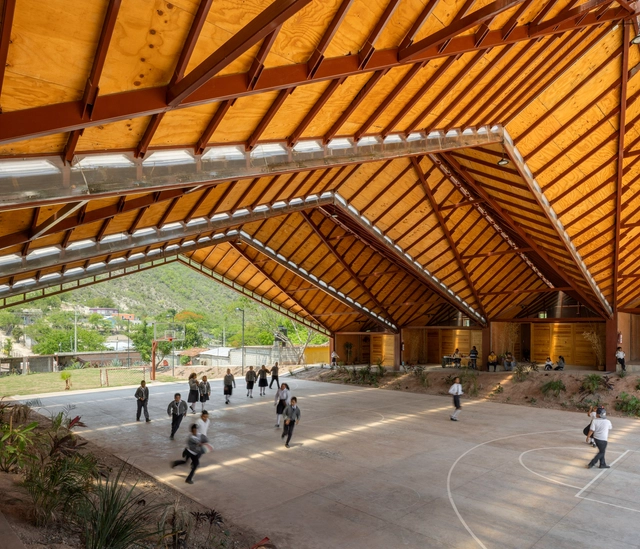
The Mies Crown Hall Americas Prize (MCHAP) hosted its inaugural Conference on Critical Practice at S. R. Crown Hall, where two figures were celebrated for their transformative contributions to architecture. Phyllis Lambert, founder of the Canadian Centre for Architecture (CCA) and Illinois Institute of Technology alumna, was named an MCHAP Luminary. Meanwhile, Román Meyer Falcón was honored as the first-ever recipient of the Phyllis Lambert Agent of Excellence Award, recognizing individuals or organizations whose work has directly elevated contemporary architecture. In an interview with ArchDaily, Meyer Falcón shared insights into his impactful tenure as Mexico's Secretary of Agrarian, Territorial, and Urban Development, discussing his approach to public architecture.
The Board of La Biennale di Venezia has just announced the appointment of Koyo Kouoh as the Director of the Visual Arts Department. Kouoh will lead the curation of the 61st International Art Exhibition, scheduled for 2026. This announcement follows a recommendation by Pietrangelo Buttafuoco, President of La Biennale, who emphasized Kouoh's extensive experience in the global art world and her ability to engage with contemporary artistic and cultural discourse. Born in Cameroon, Koyo Kouoh will become the first African woman to curate the Venice Art Biennale.
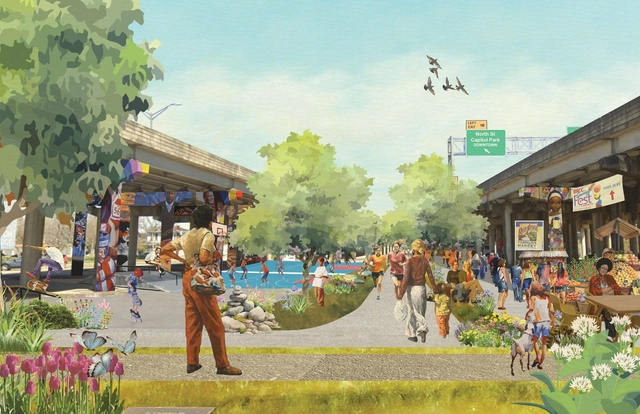
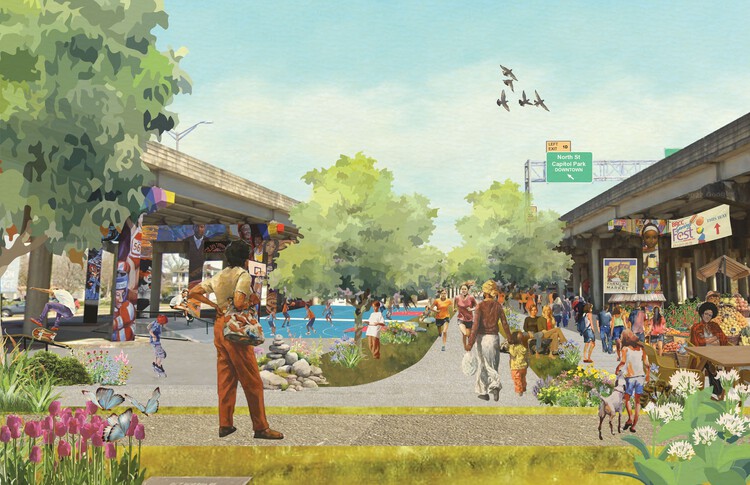
Global design firm Perkins&Will has just announced final plans have been approved for the Florida Corridor Plan in Baton Rouge, Louisiana, on which the firm is the leading planner and urban designer. This initiative, recently approved by the East Baton Rouge Metropolitan Council, aims to transform and rejuvenate a 12-mile stretch connecting downtown Baton Rouge to the Livingston Parish line.
Architectural Classics featured on ArchDaily serve as a record of significant works that have influenced the evolution of architecture and design. These projects represent a range of styles, purposes, and contexts, offering insight into how architecture responds to cultural, social, and environmental factors. By revisiting these influential works, one can better understand the principles and ideas that have shaped the built environment globally over time. These classics highlight moments of design innovation while also providing a broader perspective on architecture's role in reflecting and shaping the world around us.
In an interview with Louisiana Channel, Rafael Moneo, the celebrated Spanish architect and 1996 Pritzker Architecture Prize laureate, reflected on his career and philosophy. Born in Tudela, Navarra, Spain, in 1937, Moneo described how his early academic interests and professional experiences shaped his approach to architecture, resulting in a distinguished body of work that integrates historical, cultural, and environmental contexts.
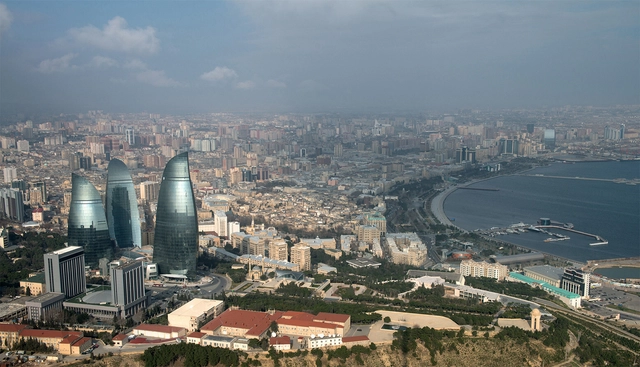
The 29th United Nations Climate Change Conference (COP29) took place in Baku, Azerbaijan, from November 10 to November 24, 2024, amid a backdrop of escalating climate challenges. For cities, the epicenters of population growth, economic activity, and climate vulnerability, the outcomes of COP29 are particularly significant. As urban areas contribute over 70% of global carbon emissions and housing more than half of the world's population, their consideration is pivotal in shaping global responses to the current crisis. In fact, cities are on the frontlines of the crisis, facing record-breaking heatwaves, catastrophic floods, and increasing economic losses from extreme weather events. In 2024 alone, urban areas worldwide experienced devastating climate impacts: flooding displaced millions in Africa, droughts crippled urban economies in South America, and storms caused widespread destruction in North America and Europe. The outcomes of COP29 directly affect urban planning, architecture, and sustainability efforts. From commitments to climate finance and carbon markets to renewable energy and resilience-building, the summit's decisions provide a roadmap for transforming cities into hubs of climate innovation and adaptation. Below are the key takeaways from COP29 for the built environment and urban spaces.
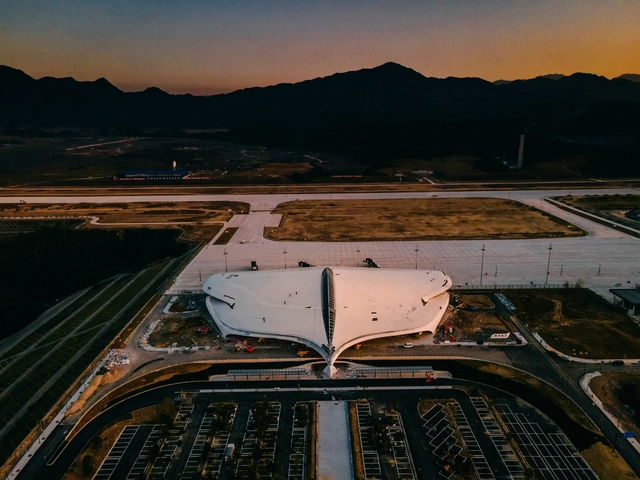
MAD Architects has provided an exciting update on the construction of Lishui (LIJ) Airport in China, now in its final stages. The project, which emphasizes harmony with nature, is scheduled to open by the end of 2024. Nestled within the foothill valleys of Lishui, the airport is designed to embody the city's reputation as a "forest city."
“Women in Architecture” documentary: Tosin Oshinowo. Image Courtesy of SkyFrame
Architecture is a discipline where theory and practice meet, transforming abstract ideas into spaces that shape and respond to human lives and identity. For Nigerian architect and curator Tosin Oshinowo, this dynamic is at the core of her work. As the founder of Oshinowo Studio and curator of the 2023 Sharjah Architecture Triennial, she has carved a unique path in contemporary architecture by blending cultural specificity, climate consciousness, and global relevance.
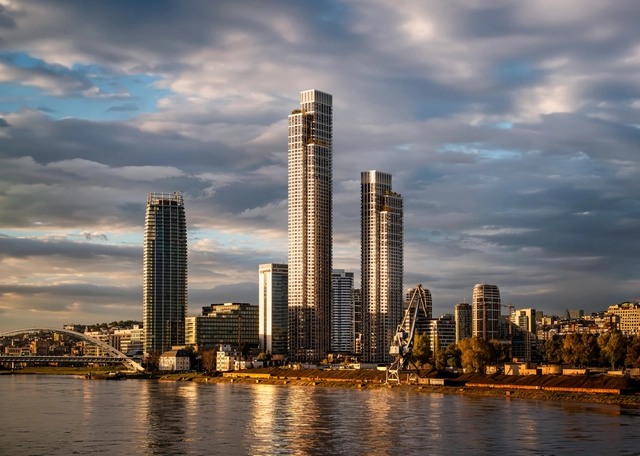
KCAP has been chosen to design two new skyscrapers in Bratislava, Slovakia. Respectively standing at 260 meters and 180 meters tall, these towers will become key additions to the city's skyline and contribute significantly to its urban landscape by providing over 1,100 residential units with extensive city and landscape views. This district, once an industrial zone, has undergone substantial redevelopment, transforming into a mixed-use urban hub that combines residential, commercial, and leisure spaces. The new towers support this ongoing urban renewal, offering easy access to public transport and nearby cultural landmarks.
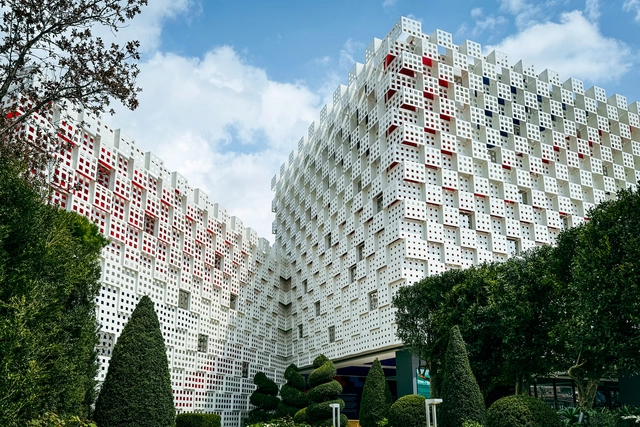
The UK Pavilion, designed by London-based Woo Architects, in collaboration with Japanese contractor ES Global, has been completed at the Expo 2025 in Osaka. Built on the principles of a circular economy, the pavilion features a modular, 10-by-10-meter gridded structure designed that prioritizes ease of assembly, disassembly, and relocation. Ultimately, the pavilion's design reflects the Expo's theme, "Come Build the Future," embodying sustainability and reuse.
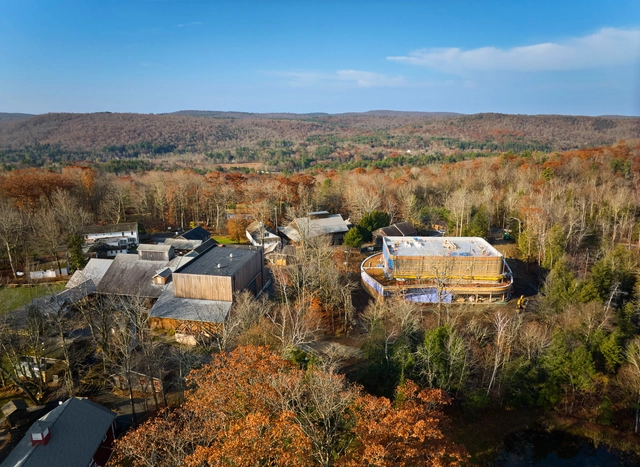
Jacob's Pillow, a historic hub for dance in the United States, will open the new Doris Duke Theatre on July 9, 2025. As of November 2024, construction is progressing on schedule, with the theater taking shape on the original site of the initial structure lost to a devastating fire in November 2020 in Massachusetts, United States. Designed by the Dutch firm Mecanoo, led by Francine Houben, in collaboration with New York-based Marvel, helmed by Jonathan Marvel, the project blends innovation with a deep reverence for the site's historic legacy.
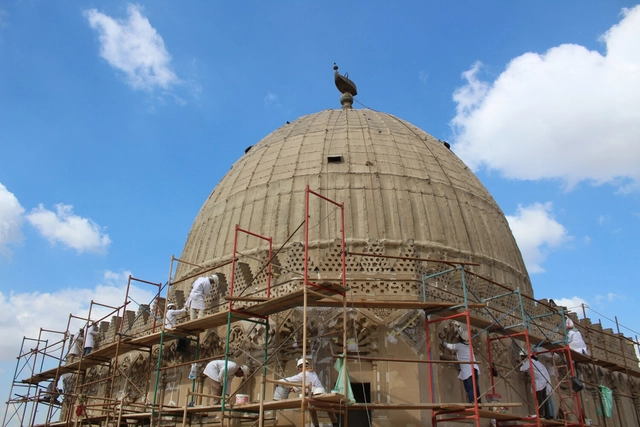
Al-Imam Al-Shafi'i. Image Courtesy of Megawra - Built Environment Collective
Cairo, often called the "City of a Thousand Minarets," boasts one of the richest cultural and architectural tapestries in the world. Its heritage reflects centuries of diverse influences from Pharaonic monuments to Islamic and Mamluk architecture. However, preserving this legacy is an ongoing challenge in the face of urban pressures, climate change, and socio-economic dynamics. Heritage conservation in Cairo is not just about safeguarding these structures; it's about integrating them into the lives of local communities, ensuring they remain dynamic and accessible spaces.
At the forefront of this mission is Dr. May al-Ibrashy, an architect and conservationist whose innovative and community-driven approach has redefined how heritage is preserved. As the founder of Megawra–Built Environment Collective, she has worked tirelessly in neighborhoods like Al-Khalifa, Al-Hattaba, and Sayyida Zeinab to restore historic monuments while creating vibrant public spaces. Her work bridges the gap between architectural preservation and urban regeneration, ensuring that these historic districts serve both as cultural landmarks and as living, functional spaces for their residents.
The Pritzker Architecture Prize has released a special video honoring Riken Yamamoto, the 2024 Laureate. Presented in a documentary-style format, the film celebrates Yamamoto's distinguished architectural career and his contributions as the 53rd Laureate, honored earlier this year in Chicago. This milestone coincided with the 100th birthday of Cindy Pritzker, co-founder of the Prize with her late husband, Jay A. Pritzker.
Ammodo Architecture has just revealed the first 23 recipients of its inaugural Ammodo Architecture Awards, an annual recognition dedicated to advancing socially and ecologically conscious architecture worldwide. The awardees, chosen for their exemplary contributions, will receive financial support ranging from €10,000 to €150,000 to further their work and projects across three categories: Social Architecture, Social Engagement, and Local Scale.
OODA has just revealed its design for a new mixed-use urban development in central Tirana, Albania. Located in the central district of Tirana on Myslym Street, the Ndarja building, represents a new approach to mixed-use urban development, incorporating residential, hospitality, office, and commercial functions within a single structure. The building comprises two distinct sections positioned along their narrow sides, creating a central square that serves as a gathering spot, contrasting the busy surroundings.
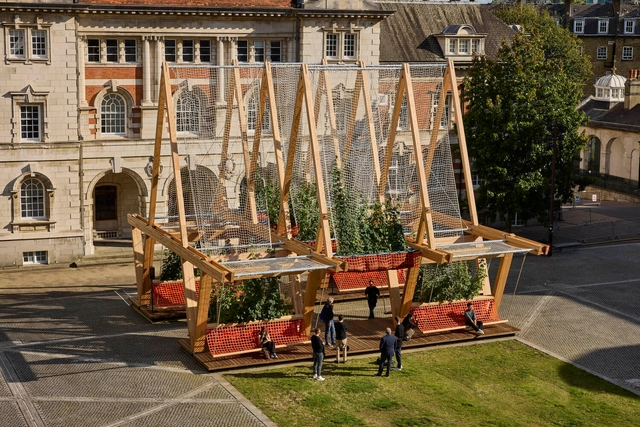
Pavilions offer architects a unique opportunity to experiment, serving as compact spaces that push the boundaries of design and spatial concepts. Free from many conventional functional constraints, these structures allow for artistic expression and the testing of new technologies. Pavilions often act as living laboratories of architecture, positioned in public or cultural contexts. They transform their surroundings into interactive, memorable experiences, providing a stage for architects to showcase their most innovative ideas. In recent years, climate responsiveness has emerged as a crucial focus in pavilion design. By using temporary structures as a testing ground for more sustainable practices, architects can experiment with alternative materials and environmentally conscious approaches that address the climate crisis.