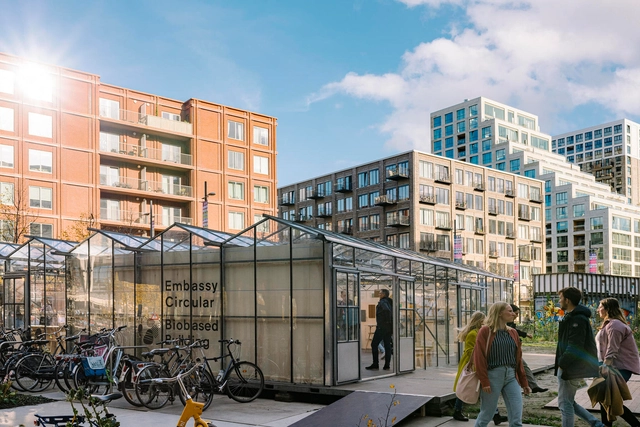
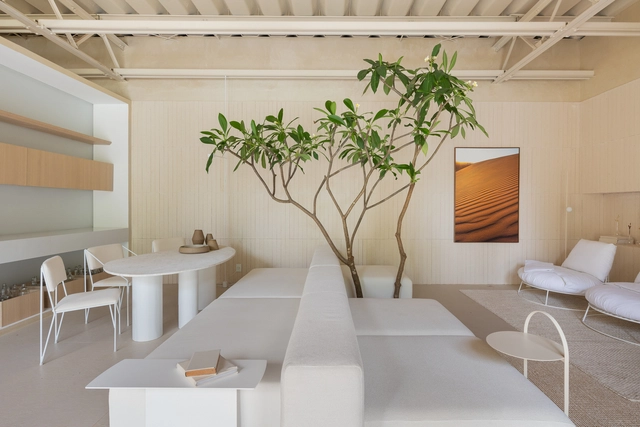
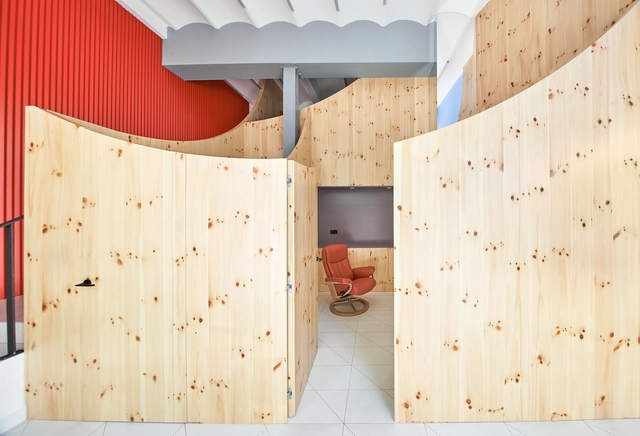
What about architecture in North America – its history, policies, but also building codes – makes it particularly vulnerable to the global housing crisis? And how can those inherent flaws be counteracted with purposeful residential design and a more inclusive approach to the architecture discipline?
Market halls have long held a prominent position in the rich tapestry of architectural history, serving as vibrant hubs for commerce, community, and culture. Characterized by their imposing structures and bustling interiors, they have played an integral role in shaping urban landscapes and facilitating the exchange of goods and ideas throughout the centuries.
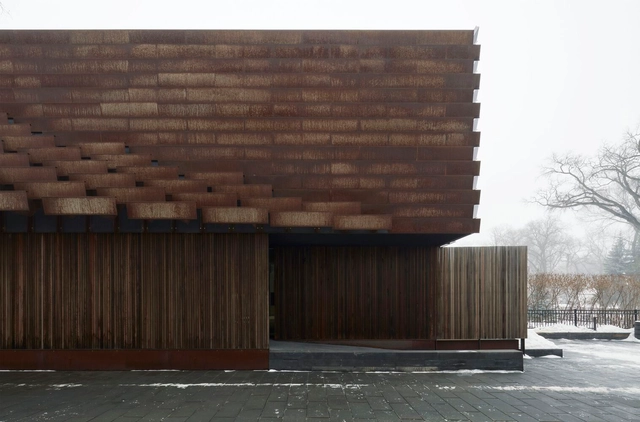
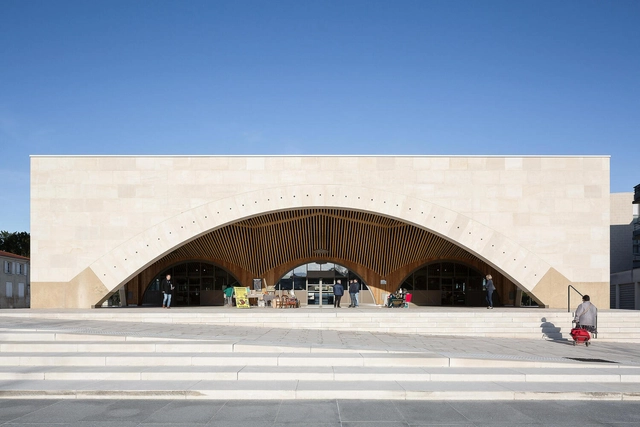
From ancient agoras and bazaars to the grand marketplaces of the Renaissance and the modern-day food halls that have undergone a renaissance of their own, market halls stand as a testament to the enduring synergy between architecture, economic activity, and the social fabric of society. These four newly completed projects from around the globe are proof that the highly specialized structures have lost none of their appeal– and exemplify how they can revitalize communities by bridging commercial and cultural functions as well as the past, present, and future.
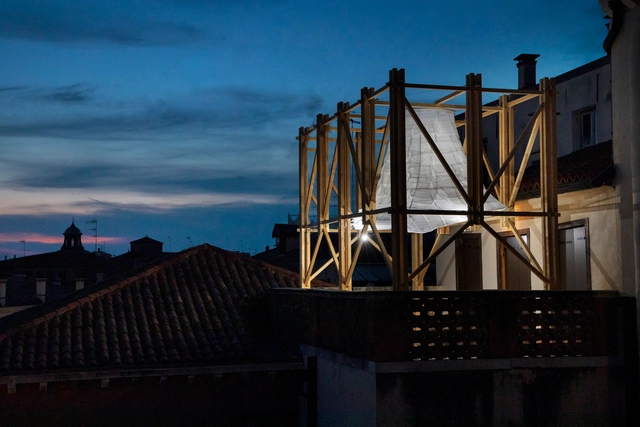
Lithuania's architectural narrative is a mosaic of diverse influences and styles, representing its historical evolution, cultural heritage, and resilience through changing times. Despite a focus on traditional craftsmanship, functional minimalism, and sustainable materials, the country's design language has been profoundly influenced by its geopolitical position and historical events, resulting in a blend of styles from different periods. A key factor that cuts across all expressions, however, is Lithuanian architecture's seamless connection with its natural surroundings.
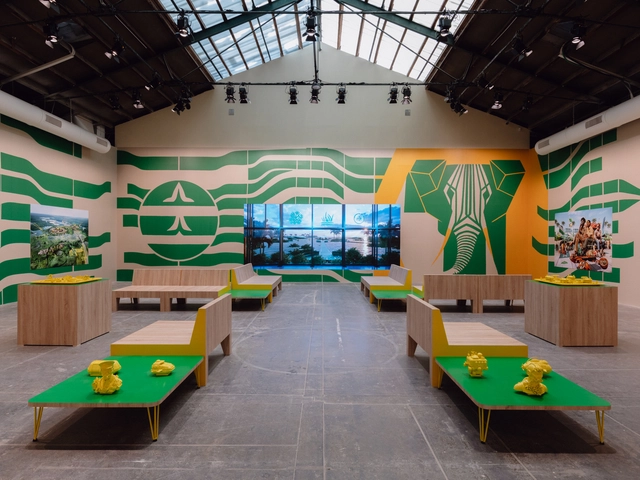
After being awarded the prestigious Silver Lion for his contribution to this year's Venice Architecture Biennale, Brooklyn-based artist Olalekan Jeyifous shows no signs of slowing down. Currently in the midst of preparing his entry to the next Sharjah Architecture Triennial, he also recently celebrated the opening of Climate Futurism, a group exhibition that highlights the power and efficacy of artists’ methods and processes to imagine a more equitable future – and is working on a public monument to former United States Representative Shirley Chisholm as part of New York City's She Built NYC initiative, among other projects.
Right place, right time: that's how you could describe the origin story of Future > Factory > Furniture >, a special event at Dutch Design Week 2023, which returns to the iconic Klokgebouw –along with over one hundred other sites in the city of Eindhoven– from 21 to 29 October. It was in the former Philips factory building that, earlier this year, another industry gathering took place. Destination Design hosted over 40 international and Dutch brands for the second year running in an effort to shed light on new products and innovative ideas.
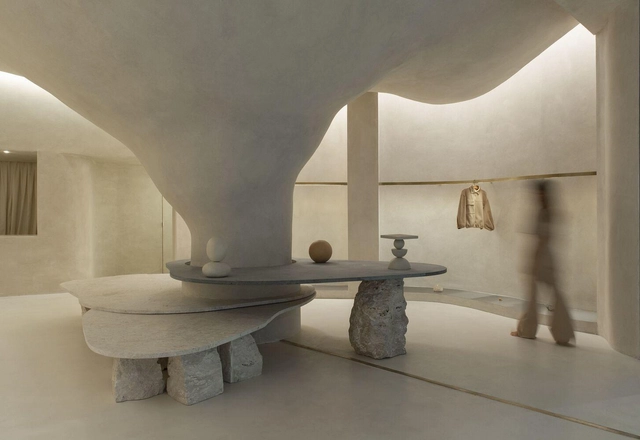
The history of 'neutral colors' is a fascinating journey through the evolution of human aesthetics and design sensibilities. Closely related to the makeup of materials organically found in nature, the color chorus of whites, grays, and earthy brown tones has played a pivotal role in artistic expression, fashion, interior design, and architecture for millenia. From the understated hues of early clay, straw, wood, or brick architectural structures to the now prevalent contemporary interior style, neutral colors have transcended cultural boundaries and continue to hold a special place in our visual landscape – offering a sophisticated elegance and versatility that has stood the test of time.
Throughout the annals of architectural history, timber has been a fundamental element in the evolution of building design and construction. From the ancient timber-framed structures of Japan to the medieval European cathedrals, timber's structural prowess and aesthetic appeal have left an indelible mark on human civilization. It wasn't until the Industrial Revolution's advent that a significant shift towards alternative building materials such as steel and concrete occurred, relegating the material to a secondary role in construction. As contemporary architects grapple with the consequences of climate change, however, timber has staged a remarkable comeback, offering an eco-friendly and structurally robust alternative. Internationally renowned firms are centering their designs around timber's potential, embracing its rich history while simultaneously harnessing advanced technologies to create awe-inspiring, sustainable structures that represent a harmonious blend of historical wisdom and modern innovation.
Circles, as a fundamental geometric shape, possess a captivating and harmonious quality that has been seamlessly integrated into architecture and design across various eras and styles. From subtle accents to bold focal points, the use of circles in interior design transcends mere ornamentation, often symbolizing continuity, connection, and a soothing visual rhythm. With their endless and unbroken curves, they offer a sense of unity, movement, and balance that can transform spaces into inviting and aesthetically pleasing environments – an effect especially useful for interior design. In this article, we take a look at 27 projects from our ArchDaily database that illustrate circular forms in interiors across the globe.
In an age where humanity's detrimental impact on the environment has become increasingly evident, the concept of rewilding is emerging as a powerful approach to conservation and ecological restoration. In line with growing attention on landscape architecture in recent years, the idea of removing human intervention from our natural surroundings in order to restore a stable equilibrium seems to offer a low-effort, ethereal way to right fundamental climate wrongs. But is a lack of meddling in nature really all there is to rewilding, and how does this relate to architecture and design? We look at key concepts, applications, and examples to find out.
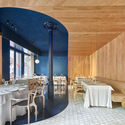
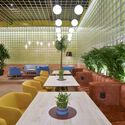
In the competitive world of restaurants – particularly at a time when influencers are gaining more and more control over the sphere of fine dining –, creating a memorable meal experience is crucial for attracting and retaining customers. While factors like food quality and service certainly play pivotal roles in making diners return to their eatery of choice, the impact that restaurant interiors can have on an establishment's longevity should not be overlooked. Among the various elements contributing to a memorable ambiance, color takes center stage. We delve into the significance of striking the right tone in restaurant design through 20 projects from our ArchDaily database.
Landscape architecture is having a moment. The latest proof: last week, the US Department of Homeland Security decided to accredit the field with its prestigious STEM designation. As part of the science, technology, engineering, and mathematics (STEM) educational disciplines that fall under this category, landscape architecture students can now spend an additional 24 months seeking employment and training post-graduation in the United States after an initial period of a year granted to all graduates. The title also promises more prestige, higher entry salaries, and additional career flexibility. Torey Carter-Conneen, CEO of the American Society of Landscape Architects (ASLA), calls the development a significant advancement for 'landscape architecture education and practice, and that is great for America and the global community.'
The news corresponds to a growing emphasis on landscape architecture as a pivotal practice around the globe in recent years – one that is closely connected to notions of public health, environmental design, biophilia, sustainability, and re-wilding. It also underlines the intimate relationship between technology and the discipline. Landscape proposals increasingly rely on advanced science and technology to predict how ecological interventions might alter an existing terrain and determine what measures will yield the highest benefit for both humans and nature. The contemporary ideal of wild meadows and biodiverse forests may exist free from external influence, but the path to get there requires assistance.
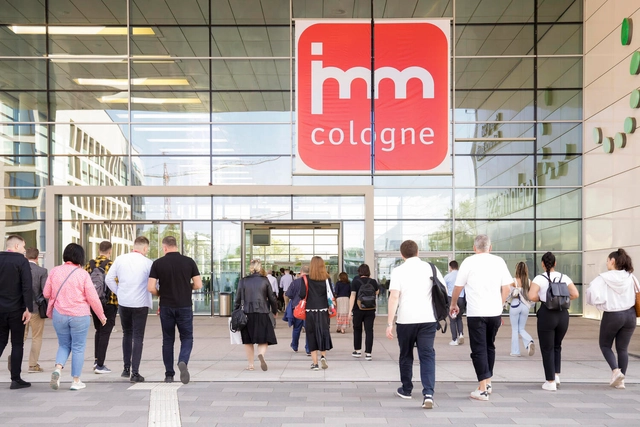
Spring is a time for rebirth, for the shedding of old skin and fresh beginnings. Anyone who has spent the last few months hopping across the globe for in-person fairs can testify to the fact that this seasonal renewal trend did not skip the architecture and design industry. Loaded with post-pandemic energy and a desire to catch up on all that's been missed due to Covid-19, organizers, attendees and exhibitors were adamant to mix things up in 2023.
In parallel to this year's Venice Architecture Biennale, The European Cultural Centre (ECC) presented the sixth edition of its extensive architecture exhibition titled Time Space Existence. The 2023 iteration of the group show draws attention to expressions of sustainability in its numerous forms, ranging from a focus on the environment and urban landscape to the unfolding conversations on innovation, reuse, community, and inclusion. A total of 217 projects by established participants like Snøhetta or MADWORKSHOP and emerging players such as Urban Radicals or ACTA are currently on show through the 26th of November, 2023, at Venice's Palazzo Bembo, Palazzo Mora, and Marinaressa Gardens.
In response to climate change, the installations on show investigate new technologies and construction methods that reduce energy consumption through circular design and develop innovative, organic, and recycled building materials. Participants also address social justice by presenting living solutions envisioned for displaced communities and minorities, while others examine the tensions between the built urban environment and the nature surrounding it to identify opportunities for coexistence.
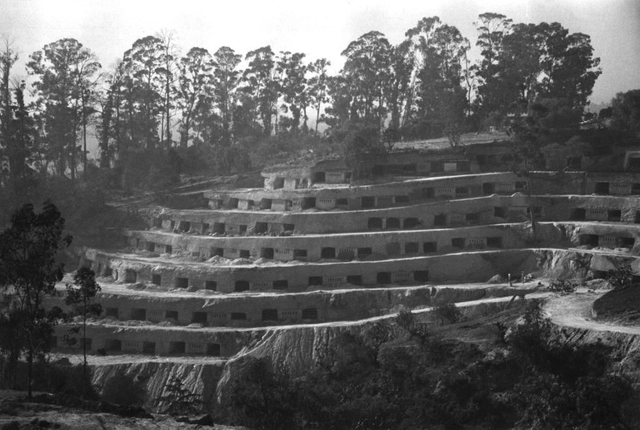
Mexican architect Carlos Lazo's Cuevas Civilizadas project in Mexico City. Image Courtesy of The Isamu Noguchi Foundation and Garden Museum
Contemporary architecture's approach to space is fairly linear: enveloping a specified volume within some form of material construct. But if we take a look at humanity's first intentional dwellings, it becomes clear that they were much less premeditated.
Rather than manmade areas to be furnished with pride, our earliest homes were naturally occurring cave lairs that offered hunter-gatherers temporary protection from the elements and potential predators. It wasn't until the appearance of agriculture that our ancestors took permanent, built residences. To this day, troglodytism — or cave living — continues to be connected to ideas of societal disassociation and a hermetic desire to exist outside of orthodox architectural norms. And yet, from Northern China to Western France and Central Turkey, hundreds of millions of people still choose to spend their lives at least partially underground.
The weather across the northern hemisphere is getting warmer, and with rising temperatures comes the urgent need for many of us to spend as much time outside as possible. While a variety of outdoor activities bring with them their own sense of accomplishment and relaxation, one in particular combines feelings of leisure, indulgence and community: outdoor cooking. But how did this tradition start? And what has it evolved into?
The importance of lighting in interior design cannot be overstated: done right, it not only accentuates a space's architectural features but also makes inhabitants feel at ease. As Carmelo Zappulla of Lighting Studio External Reference explains in an interview with Architonic, light is a crucial tool to add an emotional element and 'animate a space.'
There are a plethora of artificial lighting options to choose from. Which works best is usually determined by the nature of the interior they're in and the desired spatial effect. One of the most common is indirect lighting. This technique uses fixtures to aim light onto surfaces that act as reflectors, softening the emitted rays to prevent pillar-like, bulky beams in favor of a more evenly distributed glow.
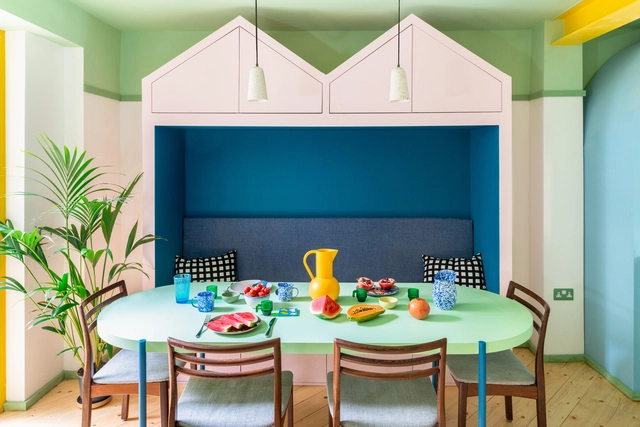
Though it has long been assumed that newborns don't see color at all, more recent studies have shown that they can indeed distinguish between different shades. And even though young minds may not fully realize what they're looking at, the impression and effect of a bright visual still elicit a potent response. This remains true throughout our lifetime: colors can influence our feelings in powerful ways. Architects and designers have long employed this to their advantage, especially when it comes to interior spaces. Whether it be to highlight specific architectural features, create certain moods, distinguish areas in open concept layouts, or brighten a room with its finishing touches, colors are a pivotal tool for professionals throughout the design process. The combination of multiple bold shades — color blocking — in particular can be a success if done right.