Claire Brodka

Managing Editor at Architonic. BA & MSc in Literature from LMU Munich and University of Edinburgh. IG @clairebrdk

BROWSE ALL FROM THIS AUTHOR HERE

Modern Aquatic Architecture: 5 Homes Around the World that Make the Case for Living on Water

Subscriber Access | 

Following findings from a study published in the Nature Ecology & Evolution journal this April, it has become public knowledge that the phenomenon dubbed the Great Pacific Garbage Patch (an area of 620,000 square miles between California and Hawaii) is serving as host to an entire coastal ecosystem. Marine wildlife is using the massive area compiled of human plastic waste as a floating habitat, and scientists are shocked at the number of species that have managed to establish life in this otherwise hostile environment.

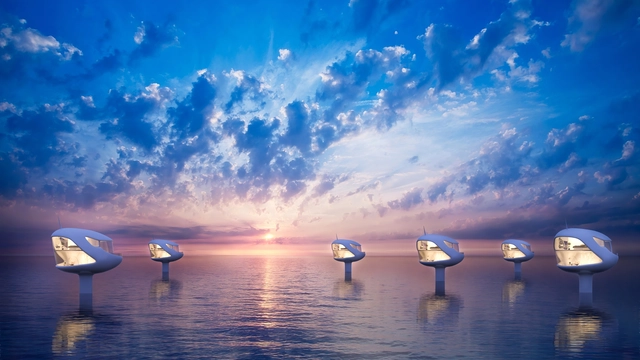
The news once again brings into sharp focus not only pressing issues of climate change and ocean pollution but also the question of environmentally-induced migration, even at a microbial level. Architecture is moving into more and more experimental realms when it comes to considering locations for the communities of our future – and rising sea levels have promoted water to the top of the list. But these deliberations are not as recent as one might think: floating cities have been around for centuries and individual homes on water are common in areas of Benin, Peru or Iraq, among others.

Modern Aquatic Architecture: 5 Homes Around the World that Make the Case for Living on Water - Image 1 of 4Modern Aquatic Architecture: 5 Homes Around the World that Make the Case for Living on Water - Image 2 of 4Modern Aquatic Architecture: 5 Homes Around the World that Make the Case for Living on Water - Image 3 of 4Modern Aquatic Architecture: 5 Homes Around the World that Make the Case for Living on Water - Image 4 of 4Modern Aquatic Architecture: 5 Homes Around the World that Make the Case for Living on Water - More Images+ 7

4 Residential Courtyards That Invite Nature Inside Through Glass

Subscriber Access | 

As summer in the Northern Hemisphere is inching ever closer and nature is rapidly responding to the increase in temperature, our desire to spend time outside (by ourselves and collectively) is growing at an equally fast pace. And although public parks are a great option for those of us who live in urban centers, the luxury of having one's very own, at-home access to nature cannot be overstated.

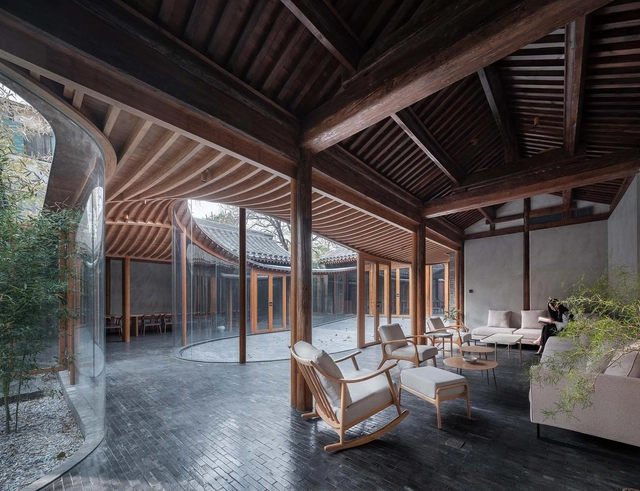
For residential projects in particular, gardens are the most common way of connecting with the natural world in this way. But, as these four examples show, courtyards can provide an equally satisfying window into changing seasons – and, when viewed through glass by way of patio doors, skylights, or frameless windows, can give us a glimpse of greenery from the weatherproof comfort of almost any room in the house.

15 Interiors that Illustrate the Effectiveness of Indirect Lighting

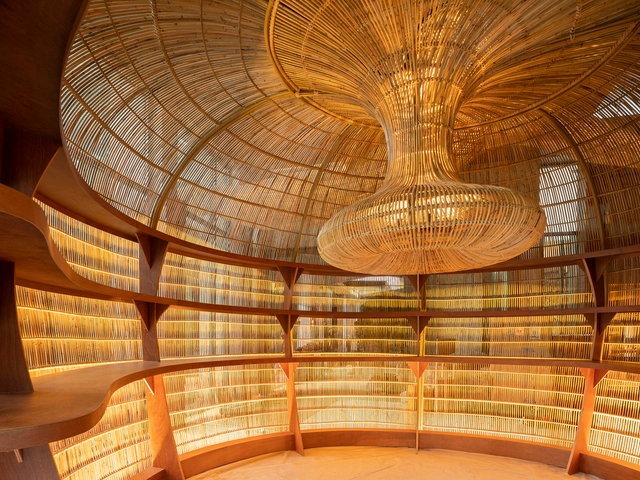
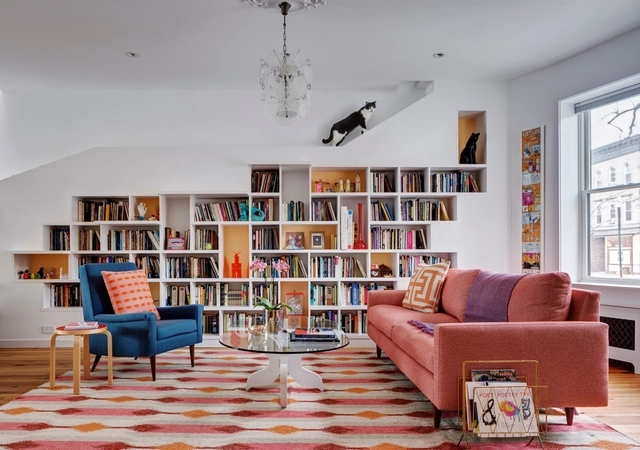
Lighting is often a numbers game — too much, and interiors lose their edge (literally), too little, and the dim atmosphere can make a space seem bland. Its importance in interior design cannot be overstated: done right, it not only accentuates a space's architectural features but also makes inhabitants feel at ease. As Carmelo Zappulla of Lighting Studio External Reference explains in a recent interview with Architonic, light is a crucial tool to add an emotional element and "animate a space." It follows that a lighting concept gone wrong can have catastrophic consequences for an otherwise perfectly designed room.

15 Interiors that Illustrate the Effectiveness of Indirect Lighting - Image 1 of 415 Interiors that Illustrate the Effectiveness of Indirect Lighting - Image 2 of 415 Interiors that Illustrate the Effectiveness of Indirect Lighting - Image 3 of 415 Interiors that Illustrate the Effectiveness of Indirect Lighting - Image 4 of 415 Interiors that Illustrate the Effectiveness of Indirect Lighting - More Images+ 11

Home Bar Design in Modern Residential Projects

Subscriber Access | 

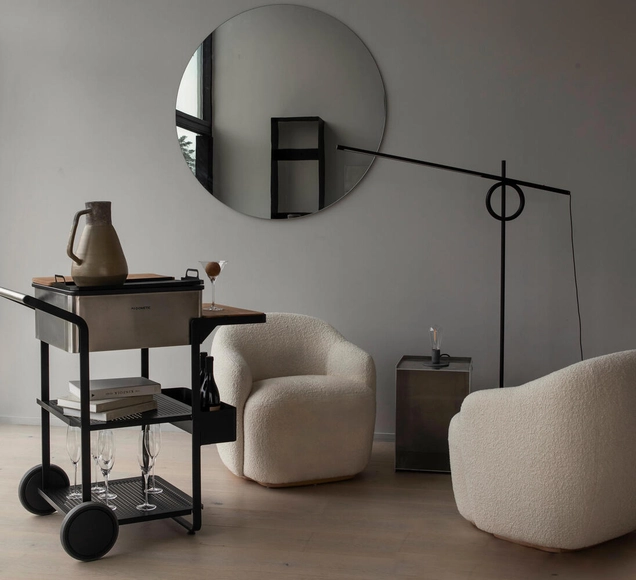
According to a recent survey by spirits industry market analysis firm IWSR, 54% of online buyers of alcohol in the U.S. made their first purchase during the pandemic. Most consumers decided to ‘treat themselves’ to more expensive spirit brands than usual, many opting for the higher shelf bottles in order to finally master the art of home-made cocktails – elaborate, to-be-sipped drinks worthy of the bigger investment. IWSR says that those habits are sticking. Along with them comes the need for an aesthetic plan of attack concerning the display of said pricey bottles: home bar architecture.