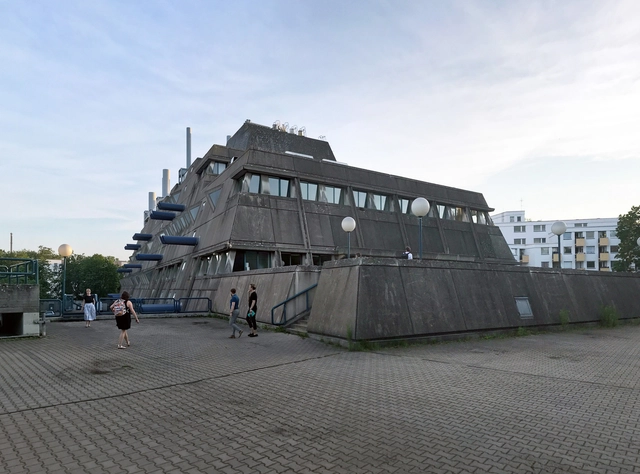
The former animal laboratories of the Charité in Lichterfelde, also known as the Mäusebunker building, have now been placed under monument protection, saving it from the threat of demolition that has been slated since 2010. The brutalist structure was designed by architects Gerd and Magdalena Hänska and built from 1971, and put into operation in 1982. While its strong image, combined with its function as a laboratory for animal tests, resulted in the general public’s distaste for it, the Brutalist building slowly gained acceptance and even a cult status among brutalist fans.
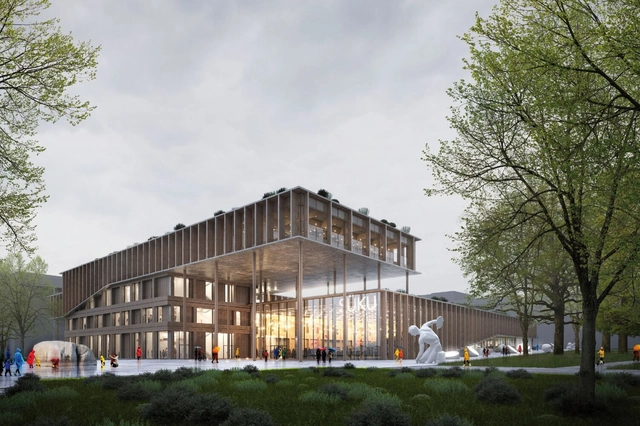
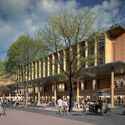
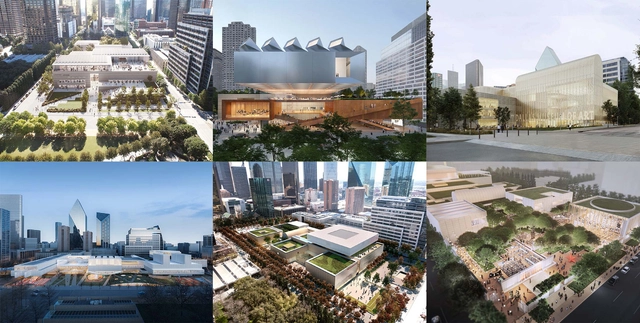
Estonian studio OÜ Kolm Pluss Üks won the international architecture competition for the Tartu Cultural Center. Selected out of a total of 107 proposals, the winning project titled “Paabel” is set to become the cultural heart of the city center, capturing the competition's main goal and developing an outdoor space solution. Kadarik Tüür Arhitektid OÜ took the second position for their design of “Tarte Tatin”, while the third place went to Denmark-based architectural studio Atelier Lorentzen Langkilde Aps.
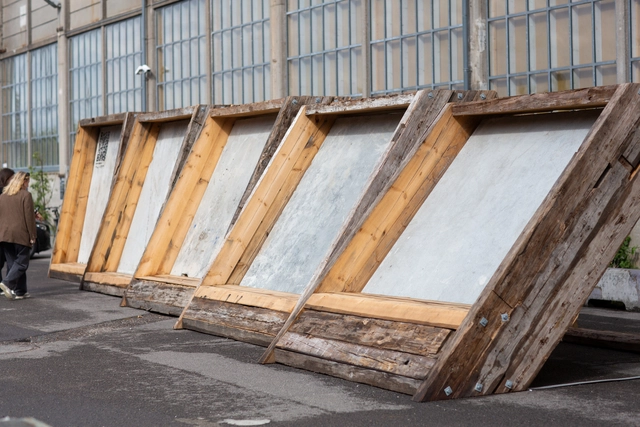
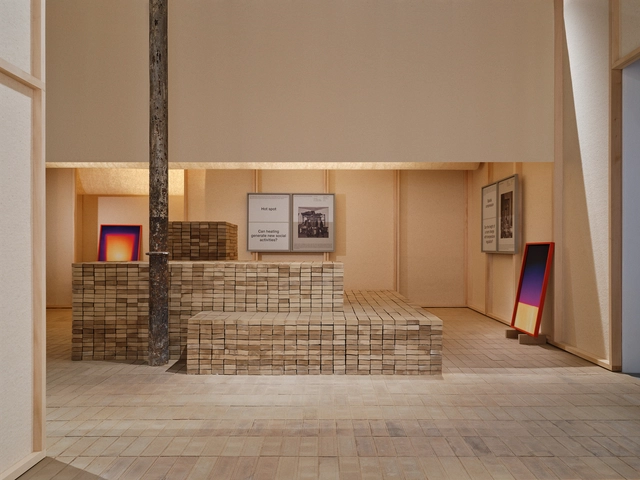
Developed by GXN for the 2023 UIA World Congress of Architects in Copenhagen, The (P)RECAST Pavilion explores the possibility of reusing precast concrete elements from existing buildings to promote circularity and reduced carbon emissions in the construction industry. The pavilion showcases salvaged concrete elements alongside 200-year-old timber beams, highlighting their aesthetic and structural value. Following the same motivation but through a different approach, MEE Studio has developed The Regenerative Cabin. Located in Copenhagen, the structure explores the applied use of regenerative biogenic materials to reduce the carbon emissions associated with the building materials.
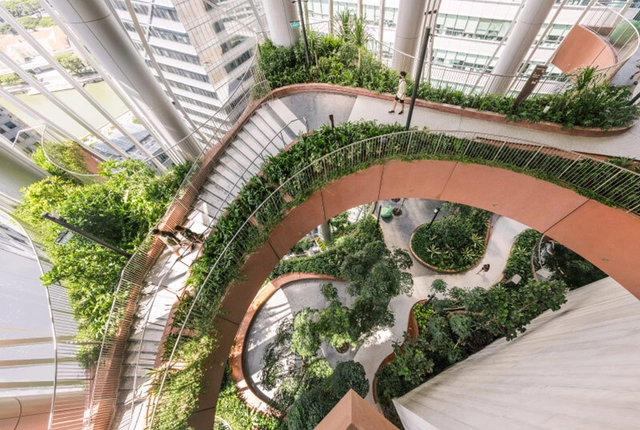
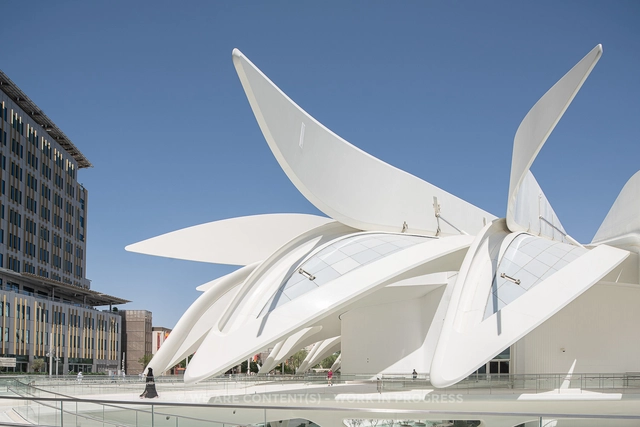
Last week, the President*s Design (P*DA) Award chose 8 winning recipients for its 2023 edition. The award that honors designers making a transformative and positive impact on the lives of Singapore’s society and the broader global community recognized Henning Larsen, BIG, and the Singapore Pavilion for Expo 2020 Dubai.
The P*DA presented two categories: Designer of the Year and Design of the Year. Organized jointly by the DesignSingapore Council and the Urban Redevelopment Authority (URA), the biennial award was given to two “Designer of the Year” and six “Design of the Year” recipients. Beyond the excellence of their design execution, the honorees demonstrated a genuine sense of purpose and mission that is consistent with P*DA's core values. The outstanding designs of this year tackle fundamental and systemic issues like consumerism and circularity, dementia and caregiving, climate change and sustainability, and show how Singapore is developing its best design practices that are applicable to enhancing lives worldwide.
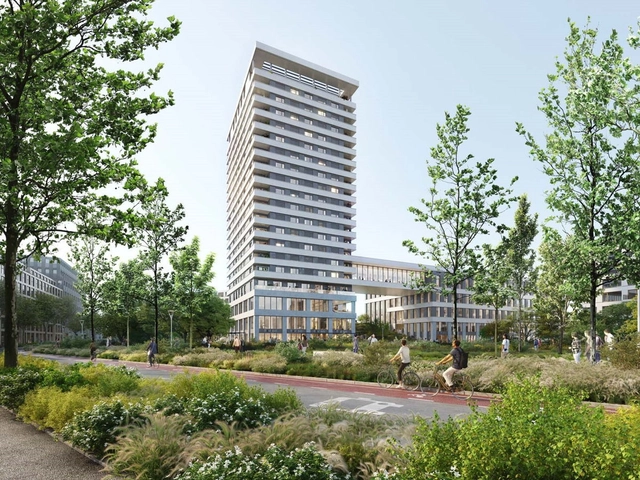
The team composed of KCAP and V2S has been announced the winner of the international competition for the design of Altiplano, a new complex for living and working in the new neighborhood of ZAC Aerospace in Toulouse, France. The proposal includes a high-rise featuring co-living apartments and a lower volume with offices and co-working spaces. Between the two volumes, a 25-meter wide arch visually connects the ensemble to former runway, the Piste des Géants, which will be transformed into a linear urban forest, as part of the master plan for the new neighborhood designed by David Mangin from Agence Seura.
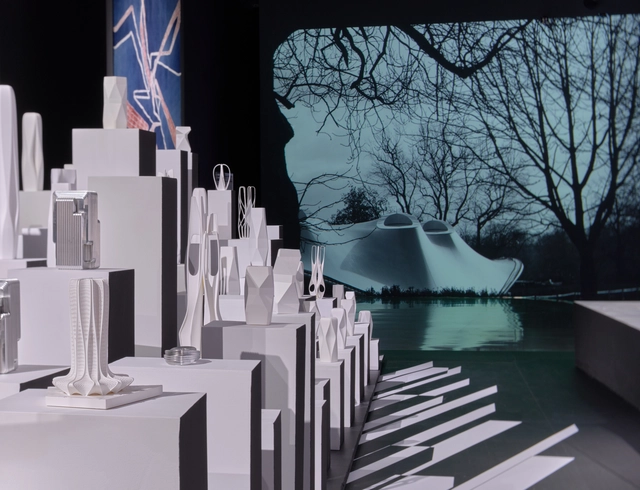
Zaha Hadid Architects (ZHA) celebrates their 15-year journey in China with an exhibition at the Guardian Art Center in Beijing. “The New World” highlights their work and research in the fields of architecture and urbanism. Moreover, it details the evolution of ZHA’s work since opening its first office in China. The exhibition showcases the studio’s approach to projects, with a heavy focus on their new digital design tools and technology.
Sporting facilities can play a vital role in the lives of cities by providing multifunctional public spaces where the people can join in large-scale events providing entertainment and spectacle while also promoting well-being and enhancing community engagement. Additionally, well-designed sporting arenas can become icons for a city, creating a sense of pride and identity and attracting visitors and residents. One such example is the Grand Slam tennis tournaments, which take over cities like Paris, London or New York, attracting fans from all around the world. The Philippe Chatrier and greenhouse transformed into the Simonne-Mathieu Tennis Court in Paris have become architectural landmarks, serving as catalysts for urban development and cultural exchange.
Other small-scale venues also play a role in the lives of communities, acting as gathering places for people with shared interests, fostering a sense of belonging and contributing to the overall health of the neighborhoods. This week's curated selection of Best Unbuilt Architecture highlights projects submitted by the ArchDaily community that showcase both large and small scale sporting venues. From a ‘box in a box’ basketball pavilion in Greece, to a translucent multi-sports arena in El Salvador or a dune-line arena in Morocco, this selection features projects that encourage and celebrate movement, athleticism and fair play competition.
At the 18th International Architecture Exhibition of La Biennale di Venezia, the Pavilion of Slovenia set out to explore the theme of ecology and the paradoxical ways in which architecture relates to it. Instead of understanding it strictly through energy-efficient adaptations like heat pumps or recovery ventilation, the exhibition titled +/- 1 °C: In Search of a Well-Tempered Architecture aims to address the theme holistically. The Pavilion curators Jure Grohar, Eva Gusel, Maša Mertelj, Anja Vidic, Matic Vrabič, together with fifty European architects and creatives, researched and analyzed vernacular buildings from Europe to gain insight into the living example of intuitive adaptations.
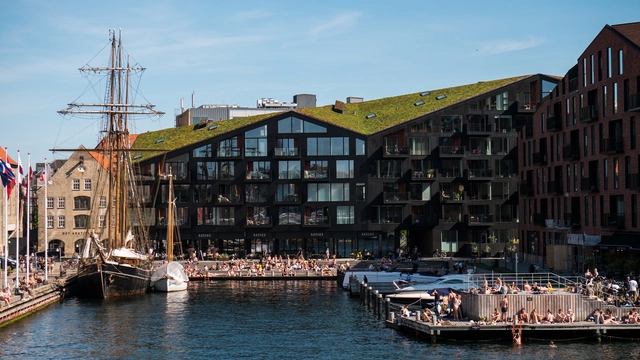
Over the course of five days this week, Copenhagen hosted the largest gathering in the realm of sustainable architecture, bringing together over 6,000 participants from 135 nations. The UIA World Congress of Architects 2023 focused on the theme "Sustainable Futures – Leave No One Behind." This event served as a forum for distinguished researchers and professionals of various backgrounds and ages to delve into methods of creating buildings that address climate change, bolster biodiversity, and foster social inclusivity. As the congress drew to a close, "The Copenhagen Lessons" were unveiled, comprising ten principles intended to facilitate swift and transformative progress in the field of sustainable construction.
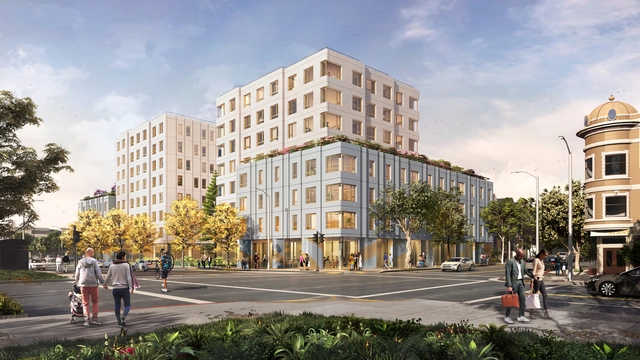
The result of a collaboration between OMA / Jason Long and Y.A. studio, the joint development of 730 Stanyan in the Haight Ashbury neighborhood of San Francisco broke ground. Upon completion, the 8-story building will accommodate 160 units of deeply affordable homes and amenities for low-income people, including formerly unhoused families, and homes and amenities for people with low incomes in San Francisco, including families, formerly unhoused families, and Transitional Age Youth (TAY). The project is scheduled to be completed in the Fall of 2025.
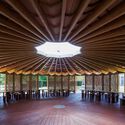
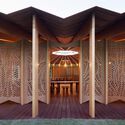
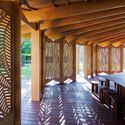
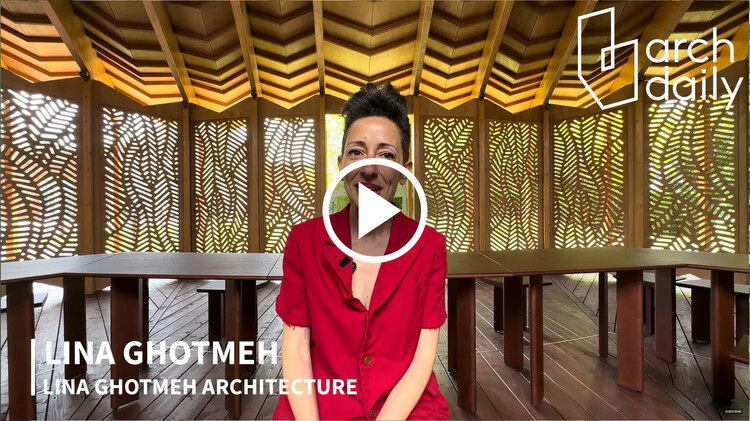
While visiting this year’s Serpentine Pavilion, the ArchDaily team has a chance to sit down with French-Lebanese architect Lina Ghotmeh, the designer behind the temporary structure built in the Kensington Gardens in London. The conversation touched upon Ghotmeh’s motivations and concepts that prompted this pavilion titled À table, conceived as an invitation to sit down together at a table, to enjoy sharing food and engaging in open dialogues. Delving into her Lebanese roots, the architect also expands on her methodology and the desire to create space for conversation and decision-making while encouraging conviviality among people of different backgrounds and experiences. The ArchDaily team also talked to Hans Ulrich Obrist, artistic director at the Serpentine Galleries, about the pavilion as a platform for architecture and the arts.
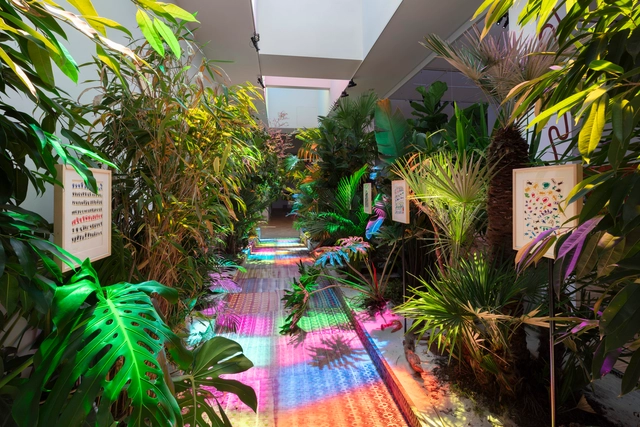
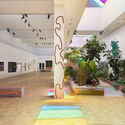
The Triennale Milano and Fondation Cartier pour l'art contemporain present the exhibition Siamo Foresta, inaugurated in June and open until October 29, 2023. Curated by Bruce Albert and Hervé Chandès, the exhibition features works by 27 artists from different countries and cultures, mainly from Latin America and indigenous communities.
The exhibition is the result of a partnership between the two institutions — which has already produced six projects over eight years — and seeks to reach diverse audiences and promote artists from different geographical contexts. Designed by Brazilian artist Luiz Zerbini, the exhibition highlights the importance of the forest as a central theme and provides an emotional connection between the works.
https://www.archdaily.com/1003303/siamo-foresta-exhibition-at-the-milan-triennale-addresses-the-future-of-the-planet-through-indigenous-artistic-perspectivesArchDaily Team
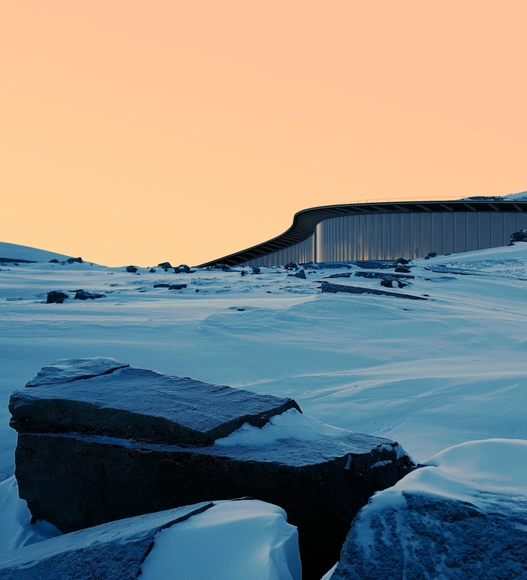
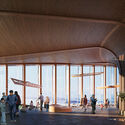
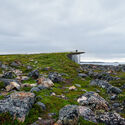
Following an international competition, Dorte Mandrup has been selected to design the new Inuit Heritage Centre in the territory of Nunavut in northern Canada. Designed together with Architect of Record Guy Architects, LEES+Associates, Adjeleian Allen Rubeli, EXP, Pageau Morel, Altus Group, and indigenous consultants Kirt Ejesiak and Alexander Flaherty, the new centre aims to become a sign of cultural conciliation and a symbol of the continuation of Inuit practices, traditions and values. By offering a place where Inuit can reconnect with their collective past through objects, stories, and activities, the centre will promote greater awareness of Inuit culture. The project is expected to be completed by 2027.
The XIV Florence Biennale of Art and Design announced that Santiago Calatrava will receive the Lifetime Achievement Award, a "tribute to one of the most influential architects of our times and a recognition of your audacious experimentation, extraordinary talent, and ingenious ability to combine architecture and art in projects imagined and designed in harmony with nature and oriented towards the ideals of beauty.”
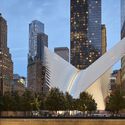
What does the future of cities and transportation look like? It looks like the future will run on two wheels and a handle bar. Many explain the rise of cyclists as a shift towards a healthier and more economical lifestyle. But while that may be true, why would individuals feel inclined to ride bicycles if the roads don't support it, or if there weren't adequate spaces to park?
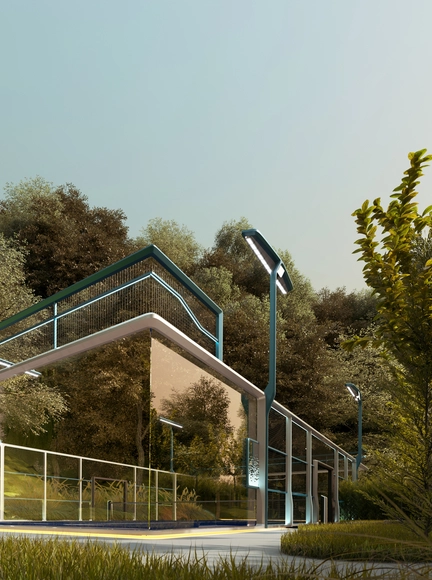
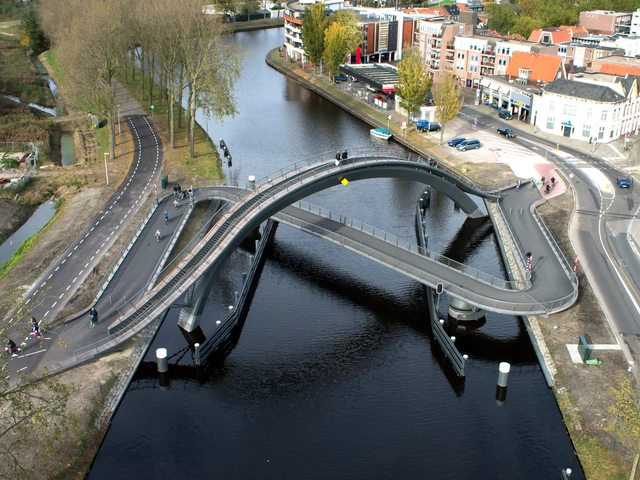
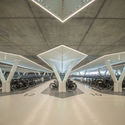
Architecture plays an important role in promoting the use of bicycles. Cities equipped with safe bicycle lanes, parking lots, and public bike facilities encourage citizens to refrain from using their cars, and opt for a much more sustainable means of transportation. Many have already began reshaping their urban infrastructure in a way that caters to bicycles, whether it is through bicycle bridges, widened cycling lanes, or permanent parking lots.
ArchDaily and VELUX have joined forces to provide you with an exclusive coverage of the highly anticipated UIA World Congress of Architects 2023. Watch the discussion panel on the future of next-generation homes, moderated by David Basulto, founder and editor-in-chief of ArchDaily. Get to know more of the world of next-generation homes as the panelists delve into innovative approaches, cutting-edge technologies, and sustainable solutions that are reshaping the way we live.
Shifting from an exploitative to a restorative and circular design ideology is fundamental in changing architecture and the built environment to become more sustainable. We look at strategies for a new resourcefulness in architecture and discuss how to bring the built environment back inside the planetary boundaries.
This session is a keynote dialogue moderated by Connie Hedegaard. The UIA World Congress of Architects 2023 keynote dialogues are designed as a series of dialogues between trailblazing architects and experts from science, business and politics. All keynote dialogues are moderated by Connie Hedegaard.
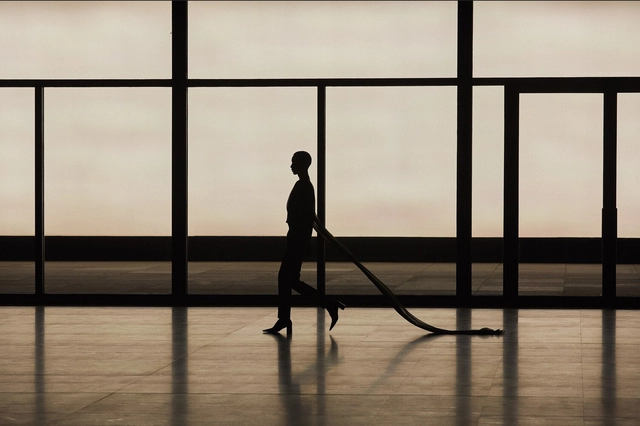
Saint Laurent Men’s Summer 24 at Mies van der Rohe’s Neue Nationalgalerie. Image Courtesy of Saint Laurent
Architecture and fashion share an interesting interplay in the formation of cultural expressions and identities. Both disciplines can become vehicles for creativity at different levels. Architecture is often described as the “third skin” of humans, while clothes represent the second skin, highlighting somewhat similar functionality of protecting the body while also allowing for self-expression and individuality.
The relationship between architecture and fashion can also be seen in the shared design principles, such as form, proportion, human scale, and materiality. More than a simple background for runway shows, architecture can contribute to setting the atmosphere, becoming a source of inspiration, and orienting the movement through space. Collaborations between architects and fashion houses, such as the renowned partnership between OMA/AMO and Prada, further blur the boundaries between the two disciplines, demonstrating the myriad of interconnections between the two creative fields.
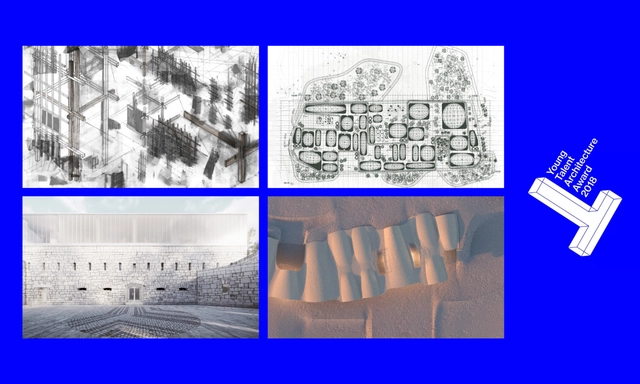
The projects were revealed during the Eumies Awards Day 2023, which took place in Palazzo Michiel in Venice as part of the Collateral Events of the 18th International Architecture Exhibition – La Biennale di Venezia. This year, an additional prize has been added: the Young Talent Open. Created by the Fundació Mies van der Rohe, the award was created for schools from the African continent and Council of Europe nations that are not a part of Creative Europe.
ArchDaily and VELUX have joined forces to provide you with an exclusive coverage of the highly anticipated UIA World Congress of Architects 2023. Watch Ambra Gugletti from KOMPAS VC and Lucas Carstens from Modulize explain how data-driven offsite construction can help reduce construction waste up to 90%
C40 and VELUX presents the panel discussion "Healthy Buildings at the Time of the Energy Crisis" at the UIA World Congress of Architects 2023.
The panel discussion will focus on the role of healthy building principles in addressing the ongoing energy crisis through accelerated retrofits while simultaneously promoting environmental sustainability, job creation, and social equity.