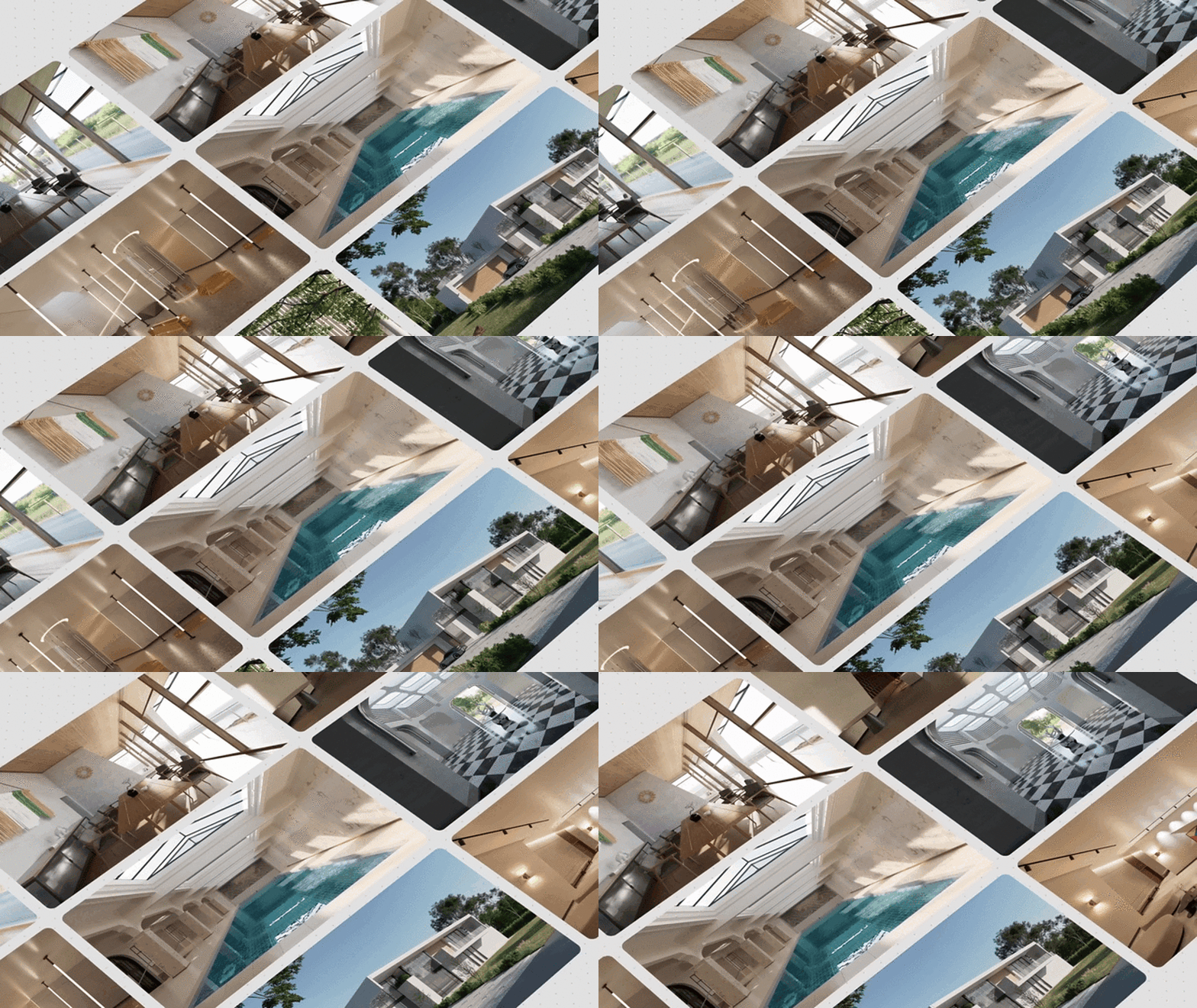
How to visualize architectural concepts in SketchUp using D5 Lite for faster design exploration.
How to visualize architectural concepts in SketchUp using D5 Lite for faster design exploration.

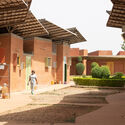
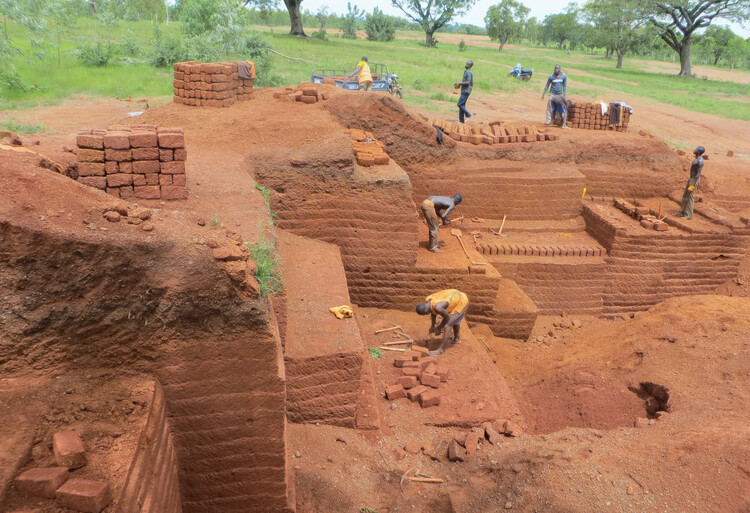
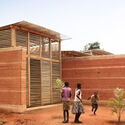
"After all, time is a key ingredient of my profession," states Francis Kéré in his book Francis Kéré: Building Stories. Architecture is constantly evolving and transforming over time. Bricks, doors, windows, walls, stairs, and other elements become the protagonists of a process that begins with a sketch and eventually takes shape as a built work.
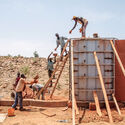
Considering that architecture begins when its inhabitants start to make a space their own, Francis Kéré develops his projects progressively, continuing to work on the design even during the construction phase. As his architecture grows over time, integrates with its surroundings, adapts to the needs of its users, and responds to change in flexible and experimental ways, it seeks to become part of the lives of those who inhabit it.

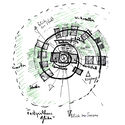
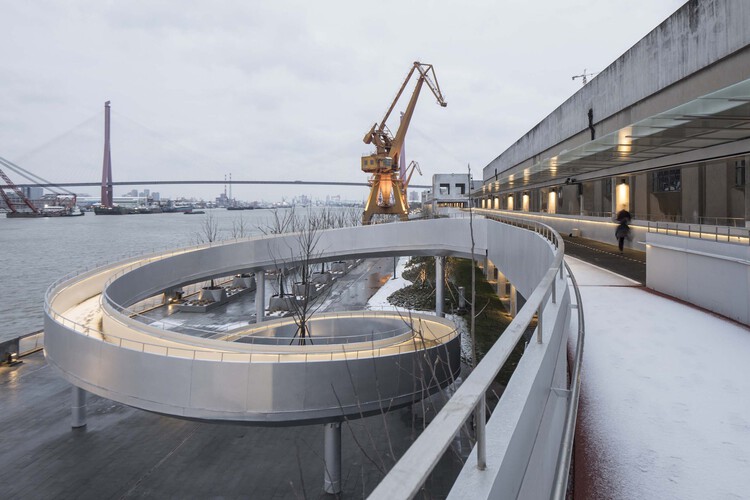
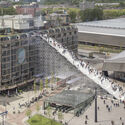
In most architectural projects, vertical circulation is expressed as a purely functional element, tucked away behind fire-rated doors or an elevator core. However, sometimes architects also use spirals when trying to resolve site elevation changes. Given the right scale, these elements allow for a more artistic formal expression that serves both utilitarian and aesthetic purposes without relying on mechanical lifts or stairwells. Structural systems like cantilevered steel trusses and reinforced concrete decks allow these spiral elements to extend outward as sheltered entry canopies or wind around open central atriums. Functionally, these circulation paths may be expressed in several ways: as stairs like the Itamaraty Palace in Brasilia, or as ramps, which can offer the possibility to reduce mobility barriers for visitors. In both cases, the spiral can provide smooth transitions across varied floor levels while maintaining an unobstructed line-of-sight throughout the program.

Seamless surfaces and minimal joints have become a defining signature of contemporary architecture, prized for the clean lines, and uniformity they bring to a building's envelope. Yet in façade engineering, this pursuit is rarely just about appearance. Regardless of the material used, increasing panel dimensions can influence durability, material recyclability, performance against external factors, and other considerations such as impact resistance and long-term maintenance. By combining ease of installation and transportation efficiency with design flexibility, monomaterial façade systems use large-format panels while addressing practical challenges related to flatness, thermal movement, and structural support. Yet, what other material-related considerations behind large-format panels can make a difference in building envelope construction today?

Unlike buildings, which are anchored to foundations and respond to climate from a fixed position, yachts are designed for constant movement and change. Interiors sway with the vessel, light changes by the minute, humidity is a permanent design condition, and every kilogram influences performance. Designing for the sea therefore requires architects, naval architects, engineers, and interior designers to solve questions that rarely exist on land: how can space remain calm while everything around it is in motion?

Despite being among architecture's oldest structural forms, domes continue to offer possibilities for creating large, column-free spaces and working with circular or free-form geometries beyond conventional rectangular building types. Their evolution has been closely tied to changes in materials, construction methods, and design tools. Today, digital platforms are adding another layer to this process, allowing some of the decisions traditionally developed later in a project to be explored much earlier.

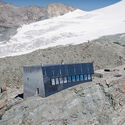
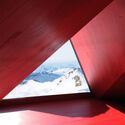
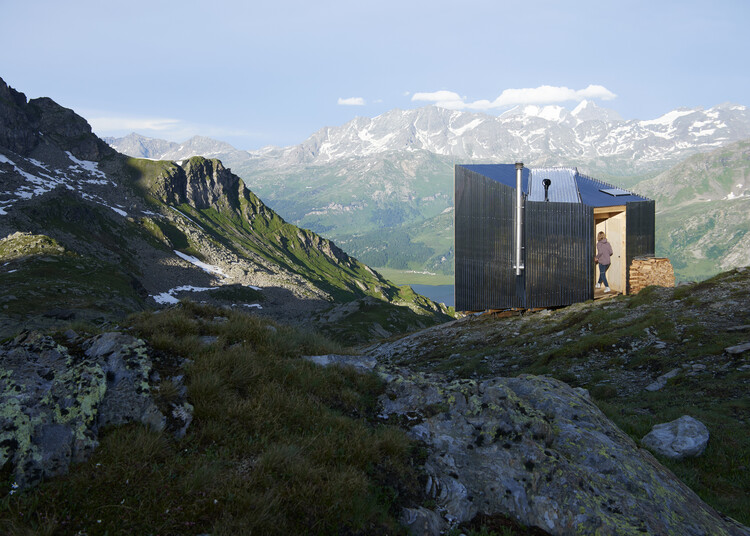
There is no harder place to build than a high mountain, and none where a building feels more provisional. From the Andes to the Himalaya to the Alps, high-altitude construction strips architecture back to its most elementary transactions. The rock reads as permanence itself, yet a structure set near the limit of habitation exists in negotiation with almost everything around it: with wind that arrives without obstruction, with a ground too steep and too frozen to excavate, and with everything it needs arriving from far below. What can be carried up, what can be assembled by few hands, and what can sustain itself are some of the terms of the problem.
Those constraints have produced a remarkably consistent building culture across otherwise unrelated ranges. The refuge, the hut, the bivouac, and the observatory belong to a shared typology in which shelter is inseparable from logistics, and where lightness, prefabrication, and self-sufficiency were structural necessities long before they became virtues.
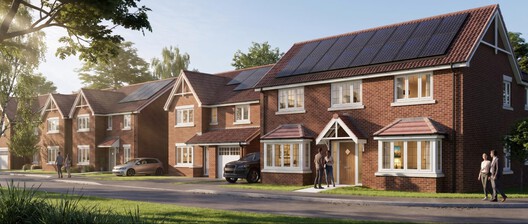
As architectural projects grow more complex and requirements evolve, the ability to iterate quickly is increasingly important to the design process. For Bellway, one of the UK's largest homebuilders, faster design iteration and visualization have become key to meeting these demands. It is not just a way to present finished designs, but also a tool for testing ideas, communicating options, and making decisions earlier in the development process.

The Steel Architectural Awards ASEAN 2026, presented by BlueScope, has announced the 12 finalist projects selected to advance to the ASEAN-level appraisal. Representing outstanding achievements in architecture across Indonesia, Malaysia, Thailand, and Vietnam, the finalists were selected through the Country Awards programs and now move forward to regional evaluation by an international judging panel.
Now in its second ASEAN edition, the program celebrates architectural projects that demonstrate excellence in design, innovation, sustainability, and the creative application of coated steel solutions. Under the 2026 theme, "Shaping Resilient Futures: Timeless Design with Coated Steel," the Awards highlight projects that respond meaningfully to their context while delivering enduring value for future generations.

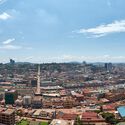
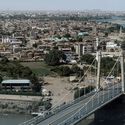
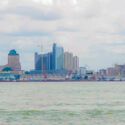
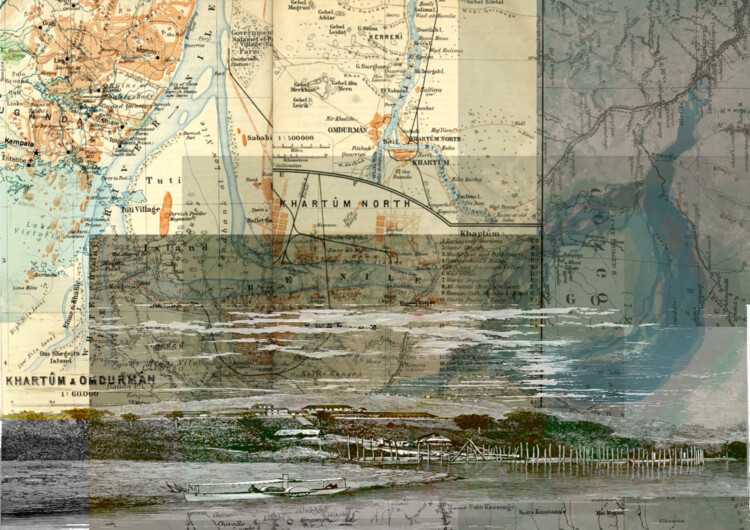
Colonial violence in African cities bled through the political dimensions into the spatial realm. It is infused into street grids, land tenure systems, drainage infrastructure and residential zones that continue to organize inequality and displacement today. Kinshasa, Khartoum, and Kampala each carry this afterlife in their urban morphology, at once historical artifacts and an active structure; shaping who has access to services, who occupies flood-prone land, and catalyzing a deepening climate instability that forces this apparatus into entirely new dimensions - including geological ones.
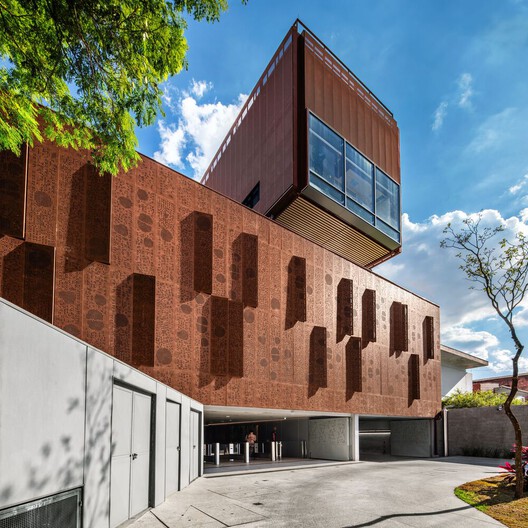
In 1961, when conceiving the Faculty of Architecture and Urbanism of the University of São Paulo, in São Paulo, Vilanova Artigas and Carlos Cascaldi established a paradigm that continues to resonate throughout Brazilian university architecture: the building as a continuous territory, articulated by ramps, courtyards, and open spans, where the experience of learning extends beyond the classroom. The idea emerged at a moment of transformation in Brazilian higher education, which, over the following decades, would expand from serving a relatively restricted audience to reaching a much broader and more diverse population. If Brazil had approximately 226,218 undergraduate enrollments in 1960, by 2023 that number had approached 10 million.

Masonry is often perceived through its weight, depth, texture, and sense of permanence. Yet these physical qualities also have several implications for the performance of a building envelope. From the thickness of the mortar joint to the weight of the material, every masonry decision is connected to considerations of durability, stability, and long-term performance, while preserving the material character associated with solidity and permanence. At Summer Street Apartments, thin brick offered a way to retain these qualities while accommodating the insulation and envelope requirements of an all-electric, net-zero energy building. Just as importantly, it helped give the project the residential character the architects were looking for.

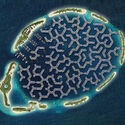
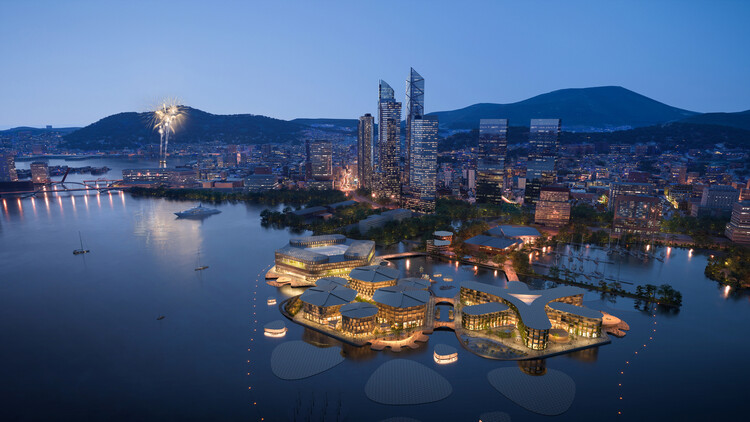
Cities depend on systems that already exist around them. When architects design on water or beyond Earth, those systems are no longer available. Without fixed ground or nearby networks for energy, water, transport, and waste, architecture has to take on functions the larger city would normally provide.
The reason for moving beyond familiar ground also changes from one project to another. In the Maldives, building on water responds to the vulnerability of existing land. In Busan, floating development creates another direction for urban expansion. On the Moon, the challenge is more absolute: there is no existing infrastructure to connect to at all.

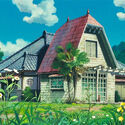
Every evening when we get home, without ceremony, we perform a small rite. We arrive at a door, we open it, and we step through into a space that belongs to us in a way no other space does. It is such a mundane act that we rarely notice it has a structure at all, and yet philosophers and anthropologists have written entire books describing these psychological structures. Interestingly, visual works such as the animated worlds of Studio Ghibli seem to reflect this dynamic to create worlds which contain architecture and layouts that provide a path to escape by tapping into our memories in a legible yet enchanted form.
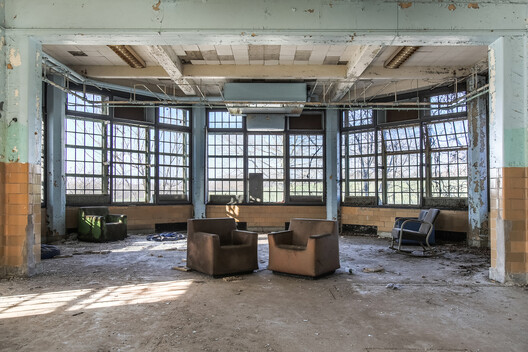
Sustainability in architecture is often discussed as though it were a universal standard—and, in principle, it should be. Buildings are increasingly evaluated through energy performance, embodied carbon, certification systems, material efficiency, biodiversity, and whole-life impact. Yet the rules determining what must actually be done remain highly local. A project designed in London, New York, or Copenhagen may be shaped by stringent energy codes, environmental review, disclosure requirements, planning controls, and increasingly ambitious carbon targets. The same practice working elsewhere may encounter a very different regulatory landscape.
This creates a difficult question for international architecture: when sustainability is not enforced to the same degree by law, what standards should architects carry with them?

While complex, layered with meaning, and categorized into various forms, heterotopia, a concept developed by the philosopher Michel Foucault, can broadly be understood as the manifestation of alternative realities. Unlike utopias – idealized, unreachable non-places – heterotopias are tangible, real-world spaces that operate according to their own internal logic, offering a lived alternative to dominant spatial and cultural paradigms.
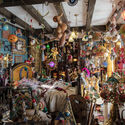
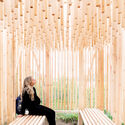
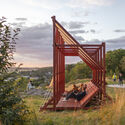
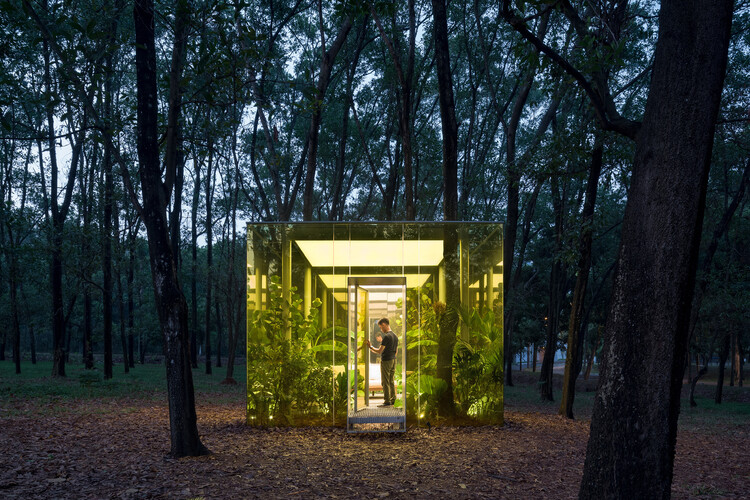
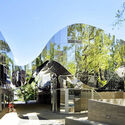
Escapism, in an architectural sense, is not merely about fleeing standard realities; it is a critical tool for reimagining them under different cultural, social, and environmental conditions. Temporary installations serve as fertile testing grounds for these spatial possibilities. Often framed as sanctuaries or refuges, these works intentionally detach from pre-conceived norms – whether by seeking a return to a primal way of living or by provoking radical perceptual shifts.
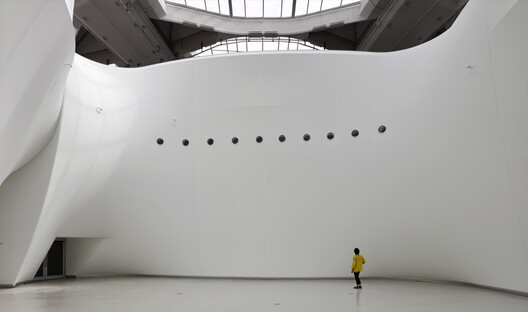
What can a textile do that glass, wood, concrete, or metal cannot? Architectural composite fabrics don't replace conventional building materials. Instead, they can complement them and often add another layer of performance to the building envelope. Their application changes with context. A composite membrane can become an exterior shading system for a tropical conservatory, an interior skin that shapes acoustics and spatial experience in a museum, or part of a facade strategy that improves the environmental performance of an existing building.

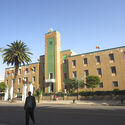
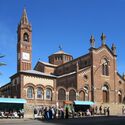
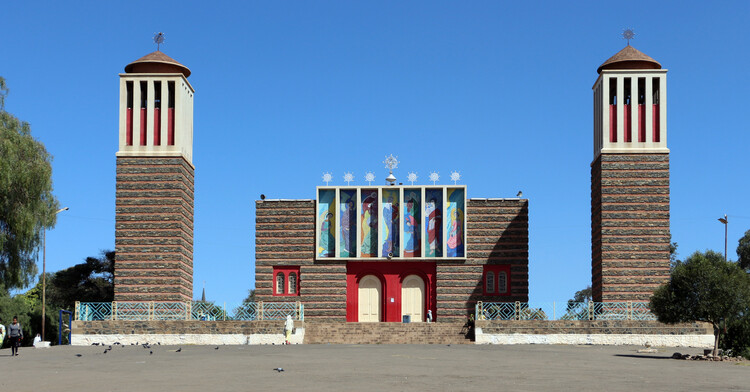
Asmara, the capital of Eritrea, sits at over 2,300 meters above sea level on a plateau at the edge of the Great Rift Valley escarpment. Although situated in a country not known for large visitor numbers, the city has gained fame for its unique architecture. In July 2017, it became a UNESCO World Heritage Site, inscribed as "Asmara: A Modernist African City," the first modernist urban site anywhere to be listed in its entirety, and Africa's first explicitly modernist World Heritage Site. Its heritage value came about as a result of a complex convergence of two aspects of Eritrea's history: an intense period of colonial construction as Italy pursued its imperial ambitions in Africa, and a long period of relative isolation that insulated the city from redevelopment.

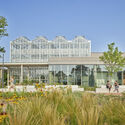
Botanical gardens bring the landscape, design, community, and scientific inquiry into close conversation. Emerging from medicinal gardens and private collections that were dedicated to classifying plants, botanical gardens were developed into institutions where specimens gathered across regions and climates could be cultivated and presented to public audiences. Their evolving position in society produced a distinct architectural repertoire, from greenhouses and conservatories to herbaria and laboratories and, eventually, visitor centers and hospitality spaces. Architecture remains integral to the botanical garden as an instrument of cultivation and a framework for organizing and studying the field of botany.

Buildner is pleased to announce the results of its Architect's Chair Competition Edition 5, the fifth edition of the annual international competition inviting architects and designers worldwide to create a signature chair that reflects their individual design philosophy and vision.
Chair design exemplifies the interdisciplinary nature of architecture, bringing questions of proportion, structure, material, ergonomics, and craftsmanship together at the scale of a single object. This year's submissions explored a broad range of approaches, from highly minimal, structurally efficient solutions to designs rooted in cultural references, material experimentation, and new fabrication methods.

Ask an architect what the hardest problem in the discipline is right now. The block of unmaintained postwar housing two streets from their office rarely comes up. What comes to their mind is the pressure differentials on Mars, or the tensile loads on a floating platform; because unclaimed ground has no one to negotiate with, no history to answer to, no tenant to remember the last renovation, which makes it considerably easier to design for.
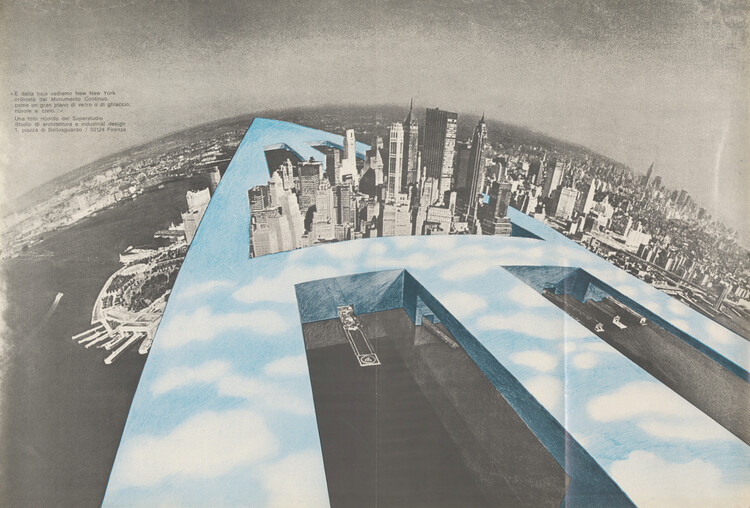
Architects think of themselves as solving a harder problem than the one next door. A project, like The Line, a 170-kilometer city meant to house nine million residents, with a site with no prior claimant, is not architecturally harder than a site with a hundred years of tenancy, contested ownership, and a planning department that remembers the last three developers who used the word "community" and meant something else. It is, considerably, easier. No one to persuade, no history to answer to, no argument to lose. Which raises the question of whether the harder problem is sitting two streets from the office, unsolved, and the easier one is the one getting the renderings and the funding rounds; then 'ambition' is the wrong word for what is happening. Something is being avoided, and we need to start thinking about what.

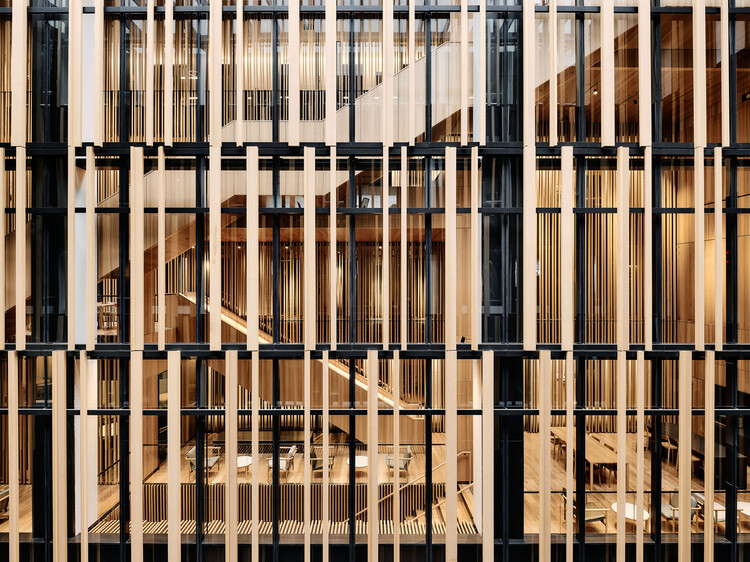
The relationship between humans and wood has endured since the Greco-Roman era, when a variety of techniques were developed to maximize its unique properties and characteristics. Beyond its warmth, texture, and natural appeal, wood has proven its ability to meet a wide range of technical requirements while adapting to diverse environmental and geographic conditions, maintenance demands, and fire-resistance standards. In response to the evolving needs of the built environment, interior and exterior finish materials that replicate the appearance of wood have emerged as viable alternatives. Among them, Wood Finish Aluminum offers a durable, high-performance solution for long-lasting projects, providing a textured wood-look appearance while maintaining minimal environmental impact.
ArchDaily is proud to announce the winners of the 2026 Next Practices Awards, recognizing 20 emerging and forward-thinking practices expanding the possibilities of architecture today.
Now in its sixth edition, Next Practices continues to look beyond conventional definitions of the profession to identify the people, ideas, and methodologies driving the discipline. The 2026 edition is our strongest and most globally representative to date, bringing together different approaches, scales, and contexts that broaden our understanding of how and by whom architecture is being practiced.
From extreme climates to rural communities, informal cities, and territories affected by displacement and environmental vulnerability, this year's selection engages with a wide range of realities. Drawing from engineering, ecology, digital fabrication, material research, vernacular and Indigenous knowledge, advocacy, and critical research, these practices reflect what is "next": the capacity to respond to specific conditions and actively shape the world around them.

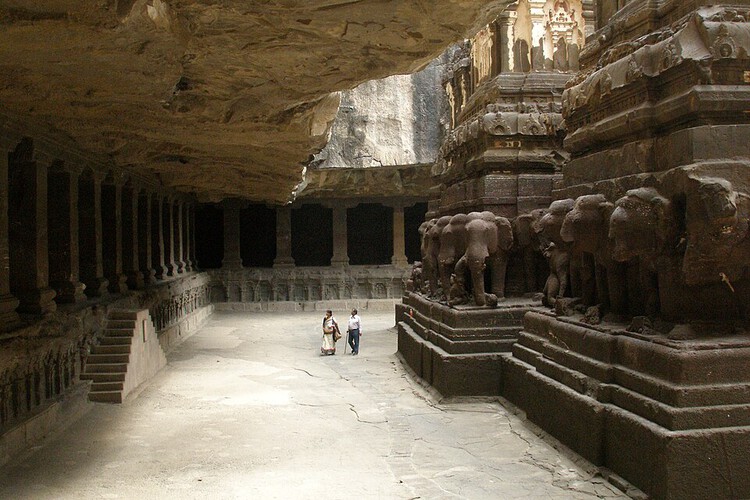
A cave in Maharashtra can now be entered without travelling to it. Through a virtual reality experience developed around Ajanta, visitors can move through a digitally reconstructed version of the caves from somewhere else entirely. The project raises an architectural question: if architecture is experienced through movement, scale, sequence and perception, what happens when those experiences can be recreated outside the physical site? IITM Pravartak's Digital Ajanta project uses 3D scanning, filming, modelling and virtual reality to document the caves and translate that record into an immersive experience.