Some of the world's most innovative regional architecture never makes the headlines simply because no one is telling its story. For the sixth episode of the Room For Dreams podcast, recorded live at Milan Design Week 2026 in cooperation with INDX|GLOBAL, host Claire Brodka of designboom dissects this exact bottleneck with architects Niroop Reddy, Sujit Nair, and Aman Aggarwal, tracing how a historic lack of architectural storytelling has obscured a massive design revolution taking place across the Indian subcontinent.
An experiential rebellion takes center stage in the fourth episode of the Room For Dreams podcast, hitting directly at the heart of today's screen-deep, image-obsessed design culture. Recorded live at Milan Design Week 2026 in cooperation with INDX|GLOBAL, host Claire Broadka sits down with four Indian architectural voices — Indrajit Kembhavi, Manish Gulati, Sanjay Singh, and Sidhartha Talwar — to explore a critical question: have we sacrificed the soul of architecture for the sake of a picture-perfect Instagram post?
The premier episode of the Room For Dreams podcast series, produced in collaboration with INDX|GLOBAL, features an engaging panel discussion centered on materializing the future through the lens of Indian architecture and design. Recorded live at Milan Design Week 2026 and moderated by Claire Broadka of designboom, the conversation brings together three visionary architects: Rachna Agarwal, custodian of Studio IAAD and Zoera; Vaibhav Dimri, founding partner of Anagram Architects; and Dinesh Panwar of Urbanscape Architects.
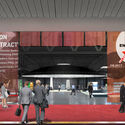
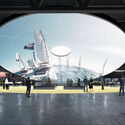
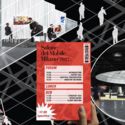
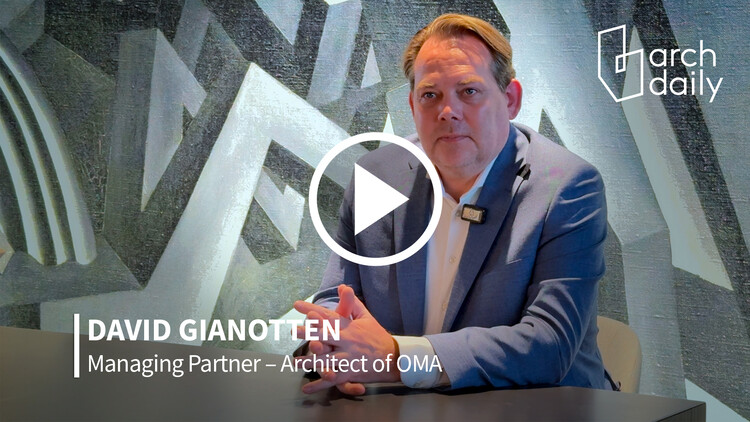
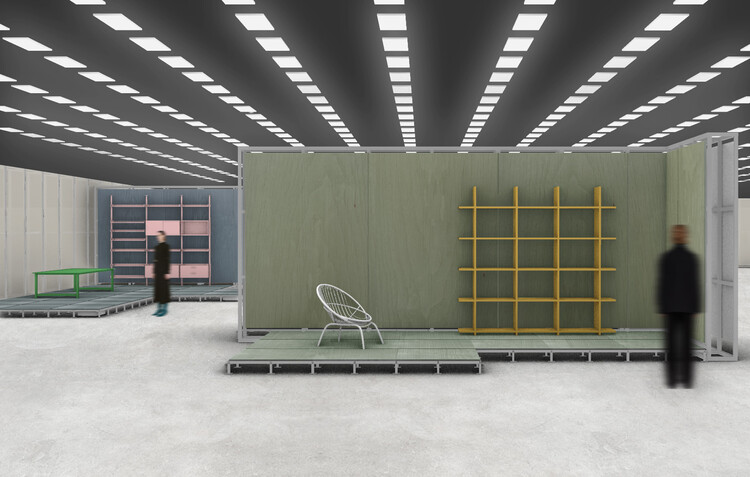
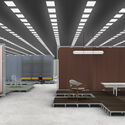
At Salone del Mobile 2026, the 64th edition of the fair unfolded at a moment of transition for the global design industry, where questions of production, collaboration, and long-term performance are reshaping established formats. Held at Rho Fiera Milano and extending across the city during Milan Design Week, this year's edition brought together over 1,900 exhibitors while introducing new curatorial and strategic layers. Among the most significant developments was the first public iteration of "Salone Contract," a long-term initiative developed through a master plan by Rem Koolhaas and David Gianotten of OMA. During the event, ArchDaily's Managing Editor Romullo Baratto and Editor-in-Chief Christele Harrouk met with David Gianotten. In the conversation, Gianotten reflected on how the project responds to broader shifts in design practice, moving from object-based production toward integrated systems and collaborative frameworks.
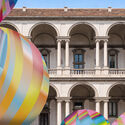
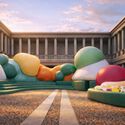
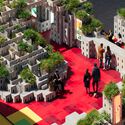
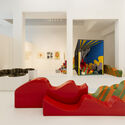
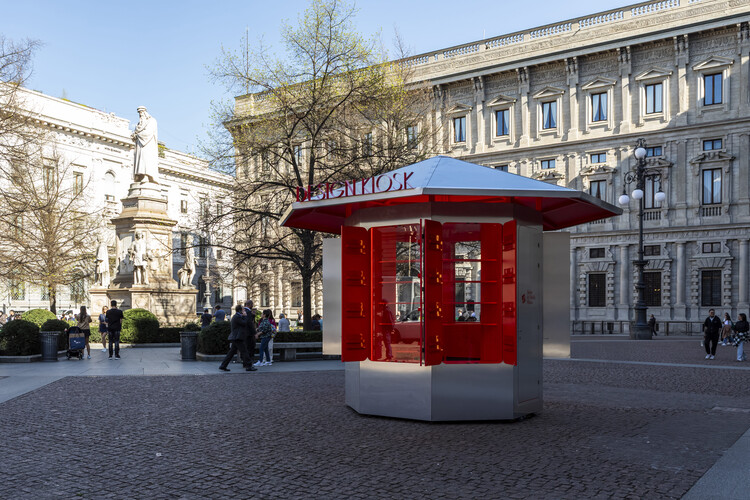
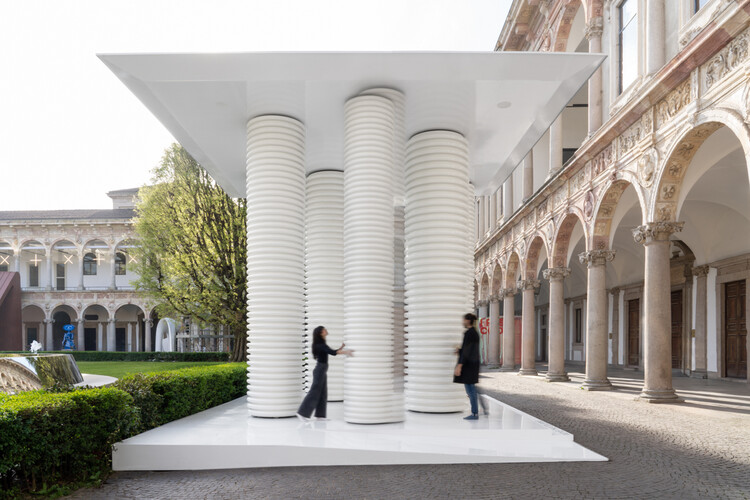
Each spring, Milan Design Week 2026 transforms the city into a distributed platform for design culture, where prototypes, product launches, and research-driven explorations coexist across multiple scales, including a growing presence of architect-designed objects. Held from April 20 to 26, the 2026 edition once again centered around the 64th Salone del Mobile.Milano at Fiera Milano, complemented by a network of independent venues and exhibitions throughout the city, an expanded landscape that is further reflected in ArchDaily's accompanying selection of installations and exhibitions from this year's program.
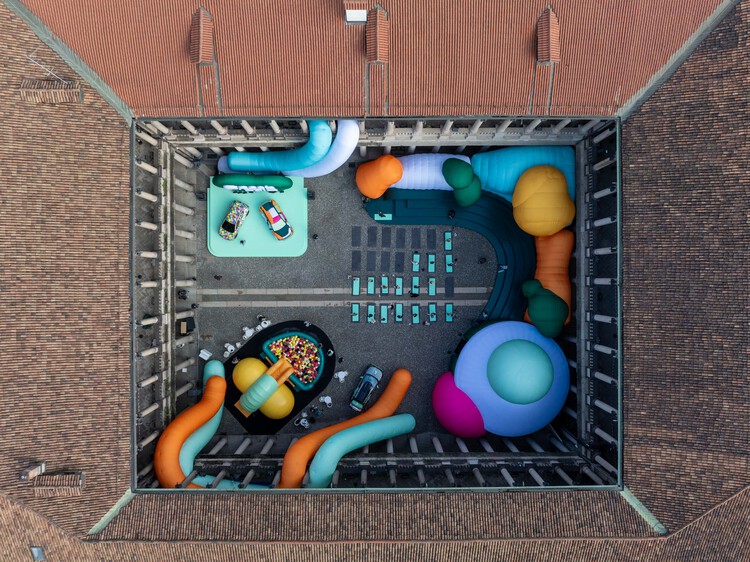
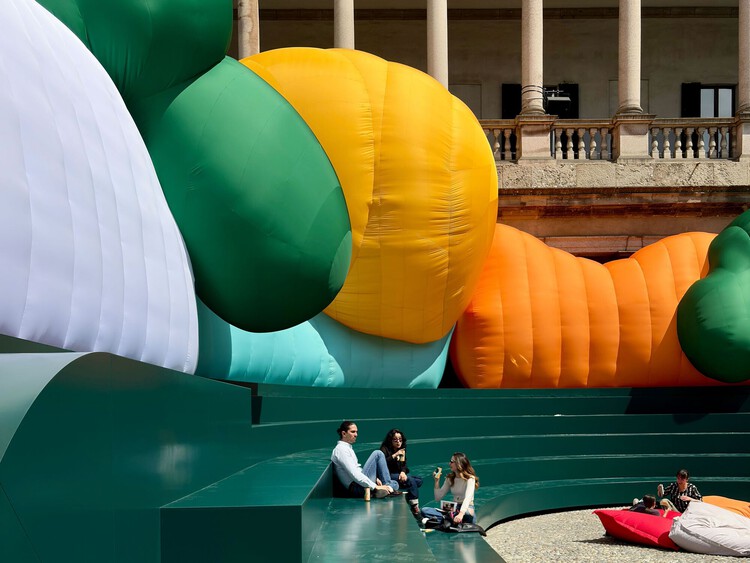
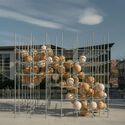
Ooooh, that's EpiQ! By Ricardo Orts Ulises, Milan Design Week 2026. Image Courtesy of Skoda
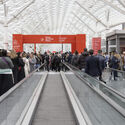
Bringing together a week of exhibitions, installations, and industry exchange, Milan Design Week 2026 and the 64th edition of Salone del Mobile.Milano concluded on April 26, following six days of programming across the fairgrounds and the city. Held from April 20 to 26, this year's events reaffirmed Milan's central role within the global design calendar. The Salone itself drew over 316,000 visitors from 167 countries. With 1,900 brands represented and a strong international presence, the week once again operated as both a cultural platform and an economic engine, navigating a context marked by market uncertainty while maintaining its capacity to convene designers, institutions, and industry leaders at a global scale.
Ooooh, that's EpiQ! By Ricardo Orts Ulises. Image Courtesy of ArchDaily's editors on-site in Milano
Observed annually on April 22, International Mother Earth Day frames this week's architectural discourse through an urgent call to rethink the relationship between the built environment and natural systems, foregrounding themes such as urban rewilding, the restoration of aquatic ecosystems, and the integration of ancestral knowledge into contemporary design practices. On another note, the opening of Salone del Mobile.Milano 2026 and Milan Design Week 2026 seek to reinforce the global relevance of design as a platform for exchange and experimentation, activating the city of Milan through a network of exhibitions and installations that engage both industry and public audiences. Among the announcements of award-winning architectural projects this week, the United Nations' House of No Waste (HØW) Competition highlights emerging architectural responses to climate and resource challenges. The awarded projects demonstrate scalable strategies for reducing material waste and embodied carbon while promoting adaptable, socially responsive, and resource-conscious public infrastructure.
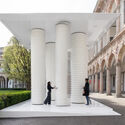
Metamorphosis in Motion by Lina Ghotmeh. Image Courtesy of ArchDaily's editors on-site in Milano
Milan reactivates its role as a global design capital this week as Milan Design Week 2026 has began on April 20, followed by the opening of the 64th edition of Salone del Mobile.Milano on April 21 at Fiera Milano, Rho. Rather than a single event, the week unfolds as a layered system in which the fair and the city operate through different temporalities and spatial conditions. From early openings across urban districts to the formal start of the fairgrounds program, the staggered calendar reinforces a continuous flow of activity that extends across institutions, infrastructures, and public space.
As major cultural events, institutional transformations, and new architectural commissions unfold across different geographies, this week's discourse highlights how architecture operates at the intersection of public life, creativity, and long-term adaptation. With Milan Design Week 2026 foregrounding process, experimentation, and citywide participation, the projects and initiatives emerging this week point to a broader shift toward openness, accessibility, and experiential engagement across disciplines and urban contexts. Ongoing investments in cultural infrastructure, from new museums to large-scale renovations and competition-winning proposals, further underscore how institutions continue to recalibrate their spatial and social roles in response to evolving environmental, technological, and cultural demands.
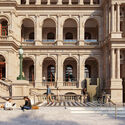
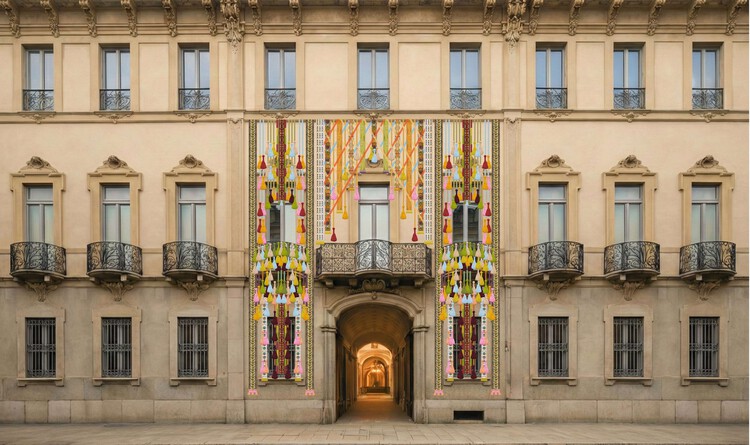
Entrance to Palazzo Citterio, indicative render. Image Courtesy of ACDF and Bethan Laura Wood Studio
From April 20 to 26, Milan Design Week 2026 returns as a citywide platform where design operates as both a cultural practice and a form of exploration. Framed by the Fuorisalone theme "Be the Project," this year's edition shifts the focus from outcome to process, positioning design as a dynamic, human-centered act shaped by intuition, responsibility, and transformation. Installations and exhibitions across the city foreground making as an open-ended condition, one that embraces error, temporality, and experimentation as integral to creative production. Within this context, design becomes a space of exchange between disciplines, materials, and intelligences, reflecting broader conversations around sustainability, emerging technologies, and the evolving relationship between the physical and the digital.
From April 21 to 26, the 64th edition of Salone del Mobile.Milano returns to Rho Fiera Milano, bringing together over 1,900 exhibitors across more than 169,000 square meters of sold-out exhibition space. Yet beyond its scale, the 2026 edition signals a more structural shift through collaborations with figures such as Rem Koolhaas and David Gianotten (OMA) and Formafantasma, the Salone continues to reposition itself as an evolving cultural infrastructure rather than a conventional trade fair. This year introduces new curatorial and strategic layers, most notably the preview phase of Salone Contract and the debut of Salone Raritas, alongside immersive installations and exhibitions, while the Salone's footprint across Milan grows further through city-wide interventions during Milan Design Week.
Salone del Mobile.Milano has announced the framework for its 64th edition, scheduled to take place from April 21 to 26, 2026, at Fiera Milano, Rho. The upcoming edition will bring together more than 1,900 exhibitors from 32 countries across over 169,000 square meters of exhibition space, highlighting the fair's continued scale and international reach. Beyond its quantitative dimension, the 2026 Salone positions itself as an evolving cultural and economic infrastructure, increasingly structured around long-term strategies rather than isolated events. The program reflects a growing emphasis on accessibility, curatorial depth, and cross-sector dialogue, pointing at the Salone's role not only as a marketplace for the industry but also as a platform where architectural thinking, industrial production, and global dynamics intersect within a single, coordinated framework.
This past year marked a period of introspection for architecture. As 2025 unfolded, the discipline, confronted with evolving environmental and social realities, entered a broader turning point in how it understands its role and how users engage with it. Throughout the year, exhibitions shifted focus away from buildings as isolated objects toward a broader understanding of relationships between ecology, equity, everyday life, and collective imaginaries. Across institutions and cities, they operated less as showcases and more as discursive platforms: places where architecture was not only presented, but also imagined, questioned, and collectively redefined.
While exhibitions have long functioned as sites of discourse, politics, and community, this role became more explicit in 2025. As Carlo Ratti noted in an ArchDaily interview during the pre-opening of the Venice Architecture Biennale 2025, exhibitions today can "hybridize the way that people come together," an ambition that echoed across cities and institutions as exhibitions evolved into spaces for debate, experimentation, and collective reflection. Exhibitions are places where architects and designers meet, where conversations unfold openly with the public, and where ideas emerge through spontaneous exchanges among passersby. Exhibitions became spaces where architectural discourse extended beyond professional circles, opening conversations to broader publics through everyday encounters, shared experiences, and informal exchanges.
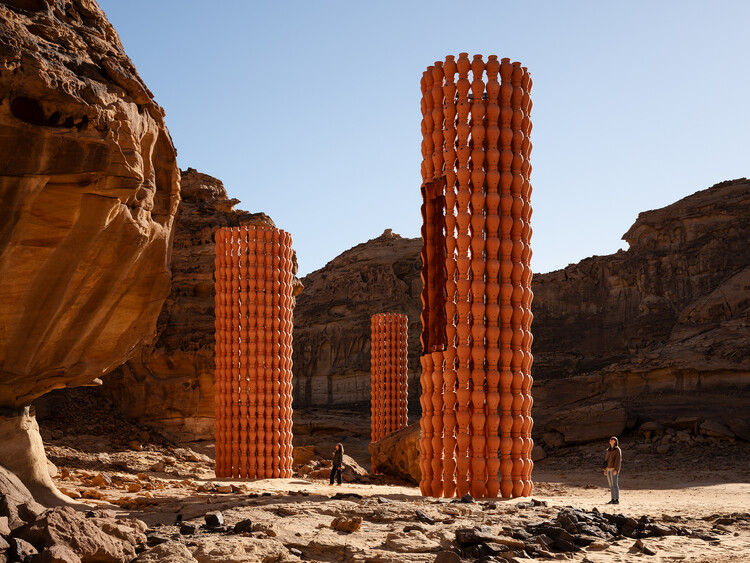
Courtesy of The Royal Commission for AlUla | Rana Haddad + Pascal Hachem Reveries, Desert X AlUla 2024
Architecture and design enter 2026 in a moment of renewed experimentation, urgent environmental reflection, and an expanded global dialogue on the built environment. As cities confront the pressures of climate adaptation, demographic shifts, and technological transformation, this year's international calendar offers a lens into how the discipline is responding, creatively, critically, and collectively. From long-standing biennials to newly established platforms, the events of 2026 spotlight architecture's evolving role as both a record of our changing world and a driver of more equitable, sustainable futures.
Architecture has never been confined to the act of building. It constantly negotiates between material practice and intellectual reflection, yet throughout the twentieth and twenty-first centuries, many architects felt that the built project alone was insufficient to address the full range of questions facing the discipline. Economic pressures, political contexts, and programmatic demands often narrowed the scope of practice.
Exhibitions and curatorial platforms, by contrast, created spaces of experimentation and critique, opening arenas where architecture could interrogate itself, where its past could be reinterpreted, its present challenged, and its future projected. In this tension, the figure of the architect-curator emerged, treating curating itself as a form of design — not of walls or facades, but of discourse, narratives, and frameworks of meaning.
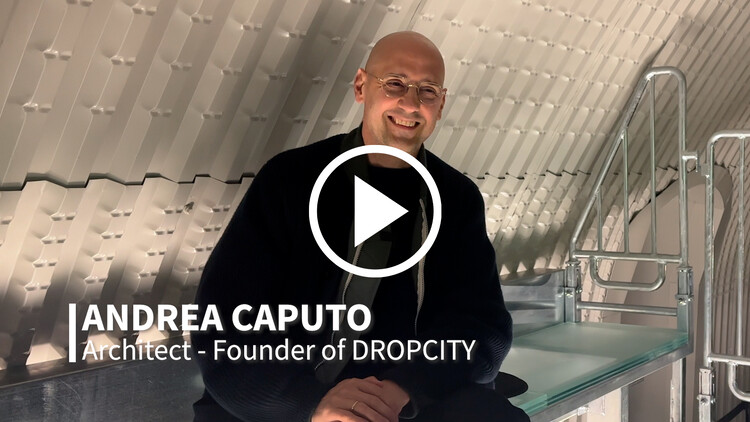
DROPCITY is an ambitious and open platform for architecture and design, located in Milan's formerly abandoned Magazzini Raccordati tunnels behind Central Station. Initiated by Andrea Caputo in 2018 and open permanently since 2024, the project reimagines 40,000 square meters into public galleries, production workshops, prototyping labs, and research spaces. The founder of the platform is Andrea Caputo, an Italian architect and researcher. During Milan Design Week 2025, ArchDaily's managing editor, Maria-Cristina Florian, had the chance to sit down with Andrea Caputo to explore his vision and plans for DROPCITY, the platform's connection to the city of Milan and its active architecture scene.
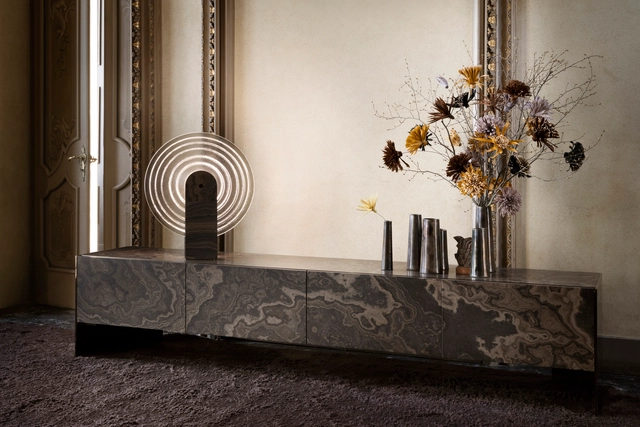
The 2025 edition of Milan Design Week took place from April 8 to April 13, 2025. During these five days, the city of Milan hosted special events, exhibitions, installations, and discussions centered on the creative disciplines, including the 63rd edition of the Salone del Mobile at Fiera Milano fairgrounds. Among the numerous activities, the event serves as an ideal opportunity to introduce the latest trends and showcase upcoming pieces from brands and designers worldwide. Among the new releases and product launches, the ArchDaily team identified a selection of products designed by architects, ranging from lighting and furniture systems to materials and small objects.
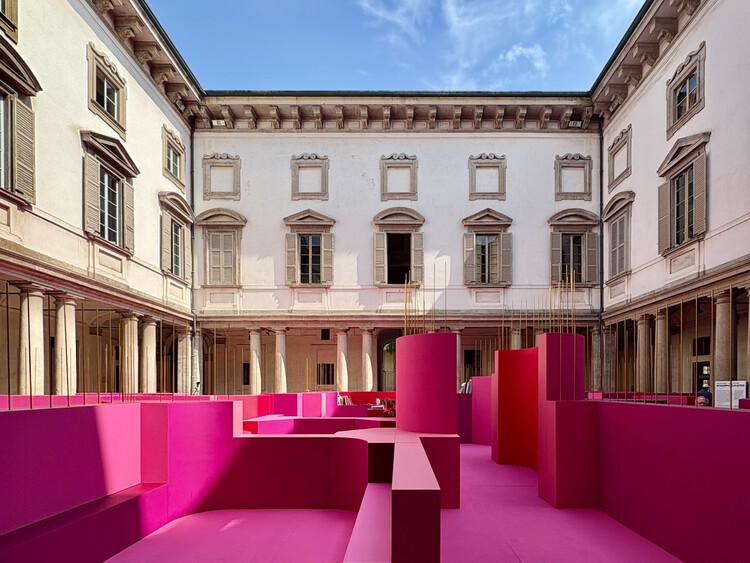
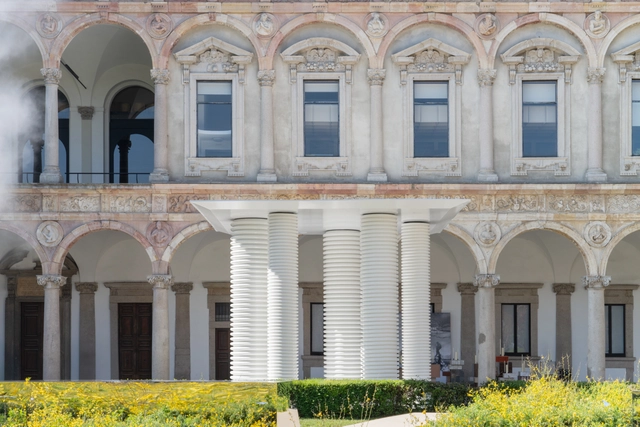
The 2025 edition of Milan Design Week and Salone del Mobile.Milano, spanning April 7th to 13th, brought together a diverse range of temporary installations at the intersection of architecture, design, and material innovation. Spread across historic sites, courtyards, and exhibition venues throughout the city, these site-specific works explored concepts such as sustainability, impermanence, sensory experience, and spatial interaction, in line with the theme of this edition of exploring the deep connections between humanity and design. Architectural studios, designers, and artists collaborated with brands and institutions to create environments that responded to context while proposing new approaches to how spaces are designed, experienced, and constructed. The following selection highlights ten installations presented during the week, reflecting a range of design approaches, materials, and spatial concepts.