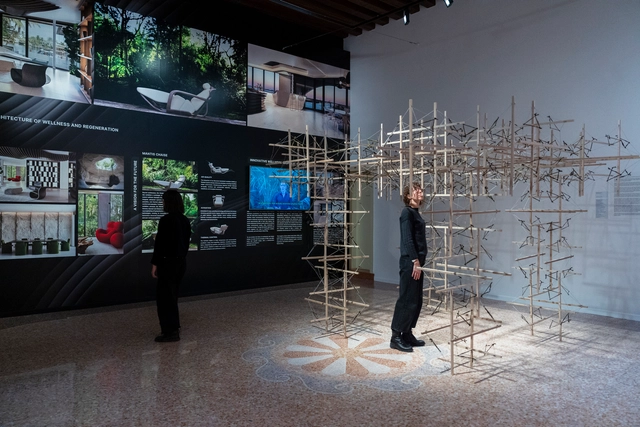
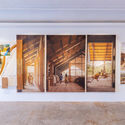
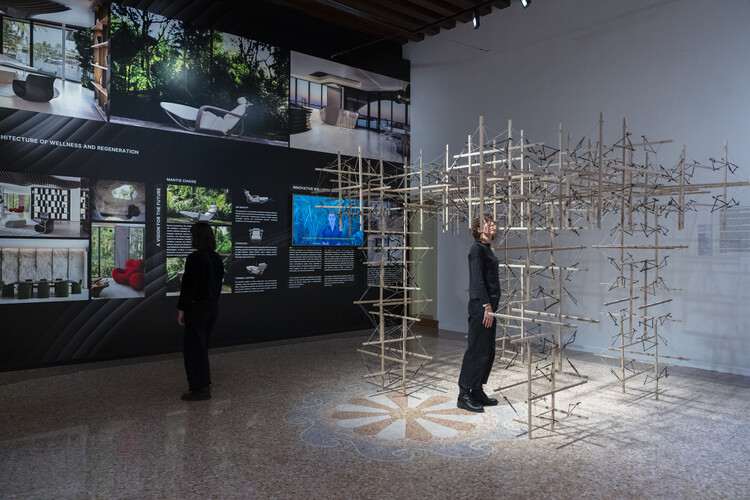
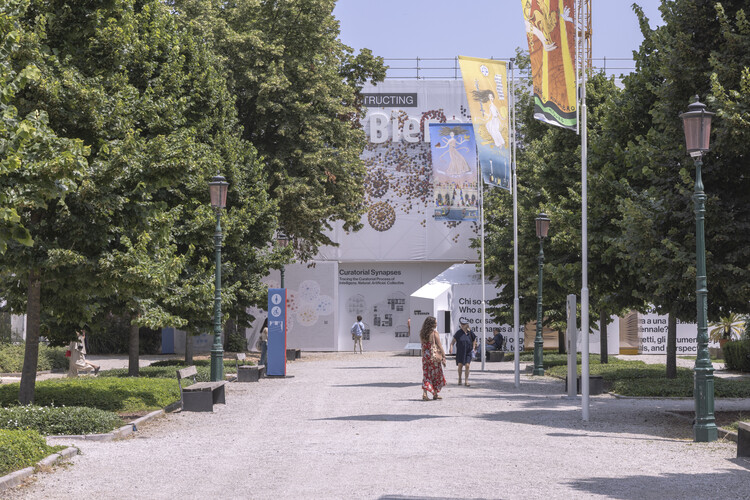
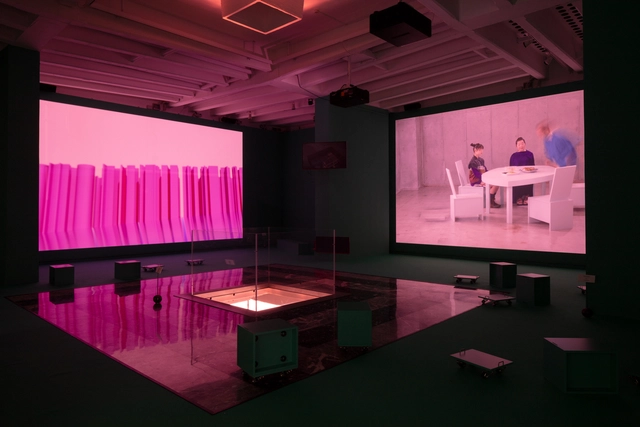
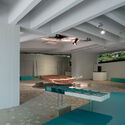
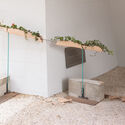
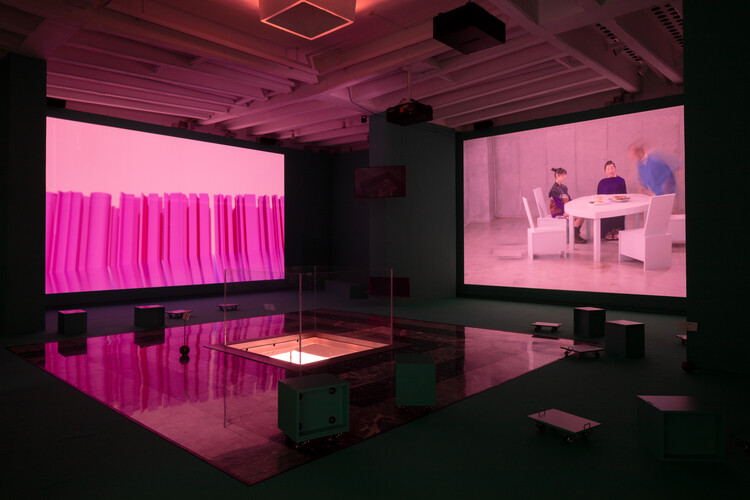
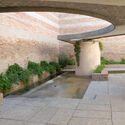
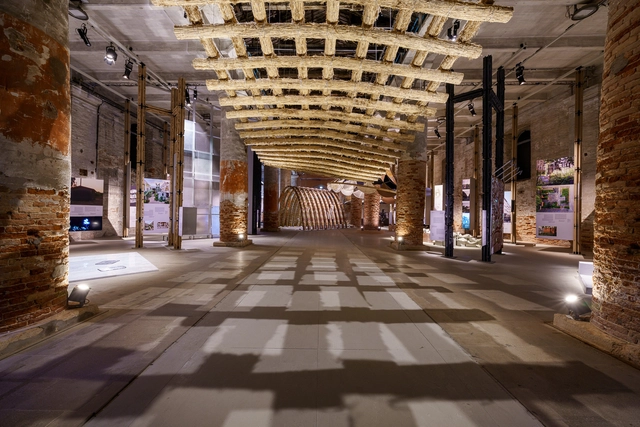
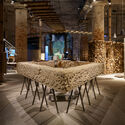
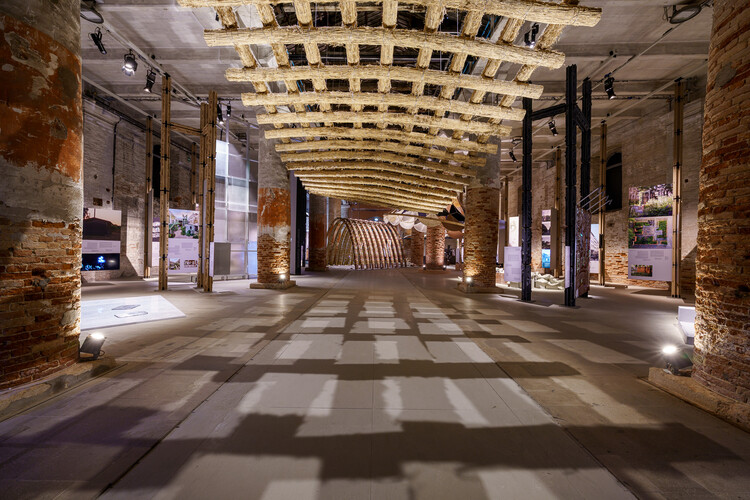
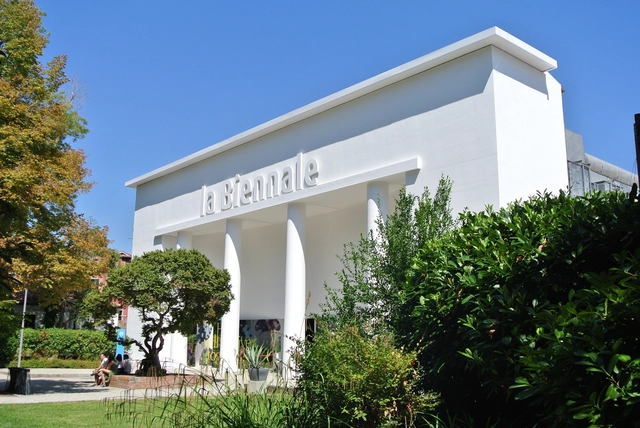
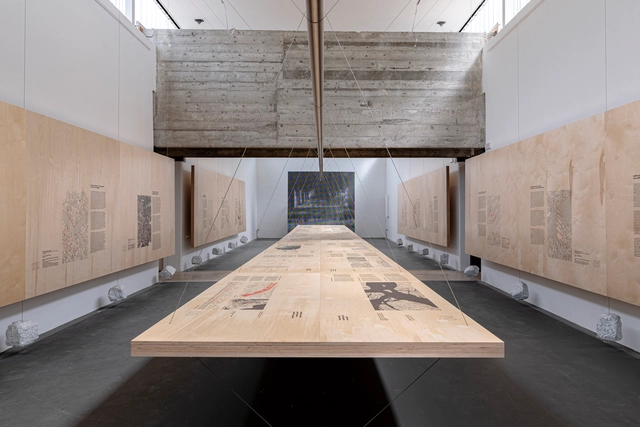
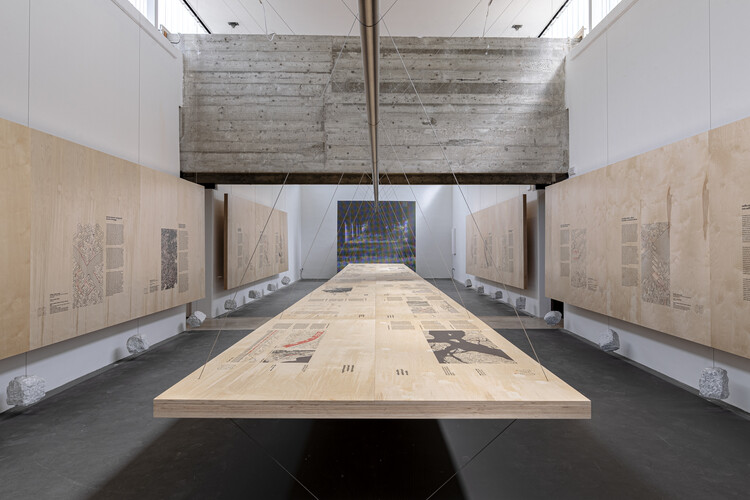
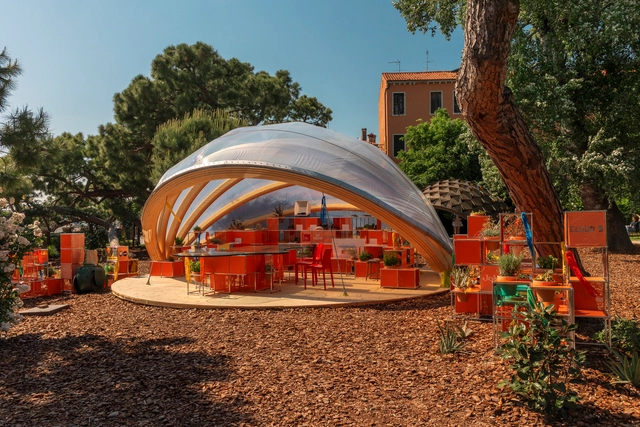
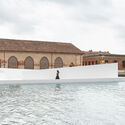
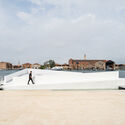
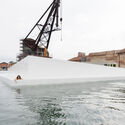
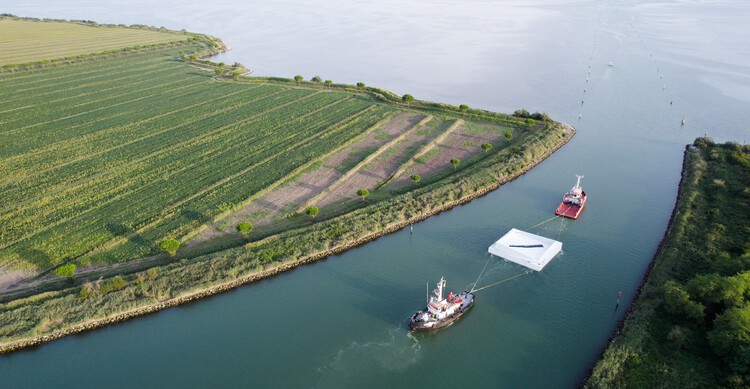
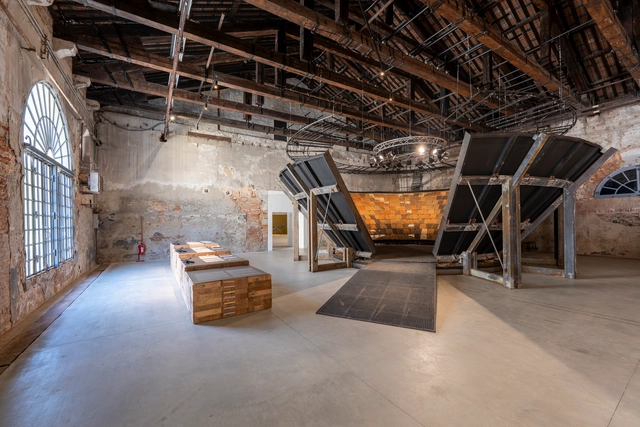
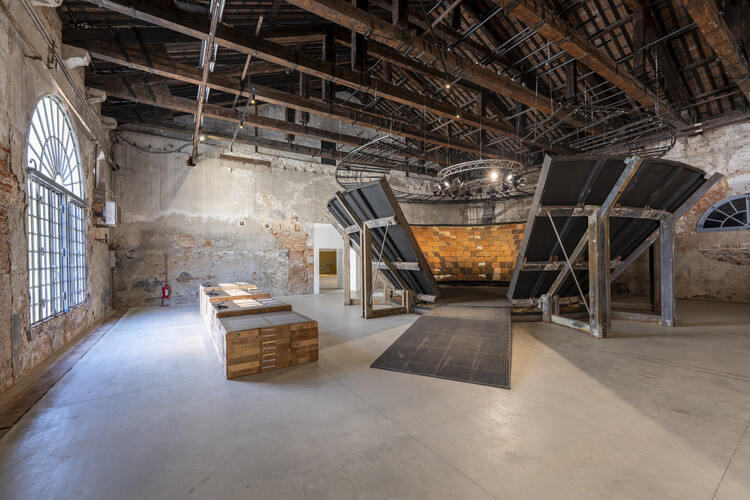
The European Cultural Centre (ECC) has announced the winners of the ECCAwards 2025, selected from participants of the seventh edition of Time Space Existence and unveiled during the exhibition's Closing Day on 23 November 2025 in Venice. Bringing together 207 practices from more than 52 countries, this year's edition highlighted a broad spectrum of architectural and design approaches responding to the themes of Repair, Regenerate, and Reuse. The awards recognise four projects that stood out for their originality, execution, narrative clarity, and forward-looking engagement with questions of sustainability, community, and the future of the built environment.
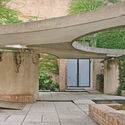
Giardino delle Sculture / Carlo Scarpa. Image by Jean-Pierre Dalbéra [Flickr under license CC BY-NC 2.0]
When we think of Venice, familiar images come to mind: Piazza San Marco, winding canals, and the reflection of Byzantine domes on still waters. Few, however, imagine that among those reflections lies a discreet chapter of Italian modernity — the architecture of Carlo Scarpa.
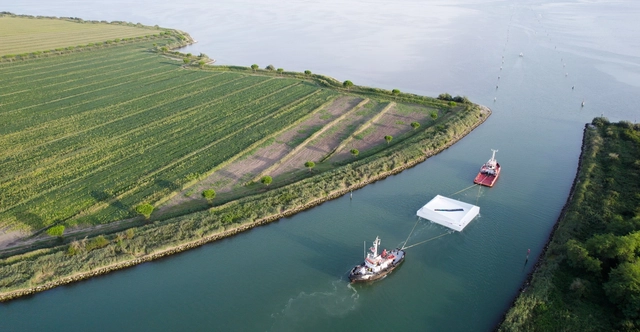
Coding Plants: An Artificial Reef and Living Kelp Archive. Courtesy of Terreform ONE
This curated selection of projects from the 2025 Venice Architecture Biennale explores how architects and designers are rethinking the relationship between the built environment and water in response to the global climate crisis. As sea levels rise and extreme weather events increase, water is no longer a distant threat but an immediate design condition. Rather than resisting it, these projects look at how architecture can coexist with, adapt to, and even regenerate through natural forces. Together, they suggest a shift toward working with the elements, acknowledging water not as a limit to construction but as an active participant in shaping future environments.
With just a few days left before the six-and-a-half-month 19th Venice Architecture Biennale comes to an end, it is possible to look back on some of the most notable contributions within its thematic framework. Marked by the largest call for participants to date, the Biennale's diversity of topics and the range of installations on display go beyond easy recapitulation. As part of that reflection, several initiatives can be highlighted as illustrative of the principles reflected in the curatorial theme, "Intelligens. Natural. Artificial. Collective." The concepts interwoven in Carlo Ratti's title form a call to address the urgent need for substantial solutions amid the accelerating climate crisis, positioning the Biennale as a platform for diverse design proposals and experiments organized around three forms of intelligence: natural, artificial, and collective. Beyond the national pavilions and numerous collateral events held throughout Venice over the past six months, among the more than 700 participants are projects that, through practice, embody four shared intentions: opening conversations about the future, proposing systemic responses to local realities, placing technology at the center of design innovation, and pursuing material research rooted in local sensitivity.
The Brazilian Pavilion at the 19th International Architecture Exhibition – La Biennale di Venezia, open since May 10, 2025, is curated by Plano Coletivo, a group formed by architects Luciana Saboia, Eder Alencar, and Matheus Seco. Titled "(RE)INVENTION," the exhibition represents Brazil through a multidisciplinary approach that connects architecture, nature, and social infrastructure. Presented at the Giardini pavilion, the project is organized by the Fundação Bienal de São Paulo in collaboration with Brazil's Ministry of Culture and Ministry of Foreign Affairs. The exhibition reflects on the recent archaeological discovery of ancestral infrastructure in the Amazon to examine the socio-environmental contradictions of contemporary cities. It invites visitors to learn from ancestral knowledge and explore the interdependence between humans, land, and nature as a foundation for more sustainable futures.
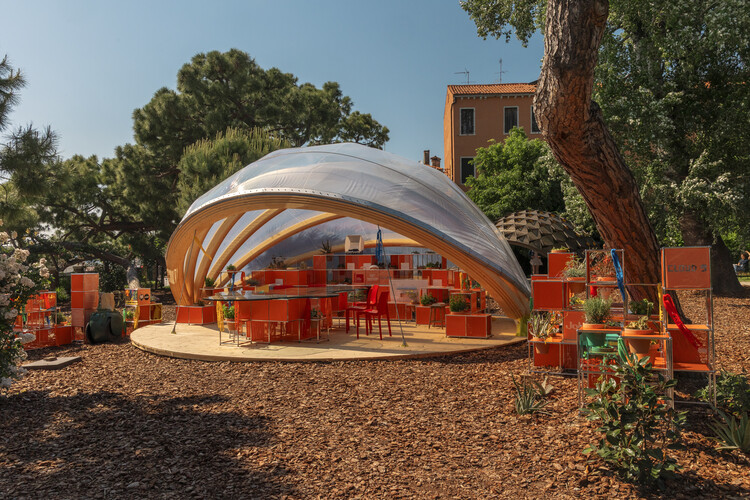
The European Cultural Centre Italy has organized the ECC Awards since 2010 to recognize artists, architects, designers, and academics in their respective fields. The Awards highlight projects featured in the Time Space Existence exhibition, which runs in parallel with the Venice Architecture Biennale and showcases tangible approaches to building more sustainably, aiming to position architecture as a force for environmental and social repair. The seventh edition of Time Space Existence is a group exhibition spanning three Venetian venues: Palazzo Bembo, Palazzo Mora, and the Marinaressa Gardens. This year, the exhibition focuses on the themes of Repair, Regenerate, and Reuse, emphasizing the essential role of architects and designers as agents of positive change in shaping sustainable, inclusive, and regenerative ways of living.
The Philippines' Pavilion at the 19th International Architecture Exhibition – La Biennale di Venezia presents Soil-beings (Lamánlupa), an exhibition curated by artistic director Renan Laru-an. Through interdisciplinary collaborations, the Pavilion brings together architects, technical experts, indigenous leaders, artists, policymakers, and local communities to explore the cultural, ecological, and technological dimensions of soil. Its objective is to challenge conventional architectural paradigms by shifting the focus from structure to soil, not as a passive material, but as a living force with agency, history, and power.
"La Quadreria" interior photo gallery. Italian Pavilion at the 2025 Venice Architecture Biennale. Image Courtesy of PCM Studio di Paola C. Manfredi
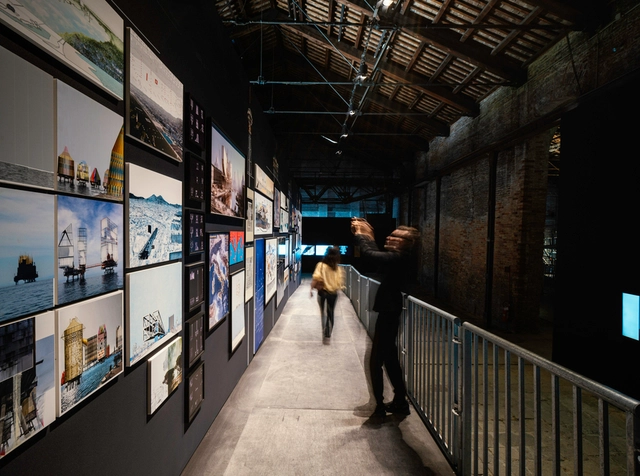
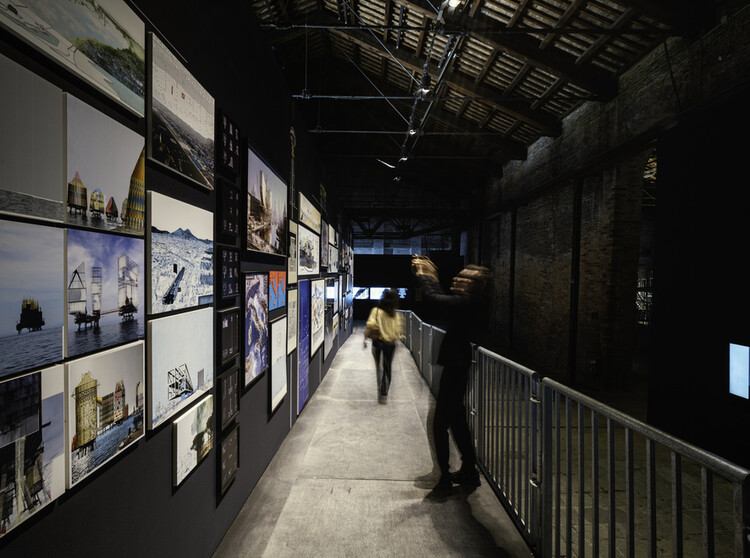
The Italian Pavilion at the 19th International Architecture Exhibition – La Biennale di Venezia is situated in the Tese delle Vergini of the Arsenale and is promoted by the Directorate-General for Contemporary Creativity of the Italian Ministry of Culture. This year, the Pavilion hosts architectural, scientific, and cultural reflections on the Mediterranean Sea and its neighboring oceans, in an exhibition titled "Terrae Aquae. Italy and the Intelligence of the Sea", curated by Architect and Professor Guendalina Salimei. The exhibition brings together projects from diverse actors in Italian society through an open call, whose objective was to rethink the boundary between land and water as an integrated system of architecture, infrastructure, and landscape. In response to the Biennale's central theme, the exhibition aims to stimulate the awakening of a collective intelligence capable of triggering a renewal in that relationship, starting from the Italian coast and expanding globally.
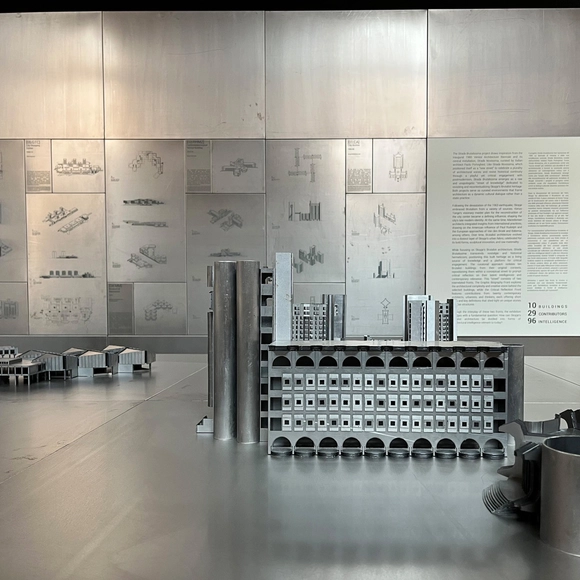
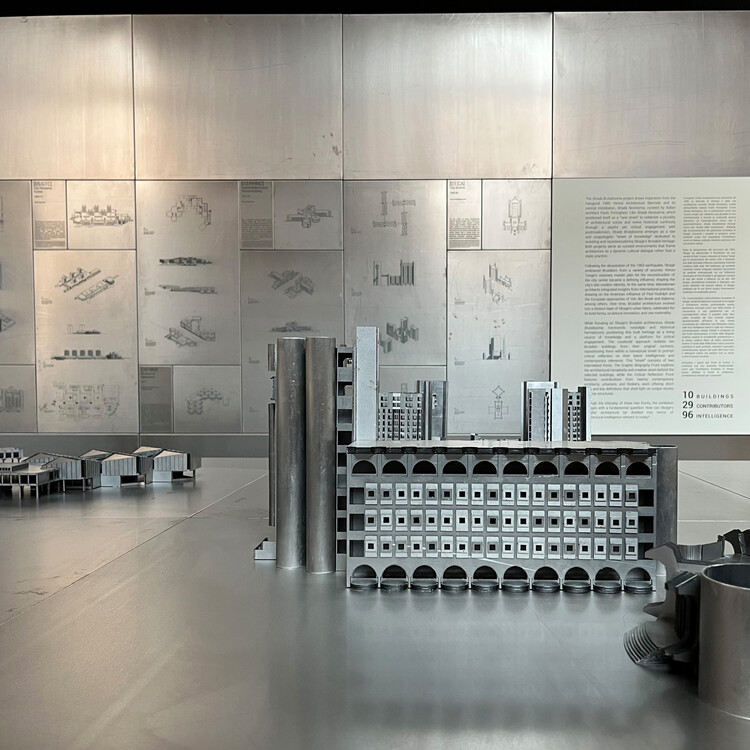
Strada Brutalissima. Pavilion of the Republic of North Macedonia at the 19th Venice Architecture Biennale, 2025. Image Courtesy of Blagoja Bajkovski
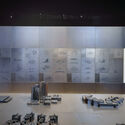
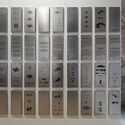
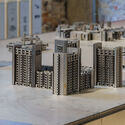
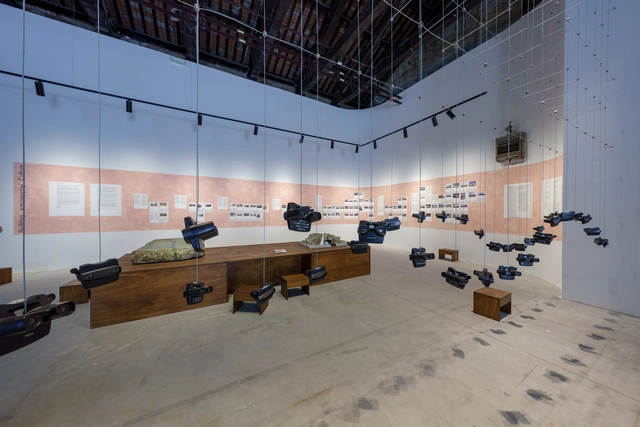
The Republic of North MacedoniaPavilion at the 19th Venice Architecture Biennale is dedicated to the Brutalist architecture of its capital city, Skopje. This architectural movement has given the city a distinctive identity following the earthquake that struck in 1963. According to pavilion curator, architect Blagoja Bajkovski, in the aftermath of the disaster, Skopje embraced Brutalism from a variety of sources. One of the most prominent of these was Kenzo Tange's reconstruction plan, developed after an international competition organized by the United Nations in 1965. The exhibition, titled Strada Brutalissima, recounts this identity, the events that shaped it, and the buildings that continue to represent it through a series of architectural models. Inspired by the 1980 Venice Architecture Biennale's Strada Novissima, the project reinterprets the concept of a curated "street," this time centered on Skopje's Brutalist heritage.
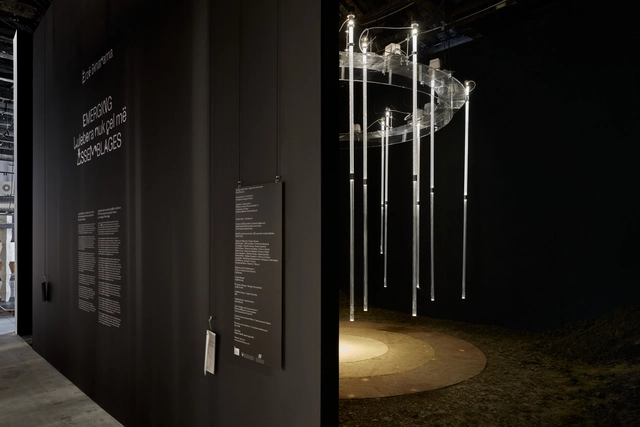
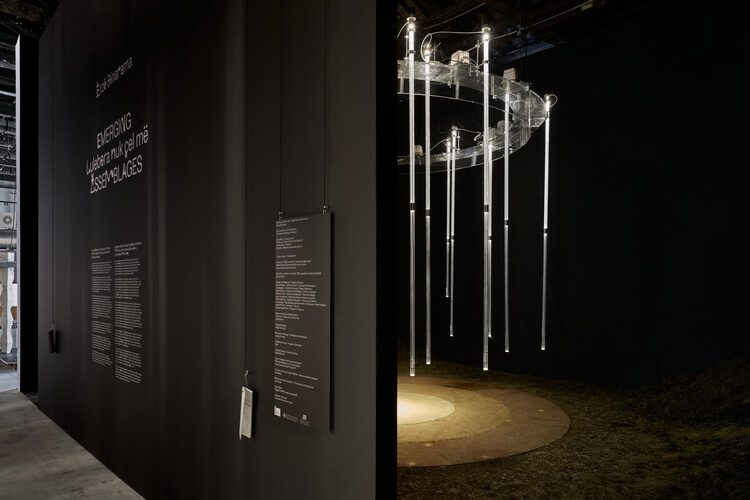
The Republic of Kosovo brings this year to the 19th Venice Architecture Biennale an exhibition titled Lulebora nuk çel më. Emerging Assemblages. The exhibit was commissioned by the National Gallery of Kosovo and curated by the architect, interdisciplinary designer, and researcher Erzë Dinarama. Reflecting on the country's shifting agricultural landscapes in the context of ecological uprooting and embodied knowledge systems under climate pressure, the installation offers a sensorial exploration of Kosovan fieldwork. Combining a range of local soil materials with a hanging olfactory calendar, the Pavilion invites visitors to imagine through touch and smell.
Curated by Anneke Abhelakh, the Albania Pavilion at the 2025 Venice Architecture Biennale, titled "Building Architecture Culture", explores how the country's architecture embodies its political, cultural, and social transformations. Albania's built environment reflects a layered history, from Ottoman and Italian rule to communist isolation and post-socialist transformation, each leaving visible marks on its cities and public spaces. The pavilion examines how architecture both responds to and shapes collective memory, public space, and civic engagement, framing these questions through past, present, and future perspectives.
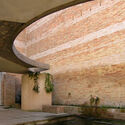
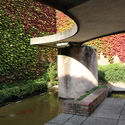
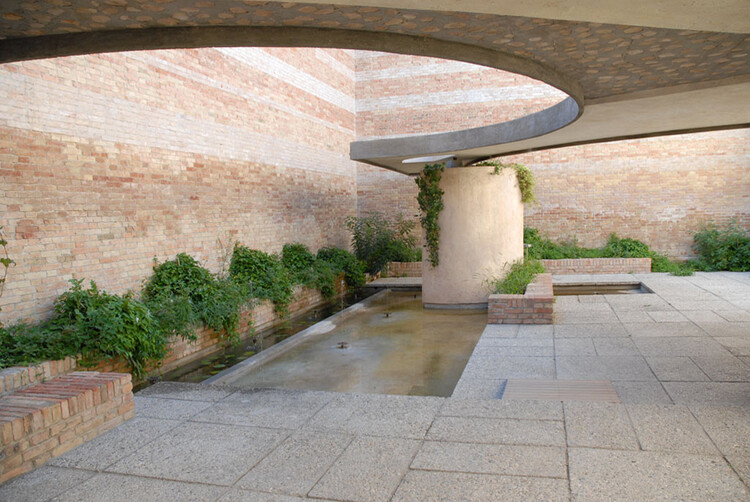
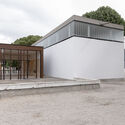
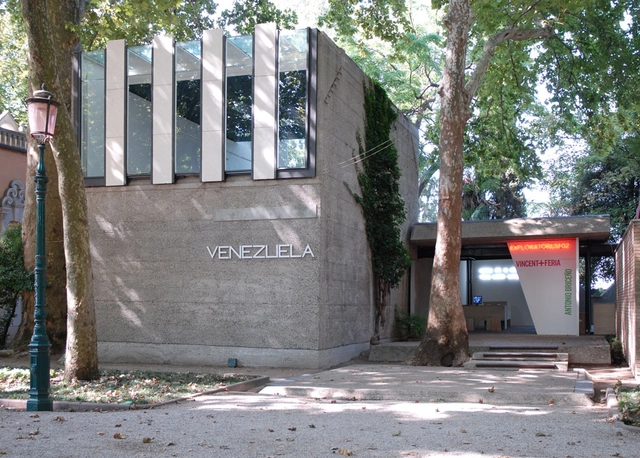
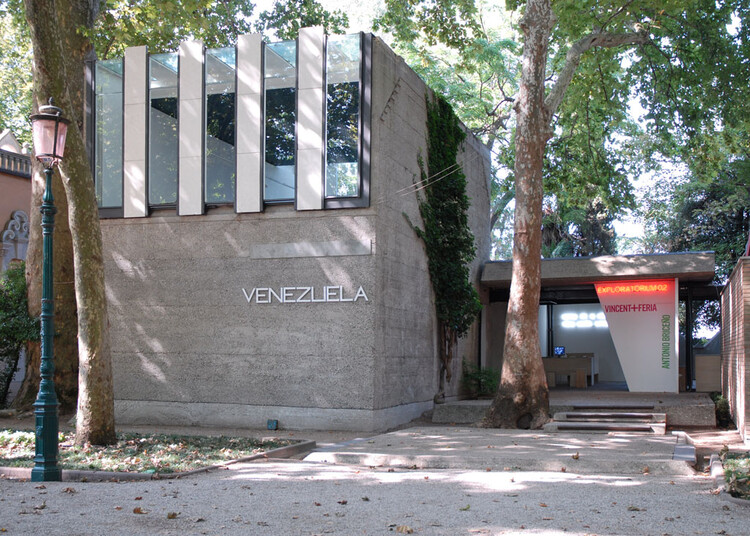
Nestled amongst the plethora of grandiose and carefully crafted national pavilions in the Giardini della Biennale in the Italian city of Venice is one pavilion by the city's perhaps most well-known modern architect. Sited between the pavilions of Russia and Switzerland is the VenezuelaPavilion, by architect Carlo Scarpa. In many ways, the structure typifies the design approach of its architect but has its idiosyncrasies. Built for Europe's most important biennial art exhibition, it is a member of a cohort of Modernist pavilions that came after the earlier, more classicist pavilions. This is its story.