Contemporary challenges and technological developments inevitably trigger changes in how we design and build our cities. The traditional construction industry suffers from inefficiencies that render methods slow, expensive, or harmful to the environment. Excessive material waste and lengthy build times pose significant challenges to built environment professionals, calling attention to the complexity and rigidity of conventional construction processes. The optimization of time and physical resources in construction calls for innovative methods that enhance efficiency.
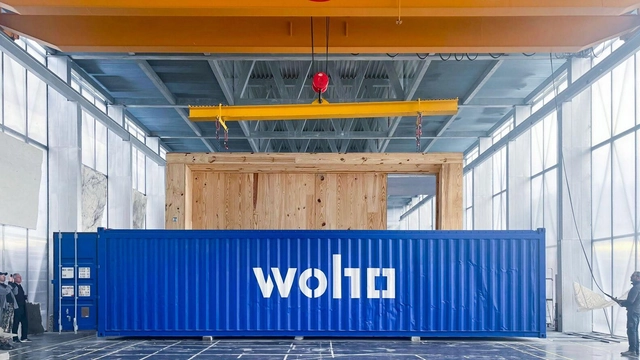
In an industry where innovation often moves with the eagerness of setting mortar, WoHo Systems, one of ArchDaily's 2024 Best New Practices, has emerged as a disruptor aiming to address global sustainability and housing affordability issues. Born from the experimental roots of Ensamble Studio, this architectural startup wields prefabrication and sustainability as core pillars to redefine construction norms and deliver adaptable building solutions. Their solutions aim to speed up and simplify the construction process, as well as reduce costs and minimize environmental impact.
In the interview conducted by Louisiana Channel, architect Andrés Jaque discusses his foundational interest in architecture and his perspective on its role in shaping society. Jaque, founder of the Office for Political Innovation, emphasizes the creative potential of architecture to intervene in reality and reconnect all elements of the environment. He also goes into perspective on the political aspect of architecture, an interest from which the name of his office derives, as well as his perspectives on the true meaning of sustainability.
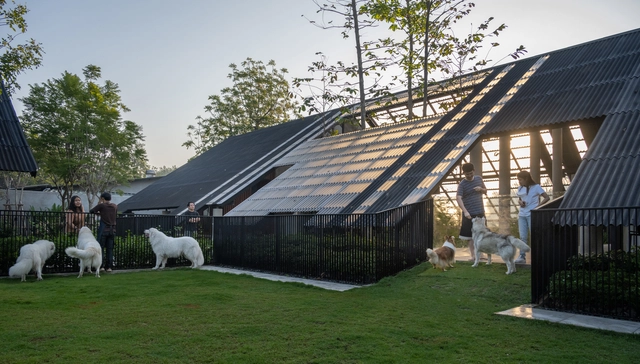
Are humans the only stewards of the built environment? For many architects and planners, spaces are designed with a focus on the needs, comfort, and health of humans. A spatial ordering, in constructed spaces and the urban fabric, designates humans as the default, singular user in this scenario. However, as much as humans have influenced the trajectory of the world, other species play a crucial role in designing, forming, and maintaining the urban landscapes of the twenty-first century.
Space exploration isn’t merely a testament to human ambition or a quest for new territories and resources. Our ventures beyond Earth’s atmosphere are driven by a deeper purpose: to understand better our place in the cosmos and to pioneer innovations that can transform life on our home planet.
The team led by Henning Larsen, in collaboration with Ramboll, Cistri, Gehl, Participate in Design, and Camphora has won the commission for the master plan consultancy to design Singapore’s North-South Corridor’s surface streets. The project proposes an expansive urban transformation, aiming to integrate public transport, active mobility, community-focused spaces, and greenery along the 21.5km corridor. Local communities and stakeholders are also actively engaged in the design process through public engagement sessions. The initial master plan design is set to continue into 2026, over the next 18 months.
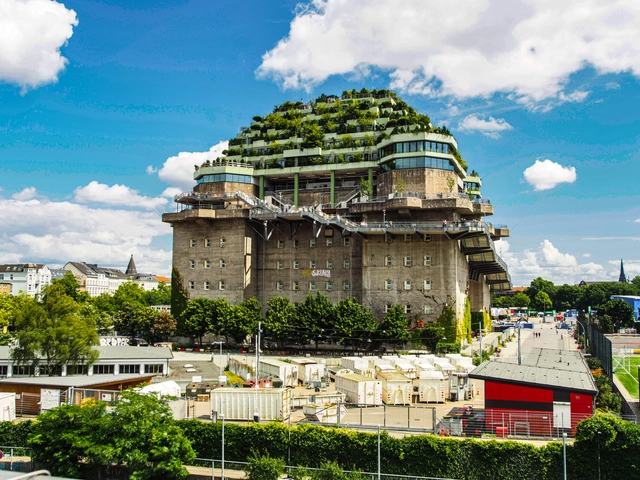
Dating from the1940s, the air raid shelter in Hamburg’s St. Pauli district has been reimagined as a „green mountain,” with expansive gardens covering the top of the wartime structure. Known as the Hochbunker, translated as ‘high bunker,’ the location has undergone a substantial restoration and refurbishment process introducing restaurants, event spaces, and a hotel, together with a rooftop urban park. The bunker has opened to the public on July 5, 2025, with the purpose of reconnecting the community with the iconic structure and its complex history.
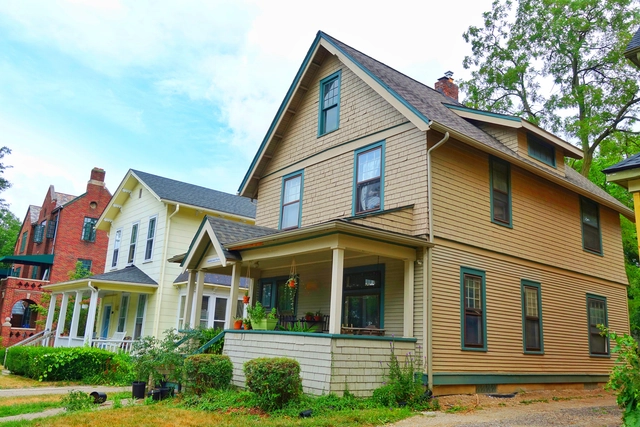
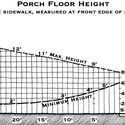
I was inspired to write this essay by a fascinating post on the social dynamic of porches by Patrick Deneen entitled A Republic of Front Porches. Sustainable places must be acccessible by a variety of means, especially walking. Neighborhoods where people walk to numerous destinations are more likely to be securable, because people tend to know more of their neighbors and therefore are likelier to know when a stranger is in the area. Walkability is essential to a serviceable place, because people won’t walk to those services as often if the pedestrian experience is bad. So walking is a fundamental aspect of a place’s sustainability. Porches can serve a crucial role in the walkability of residential streets in a neighborhood, and therefore in the ultimate sustainability of the neighborhood.
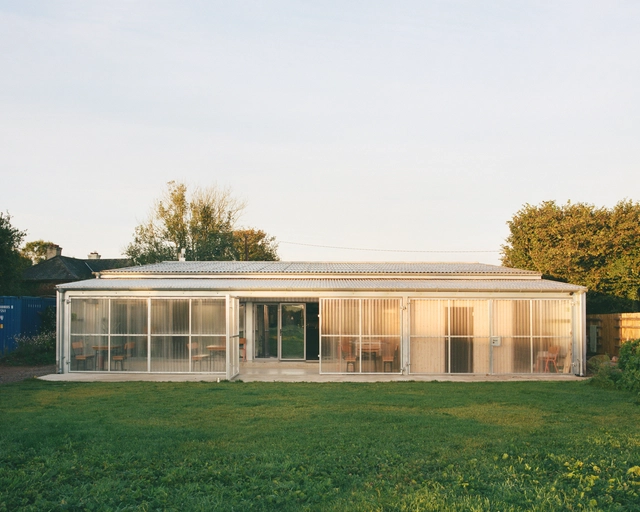
Selected by ArchDaily as one of the Best New Practices of 2024, IDK is injecting a fresh and dynamic approach to building communities with quality architecture. Mike Lim, James Pockson and Roddy Bow met while studying for their master's degree in Architecture at the Royal College of Art (RCA and founded their architecture practice, IDK in London in 2019. The three, driven by a strong mission, to help communities and progressive institutions, organizations and cultures thrive – have been researching and delivering community-oriented projects that embody experimental building with a holistic approach. Their work focuses on nurturing social development, with an emphasis on ecological awareness, local material use, smart resource and budget management, respectful refurbishments, and designing only what is necessary without "over-building."
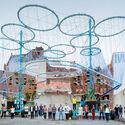
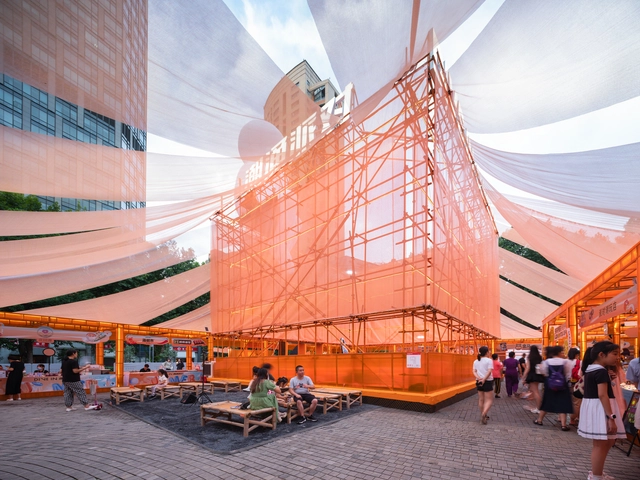
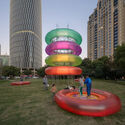
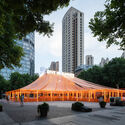
Ephemeral architectures, characterized by their temporary and flexible nature, have emerged as powerful tools for revitalizing urban spaces and fostering architectural creativity. These transient installations transform public areas, engaging communities, and prompting reflections on the potential futures of our cities. By temporarily transforming environments, ephemeral architectures encourage both architects and the public to reimagine the possibilities of urban living. This dynamic interplay, between the temporary and the permanent, challenges traditional architectural practices and opens up new avenues for sustainable and inclusive urban development.
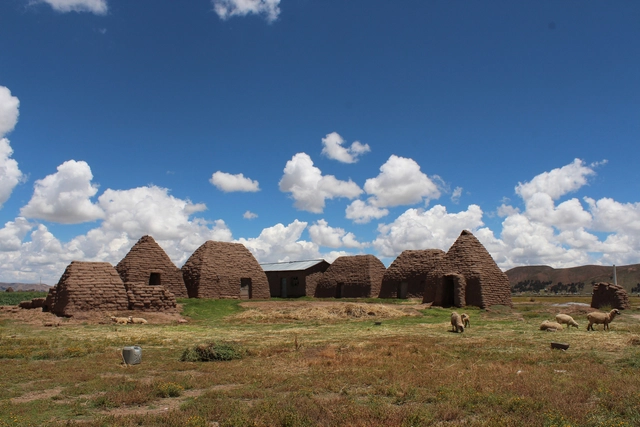
According to the United Nations, indigenous people are "place-based" ethnic cultures that have not migrated from their initial homeland. In today's world, with human-caused climate change driving extreme weather events and a growing demand for authenticity and cultural diversity, architects are increasingly turning to indigenous knowledge systems not only as sources of inspiration but as viable solutions to adapt and respond to local and global challenges. As traditional custodians of the land, Indigenous communities possess a profound understanding of their ecosystems, locally available materials, cultural norms, and social constraints. This knowledge holds insights valuable for shaping contemporary architecture, helping it adapt to both the people and their environments.
Vernacular and indigenous practices are emerging as a foundation for architectural reimagining, informing spatial lays, the choice of materials, and building techniques while also allowing for the integration of innovation and contemporary expression. This careful blend of tradition and modernity can have a significant impact in terms of sustainability, as architects who adopt the indigenous approach to harnessing available resources can not only create structures rooted in their context but also minimize the ecological impact of the construction. Additionally, collaborating directly with Indigenous communities leads to projects that prioritize community participation, cultural sensitivity, and sustainable development.
For decades, the construction industry followed a familiar rhythm: design came first, materials followed. The pressing need for sustainable buildings has shattered this routine. Material selection is no longer an afterthought, but a critical decision made at the outset, with the potential to dramatically reduce a project's environmental footprint. This shift is even more crucial given the construction industry's appetite for raw materials – a staggering 3 billion tons extracted annually. To navigate this new landscape, digital material libraries and data-driven evaluation are emerging as powerful tools, creating a culture where materiality takes center stage to shape a more sustainable built environment.
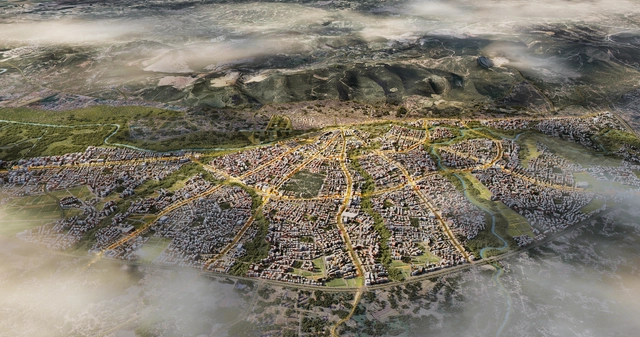
As part of a wider design-led revitalization process, Türkiye Design Council has announced a new urban plan for the revitalization of Antakya and the wider Hatay province in Türkiye, an area heavily affected by the Türkiye-Syria earthquake on 6 February 2023. The master plan has been developed by Foster + Partners, Buro Happold, MIC-HUB, along with Turkish practices DB Architects, and KEYM Urban Renewal Centre. The plan covers a 30-square-kilometer area of Antakya, the capital district of Hatay, and an important urban center of antiquity known as Antioch. Eight design principles have been outlined to guide the rebuilding efforts in an attempt to maintain the spirit of the city, which suffered extensive damages estimated at 80 percent.
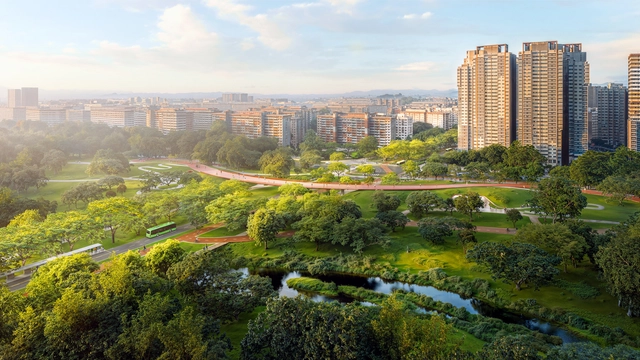
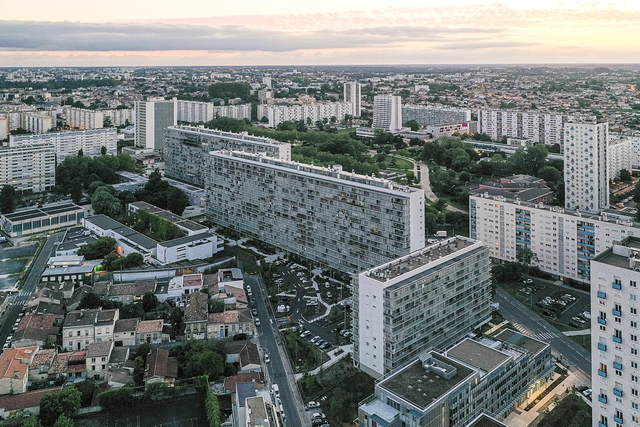
With the 2024 Olympic Games opening ceremony fast approaching, Paris has captured global attention. In addition to the venues being prepared for the Olympics, the city offers a wide range of architectural projects that showcase its efforts to improve the urban environment and promote a greener and more inclusive city. Among these, the new Clichy Batignolles Eco-District in the 17th arrondissement of Paris is a 54-hectare development that set out to transform the former SNCF rail yard into a new neighborhood. The initiative features contributions from internationally recognized architects including MAD Architects, Architect Périphériques, and RPBW, among others. Read on to discover the urban development through the lens of architecture photographer Paul Clemence.
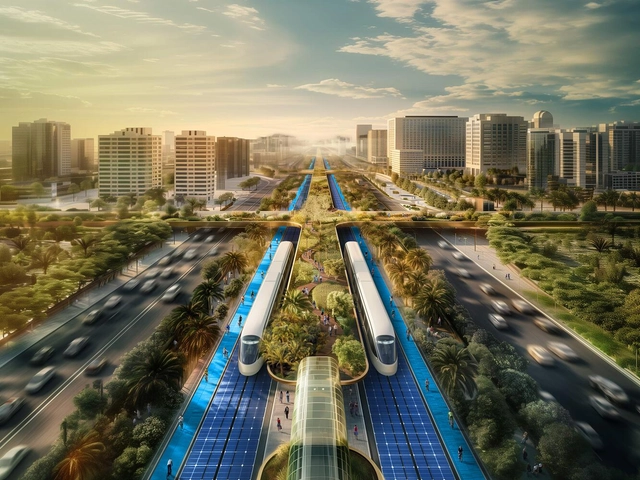
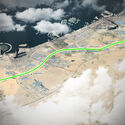
URB has revealed details about the Dubai Green Spine project, an urban development initiative aiming to introduce a 64-kilometer-long green corridor in Dubai. The project, aligned with the Dubai 2040 Urban Master Plan, hopes to improve urban mobility and environmental quality by converting one of the city’s major arterial roads into a multifunctional public space with ample greenery, urban farms, integrated non-motorized transportation infrastructures, and community zones.
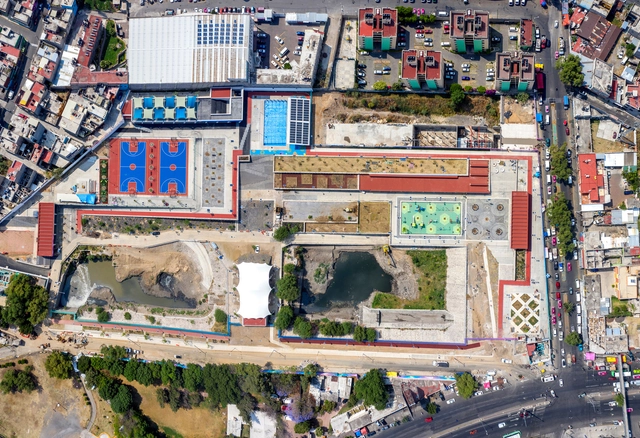
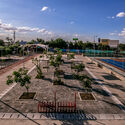
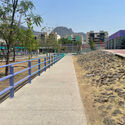
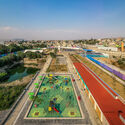
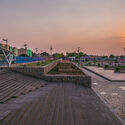
Within the framework of implementing green infrastructure projects for water management in the Basin of Mexico, utilizing existing public spaces, La Quebradora Water Park emerges as the first proposal for hydro-urban acupuncture. The project, developed by the team from the Institute of Social Research at UNAM, coordinated by Manuel Perló Cohen and Loreta Castro Reguera Mancera, aims to transform the site's infiltration into a landmark of good water management, public space creation, and strengthening of the social fabric through four levels: infrastructure, park, city, and viewpoint. Addressing part of the water and social issues facing the area, the proposal transforms urban infrastructure into a public and recreational space for the community in a densely populated area with scarce public spaces.
Architectural competitions are valuable learning tools, offering architects a unique opportunity to experiment and expand their creative boundaries. By engaging with real-world challenges and receiving critical feedback, participants gain practical experience and a deeper understanding of the profession. Whether conceptual or not, competitions foster innovation, encouraging design professionals to think outside the. This week's curated selection showcases winning competition entriessubmitted by the ArchDaily community, providing architects and architecture students with new perspectives and inspiration for their own practice, be it diploma projects, professional licensing, or commissions.
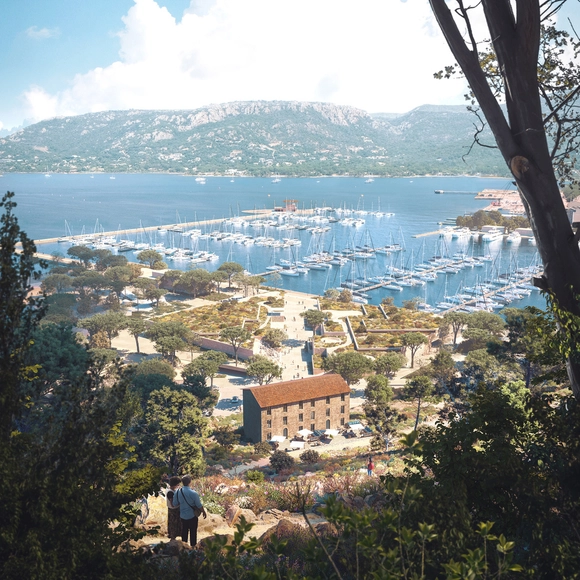
From an immersive urban park in Seoul, South Korea, to a rural education campus in the Amazon, or a reimagined port in Corsica, this selection highlights projects that have stood out in competitions from around the world. While some of the proposals have been developed by established firms, including KAAN Architecten, ArchiWorkshop, Studio Akkerhuis, or Richez Associés, these competitions have also proven to be an opportunity for emerging designers to showcase their creativity and problem-solving abilities
Alarming cases of climate disasters are a constant presence in world news. Last month's floods in southern Brazil gained special attention from heat waves and forest fires to droughts and cyclones. This tragedy, which left over half a million people homeless, was understood to be the result of a combination of factors, including human actions that have devastated ecosystems to create environmentally irresponsible cities.
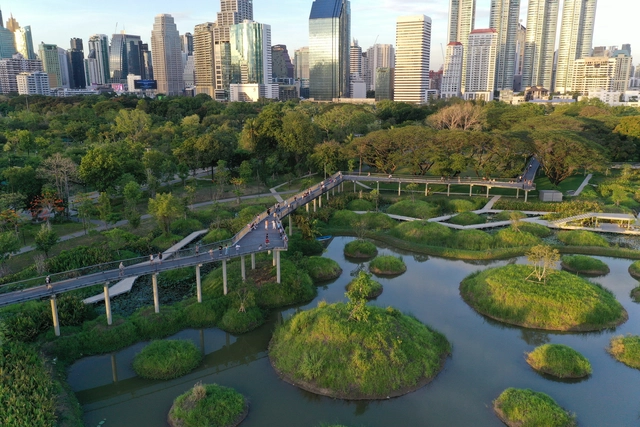
In this context, the work of Beijing-based architect Kongjian Yu, founder of the landscape architecture firm Turenscape, has gained international visibility and recognition, which included receiving the 2023 Cornelia Hahn Oberlander International Landscape Architecture Prize (“Oberlander Prize”). His "sponge cities" concept, designed to address and prevent urban flooding in the face of accelerated climate change, was adopted as national policy in China in 2013. This approach prioritizes large-scale nature-based infrastructures such as wetlands, greenways, and parks.