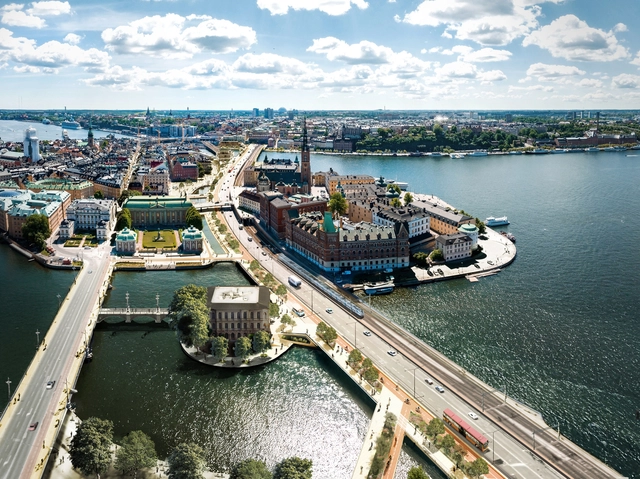
Across different geographies and scales, this week's architecture news reflects a sustained focus on how cities and buildings are being recalibrated in response to evolving patterns of movement, work, and collective life. Across multiple contexts, public space and mobility remain central concerns, with streets, downtowns, and large-scale developments serving as testing grounds for new approaches to accessibility, resilience, and everyday use. Pedestrianisation initiatives and community-led visions point to evolving governance models and long-term urban strategies, while cultural and research-driven platforms continue to frame these changes within broader public discourse. In parallel, progress on major mixed-use and corporate projects underscores the growing integration of digitalinfrastructure, environmental performance, and flexible spatial frameworks within contemporary architecture.
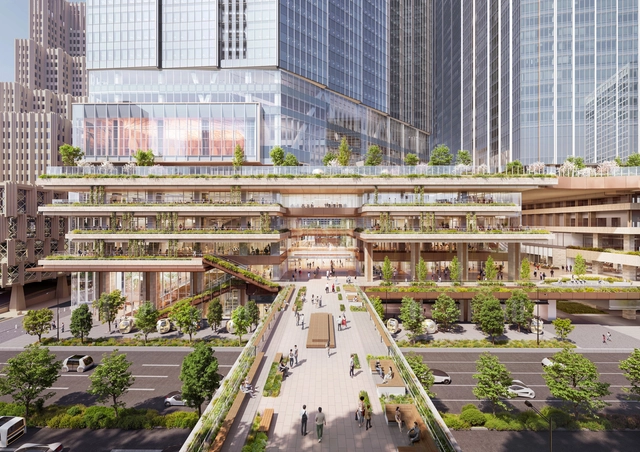
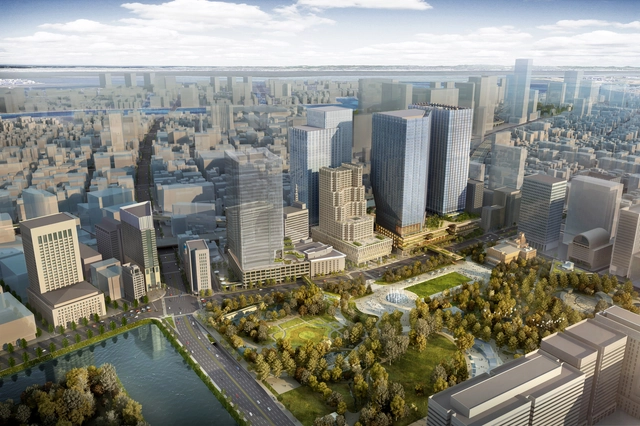
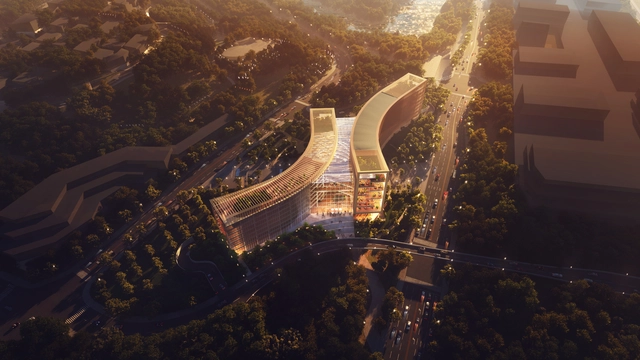
Construction has officially broken ground on Tokyo's new global headquarters for NTT, a major Japanese technology company. The project is a key component of PLP Architecture's Tokyo Cross Park masterplan, a large-scale regeneration development in the Tokyo metropolitan area, first announced in 2022. On December 5, 2025, construction began on the first stage of the scheme, one of four towers planned within the masterplan. The NTT Hibiya Tower, designed by PLP Architecture and developed by NTT Urban Development in collaboration with Tokyo Electric Power Company, is a 230-metre-tall, 361,000-square-metre mixed-use building and forms the central element of the 1.1-million-square-metre Tokyo Cross Park Vision. PLP Architecture serves as Design Architect for the tower, as well as Masterplanner and Placemaking Strategist for the wider development.
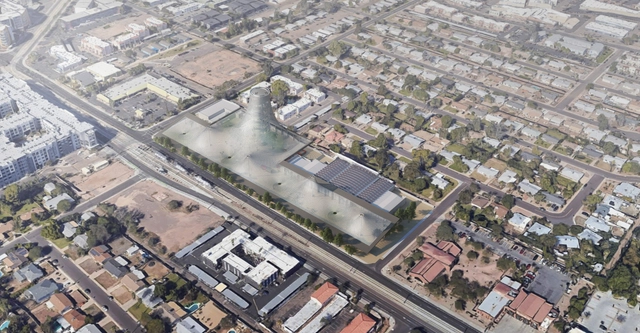
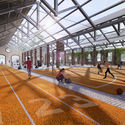
Courtesy of 180 Degrees Design Studio | The Fabric
As the landscape of architecture and urban development adapts to the modern climate, the traditional notion of construction has been significantly modified and adjusted. Specifically, principles of reuse, recycling, adaptive reuse, and the power of transforming existing structures into something more meaningful and sustainable have gained much traction. Looking at these curated collections of unbuilt projects, one can begin exploring a different way of looking at buildings and heritage, which is significantly more sensitive to the built environment.
From the austere office buildings of the United Kingdom to the proposal to re-activate a skyscraper in Ostrava, these diverse contexts tell stories of resilience, innovation, and a profound commitment to the existing built environment. Offering a new way of looking at things, the projects champion adaptive reuse and activation concepts.
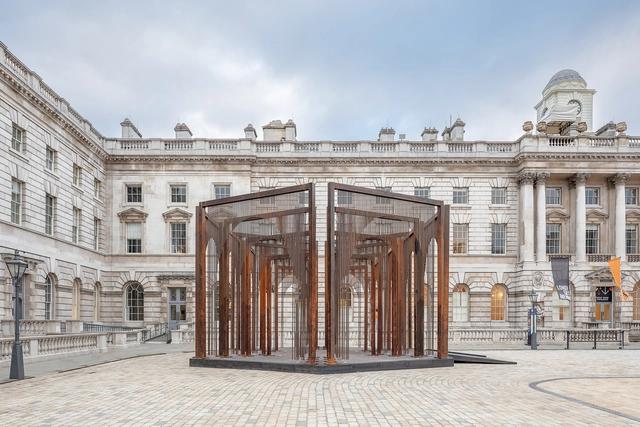
London Design Biennale has opened on June 1st, 2023, at Somerset House, bringing together participants from around the world to celebrate new forms of international cooperation through design. The Biennale, now in its fourth edition, will display more than 40 installations focused on the theme ‘The Global Game: Remapping Collaborations,’ chosen by this year’s Artistic Director, the Nieuwe Instituut, Instituut, led by Aric Chen. In addition to the national participants, the Eureka exhibition will showcase cross-disciplinary innovations from UK’s leading research centers.
This week's curated selection of Best Unbuilt Architecture highlights designs submitted by established architecture practices, featuring conceptual works, competition entries and projects in different stages of development. From the transformation of a former mall into a healthcare facility in the United States, a masterplan for the redevelopment of a zoo in Canada to a brewery regeneration in China, the following explores a variety of designs by global architecture offices.
Featuring firms like Perkins +Will, Henning Larsen Architects, URBANUS or Mandaworks, this week's selection of unbuilt projects highlights worldwide interventions that illustrate a variety of ideas, from adaptive-reuse strategies, interventions in heritage sites and new models for public buildings.
PLP Architecture has unveiled plans for Tokyo Cross Park, an upcoming redevelopment of an entire district set to become the largest development site in the metropolitan area of Tokyo. The new 230-hectare "green heart of the city" will include four towers, two of which to be designed by PLP, a 31-metre-tall podium with an elevated green public realm, and a 2-hectare public plaza.
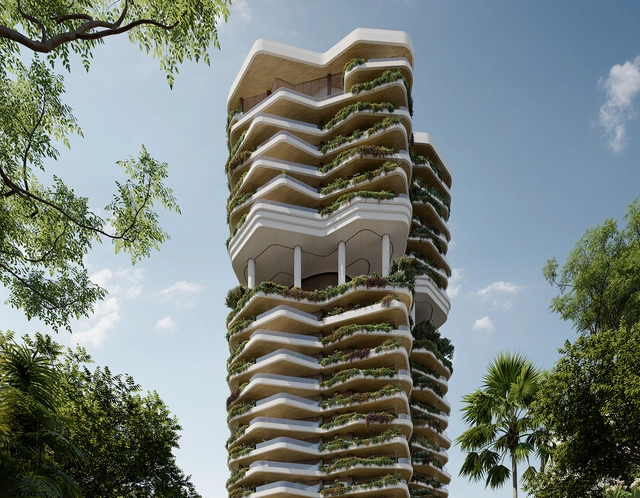
PLP revealed its design for a luxury residential tower in Singapore, featuring a lush vertical garden inspired by the city’s greenery. The biophilic design that blurs the line between indoor living areas and outdoor spaces strives to redefine metropolitan living by promoting health and wellbeing.
Courtesy of OUTCOMIST, Diller Scofidio + Renfro, PLP Architecture, CRA - Carlo Ratti Associati and Arup
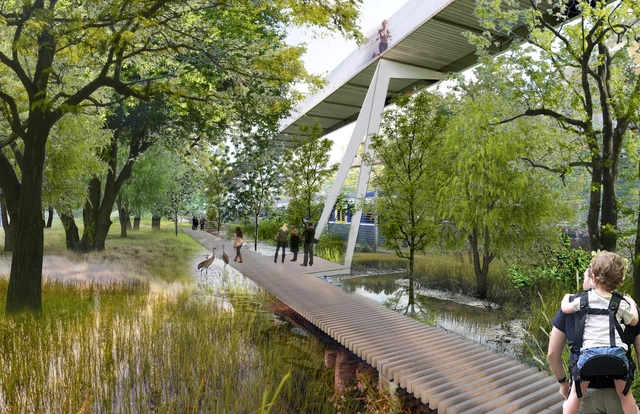
Led by OUTCOMIST, an international design team including Diller Scofidio + Renfro, PLP Architecture, CRA - Carlo Ratti Associati, and Arup won the competition to revitalize the Porta Romana Railway Area, transforming the industrial site into a diverse green neighborhood in Milan. Rehabilitating a disused railway yard into a connective tissue that links the southeast area of the city to the center, the development will generate a rich biodiverse public space, including a large urban park.
For this end of the year special roundup, ArchDaily has compiled a selection of Best Unbuilt Architecture, submitted by established and well-known firms. Including conceptual, in progress and, even in some cases, under-construction projects, this curated list covers a wide spectrum of programs and approaches.
From KPF, Sasaki, COOKFOX, and FCBStudios to name a very few, this week’s article highlights worldwide interventions. It actually encompasses a terminal transformation in Manhattan, an integrated mixed-use development in Central Belfast, regeneration of an entire district in Shanghai, and the modernization of the infrastructure at Davis research station in Antarctica.
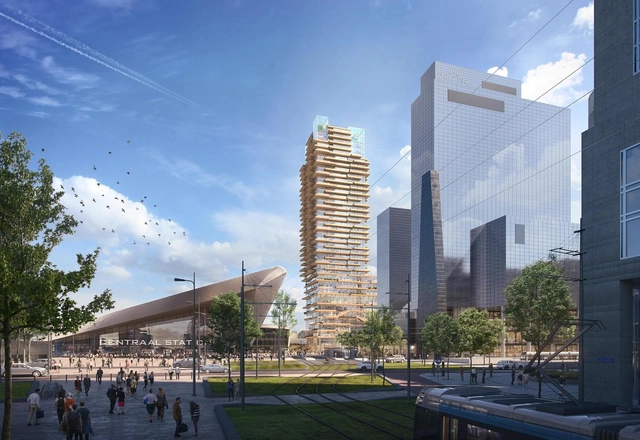
PLP Architecture and developer Provast have unveiled a new timber and concrete tower for Rotterdam. The project, dubbed “Tree House,” was designed to create an open and sustainable environment for residents and visitors in the city center. Rising 140-meters, the 37-story building will be sited next to the Central Station as the tallest hybrid structure in the country.
PLP Architecture’s Tower Ten, the new expansion of the World Trade Center Amsterdam, officially began construction last week. The ground breaking ceremony was launched by deputy director Sandra Thesing of the City of Amsterdam and Ronald van der Waals of CBRE Global Investors. Located in the Zuidas central business district, the project will create a radically different appearance from its predecessor, adding 32,000 sqm of new office space and amenities in the process.
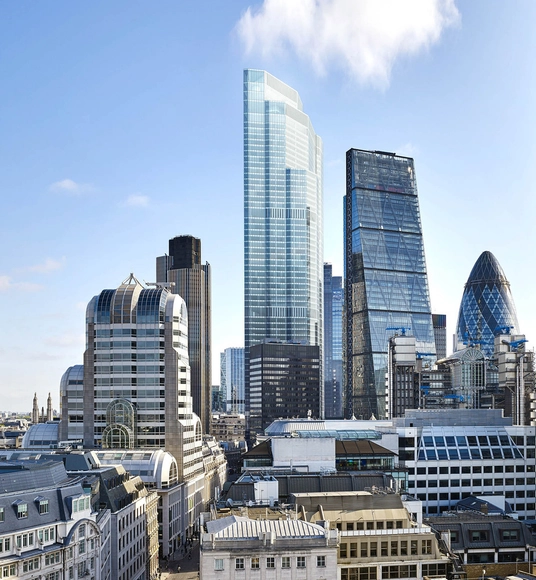
View from City Hall. Image Courtesy of City of London
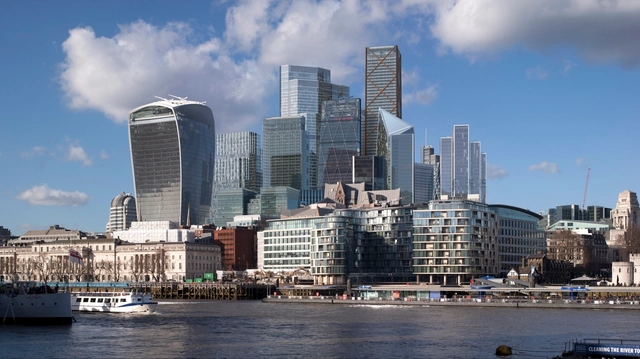
The City of London has released new visualizations showing how its fast-changing skyline will look by 2026, as 13 schemes are currently under construction or due to begin construction in London’s Financial District.
Amongst the rapid materializing of telecoms, media and tech companies within the Blackfriar’s Southbank region, PLP Architecture has been chosen for the design of a new office building with the challenge of successfully integrating into the ever-changing local fabric.
“Our proposal speculates on the nature of the contemporary office tower,” explained the firm. “What is the architectural expression of today’s high-density workplace? How does the building acquire an identity specific to its media/tech occupiers and how is that identity conveyed to the city?”
https://www.archdaily.com/804616/plp-architectures-proposed-office-building-responds-to-londons-historic-urban-identityOsman Bari
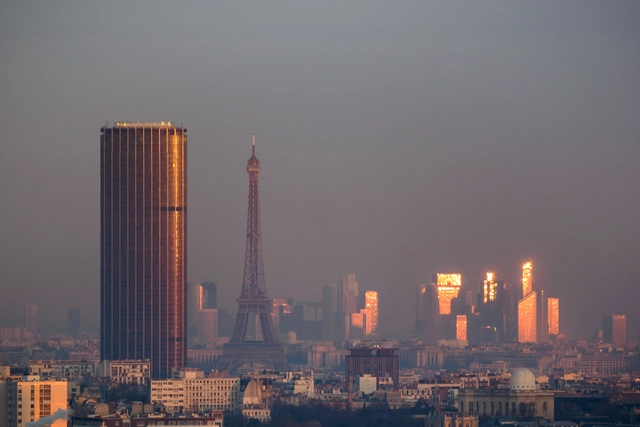
The Ensemble Immobilier Tour Maine-Montparnasse (EITMM) has selected 7 notable firms to continue to the second round in a competition for the renovation of Tour Montparnasse in the Montparnasse district of Paris, France.
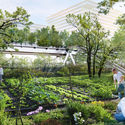
Often cited as one of the architecture world’s most hated buildings, Tour Montparnasse has been criticized for its discordance with the Parisian urban landscape – just two years after its completion, new buildings over seven stories high in the city centre were banned, leaving the tower as an alien presence on the skyline.
With the launching of the competition, the EITMM hopes to transform Tour Montparnasse into a beloved landmark with a complete renovation of the facade, the building entry and all interior spaces. The budget for the project is estimated to reach over 300 million Euro ($330 million USD), and will be funded in entirety by the building owners.
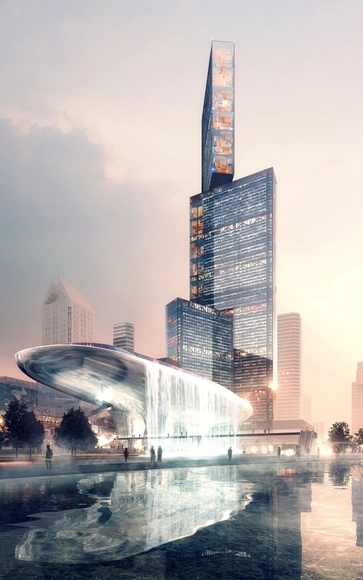
British firm PLP has unveiled their design for a large complex at the heart of the Pearl River Delta in China. The master plan comprises four buildings: the Platform for Contemporary Arts, the Lizhi Park Tower, the Concourse, and the Nexus - a 600-meter tall office and hotel tower that will be the masterplan's centerpiece and the region's tallest skyscraper.
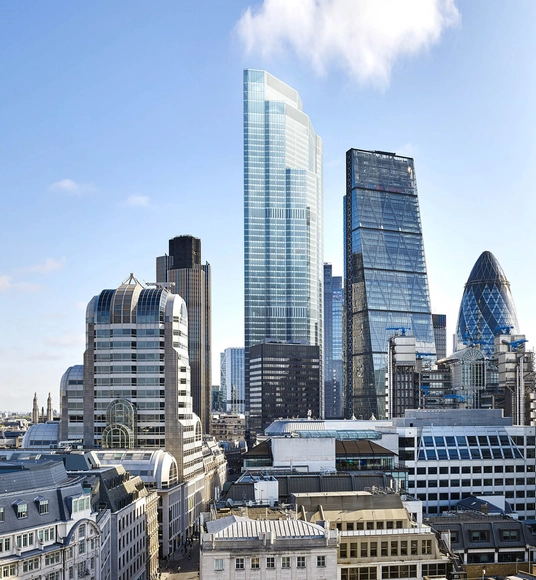
PLP Architecture has received planning approval for its 62-story tower at 22 Bishopsgate in the City of London. 22 Bishopsgate, which will take the place of the high-profile "Pinnacle" designed by KPF and abandoned as a result of the financial crisis, will be the City of London's tallest building at a height of 278 meters. As reported by The Architects' Journal, the design of the project has been led by PLP co-founder Karen Cook, who worked on the design of the Pinnacle before leaving KPF in 2009.
PLP Architecture has released their new design for a skyscraper at 22 Bishopsgate. Set to be 278m tall, it will be the tallest building in the City of London, second only to the Shard in the UK. The site was originally home to the Pinnacle, a slightly taller proposal that stopped work in 2012 due to economic restraints. Located in the midst of the city’s cluster of tall buildings, the new design will pick up where the Pinnacle left off, reusing the already built foundations and basements. Read more about this new development in London after the break.