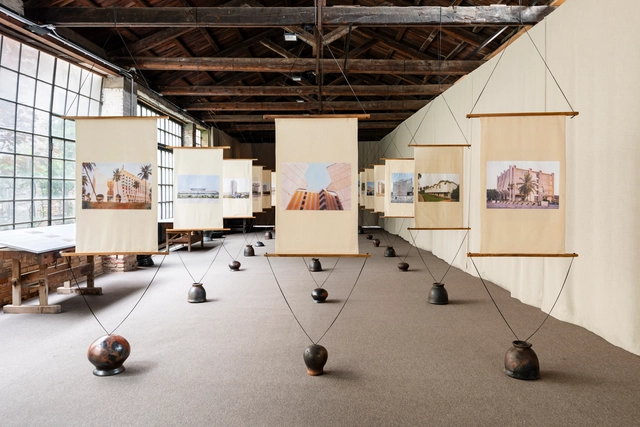
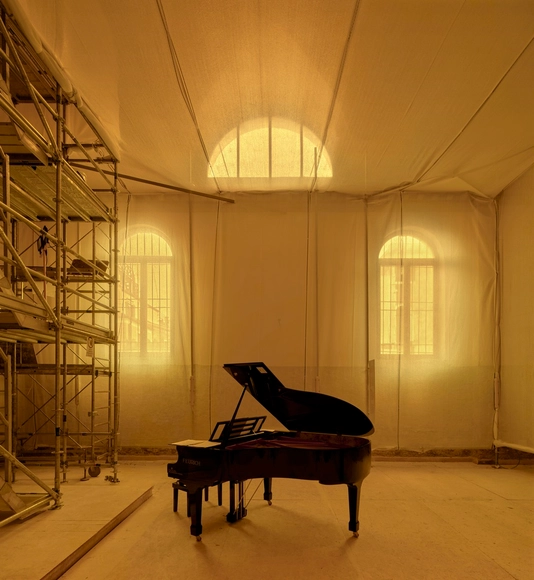
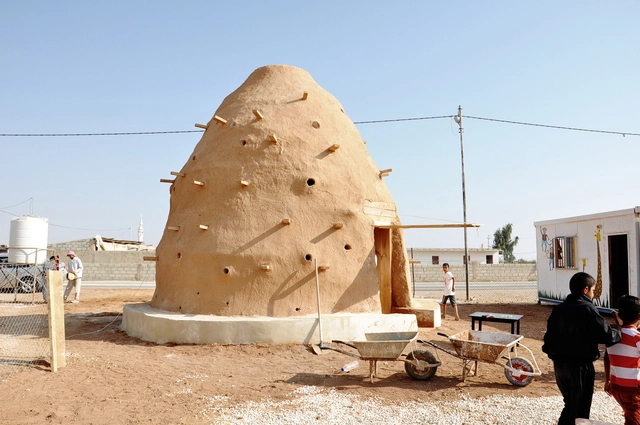
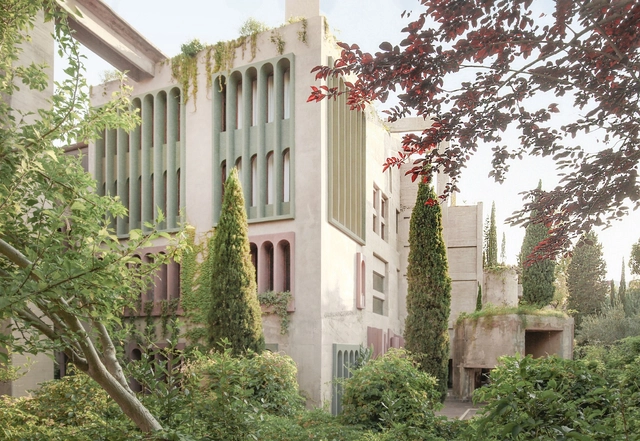
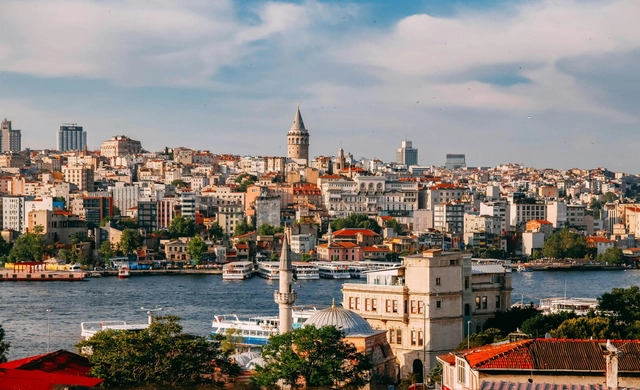
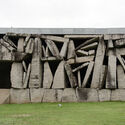
The Republic of Togo presents its first pavilion at the 19th International Architecture Exhibition – La Biennale di Venezia 2025 with a project titled Considering Togo's Architectural Heritage. The inaugural pavilion is curated by Studio NEiDA, an architecture and research practice co-founded by architect Jeanne Autran-Edorh and curator Fabiola Büchele. Based in Lomé and Berlin, the studio is dedicated to equitable design processes, applying an Afrocentric lens to contemporary architectural discourse. The exhibition, located at Venice's Squero Castello, explores Togo's architectural narratives from the early 20th century, focusing on themes of conservation and transformation.
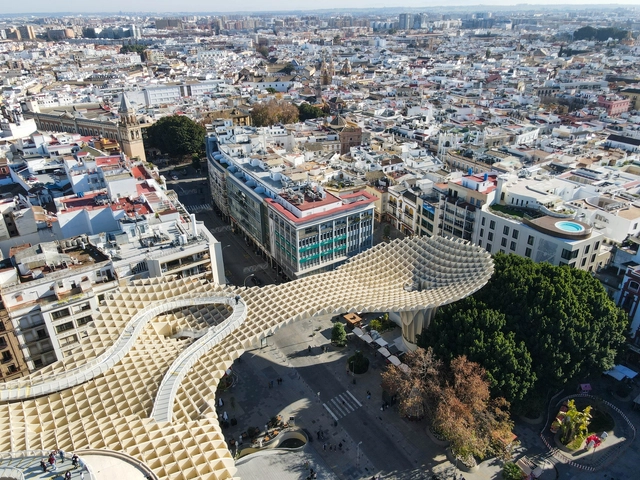
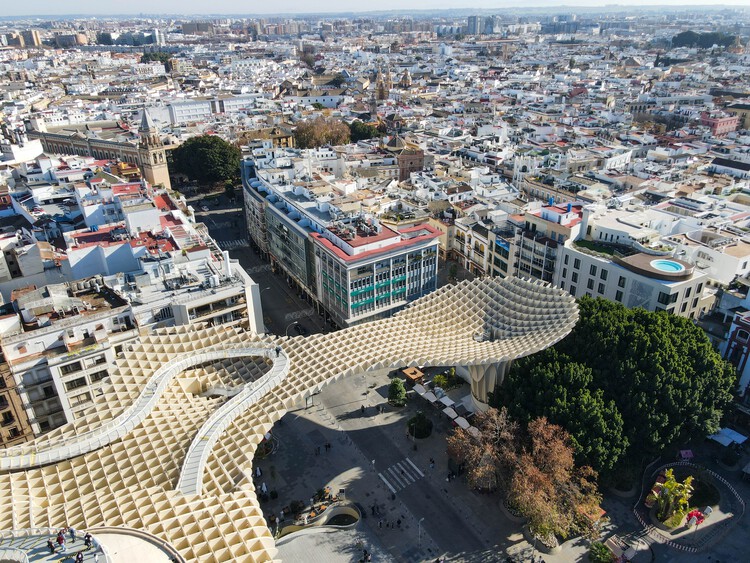
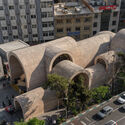
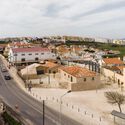
Located in southern Spain, Seville unfolds as a layered city shaped by centuries of cultural intersections. As the former capital of Al-Andalus and a central port during the Spanish Empire's expansion, its built environment reflects a deep historical complexity. From Roman foundations to Islamic geometries, from Renaissance palaces to contemporary interventions, Seville presents a unique spatial narrative in which architecture directly reflects its political, religious, and social transformations.
The city's architectural heritage is inseparable from its climate and geography. Narrow shaded streets, inner courtyards, and water as spatial elements reveal a deep knowledge of environmental adaptation that still informs how public and private spaces are articulated today. While monumental landmarks such as the Alcázar, the Giralda, or the Cathedral preserve and reinterpret historic legacies, modern projects have begun introducing new materials, programs, and spatial typologies, challenging conventional forms and proposing alternative ways to inhabit the city.
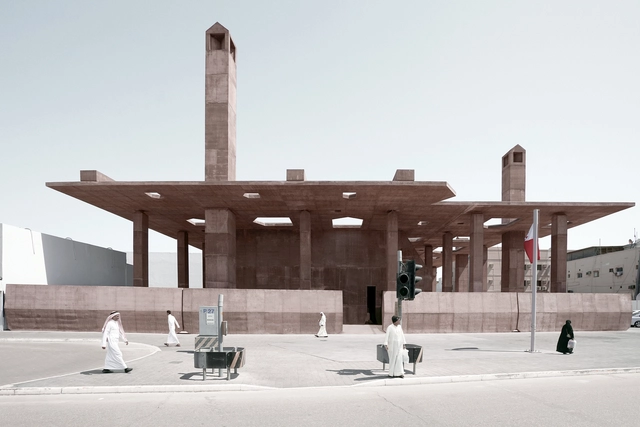
A place of rebirth, the city of Muharraq in Bahrain has undergone a visionary cultural and urban transformation, emerging as a pioneering model for culturally-led regeneration in the Arab world, particularly in the Gulf region. Once the capital of the country's pearling industry, Muharraq has preserved, reinterpreted, and reintegrated its historical legacy into its evolving urban fabric.
Faced with the challenge of redefining its future—marked by an intact urban layout but deteriorating architectural structures—Muharraq envisioned a linear urban narrative, weaving together the memory of the industry through a sequence of key buildings. The city set out to connect the individual properties tied to its pearling past, such as homes of divers, boat captains, and pearl merchants.
At the 19th International Architecture Exhibition, La Biennale di Venezia, the Dicastery for Culture and Education presents "Opera Aperta", a project that positions architecture as a practice of collective care and responsibility. Curated by Marina Otero Verzier and Giovanna Zabotti, Opera Aperta is set within the Santa Maria Ausiliatrice Complex in Venice's Castello district. Designed by Tatiana Bilbao ESTUDIO and MAIO Architects, the project transforms the 500-square-meter site into a space for collaborative restoration and public engagement. Conceived as a work in progress rather than a finished installation, Opera Aperta functions as a platform for ongoing exchange, participation, and engagement rooted in the local context. This open and process-oriented approach was recognized during the opening events, where the Holy See Pavilion received the Golden Lion's Special Mention for National Participation.
As artificial intelligence (AI) becomes increasingly embedded in society, it's essential to pause and reflect on the foundations that sustain it—and the dimensions to which it extends. At the heart of AI's learning are datasets, whose structure and content shape how these systems interpret and respond to the world. This reliance creates a deep interdependence—one that not only informs AI's capabilities but also defines its potential blind spots. In light of this, we must ask: What forms of understanding might this process exclude, especially those not easily captured in digital form?
The twentieth century marked a definitive shift in the realm of architecture, as the Modernist movement broke from traditional building styles and encouraged experimentation and innovation. With the help of new materials and technologies, these times represent a crucial moment in the history of architecture as both cities and building styles evolved at an unprecedented rate. The structures that stand testament to this day are, however, nearing the age of a hundred years old. Their stark design features are not always embraced by the public, while the functionalist principles often hinder the adaptability of their interior spaces. Given that they also often occupy central positions within the city, there is increasing pressure to demolish these structures and redevelop the area in its entirety.
On April 23, 2025, a 6.2 magnitude earthquake in the Sea of Marmara struck Türkiye's largest city, Istanbul, causing widespread panic and injuring over 230 people, primarily due to falls and panic-induced accidents. Over the course of the day, at least 272 aftershocks were recorded, with the strongest reaching a magnitude of 5.9. According to an initial statement by Minister of the Interior Ali Yerlikaya, there was no major destruction apart from the collapse of a single abandoned building. However, the event has reignited public and professional discourse around the city's preparedness for a much larger seismic event, long anticipated by experts monitoring the North Anatolian Fault.
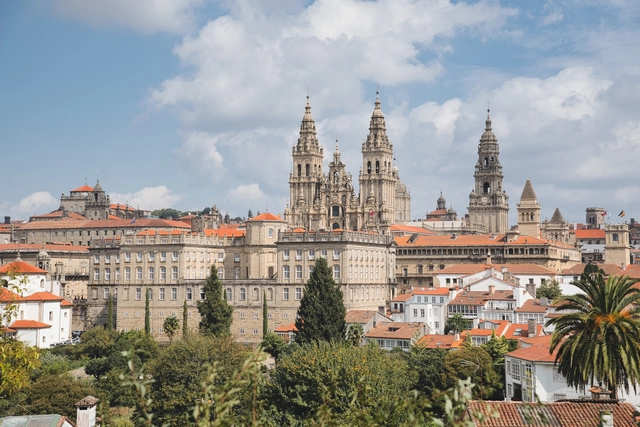
In recent decades, Santiago has evolved into a hub for contemporary architectural exploration, blending its historic charm with modern interventions. Projects such as Eisenman Architects' City of Culture reflect an ambitious dialogue between avant-garde design and Galicia's natural landscape. Complementing this are works by Álvaro Siza Vieira, Arata Isozaki, Francisco Mangado, and other renowned architects, who incorporate local materials and forms into forward-thinking designs. Together, these works position Santiago de Compostela as a dynamic architectural destination within Spain's broader cultural narrative.
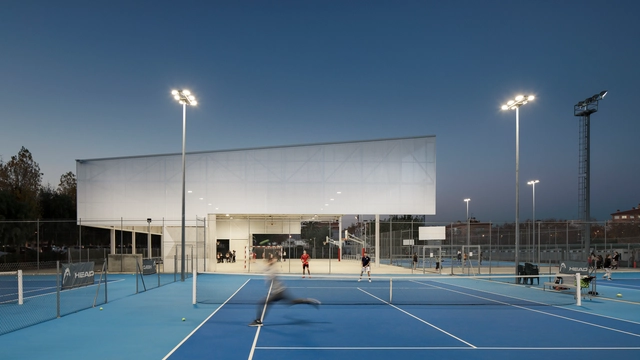
Community benefit is among the first terms mentioned when announcing a new public project. This is especially true in the case of sports halls, promising improvements in well-being and social cohesion. At a closer look, two typologies of sports halls emerge, with varying degrees of involvement with community life: on the one hand, there are large-scale venues dedicated to hosting international competitions, often boosting the capacities of thousands of people, taking on the role of modern landmarks alongside stadiums. On the other hand, there are small-scale multi-purpose sports halls, commonly annexed to schools, dispersed throughout neighborhoods, or present in rural areas with limited access to other public amenities. Despite the often-understated presence, these venues embrace and expand their multi-purpose role by offering opportunities to play, connect, organize events, and support diverse community activities.
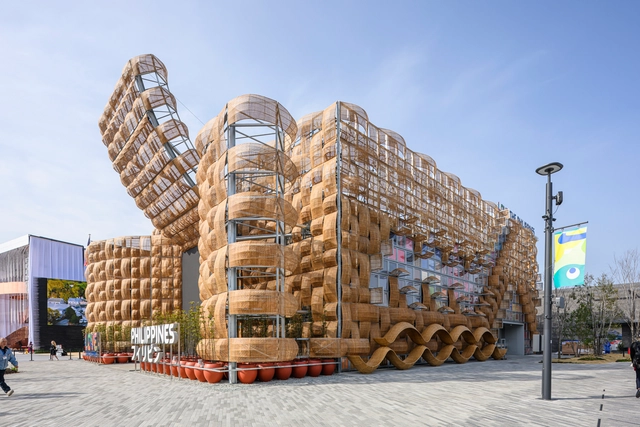
Expo Osaka 2025 officially opened its doors on April 13 in Osaka, Japan. The Philippines' exhibition for this edition opened with a pavilion designed by the Filipino-led architectural firm Carlo Calma Consultancy Inc., in partnership with Japanese executive architect Cat Inc., who also handled project management. Titled "Woven," the pavilion reflects the country's connections to nature, its cultural heritage, and its community values. With the theme "Nature, Culture & Community: Woven Together for a Better Future," the pavilion aims to highlight the Philippines' creativity, diversity, and aspirations for sustainable development while inviting visitors to engage with its cultural and environmental priorities.
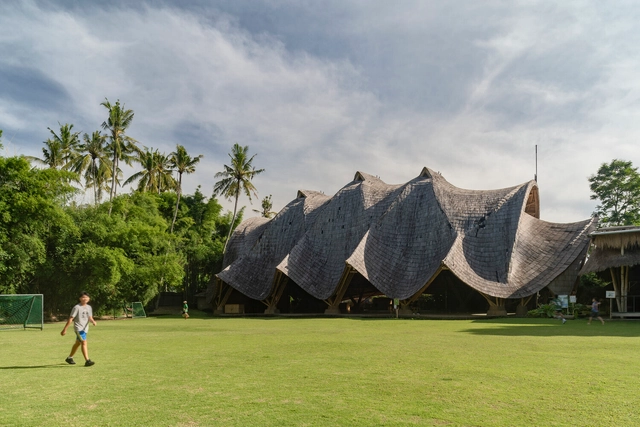
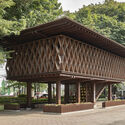
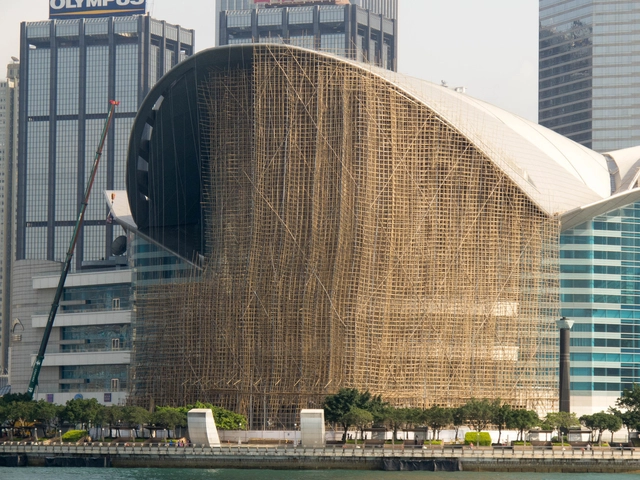
The bamboo scaffolding building typology—temporary, agile, and deeply rooted in tradition—particularly, the bamboo shed theatre building technique, is recognized as an item of Intangible Cultural Heritage in Hong Kong. As one walks through the city, especially in busy urban districts, it's nearly impossible not to encounter a bamboo scaffold within a five-minute radius. Bamboo scaffolding is arguably the most iconic construction material in Hong Kong, valued for its abundance, sustainability, flexibility, adaptability, and—most importantly—scalability. These qualities have contributed to its widespread use in temporary construction, from building maintenance and renovations to festival stages and sporting events.
However, this once-ubiquitous feature of the urban landscape may be slowly fading from view. A dwindling pool of skilled, younger workers—combined with evolving construction regulations—has contributed to its decline. On March 17, the Development Bureau announced plans to "drive a wider adoption of metal scaffolds in public building works." In practice, this means the Architectural Services Department (ArchSD) will soon require at least 50% of its capital works projects to utilize metal scaffolding. While not a formal ban, the policy signals what many see as the beginning of a gradual phase-out of bamboo scaffolding in public-sector construction.
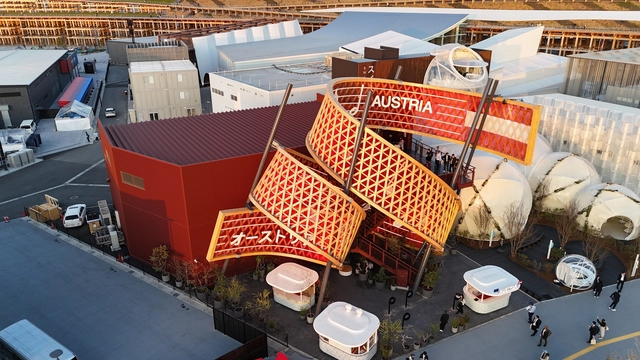
Austrian Pavilion at Expo Osaka 2025. Image Courtesy of Expo Austria
BWM Designers & Architects has just completed the design for the Austrian Pavilion at Expo Osaka 2025. Titled "Austria. Composing the Future," the pavilion reimagines the expo's theme, "Designing Future Society for Our Lives," through a music lens, suggesting a future that is not only designed but also composed. In collaboration with facts and fiction, the pavilion and exhibition embark on a journey through Austria's musical heritage and witness its transition into the future. The 900 square meters pavilion is located between the pavilions of Switzerland and Ukraine in the section "Empowering Lives."
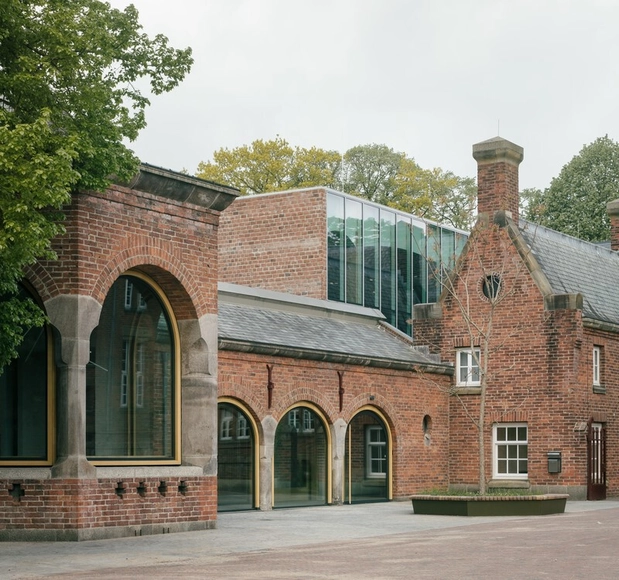
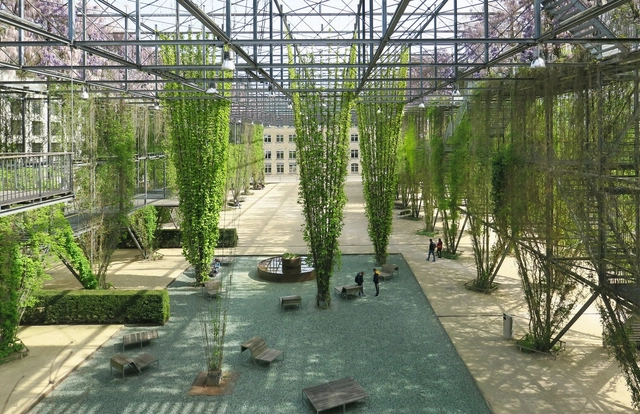
Throughout their relatively recent history, museums have evolved to condense particular aspects of a culture and present them in a coherent and unified manner. This makes the connection between the architecture and the exhibit a crucial matter, as the architect is tasked with designing not only the framework and background of the exhibited arts or artifacts but also taking charge of the journey undertaken by the visitor, harmonizing the cultural gain with the lived spatial experience of walking the exhibition halls. However, not all museums have been purposely built for this task.
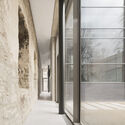
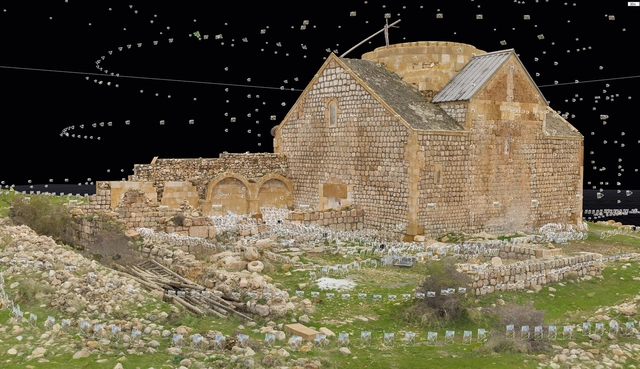
Across Europe, museums are being organized within or expanding upon historical monuments and buildings that have lost their original purpose. Then in a state of decay, this decision to reorganize them as cultural venues stops the decay and preserves the historical material, adding a new layer of complexity to the intended exhibits. The architect's role becomes that of introducing order and a system that can balance the heritage of the place with the needs of modern functionality, ensuring that the essence of the original structure is preserved while meeting the needs of contemporary exhibitions and public engagement.
Sustainability in architecture is often framed as a universal challenge, leading to standardized solutions that prioritize efficiency over context. However, architecture is inherently tied to its environment — buildings interact with climate, topography, and cultural history in ways that demand specificity. Instead of relying on standardized sustainability checklists, how can architecture embrace site-specific solutions? This conversation is deeply connected to the concept of Genius Loci, or the spirit of a place, introduced by Christian Norberg-Schulz and embraced by architects advocating for designs that resonate with their surroundings. It suggests that architecture should not be imposed upon a site but rather emerge from it, informed by its materials, climate, and cultural significance. This philosophy challenges the widespread application of generic sustainable technologies, instead proposing that sustainability must be inherently tied to the location in which it operates.
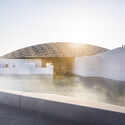
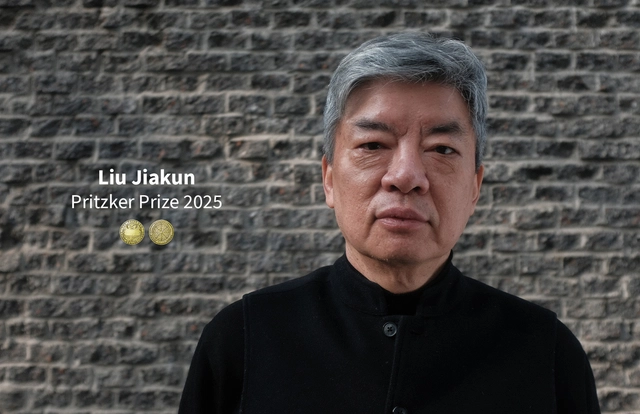
Chinese architect and educator Liu Jiakun has been announced as the laureate of the 2025 Pritzker Architecture Prize, the highest honor in the architecture field. This prestigious award recognizes Jiakun, founder of Jiakun Architects (established 1999), for his ability to blend traditional Chinese elements with contemporary design and for his commitment to social equity in the built environment. Born in Chengdu, China, where he continues to live and work, he becomes the second Chinese architect to receive the accolade, following Wang Shu (2012). Jiakun joins a distinguished list of previous laureates including Riken Yamamoto in 2024, David Chipperfield in 2023, and Francis Kéré in 2022. The award ceremony will be held this spring at the Jean Nouvel-designed Louvre Abu Dhabi, with a global video release of the presentation this fall, followed by the 2025 Laureates' Lecture and Symposium in May.