1. ArchDaily
  2. Water

Water: The Latest Architecture and News

Re-Naturalization of Urban Waterways: The Case Study of Cheonggye Stream in Seoul, South Korea

Audio available

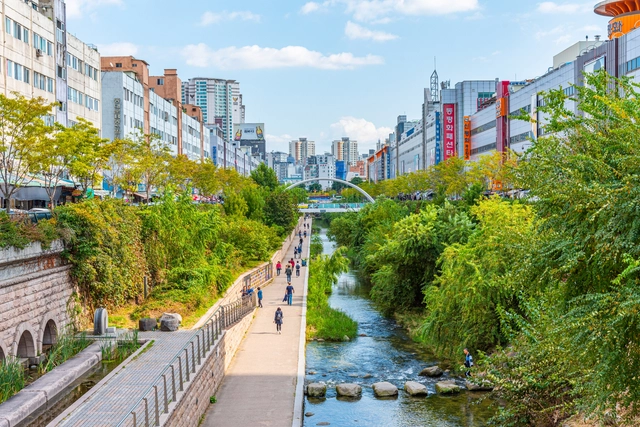
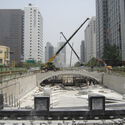
Cheongye Stream, known as Cheonggyecheon (청계천) in Korean, runs eastward through the heart of Seoul, passing through 13 neighborhoods in four districts of the capital of South Korea. Throughout its history, the stream played different roles in the city until it was covered by an elevated highway in the 1970s. For over 30 years, this natural artery remained hidden. It was not until 2003 that the city government launched a restoration project to reintegrate this urban waterway into the city fabric, revitalize the local economy, and revive the area's history and culture. The revitalization efforts were led by Mikyoung Kim Design. Since the project's completion in 2005, it quickly became one of Seoul's most visited tourist attractions. Moreover, it has become a focal point for ample urban research, with many studies offering positive assessments of the impact it had on Seoul's urban, economic, and ecological context.
Re-Naturalization of Urban Waterways: The Case Study of Cheonggye Stream in Seoul, South Korea - Image 1 of 4Re-Naturalization of Urban Waterways: The Case Study of Cheonggye Stream in Seoul, South Korea - Image 2 of 4Re-Naturalization of Urban Waterways: The Case Study of Cheonggye Stream in Seoul, South Korea - Image 3 of 4Re-Naturalization of Urban Waterways: The Case Study of Cheonggye Stream in Seoul, South Korea - Image 4 of 4Re-Naturalization of Urban Waterways: The Case Study of Cheonggye Stream in Seoul, South Korea - More Images+ 6

Revitalizing Urban Ecosystems: 4 Projects Reconnecting Cities with Their Water Heritage

Water architecture has always been important throughout human history. From the aqueducts in ancient Rome to the grand canals of Venice, water has not only sustained life but also played an important role in shaping the urban environment. It has facilitated trade, nourished agricultural lands, and provided a sense of place and identity to different communities. Despite water's historical role, during the 20th century, many cities chose to bury their waterways underground, primarily for safety and hygiene reasons, as these channels often served as open sewers.
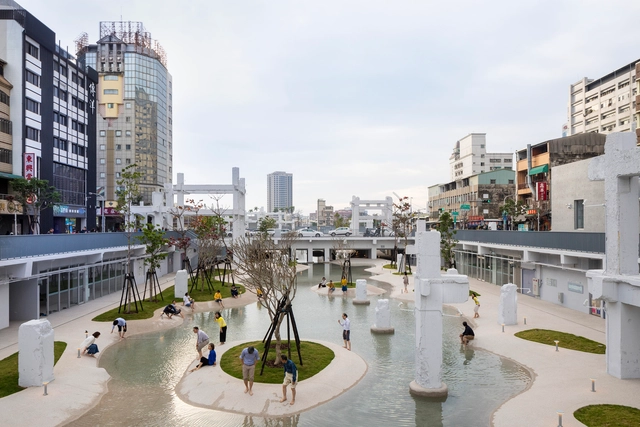
In today's rapidly urbanizing world, where cities dominate the landscape, water is being rediscovered as a means of ecological regeneration. There is a growing movement to reopen and re-naturalize urban waterways to restore them as vital ecological corridors within the city. More and more cities are now looking towards the water in an attempt to reconnect with nature and create spaces where urban life and natural ecosystems can coexist harmoniously. This growing trend reflects a deeper understanding of water not just as a resource, but as a bridge to a more sustainable and resilient future for our cities.

Revitalizing Urban Ecosystems: 4 Projects Reconnecting Cities with Their Water Heritage - Imagen 1 de 4Revitalizing Urban Ecosystems: 4 Projects Reconnecting Cities with Their Water Heritage - Imagen 2 de 4Revitalizing Urban Ecosystems: 4 Projects Reconnecting Cities with Their Water Heritage - Imagen 3 de 4Revitalizing Urban Ecosystems: 4 Projects Reconnecting Cities with Their Water Heritage - Imagen 4 de 4Revitalizing Urban Ecosystems: 4 Projects Reconnecting Cities with Their Water Heritage - More Images

An Experimental School in Switzerland and a Wood Art Center in Poland: 8 Unbuilt Cultural and Educational Projects by Established Firms

Subscriber Access | 

Educational and cultural centers serve as pivotal spaces where communities engage with knowledge, creativity, and shared experiences. As architectural programs, they offer unique opportunities to explore how physical environments can foster learning, cultural expression, and social interaction. The significance of these projects lies not just in their function but in how they reflect the values and aspirations of society. When established architecture firms take on these projects, their design choices become a lens through which we can examine contemporary approaches to space, place, and community, offering a glimpse into the evolving role of architecture in shaping educational and cultural landscapes.

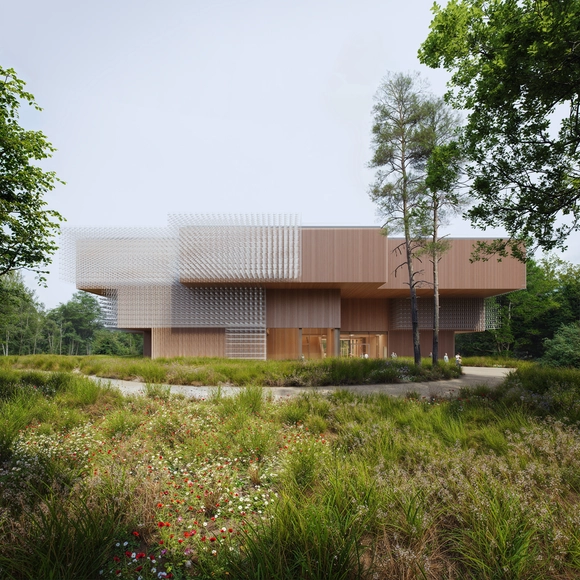
Among this week's curated list of unbuilt projects submitted by established architecture practices, fala atelier’s project for a school in Broc, Switzerland, stands out with its sensitive integration of Alpine architectural elements; WXCA’s Xylopolis Centre in Poland reflects a deep contemplation on humanity’s relationship with nature, while KPF’s life sciences building in London and Jones Studio’s Water Education Center in Arizona further exemplify how architecture can address contemporary societal needs, from fostering innovation ecosystems to educating the public on critical environmental issues.

An Experimental School in Switzerland and a Wood Art Center in Poland: 8 Unbuilt Cultural and Educational Projects by Established Firms - Imagem 20 de 4An Experimental School in Switzerland and a Wood Art Center in Poland: 8 Unbuilt Cultural and Educational Projects by Established Firms - Imagem 34 de 4An Experimental School in Switzerland and a Wood Art Center in Poland: 8 Unbuilt Cultural and Educational Projects by Established Firms - Imagem 33 de 4An Experimental School in Switzerland and a Wood Art Center in Poland: 8 Unbuilt Cultural and Educational Projects by Established Firms - Imagem 7 de 4An Experimental School in Switzerland and a Wood Art Center in Poland: 8 Unbuilt Cultural and Educational Projects by Established Firms - More Images+ 32

Urban Spaces for an Overheated Planet: 12 Projects that tackle this Global Challenge

Subscriber Access | 

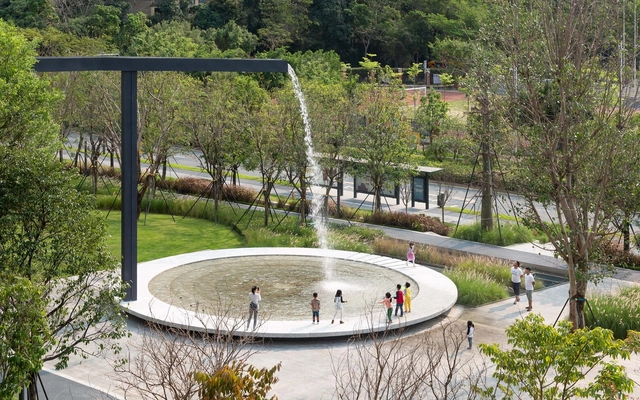
Due to climate change, heat waves are becoming increasingly frequent and intense, and they present a critical challenge for the design of urban spaces. Elevated temperatures exacerbate public health issues, increase energy consumption, and diminish cities' overall quality of life. Urban design must adopt strategies that promote resilience to mitigate these effects rather than merely replicating traditional formats that do not address the thermal stress experienced by many.

For quite some time, we have recognized the positive effects of urban green spaces, interaction with nature, water, and soil, and the associated health and well-being benefits for residents living next to parks. The significance of this matter has been further underscored, particularly in the aftermath of the panic induced by the Covid-19 pandemic. However, the present moment once again highlights the influence of our urban models on modern life, now grappling with unprecedented extreme temperatures.

Urban Spaces for an Overheated Planet: 12 Projects that tackle this Global Challenge - 1 的图像 4Urban Spaces for an Overheated Planet: 12 Projects that tackle this Global Challenge - 2 的图像 4Urban Spaces for an Overheated Planet: 12 Projects that tackle this Global Challenge - 3 的图像 4Urban Spaces for an Overheated Planet: 12 Projects that tackle this Global Challenge - 4 的图像 4Urban Spaces for an Overheated Planet: 12 Projects that tackle this Global Challenge - More Images+ 14

La Quebradora Water Park in Mexico: Designing Public Spaces to Improve Water Management

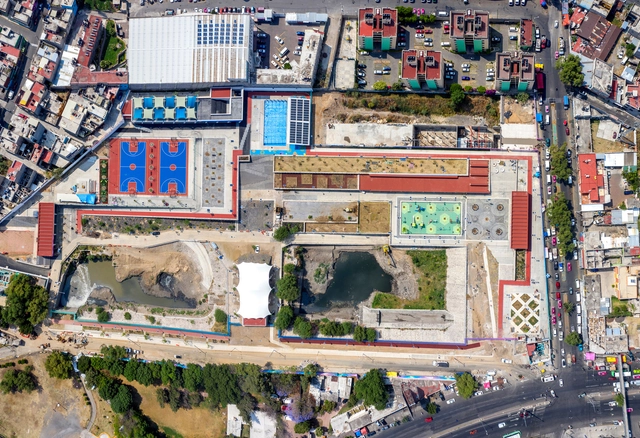
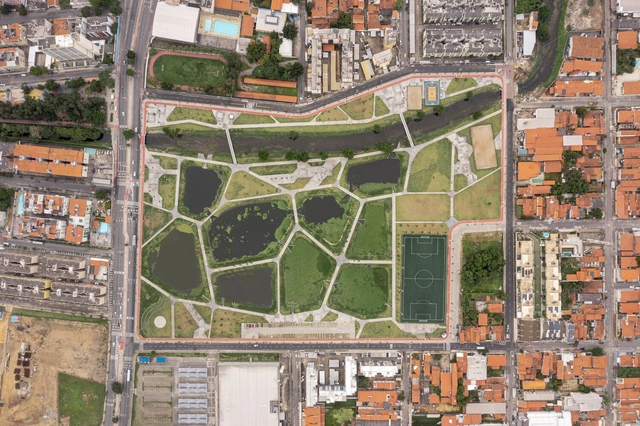
Within the framework of implementing green infrastructure projects for water management in the Basin of Mexico, utilizing existing public spaces, La Quebradora Water Park emerges as the first proposal for hydro-urban acupuncture. The project, developed by the team from the Institute of Social Research at UNAM, coordinated by Manuel Perló Cohen and Loreta Castro Reguera Mancera, aims to transform the site's infiltration into a landmark of good water management, public space creation, and strengthening of the social fabric through four levels: infrastructure, park, city, and viewpoint. Addressing part of the water and social issues facing the area, the proposal transforms urban infrastructure into a public and recreational space for the community in a densely populated area with scarce public spaces.

La Quebradora Water Park in Mexico: Designing Public Spaces to Improve Water Management - Image 1 of 4La Quebradora Water Park in Mexico: Designing Public Spaces to Improve Water Management - Image 2 of 4La Quebradora Water Park in Mexico: Designing Public Spaces to Improve Water Management - Image 3 of 4La Quebradora Water Park in Mexico: Designing Public Spaces to Improve Water Management - Image 4 of 4La Quebradora Water Park in Mexico: Designing Public Spaces to Improve Water Management - More Images+ 17

Architecture Inspired by Permaculture: How to Integrate Its Design Principles Across Diverse Contexts

The concept of permaculture refers to a design system capable of creating sustainable human environments based on an ethic and a series of ecological, environmental, and resilience design principles. In contact with plants, animals, buildings, and infrastructures such as water, energy, and/or communications, permaculture analyzes the possible relationships between these elements based on their position in the landscape. Its 12 design principles can be applied in multiple architecture projects of varying scales and programs, contributing, for example, to the dissemination of new ways to reduce energy consumption in homes, save water through rainwater harvesting or the recycling of greywater for sanitary systems, gardens, and more, and participate in food production, among other matters.

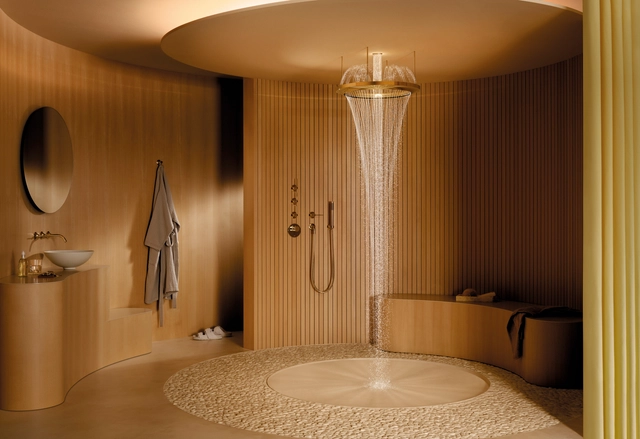
The Interplay of Water and Light Through a Sculptural Experience Shower

 | Sponsored Content

In the hustle and bustle of modern life, with deadlines, goals, and performance, finding moments of tranquility is essential for maintaining overall well-being and peace of mind. These moments provide a necessary break from daily stresses, allowing the mind and body to reset and thoughts to reorganize. Rituals of relaxation can create a sanctuary of calm amidst the chaos, promoting a sense of balance and peace, providing a healthier and more harmonious lifestyle, and contributing to better physical and emotional health. However, these rituals need not be expensive or complex.

Simple activities, such as breathing exercises, taking a walk in nature, or a relaxing bath, can be extremely effective. In fact, taking time to experience the calming and energizing effects of water can significantly enhance mental clarity, bring new ideas, provide comfort, and improve mood.

J. Mayer H. Architects Wins Competition to Design Water-Inspired "Cheongdam Tower" in Seoul, South Korea

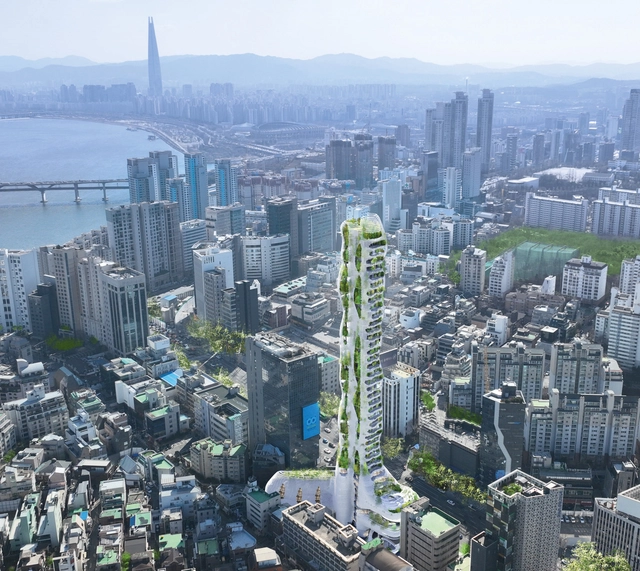
J. Mayer H. Architects has just won the competition for their “Cheongdoam Tower” design in Seoul. As part of the Seoul City Urban/Architecture Creation/Innovation Design Project contest, the competition was initiated by the city of Seoul, aiming to enhance urban qualities and improve the quality of life for residents. Chosen from numerous submissions and six shortlisted projects, Cheongdam Tower emerged victorious.

J. Mayer H. Architects Wins Competition to Design Water-Inspired "Cheongdam Tower" in Seoul, South Korea - 3 的图像 4J. Mayer H. Architects Wins Competition to Design Water-Inspired "Cheongdam Tower" in Seoul, South Korea - Featured ImageJ. Mayer H. Architects Wins Competition to Design Water-Inspired "Cheongdam Tower" in Seoul, South Korea - 1 的图像 4J. Mayer H. Architects Wins Competition to Design Water-Inspired "Cheongdam Tower" in Seoul, South Korea - 2 的图像 4J. Mayer H. Architects Wins Competition to Design Water-Inspired Cheongdam Tower in Seoul, South Korea - More Images

MASSLAB Transforms Bragança Water Treatment Plant into Dynamic Public Space in Portugal

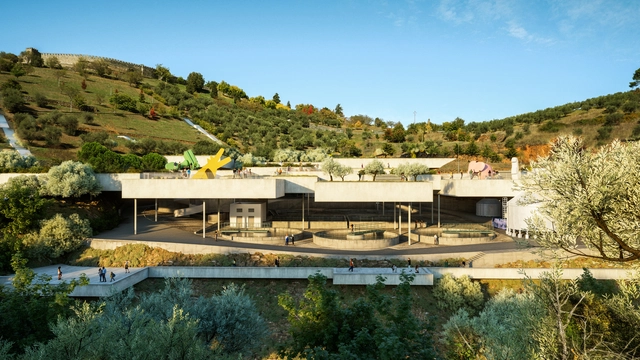
MASSLAB has just won the competition for the new roof of Bragança's Water Treatment Plant in Portugal. Integrating public use of this infrastructure, which until now only serves a functional purpose, the project showcases adding value to existing infrastructure by rethinking them. Blending architecture, landscaping, and urban design to transform this structure into a vibrant public space, MASSLAB seeks to change the perception of water treatment facilities in urban settings. By reimagining the roof as a livable infrastructure, the project transforms the purely functional roof into an engaging and integral part of the urban fabric.

MASSLAB Transforms Bragança Water Treatment Plant into Dynamic Public Space in Portugal - Image 1 of 4MASSLAB Transforms Bragança Water Treatment Plant into Dynamic Public Space in Portugal - Image 2 of 4MASSLAB Transforms Bragança Water Treatment Plant into Dynamic Public Space in Portugal - Image 3 of 4MASSLAB Transforms Bragança Water Treatment Plant into Dynamic Public Space in Portugal - Image 4 of 4MASSLAB Transforms Bragança Water Treatment Plant into Dynamic Public Space in Portugal - More Images+ 3

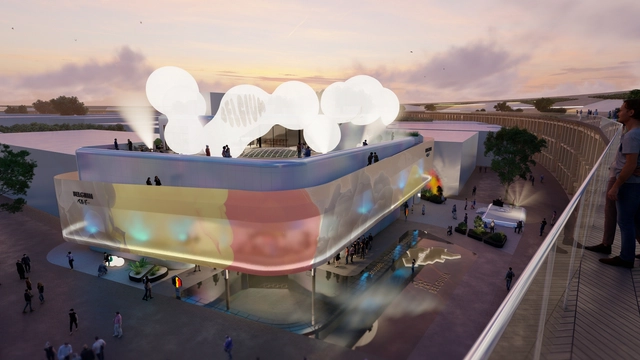
Steven Holl Architects Wins Competition to Design the Expo Albania Center in Tirana

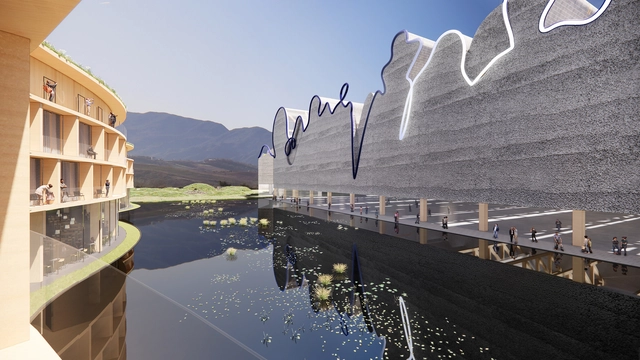
Following an international competition, Steven Holl Architects has been selected as the winner of the commission for the Expo Albania convention center and hotel in Tirana, Albania. The winning team, comprised of Steven Holl Architects, artist Agnieszka Kurant, Atelier 4, Atelier Markgraph, Stoss, and Arup, proposes an iterative process, collecting signatures from local Tirana communities and fusing them into a single wandering line, a continuation of artist Agnieszka Kurant’s project “End of Signature”.

Steven Holl Architects Wins Competition to Design the Expo Albania Center in Tirana - Image 1 of 4Steven Holl Architects Wins Competition to Design the Expo Albania Center in Tirana - Image 2 of 4Steven Holl Architects Wins Competition to Design the Expo Albania Center in Tirana - Image 3 of 4Steven Holl Architects Wins Competition to Design the Expo Albania Center in Tirana - Image 4 of 4Steven Holl Architects Wins Competition to Design the Expo Albania Center in Tirana - More Images+ 7

Earth Day 2024: Urban and Architectural Strategies to Navigate the Climate Crisis

Every year, Earth Day, celebrated on April 22, presents us with an opportunity to contemplate the conditions of our planet and our impact upon it. Generating around 37% of global carbon emissions, the construction industry has an important, often detrimental, role to play, thus placing an increasingly urgent responsibility on architects and builders to devise strategies for reducing this number. Still, the built environment represents the habitat for most of humanity, and so it has the potential to protect and shelter people from the risks posed by the changing climate. Read on to discover a collection of articles delving into the strategies available at urban and architectural scales for mitigating the effects of climate change and minimizing the industry’s impact upon it.

Earth Day 2024: Urban and Architectural Strategies to Navigate the Climate Crisis - Image 1 of 4Earth Day 2024: Urban and Architectural Strategies to Navigate the Climate Crisis - Image 2 of 4Earth Day 2024: Urban and Architectural Strategies to Navigate the Climate Crisis - Image 3 of 4Earth Day 2024: Urban and Architectural Strategies to Navigate the Climate Crisis - Image 4 of 4Earth Day 2024: Urban and Architectural Strategies to Navigate the Climate Crisis - More Images+ 15

15 Landscaped Offices With Garden Space For Free-Range Employees to Roam

Subscriber Access | 

Representing 32% of the global population, Generation Z (those born between 1995 – 2010) accounts for a healthy chunk of the workforce (27% by 2025 and rising every year). These are the fresh young minds employers are fighting to attract. With prospective employers’ impact on society (93%) and a healthy work/life balance (77%) the two biggest motivators in deciding where Gen Z’ers want to work, a large part of any new office building’s design brief is green space.

While hybrid working and flexible hours represent the most obvious ways to improve work/life balance for many, because of the missed social interactions and the lack of space or functionality at unproductive home workspaces, the majority of 16-24-year-olds are the only age group who prefer to work from the office.

15 Landscaped Offices With Garden Space For Free-Range Employees to Roam - Image 1 of 415 Landscaped Offices With Garden Space For Free-Range Employees to Roam - Image 2 of 415 Landscaped Offices With Garden Space For Free-Range Employees to Roam - Image 3 of 415 Landscaped Offices With Garden Space For Free-Range Employees to Roam - Image 4 of 415 Landscaped Offices With Garden Space For Free-Range Employees to Roam - More Images+ 18

How to Replace Air Conditioning? Passive Strategies for Addressing Global Warming

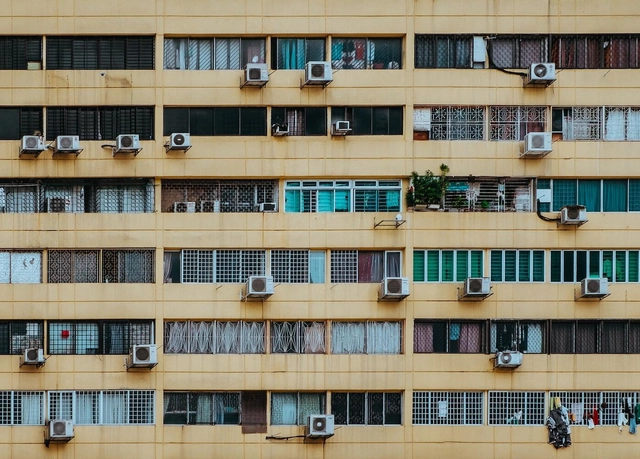
Between now and 2050, worldwide installation of cooling appliances, like air conditioning, is projected to triple, resulting in a twofold increase in energy consumption. This reliance on such devices, often seen as exacerbating global warming, poses a paradox: how can we fight rising temperatures in cities while simultaneously contributing to them through our dependence on these solutions?

How to Replace Air Conditioning? Passive Strategies for Addressing Global Warming - Image 1 of 4How to Replace Air Conditioning? Passive Strategies for Addressing Global Warming - Image 2 of 4How to Replace Air Conditioning? Passive Strategies for Addressing Global Warming - Image 3 of 4How to Replace Air Conditioning? Passive Strategies for Addressing Global Warming - Image 4 of 4How to Replace Air Conditioning? Passive Strategies for Addressing Global Warming - More Images+ 4

How to Pre-Size a Gutter

As commonly understood, gutters are elements installed along the edges of roofs and balconies to channel rainwater. Their primary function is to collect water flowing over the roof's surface and direct it to the appropriate downspouts. Proper sizing is crucial regardless of the material—whether aluminum, PVC, concrete, galvanized steel, or others. Depending on the climate in which the project is situated, the damages caused by incorrect application can be considerable.

How to Pre-Size a Gutter - Image 1 of 4How to Pre-Size a Gutter - Image 2 of 4How to Pre-Size a Gutter - Image 3 of 4How to Pre-Size a Gutter - Image 4 of 4How to Pre-Size a Gutter - More Images+ 7

Water in Public Spaces: 15 Urban Projects That Incorporate Water Resources in Their Designs

Subscriber Access | 

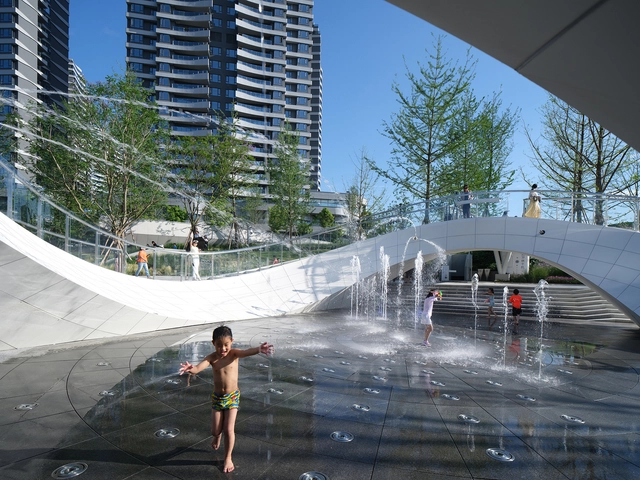
Water is indispensable for all forms of life on Earth, as it plays a vital role in maintaining biological processes, supporting ecosystems, and contributing to human well-being. Additionally, water holds cultural significance in many societies, being associated with rituals and ceremonies and carrying diverse symbolic meanings.

Water in Public Spaces: 15 Urban Projects That Incorporate Water Resources in Their Designs - Imagen 1 de 4Water in Public Spaces: 15 Urban Projects That Incorporate Water Resources in Their Designs - Imagen 2 de 4Water in Public Spaces: 15 Urban Projects That Incorporate Water Resources in Their Designs - Imagen 3 de 4Water in Public Spaces: 15 Urban Projects That Incorporate Water Resources in Their Designs - Imagen 4 de 4Water in Public Spaces: 15 Urban Projects That Incorporate Water Resources in Their Designs - More Images+ 17

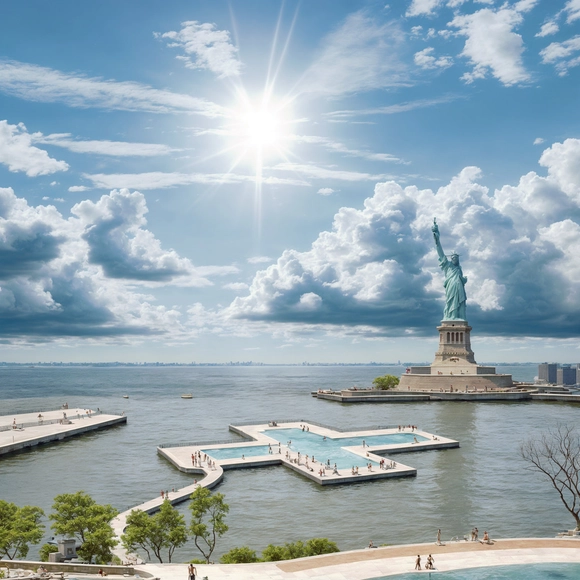
First-Ever +POOL to Open in New York City This Summer, with Plans to Expand Swimming Access across the State

New York Governor Hochul has announced a partnership with the nonprofit Friends of + POOL to open the first urban river-sourced swimming facility in the United States. Utilizing + POOL’s design and technology, the 2,000-square-foot plus-shaped swimming pool is set to open in New York City’s East River in the summer of 2024. In 2010, four young designers, Archie Lee Coates IV, Dong-Ping Wong, Jeffrey Franklin, and Oana Stanescu, established + POOL with the goal of providing New Yorkers with access to free and safe river swimming. Now the state promised to invest $16 million to pilot and scale the system, hoping to expand it across the state of New York.

First-Ever +POOL to Open in New York City This Summer, with Plans to Expand Swimming Access across the State - Imagen 1 de 4First-Ever +POOL to Open in New York City This Summer, with Plans to Expand Swimming Access across the State - Imagen 2 de 4First-Ever +POOL to Open in New York City This Summer, with Plans to Expand Swimming Access across the State - Imagen 3 de 4First-Ever +POOL to Open in New York City This Summer, with Plans to Expand Swimming Access across the State - Imagen 4 de 4First-Ever +POOL to Open in New York City This Summer, with Plans to Expand Swimming Access across the State - More Images+ 8

Yasmeen Lari Sets Out to Build One Million Flood-Resistant Homes in Pakistan by 2024

Following the extreme floods that affected Pakistan in 2022, architect Yasmeen Lari the Heritage Foundation of Pakistan pledged to help build one million resilient houses in the country. In 2022, 33 million people have been displaced, and an estimated 500,000 houses have been destroyed or severely damaged. In September 2022, Lari’s NGO launched a target program to start rebuilding and to help communities protect themselves against future disasters. The program is built on Lari’s expertise in working with the communities and employing vernacular and local building materials to achieve resilient and sustainable structures. According to the Heritage Foundation of Pakistan, one-third of the goal has already been reached.

Yasmeen Lari Sets Out to Build One Million Flood-Resistant Homes in Pakistan by 2024 - Imagen 1 de 4Yasmeen Lari Sets Out to Build One Million Flood-Resistant Homes in Pakistan by 2024 - Imagen 2 de 4Yasmeen Lari Sets Out to Build One Million Flood-Resistant Homes in Pakistan by 2024 - Imagen 3 de 4Yasmeen Lari Sets Out to Build One Million Flood-Resistant Homes in Pakistan by 2024 - Imagen 4 de 4Yasmeen Lari Sets Out to Build One Million Flood-Resistant Homes in Pakistan by 2024 - More Images+ 16

How NYC Plans to Deal With Rainstorms: Global Precedents

Subscriber Access | 

In September of this year, New York City experienced a severe storm that inundated its streets with more than 7 inches of rain in less than 24 hours, causing a number of roads to close, cars to submerge, and buses to get trapped. This event again highlighted the city's old infrastructure's inability to handle fast and heavy rainfall. As climate change intensifies, experts warn that such extreme weather events will become increasingly frequent. This vulnerability is especially concerning in densely populated urban areas such as New York City, where flooding risks increase due to the large amounts of impervious surfaces.

How NYC Plans to Deal With Rainstorms: Global Precedents - Image 1 of 4How NYC Plans to Deal With Rainstorms: Global Precedents - Image 2 of 4How NYC Plans to Deal With Rainstorms: Global Precedents - Image 3 of 4How NYC Plans to Deal With Rainstorms: Global Precedents - Image 4 of 4How NYC Plans to Deal With Rainstorms: Global Precedents - More Images