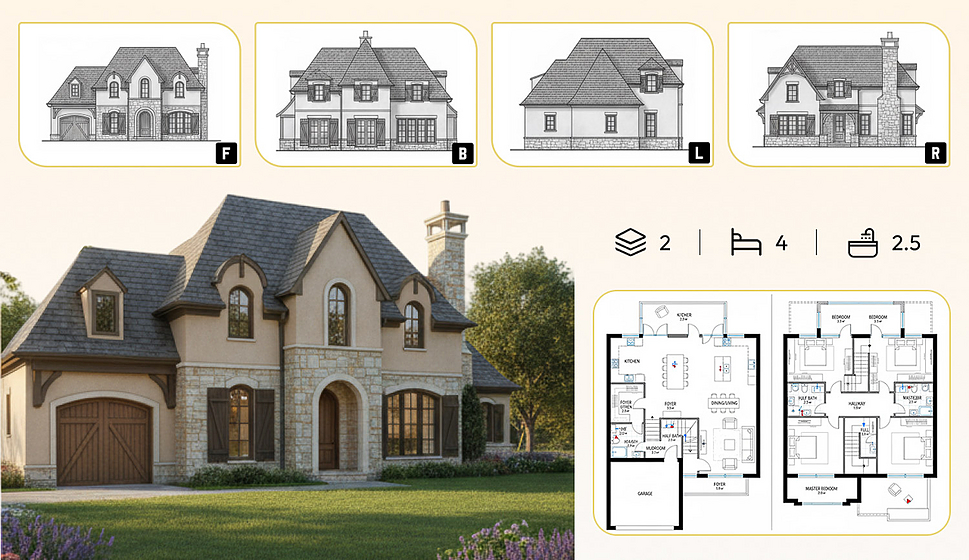
This guide covers a workflow that moves from project parameters to generated floor plans, 3D perspective views, exterior design exploration, and site context visualization, using AI tools in place of preliminary CAD and rendering work.
This guide covers a workflow that moves from project parameters to generated floor plans, 3D perspective views, exterior design exploration, and site context visualization, using AI tools in place of preliminary CAD and rendering work.
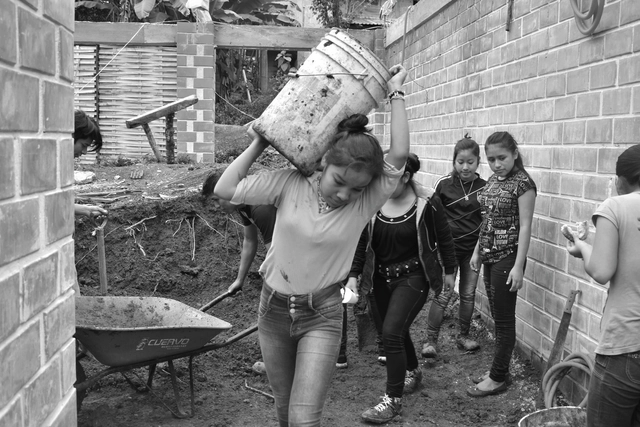
In light of recent statements by the Federal Government and the new programs announced by institutions involved in housing production in Mexico, we believe it is essential to open a dialogue and exchange ideas to better understand the concepts of self-construction, self-production, and the “Social Production and Management of Habitat” [SPMH], as well as the role of architecture in these social processes.
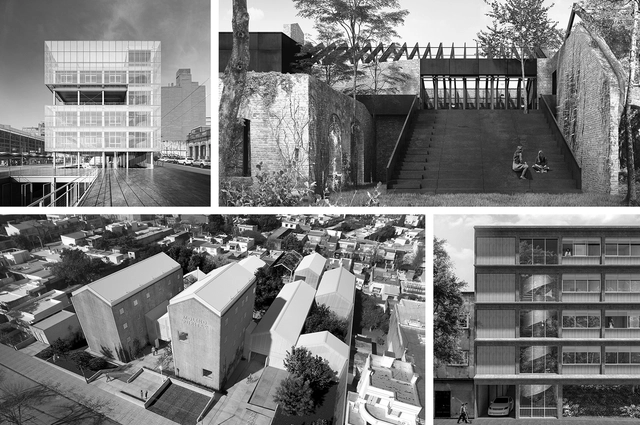
To showcase Uruguay's valuable academic output, we launched an open call inviting readers in the country to submit their final thesis projects.
Out of a total of 65 submissions, the editorial team—comprising Fabian Dejtiar (Managing Editor of ArchDaily en Español); Mónica Arellano (Editor, ArchDaily México); Santiago Baraya (Editor, ArchDaily Colombia); and Belén Maiztegui (Editor, ArchDaily Argentina)—selected six. The highlighted projects are those that addressed specific challenges, their chosen form, and their representation through critical, austere, and efficient thinking. We valued proposals that not only delivered the best possible architecture through a simple design suited to its context, program, and users, but also paid close attention to human scale, mediation, and new ways of approaching architecture in cities.
Explore the selected projects below.
.jpg?1602156477)
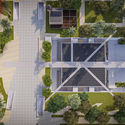
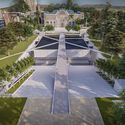
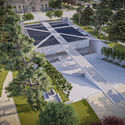
In mid-August, images of a new urban-architectural proposal for downtown Santiago began circulating in the media and on social networks: the preliminary design led by architect Gonzalo Mardones for the MAC Contemporary Art Museum in Parque Forestal.
Despite the potential benefits it aims to deliver, does it capitalize on the opportunity presented by intervening in this area? Does it meet citizens' expectations? Does it foster discussion about its management? Are there other viable alternatives?
Gonzalo Mardones writes to us regarding this.
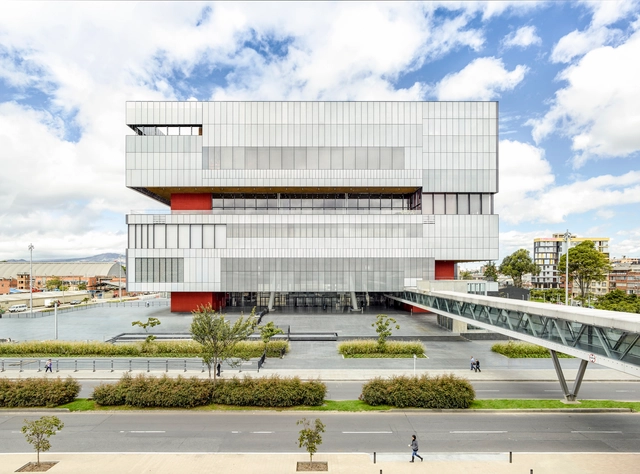
The third generation of the Bogotá-based firm Bermudez Arquitectos spoke with ArchDaily during the quarantine, discussing various aspects of their practice, their contributions to academia, and the challenges of working in a studio with a family legacy. Read the transcript of the Instagram Live below.
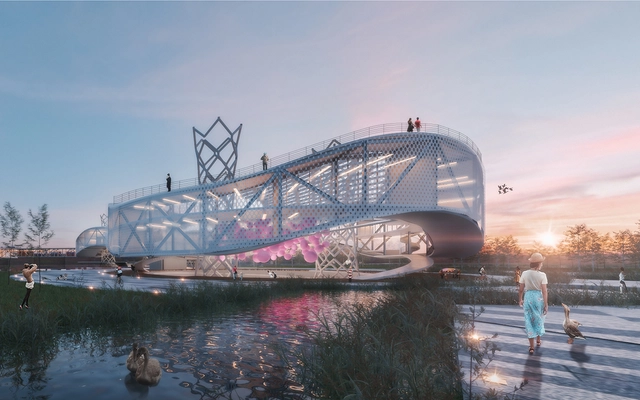
Since 2008, the National Chamber of the Iron and Steel Industry CANACERO has joined forces with the Latin American Steel Association ALACERO through initiatives such as the ALACERO Steel Design Competition for Architecture Students and the CANACERO National Steel Award for Architecture Students, aiming to encourage the use of steel in construction among architecture students in Latin America.

Our jury of experts—meaning you, our readers—have nominated their favorite projects from among nearly 1,000 built works in Latin America and Spain: today, the day has come to meet the finalists of ODA2020!

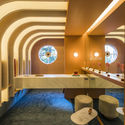
In early October, a new space opened in Mexico City under the name Design House at Público Coworking, showcasing a series of interventions that integrate disciplines such as design, architecture, and interior design. Over the past ten years, Design House has presented cutting-edge concepts from more than one hundred participating firms across various venues, collaborating with showrooms on the Design Route (Ruta del Diseño) that provide the pieces and accessories featured in the diverse installations.
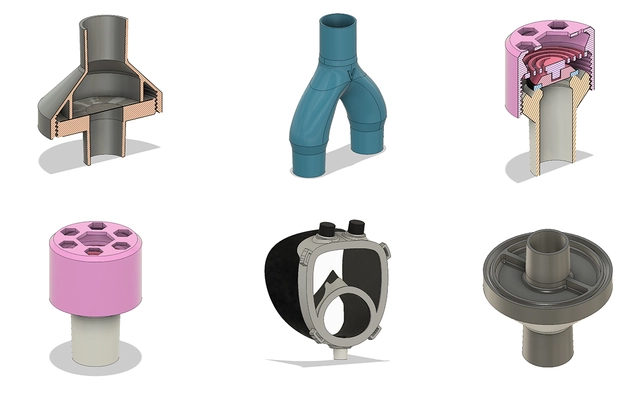
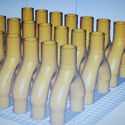
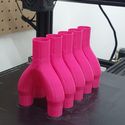
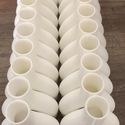
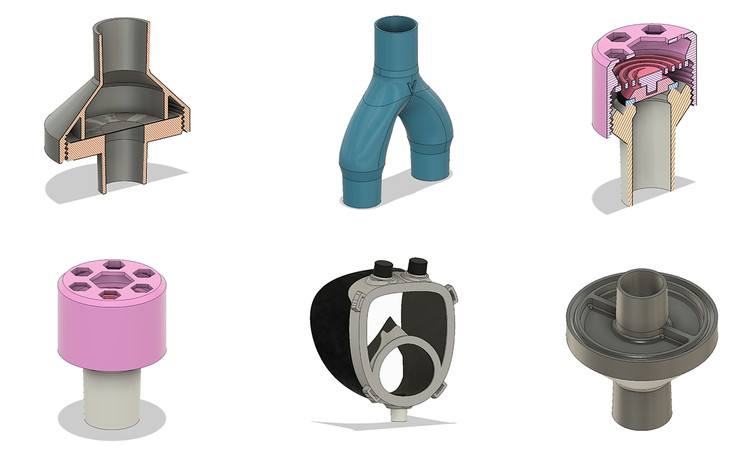
As part of an initiative by Makers México, a group of nearly 300 creative professionals from various fields continues to come together to address the COVID-19 pandemic. Architects such as Juan Carlos Baumgartner and Michel Rojkind, along with designer Ariel Rojo, have joined this effort to contribute in various ways, creating 3D-printed parts to be donated to hospitals across the country. Currently, they are working on a splitter—which allows two patients to be connected to a single ventilator in the event of a shortage—protective masks for doctors and patients, as well as other components to complement their operation.
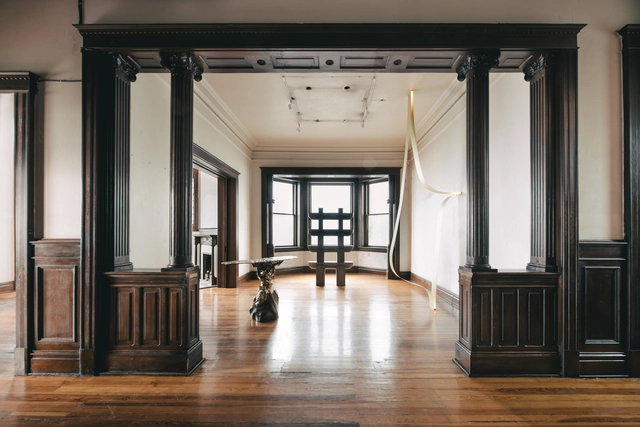
As part of the cultural programming of the Mexico City-based art gallery, MASA presents the exhibition Recover / Uncover, a space featuring unique and limited-edition pieces by designers and artists whose work seeks to challenge labels. In doing so, MASA celebrates contradiction as a reflection of an ongoing process of self-definition and evolution over time, presenting objects as tools for life and contemplation.

The government-mandated lockdowns in response to the COVID-19 pandemic—and, in some cases, the fear of going outside—have recently underscored the value of domestic space, transforming it into the stage for the most evident and characteristic human actions and reactions within a capitalist and patriarchal system.
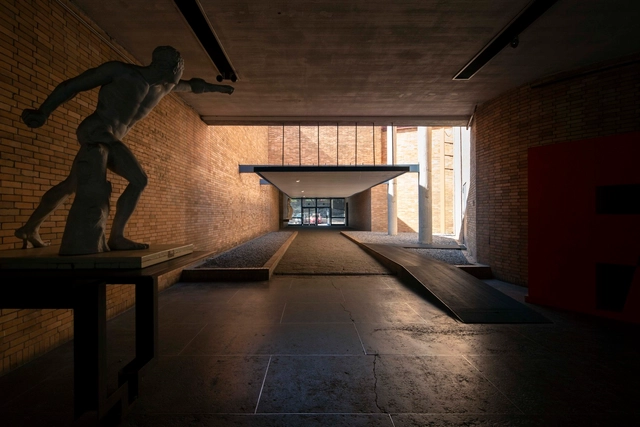
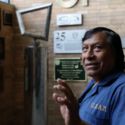
Chuchín is that endearing figure whom you always remember despite the passage of time, whether you are a student, architect, professor, staff member, or fellow worker. Felipe de Jesús Cortés Guevara—or Chuchín, as he is commonly known—seems to go nowhere else; he is always watching over what he considers his second home, the UNAM School of Architecture.
.jpg?1579012158&format=webp&width=640&height=580)
In the early hours of January 11, 1967, a polar air mass swept into the country, bringing snow to Mexico City and blanketing the entire capital under a soft, pristine white layer. One day, more than 50 years ago, our urban sprawl woke up covered in white. It was not smog, nor the pollution of an unrelenting beltway; it was pure snow. The last time it snowed in Mexico City was January 11, 1967. That day, schools closed, people went outside to build snowmen and throw snowballs, and emergency services were overwhelmed by the beautiful catastrophe of so much snow.
Charlas de Terraza is an initiative hosted at the office of OPUS in Medellín. It features conversations that extend beyond architecture and, adapting to the COVID-19 lockdowns, is currently being held virtually. Alongside these talks, there is another initiative dedicated to sketching called Club de Dibujo (Drawing Club). In this session, both formats merged as the Medellín-based practice, along with Alejandro Enriquez from Bogotá, discussed the sketch and its process.

This article by Alberto Bravo de Laguna Socorro was originally published in the 12th issue of revista rita_ under the title "Transgression, experimentation and communicability of the graphic in collective architectures: Indices of an engaged graphic expression."
PRODUCTORA is a Mexico City-based architecture studio founded by Abel Perles (1972, Argentina), Carlos Bedoya (1973, Mexico), Víctor Jaime (1978, Mexico), and Wonne Ickx (1974, Belgium). The firm is characterized by its emphasis on precise geometries in an effort to generate legible projects with clear gestures, as well as its pursuit of timeless material and spatial resolutions.

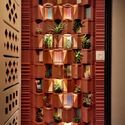
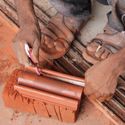
Indian architecture firm Manoj Patel Design Studio has designed several award-winning projects that make creative use of clay roof tiles. In one of them, named Ridge Clay Roof Tile Plantation, a vertical garden was created using these tiles.



The Post_Arq student collective from the Leopoldo Rother Architecture Museum at the Universidad Nacional de Colombia has shared with us an interview with National Architecture Prize winner Santiago Pradilla Hosie. This conversation is part of a series featuring seven Colombian architects, including figures such as Sebastián Serna, Pablo Gamboa, Lorenzo Castro, and Fernando de la Carrera, whose interviews will be published on their YouTube channel.
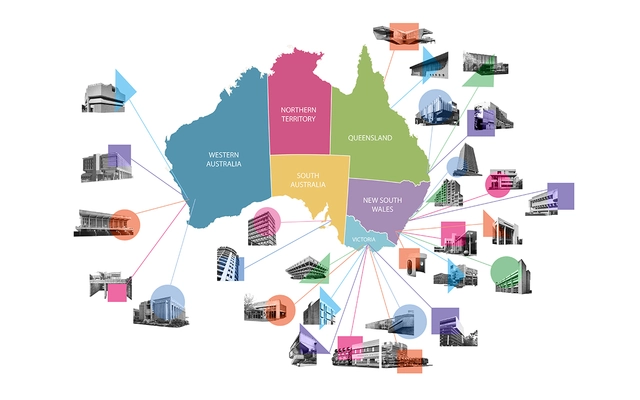
Brutalisim is an architectural movement that emerged in Europe in the 1960s and became one of the most controversial yet popular styles worldwide. This was due to various factors, including its use of raw concrete and, more broadly, its ideals focused on public service through monumental works. Furthermore, it became a new medium for expressing contemporary political stances through functional public spaces.
.jpg?1585160009&format=webp&width=640&height=580)
The Lisbon Architecture Triennale has released on its Vimeo channel the Talk, Talk, Talk debate series, held as part of its 5th edition under the general curation of Éric Lapierre. Divided into five major exhibitions, one of the Triennale's showcases addressed the relationship between agriculture and architecture, which is the theme of the debates featured here.
.jpg?1587578185&format=webp&width=640&height=580)
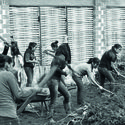
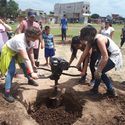
The La Carcova Educational Park project is defined as an ongoing, long-term collaborative effort, initiated by the creation of a university network united by a common goal in a specific territory with many unmet basic needs.

Driven by a personal quest to explore heritage and preserve Mexican traditions, architect Ana Ibañez has created a collection titled “Barraganescas,” featuring jewelry pieces inspired by the houses designed by architect Luis Barragán in the city of Guadalajara.
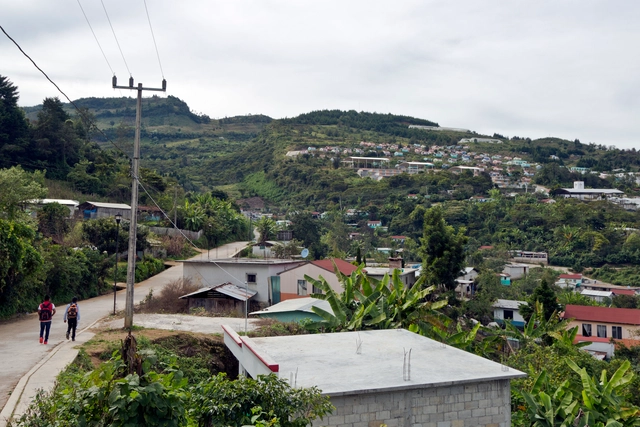
This article is part of a collaboration with the website coolhuntermx and was originally published under the title "Housing Production in Rural Mexico."
Between virtual panel discussions and tweets sparking debate on housing and its role during the pandemic, addressing this issue in Mexico is as complex as the country's history and as vast as its territory. The article What About the Right to Adequate Housing in Mexico? offered an overview of the laws governing Mexico City and urban conditions. But what about housing in rural areas?
Peripheria Films shares a video about the emigration of a young Spanish architect couple "who thought that their reward would come after university."
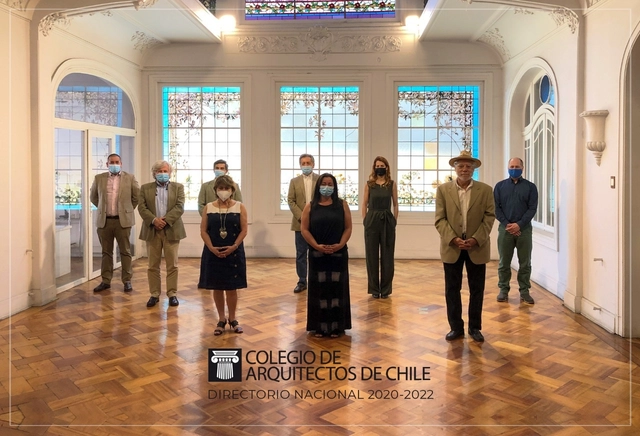
On Tuesday, December 1, 2020, during the inaugural session of the new National Board elected by members in the 2020 CA Elections, the new Executive Committee and officers of the College of Architects of Chile were selected for the 2020–2022 term.









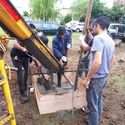
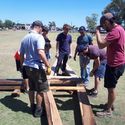
.jpg?1587578185)


.jpg?1599578151 "Casa González Luna. Image © Limon Rojas")


.jpg?1596823999 "Housing improvement programs in the Maya zone. Motul. Image © Onnis Luque")
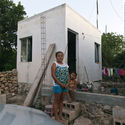
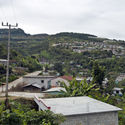
.jpg?1596824644 "Sustainable Rural City: Santiago El Pinar. Chiapas. 2011. Image © Onnis Luque")
