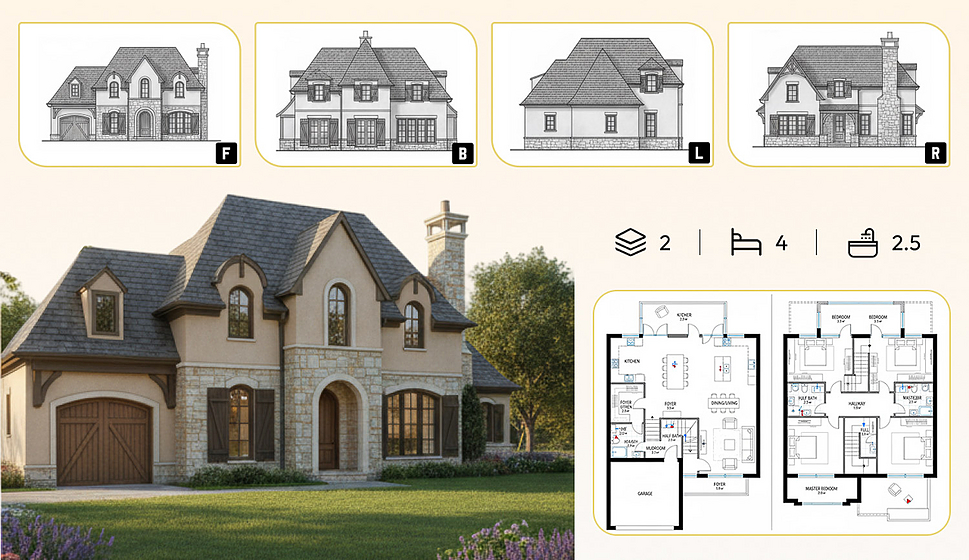
This guide covers a workflow that moves from project parameters to generated floor plans, 3D perspective views, exterior design exploration, and site context visualization, using AI tools in place of preliminary CAD and rendering work.
This guide covers a workflow that moves from project parameters to generated floor plans, 3D perspective views, exterior design exploration, and site context visualization, using AI tools in place of preliminary CAD and rendering work.

In this episode of the Caos Planejado podcast, the discussion explores alternatives for pedestrian mobility and the occupation of public spaces through tactical urbanism. The guest is Letícia Sabino, founder and director of SampaPé, an organization that has been working since 2012 to transform cities into more walkable environments alongside people.

The winners of the 3rd Tomie Ohtake Institute Leroy Merlin Design Award have been announced. The award ceremony, which was originally scheduled to take place in person at the Tomie Ohtake Institute alongside the exhibition of the projects, was held virtually for invited guests due to the novel coronavirus pandemic.
A total of 15 projects were selected from 213 entries representing 20 Brazilian states and the Federal District.
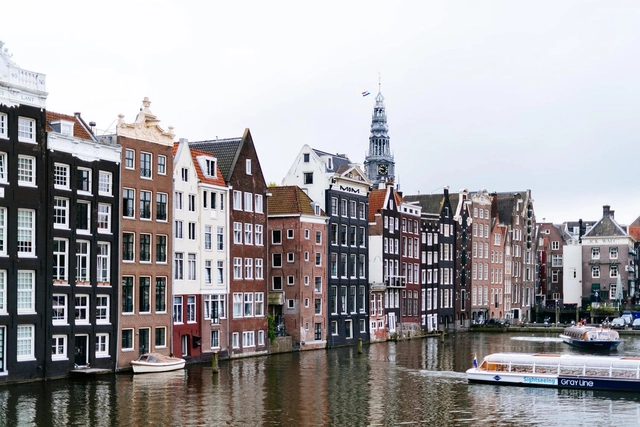
Anyone interested in urban policy will likely, at some point, come across the term “compact city.” This expression has become a staple of urban planning. Proposals associated with the concept favor denser development, with commerce and services close to residential areas, encouraging pedestrian, bicycle, and public transit mobility. Some European capitals, such as Copenhagen and Amsterdam, are often pointed to as examples of this model. Its counterpart is the sprawling city, where neighborhoods are predominantly residential, far from downtown, and require long commutes from home to work.


Sprawling urban footprints, high temperatures, rugged terrain, and a lack of safety. What are the pathways to promoting cycling as a mobility alternative in Brazilian cities? To explore this topic further, Caos Planejado hosts Glaucia Pereira, founder of Multiplicidade Mobilidade Urbana and a director and member of Cidadeapé, and Rosa Félix, a bicycle mobility researcher at the U-Shift laboratory.


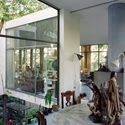
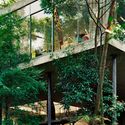
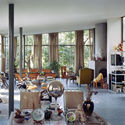
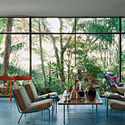
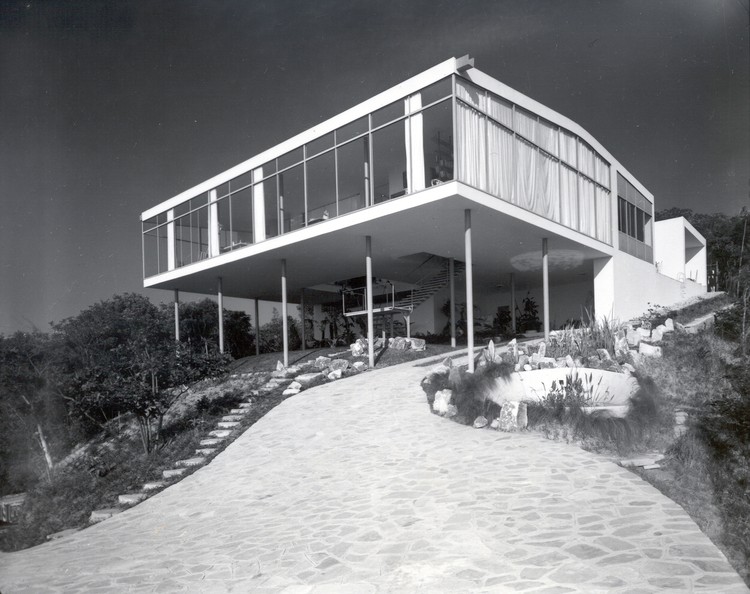
When we think of the residential designs of Italian architect Lina Bo Bardi, the immediate image that comes to mind is her private residence in São Paulo (1951)—more precisely, the image of its glazed social pavilion, captured from a low angle. This perspective further dramatizes the contrasting relationship between that light, suspended orthogonal volume and the steep natural slope of the terrain.
I would venture to say that no other work of Brazilian architecture is as well-known from a single photograph. This image, which has illustrated nearly every publication on the architect since the building's completion nearly 70 years ago, and which indeed justifies its famous moniker, the “Glass House,” exposes the unequivocal modern condition of this project—or, at least, the portion revealed by the angle of this celebrated photograph: a transparent, prismatic volume suspended on slender pillars set back from the edge of the floor slab and, consequently, free-standing within the elevated space.
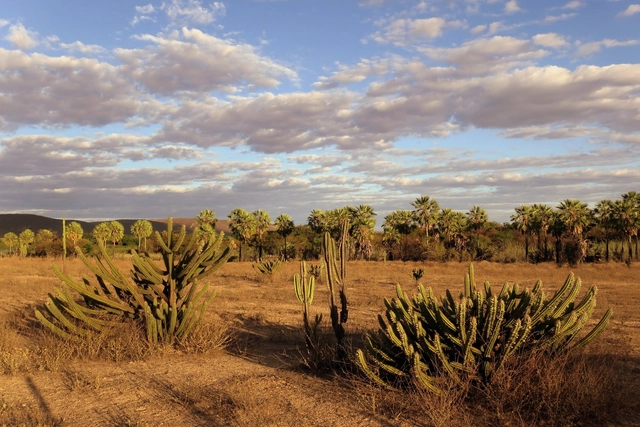
With nearly fifty thousand plant species—over half of which are endemic, meaning they only occur naturally here—Brazilian flora is among the most diverse and richest in the world. This data is featured in the country's largest and most comprehensive virtual botanical library, Flora do Brasil 2020, developed by the Rio de Janeiro Botanical Garden.

With one of the best higher education systems in the world, the Netherlands offers annual scholarships for Brazilians through the Orange Tulip Scholarships program. Applications for the 2021/2022 academic year are now open for undergraduate, postgraduate, or MBA students.
More than 20 Dutch universities participate in the program, offering scholarship options for courses in the fields of Arts, Biological Sciences, Health, Exact Sciences, Technology, and Humanities, including some focused on architecture and urban planning – all taught in English.

The University Council of the São Paulo State University (Unesp) has decided to award the title of Doctor Honoris Causa to Adélia Borges, a curator, journalist, and critic active in the field of design. The initiative for awarding the degree came from the Department of Design at the Faculty of Architecture, Arts and Communication (FAAC) on the Bauru campus. In its justification, the Council stated that the title was awarded “for her work as a critic and curator with a significant contribution to the research, dissemination, and promotion of Brazilian Design on both the national and international stages, demonstrating deep knowledge of the field and a broad socio-political and cultural vision.” The official ceremony will take place on March 8, 2021, International Women's Day, at 2:30 PM, and will be broadcast on the TV Unesp YouTube channel.
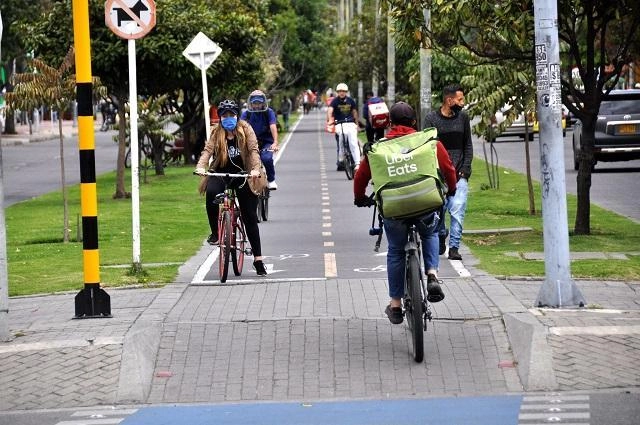
When the Covid-19 pandemic broke out, concerns over virus transmission on public transit prompted many to opt for alternative mobility options—chiefly, cycling. Bicycles gained popularity for both recreation and transport, a trend especially evident in the United States, Mexico, Colombia, Germany, and France. In France, Germany, and the United States, the weekly average of bicycle use increased by 4%, 7%, and 20% respectively compared to 2019 figures.
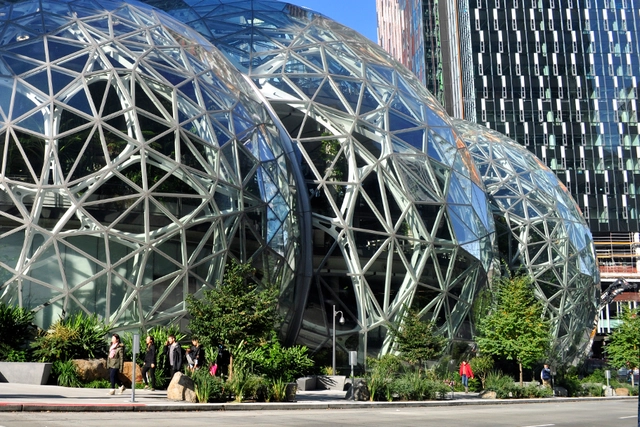
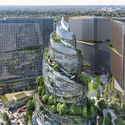
While the corporate world debates remote work, Amazon has decided to double down on physical offices. Earlier this year, the company announced plans for its new headquarters in Arlington, Virginia. The building complex will be anchored by a spiraling structure more than 100 meters tall, dubbed the Helix. In addition to 260,000 square meters of office space, there will also be 10,000 square meters of public space, including an amphitheater, a market, restaurants, and plazas. The choice of location, in the heart of the Washington, D.C. metropolitan area, stands in contrast to companies like Apple and Facebook, which built their closed-off headquarters in the suburbs.


The septic tank developed by the Municipality of Uberlândia is a compelling alternative for repurposing waste materials while also addressing basic sanitation challenges common in many Brazilian cities.
The Municipal Department of Water and Sewage (DMAE) is the agency responsible for designing the system and manufacturing the sustainable septic tanks distributed in the city. To share this knowledge more widely, however, they created a step-by-step manual so the design can be replicated anywhere.
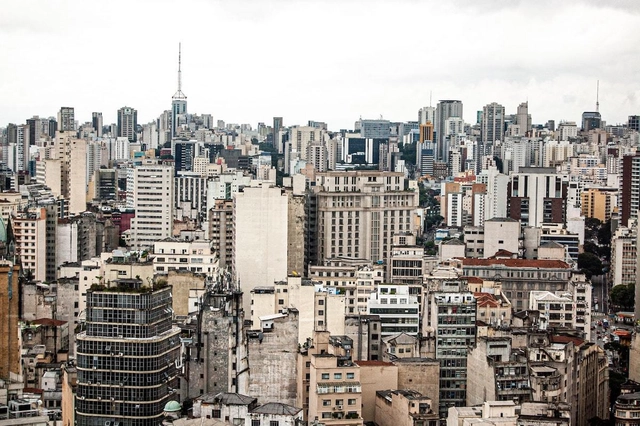
One hundred and twenty civil society organizations (NGOs, institutes, foundations, collectives, and social movements) advocating for the right to the city sent an open letter to the Mayor of São Paulo, Bruno Covas, demanding that the Strategic Master Plan (PDE) review process be conducted by the Municipal Government in a way that guarantees full public participation, respecting the principles of democracy, popular sovereignty, and transparency, even amid the pandemic.

We have curated a selection of online exhibitions on urbanism—available for free on Google Arts & Culture—exploring the history of development in major cities around the world. Discover them below:
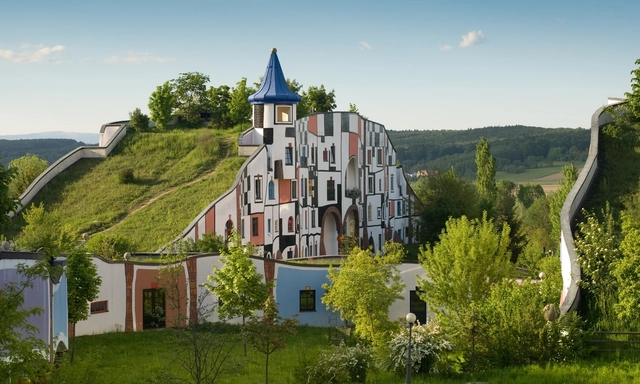
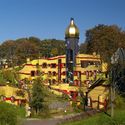
Imagining and experiencing alternative ways to understand the relationship between the human body, space, and the ideas that connect it to the world was one of the central themes that Hundertwasser brought to light. The Austrian artist and architect, born in 1928, dedicated much of his work to environmental issues, expressing his perspective through the theory of the five skins: the epidermis, clothing, the home, social identity, and the world. Due to its universality, this concept retains a contemporary relevance.
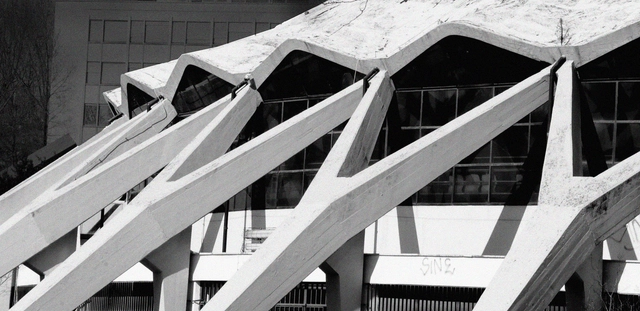
Pier Luigi Nervi is a curious case in architectural history. He designed large reinforced concrete buildings—and was even responsible for technical developments related to this material—defined by their bold, expressive, and heroic structural concepts. His design method was similar to Le Corbusier's during his so-called "Brutalist phase," which "(...) approached the architectural program starting from general principles, subsequently adapting them to the real situation. The project was defined by the structural concept [partido], which was organized from the general to the particular" (Acayaba, 1985). This is evident in the Italian's buildings, which are largely pavilion-like structures in which a massive structural roof spans the specificities of the program.
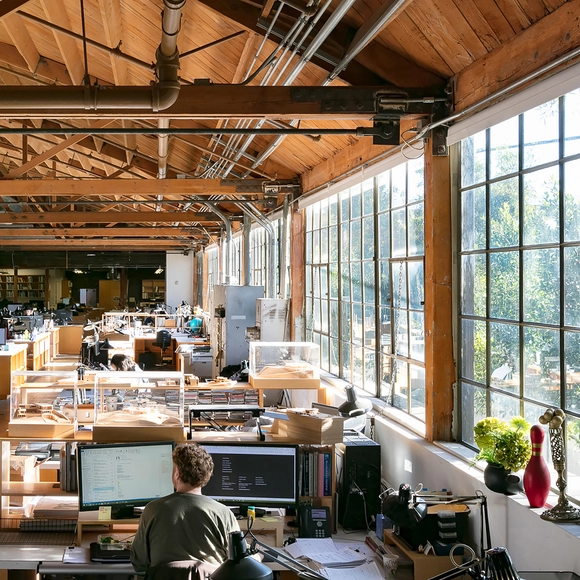
More than just software, BIM (Building Information Modeling) represents an entire approach to representing, modeling, and managing a project, factoring in different dimensions and quality parameters throughout a building's design and subsequent operation—such as architectural design, budgeting, process management, thermal performance, and the environmental impact of materials and their application. Design thinking through BIM must be implemented from the very initial ideas and is most effective when it influences the entire decision-making chain that shapes the project, including post-occupancy evaluations.

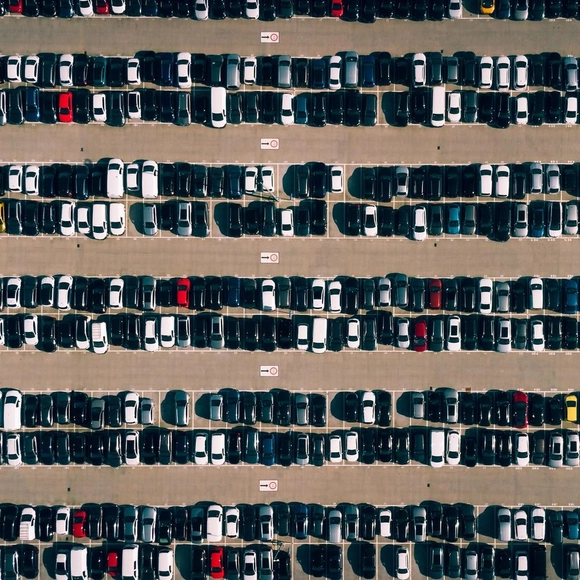
The book “The High Cost of Free Parking,” by retired University of California professor Donald Shoup, demonstrates that parking can impose a significant social cost. Shoup argues that the car-centric city model is irrational, allocating increasingly more resources and space to a machine that goes unused 95% of the time.
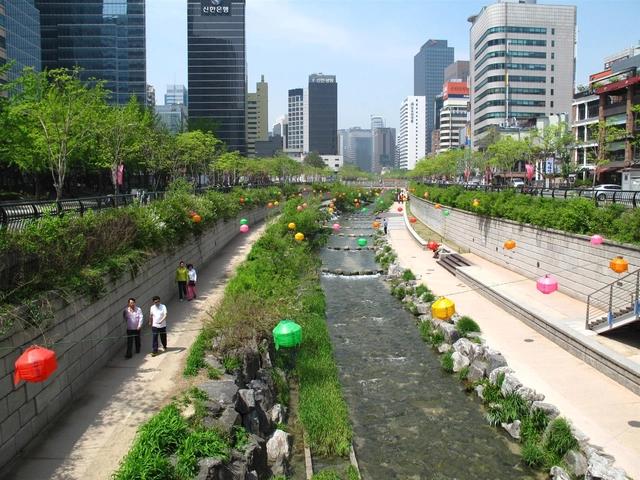
The construction of streets throughout the twentieth century was largely based on the premise that more infrastructure eases traffic. Evidence shows, however, that instead of reducing congestion, building more roads actually increases traffic. Reducing drive times makes driving more convenient; consequently, coupled with the status-symbol appeal of private vehicles, people tend to make more trips by car. A recent study by researchers at the University of Barcelona analyzed data from 545 European cities between 1985 and 2005, confirming that two decades of efforts to expand road capacity led to an increase—rather than a decrease—in vehicle traffic, failing to alleviate congestion.
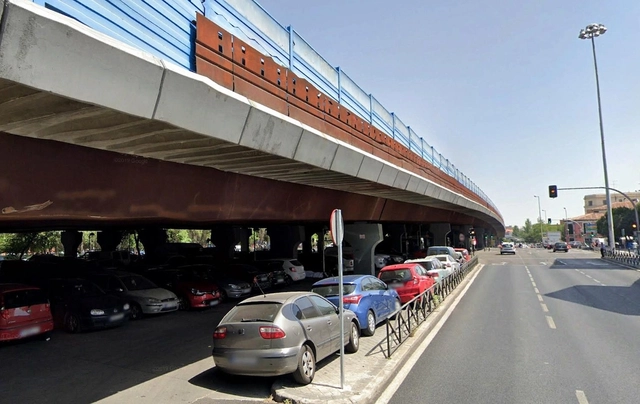
Madrid will demolish the M-30 highway overpass, located between the Puente de Vallecas and Retiro neighborhoods. This was the unanimous decision of the councilors of the Plenary of the Ayuntamiento de Madrid—the city's elected municipal council—who met on March 30. According to the author of the proposal, councilor and member of the Más Madrid party Francisco Pérez Ramos, the decision is crucial because the overpass has turned “into a wall.”



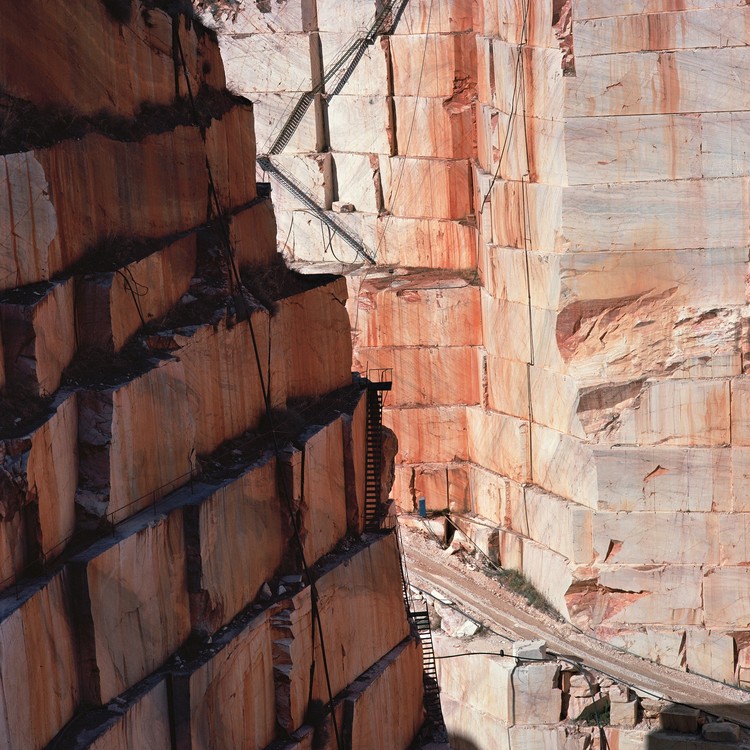
The 6th edition of the Lisbon Architecture Triennale, taking place in 2022, is themed Terra. Carrying different meanings depending on the scale and the observer, Terra expresses territory, the city, the landscape, the place where we belong, or a continent seen from the sea. It can be a habitable planet or matter for cultivation. It can be in excess or lacking, and it can be an obstacle or an element in building communities. Driven by a sense of urgency, the Triennale 2022 calls for reflection on all these dimensions, which are closely related to architecture.

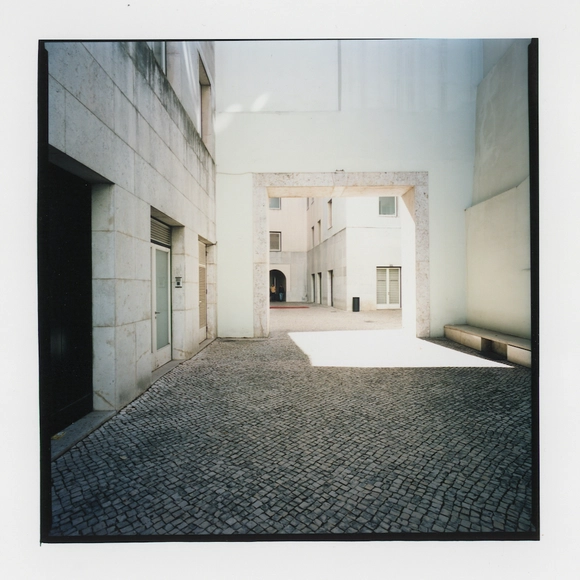
Arquigrafias. Guido Guidi and Álvaro Siza is the exhibition marking the public reopening of Casa da Arquitectura after the lockdown. Curated by Paula Pinto and Joaquim Moreno, the exhibition of photographs by Italian photographer Guido Guidi of the work of architect Álvaro Siza is on display at the Casa Gallery from April 17 to October 3, 2021.
The curators selected eight projects located in Lisbon, Porto, and Matosinhos, represented through 97 images captured by Guido Guidi's lens. Arquigrafias thus offers a “dialogue between the photographic work of Guido Guidi (Cesena, 1941) and the architectural work of Álvaro Siza (Matosinhos, 1933), constituting a unique encounter between two singular figures in their respective fields.”
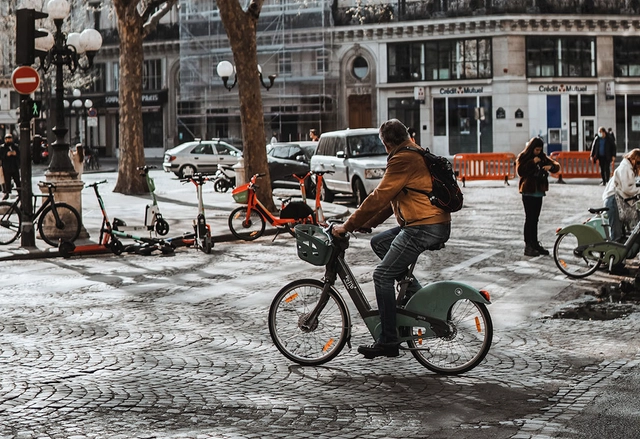
France is investing in initiatives to combat climate change, including shifting to more sustainable modes of transport. Owners of older cars can now receive a government subsidy of up to 2,500 euros to trade in their vehicles for electric bicycles.
“For the first time, it is recognized that the solution is not to make cars greener, but simply to reduce their number,” noted Olivier Schneider of the French Federation of Bicycle Users.
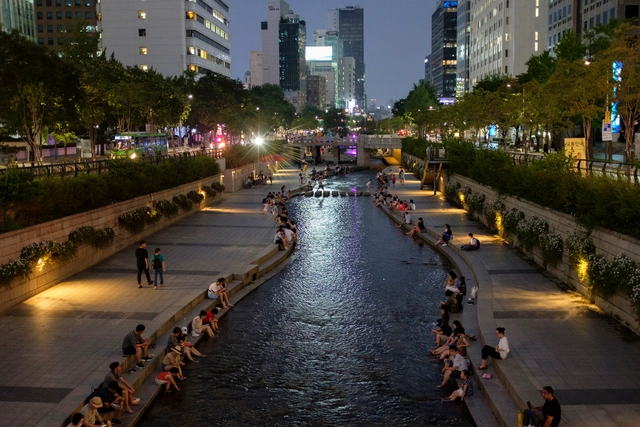
Throughout the 20th century, road construction was primarily based on the premise that more infrastructure eases traffic. However, evidence shows that instead of reducing congestion, building more roads actually increases traffic. When driving times are reduced, convenience increases. Consequently, alongside the appeal of private vehicles as status symbols of wealth and social standing, people tend to make more trips by car. A recent study by researchers at the University of Barcelona analyzed data from 545 European cities between 1985 and 2005. It confirmed that efforts to expand road capacity over those two decades led to an increase rather than a reduction in vehicle traffic, and failed to ease congestion.
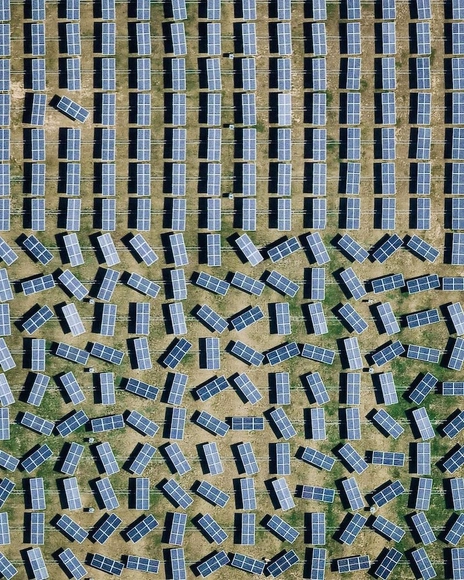
The global transition to a green economy could create 18 million jobs, with the potential to generate quality employment and livelihoods worldwide. But what about the people and communities whose livelihoods currently depend on fossil fuels and high-carbon sectors?
An estimated 6 million jobs in coal-fired power generation, oil extraction, and other sectors could disappear by 2030. Many of these new green job opportunities will require different skills than those needed for previous roles, or will be located in new areas.


.jpg?1617308349 "Photo: Martin Abegglen from Bern, Switzerland, CC BY-SA 2.0 , via Wikimedia Commons")
.jpg?1617308454 "Main facade of the KunstHausWien Museum by Friedensreich Hundertwasser (Vienna, Austria). Photo: Jules Verne Times Two / www.julesvernex2.com, CC BY-SA 4.0 , via Wikimedia Commons")