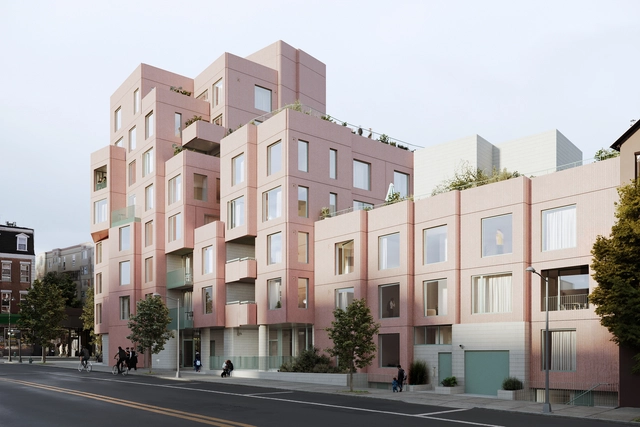
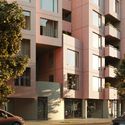
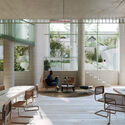
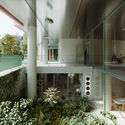
Architecture firm SO – IL has revealed plans for a new residential condominium project planned for Brooklyn's Fort Greene neighborhood. Named 144 Vanderbilt, the development offers 26 condominiums and amenities spanning almost 90,000 square feet. According to SO – IL, the architecture takes cues from Brooklyn's historical heritage, while incorporating a modern twist, as the staggered building prioritizes community interactions and comfortable urban living.
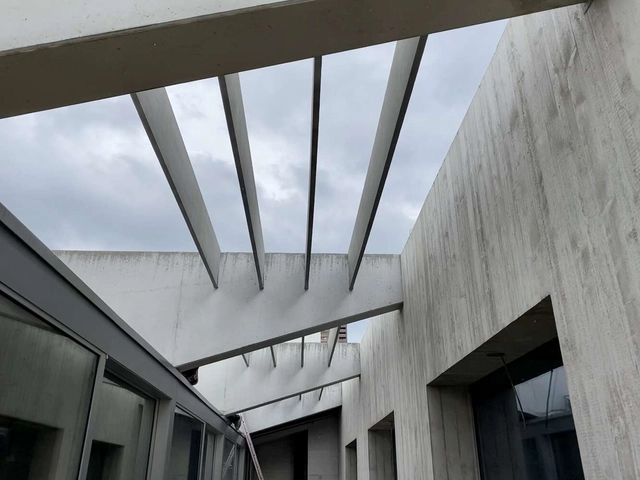
CPC concrete slabs are based on the technology of "carbon pre-stressed concrete," which originated from a long-term research project conducted by the Zurich University of Applied Sciences Winterthur (ZHAW) and Silidur AG, Andelfingen. These panels are reinforced with thin, pre-stressed carbon strands, allowing them to be three to four times thinner and lighter while maintaining the same load-bearing capacity as traditional reinforced slabs.
CPC's innovative approach to concrete panel production reduces material usage by 75% and minimizes the carbon footprint of concrete production. ArchDaily interviewed Professor Josef Kurath from the Department of Architecture Design and Civil Engineering at the Zurich University of Applied Sciences (ZHAW), who collaborated with CPC Construction in developing these concrete panels. We discussed his perspectives on decarbonizing architecture, the inspiration behind the development of CPC panels, a comparison with traditional concrete, and the potential for scalability and accessibility in the future.
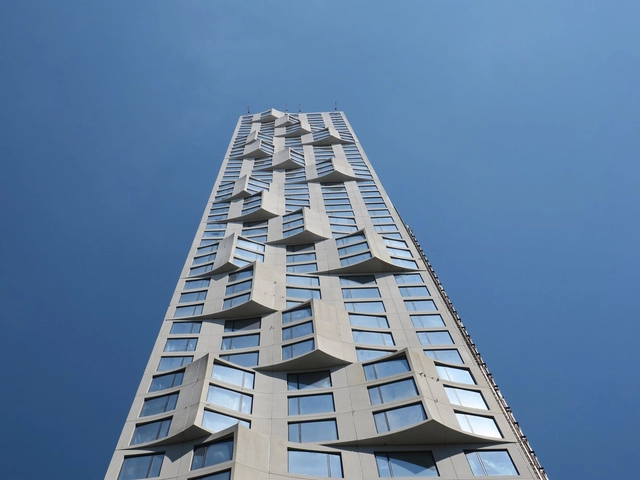
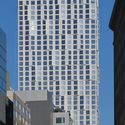
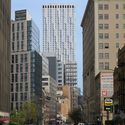
Paul Clemence has just released his latest photographs of the Studio Gang-designed 11 Hoyt tower in Downtown Brooklyn, New York. Almost completed, the residential development is characterized by an eye-catching crafted precast concrete and glass façade.
Ancient Romans mixed lime and volcanic rock to form a mortar, a precursor to modern reinforced concrete. This made engineering marvels like Rome’s Colosseum possible—still standing more than 2,000 years after its construction.
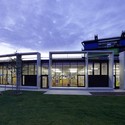
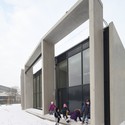
Today, this versatile material is evolving further: Precast concrete, which is formed and cured in factories before being installed onsite, is bringing about a new wave of architecture that streamlines the building process while reaching toward big, complex ideas.
https://www.archdaily.com/877871/how-one-concrete-manufacturer-helps-architects-reduce-project-costs-with-an-in-house-design-teamAngus W. Stocking, L.S.