ArchDaily's curatorial team strives every day to present our readers with the most significant, inspiring, and innovative projects, while also ensuring a diverse representation of global architecture.
As part of our 2023 Year in Review retrospective on ArchDaily, we look back and reflect on what was published over the past year. Residential architecture remains one of our most visited categories of built projects, generating immense interest among our users worldwide. With this in mind, we have selected the 50 best houses published this year on ArchDaily en Español, offering a brief showcase of the form and character of residential architecture across the Spanish-speaking world.
The internationally established Pan-American Architecture Biennial of Quito, BAQ2024, held its latest edition this past November 2024 in the historic center of the Ecuadorian capital. The event brought together experts in the architectural discipline from all over the world for dialogue and reflection on the future of our cities, architecture, and the contemporary urban landscape. Under the theme CONVERGENCES: landscape architectures, this latest edition offered a deep reflection on the role of architecture in transforming the urban landscape—a topic of particular relevance in times of environmental, urban, and social challenges.
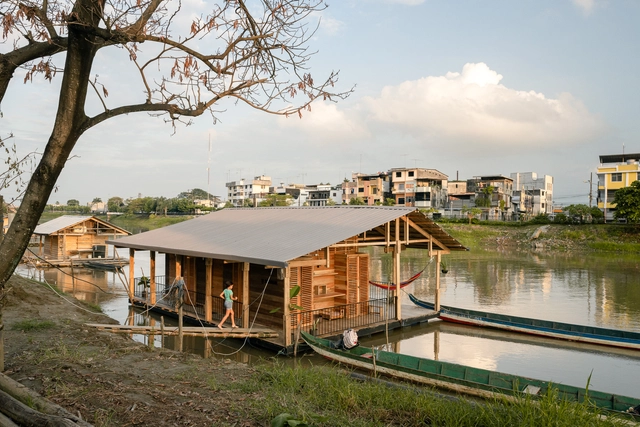
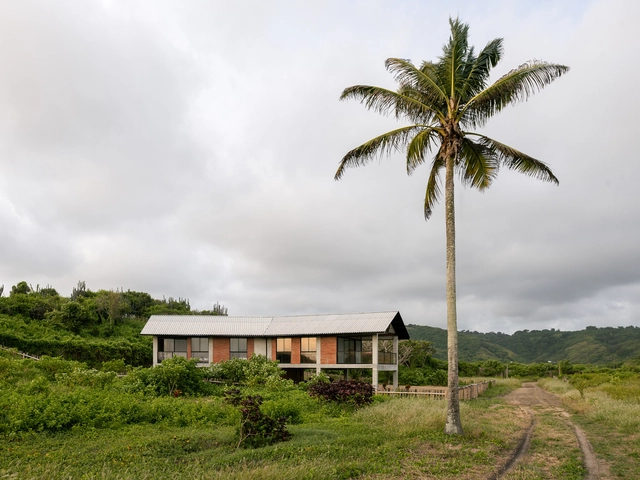
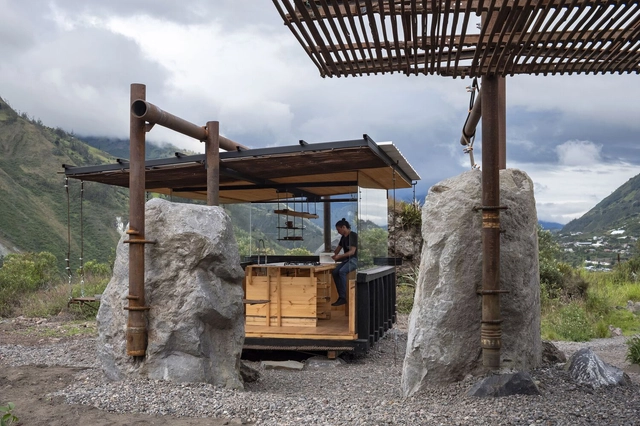
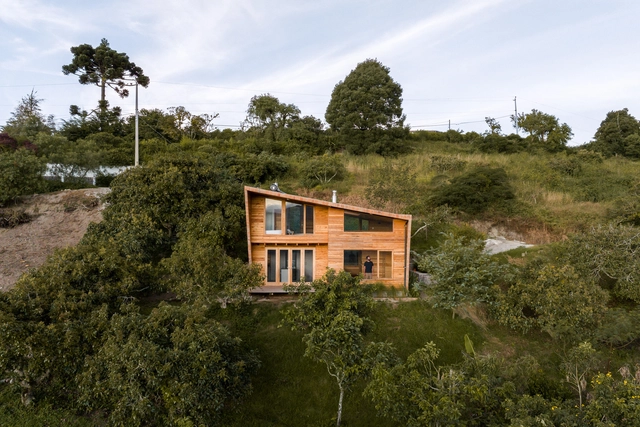
Ecuador's territory embraces a remarkable diversity of landscapes, ranging from the Pacific Coast to the peaks of the Andes, the vast expanse of the Amazon rainforest, and the volcanic Galápagos Islands. Each region of the country presents its own distinctive characteristics, reflected in its varied environmental, cultural, and social contexts. While Latin American architecture is rooted in rich ancestral traditions, native construction techniques, and local materials, contemporary Ecuadorian architecture expresses an evolving identity that blends these elements with actual demands. Tradition and innovation, local resources and modern techniques, along with social responsibility and aesthetics, interact with the natural environment, urban conditions, and social contexts.
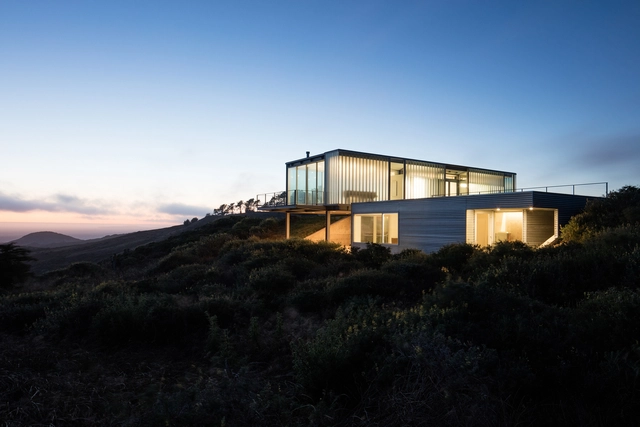
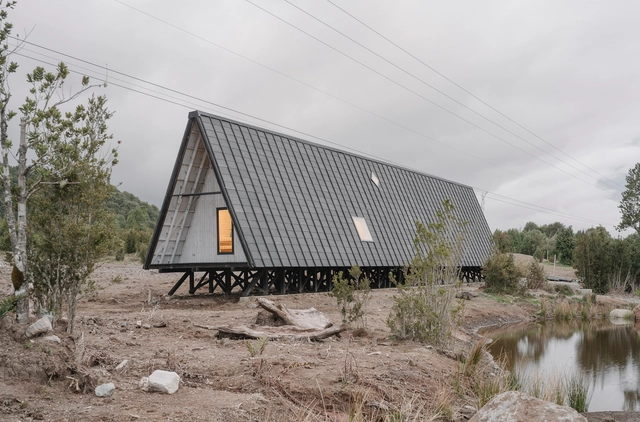
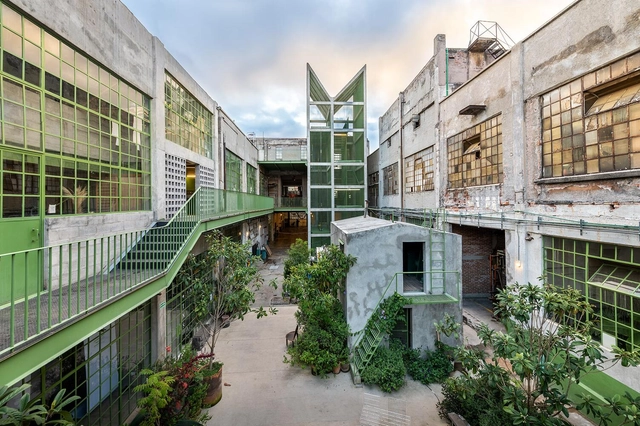
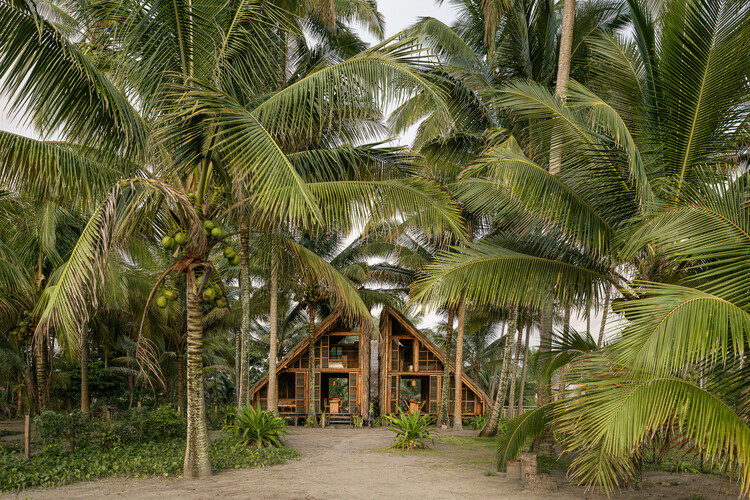
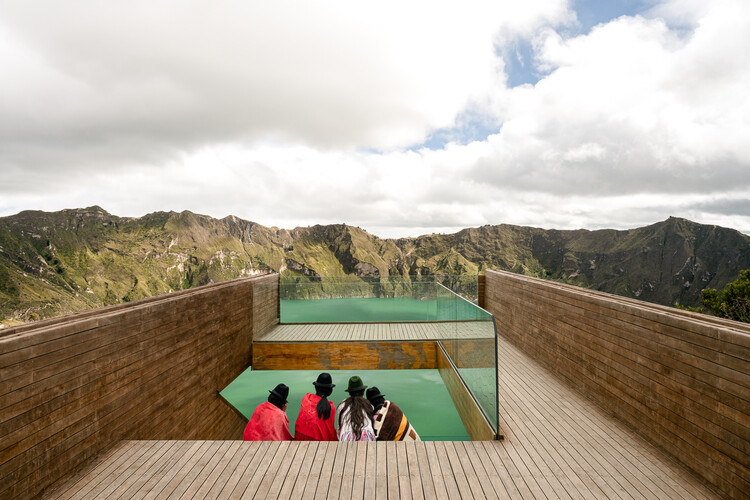
Between 2023 and 2024, photographers Francesco Russo and Luca Piffaretti documented architecture and landscapes across Ecuador's coast, the Andes Mountains, the Amazon rainforest, the Galápagos Islands, and cities such as Quito, Guayaquil, and Cuenca. The photographic documentation explores Ecuador's evolving identity through its contemporary architecture, examining how it engages with natural surroundings, urban conditions, and social contexts. The resulting archive includes more than 40 projects by renowned local practices such as Al Borde, Durán & Hermida, Emilio López, José María Sáez, La Cabina de la Curiosidad, MCM+A, Natura Futura, and RAMA Estudio, among many others. The selection demonstrates how architecture can create high-quality spaces that respond to contemporary demands for sustainability and environmental responsibility by combining creativity and technology with renewable resources, despite ongoing economic, climatic, and political challenges in Latin America and beyond.
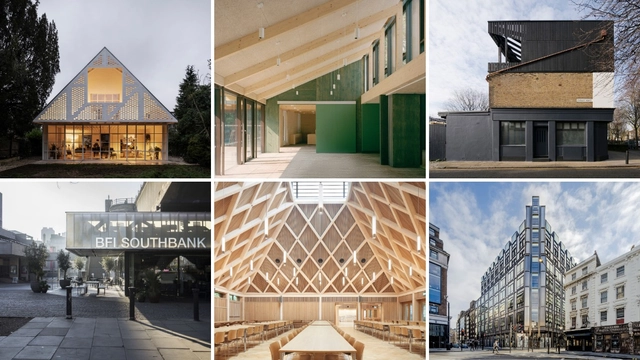
The Royal Institute of British Architects (RIBA) has announced the winning projects for the 2022 RIBA London architecture awards. The list of 42 buildings includes projects ranging from a sustainable council housing development to a cookery school for children, showcasing the best architectural interventions in London over the past two years. The projects were selected by a regional jury, who visited all 66 shortlisted projects. RIBA London Award winners will now be considered for a highly-coveted RIBA National Awardin recognition of their architectural excellence, which will be announced in June.
To celebrate World Photography Day, we've gathered a list of 10 BIPOC architectural photographers from around the world who are worth knowing - and following on Instagram.
The following names have also been recognized in two open lists that are constantly being updated in order to promote diversity in the photography industry: Diversify Photo and BIPOC STUDIOS. The idea behind these platforms is to allow Architects, Designers, Creative Directors, and art consumers in general, to discover photographers that identify themselves as Black, Indigenous, People of Color, available for assignments and commissions.
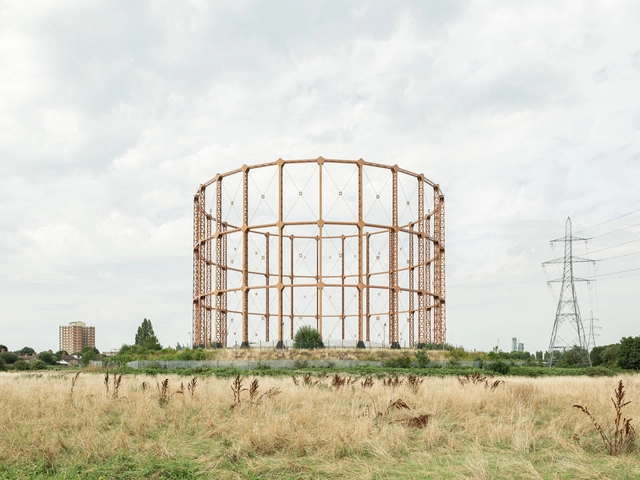
As remnants of the Industrial Age, the London gas holders are a fascinating presence across the urban landscape, one which is on the verge of disappearing. The photographic essay Ruin or Rust portrays the uncanny structures as the backdrop of everyday life, capturing their relationship to the urban context. The result of a two-year-long endeavor, this personal project of London-based photographer Francesco Russo frames the dialogue between these elements of the cityscape and the life going on around them, investigating their role in contemporary society and the urban fabric.
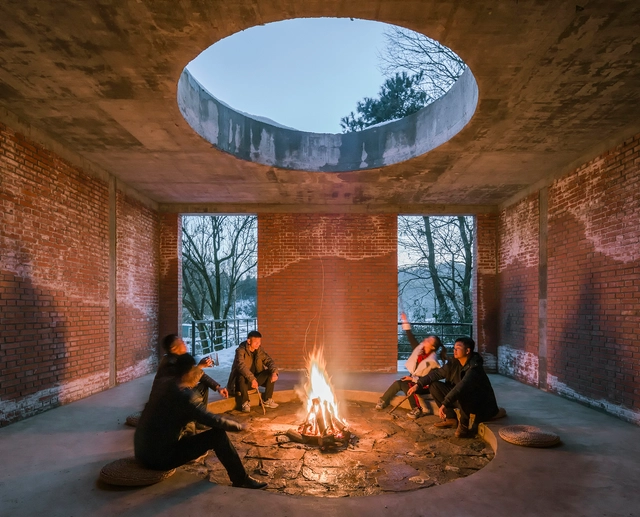
From the beginning of time, human beings have gathered around the fire. The first settlements and huts included in their interior a small bonfire to cook and maintain the heat of its inhabitants. This tradition has continued to the present, and chimneys and fireplaces have developed into the most varied designs and forms, providing possibilities both inside and outside a home.
To give you ideas for materials, structures, and spatial configurations, we present 35 remarkable meeting places around the fire.
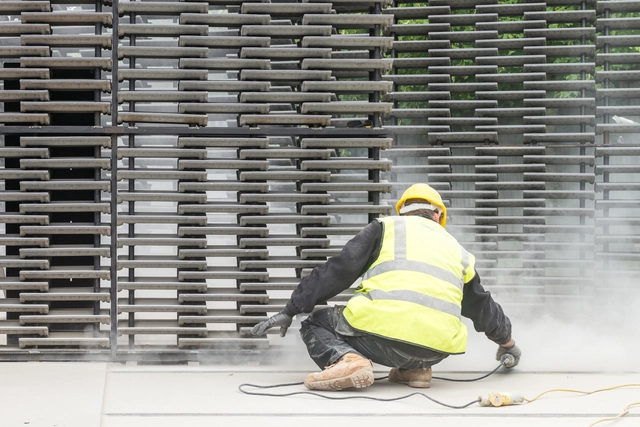
With an interplay of light and water, the pavilion seeks to evoke the sensation of the domestic architecture of Mexico, from where Escobedo hails. The stacked cement tiled visible in the photographs form a "celosia," a type of permeable wall common in Mexico.


















a.jpg?1608580907&format=webp&width=230&height=230&crop=true)

.jpg?1608580975&format=webp&width=230&height=230&crop=true)