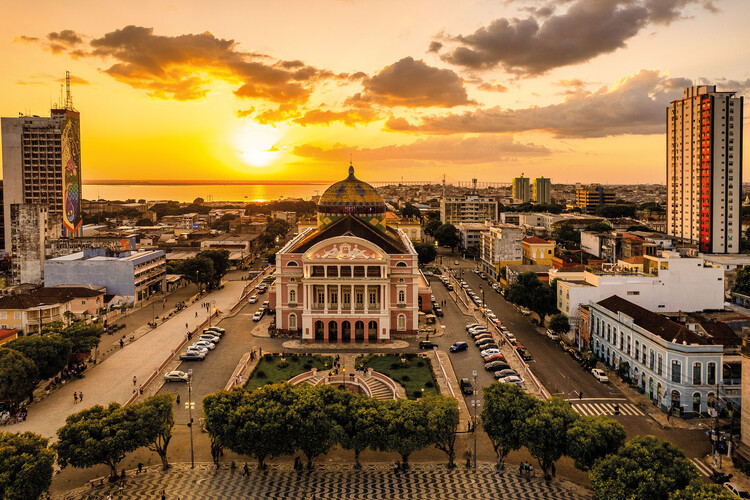
Architecture in Brazil this month highlights the country's diverse approaches to cultural production, heritage, and the transformation of its built environment. From the curatorial formation of the 15th São Paulo International Architecture Biennial to the recognition of Amazonia Theaters on the UNESCO World Heritage List, recent developments bring questions of representation, preservation, and cultural identity into focus. New projects in Rio de Janeiro, São Paulo, and Rondônia meanwhile explore adaptive reuse, relationships between architecture and landscape, and new approaches to materiality and sustainability. Alongside these developments, ongoing discussions surrounding Fordlândia and the archive of Lucio Costa revisit how Brazil's architectural heritage is preserved, interpreted, and understood today.
On November 21, 2025, the closing day of the 30th edition of the Conference of the Parties (COP) took place, the yearly gathering of United Nations member states to negotiate international climate agreements and assess global progress toward emissions reduction. This year, the event was held in Belém, Brazil, a port city of fewer than 1.5 million people, widely known as a gateway to Brazil's lower Amazon region. First convened in 1992, UN Climate Change Conferences (or COPs) are an international multilateral decision-making forum on climate change involving 198 "Parties" (197 countries, nearly all of them, depending on definitions of country, and the European Union). Their purpose is to assess global efforts toward the central Paris Agreement aim of limiting global warming to as close as possible to 1.5 °C above pre-industrial levels. The event brings together leaders and negotiators from member states, business figures, young people, climate scientists, Indigenous Peoples, and civil society around issues considered essential to that climate goal. This year, COP30 was marked by strong criticism of its ties to the fossil fuel industry, descriptions of agreements as fragile and insubstantial, and the struggle to move climate finance "from pledge to lifeline."
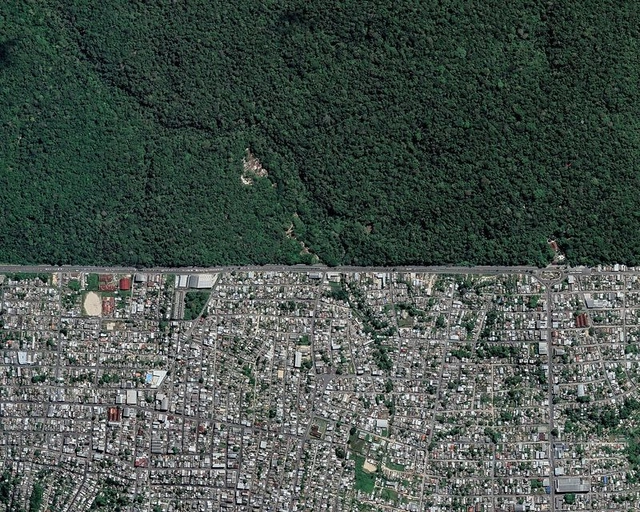
Google Earth and Maxar Technologies, organized by Adriano Liziero (@geopanoramas)
The world has its eyes on the Amazon. Geographical data about this vast territory, spanning 6.74 million square kilometers across eight countries in Latin America, is constantly featured in national and international media. Headlines often highlight its sheer magnitude as the largest tropical rainforest in the world, home to 10% of the planet's biodiversity, and responsible for 15% of the Earth's freshwater. However, little attention is paid to what transpires beneath its canopy, on the ground where people live.
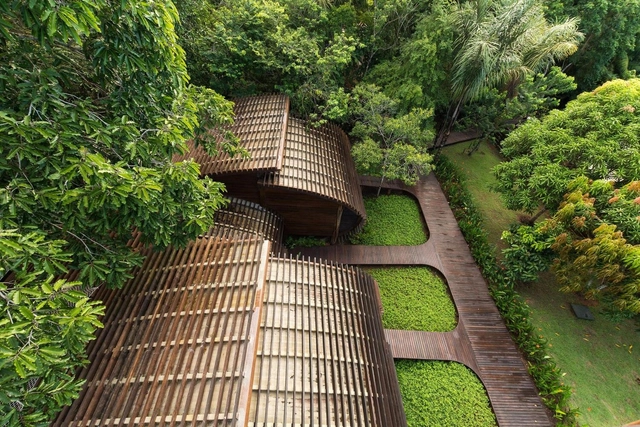
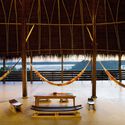
Mirante do Gavião Amazon Lodge / Atelier O'Reilly. Photo: Jean Dallazem
The architecture of indigenous peoples is deeply rooted in their surroundings, in the sense that materials are locally sourced and empirically tested, to discover the construction techniques and dwellings that best respond to the values of the community and their understanding of housing. The situation in the Amazon is no different. Many different groups of people have settled on the land and water, developing many unique building skills that attract a lot of architects working in these regions. As a result, there is an exchange of knowledge, combining native cultures and novel architecture.
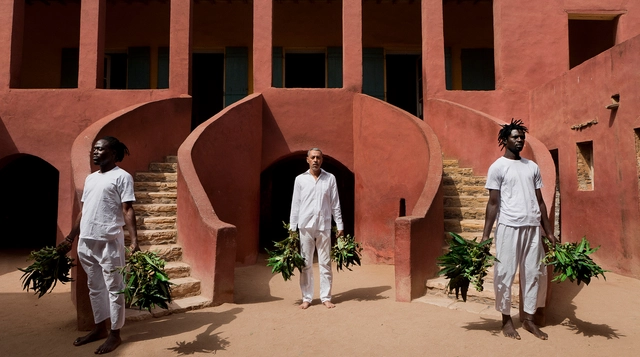
Ayrson Heráclito, "O Sacudimento da Casa da Torre e o Sacudimento da Maison des Esclaves em Gorée", 2015, video installation. courtesy of the artist
Questioning the canonical history of architecture and shedding light on long-invisible spatial practices, Gabriela de Matos and Paulo Tavares propose the exhibition “Terra” [Earth], at the Brazilian pavilion at the Venice Architecture Biennale 2023. "It's our way of shaking things up," say the curators, who turn their attention to ancestral ways of dealing with the land, aiming for more fair and complete possibilities for the present and future.
Addressing "earth" in all its meanings, the curators overlay issues related to soil and territory with the planetary problems. They propose an approach to reparations and decoloniality - emerging in Brazil - with broad topics such as decarbonization and the environment, decisive in the contemporary global debate. The Brazilian Pavilion titled Terra [Earth], won the Golden Lion for Best National Participation at the 2023 Venice Architecture Biennale, on Saturday 20th of May, selected by a jury comprising Italian architect and curator Ippolito Pestellini Laparelli as president, Nora Akawi, Thelma Golden, Tau Tavengwa, and Izabela Wieczorek.
https://www.archdaily.com/1001311/earth-as-ancestral-and-future-technology-an-interview-with-gabriela-de-matos-and-paulo-tavares-curators-of-the-brazil-pavilion-and-winners-of-the-golden-lion-at-the-2023-venice-biennaleRomullo Baratto e Victor Delaqua
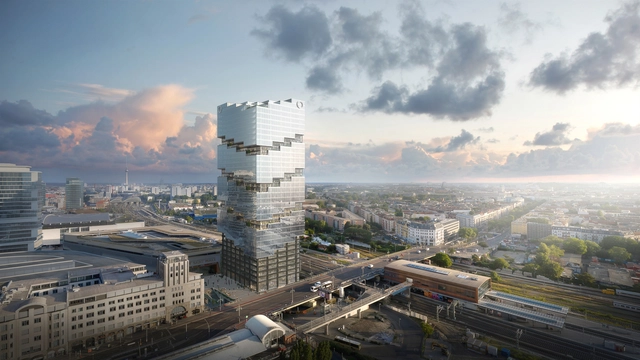
The third tallest building in Berlin, a 142 meters high-rise by Bjarke Ingels Group (BIG), is expected to be completed by 2023. Located close to the Warschauer station and the Mercedes-Benz Arena, The EDGE East Side will be a vertical hub of 65,000 square meters that connects two of Berlin's most vibrant and artistic suburbs: Friedrichshain and Kreuzberg.
Blending contemporary urban requirements and natural elements, the structure will feature 360 views of East Berlin and 36 floors of shared and dedicated workplaces. Some building sections will serve organizations or individuals focusing primarily on sustainability, education, or social issues. The tower will also host Amazon's offices, with room for up to 3400 employees.
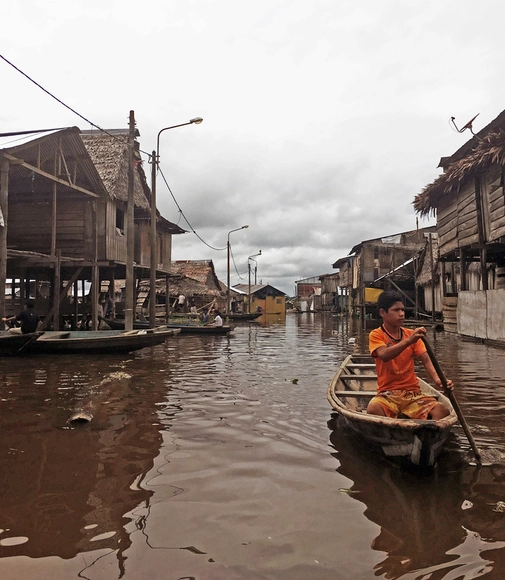
Convivir en la Amazonía en el Siglo XXI: Guía de Planificación y Diseño Urbano para las ciudades en la selva baja peruana. Image Cortesía de Belen Desmaison
Addressing the universe of the world's largest tropical forest, the book 'Living in the Amazon in the 21st Century: A Guide to Urban Planning and Design for Cities in the Peruvian lowland rainforest', has been selected as a finalist in the category of publications at the 12th Ibero-American Biennial of Architecture and Urbanism. The issue, published in 2019 as part of the PUCP Architecture Publications, in the framework of the CASA (Self-Sustainable Amazonian Cities) project of the Climate Resilient Cities initiative of IDRC, FFLA and CDKN, focuses its research on the department of Loreto, presenting itself as "a guide for architecture and urban design, for settlements in the Amazon forest, including the social processes to be considered".
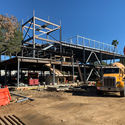
California Institute of Technology Quantum Laboratory. Image Courtesy of Brooks + Scarpa
Architecture and design practice Brooks + Scarpa have created a new 25,000 square foot research and development facility under construction in Pasadena, California. The project is designed for scientists and engineers seeking to develop future quantum technologies. In turn, the experimental and theoretical quantum science and technology lab will be an incubator in the emerging field of quantum engineering and quantum computing.
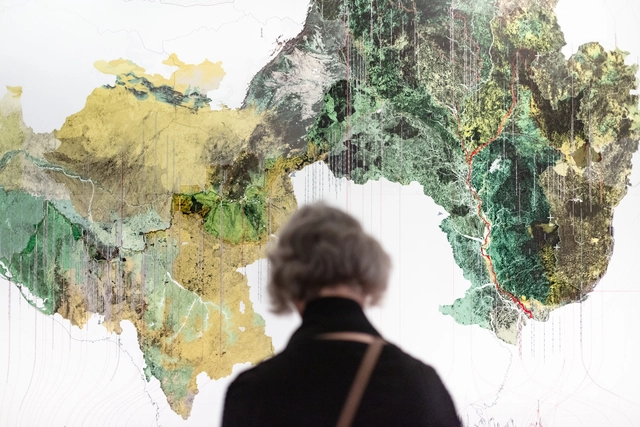
The cartographies reveal different facets of Brazil and examine the nature of the visible and invisible walls that define the country. They were produced by the exhibition’s curators Gabriel Kozlowski, Sol Camacho, Laura González Fierro and Marcelo MaiaRosa in collaboration with 200 professionals from 10 different disciplines
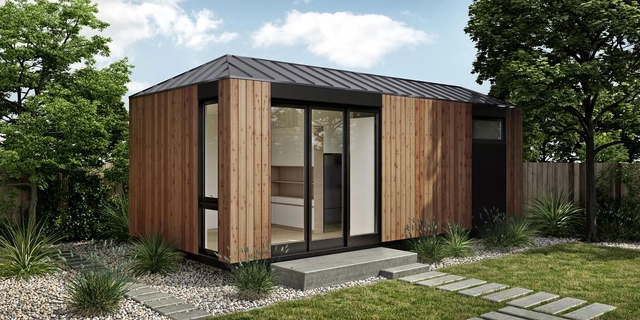
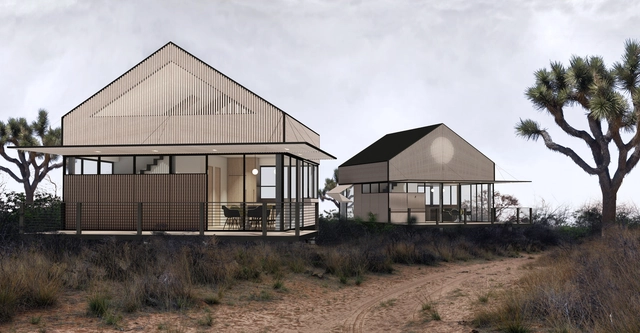
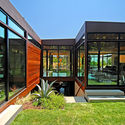
Prefabricated design and manufacturing company Plant Prefab has announced their new lightHouse line, a set of accessory dwelling units (ADUs) available in multiple sizes. Working with designers Alchemy Architects, the LivingHomes concept joins a roster of work with partners that include KieranTimberlake, Koto Design and Brooks + Scarpa. With a size ranging from 310 square feet to 600, the newest line was inspired by Alchemy’s previous work on small-space living.
NAMA, Revista Amazônia Moderna and UFAM hold the exhibition L'Amazonie en construction: l'architecture des fleuves volants, from July 19 to August 3 at the Maison du Brésil in Paris, in commemoration of the 60th anniversary of this iconic building designed by Le Corbusier. This is the first time that the Brazilian Amazon will be exhibited in Europe from an architectural point of view. Admission is free.
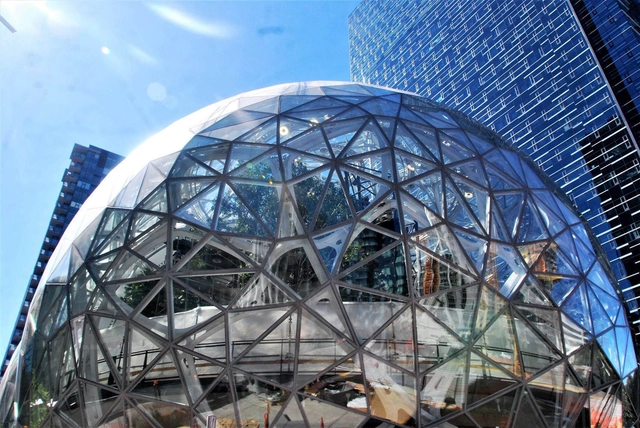
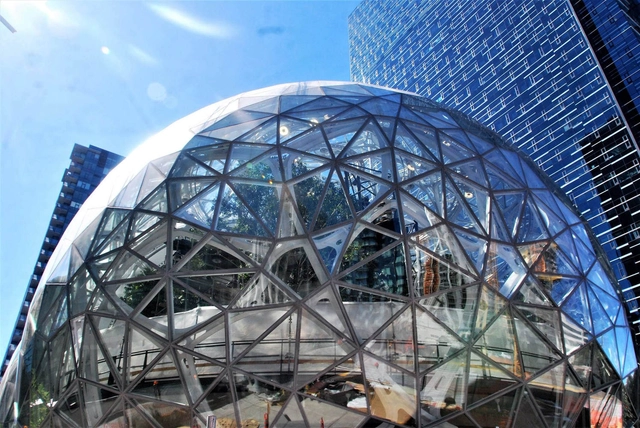
Amazon has selected New York City and Arlington for it's next headquarters, set to become two of the biggest economic development projects in the United States. Instead of choosing one site, Amazon will spread over $5 billion in construction and investments across the two locations. The tech giant will house at least 25,000 employees in each city, and could receive more than $2 billion in tax incentives. The new announcement ends a 14-month competition among cities across the country.
LivingHomes YB1. Image Courtesy of Yves Béhar, Plant Prefab
Swiss Designer Yves Béhar has partnered with Plant Prefab to create LivingHome YB1, a series of Accessory Dwelling Units to be unveiled at the Summit festival in Los Angeles. Designed to address California’s legislation, the ADU aims to encourage increased urban density while limiting the environmental impact of new construction. LivingHomes YB1 is the first in a line of structures made to rethink prefab and increase accessibility, livability, and sustainability.
As the tech giant's first move into prefab construction, Amazon has invested in home-building start-up Plant PreFab. Known for smart home technology and sustainable construction, Plant PreFab is based in Rialto, California and is set to become the latest addition in Amazon's Alexa-integrated homes. As CNBC reports, Amazon's Alexa Fund invested in Plant PreFab for their prefabricated single and multifamily houses and their plan to use automation to build homes faster at lower costs.
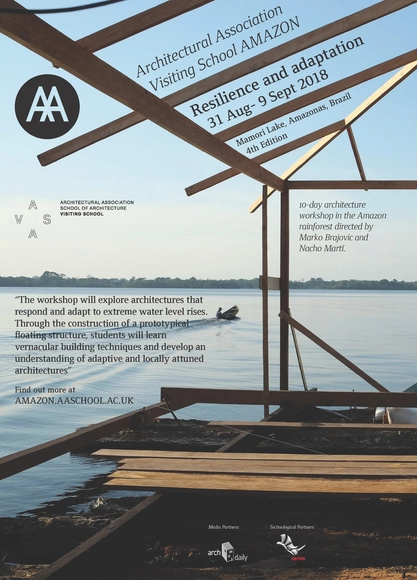
The Architectural Association Visiting School Amazon is organising for the fourth consecutive year a workshop in the Brazilian Amazon rainforest open to design and architecture students and professionals in which an experimental floating structure will be designed and constructed in collaboration with Atelier Marko Brajovic and Ecofloat.
Amazon’s open call for bids for its new headquarters, HQ2, closed last month, but in the months leading up to the final decision in 2018, analysts will continue to flood the internet with detailed studies evaluating who they believe should be the winner. In other words, the mirror-mirror-on-the-wall game for cities is just starting to warm up.
Earlier, ArchDailyreported on the data-driven approach adopted by Moody’s Analytics which projected Austin, TX as the winner. But another study by IT education company Thinkful now points towards Washington DC as the city most likely to make the cut. So what makes Washington DC the fairest of them all? Read on to see how data science techniques helped analysts at Thinkful with this prediction, what kind of approach they adopted, and how it differed from that of Moody’s Analytics.
https://www.archdaily.com/882976/amazon-hq2-study-by-data-science-experts-names-washington-dc-as-ideal-host-cityZoya Gul Hasan
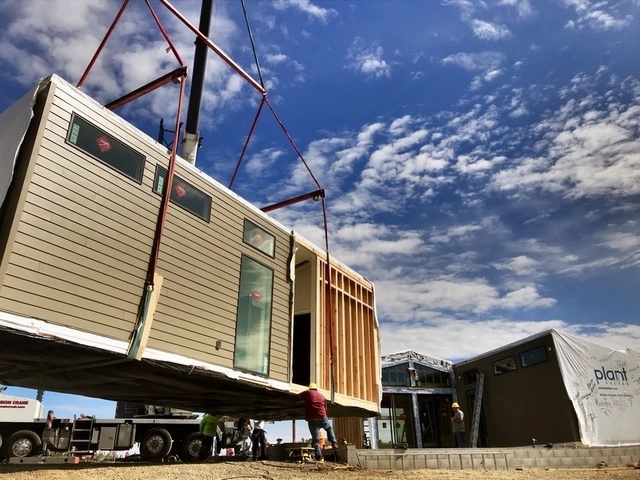
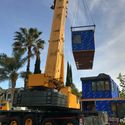
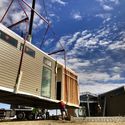
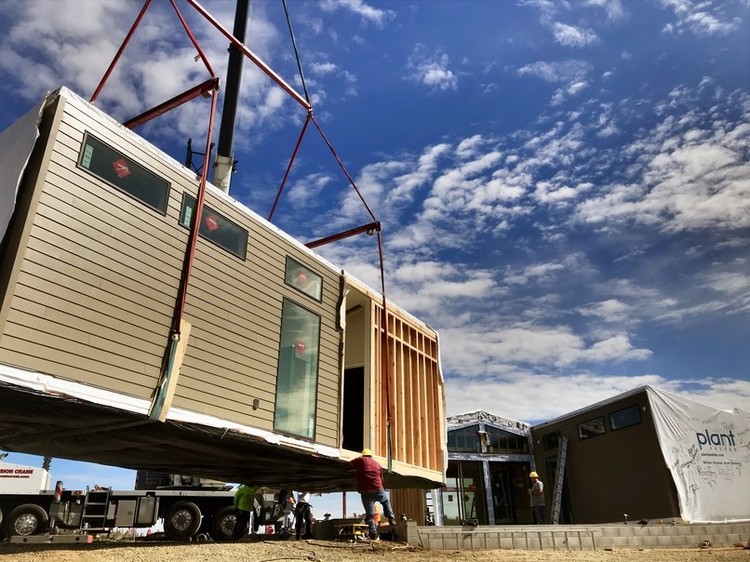
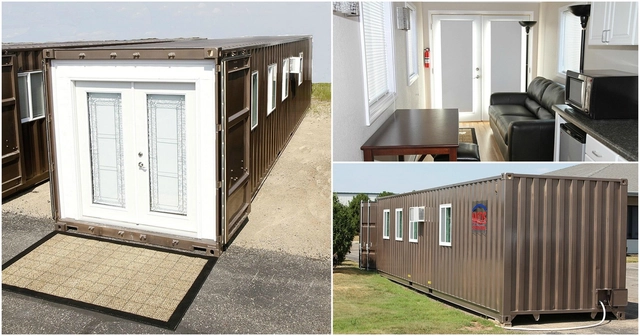
The conversion of shipping containers to living spaces is not a new concept—but being able to purchase them online and have them delivered by e-commerce giant Amazon is. Deliveries by the Seattle-based (and seemingly endlessly expanding) company are becoming a staple for most American households: dogs have never barked so much at the postman, porches have never been so littered with empty boxes, and never before has almost every product on the market been available from one place without even having to leave the house.
In spite of this consumer revolution, homes on demand constitutes new territory for the platform. So what does it look like when an entire house is delivered on the back of a truck?
The bidding process for HQ2, Amazon's second headquarters in North America, reached a crescendo last week as the submission deadline drew close. While 238 American cities scrambled to submit proposals and run campaigns in the hope to woo Amazon—or as Slate witheringly described the process, "The Bachelor: Corporate America Edition"—the internet abounded with all sorts of discussions on the project. Does our city have what it takes to house the second headquarters? How would HQ2 affect the selected city? Why are smaller cities submitting proposals when they clearly don’t meet the criteria? Can we predict which cities are more likely to make the cut?
https://www.archdaily.com/882078/the-top-10-predicted-cities-for-amazons-hq2-and-why-hq2-will-be-a-major-urban-catalyst-for-the-winnerZoya Gul Hasan