1. ArchDaily
  2. Latin American Architecture
Latin American Architecture: The Latest Architecture and News

Highlights from BAL 2025: Latin American Architecture Biennial

Subscriber Access | 

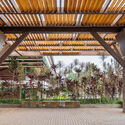
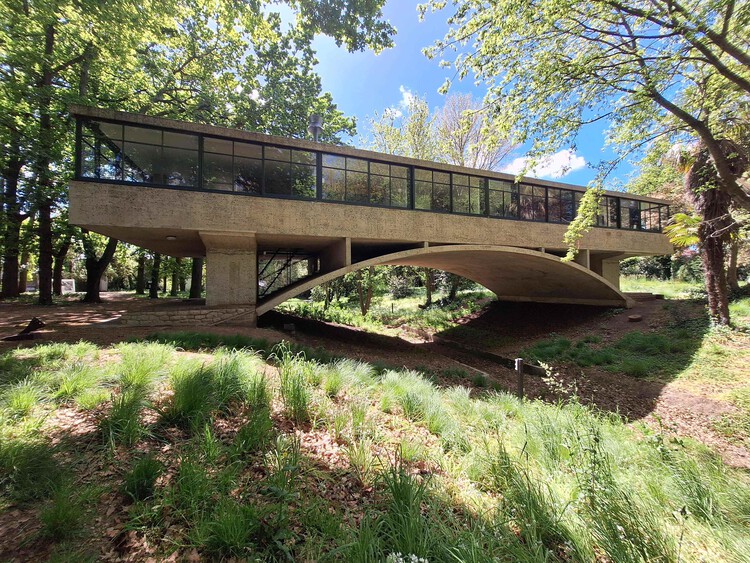
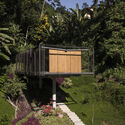
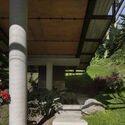
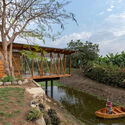
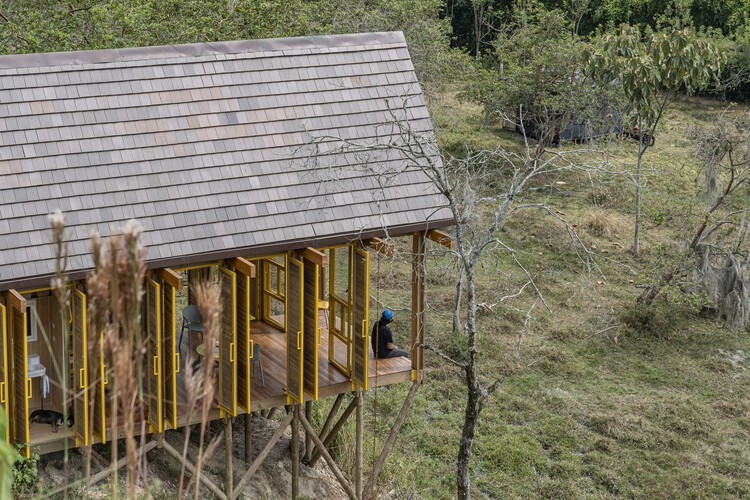
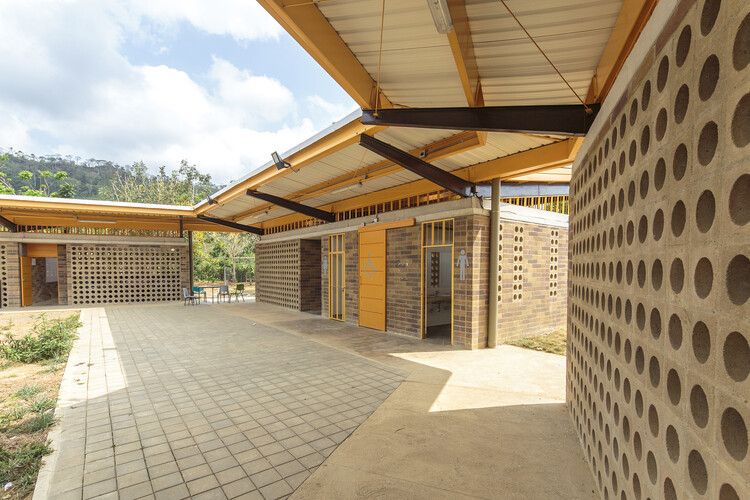
Held in Pamplona from the 23rd to the 26th of September, the 2025 Latin American Architecture Biennial (BAL) brought together emerging studios and established voices from across the continent. This year’s edition stood out for the diversity and depth of its participants: projects of striking formal and conceptual richness, developed by young yet remarkably mature offices. Together, they reflected the vitality of today’s Latin American architecture — thoughtful, inventive, and deeply aware of its context.

Highlights from BAL 2025: Latin American Architecture Biennial - Imagen 1 de 4Highlights from BAL 2025: Latin American Architecture Biennial - Imagen 2 de 4Highlights from BAL 2025: Latin American Architecture Biennial - Featured ImageHighlights from BAL 2025: Latin American Architecture Biennial - Imagen 3 de 4Highlights from BAL 2025: Latin American Architecture Biennial - More Images+ 30

UMWELT and Plan Común to Transform Partially Demolished Housing Block Into a Museum in Villa San Luis, Chile

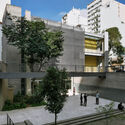
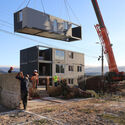
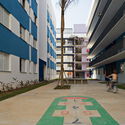
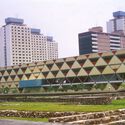
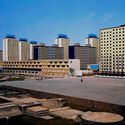
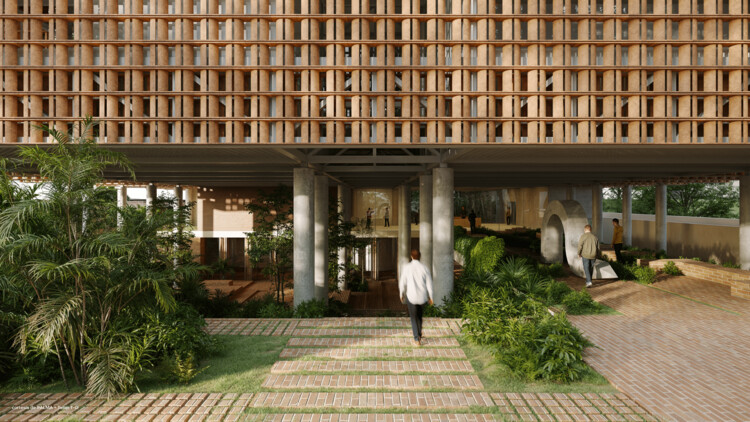
The residential project Villa San Luis, originally named Villa Compañero Ministro Carlos Cortés, was built between 1971 and 1972 on land that today lies in one of the highest-income areas of Santiago, Chile. Initially designed as an urban center for 60,000 middle-income residents, with staggered buildings and a civic center covering 3.4 of its 50 hectares, the project was redefined in the 1970s to accommodate the unhoused population in the eastern sector of the Chilean capital. The process was not without conflict. During the dictatorship, the new residents of the complex were evicted, and the land was acquired by the military. From then on, the complex entered a process of reappropriation and resignification that now appears to be reaching a new milestone: the conversion of one of its buildings into a memorial site and museum, through a project by UMWELT and Plan Común.

UMWELT and Plan Común to Transform Partially Demolished Housing Block Into a Museum in Villa San Luis, Chile - Imagem 1 de 4UMWELT and Plan Común to Transform Partially Demolished Housing Block Into a Museum in Villa San Luis, Chile - Imagem 2 de 4UMWELT and Plan Común to Transform Partially Demolished Housing Block Into a Museum in Villa San Luis, Chile - Imagem 3 de 4UMWELT and Plan Común to Transform Partially Demolished Housing Block Into a Museum in Villa San Luis, Chile - Imagem 4 de 4UMWELT and Plan Común to Transform Partially Demolished Housing Block Into a Museum in Villa San Luis, Chile - More Images+ 5

Representatives of Latin American Art and Architecture Gather at the No-Biennial in Ecuador

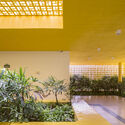
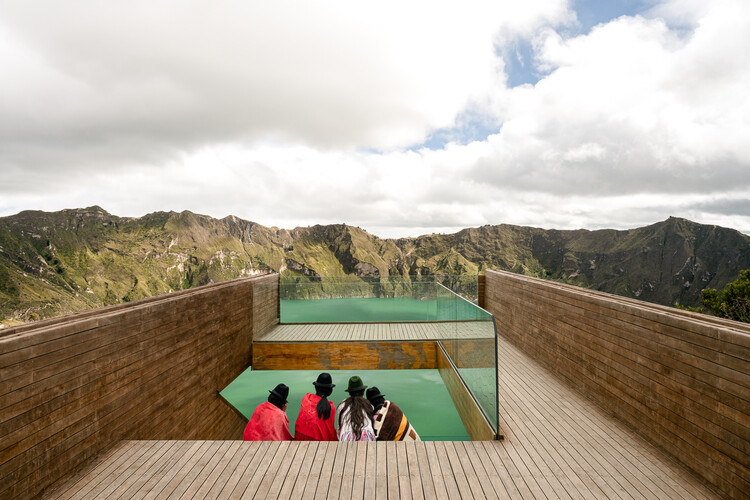
Happening throughout 8 days across 12 cities from north to south of Ecuador, the "no-bienal" biennale is holding its second edition from March 25 to April 1, 2025. Its unique name is devised to stand in opposition to the competitive structure that characterizes traditional biennials in the discipline. One of the objectives of this new edition is to demonstrate that there is unity in Ecuador, resisting the political strategies of division. Escuela Radical, the educational collective at the center of the event's organization, asserts that "it is not about centralization or decentralization, but simply about sharing without competing."

Representatives of Latin American Art and Architecture Gather at the No-Biennial in Ecuador - Image 1 of 4Representatives of Latin American Art and Architecture Gather at the No-Biennial in Ecuador - Image 2 of 4Representatives of Latin American Art and Architecture Gather at the No-Biennial in Ecuador - Image 3 of 4Representatives of Latin American Art and Architecture Gather at the No-Biennial in Ecuador - Image 5 of 4Representatives of Latin American Art and Architecture Gather at the No-Biennial in Ecuador - More Images+ 3

Uruguay’s Pavilion at the 2025 Venice Biennale Highlights Water Management as Essential to the Future of Architecture

The national exhibition of Uruguay at the 2025 Venice Architecture Biennale, titled "53.86% Uruguay, Land of Water," explores the intrinsic relationship between architecture, territory, and water. Curated by architects Katia Sei Fong and Ken Sei Fong, along with visual artist Luis Sei Fong, the exhibition proposes that we may be entering the age of water, the "Hydrocene", and that the way humanity manages and conserves this resource will shape its future. In this context, the project highlights that Uruguay's maritime territory (53.86%) is larger than its land territory. Water, therefore, is not only a natural resource but a fundamental element of the country's history and culture, essential to its development.