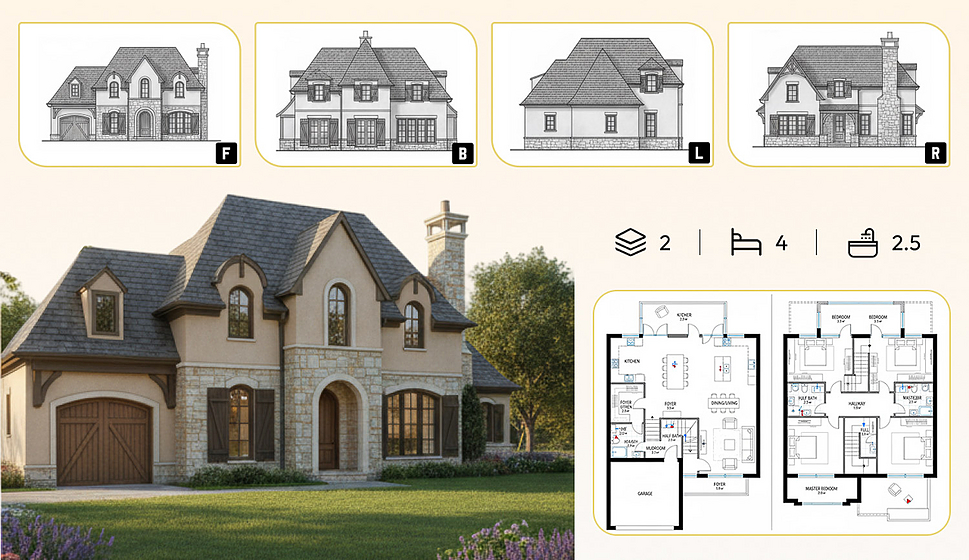
This guide covers a workflow that moves from project parameters to generated floor plans, 3D perspective views, exterior design exploration, and site context visualization, using AI tools in place of preliminary CAD and rendering work.
This guide covers a workflow that moves from project parameters to generated floor plans, 3D perspective views, exterior design exploration, and site context visualization, using AI tools in place of preliminary CAD and rendering work.
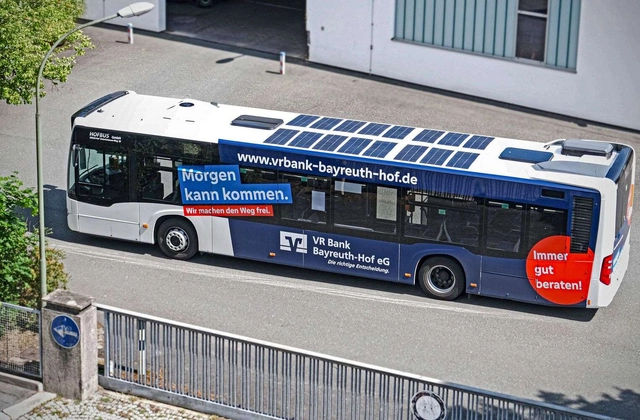
The German company Sono Motors became world-famous for developing the Sion, an electric car powered by solar energy. However, due to a lack of funding to support pre-series production, the project was terminated in February of this year, and the company’s focus is now on adapting and integrating its patented solar technology into third-party vehicles.
This business setback could be good news for the environment, since instead of focusing on individual vehicles, the business model has been restructured to serve a wide range of vehicles, including buses, trucks, and refrigerated vehicles.
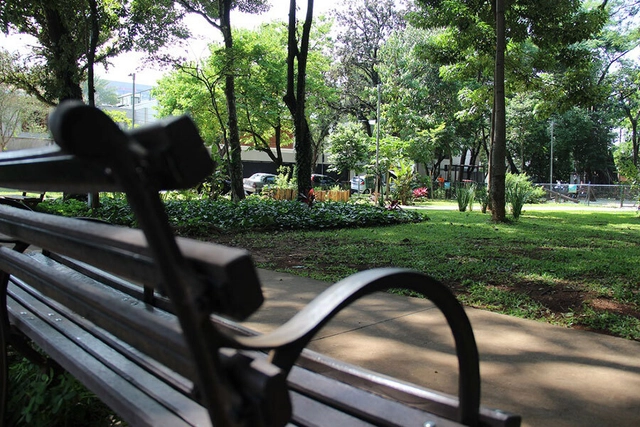
One of the things that catches my attention most when I visit major cities in other countries, whether they are European capitals or our neighbors here in South America, is how people occupy public spaces.
And I don't just mean parks or squares. Whether in Buenos Aires, Santiago, Paris, or Amsterdam, for instance, at least on sunny days, almost any patch of grass is occupied by people—children running and playing, friends having picnics, young people reading stretched out in the sun.
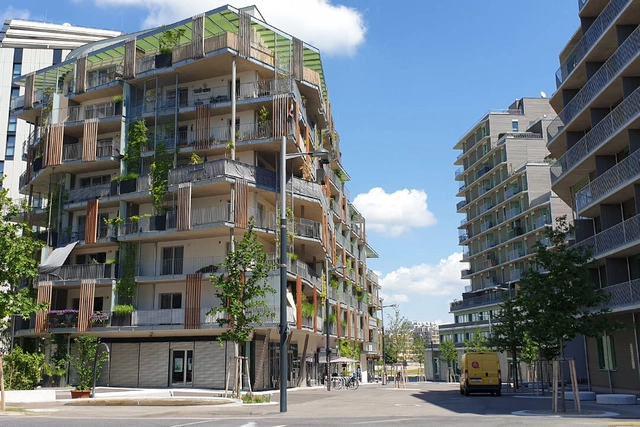
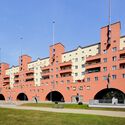
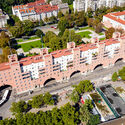
The city of Vienna has a highly praised housing policy. While it certainly has many merits, it is not necessarily perfect. In fact, Vienna's housing policy has taken a different path than other European cities, sparking interest among those who study the subject. In this episode of the Housing Voice podcast, produced by UCLA, Justin Kadi presents several features that make the Austrian capital a unique case. The episode also provides a series of academic articles for anyone wishing to delve deeper into the subject.
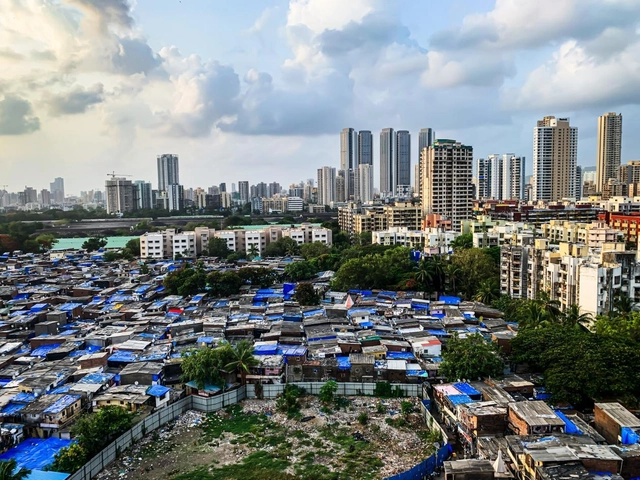
The current summer in the Northern Hemisphere has been so hot, with temperatures reaching record highs—including in the sea—that discussions are already revolving around the limits of human survival. Even in Antarctica, sea ice has failed to reform, a drastic departure from normal winter patterns. It is not just an impression that extreme heat events are occurring more frequently. As a result of climate change, the frequency of these events has increased—and is expected to worsen.
In fact, in most years, heat is the most lethal weather phenomenon, killing an average of 490,000 people worldwide and causing serious health problems for many others. According to the World Health Organization, heat-related deaths are projected to increase by 50% by 2050. However, this impact is not distributed equally, either globally or within communities: populations already living in more vulnerable conditions face the greatest risks.
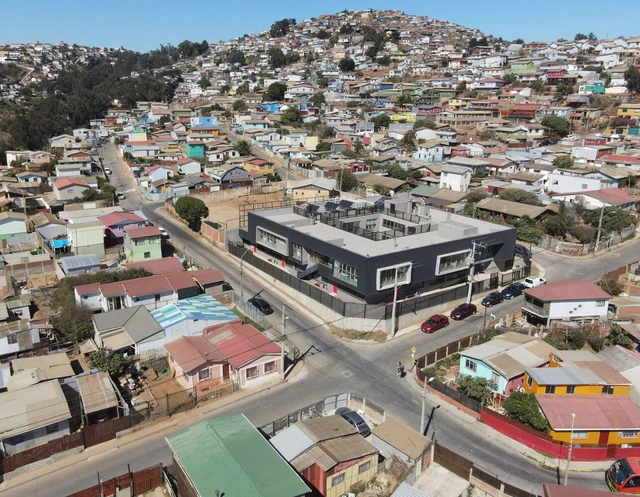
While Chile is recognized as having one of the best education systems in Latin America, it also maintains a dual public and private system where disparities can often be significant. To address this issue, the Ministry of Education (MINEDUC) launched the Educational Reactivation Plan, which aims to allocate 100 billion Chilean pesos to preserve the infrastructure of public educational facilities.

In the design of open spaces, I consider one of the most important concepts—and one of the most difficult to explain—to be the shaping of “positive” open spaces. As far as I have been able to establish, this term was coined by Alexander et al. (1977) in A Pattern Language and continues to be used by other authors (see, for example, CARMONA et al., 2003), although it is not a widely adopted term.
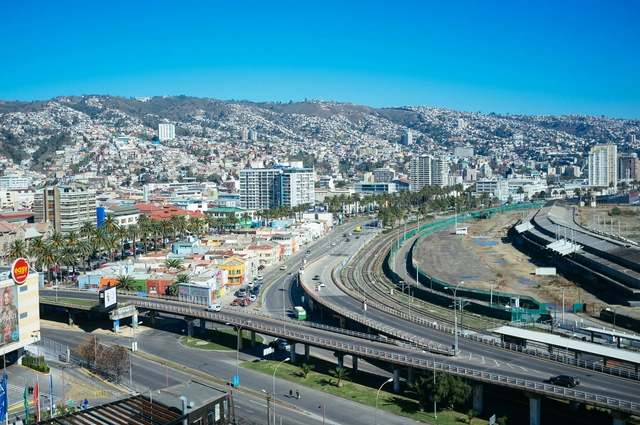
Several new projects have been introduced this year that bring significant changes to transit options for Chile's residents. These include the addition of the new Santiago Metro Lines and a new preliminary cable car project designed to connect Valparaíso with Placilla de Peñuelas.
![Paola Masera + Campos Studio and [H] Arquitectos, among the winners of the Region V / FCARM 2023 Architecture Biennial - Featured Image](https://snoopy.archdaily.com/images/archdaily/media/images/64ef/815f/5286/7b4f/7ea0/5523/slideshow/ganadores-de-la-ii-bienal-de-arquitectura-de-la-region-v-de-la-federacion-de-colegios-de-arquitectos-de-la-republica-mexicana-ac_2.jpg?1693417830&format=webp&width=640&height=580)
The Region V association of the Federation of Architects of the Mexican Republic (FCARM) issued a call for entries for the "Second Biennial: Living Architecture." The event aims to identify, recognize, and promote the best architectural works, publications, research, and theses by architects from Region V, which comprises the states of Baja California Sur, Nayarit, Jalisco, Sinaloa, and Colima.
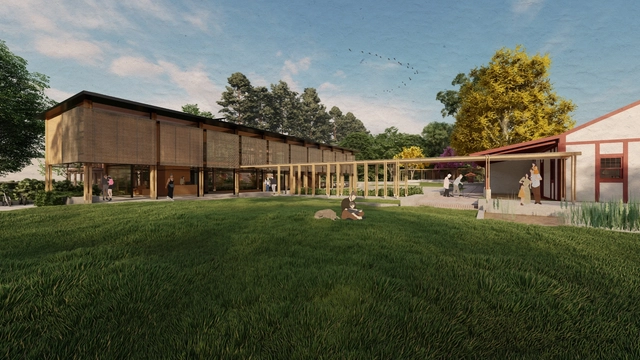
The firm Solss Arquitetura was awarded first place in the national competition Iconicidades, organized by the State Government of Rio Grande do Sul and launched in April this year. The initiative sought to select the best proposals for transforming public spaces into hubs that foster the creative economy in the cities of Pelotas, Rio Grande, Santa Maria, Cachoeirinha, and São Leopoldo.
The firm won the competition in São Leopoldo, which aimed to choose the best revitalization project for the Casa da Feitoria and the Immigrant Museum, preparing the site for the bicentennial celebrations of German immigration in Brazil. Discover the project below:
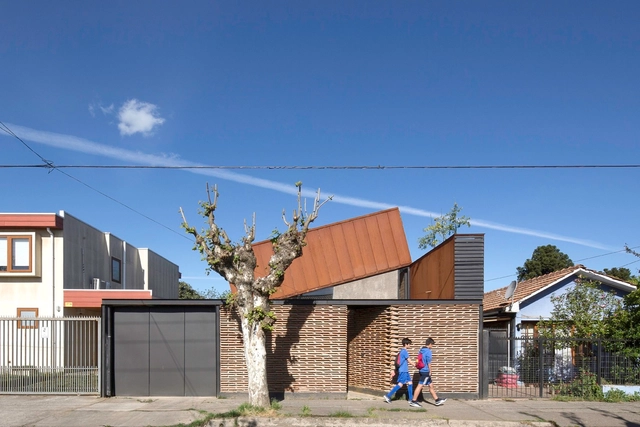
In August, the Colegio de Arquitectos de Chile celebrated its 81st anniversary at its National Headquarters in Santiago. To mark this anniversary, the 2023 CA Awards ceremony was held.

Tokyo is a chaotic city, in the sense that it did not develop from city-wide coordinated urban planning. By the 18th century, it already had around 1 million inhabitants, with most of the population living in conditions similar to modern Brazilian favelas. Tokyo's dense suburbs resemble Brazilian peripheries, with low-rise but closely packed buildings on narrow plots and a wide variety of uses. Furthermore, Tokyo features a multiplicity of architectural typologies, different modes of transportation sharing the same space, and—not unlike Brazilian cities—billboards and exposed overhead wires clashing with the urban landscape.
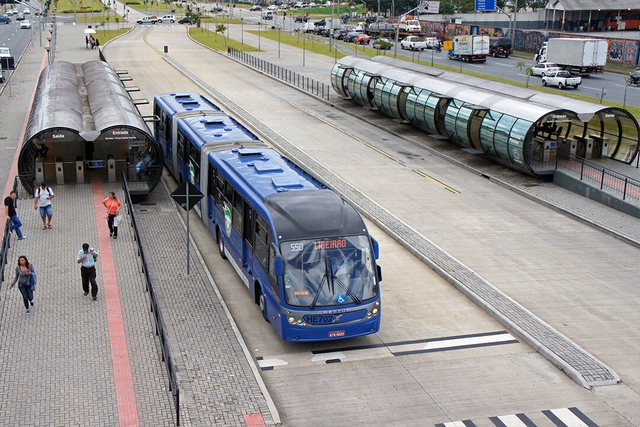
The most famous critique of the disproportionate amount of space occupied by automobiles is represented by a poster from the city of Münster, which compares the space taken up by 60 cars, one bus, and 72 bicycles (all carrying 72 people). The image clearly demonstrates that the space required by automobiles to transport the same number of passengers is staggeringly larger.

How are Brazilian municipalities preparing to face climate change? What laws are being created? How are resources being invested? To increase transparency regarding public policies focused on the climate and the environment, the Diário do Clima was created.
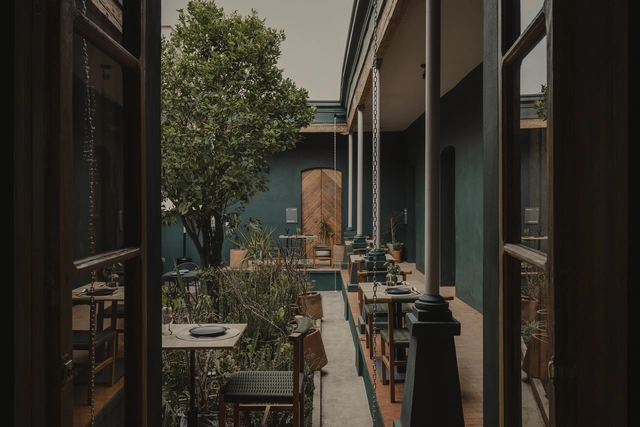
As part of a new project by the architecture firm WORC, "Moradores" emerges: a space located just steps from Jardín Zaragoza in Toluca, State of Mexico. Housed within a 342-square-meter residence with nearly a century of history, it is one of the few surviving structures from the evolution of a representative neighborhood in the city's historic center. The studio, directed by Ricardo Martínez and Camila Ureña, describes the space as a “public house” comprising a restaurant, art exhibitions, and a community gathering point.

With the goal of highlighting Chilean women who embody female empowerment, Forbes magazine has compiled a list of the 30 most influential women in the country today. The selection is based on key attributes such as leadership, public inspiration, and an ongoing contribution to shaping a more gender-equitable nation.
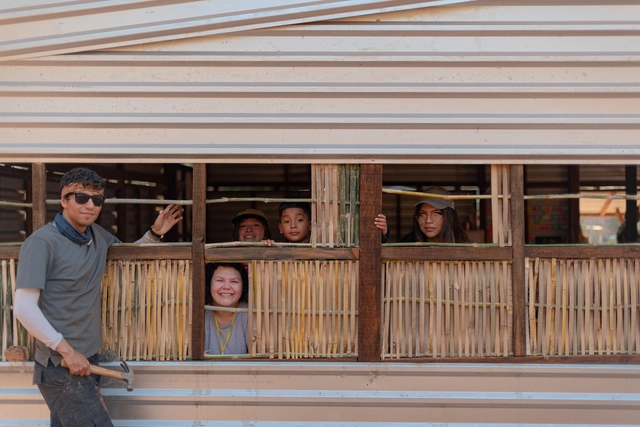
Between April 2 and 16, students from Latin America, together with architects, worked on the analysis, design, and construction of public infrastructure for the city of Suchitoto in El Salvador, within the framework of the XIX Latin American Social Workshop (TSL).
Since its first edition held in Barranquilla in 2002, the TSL has annually brought together public and private entities, university students, architects, professors, and members of Latin American civil society to develop practical architectural exercises with a strong community and local focus. This year, the XIX TSL was led by the Latin American Coordinator of Architecture Students (CLEA) and the local organization, the National Association of Architecture Students of El Salvador (ANEA).
The following is the work produced by the workshops led by architects from El Sindicato, Taller Bugambilias, Taller de Tierra, Colectivo Hormiga, ACCIÓN, Laborateca, Sen Sos Hábitat, Alejandro Alcázar, and Coonvite:
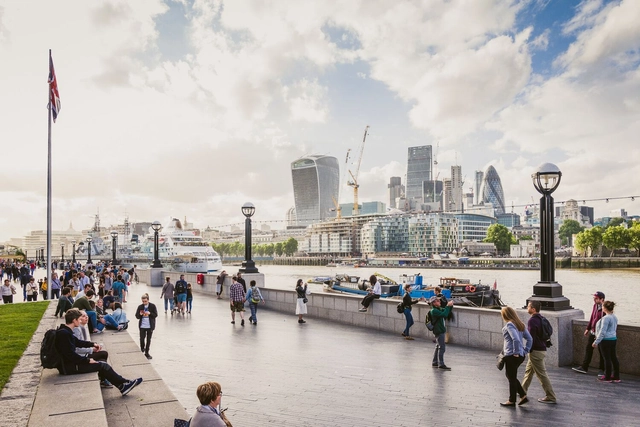
London is one of the world's great metropolises and faces a challenge common to urban centers: air pollution caused by fossil fuel vehicles. To combat this issue, the city established Low Emission Zones in 2008, fining large vehicles operating with pollutant emissions above established limits.
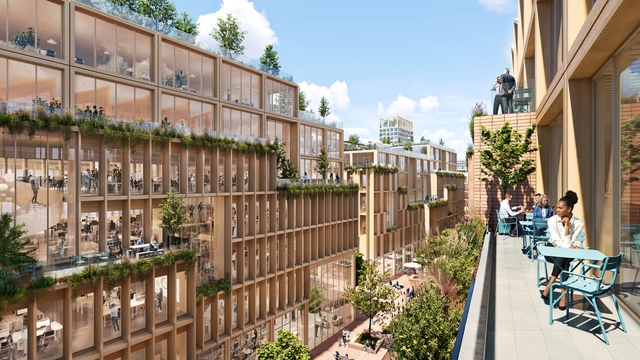
With studies estimating that by 2050 nearly 70% of the global population will live in cities, planning for more sustainable and balanced urban development has become imperative for the coming decades. This discussion invariably hinges on a more assertive choice of construction materials that yield greater urban and environmental benefits. In this context, a material re-emerging as a more sustainable choice for urban infrastructure is wood, particularly when paired with new technological advancements, which is being reintroduced into cityscapes due to its versatile characteristics and its ability to align with the construction of tomorrow.
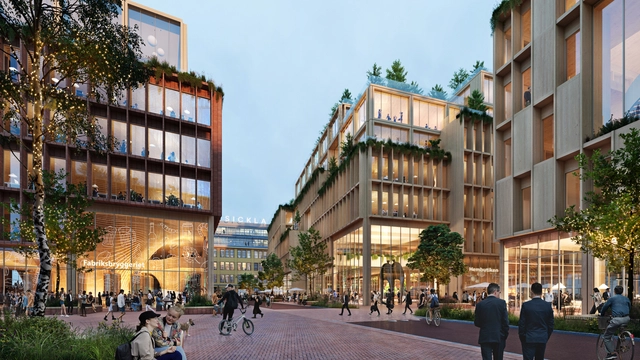
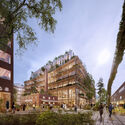
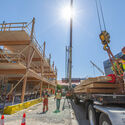
Atrium Ljungberg unveiled Stockholm Wood City, the world's largest timber urban development project, serving as a major showcase of Swedish sustainability. At around the same time, on the other side of the world, Tallwood Architects' 'Tamango Project' exemplified both the challenges and opportunities of timber construction in Chile, as it is poised to become Latin America's first 12-story building with a prefabricated timber structure.
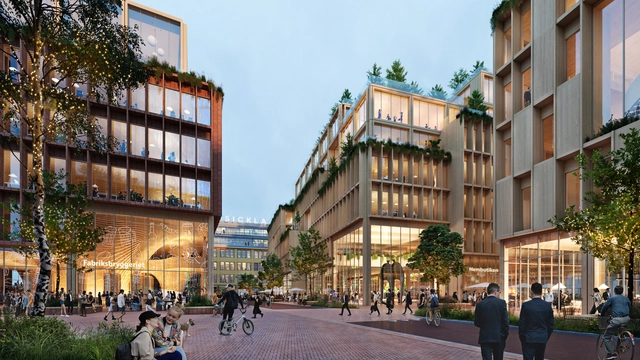
Atrium Ljungberg recently unveiled Stockholm Wood City, the world's largest timber urban development project—an effort to showcase Sweden's commitment to sustainability. On the other side of the world, Tallwood Architects' Tamango Project exemplifies the challenges and opportunities of timber construction in Chile and could become Latin America's first 12-story building featuring a prefabricated mass timber structure.
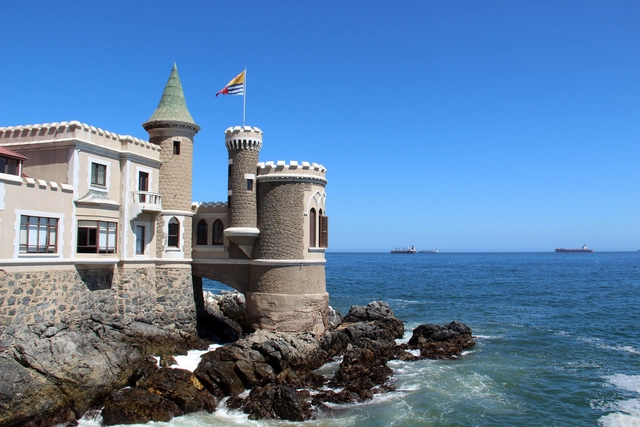
Wulff Castle in Viña del Mar is a renowned landmark, celebrated for its appearance and architectural style inspired by Liechtenstein Castle in Germany. The structure features German and French design elements, along with medieval characteristics—qualities that captivate both locals and the thousands of tourists who visit it.
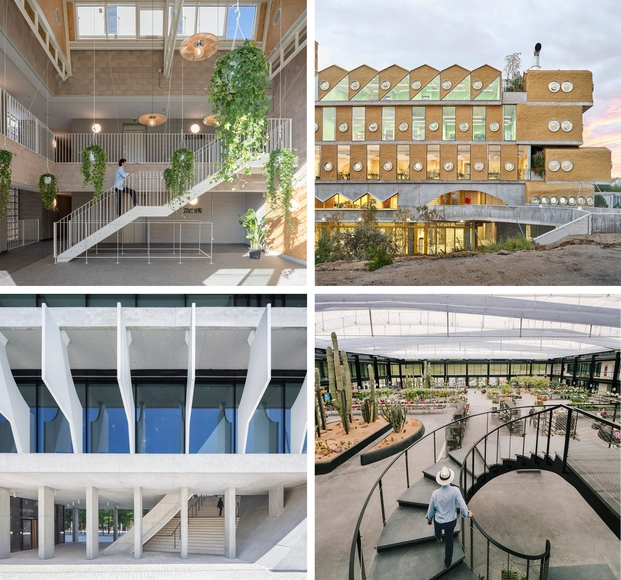
The international architecture and city festival Open House will take place in Madrid from September 21 to 24, 2023, inviting residents to visit and explore some of the capital's most iconic buildings. Extending beyond Madrid to open several spaces in San Lorenzo de El Escorial, this ninth edition will open the doors of over 120 buildings and studios, while also offering 13 outdoor routes and itineraries to discover Madrid's architecture.

“The daughter Robert Moses and Jane Jacobs never had.” That is how Michael Bloomberg, former Mayor of New York, describes his Transportation Commissioner Janette Sadik-Khan. The urbanist is one of the leading figures in the field advocating for city streets — the greatest asset of municipal governments — as the primary way to improve people's lives.

Today, technology is an inherent part of producing urban space. Among the most innovative of these tools is Virtual Reality (VR), which transports users into a simulated reality, allowing them to experience unbuilt spaces first-hand. Its applications extend far beyond real estate marketing, however: current research encompasses design experimentation, the immersive experience of historical built environments, and the recreation of architectural elements through prototyping. This potential has been unlocked by technological advancements and falling hardware costs, making VR increasingly accessible to students, professionals, and the general public.