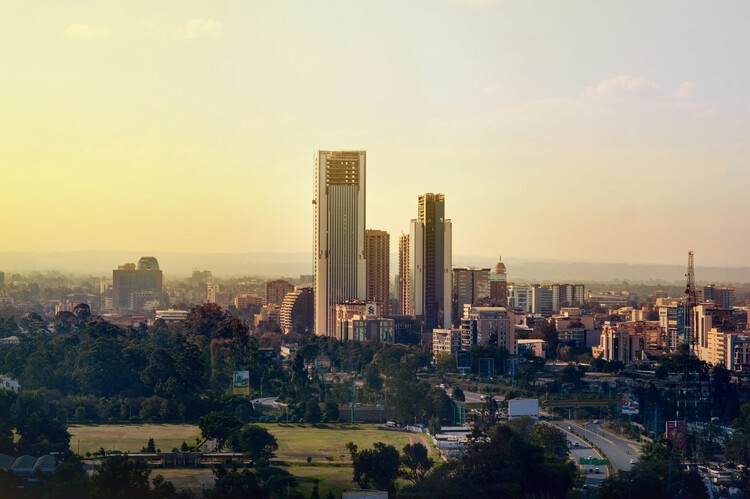
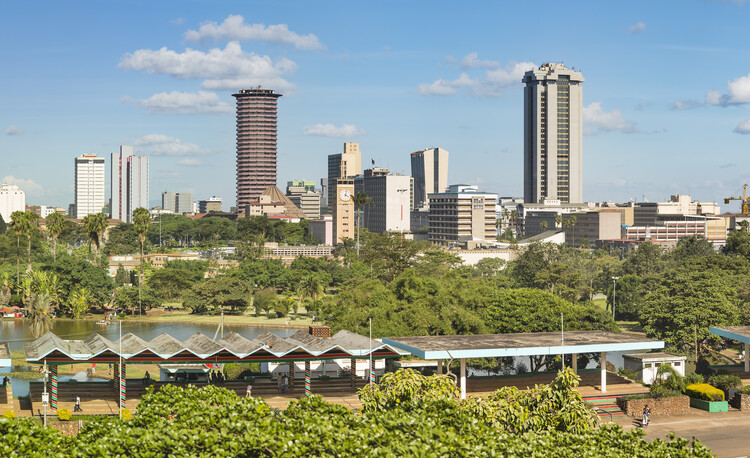
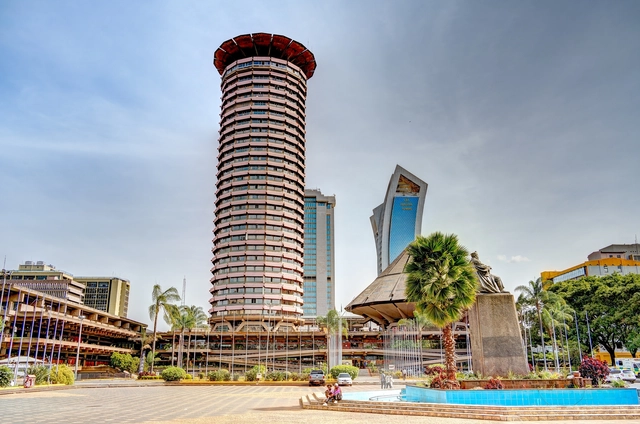
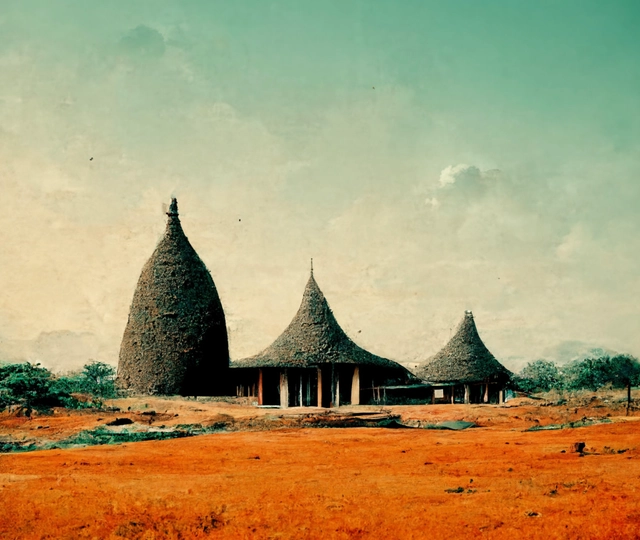
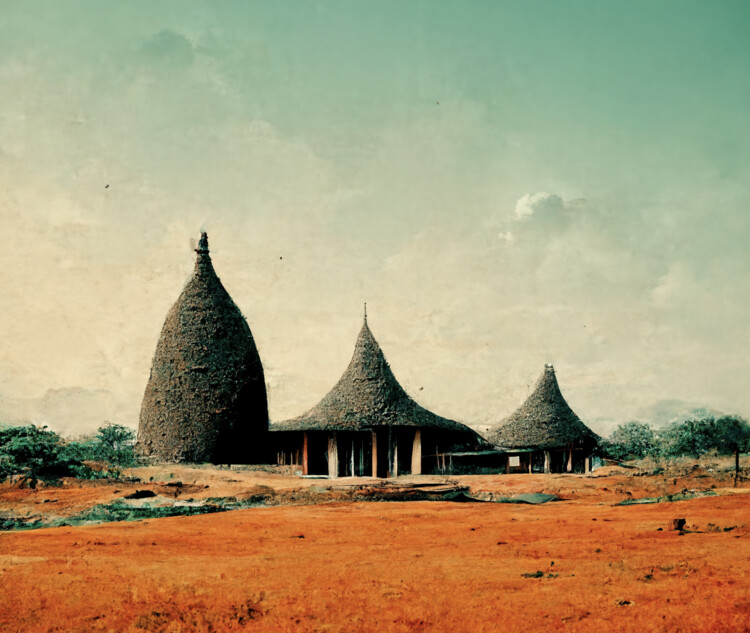
A Pan-African Biennale of Architecture is planned for 2026 in Nairobi, Kenya. According to the curator, it "represents an unprecedented opportunity to reclaim Africa's architectural narrative, reasserting the continent's role as a global leader in urban resilience, sustainability, and cultural expression."
Omar Degan, the curator in partnership with the Architectural Association of Kenya, is a practicing architect, professor, and teacher. He leads an architecture office known as DO Architecture Group, which was established between Italy and Somalia—two places deeply connected to his identity. His work focuses on what he describes as "fragile contexts" around the world, including areas affected by natural disasters, refugee camps, slum upgrades, and underserved neighborhoods.
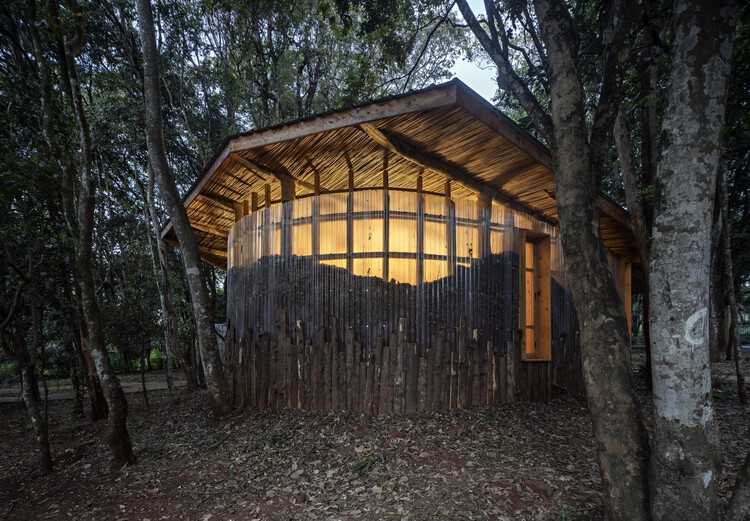
Kabage Karanja, co-founder and director of Cave_bureau based in Nairobi, Kenya, and Kathyrn Yusoff, professor of Inhuman Geography at the University of London, are the curators of the British Pavilion at the 19th Venice Architecture Biennale. Together, they form the UK-Kenya curatorial team behind GBR – Geology of Britannic Repair, an exhibition that rethinks the Pavilion as both a symbolic and material site. Their approach reflects on Britain's architectural legacy and its entanglement with histories of colonialism, geological extraction, and the urgency of the climate crisis. In recognition of their exploration of the relationship between Great Britain and Kenya, focusing on themes of reparation and renewal, the Pavilion curators and commissioner were awarded a Special Mention for National Participation by the Biennale jury. While on site in Venice, ArchDaily's editors had a chance to discuss with the curators about the ideas that shaped the British Pavilion.
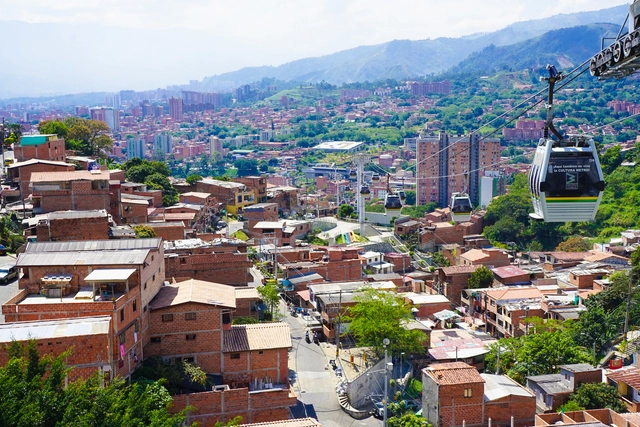
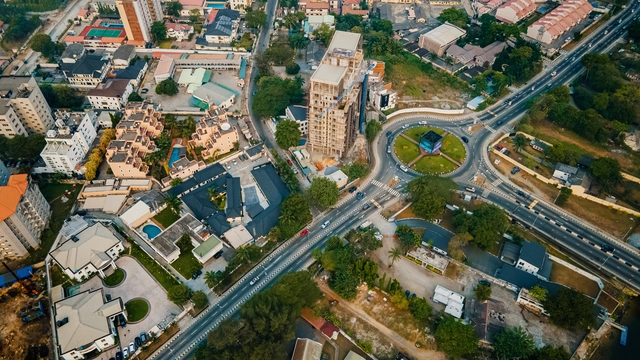
Recent news headlines from the African continent show a variety of urgent issues affecting urban centers: severe flooding threatens Kenya's capital, Nairobi; the light rail system in Addis Ababa, Ethiopia, is faltering after a successful start. Meanwhile, in Egypt's capital, Cairo, new infrastructure and housing expenditures proved too steep and necessitated a government bailout. African cities face a plethora of problems but they also hold the potential to improve countless lives. As South America shares stark similarities in its history with that of Africa, it could provide both a point of reference and a positive example for tackling these concerns at an urban level.
A quick glance today at the cities of the African continent reveals a rich diversity of urban settlements, ranging in type from rural enclaves to sprawling metropolises. That quick glance also reveals a larger picture of cities that are continuously adapting and evolving as we enter the decade of the 2020s – yet this evolution in many places is taking place at the expense of those who are less fortunate. This is not happening in a vacuum, as the reason why a lot of African cities look as they do today is a result of a segregated organization during colonial rule.
African cities are expected to experience a significant increase in population over the next 30 years. According to United Nations projections, these cities will welcome an additional 900 million inhabitants by 2050. This demographic shift will create both opportunities and challenges that will reshape the nature and structure of these cities. These challenges include the need for economic growth, increased demand for housing and infrastructure, and the development of supplementary transportation systems. So far, most African cities have responded to this rapid population growth with sprawling horizontal development patterns that expand the fringes of the city, increase social fragmentation, and ultimately lead to greater car dependency.
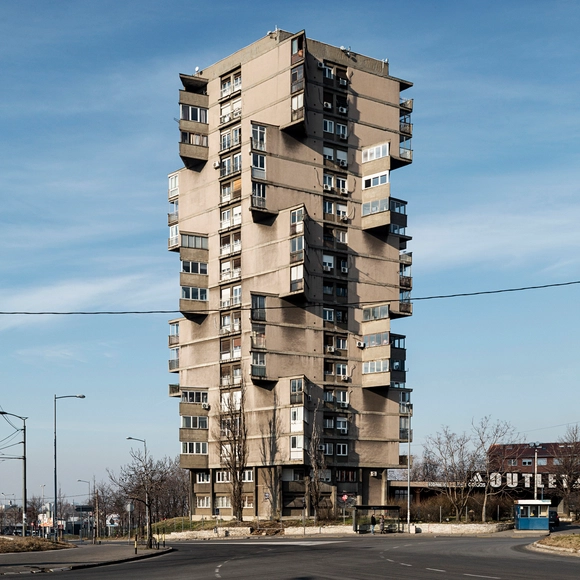
Sometimes sculptural and expressive, sometimes monolithic and monotonous, the Brutalist architectural style is equal parts diverse and divisive. From its origins as a by-product of the Modernism movement in the 1950s to today, Brutalist buildings, in architectural discourse, remain a popular point of discussion. A likely reason for this endurance is — with their raw concrete textures and dramatic shadows, brutalist buildings commonly photograph really well.
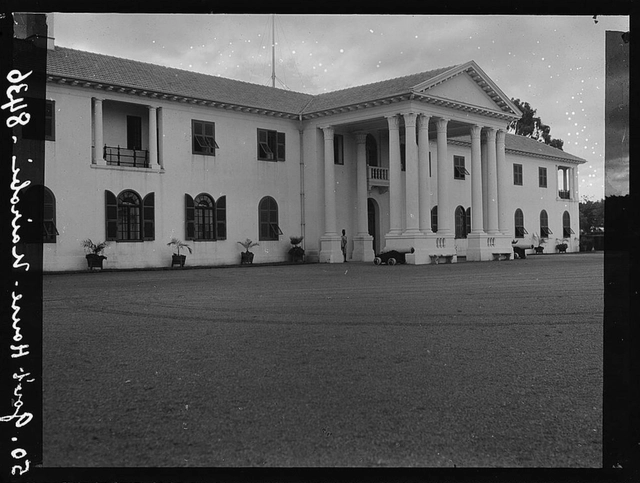
Known as the state house, the presidential palace, and an assortment of other terms — the building that hosts a country’s seat of government is usually quite architecturally striking. Frequently opulent, grand, and sometimes imposing, the state house is intended to function as a visually distinct marker of a nation — an extension of a state’s identity. In the African continent, a landmass that had seen a significant part of it colonized by European nations, this identity of statehood, in an architectural sense, is complex.
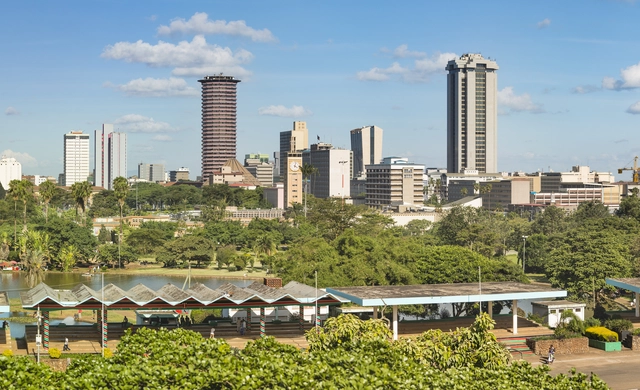
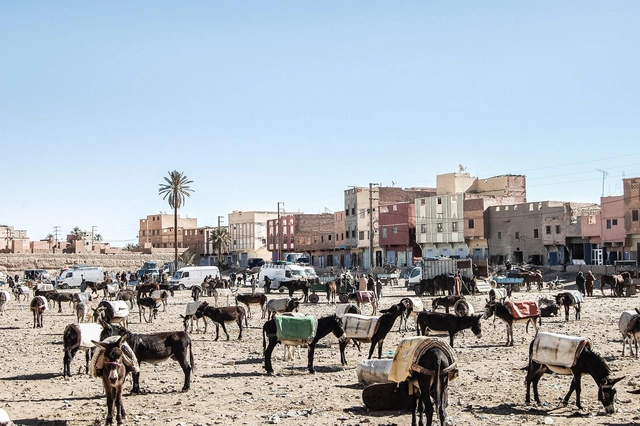
As populations continue to migrate from rural to urban areas, space is at a premium. Many settlements are becoming ever-more congested – with adequate, affordable housing in short supply and transport systems struggling to serve their respective residents. But as much the conversation about urbanization is about people, it is sometimes also about the animals that come with those people – urban livestock that play a key role at providing sustenance on an individual level, in addition to becoming an avenue for communal trade.
2022 has been the year of AI image generators. Over the past few years, these machine learning systems have been tweaked and refined, undergoing multiple iterations to find their present popularity with the everyday internet user. These image generators—DALL-E and Midjourney arguably the most prominent—generate imagery from a variety of text prompts, for instance allowing people to create conceptual renditions of architectures of the future, present, and past. But as we exist in a digital landscape filled with human biases—navigating these image generators requires careful reflection.
Atkins has revealed the final design of Nairobi’s new Central Railway Station and public realm. The project extends the historic station building, one of the city’s first stone structures, to raise its capacity to over 30,000 passengers per hour. The new additions take inspiration from the past, referencing the “Boma,” a community enclosure rooted in the heritage of central African culture. Built for flexibility and adaptability, the new station aims to become a key functional facility within the city, providing its citizens with amenities, landscape, and respite.
Render of affordable homes created out of plastic waste. Image Courtesy of Othalo
A lot of people around the world would agree that we are currently in a climate emergency. The IPCC report, released last year, makes for difficult reading. Practitioners in the built environment have taken to direct climate action, with organizations such as ACAN and Architects Declare fostering carbon literacy and calling for designers to re-evaluate how they practice.
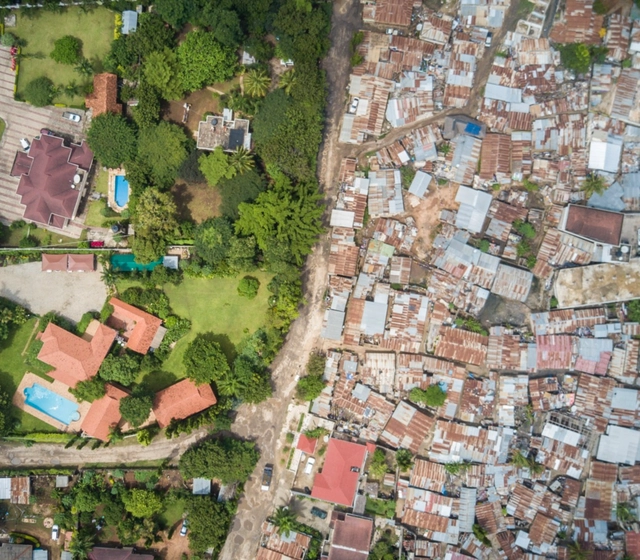
Almost seven kilometers from the green of Uhuru Park in central Nairobi, lies the informal settlement of Kibera. It is an area whose urban character consists of corrugated iron roofs, mud walls, and a complicated network of utility poles. Kibera, at this point in time, is a well-known place. Much has been written and researched on this “city within a city,” from its infrastructural issues to its navigation of the COVID-19 pandemic.
This week, the C40 global network of cities and engineering and sustainability firm Arup launched a virtual exhibition showcasing examples of climate initiatives and resiliency strategies from 11 cities committed to addressing climate change. Given that cities account for more than 70% of global carbon emissions, the Global Cities Climate Action Exhibition aims to highlight the role of cities in reaching climate targets through local policies and urban development plans, achieving tangible emission reductions and increasing social equity.
COP26, The United Nations Climate Change Conference, is scheduled to be held in Scotland soon, in the last week of October 2021. Against the backdrop of this conference is a heightened global awareness of climate change, as discussions take place on how a sustainable, more equal future can be achieved. The present and future state of architecture is a key component of this conversation, as criticism is levelled at architecture firms that “greenwash” and questions are raised on if the term “sustainability” is increasingly merely being used as today’s buzzword.
When we think of migration, we think of movement. We think of the movement of people simply looking for greener pastures – a better life for themselves. But we also think of war, of conflict, of an unstable situation in a specific place forcing the hand of a location’s residents to seek safety elsewhere. Historically and into present day, war has been the reason for the increased presence of refugees. Instability in places such as Syria, Iraq, or the Central African Republic have caused millions to flee their homes. Lurking amongst this migration due to conflict, however, is the migration of people at mercy of the changing environmental conditions of the Earth – climate migration.
The Un-Habitat or the United Nations agency for human settlements and sustainable urban development, whose primary focus is to deal with the challenges of rapid urbanization, has been developing innovative approaches in the urban design field, centered on the active participation of the community. ArchDaily has teamed up with UN-Habitat to bring you weekly news, article, and interviews that highlight this work, with content straight from the source, developed by our editors.
Associated with crime, waste, and garbage, Dandora in Nairobi’s Eastlands is home to 140,000 or so residents. In an on-going collaboration, between local residents and youth groups, UN-Habitat, Making Cities Together Coalition, and the Dandora Transformation League, the Model Street project has been transforming the garbage-filled community spaces into waste-free, attractive, and engaging places. Focusing on improving the shared courtyard spaces of residential compounds, an annual competition led by the youth of the neighborhood, the Changing Faces Challenge, became an initiative mobilizing citizens across Nairobi.