It seems almost impossible to imagine that a single public initiative could have spawned most of the national highways we have today in Argentina, established tourism as an economic driver for the country, consolidated the national oil company YPF against foreign competition, and driven a large part of the development of Argentine modern architecture.
Yet it is entirely plausible when we look at one of the largest territorial interventions in the country's history—a vanguard of modernity that established the automobile as a mass means of transportation in our region.
I met Vera Primavera in Ibarra, Ecuador, during the sixth edition of EARQ (PUCE-SI)—a graffiti and tattoo artist whose work revolves around mysticism, magic, intimacy, and women in the city.
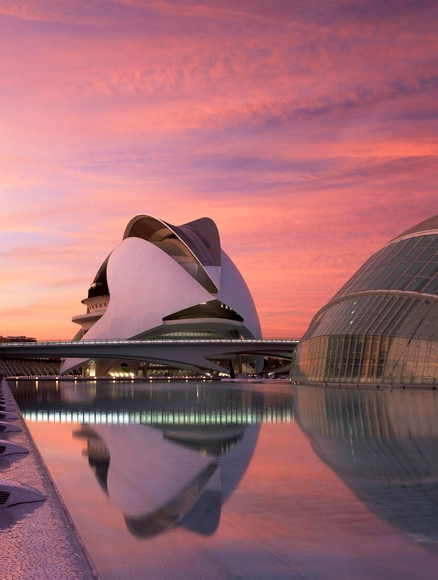
The World Design Organization has selected Valencia, Spain, as the next World Design Capital for 2022, following a competition with finalist city Bangalore, India.
Mexico City, considered one of the largest and most populous urban areas in the world, is in fact the largest city in the Americas and the Spanish-speaking world. Given this vast footprint, its immense population has led to sprawling peripheral settlements, highlighting the urgent need for a denser, more inclusive city. Various factors—such as the abandonment of downtown buildings following historic earthquakes like the one in 1985, compounded by a lack of basic habitability—have drawn the attention of diverse actors. Through clear, targeted interventions, they seek to restore a cohesive urban fabric that empowers residents to reclaim their city.
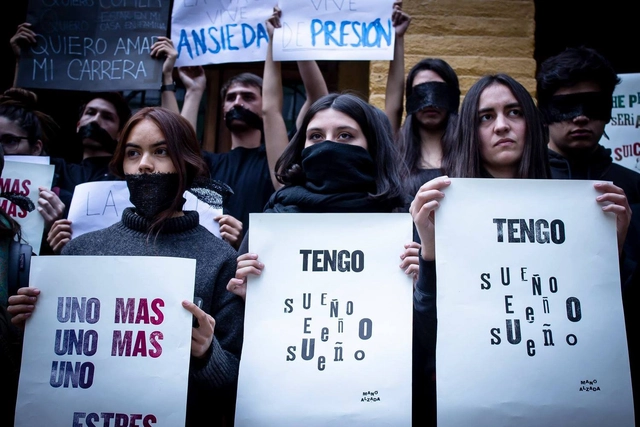
In light of the social crisis currently unfolding in Chile, ArchDaily has launched a series of conversations with various urban and spatial planning specialists to understand its impact on our cities and the contributions our discipline can make. On this occasion, we spoke with Chilean architect Liliana de Simone, PhD in Urban Studies, director of the Observatory on Culture, Consumption, and Society (OCCS), coordinator of the Gender and City network, and professor at the Pontificia Universidad Católica de Chile.
How did a house designed by the world’s most renowned engineer—the Frenchman Gustave Eiffel, designer of the tower that bears his name in Paris—end up in Argentina?
How did this structure settle in one of Córdoba’s most culturally active neighborhoods, only to open its doors a century later as a cultural space thanks to the intervention of local residents?
The UNESCO World Heritage Committee has decided to remove the Humberstone and Santa Laura Saltpeter Works in northern Chile from the List of World Heritage in Danger, a status they had held since 2005.
As part of our ongoing effort to highlight the important academic work being done in universities, we launched an open call last January inviting Mexican architects to share their thesis projects. We sought academic research and theses addressing key issues in the Mexican context—projects that often remain on paper but deserve international recognition. This call in Mexico joins the recognition already granted to architects in Colombia and Argentina.
https://www.archdaily.com/1120837/these-are-the-best-graduation-projects-in-mexico-in-2018ArchDaily Team
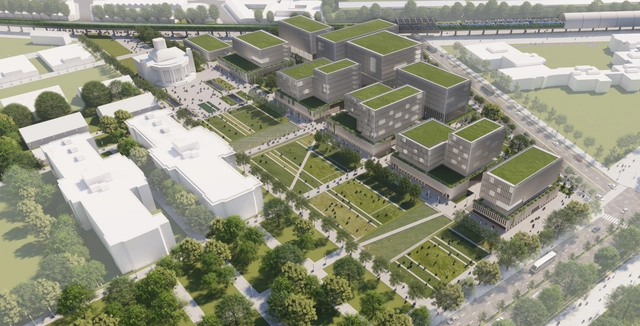
The National Ideas Competition for the Pabellón del Centenario and its surroundings, promoted by the State Property Management Agency and organized by the Sociedad Central de Arquitectos, closed on April 22, yielding a total of 65 proposals and the participation of architects from across the country.
The significance of the competition lay, on one hand, in the opportunity to restore the architectural value of the Pavilion which, designed by Virginio Colombo, is the only standing building of the 20 constructed for the Centennial celebrations in 1910. At the same time, it presents an opportunity to enhance and revitalize the adjacent areas, generating urban-scale impacts that will drive the future development of the area and integrate a wide variety of scenarios.
A few months ago, the first exhibition by Zaha Hadid Architects (ZHA) in Latin America concluded. It was held at the Museo Universitario de Arte Contemporáneo (MUAC) within the Centro Cultural of Ciudad Universitaria in Mexico City. The exhibition featured some of architect Zaha Hadid's projects through models, audiovisual materials, paintings, and photographs. It explored the creative process of her practice, highlighting the importance and complexity of design as the central axis linking form and construction processes in her work.
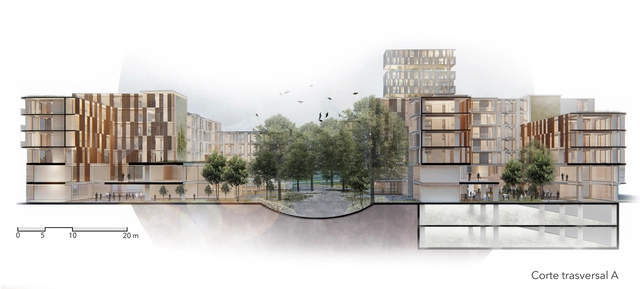
The "Microcentralidad la Y" ideas competition, organized by the Metropolitan Institute of Urban Planning (IMPU) and the Pichincha College of Architects (CAE-P), aimed to develop a plan for the former "La Y" northern station, proposing a management model for its execution that incorporates environmental sustainability aligned with the New City Model outlined in Vision Quito 2040. The jury awarded first place to the team from Raíz Estudio. Read on to learn more about the winning project in the words of its designers.
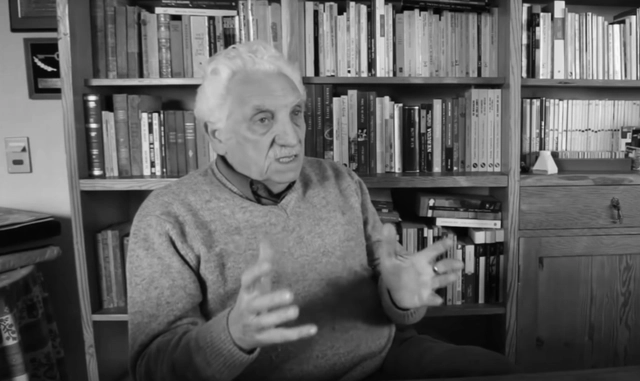
Last month, the National Board of the Association of Architects of Chile announced Miguel Lawner as the winner of the 2019 National Architecture Award, the highest honor an architect can receive in that country. The following interview, conducted in 2015, not only delves into the details of his life story, but also reflects several of his thoughts on the political sphere.
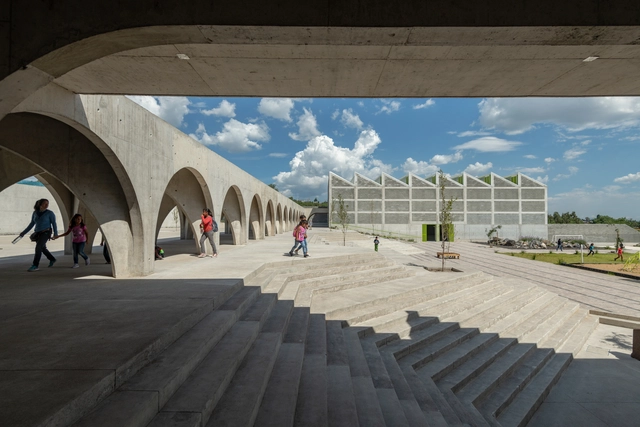
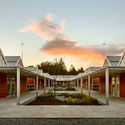
Educational facilities have evolved over the years in response to technological advancements and new pedagogical models, which increasingly focus on flexible methods that allow students to chart their own paths within a shared framework. The significance of these facilities lies in their role as meeting points that satisfy our social need to share physical spaces, pointing toward more horizontal and inclusive educational systems. A prime example is the Center for the Blind and Visually Impaired, designed by Taller de Arquitectura Mauricio Rocha + Gabriela Carrillo, which seeks to create diverse sensory experiences through materials, light, and temperature both inside and outside.
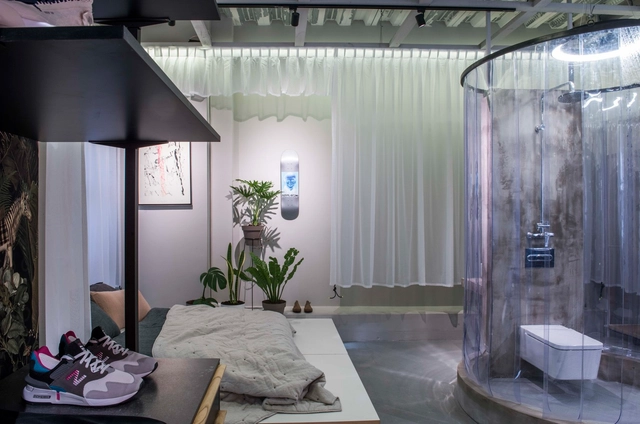
In its fourth consecutive edition in Chile, Casa FOA 2019—the international exhibition that brings together design, interior design, architecture, landscaping, and art—showcased established and emerging design talents who revitalized the forgotten Paseo San Damián in Las Condes.
The exhibition aims to introduce the public to the latest trends in the design industry under the concept of creating, transforming, and rethinking the way we live and work. This year's edition was guided by the concept of Coliving, the current expression of social and generational evolution, pointing toward collaborative living and the construction of collective intelligence through shared workspaces and common home areas.
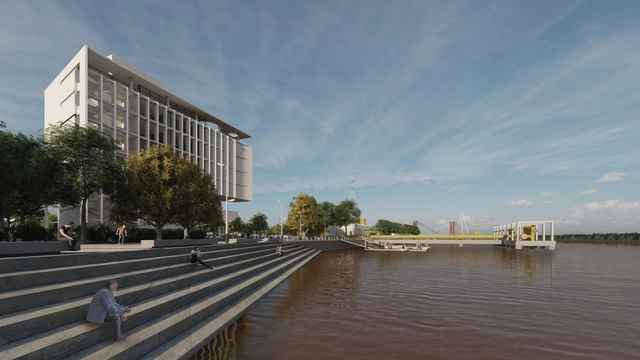
The following project is the winning entry of the National Architectural Design Competition "Enhancement of the Cerro San Cristóbal Tourist Circuit and Creation of the Virgen de Cocharcas Santísima Theme Park."
https://www.archdaily.com/1120815/threshold-between-the-sacred-and-the-everyday-project-for-the-valorization-of-the-tourist-circuit-of-san-cristobal-hill-in-peruArchDaily Team
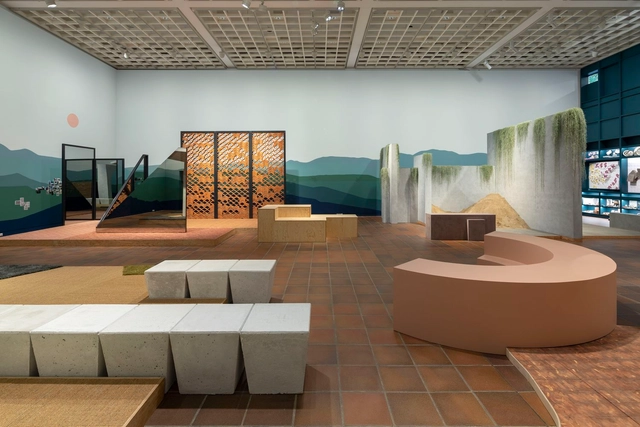
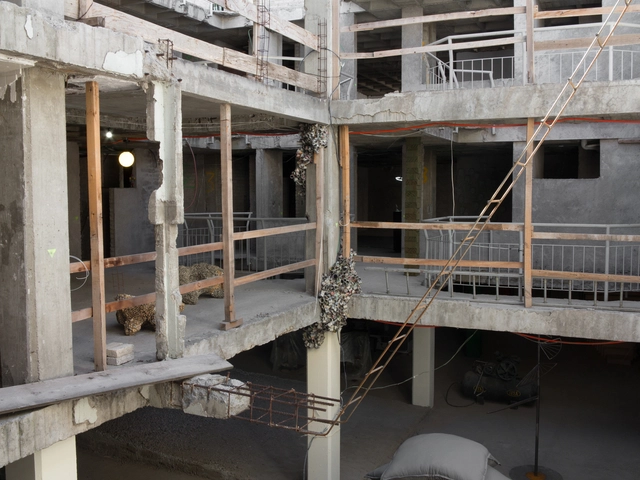
Guadalajara 90210 presents “Pabellón de las escaleras” (Staircase Pavilion), an exhibition consisting of a series of installations by artists from various disciplines—architecture, contemporary art, and industrial design. The venue is an unfinished building located in Santa María la Ribera—a neighborhood that has recently experienced a surge in cultural events, art installations, and architectural proposals—featuring open-air sections, a concrete labyrinth, and exposed pipes.
https://www.archdaily.com/1120849/staircase-pavilion-an-artisanal-sculptural-park-in-mexico-cityArchDaily Team
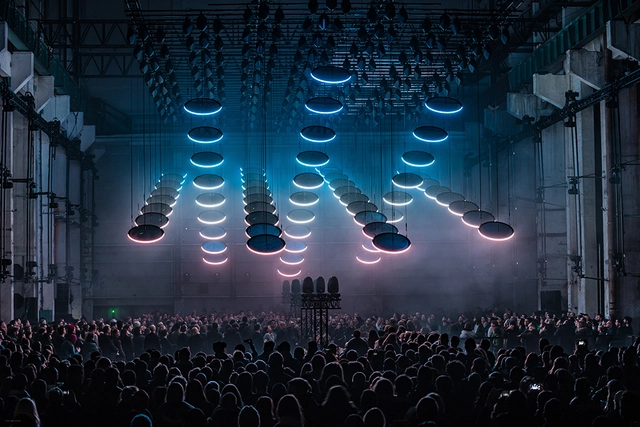
This November, Mexico City cements its status as one of the most exciting creative capitals in the world, featuring a circuit of activities designed to highlight the avant-garde, experimentation, and new digital art models that the city attracts and inspires. After 16 years of continuous work, MUTEK Mexico is proud to be part of this circuit, collaborating with other organizations to offer the public one of the year's most intense and stimulating weeks dedicated to digital art and sound.
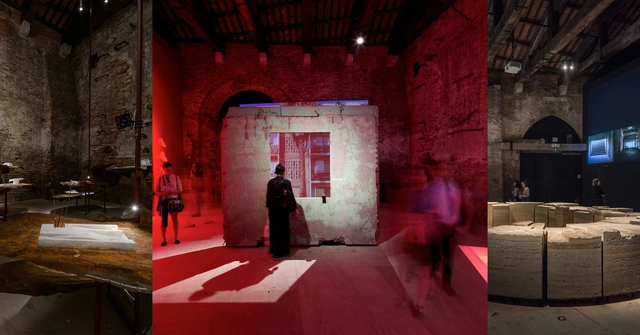
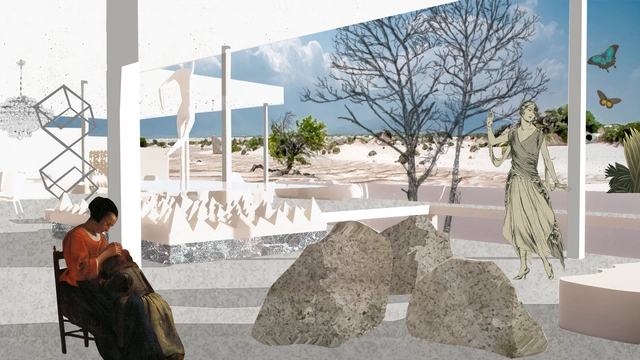
"Horizontal Vertigo" Pavilion for the Venice Biennale 2018. Image
The Venice Architecture Biennale is arguably one of the most influential exhibitions in the world. Established in 1895 as the "Venice International Art Exhibition," the Biennale has become one of the most prominent cultural institutions worldwide, serving as a universal platform for nations to showcase their work. Consequently, every two years, the global spotlight turns to Venice.
However, just as the selection of the Pritzker Prize can shape public debate, it is also influenced by public opinion. Consequently, a month ago we asked our Ibero-American readers from ArchDaily en Español and ArchDaily Brasil to share their thoughts on the potential winners. We conducted a poll on who should win the 2019 Pritzker Prize, offering a selection of architects we thought stood a chance, along with the freedom to nominate their own candidates—always keeping in mind not who is likely to win, but who should win.
https://www.archdaily.com/1120841/our-readers-suggest-who-should-win-the-2019-pritzker-prizeArchDaily Team








.jpg?1558985953&format=webp&width=640&height=580)
.jpg?1558985953)


.jpg?1643052917 "Jojutla School / Taller de Arquitectura X / Alberto Kalach + Roberto Silva. Image")








.jpg?1559517037&format=webp&width=640&height=580)