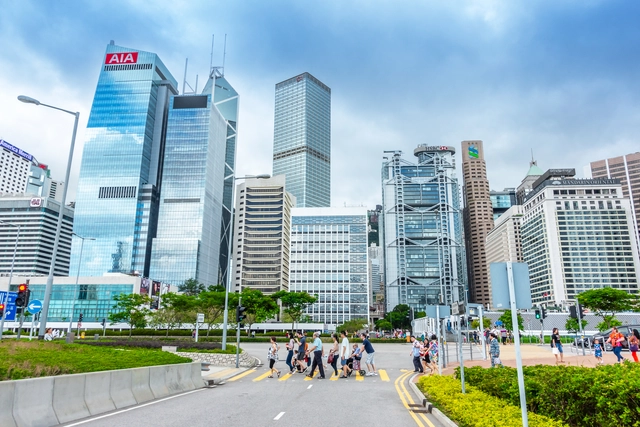
The world watches China's development with a mix of admiration, curiosity, and apprehension. From massive infrastructure projects—such as hydroelectric plants and a modern high-speed rail network—to the emergence of entire cities built from scratch, the country showcases an ambitious growth strategy and an impressive capacity for execution. However, this rapid progress also brings significant challenges and stark contrasts. On one hand, modernity asserts itself in futuristic skyscrapers and cutting-edge technology; on the other, there remains a pressing need to preserve the country's rich cultural and historical heritage, reflected in ancient temples, imperial palaces, and historic cities.
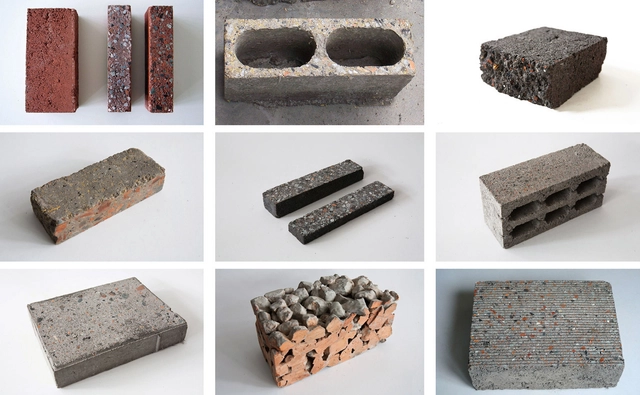
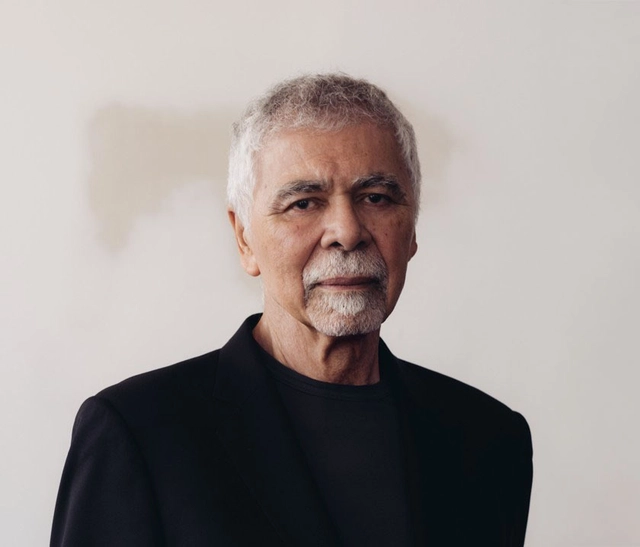
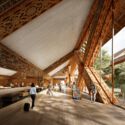
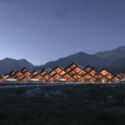
Rapid urban growth has also introduced issues such as overcrowding, environmental pollution, increasing social inequality, and the loss of agricultural land. Large-scale urbanization has led to the disappearance of traditional villages, environmental degradation, and the homogenization of architecture and lifestyles in many Chinese cities. It is within this context that Liu Jiakun, awarded the 2025 Pritzker Prize, stands out for his subtle yet profoundly transformative architectural approach. His work responds to these and other challenges of Chinese society while valuing traditional materials and techniques, as well as the creation of communal spaces.
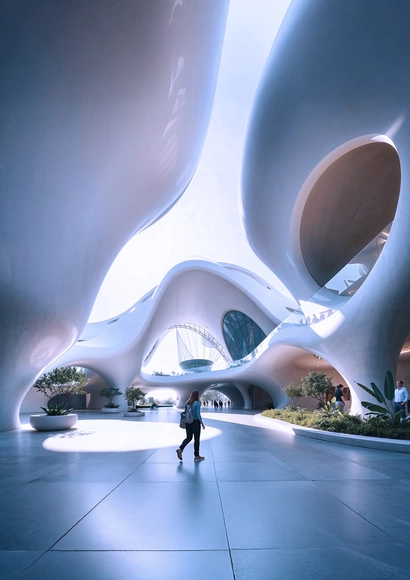
Leonardo.ai. AI-generated image by ZIGURAT Institute of Technology. Image :Courtesy of ZIGURAT
"We stand on the brink of a revolution in construction. The introduction of Artificial Intelligence is set to inevitably transform a sector that has, until now, been traditional and scarcely digitalized. Soon, we will witness a paradigm shift in how we approach every stage of the construction process, and industry professionals must lead the change," warns Lilian Ho, BIM & Digital Leader in AEC industry.
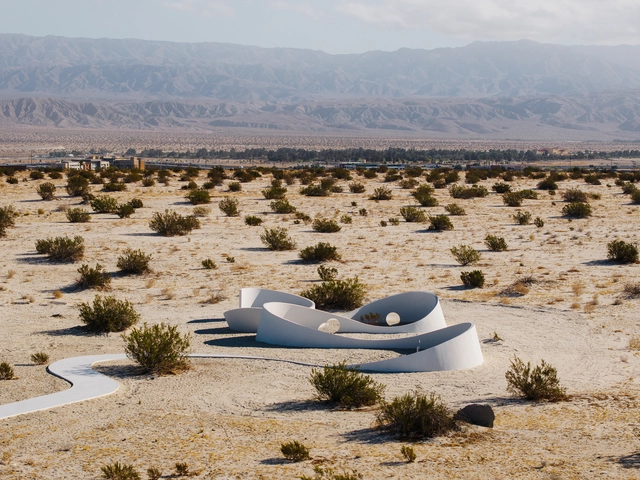
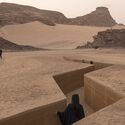
Desert X is a site-specific international art exhibition taking place this year across the Coachella Valley, California. Its fifth edition, curated by Artistic Director Neville Wakefield and co-curator Kaitlin Garcia Maestas, opened on March 10, 2025, featuring eleven installations by international artists integrated into the desert landscape. Artists were invited to propose alternative ways of perceiving a world "increasingly encircled by the transformational effects of nature and humanity," through physical installations in specific locations within the California desert. In this context, architecture is understood as the most visible evidence of human transformation, while immaterial elements, such as wind and light, highlight the transformative effects not only of human activity but also of nature itself. The exhibition is free and open to all, running through May 11, 2025. Below are images and descriptions of the eleven art installations featured in this year's Desert X exhibition.
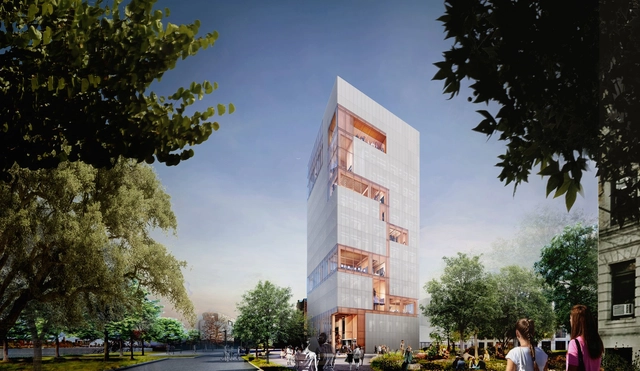
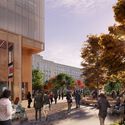
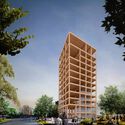
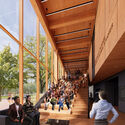
Diller Scofidio + Renfro has unveiled the design for the new Frederick S. Pardee School for Global Studies at Boston University, a project aiming to integrate sustainability, urban density, and interdisciplinary collaboration. The 70,000-square-foot building will rise 186 feet, making it the tallest mass timber tower in the Northeast United States. Situated on a former parking lot at the heart of the university's campus, the structure will occupy just 10% of the site, allowing for the creation of a central green space in the future.
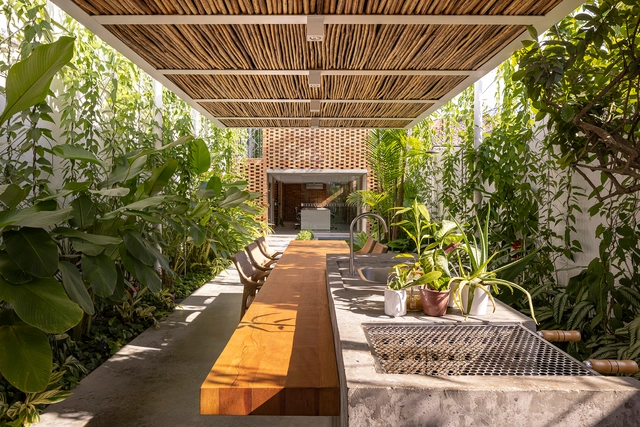
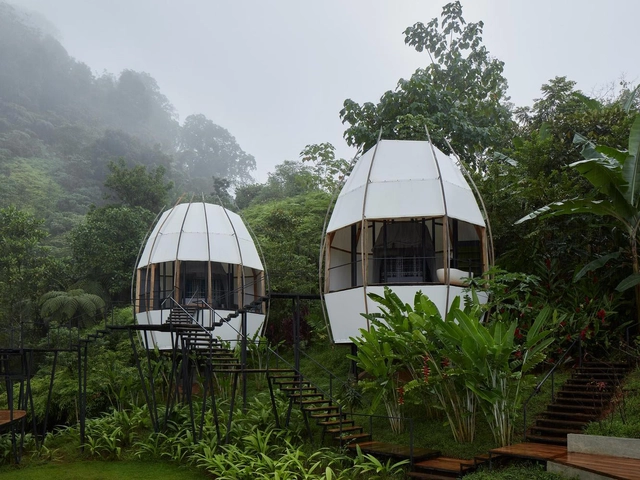
Humid environments present some of the most complex challenges in architectural design. From the tropical monsoon season of Southeast Asia to the equatorial heat of Central Africa, these environments demand solutions that account for intense moisture, high temperatures, and the constant battle against mold, decay, and stagnation. Yet, for centuries, communities in these regions have developed architectural techniques that do not fight against humidity but instead work with it, leveraging local materials, climate-responsive design, and passive cooling techniques to create sustainable and livable spaces. By considering atmosphere as a sensory and climatic phenomenon, architects will craft spaces that are not only evocative but also responsive, adaptive, and sustainable.
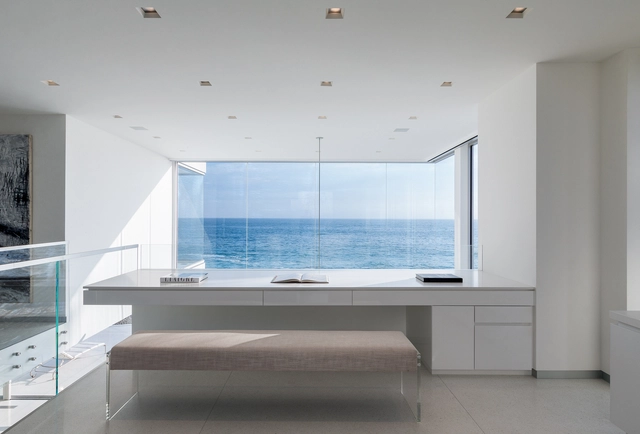
Challenging conventions has been a constant in artistic production throughout history, always seeking to reframe established limits. In the 20th century, societal, historical, and technological changes created the perfect context for profound architectural reconfiguring. In this process, modernism introduced new ideas around functionality, breaking with the ornamentation of the past. However, building on that foundation, minimalism further refined the reduction of form to its essence. Focusing on the relationship between space, restraint, and light, the Minimalist movement transformed contemporary architecture and interior design, turning windows into a fundamental resource for sensory perception and interaction with the atmosphere and space, opening up a realm of introspective, sensitive, and refined exploration.
https://www.archdaily.com/1027602/frameless-is-more-how-minimalist-windows-shape-architectural-atmospheresEnrique Tovar
This International Women's Day, we celebrate the contributions of women in architecture, a field traditionally dominated by men. While dominant narratives may overlook their significant impact, as the history of architecture is replete with examples of women subtly but powerfully shaping the profession. When limited to a draftsman position, Ester McCoy took a step back not to disengage but to better observe. She became the first architectural critic and historian to notice the unique flavor of Modernism developing along the West Coast during the 1950s, bringing names such as Richard Neutra, or Luis Barragan to the forefront of architectural discussions. Similarly, the name Aline Louchheim may not be a widely recognized one among architects, but, because of her, the name Eero Saarinen surely is. The profession of architectural publicist also emerged through this collaboration. These stories remind us that recognizing women's achievements in architecture is not about celebrating gender, but about acknowledging a historical bias that has hindered the entire field's progress.
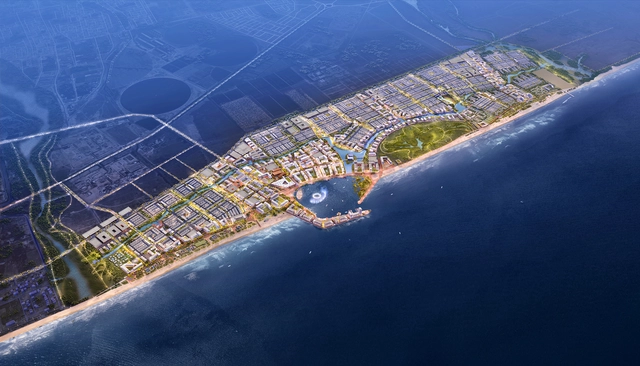
Overall Framework Render. Image Courtesy of Sasaki
Salalah is Oman's largest logistics port and its second-largest city. Located within a two-hour flight from Dubai and a 90-minute flight from Muscat, the city attracted over one million tourists in 2024. As part of the Oman Vision 2040 investment plan, Oman's Ministry of Housing and Urban Planning has commissioned Sasaki to develop a master plan for redesigning the city's waterfront. The plan includes renovating the city's coastal public spaces and constructing new housing and infrastructure to accommodate projected growth. The project is part of a broader initiative to double tourism's contribution to the nation's GDP by 2030, with on-site construction set to begin later this year, in 2025.
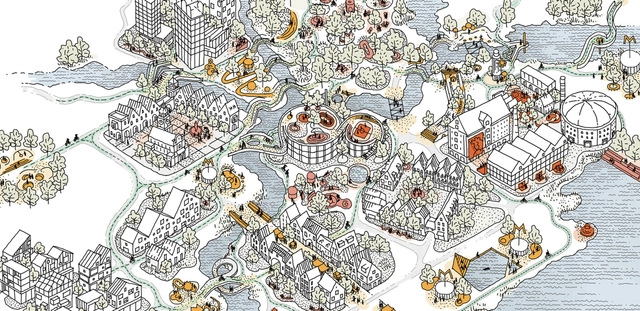
Henning Larsen has just launched a new initiative in Esbjerg, Denmark, aimed at rethinking urban spaces through the perspectives of teenage girls. Developed in collaboration with Esbjerg Municipality, Ramboll, Catapult Projects, and KOMPAN, the project builds on research from the Urban Minded framework to explore how co-creation can shape more inclusive public environments. Supported by a 2.3 million DKK grant from the Villum Foundation and 485,000 DKK from the Ramboll Foundation, the initiative seeks to address an often-overlooked demographic in urban planning. As cities continue to evolve, conversations around gender-inclusive urban spaces have gained momentum, particularly in light of International Women's Day.
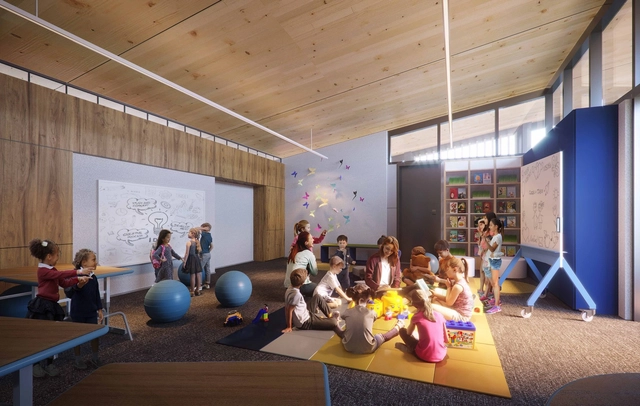
Westmark Lower School / NBBJ. Image Courtesy of NBBJ
Publicly occupied spaces can be overwhelming. Airports, schools, stadiums, and workplaces all feature environments with visual chaos that can be disorienting and stressful for individuals, especially those who are neurodiverse. The bombardment of stimuli, unpredictable movements, and competing visual information can create barriers to occupant comfort. Architects are regularly encouraged to create spaces that recognize and honor individual differences. Designing for neurodiversity is one way of championing inclusivity and extending principles of universal design.
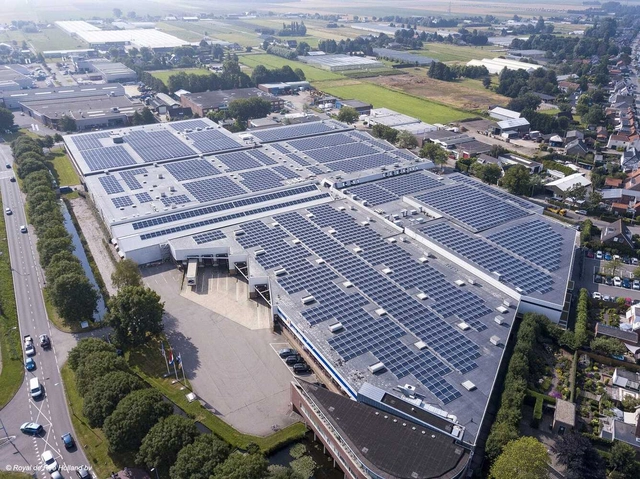
Transforming urban buildings into clean energy plants is a bold and powerful strategy to combat the climate crisis, reduce dependence on centralized grids, and promote more resilient, sustainable cities. Since 2010, cities have been responsible for over 75% of global electricity use, a demand historically met by fossil fuels as urbanization has increased since the Industrial Revolution. By the late 19th century, hydroelectric power began gaining relevance as a renewable alternative. However, with rapid advancements in solar technology, urban buildings now have the unprecedented potential to become self-sufficient power hubs.
Prefabrication is one of the most transformative innovations in architecture and construction, redefining how buildings are designed, manufactured, and assembled. While not a new concept, its application has evolved to offer a broader range of advantages. Traditionally valued for its precision and quality, prefabrication is now equally recognized for its cost and time efficiencies, particularly in leveraging regional differences in labor and production. This shift has fueled its resurgence across high-end, design-driven projects and large-scale, cost-efficient public buildings.
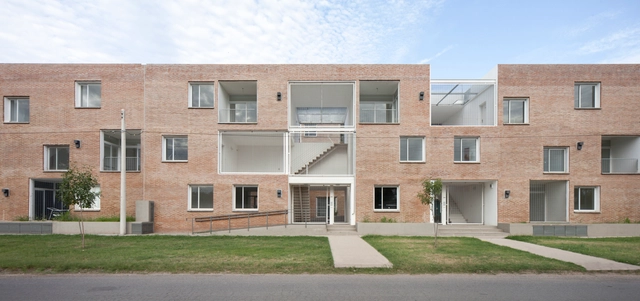
In recent years, the Argentine architectural field has been shaped by a group of young architects striving to create architecture that responds innovatively to contemporary needs and, above all, to local contexts. Adding their individual perspectives and interests, among them, we can highlight the work of architects Tomás Balparda and Fernando Brunel.
Portrait of Ricardo Scofidio. Image Courtesy of Diller Scofidio + Renfro
Ricardo Scofidio, a distinguished figure in the world of architecture, passed away on March 6, 2025, at the age of 89. Born in New York City in 1935, Scofidio co-founded the influential architecture firm Diller Scofidio + Renfro (DS+R) with his partner Elizabeth Diller in 1979. Together, they brought to the profession a conceptual art sensibility, influencing the design of globally recognized cultural landmarks and public spaces. Among their most notable projects are the High Line in Manhattan and the transformation of Lincoln Center, each reflecting the studio's ambition of challenging conventional architectural premises.
In a world facing resource scarcity, rapid digital transformation, and evolving societal demands, the need for dynamic dialogue between architects, designers, product developers, and manufacturers has never been more crucial. In 2025, the ICONIC AWARDS will take things further with an expanded and refreshed platform that unites architecture, interior design, and product innovation—spanning from buildings to furniture—all under one roof. The German Design Council is merging the former "Innovative Architecture" and "Interior Products" awards to create a powerful new stage for visionary ideas and groundbreaking solutions.
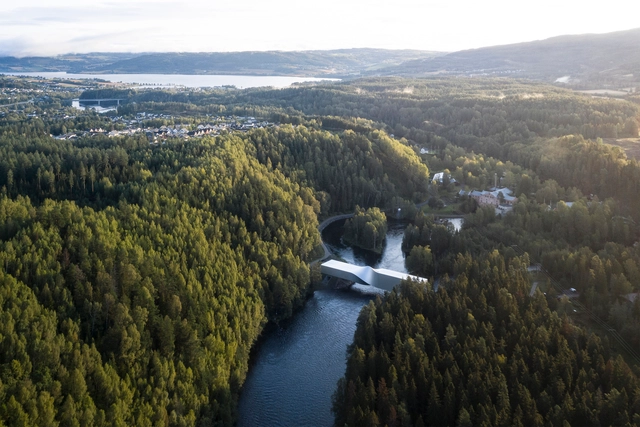
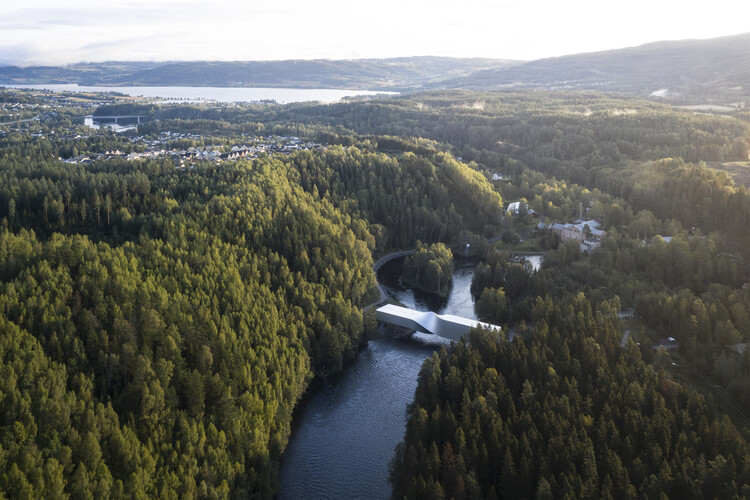
In the autumn of 2024, the Kistefos Museum Foundation invited 28 architectural firms to participate in a prequalification process to design a new site-specific standalone gallery. Scheduled to open in 2031, the new museum building will house the art collection of the museum's founder, Christen Sveaas. The gallery will join Kistefos' sculpture park, which features 55 works by international artists such as Yayoi Kusama, Olafur Eliasson, Fernando Botero, and Anish Kapoor, as well as an industrial museum and BIG's award-winning art gallery, The Twist. Additionally, a new visitor center, designed by the Oslo-based architectural firm Lund Hagem, is set to open in 2026.
This month's architecture news highlights a strong focus on sustainability, adaptive reuse, and innovative community-centered design. From environmentally responsiveurban developments to cultural and recreational spaces, architects are redefining how buildings interact with their surroundings. Notable examples include 3XN's Sydney Fish Market redevelopment, which integrates public accessibility with climate-sensitive design, and CambridgeSeven's Seneca Park Zoo expansion, which blends conservation efforts with immersive visitor experiences. Whether it's the creation of high-performance sports facilities in Portland or the transformation of historic sites into contemporary hubs, these projects showcase the evolving role of architecture in shaping communities. Read on to discover the latest architectural news and developments.
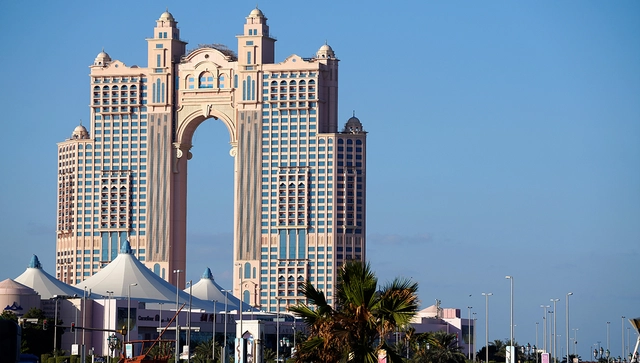
The Rixos Marina project demonstrates the perfect harmony between luxury and style using Terraco’s Terracoat Suede. Image Courtesy of Terraco
The façade of any building is more than just its exterior; it serves as a canvas that not only enhances the structure's appearance but also reflects its inner essence and character. The exterior façades category encompasses a broad variety of finishes and systems, including renders, and decorative coatings, designed to protect buildings while adding aesthetic value, blending functionality with visual appeal in perfect harmony. These finishes are crucial in defining the architectural character and energy efficiency of residential, commercial, and industrial structures.
The global exterior façade finishes and coatings industry is witnessing significant growth, driven by: increasing construction activities related to rapid urbanization and development; accelerated renovation projects; the adoption of energy-efficient building and sustainable construction practices; and the rising demand for aesthetically pleasing and durable building exteriors. It is projected to grow with a strong CAGR of 9% between 2023-2030, as per the Exterior Architectural Coating Market 2024 report by 360iResearch.
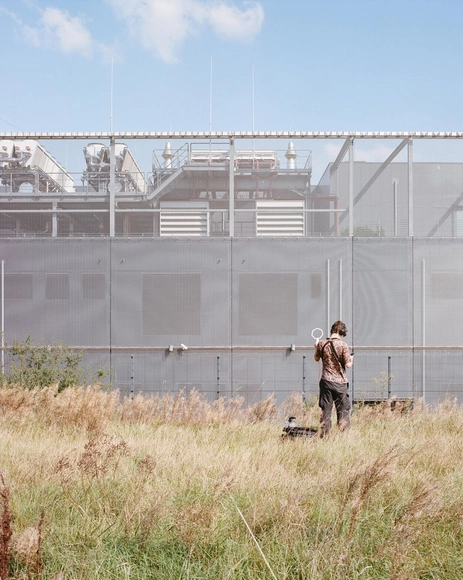
The Luxembourg pavilion at the 19th Venice Architecture Biennale will offer visitors an experience focused entirely on sound. Sonic Investigations, curated by architects Valentin Bansac, Mike Fritsch, and Alice Loumeau, is an immersive invitation to shift focus from the visual to the sonic. The sound installation, located in the Arsenale's Sale d'Armi, is based on a practical and theoretical investigation that re-examines the country's territory through field recordings capturing a range of sounds from biological, geological, and anthropogenic sources woven into the landscape. The installation creates an embodied experience of space, emphasizing the value of sensorial approaches in spatial practices and exploring the question: How can we reveal the entangled character of specific contemporary situations in Luxembourg?
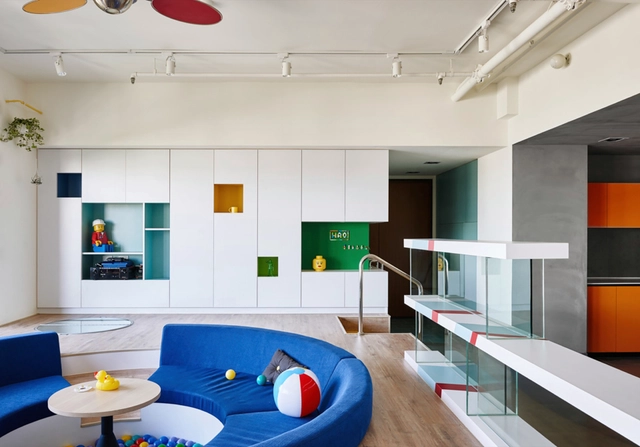
Despite its small size, the island of Taiwan is densely populated, with more than 80% of its people living in urban areas. Available space is often limited, particularly in major cities like Taipei, Taichung, and Kaohsiung. Therefore, designers face the ongoing challenge of creating interiors that feel spacious, functional, and visually appealing despite their sometimes compact footprints. Rather than seeing these limitations as constraints, architects embrace them as opportunities to experiment with smart layouts and multi-functional furniture that enhances livability.
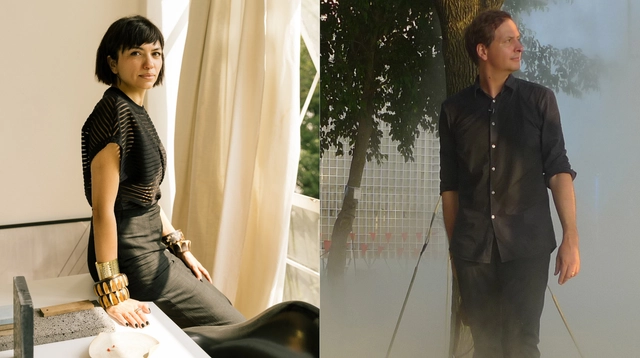
https://www.archdaily.com/1027646/sana-frini-and-philippe-rahm-curate-the-architecture-exhibition-at-the-2025-versailles-biennale-of-architecture-and-landscapeArchDaily Team