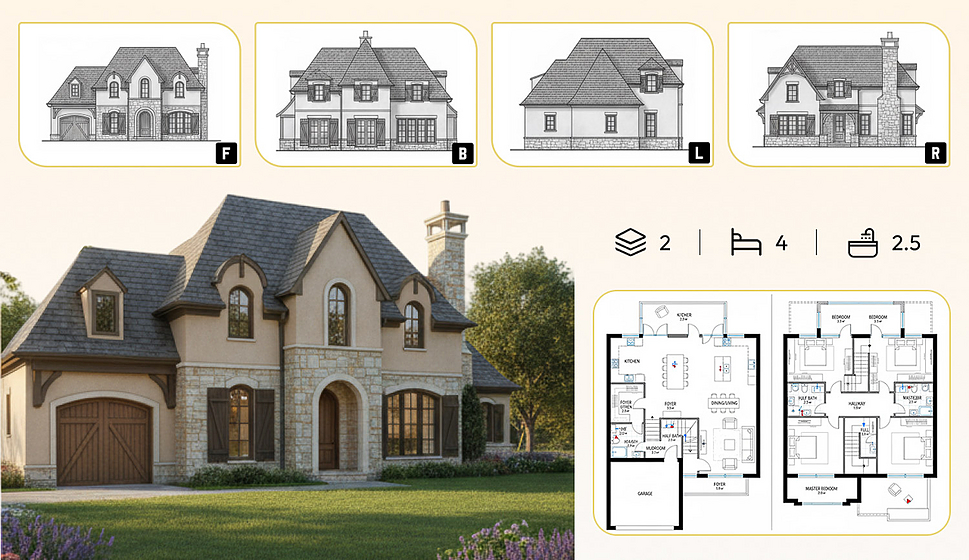
This guide covers a workflow that moves from project parameters to generated floor plans, 3D perspective views, exterior design exploration, and site context visualization, using AI tools in place of preliminary CAD and rendering work.
This guide covers a workflow that moves from project parameters to generated floor plans, 3D perspective views, exterior design exploration, and site context visualization, using AI tools in place of preliminary CAD and rendering work.
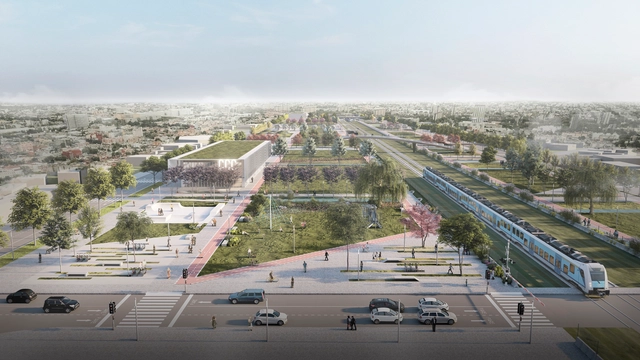
The Central Society of Architects (SCA) and the Association of Architects of the Province of Buenos Aires (CAPBA) organized the National Ideas Competition to develop a Rail Cultural Hub. The project includes a new General Railway Archive (AGF), a branch of the National Railway Training Center (CENACAF), and new facilities to protect records and showcase the historical and cultural heritage of Argentine Railways (Ferrocarriles Argentinos).
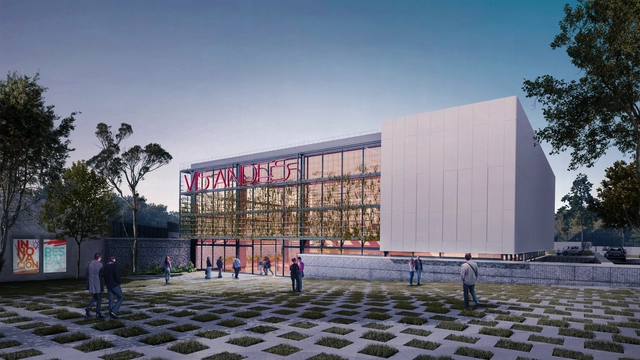
The savings and credit cooperative Visón de los Andes, “VisAndes,” launched a competition for the design of its new headquarters in Salcedo, Ecuador. As one of the strongest cooperatives in its sector, it sought to incorporate sustainability principles alongside its own core values, inviting prominent architecture firms from across the country.
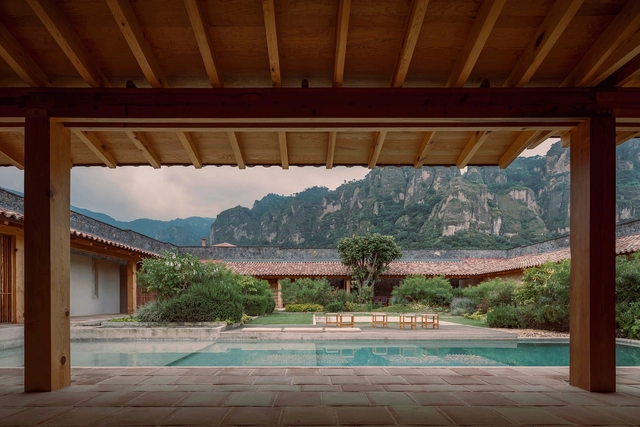
The DNA Paris Design Awards have announced the winners of the 2022 edition in the categories of architectural design, interior design, landscape design, product design, and graphic design. The results were announced at the end of June, and the awards ceremony will take place in Paris in September 2022.
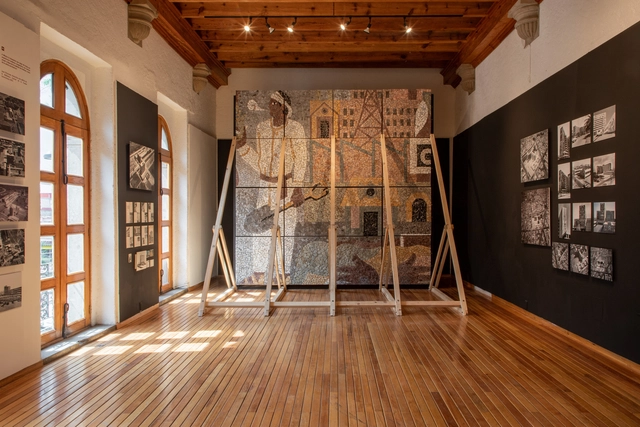
On this day 117 years ago, Juan O'Gorman—the first Mexican functionalist architect—was born, whose work marked a turning point in the architectural production of his era. He trained at what was then the National School of Architecture, where he completed and integrated his studies in architecture and engineering. Considered the father of modern architecture in Mexico, O'Gorman trained in the style of Le Corbusier and the stripped purism of Villagrán, eventually evolving toward the "New Mexican Baroque" movement. His works were characterized primarily by the use of reinforced concrete, asymmetric exteriors, and a constant search for air and light.
__2017_01.jpg?1644495131&format=webp&width=640&height=580)
The CCCB is launching the call for entries for the European Prize for Urban Public Space, a biennial competition organized to recognize and promote projects that create, restore, and improve public spaces in European cities. This honorary award—with registration open from April 20 to May 17, 2022—will recognize works completed between 2018 and 2021. Teresa Galí-Izard, an agricultural engineer, landscape architect, and professor at ETH Zurich, will chair the prize's international jury. The rules and all information regarding participation are available on the website.
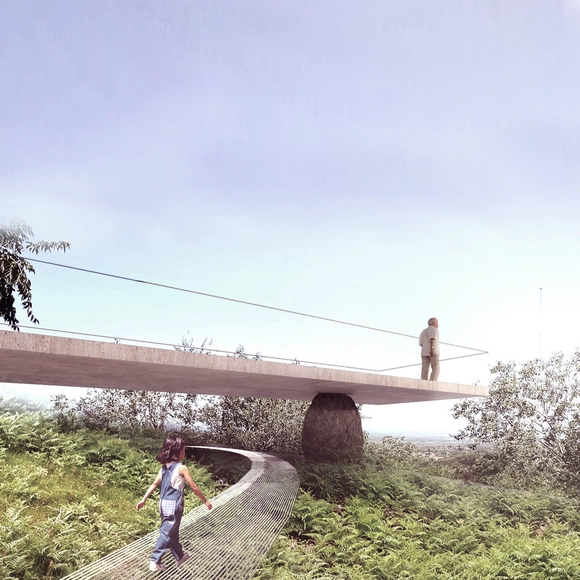
The National Ideas Competition for the Todos Hermanos (Fratelli Tutti) Themed Promenade was organized by the Merlo chapter of the Association of Architects of the Province of San Luis. The objective was to create an open public space for reflection on peace and fraternity, addressing themes such as overcoming social, cultural, religious, and environmental conflicts. At the same time, the space will support recreational, cultural, and leisure activities, landscape contemplation, and other programs that engage the public.
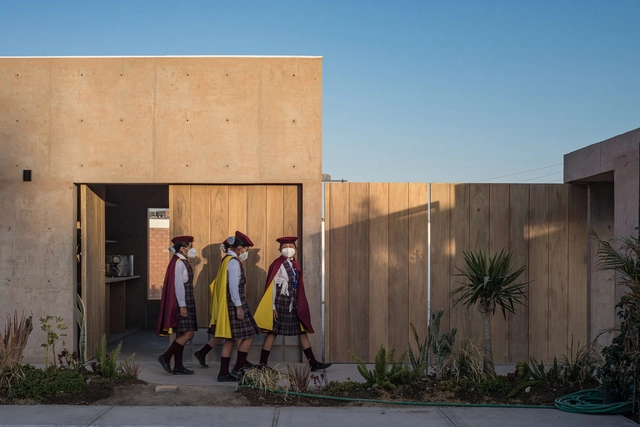
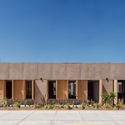
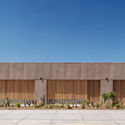
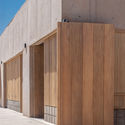
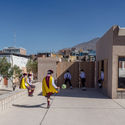
In the latest edition of the FAD Awards for Architecture and Interior Design, the Kindergarten in the Cerro Colorado Community, located in the city of Arequipa, was selected as a 2022 International FAD Finalist. Designed by architects Ander Bados Sesma and Betsaida Curto Reyes, the school was developed as an expansion of the Villa Magisterial school by the NGO All Hands and Hearts following severe flooding in the city.
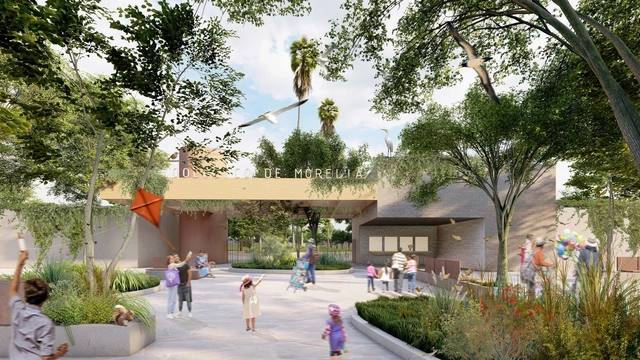
As part of an initiative by the Ministry of Urban Development and Mobility of the Government of Michoacán, the Ministry of the Environment, and the Michoacan University of San Nicolás de Hidalgo, the First Ideas Competition to renovate and adapt the Morelia Zoo (one of the largest in Mexico by number of species) to the new environmental, social, and cultural conditions of its context was launched.

Dear users,
When we launched this project in 2006, the concept of a "Platform" became highly significant for us, as we sought to provide an effective foundation to showcase your work as architects, building a network for knowledge exchange.
Although it was in Spanish, this network grew from Chile to the world, generating significant interest from various regions. This made us realize that the platform was needed in other languages, leading us to launch it in English, and later in Portuguese and Chinese.
At that moment, we wondered what it should be called: Architectural Platform? Plataforma Arquitetura? 体系结构平台?
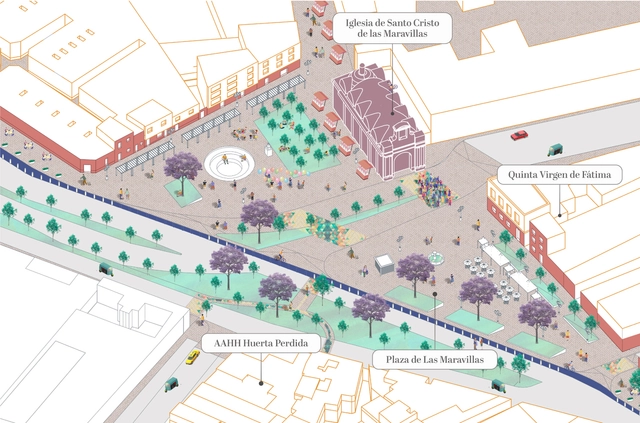
The first “Urban Life Competition: Ideas for Sustainable Urban Transformation” was launched as part of an initiative by the Spanish Agency for International Development Cooperation (AECID) in collaboration with the Ibero-American General Secretariat (SEGIB), under the framework of the LAIF City Life initiative and with the support of the European Commission. On June 15, 2022, the appointed jury announced the winning ideas, selected from over 90 proposals from 15 Latin American countries.

The international architecture festival Open House Madrid returns with a surprise for 2022, offering free access to five “magical” locations to enjoy the city from above, from September 23 to 25.

For its 43rd edition, the Grand Jury of the 2022 Konex Awards has selected the 100 most outstanding figures of the last decade in Argentine Visual Arts, spanning the period from 2012 to 2021. Honoring five individuals in each of the 21 established disciplines, the awards and diplomas of merit will be presented on Tuesday, September 13.
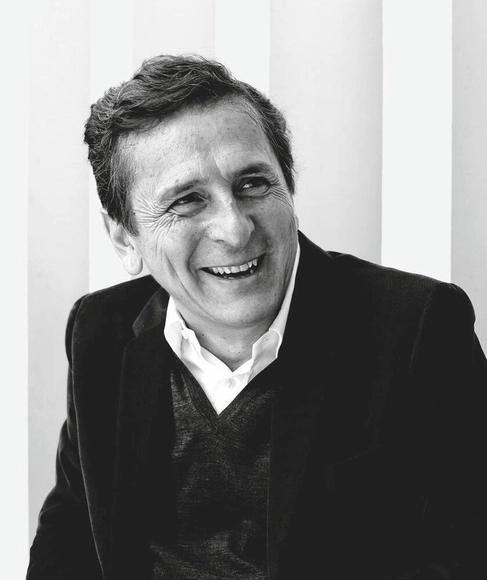
Today, it was announced that architect Emilio Tuñón has been awarded the 2022 National Architecture Prize, presented by the Ministry of Transport, Mobility, and Urban Agenda (Mitma).
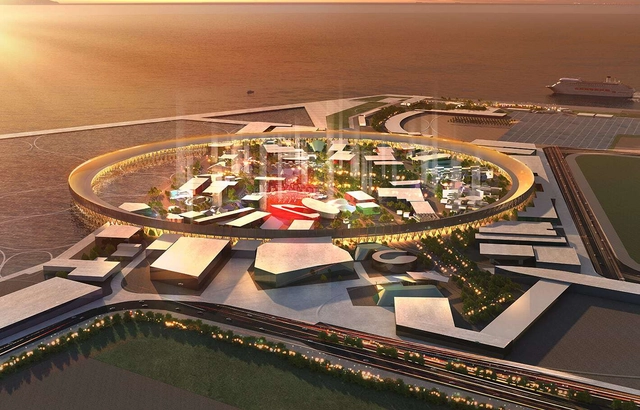
The Brazilian Trade and Investment Promotion Agency (ApexBrasil) has launched the design competition for the Brazil Pavilion at the Osaka World Expo, which will take place between April and October 2025. The official call for entries was released on October 3, marking the celebration of World Architecture Day. Registration is open until November 7 on the official competition website, and the results will be announced on December 5.
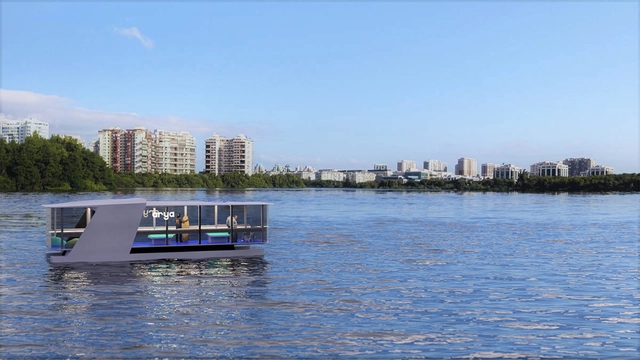
An eco-friendly autonomous vessel will begin transporting passengers through the waterways of Rio de Janeiro in December 2022. The new urban mobility project is the result of a partnership between travel platform Hotel Urbano – Hurb and TideWise, a Latin American autonomous boat company.
The new partnership will explore several of the city's water routes to connect tourist attractions and major hubs, such as Sugarloaf Mountain and downtown Rio, as well as the Península in Barra da Tijuca and the Jardim Oceânico subway station.
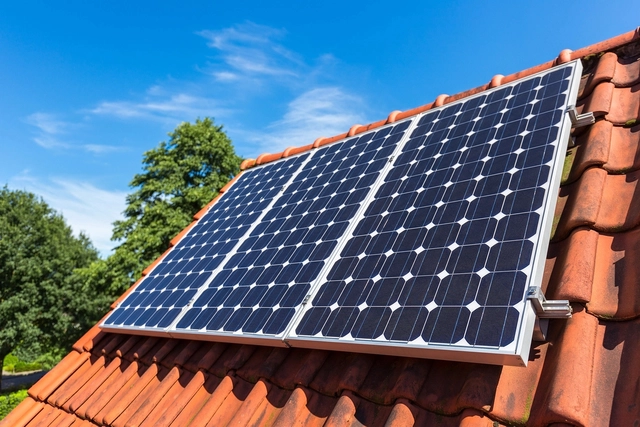
In January of this year, a legal framework for distributed micro- and minigeneration of energy was established under Law 14,300/2022. The text ensured that the sector's previous rules would be maintained until 2045 for existing solar installations and new customers within a 12-month window. Now, with only three months left in the year, the topic is back in the spotlight, as the deadline to secure benefits like exemptions from certain tariff components is fast approaching.

The National Historical and Artistic Heritage Institute (Iphan) has launched the 35th edition of the Rodrigo Melo Franco de Andrade Award. The award recognizes outstanding national initiatives in the preservation and promotion of Brazilian Cultural Heritage. This year's theme is the Socioeconomic Sustainability of Cultural Heritage, and submissions are open until July 11.
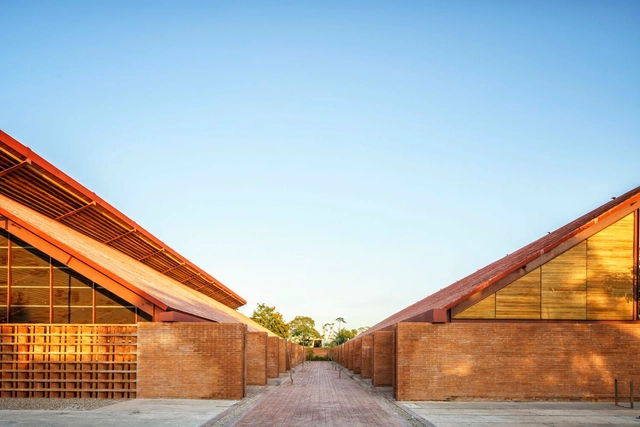
The Mexican project Casa de Música, designed by Colectivo C733, and the Bío Bío Regional Theater in Chile, by architects Smiljan Radic, Gabriela Medrano, and Eduardo Castillo, have been jointly awarded the Grand Prize at the Pan-American Architecture Biennial of Quito BAQ 2022.
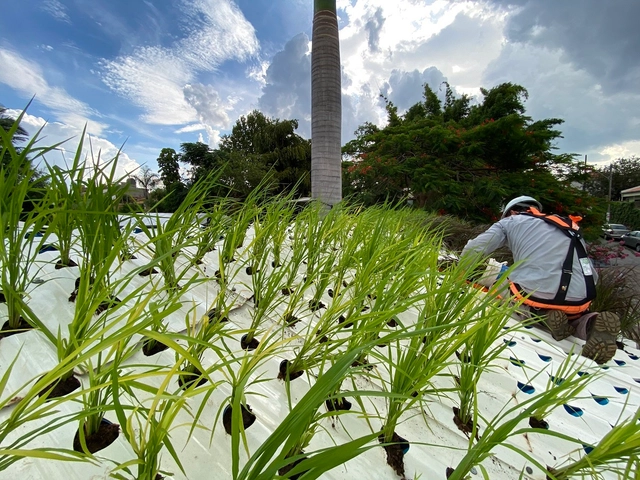
The desire to simplify and find new ways to bring more greenery to buildings and cities motivated agricultural engineer Sérgio Rocha to create Kaatop, a hydroponic roof tile designed for cultivating various plant species. The inspiration for the tile came from his professional experience developing green roofs and suspended gardens. Working in the field for over a decade, Rocha noticed that existing market systems and techniques struggled to gain traction in construction projects.
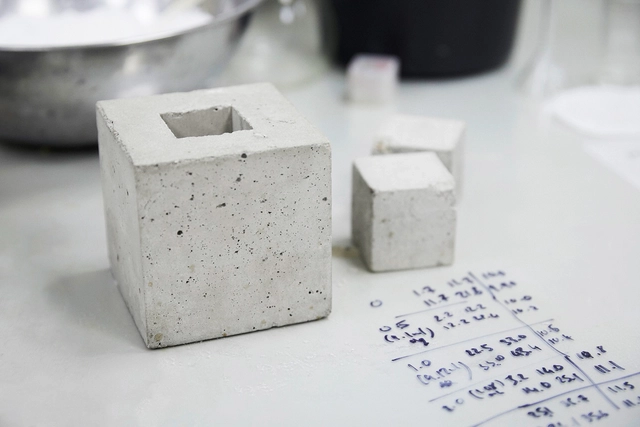
A carbon-neutral concrete prototype has just won the 2022 Obel Award. The solution aims to mitigate the environmental impact of the construction industry, which is responsible for 38% of all energy-related CO2 emissions, according to a UN report.
Dubbed Seratech, the material was developed by two PhD students from Imperial College London, Sam Draper and Barney Shanks. They discovered a simple way to eliminate concrete's CO₂ footprint: replacing part of the concrete's cement content with a type of silica created from carbon dioxide (CO₂) captured from factory smokestacks.
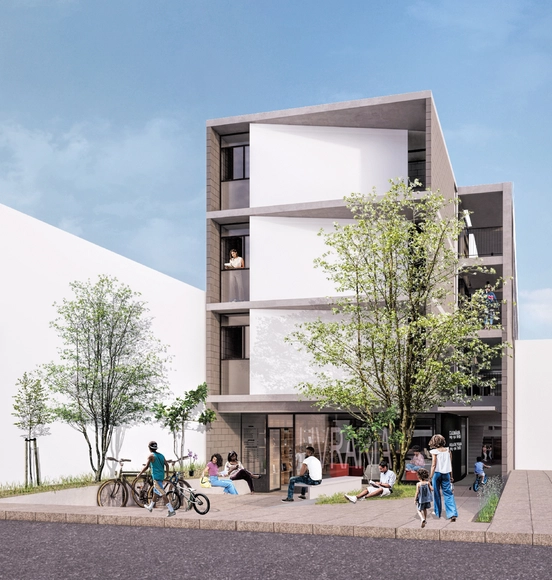
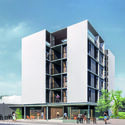
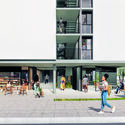
How can architecture and urbanism once again contribute to the debate and production of Social Interest Housing (HIS)? This was one of the guiding questions behind the Guidelines for Social Interest Housing in Jardim Lapena, developed by the Tide Setubal Foundation and BlendLab for the East Zone of São Paulo. The document compiled a set of guidelines on housing, management models, site planning, and integration with the urban environment, shaping the proposals for the +Lapena Habitar Call for Projects held in late 2022.
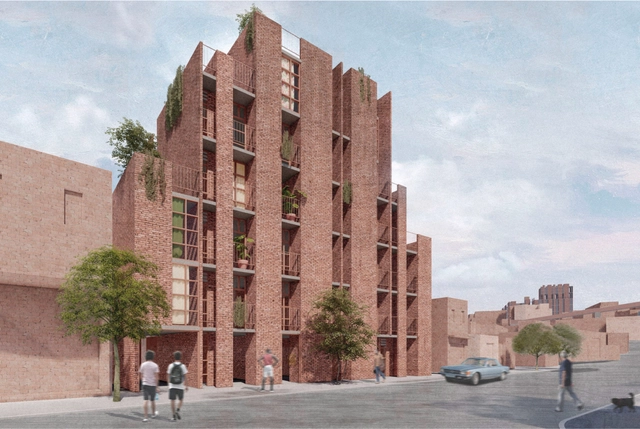
How can architecture and urbanism once again contribute to the debate and production of Social Interest Housing (HIS)? This was one of the core questions that guided the development of the Guidelines Manual for Social Interest Housing in Jardim Lapena, created by the Tide Setubal Foundation and BlendLab for the East Zone of São Paulo. This document compiled a set of guidelines on housing, management models, site planning, and integration with the urban environment, which in turn guided proposals for the +Lapena Habitar Call for Projects held in late 2022.
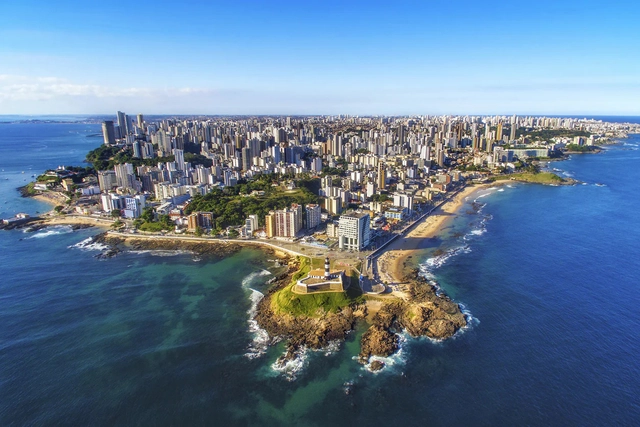
The relationship between cities and ocean sustainability was highlighted at the Brazil Pavilion during COP28, the United Nations Climate Change Conference. The panel "Cities, ports, and conservation: integrated effort for resilient and climate-adapted cities" brought together representatives from the federal government, subnational governments, the private sector, and civil society, and marked the launch of the publication "Ocean Without Mysteries – Building Blue Cities."
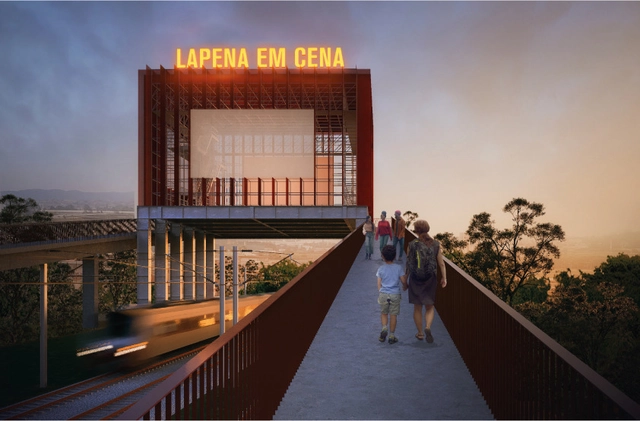
How can architecture and urban planning contribute once again to the debate on and production of Social Interest Housing (HIS)? This was one of the core questions guiding the development of the Guidelines Booklet for Social Interest Housing in Jardim Lapena, created by the Tide Setubal Foundation and BlendLab for the East Zone of São Paulo. This booklet compiled a set of guidelines regarding housing, management models, site planning, and urban integration, guiding the proposals for the + Lapena Habitar Call for Projects held at the end of 2022.
__2017_06.jpg?1644495162 "European Prize for Urban Public Space - 2018 Edition Winners. Image via Centre de Cultura Contemporània de Barcelona")
__2017_05.jpg?1644495156 "European Prize for Urban Public Space - 2018 Edition Winners. Image via Centre de Cultura Contemporània de Barcelona")
__2017_02.jpg?1644495138 "European Prize for Urban Public Space - 2018 Edition Winners. Image via Centre de Cultura Contemporània de Barcelona")
__2017_07.jpg?1644495169 "European Prize for Urban Public Space - 2018 Edition Winners. Image via Centre de Cultura Contemporània de Barcelona")
__2017_01.jpg?1644495131)