The architecture of Latin America and Spain is testament to the rich and diverse cultures, traditions, needs, and solutions that define these territories. With more than 700 projects built in Spanish-speaking countries published on ArchDaily en Español, the time has come to explore, debate, and choose your favorites for the Obra del Año 2026 award.
Following an international design competition launched in January 2026, the Museum of Contemporary Art of Panama (MAC Panamá) announced the selection of Mexican architects Palma + Taller TO to design its new building. The museum is described as "a new cultural infrastructure open to the city, conceived from the identity, climate, and landscape of Panama." The future museum headquarters will be located in the corregimiento of San Francisco, to consolidate the area as a hub of cultural activity. The selection criteria involved the relationship between the museum and the city, prioritizing proposals with integrated elements for community engagement and framing the building as a cultural infrastructure, enriching the contemporary urban environment of Panama City.
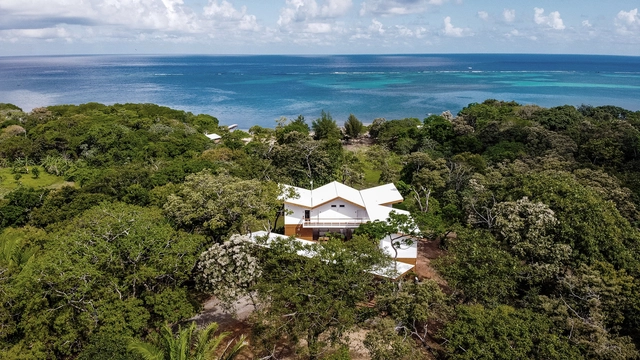
In temperate and cold climates, architecture typically begins with a defensive gesture. The building envelope is a sealed boundary designed to resist the exterior environment through insulation, vapor barriers, and mechanical control. In cold countries like Canada, where winter temperatures can plunge well below freezing, airtightness is not a luxury. In this context, buildings must resist the exterior environment entirely to maintain interior comfort. However, in Central America, a region spanning from Belize to Panama, architectural logic shifts from exclusion to negotiation. In this region, the envelope is not a wall of defense but a specialized filter.
Understanding the temperature gradient in a building is essential in cold or temperate climates, where airtight enclosures and continuous insulation are used to prevent heat loss. However, this approach is not suitable for tropical areas like Central America, where the climate is marked by a consistent alternation between wet and dry seasons rather than four distinct ones. Factors such as proximity to the sea, elevation, and local topography influence microclimates across short distances, but high humidity remains a common challenge. Sealed, airtight walls with no ventilation can quickly become breeding grounds for mold, making the thermal strategies of temperate climates problematic. In response, local designers have developed alternative approaches that embrace, rather than resist, the outdoor environment, allowing airflow and evaporation to manage interior comfort.
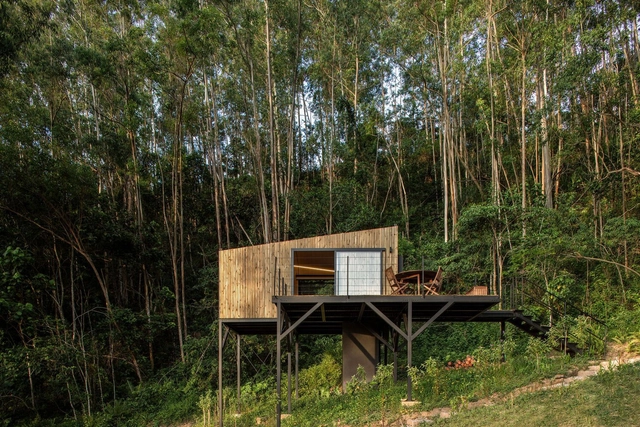
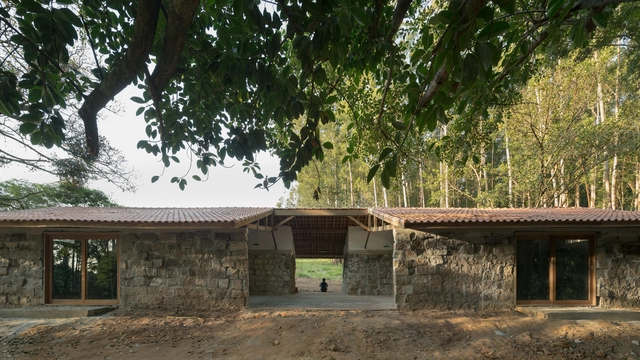
The Latin American territory encompasses a vast diversity of climates, atmospheres, and temperatures across its entire expanse. Amid forested landscapes, jungles, or coastal settings, many architects choose to design cabins immersed in natural surroundings, seeking to foster a deeper connection with nature by distancing themselves from the city. While experimenting with different materials and local techniques enhances a stronger bond with the site's traditions and creates a distinct architectural identity for each region, the integration of technological innovations and new construction materials can offer greater resilience to climate change, improve short- and long-term maintenance, optimize construction timelines, and address other key considerations.
The Latin American Architecture Biennial (BAL), which has gained significant relevance in the contemporary architectural scene, will celebrate its ninth edition next year. This meeting gathers emerging Latin American architecture studios in Pamplona, Spain, to share their work, fostering dialogue and debate about the current state of the discipline, as well as acting as a bridge between the Latin American continent and the Spanish context. In this edition, Costa Rica will be the guest country, accompanied by Honduras, El Salvador, Panama, Guatemala, and Nicaragua. As part of this invitation, there will be an exhibition and specific seminars dedicated to analyzing the situation of architecture in these countries.
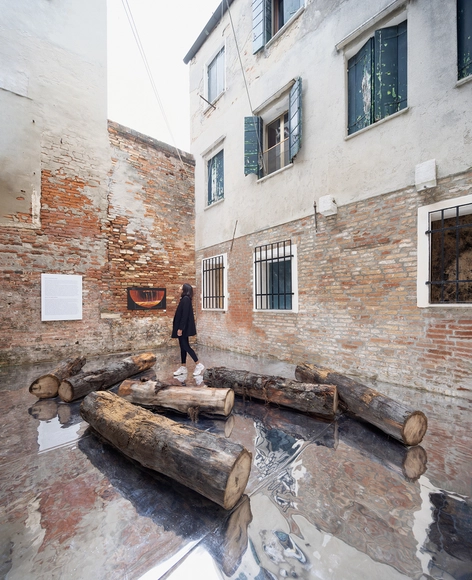
Panama presented its pavilion on "Stories Beneath the Water" at the 18th International Architecture Exhibition – La Biennale di Venezia. Curated by Aimée Lam Tunon, the exhibition explored themes of division and integration, with a focus on three different areas within the former Panama Canal Zone. It is an analysis that addresses issues of division and integration: Divisive architectural structures and systems; erased identities of submerged communities; and Barro Colorado Island, critically examining and questioning the overlaps between notions of protection and control.
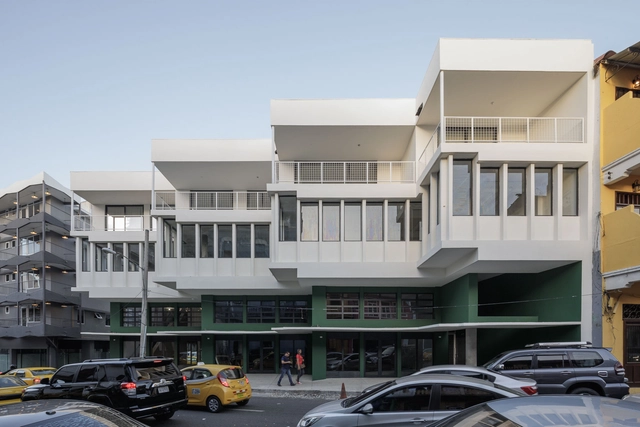
The city of Panama has been experiencing an architectural rebirth. Buildings that have become outdated and deteriorated over time are now being renovated, restored, and modernized - and one of the main offices carrying out this task is Sketch, an architecture studio that defines itself as "energetic, multidisciplinary, and a firm believer that design should be both smart and fun."
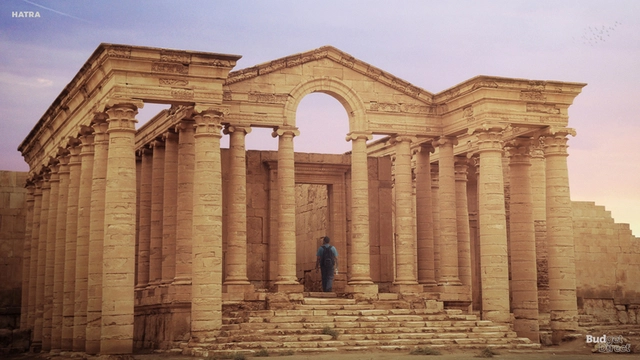
hatra (al-jazīrah – iraq). Image Courtesy of NeoMam Studios
Budget Direct and NeoMam Studios, a creative studio based in the UK, have created a series of animated gifs restoring 6 UNESCO cultural sites and showcasing how these ruins would have looked like if they had been preserved. Bringing to life endangered sites, the project includes the recently destroyed ruins of Palmyra in Syria and Hatra in Iraq, demolished by ISIS in 2015.
Vienna, Austria has been ranked as the city with the best quality of life in the world for ten consecutive years. The ranking made by multinational consultancy Mercer is dominated by Western European cities in the highest positions, while Vancouver, Canada reached third place, becoming the highest-ranking city in North America for the last 10 years.