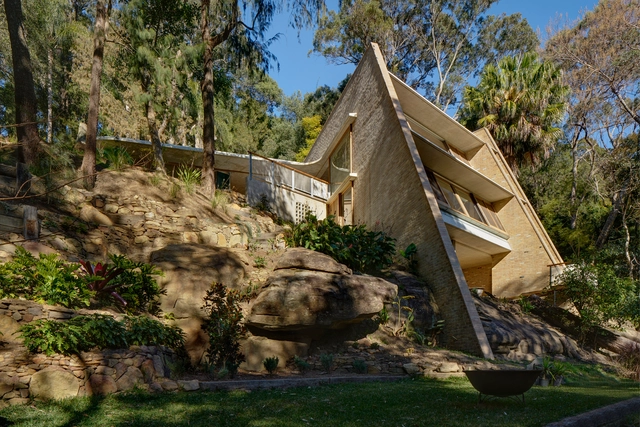
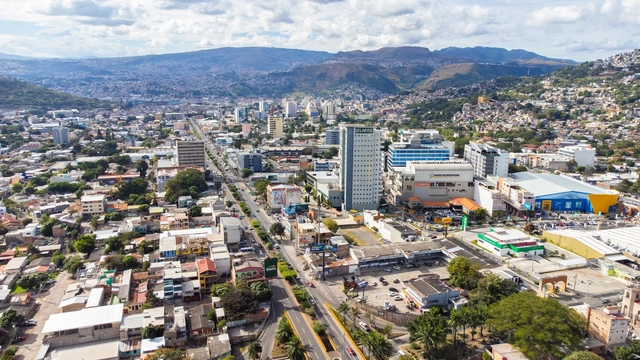
When we think about cities, we often assume the orthogonal grid is the norm: neat, predictable, and rational. However, many urban areas around the world, notably those shaped by hills and uneven terrain, defy this convention. In cities like Lisbon, in Portugal orthogonal grids appear only in flatter zones such as Baixa, while surrounding areas like Alfama adapt organically to topography. These areas create more layered, irregular, and visually dynamic urban forms. Yerevan in Armenia, offers another urban example of this adaptation: the Cascade Complex transforms a steep hill into a terraced public space that connects different city levels while framing panoramic views. For other countries, this response to topography becomes even more critical. Cities like Tegucigalpa in Honduras or Valparaiso in Chile are defined by steep, irregular terrain that requires architects to engage deeply with the land. Designing in these contexts, especially for residential projects, demands technical adaptation and a contextual understanding that allows the slope to become a generative element in the design process.
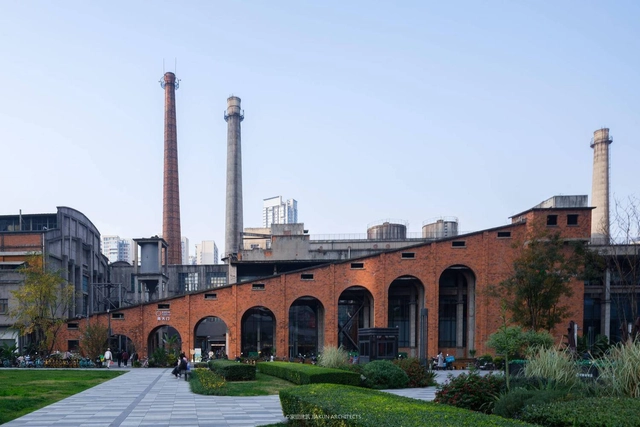
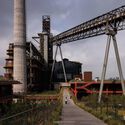
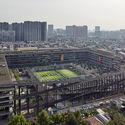
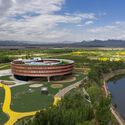
For nearly the past two decades, cities around the world embraced "starchitecture"—futuristic, eye-catching buildings designed by globally renowned architects. In China, this trend was particularly pronounced as rapid urbanization fueled the construction of iconic megastructures like Zaha Hadid's Galaxy SOHO, OMA's CCTV Headquarters, and Herzog & de Meuron's Bird's Nest Stadium in Beijing. At the time of their construction, these were all celebrated as symbols of progress and global ambition. However, architecture worldwide has begun shifting toward a more context-driven, human-centered approach, with China emerging as one of the key contributors to this transformation. This year, Liu Jia Kun's 2025 Pritzker Prize further underscores that shift.
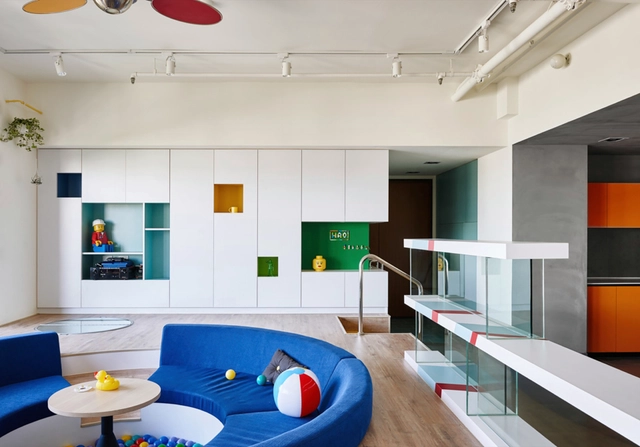
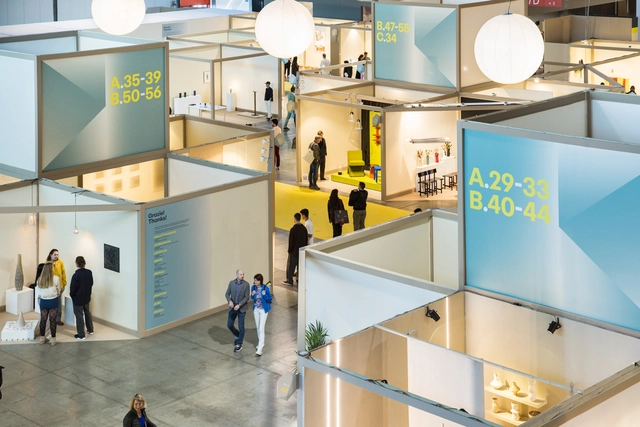
Despite its small size, the island of Taiwan is densely populated, with more than 80% of its people living in urban areas. Available space is often limited, particularly in major cities like Taipei, Taichung, and Kaohsiung. Therefore, designers face the ongoing challenge of creating interiors that feel spacious, functional, and visually appealing despite their sometimes compact footprints. Rather than seeing these limitations as constraints, architects embrace them as opportunities to experiment with smart layouts and multi-functional furniture that enhances livability.
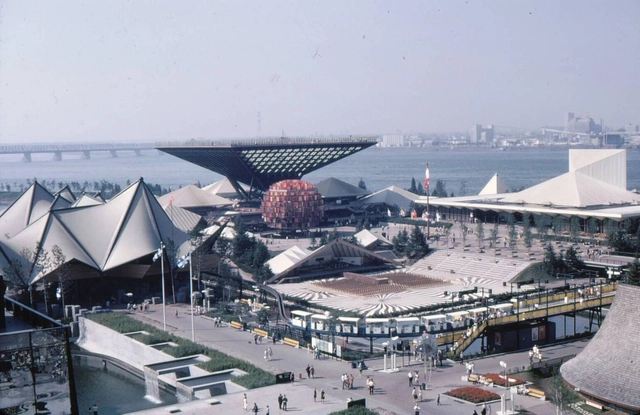
Canada's Expo 67 stands as one of the most successful world expos ever held, setting records and leaving an enduring impact on Montreal's urban landscape. As part of Canada's 100 years celebrations, the event provided an opportunity for the city to showcase its cultural and technological achievements on a global platform. With over 50 million visitors in just six months, it shattered attendance records, including an astonishing 569,500 visitors in a single day. An unprecedented feat for a world fair at the time. Now, 58 years later, and with the Osaka Expo 2025 set to showcase how to design the future society for our lives, it is worth revisiting the legacy of Expo 67 and exploring the urban transformations it brought to Montreal.
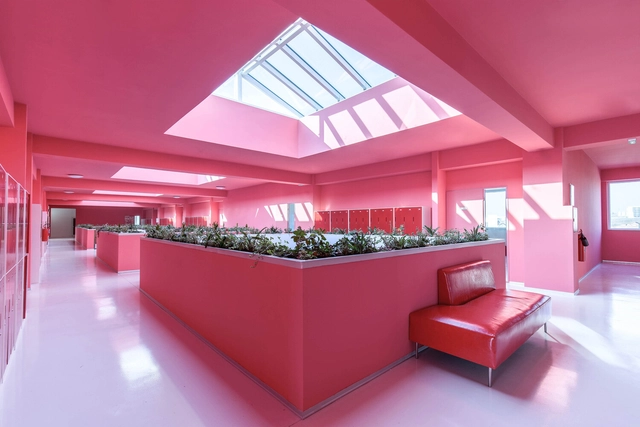
In recent years, pink has evolved beyond its traditional associations to become a sophisticated and versatile element in architecture and interior design. Defined by a broad spectrum of shades, pink encompasses both warm and cool tones, ranging from pure red tints (R) to blends with yellow (Y80R, Y90R) or blue (R10B, R20B, R30B), as classified by the Natural Color System (NCS). While difficult to define by a single shade, this color balances vibrancy and softness, making it adaptable across different materials and contexts. As pink continues to gain prominence in contemporary interiors, its role extends beyond being a mere color choice—it is a design strategy. The recent transition from the bold, playful pinks of the "Barbiecore" trend to softer, powdery hues seen in fashion and design in 2025 fashion collections, highlights the color's adaptability. Its presence in Pantone's 2025 color palettes, also reinforces its appeal across disciplines. When applied thoughtfully, pink can transform spaces, making them feel inviting, expansive, or timeless.
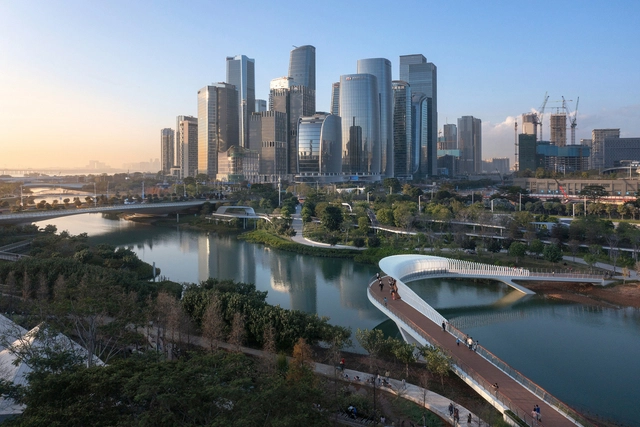
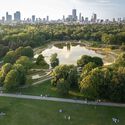
The concept of "sponge cities" has gained prominence since it was introduced by Chinese landscape architect Kongjian Yu, founder of Turenscape, and was officially adopted as a national policy in China in 2013 to combat urban flooding. This approach prioritizes nature-based infrastructure such as wetlands, rain gardens, and permeable pavements, creating landscapes with porous soil where native plants can thrive with minimal maintenance. When it rains, these systems absorb and slow down water flow, reducing flood risks. In contrast, traditional concrete- and pipe-based drainage solutions, though widely used, are costly, rigid, and require frequent maintenance, sometimes even making cities more vulnerable to flooding due to blockages and overflows.
In 1975, Honduras was under a military regime that had been in power for over a decade, led at the time by General Juan Alberto Melgar Castro. During this period, Tegucigalpa underwent several big and unprecedented changes. The influx of people from various parts of the country due to rural migration transformed the city from a compact urban area into an expanding metropolis. This unexpected growth prompted the government to implement a municipal development and planning scheme, a project that would define the city's future and the evolution of its old town. This article was developed with the collaboration of the Honduran architect Lisandro Calderón, who specializes in Urban Planning and is currently a professor at the Central American Technological University (UNITEC), located in Tegucigalpa, Honduras.
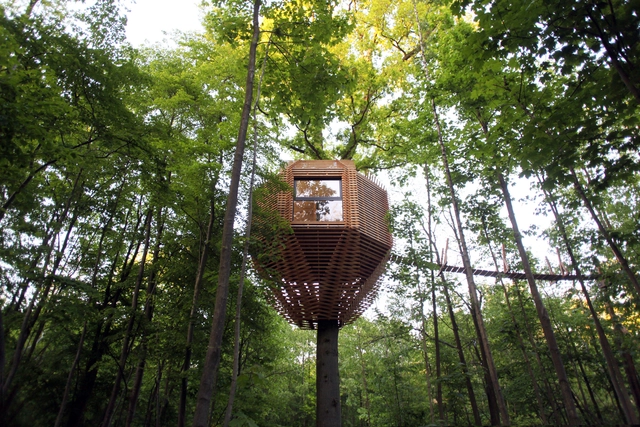
Despite their whimsical appearance, treehouses offer a unique platform for structural innovations and design explorations. Traditional treehouses rely on the trunks of trees for structural support, but, in order to ease the load supported by the tree, contemporary projects often introduce additional systems, such as stilts to maintain the image while offering additional support. One of the key advantages of elevating them in this way is the reduced environmental footprint. Treehouses can be designed to leave the forest floor untouched, preserving small-scale ecosystems. By freeing up the ground below, they minimize disruptions to native flora and fauna, allowing nature to thrive undisturbed. Similarly, many architects use the local topography to create seamless connections, incorporating ramps, stairs, or bridges that integrate with the landscape. These solutions not only improve accessibility but also enhance the overall experience creating an architectural promenade that moves between the treehouse and its surroundings.
"This sensitivity to the environment is reflected not only in the structural design but also in the careful selection of materials. The use of natural materials like wood, also helps the structure blend with its environment. Some designers have gone further by employing alternative materials such as mirrored panels to reflect the surrounding forest and mask the treehouse's presence entirely, demonstrating that the choice of material can contribute to creating a project that feels like an extension of its setting rather than an imposition on it. This collection highlights notable examples from Sweden, Denmark, Indonesia, and France, showcasing their diverse approaches.
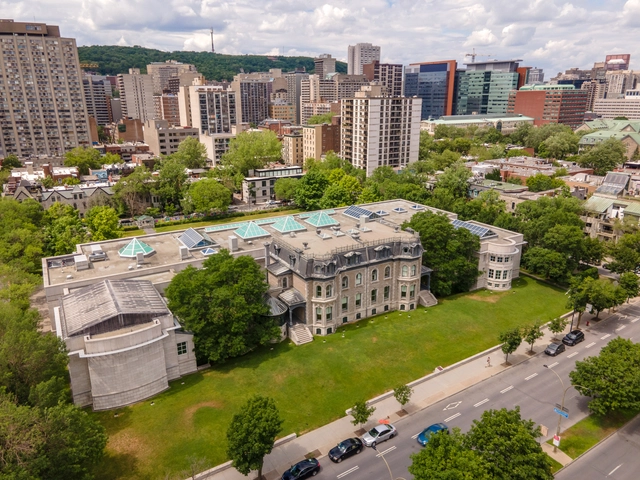
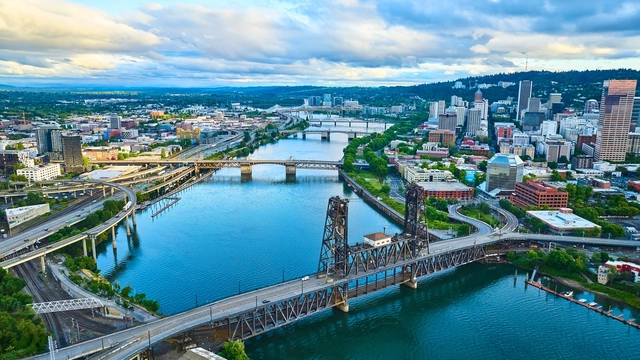
Phyllis Lambert has been a key figure in the preservation of Canada's cultural heritage. As an architect and advocate for heritage conservation, Lambert has left an indelible mark in Montreal and other cities worldwide. Her contributions to Montreal's architectural scene can't really be judged in terms of individual buildings, but rather in terms of the city as a whole. She not only cofounded the Canadian Center for Architecture (CCA), but also helped reshape the way cities like Montreal think about heritage and the importance of community voices in urban planning.
Religious architecture in Asia is evolving by incorporating modernist influences while preserving its spiritual essence. Clean lines, minimalist aesthetics, and materials like concrete, steel, and glass are a common sight. These interventions often replace or complement the intricate ornamentation and natural materials traditionally associated with sacred spaces in the region. This approach allows these structures to achieve a universal appeal while still reflecting their cultural and spiritual foundations.
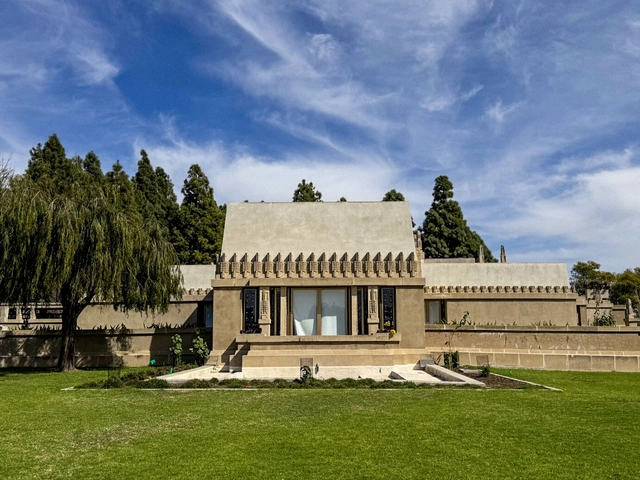
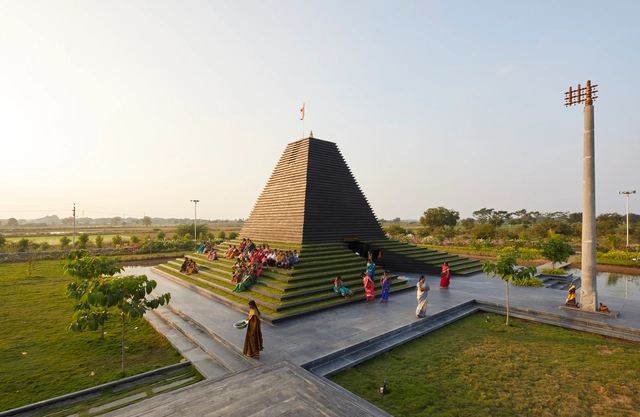
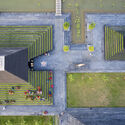
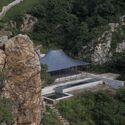
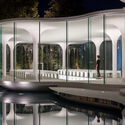
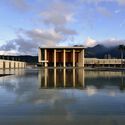
Several examples highlight this blend of tradition and modernity. The Cloud of Luster Chapel in Japan uses slender columns and abundant natural light to create a luminous atmosphere, evoking Frank Lloyd Wright's Johnson Wax Building. The Temple of Steps in India incorporates cascading steps that emulate the traditional Ghats, combining cultural symbolism with Brutalist aesthetics. Similarly, the Water-Moon Monastery in Taiwan employs concrete, straight lines, and reflective pools in a manner influenced by Le Corbusier's Five Points of Architecture. Finally, the Jetavana Buddhist Temple in South Korea and the Upper Cloister in China integrate their layouts with the surrounding stone and hillside, drawing parallels to Wright's desert houses. Together, these projects demonstrate how Asian religious architecture is redefining sacred spaces through a modernist lens while honoring their traditional heritage.
Artificial intelligence (AI) is reshaping the architectural landscape, offering tools that enhance creativity, streamline workflows, and redefine design processes. From assisting in urban planning to conceptualizing homes and creating visualizations, AI is unlocking new possibilities for architects, designers, and even non-professionals. Yet, as AI-generated outputs become more prevalent, concerns emerge regarding the possibility of generating generic-looking designs or the disappearance of traditional design skills. These challenges lead us to critically examine how AI complements human creativity and the ethical implications surrounding authorship, originality, and intellectual property rights in this rapidly evolving digital era.
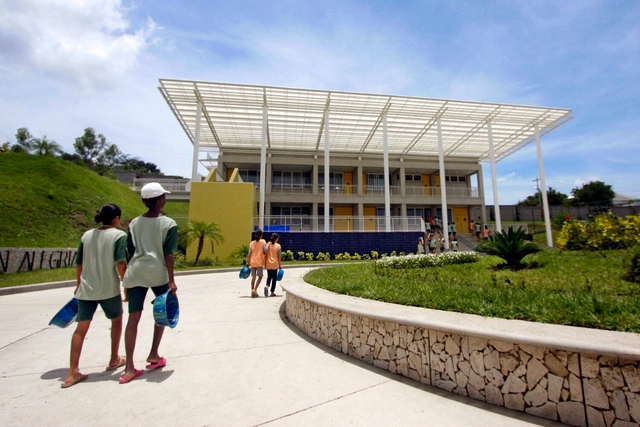
Tegucigalpa, the capital of Honduras, offers a dynamic blend of the country's architectural heritage with mountainous landscapes. Nonetheless, just like many other cities in Latin America, it faces significant urban challenges such as social class disparities and a fragmented urban fabric. In response, several design initiatives have emerged over the years to address those issues. One of the most prominent examples is the "Villa for Girls", designed by the Guatemalan firm Solis Colomer Arquitectos, which has now expanded to include a "Villa for Boys" since 2017. These projects are aimed at children from low-income families who often face the risk of being recruited by gangs. Together they build upon an architectural legacy that offers a safe, supportive environment to grow and learn.
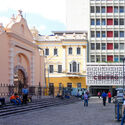
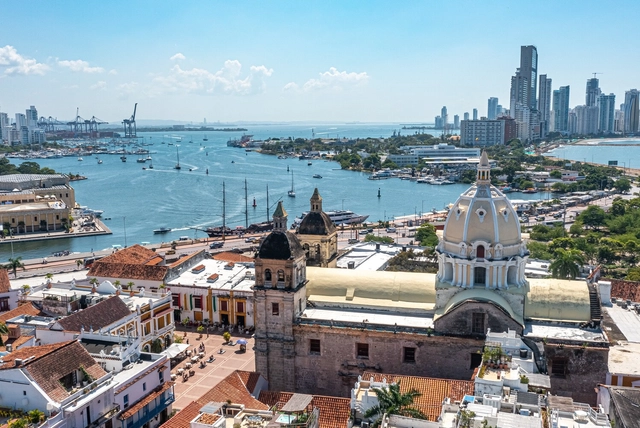
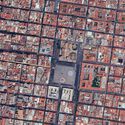
A look at most of the cities within Latin America reveals striking commonalities across countries, from Mexico down to Argentina: most cities have a well-defined area known as "El Centro" (The Center), anchored by a main plaza (Plaza Mayor), flanked by a church on one side and key buildings like the city hall on another. This is no coincidence, as it can be traced back to an urban planning system established during the Spanish colonization of the Americas in the 17th and 18th centuries. It gave standardized guidelines for city design across its viceroyalties. Unlike French and English colonies, Spanish settlements adhered to regulations that contributed to the emergence of a shared urban identity, with cities displaying similar spatial logic and architectural cohesion despite differing scales and contexts.
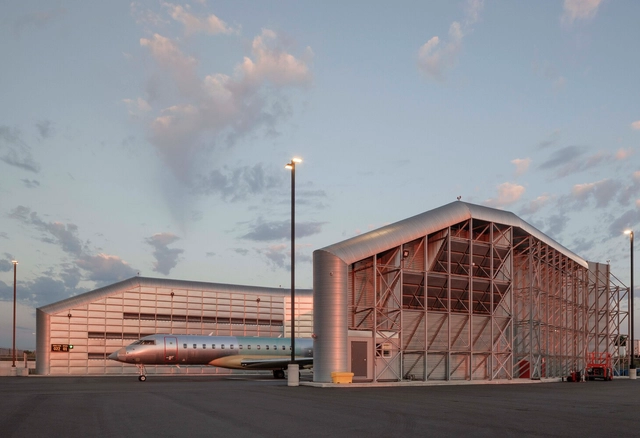
Adjacent to Toronto's Pearson International Airport, the Bombardier Aircraft Assembly Center represents a landmark project in Canadian aerospace design. Located next to Canada's largest airport, it blends 70,000 m2 (750,000 ft2) of technical precision with a focus on people. ArchDaily's editor Moises Carrasco had the opportunity to speak with Lilia Koleva, partner at NEUF architect(e)s and founder of the firm's Toronto office, which led this project. Koleva shared insights into her professional journey and reflected on the challenges of building and growing NEUF's Toronto-based office. She also discusses the Bombardier Campus, describing it as a defining project in her career, and how it showcases NEUF's ability to tackle large-scale, technically demanding projects while maintaining a focus on the people who use the space. This project builds on the office's prior expertise in industrial design and expands its portfolio of human-centered architectural solutions. Koleva also reflects on the importance of fostering collaboration, adaptability, and a clear understanding of client needs; qualities that have defined her approach to architecture and leadership at NEUF.